Category: Weekly Digest

  • Lineman Clips of The Week – April 21-25, 2025

    How Argentina’s Linemen Are Modernizing for Safety and Efficiency

    Argentina’s linemen are embracing a new era of efficiency and safety through modern equipment upgrades. By adopting standardized connectors, insulated tools, and advanced safety gear, they’re reducing installation errors, working faster, and minimizing risk on the job. These improvements not only protect workers but also enhance the reliability of the country’s power grid. The upgrades mark a significant step toward a safer, more streamlined energy infrastructure across Argentina.

    Argentina’s Linemen Maintain the Grid from Legacy to Modern

    Argentina’s linemen are bridging the gap between past and present by maintaining legacy power systems while integrating modern technology. Their expertise in both old and new equipment ensures the electrical grid remains stable and communities stay connected. This blend of tradition and innovation highlights their vital role in powering Argentina’s future without leaving the past behind.

    Argentina’s Linemen in Emergency Response and Crisis Recovery

    Argentina’s linemen are critical frontline responders during natural disasters like earthquakes and fires, especially in vulnerable regions such as San Juan and Neuquén. Trained in emergency protocols, they act swiftly to restore power and ensure safety under extreme conditions. Their resilience and expertise keep communities connected and protected when it matters most.

  • Reinforcing Plates Drive Gas Infrastructure in Argentina

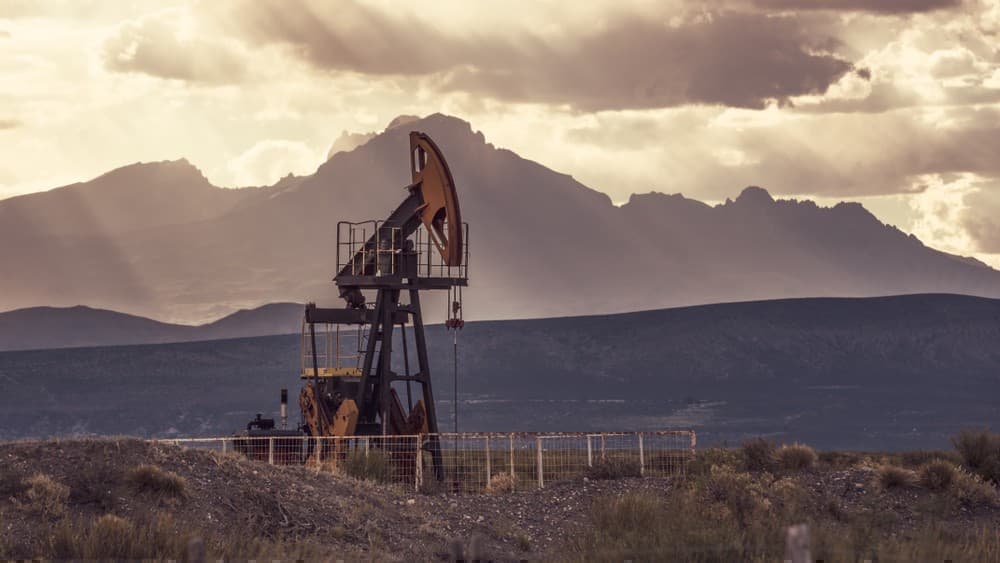
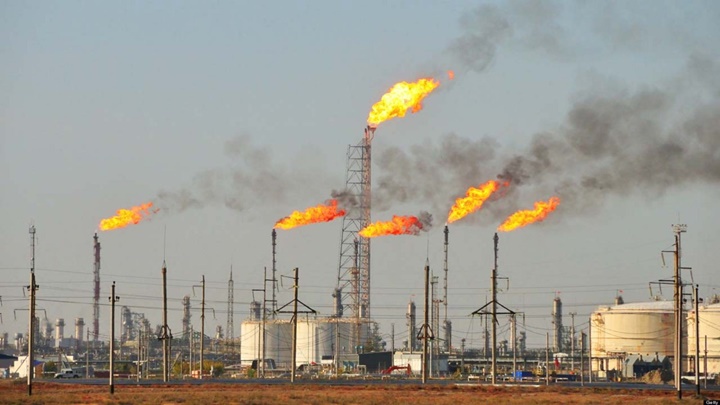
    Natural gas production facility

    The Pampas area in Argentina is located above the Vaca Muerta, the geological structure housing the most abundant oil and gas reserves. It holds natural gas, which is a cost-effective and versatile energy source. The ongoing use and production of natural gas hinders the embrace of renewable energy. Gas accounts for approximately one-fourth of global electricity use and handles around one-fifth of the world’s greenhouse gas emissions related to energy consumption.This raises the question, is natural gas valuable? Natural gas can be utilized to fuel turbines for generating renewable energy. Natural gas and renewables can coexist and be utilized together to maintain low emissions. Reinforcing plates can enhance the durability of pipeline connections, valves, or junctions where mechanical stress may compromise the system’s integrity. This renders it an essential element in the production of natural gas in Argentina’s gas fields.

    High-performance reinforcing plates function in pipeline systems in high-pressure gas transportation and distribution networks. Argentina’s natural gas pipelines operate under high pressure. Reinforcing plates are welded or bolted around weak points to prevent leaks. They mitigate metal fatigue to extend the pipeline’s lifespan. Reinforcing plates ensure compliance with safety requirements for high-stress zones. High-quality reinforcing plates are crucial for maintaining infrastructure reliability in high-pressure transport systems. They are made from carbon steel or stainless steel to match pipeline specifications.

    Reinforcing plates and their components used in Argentina’s natural gas production

    Reinforcing plates are structural components welded around an opening in a pressure vessel or pipeline. They strengthen the area around the opening to withstand internal pressure and mechanical stress. They prevent failures like cracking, buckling, or leakage. Reinforcing plates support shale gas extraction in Vaca Muerta for LNG exports. Here are the key roles of reinforcing plates in natural gas production.

    reinforcing plates support shale gas extraction
    • Pipeline branching and connection support – Argentina uses pipeline networks from Vaca Muerta. The use of reinforcing plates strengthens the connections to prevent rupture. They also allow safer integration of measurement devices and ensure structural integrity in high-pressure zones.
    • Enhancing safety – Reinforcing plates prevent gas leaks, reduce metal fatigue, and extend the lifespan of critical infrastructure. This is due to the nature of natural gas extraction, compression, and transportation.
    • Resilience in harsh environments – the plates are crucial where infrastructure faces temperature fluctuations, seismic activity, and soil movement. Reinforcing plates prevent operational downtime and emergency repairs in challenging conditions.
    • Supporting modernization and expansion projects – reinforcing plates function more in modular skids, compression stations, and metering stations.

    Development of infrastructure for natural gas extraction in Argentina

    Argentina’s natural gas output requires much investments in infrastructure. This encompasses pipelines and facilities for LNG. Natural gas production encompasses the efficient and safe transportation, processing, and storage of gas. Infrastructure advancement is vital for increasing production, minimizing dependence on imports, improving export potential, and drawing in foreign investment. Reinforcing plates improve the formation of the infrastructure required for natural gas extraction. The main infrastructure initiatives consist of:

    1. Nestor Kirchner gas pipeline – this pipeline is essential for transporting natural gas from Vaca Muerta to areas of consumption. This aids in decreasing dependence on expensive LNG imports and enhances domestic distribution.
    2. Reversing the northern gas pipeline – this intends to change the pipeline’s direction to enable gas from Vaca Muerta to flow to the northern provinces. It allows Argentina to substitute imports with local gas in the north to broaden market access.
    3. The nation intends to construct LNG liquefaction facilities close to the Coast for exporting liquefied natural gas. This will enable Argentina to access the worldwide LNG market, focusing on Europe and Asia.
    4. Compressor stations and processing plants – the nation is also allocating funds to enhance compressor facilities and gas processing plants to accommodate higher volumes. The facilities guarantee that gas supplied to homes meets international quality standards.

    Effects of natural gas extraction on Argentina’s energy industry

    The rise in natural gas production is significantly changing Argentina’s energy industry. Natural gas is driving industrial expansion, enhancing exports, generating jobs, and establishing the nation as a regional energy leader. Natural gas is aiding Argentina in its move towards energy independence, lowering energy expenses, enhancing export capabilities, and facilitating energy transition. In spite of these benefits, there are difficulties such as infrastructure deficits, regulatory and political uncertainty, and environmental advocacy. Reinforcing plates are essential elements in increasing Argentina’s natural gas output. It contributes to enhancing energy security, stability, and economic development.

  • Energy News Weekly Digest – April 14-17, 2025

    Electrical crossover clamps enhancing energy infrastructure

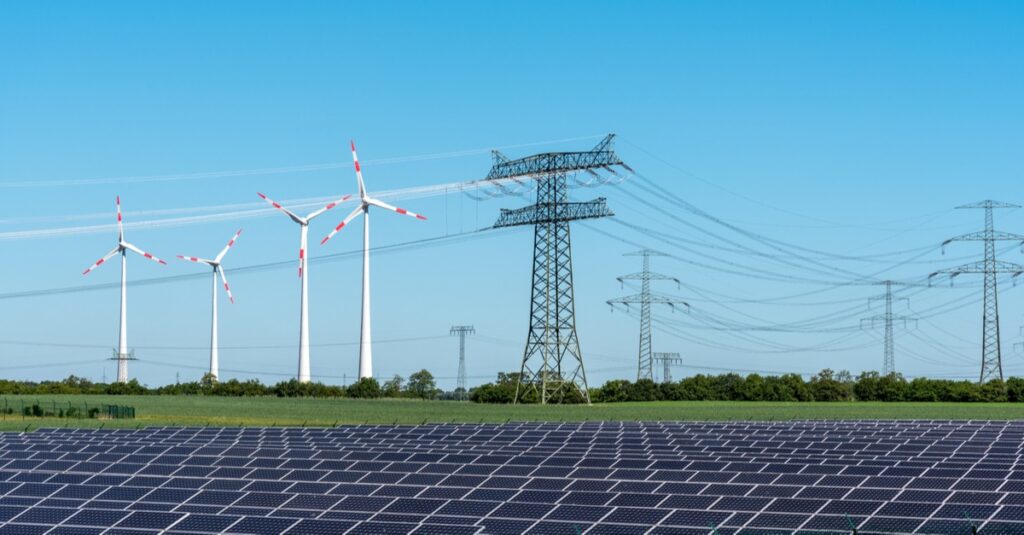
    Renewable energy supporting the electrical grid

    Electrical crossover clamps are crucial components in power transmission to ensure secure connections and maintain the integrity of the electrical grids. 

    The clamps stabilize Argentina’s electrical infrastructure, which is crucial for supporting large-scale energy projects.

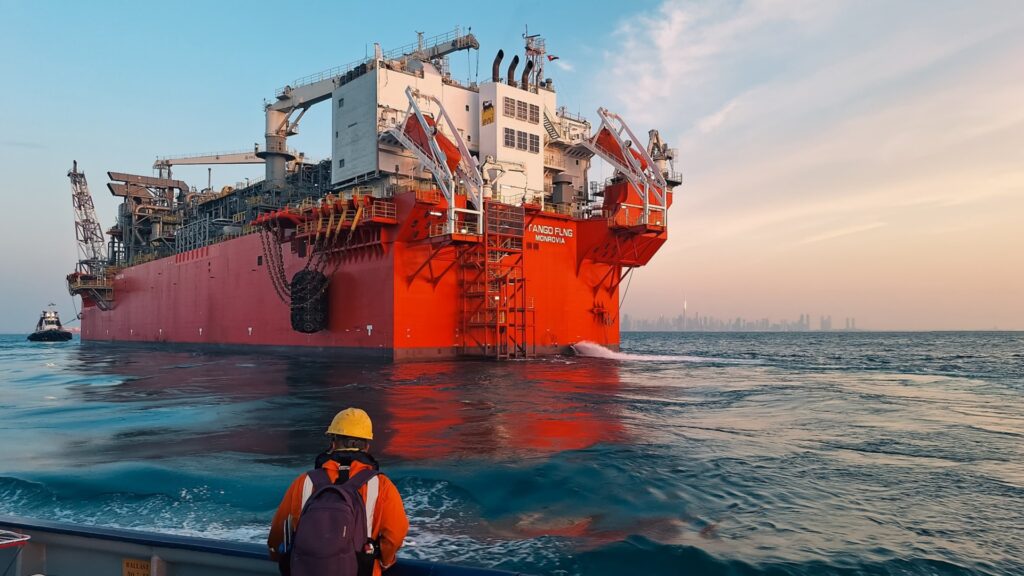
    Argentina is investing in floating liquefied natural gas (FLNG) projects to monetize its vast natural gas reserves from the Vaca Muerta shale formation.

    FLNG initiatives are set to position Argentina as a player in the global LNG market, boosting exports and economic growth.

    Electrical components like the crossover clamps are crucial for the seamless operation of FLNG facilities to ensure consistent power supply and safety.

    The integration of robust electrical hardware supports the scalability and sustainability of FLNG projects across Argentina.

    #ArgentinaEnergy #FLNG #ElectricalInfrastructure #NaturalGas #EnergyInnovation

    Read More

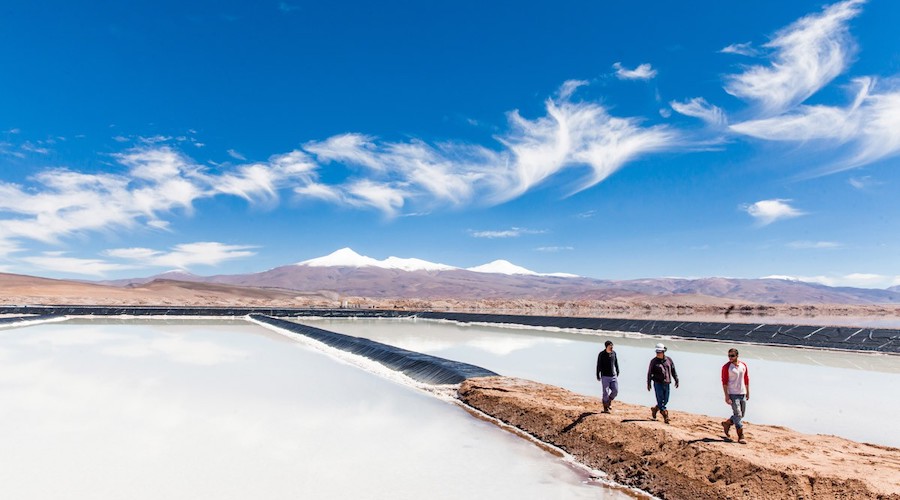
    Compression Splices Supporting Argentina’s lithium production

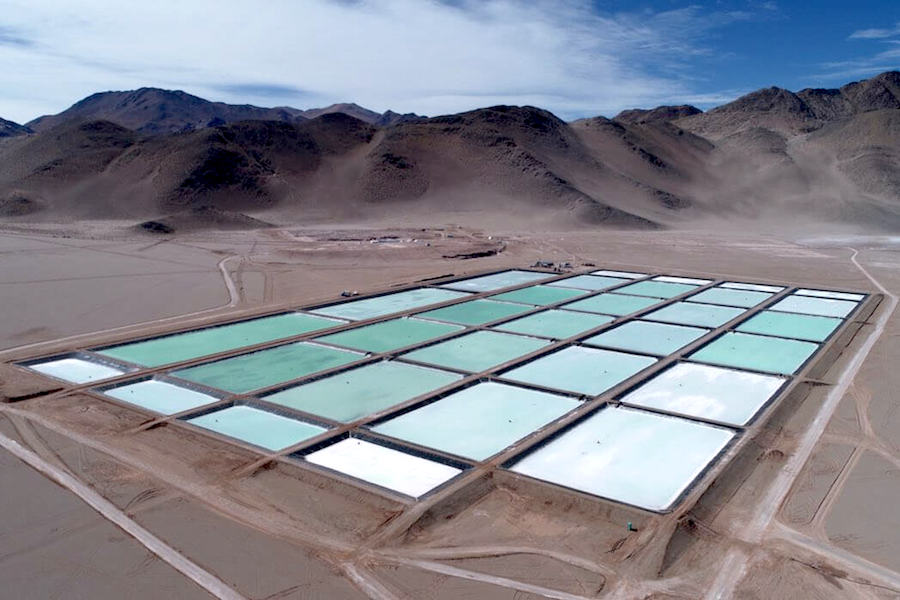
    lithium production facility

    Compression splices are essential for ensuring robust and reliable electrical connections in Argentina’s lithium production facilities.

    The splices ease the seamless integration of renewable energy sources such as solar and wind into lithium extraction and processing operations.

    The compression splices provide durable connections for the resilience of power infrastructure against environmental challenges.

    High compression splices reduce maintenance needs and minimize energy losses. This leads to a more efficient and cost-effective lithium production process.

    The use of advanced lithium extraction methods prioritizes sustainability and develops recycling infrastructure. The methods help ensure an affordable supply of lithium for the global electric vehicle market.

    Key technologies include direct lithium extraction, improved brine evaporation techniques, recycling and reuse, and sustainable mining practices.

    #LithiumProduction #CompressionSplices #RenewableEnergyIntegration #ElectricalInfrastructure #ArgentinaEnergySector

    Read More

    Download clamps enhancing Argentina’s carbon capture infrastructure.

    carbon capture and utilization facility

    Carbon capture and utilization enables the oil and gas from Vaca Muerta and the cement and steel sectors to reduce emissions. The technologies ease carbon-neutral biofuels and support economic and export opportunities.

    The use of carbon capture and utilization technologies allows Argentina to reduce emissions, enable blue hydrogen, decarbonize energy industries, and create carbon-based products.

    Downlead clamps are critical components in securing and managing overhead cables. They ensure the integrity of communication and power lines essential for carbon capture operations.

    The clamps ease the reliable transmission of data and power, which is crucial for monitoring and controlling carbon capture and storage systems.

    Downlead clamps indirectly support Argentina’s shift towards cleaner energy solutions and its commitment to reducing greenhouse gas emissions.

    #CarbonCapture #EnergyInfrastructure #ArgentinaEnergy #DownleadClamps #CleanEnergyTansition

    Read More

  • Energy News Weekly Digest – April 07-11, 2025

    Guy clamps down on strengthening Argentina’s power grid amid renewable transition.

    guy clamps expanding renewable energy capacity

    The implementation of real-time sensors, automated switching, and smart meters enhances the responsiveness and efficiency of the energy system.

    Investments in large-scale battery storage, including a 500 MW system, bolster grid reliability. This is done by storing excess energy and supplying it during peak demand periods.

    The integration of decentralized energy sources diversifies the energy mix and reduces reliance on centralized power generation. Resources such as solar and wind contribute to a more resilient energy grid.

    Guy clamps aid in stabilizing Argentina’s outdated power grid in regions like Patagonia and the Pampas. They secure poles and prevent collapses during extreme weather events.

    The clamps support the integration of renewable energy sources by ensuring the structural integrity of transmission lines connecting remote generation sites.

    High-performance guy clamps ensure line stability, reduce maintenance needs, and support grid expansion to remote areas.

    Read more

    #ArgentinaEnergy #GridModernization #RenewableIntegration #GuyClamps #SmartGrid #EnergyInfrastructur #PowerStability

    Pole bands supporting Argentina’s energy infrastructure

    grid modernization and expansion

    Argentina’s grid modernization and expansion will reshape the energy sector with impacts on electricity transmission, natural gas production, and renewable energy development.

    Grid modernization could help reduce outages, improve efficiency, and support renewable energy integration. Insufficient transmission capacity hampers the transport of energy from remote renewable sources.

    Pole bands are heavy-duty metal straps designed to secure and support equipment on utility poles, including transformers, insulators, crossarms, and guy wires.

    Argentina is investing in upgrading its power grid to reduce outages, improve efficiency, and support the integration of renewable energy sources.

    Pole bands ease the mounting of distribution components that route renewable power from wind farms in Patagonia and solar plants to urban centers.

    The use of forged pole bands aids in the installation of sensors, switches, and line monitoring devices, which is crucial for modernizing the grid.

    Read More

    #ArgentinaEnergy #GridModernization #PoleBands #RenewableIntegration #InfrastructureChallenges

    Yoke plates fuel Argentina’s LNG expansion.

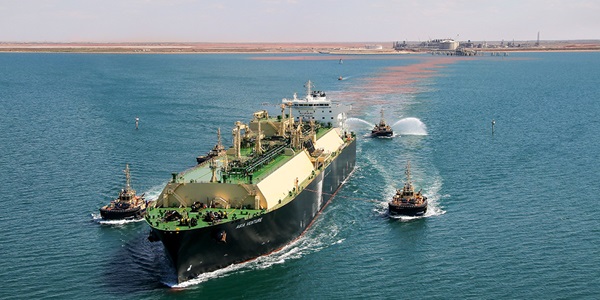
    liquefied natural gas transportation

    Argentina’s Vaca Muerta shale formation in Patagonia holds immense natural gas, which positions the country as a player in the LNG sector.

    Major energy companies, including YPF, Petronas, and Shell, aim to export up to 25 million tons of LNG annually by 2030. They also leverage floating LNG plants for flexible capabilities by 2027.

    Argentina faces technical, financial, and political hurdles, including infrastructure shortages and regulatory uncertainties that may limit LNG growth.

    Cryogenic yoke plates are essential in maintaining the structural integrity and safety of LNG infrastructure. This is including pipelines, storage tanks, and export terminals under extremely low-temperature conditions.

    Yoke plates distribute mechanical loads across supports, preventing leaks and structural failures in LNG operations. Yoke plates connect insulator strings or suspension clamps and ensure stability and prevent power outages at LNG facilities.

    Stainless steel yoke plates withstand brittleness at cryogenic temperatures, which makes them suitable for Argentina’s LNG infrastructure needs.

    Read More

    #ArgentinaLNG #YokePlates #CryogenicEngineering #VacaMuerta #EnergyInfrastructure #LNGInfrastructure

    Guy strains powering Argentina’s energy expansion

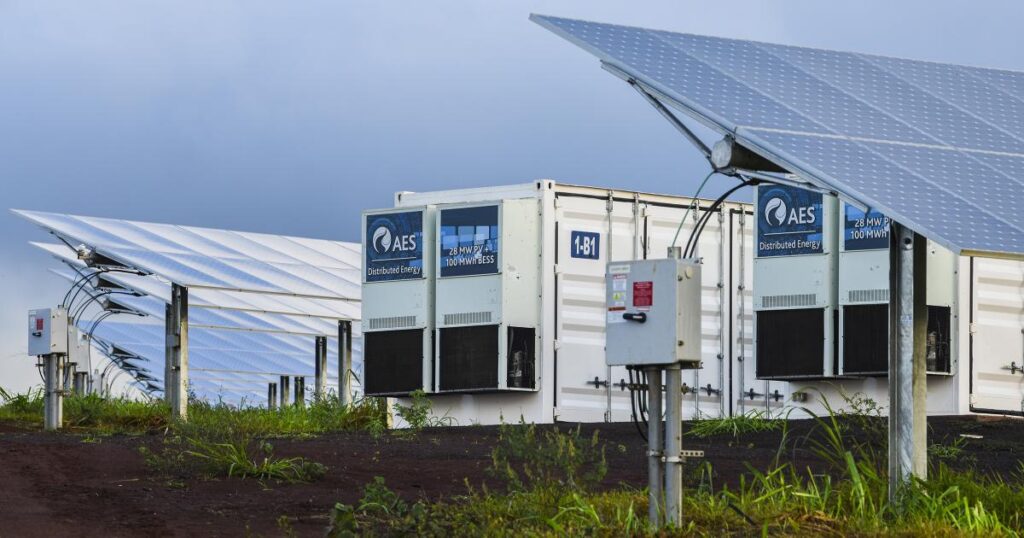
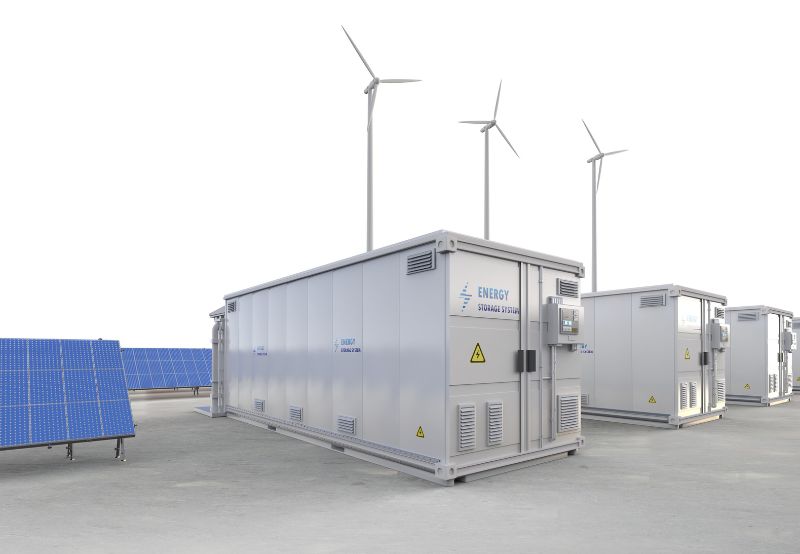
    Wind and solar energy storage facility

    Argentina’s diverse geography and growing demand for electricity need a robust and resilient transmission network. The country aims to expand its gas pipeline capacity and modernize electricity transmission.

    The nation is pursuing the modernization of its power grid to integrate renewable energy sources and enhance energy reliability. It is also working to boost its renewable energy capacity with a target of achieving 20% renewable energy in its electricity mix.

    Guy strains are crucial components used to stabilize high-voltage transmission towers in wind-prone and seismic regions of Argentina.

    The devices aid in absorbing dynamic forces such as wind, ice loads, and thermal expansion, which are common in Argentina’s climate zones.

    Guy strains enable the safe and cost-effective distribution of renewable energy across long distances. They also help strengthen the grid for ongoing investments in wind, solar, and FLNG.

    Read More

    #ArgentinaEnergy #PowerGrid #RenewableEnergy #TransmissionInfrastructure #GuyStrains #CleanEnergy #EnergySecurity

  • Lineman Clips of The Week – April 07-11, 2025

    What’s the Real Impact of Argentina’s Energy Policy on Power Line Workers?

    The video highlights Argentina’s shift towards clean energy and the crucial role power lines play in this transformation. It showcases linemen working in diverse and extreme conditions, from the Andes to Patagonia, building and repairing lines. Through sun, rain, and snow, these workers face tough challenges to ensure electricity reaches more people across the country. The video portrays their dedication, emphasizing that these unsung heroes are central to powering Argentina’s energy future.

    How Argentina’s Power Outages Affect the Workforce

    Power outages in Argentina disrupt not just daily life but also the workforce, halting businesses and workers from Buenos Aires to Córdoba. In Buenos Aires, blackouts cause office shutdowns, transport delays, and workplace standstills. In Córdoba, storm-damaged power lines create additional challenges. Despite tough weather, linemen work tirelessly, often through the night, to restore electricity and allow workers to return to their jobs. The video underscores the vital role of these linemen in ensuring the country’s productivity and resilience during outages.

    What Does It Really Take to Be a Lineman in Patagonia , the Andes , or the Pampas

    Linemen working in Argentina face some of the most challenging conditions on the continent, especially in Patagonia, the Andes, and the Pampas. In the Andes, high altitudes and biting winds make every climb and breath a struggle. In the Pampas, the vast, exposed land means hours of walking through relentless heat and dust. Patagonia’s unpredictable weather adds another layer of difficulty, with sudden storms that can quickly disrupt work. These linemen must possess unmatched endurance, focus, and determination to navigate these extreme environments, ensuring the power keeps flowing despite the harsh conditions.

  • Lineman Clips of The Week – April 01-04, 2025

    How to Become a Certified Lineman in Argentina

    In this short video, you’ll learn how to become a certified lineman in Argentina. It starts with earning a high school diploma—ideally with a technical focus—followed by enrolling in a lineman training program for hands-on experience. Safety training is essential, covering electrical risks and emergency protocols. The final step is getting certified by authorized institutions, setting you up to power Argentina’s future.

    The Role of Linemen in Integrating Renewables into Argentina’s Grid

    In this short video, you’ll see how linemen are powering Argentina’s clean energy future. As solar and wind farms grow, linemen connect them to the national grid, upgrade infrastructure, and ensure reliable electricity delivery. From high-voltage maintenance to smart grid tech, they’re essential in keeping renewable energy flowing smoothly across the country.

    Technological Advances in Line Work in Argentina

    In this short video, we explore how technology is revolutionizing line work in Argentina. From drones and AR glasses to robotic tools and AI-powered smart grids, linemen now have cutting-edge support to inspect, repair, and maintain the power network more safely and efficiently. The result? A smarter, safer, and more reliable energy system for Argentina.

  • Energy News Weekly Digest – April 01-04, 2025

    Compression splice enhances Argentina’s lithium industry.

    Lithium increasing demand for electric vehicles

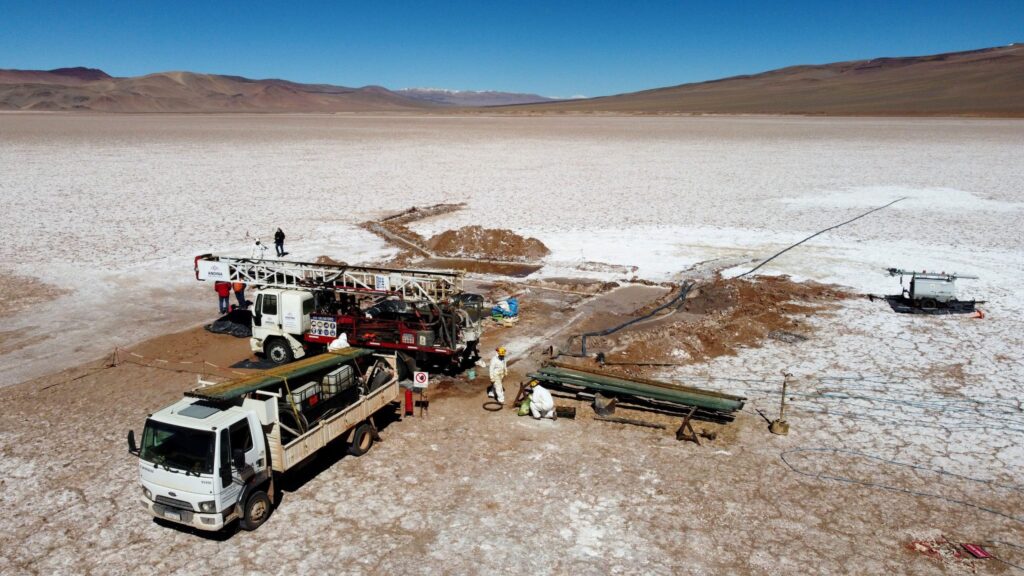
    Argentina has some of the world’s largest lithium reserves located in salt flats such as Salar del Hombre Muerto, Salar de Olaroz-Cauchari, and Salar de Atacama.

    The increasing demand for electric vehicles, energy storage systems, and renewable technologies increases the need for Argentina’s lithium.

    Companies like Vale S.A. are exploring joint ventures in Argentina to boost the EV supply chain. This leverages their financial and technological capabilities.

    Compression splices ensure consistent electrical connections in high-voltage environments. They are crucial for operating pumps and processing equipment in lithium extraction.

    The splices are designed to withstand extreme UV exposure, temperature fluctuations, and corrosive environments.

    Compression splices enhance the mechanical integrity of electrical systems, reduce the risk of failures, and optimize automated processes in lithium production.

    Efficient lithium extraction supports the production of lithium-ion batteries essential for energy storage solutions in renewable energy systems.

    Read More

    #Argentina #LithiumIndustry #CompressionSplice #RenewableEnergy #EnergyStorage #ElectricVehicles #MiningTechnology

    Guy wires strengthening Argentina’s renewable energy grid

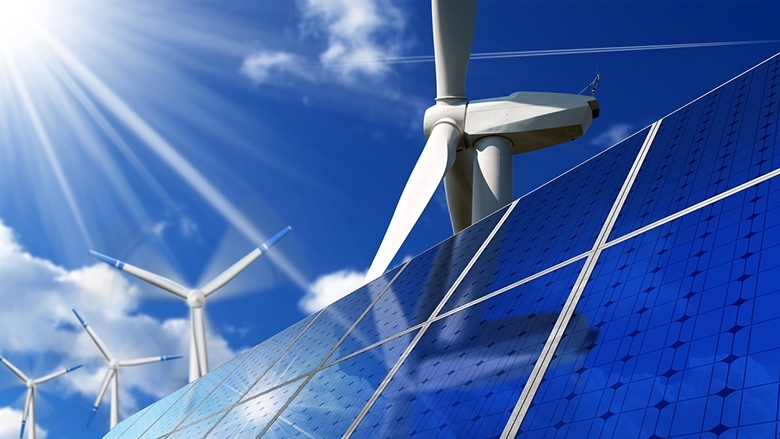
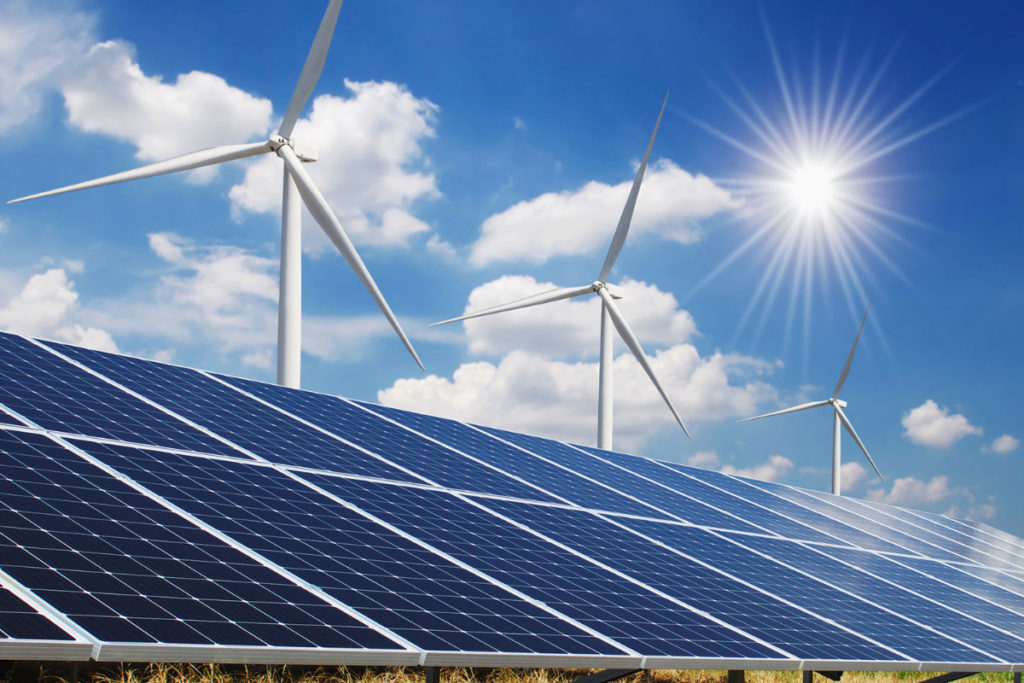
    solar panels and wind turbines for renewable energy growth

    Argentina’s renewable energy accounts for 15% of Argentina’s electricity generation, despite having wind and solar resources. The RenovAr program aims to increase this to 20% by 2025.

    The intermittent nature of wind and solar energy constitutes 65% of the energy mix alongside fossil fuels. This presents challenges to renewable energy adoption in Argentina.

    Guy wires are tensioned cables that provide structural support to tall structures such as wind turbines and transmission towers.

    Guy wires are crucial for stabilizing wind turbines, supporting transmission towers, reducing material costs, and enabling taller structures. This ensures structural integrity, ease of expansion of high-voltage lines, allows for the construction of lighter structures, and permits the erection of taller wind turbines.

    Incorporation of renewable energy into Argentina’s main grid is crucial for enhancing energy security, reducing reliance on fossil fuels, and promoting economic growth. Upgrading infrastructure and implementing smart technologies are crucial strategies in the process.

    Read more

    #RenewableEnergy #GuyWires #ArgentinaEnergy #WindEnergy #SolarEnergy #EnergyInfrastructure #GridStability

    Shackle insulators powering Argentina’s lithium boom

    lithium production promotes renewable energy technologies

    Argentina holds substantial lithium reserves in salt flats, which is crucial for electric vehicles and renewable technologies.

    Shackle insulators support and insulate overhead power lines and ensure a stable electricity supply to remote lithium extraction sites.

    The insulators are made from corrosion-resistant materials that make them able to withstand the challenging conditions of salt-rich areas. This is crucial for maintaining infrastructure integrity in Argentina’s lithium extraction.

    They ease the connection of renewable energy sources, like solar and wind, to lithium processing facilities to promote sustainable operations.

    Shackle insulators prevent electrical leakage and help endure environmental stress. This contributes to the safety and reliability of Argentina’s lithium production infrastructure.

    Read More

    #Argentina #LithiumExtraction #ShackleInsulators #RenewableEnergy #EnerguInfrastructure

  • Energy News Weekly Digest – March 24-28, 2025

    Hotline tap clamp powering Chile’s Horizonte wind farm

    Wind farm optimizes energy production in Chile

    Chile’s Horizonte wind farm is set to become the greatest onshore wind farm in South America. It has an installed capacity of 778 MW and will generate around 2,400 GWh annually.

    The wind farm will feature 140 Enercon turbines, each with a 5.6 MW capacity and a 160-meter rotor diameter, designed to optimize energy capture.

    Hotline tap clamps are electrical connectors that enable safe live-line maintenance and expansion of power transmission systems without interruptions.

    The clamps are crucial in the Horizonte project, easing the connection of new turbines and ensuring efficient power transmission across the grid. Hotline tap clamps reduce downtime, enhance grid stability, and support the seamless integration of renewable energy sources.

    The Horizonte wind farm represents a significant milestone in Chile’s renewable energy landscape. It contributes to job creation and technological advancements.

    Read More

    #HorizonteWindFarm #HotlineTapClamps #RenewableEnergyChile #WindPowerInfrastructure #SustainableEnergyProjects

    Earth anchors boost Chile’s auctions with battery backup.

    Renewable energy auctions in Chile to power Chile

    Chile’s recent power auction aims to secure 22,500 GWh of new power contracts for the 2025-2028 period, with a 60% renewable energy requirement. The auction introduces incentives for projects incorporating energy storage systems to enhance grid reliability and integrate variable renewable sources.

    Earth anchors are crucial components for ensuring the structural stability of wind turbines and solar panels. This is crucial in regions with extreme weather conditions.

    Earth anchors provide lateral assistance and long-term load-bearing capacity for turbine bases. This ensures structural stability, safety, and grid reliability.

    The auction emphasizes the integration of battery storage systems to meet firm capacity requirements. This aims to enhance grid stability and reliability by storing excess renewable energy and reducing dependence on fossil fuels during peak demand periods.

    Read More

    #ChilePowerAuction #RenewableEnergyIntegration #EarthAnchors #BatteryStorageSolutions #GridReliability #FirmCapacity

    Innovative use of ball clevis in Chile’s fish farms enhances renewable energy integration.

    Fish farming using 100% renewable energy

    Ventisqueros, a Chilean salmon farming company, transitioned to using 100% renewable energy. This shift will be crucial in reducing carbon dioxide emissions and decreasing oil consumption.

    A ball clevis is a heavy-duty metal connector used in securing and tensioning cables within renewable energy systems. Its application ensures structural stability and efficiency in various installations, including wind turbines and solar panel systems.

    Ball clevises connect guy wires to wind turbine towers to provide stability against strong winds and ensure continuous operation of essential systems.

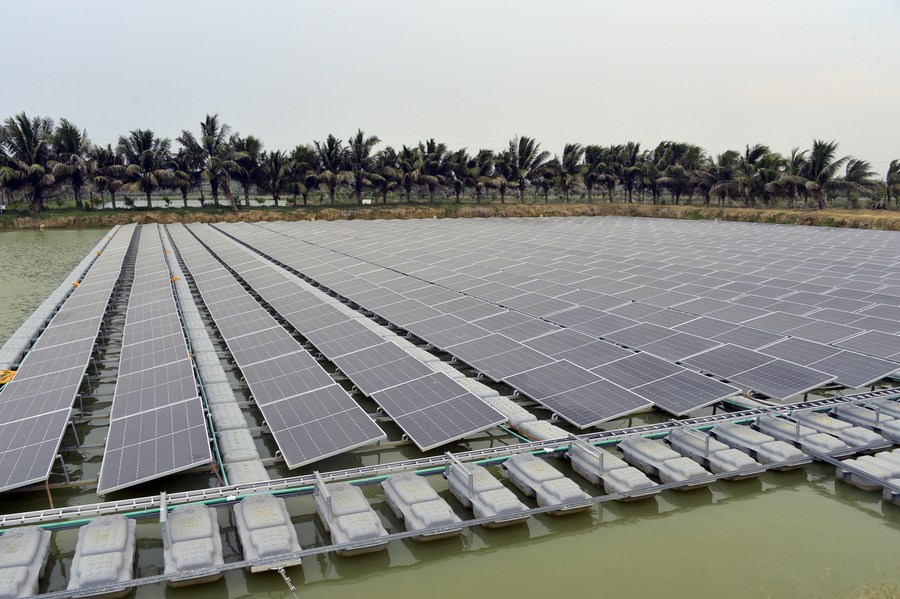
    The clevises secure mooring cables for solar arrays on fish ponds, maintaining alignment and stability against wave action and wind loads to optimize energy production. They also support cables for small hydro turbines in fast-moving water.

    The integration of renewable energy helps reduce the environmental footprint of Chile’s fish farming sector. It helps lower carbon emissions. Reduce costs and enhance sustainability.

    Read More

    #RenewableEnergy #Aquaculture #Chile #Sustainability #Infrastructure #BallClevis

    C-Span clamps supporting Chile’s renewable energy future

    Renewable energy at the forefront of clean energy transition

    Chile’s National Energy Commission launched a regulated power supply auction aiming to procure 5.4 TWh of electricity over four years. The initiative focuses on enhancing energy security, integrating renewable sources, and encouraging private investment.

    C-Span clamps are crucial hardware components used in bundled conductor overhead transmission lines. They maintain proper spacing between sub-conductors to prevent clashes and wear.

    The clamps are vital for dampening vibrations and reducing the risk of short circuits in high-wind regions. Using these clamps supports the efficiency and reliability of power transmission from renewable sources.

    Chile’s approach to integrating battery storage and concentrated solar power in its energy auctions serves as a model for other South American countries. The country’s emphasis on dispatchable renewable energy options addresses variability challenges and ensures a stable energy supply.

    Read More

    #Chile #RenewableEnergy #EnergyAuctions #C-SpanClamps #GridStability #BatteryStorage #CSP

  • Lineman Clips of The Week – March 24-28, 2025

    Linemen: Powering Chile’s Renewable Future

    This short film highlights the vital role of linemen in Chile’s renewable energy transition. As the country embraces solar and wind power, the film shows linemen installing, maintaining, and repairing the transmission lines that keep the energy flowing. The narrative emphasizes their importance in ensuring grid stability and supporting the growing renewable infrastructure. Without these unsung heroes, the power of renewables would remain just a dream, making linemen the backbone of Chile’s energy revolution.

    Linemen: Powering the Future of Chile’s Smart Grid

    This video showcases the essential role of linemen in modernizing Chile’s power grid amid the rise of renewable energy. As solar and wind power integrate into the traditional grid, linemen upgrade infrastructure and ensure the energy keeps flowing. The narrative highlights the evolution of smart grids with real-time monitoring and automation, where linemen work with advanced technology to prevent outages and improve efficiency. With the growing demand for renewables, high-voltage lines are crucial in transporting clean energy to cities. Ultimately, linemen are portrayed as the driving force behind Chile’s transition to a renewable-powered future.

    Why Pin Insulators Are Essential for Power Line Safety in Chile

    This video highlights the importance of pin insulators for linemen in Chile, emphasizing the challenges posed by the country’s extreme weather. The narrative shows how pin insulators prevent short circuits and ensure the safety of high-voltage power lines. The insulators protect against moisture, debris, and harsh weather, like storms and salt air, which could otherwise lead to power failures. The video showcases linemen at work and illustrates how durable pin insulators are essential for maintaining a reliable power grid, ultimately ensuring both worker and community safety.

  • Lineman Clips of The Week – March 17-21, 2025

    How Linemen Keep Chile’s Residents Safe

    Electricity is essential, but safety is the top priority. Chilean linemen work diligently to protect communities from electrical hazards. They inspect power lines, repair faulty connections, and reinforce equipment to prevent fires and shocks. By following strict safety protocols, they ensure both workers and residents stay out of harm’s way. Thanks to their dedication, homes remain powered, and neighborhoods stay safe. Watch to learn how these unsung heroes keep Chile’s power grid secure! ⚡🔧

    Keeping Chile Safe: The Vital Role of Linemen

    Linemen in Chile play a crucial role in ensuring electrical safety for communities. From inspecting power lines to securing transformers, they work tirelessly to prevent fires, shocks, and power failures. Using insulated materials and strict safety protocols, they make sure every repair protects both workers and residents. Their dedication keeps homes bright and neighborhoods safe. Watch to see how these everyday heroes power and protect Chile! ⚡🔧

    Why Linemen in Chile Rely on Post Insulators

    Linemen in Chile work with high-voltage power lines daily, ensuring the safety and stability of the electrical grid. A crucial tool in their work is the post insulator, which prevents dangerous electrical faults and keeps the system running smoothly. Without them, power lines could short-circuit, leading to outages and hazards. Designed to withstand harsh weather, these insulators play a vital role in maintaining reliable electricity across Chile. Watch to see why post insulators are essential for safety, efficiency, and power distribution! ⚡🔧