Electricity is essential, but safety is the top priority. Chilean linemen work diligently to protect communities from electrical hazards. They inspect power lines, repair faulty connections, and reinforce equipment to prevent fires and shocks. By following strict safety protocols, they ensure both workers and residents stay out of harm’s way. Thanks to their dedication, homes remain powered, and neighborhoods stay safe. Watch to learn how these unsung heroes keep Chile’s power grid secure! ⚡🔧
Keeping Chile Safe: The Vital Role of Linemen
Linemen in Chile play a crucial role in ensuring electrical safety for communities. From inspecting power lines to securing transformers, they work tirelessly to prevent fires, shocks, and power failures. Using insulated materials and strict safety protocols, they make sure every repair protects both workers and residents. Their dedication keeps homes bright and neighborhoods safe. Watch to see how these everyday heroes power and protect Chile! ⚡🔧
Why Linemen in Chile Rely on Post Insulators
Linemen in Chile work with high-voltage power lines daily, ensuring the safety and stability of the electrical grid. A crucial tool in their work is the post insulator, which prevents dangerous electrical faults and keeps the system running smoothly. Without them, power lines could short-circuit, leading to outages and hazards. Designed to withstand harsh weather, these insulators play a vital role in maintaining reliable electricity across Chile. Watch to see why post insulators are essential for safety, efficiency, and power distribution! ⚡🔧
High above the ground, Chilean linemen work tirelessly to maintain and expand the power grid. Safety is their top priority as they meticulously check every tool and harness before climbing utility poles. Braving heights and harsh conditions, they install and secure new power lines with precision, ensuring stability and efficiency. Their efforts connect communities across Chile, from remote mountains to bustling cities. As the backbone of the nation’s electrical infrastructure, these linemen keep the lights on—one line at a time.
How a Troubleman Lineman Repairs Power Lines in Chile
Chile’s troubleman linemen work at extreme heights to restore power where few dare to go. Inspecting damaged insulators and faulty connections, they ensure every component is secure. With 23,000 volts nearby, precision is critical as they replace broken parts and reconnect high-voltage lines using specialized tools. Once the job is done, a signal confirms power is restored, bringing light back to communities. More than just fixing lines, these linemen keep Chile connected, ensuring reliable electricity for all.
Why Pin Insulators Are Important for Chile Linemen’s Work
Pin insulators play a vital role in keeping Chile’s power lines safe and efficient. These durable components prevent electricity from leaking and protect utility poles from high-voltage damage. Without them, power lines could short-circuit, leading to outages and hazardous conditions. For linemen, properly installed pin insulators ensure safety, reliability, and seamless power distribution. As the backbone of Chile’s electrical grid, these small but powerful insulators help keep the lights on across the country.
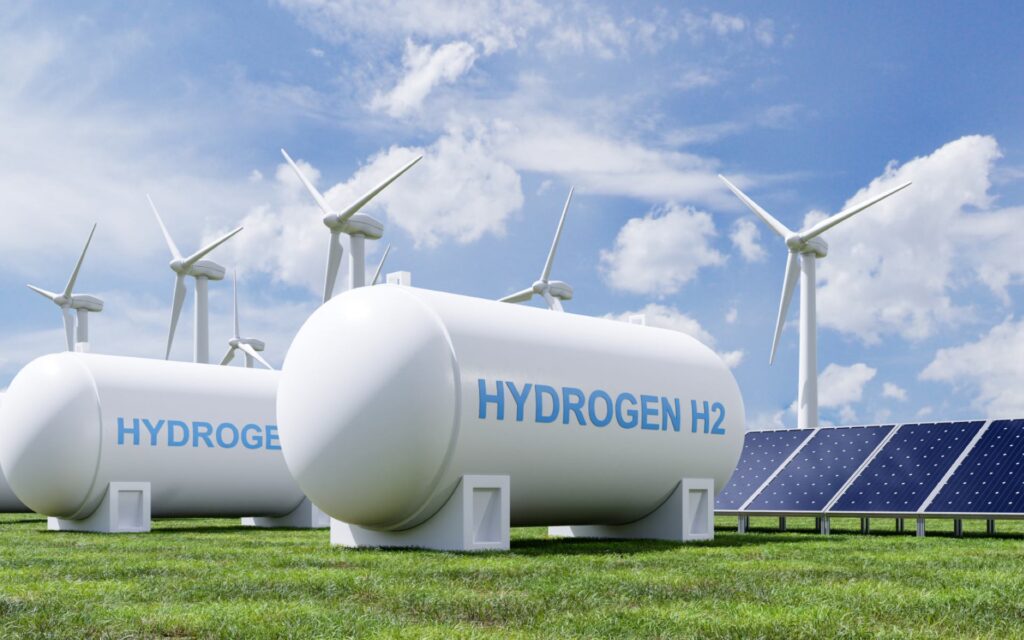
Drop-out cutout fuses addressing Chile’s green hydrogen sector
Chile’s green hydrogen industry is enhancing safety and reliability by integrating drop-out cutout fuses into its electrical infrastructure. The devices protect electrical systems from overcurrents and faults to ensure uninterrupted operation of hydrogen production facilities.
Chile is forging international collaborations to speed up its green hydrogen initiatives. The partnerships ease knowledge exchange, technological advancements, and investments.
Green hydrogen development presents economic opportunities, but there are rising concerns about its environmental and social impacts. Some projects may disrupt local economies and benefit foreign corporations.
The development of green hydrogen projects can help enhance energy resilience and support the growing integration of renewable energy sources. This is crucial, especially with the recent blackouts, which highlighted Chile’s power infrastructure.
Drop-out cutout fuses are crucial for protecting electrical systems from faults and surges. Their integration ensures the safety and efficiency of hydrogen production facilities to support the renewable energy goals.
Ball Clevis in Chile’s solar capacity and infrastructure innovations
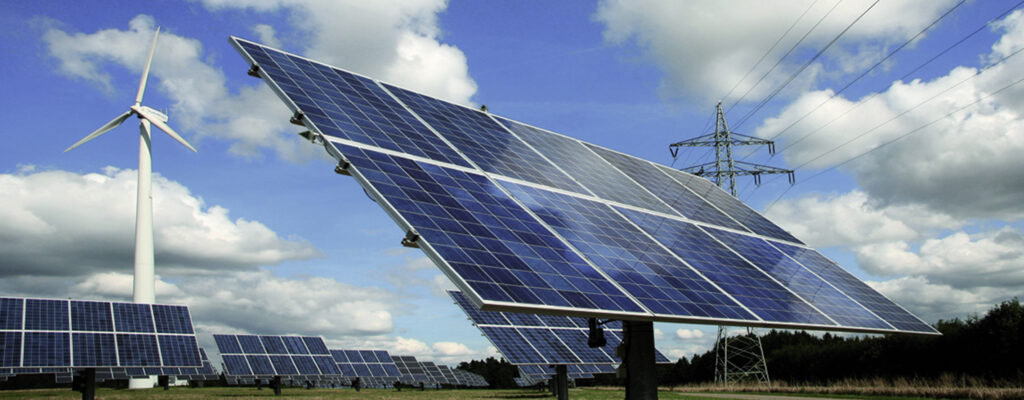
Chile aims to achieve 70% renewable energy in its electricity mix by 2030 and carbon neutrality by 2050. The presence of natural resources, supportive policies, and increasing energy demand are driving solar energy growth in Chile.
The country is experiencing an increase in solar photovoltaic (PV) installations, with projections indicating that solar could double or triple by 2030.
Ball clevis is crucial in the transmission and distribution infrastructure to ensure efficient and reliable electricity transmission from generation sites to urban centers.
The clevises connect insulators to structures in overhead transmission lines, contributing to the stability and resilience of the power grid. This is crucial for integrating intermittent renewable energy sources like solar and wind.
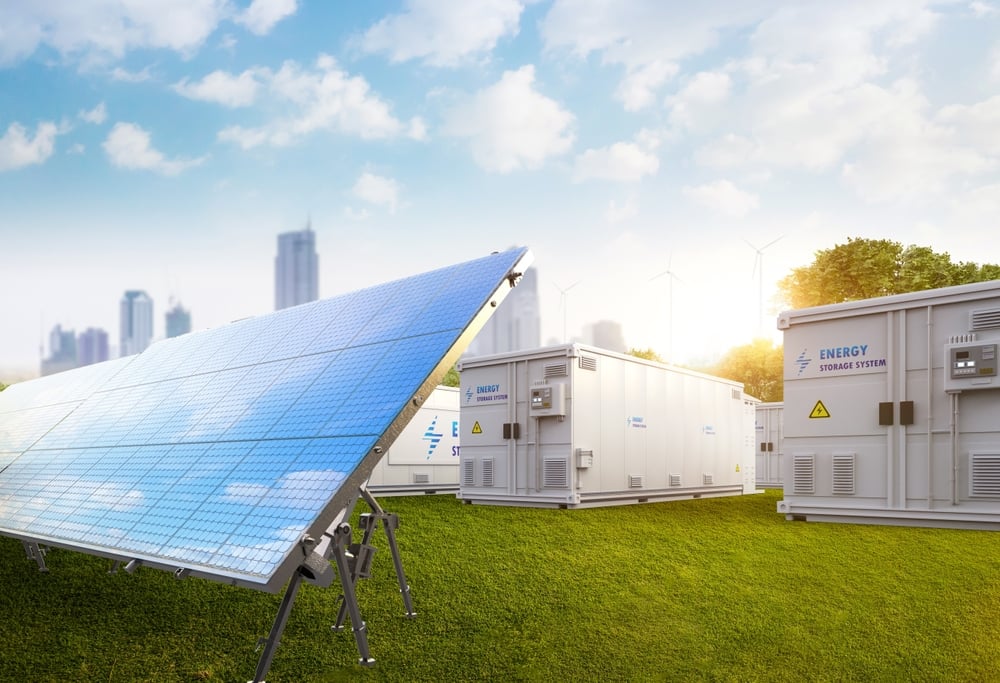
Integrating solar PV with battery energy storage systems (BESS) is on the rise in Chile. A ball clevis eases the operation of the hybrid projects by ensuring robust transmission networks.
The expansion of renewable energy infrastructure aids in reducing carbon emissions and stimulates economic growth through job creation.
The role of drop wire clamps in Chile’s transition to renewable energy
Drop wire clamps are crucial in pivoting and securing overhead conductors to structures for consistent electrical connections. This is crucial in Chile’s integration of renewable energy sources into the grid.
Reliability of drop wire clamps helps maintain the integrity of electrical connections to ease the seamless incorporation of renewable energy sources like solar and wind into existing infrastructure.
Drop wire clamps are designed to withstand environmental challenges to ensure continuous power delivery across Chile’s varied landscapes.
The clamps reduce the risk of electrical faults, enhancing safety for both technicians and the public. Their reliability also reduces maintenance needs, leading to cost savings and uninterrupted power supply.
Pole top pins are essential in expanding Chile’s renewable grid.
Chile leads South America’s solar PV development with plans for 160 GW of capacity. The country aims for 70% renewable energy in the mix by 2030.
Pole top pins secure insulators on utility poles to ensure the integration of renewable energy sources like solar, wind, and hydrogen into the grid. They help reduce energy loss, extend lines, and support grid modernization.
Hybrid projects combine solar PV with battery energy storage to mitigate intermittency, enhance grid resilience, and reduce fossil fuel reliance. These efforts are crucial to decarbonization and energy security.
Battery systems capture excess energy and release it during peak demand, improving grid efficiency and helping off-grid regions.
The Atacama Desert’s solar potential, coupled with favorable policies, positions Chile as a renewable energy leader.
As Chile embraces new technology and renewable energy, the role of linemen is evolving rapidly. From using drones for safer inspections to leveraging augmented reality and AI for faster repairs, innovation is transforming how linemen work. With Chile leading Latin America in wind and solar energy, linemen play a crucial role in maintaining these power grids.The next generation of linemen will require advanced training to adapt to these high-tech advancements. As the country moves toward a cleaner, more efficient energy future, linemen will remain the backbone of Chile’s power infrastructure, ensuring reliable electricity for generations to come.
Lineman Perception in Chile – The Unsung Heroes
Linemen are the invisible force keeping Chile powered, yet their work often goes unnoticed. Every light we turn on, every charged phone, and every warm meal we enjoy is made possible by their dedication.Facing extreme weather, high altitudes, and life-threatening risks, linemen work tirelessly to maintain and restore electricity, especially in times of crisis. While others take power for granted, these unsung heroes sacrifice time with their families and put their lives on the line for the country’s energy needs.
The Role of Linemen in Chile’s Industry
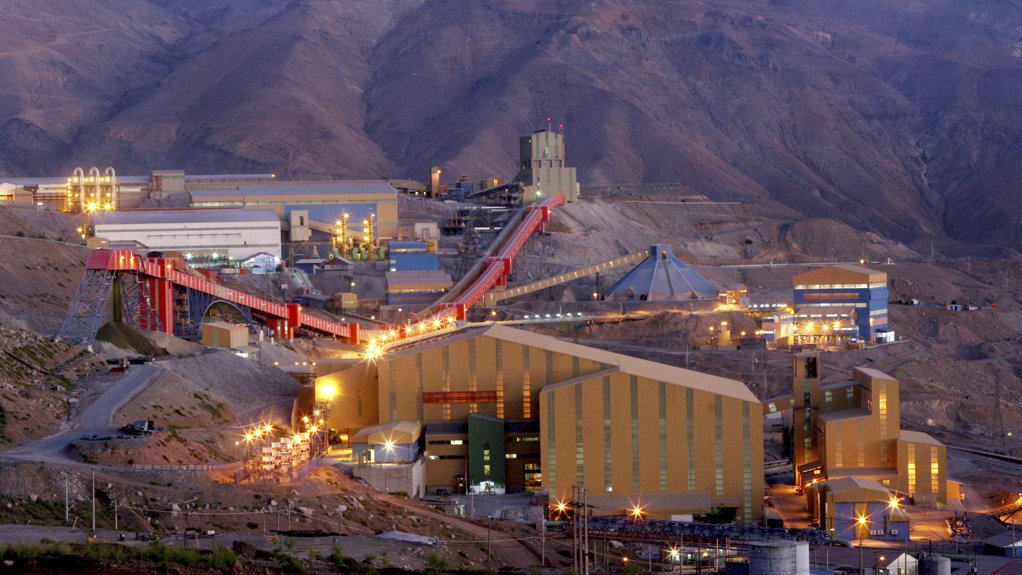
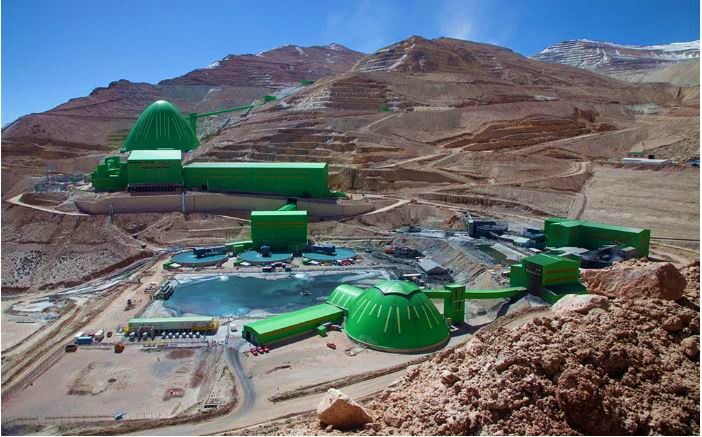
Linemen are the backbone of Chile’s power infrastructure, ensuring electricity flows to homes, hospitals, businesses, and industries across the country. From scaling high-voltage lines in remote areas to keeping the mining sector running and maintaining Chile’s growing renewable energy grid, their role is vital. Without them, the nation’s economy and daily life would come to a halt. As Chile advances toward a sustainable future, linemen remain essential in powering progress. They don’t just work with power—they power Chile’s future!
Securing Chile’s renewable future: The role of downlead clamps in the Pemuco wind farm
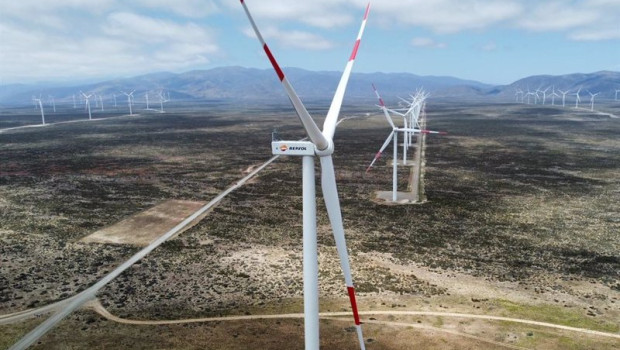
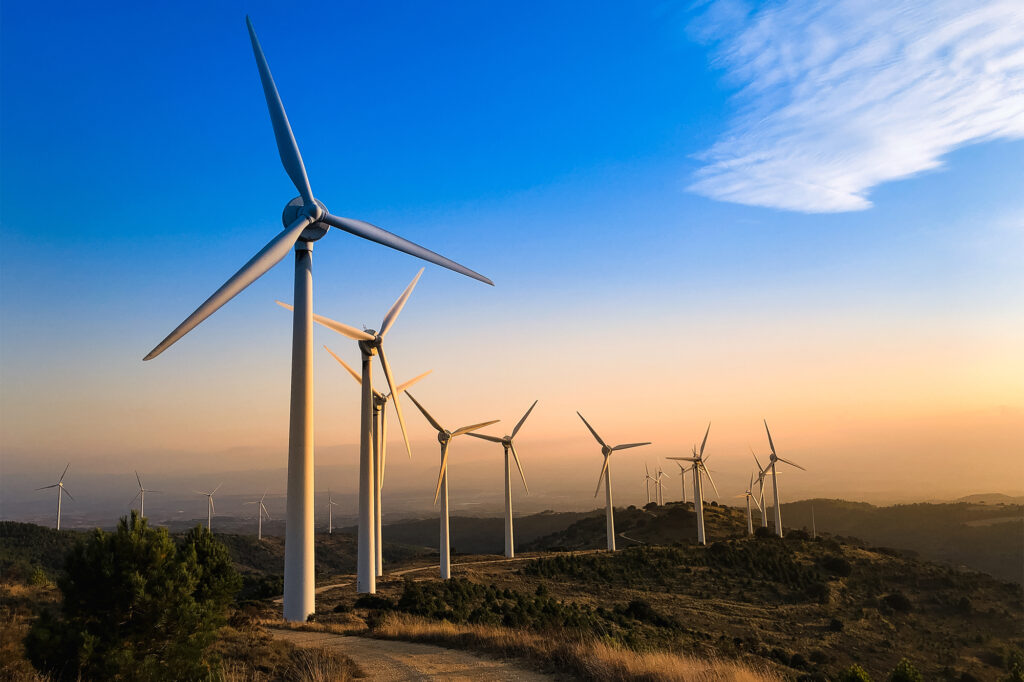
The Pemuco wind farm, a 165 MW project in Chile, is a significant step towards sustainable energy. It features 22 wind turbines, each with a capacity of 7.5 MW.
The development of this project will be responsible for the development of civil infrastructure and electrical works. This is including the construction of foundations and platforms, access roads, and the installation of medium voltage network cables.
Downlead clamps hold power cables along the wind turbine tower to prevent movement caused by wind or vibrations. The clamps reduce the risk of electrical faults or disconnections.
Downlead clamps reduce abrasions and mechanical stress on cables, extending their lifespan and reducing maintenance costs.
Properly secured cables ensure the effective transmission of electricity from the turbine to the grid to maximize energy output.
The Pemuco wind farm contributes to reduced carbon emissions, economic benefits, and enhanced renewable energy in Chile.
The role of pole top brackets in Chile’s lithium extraction infrastructure
ExxonMobil plans to meet with Chilean officials to explore investment opportunities in lithium extraction. This signals a strategic move towards renewable energy resources.
The Chilean government has also announced a new strategy to expand lithium production through partnerships between a state-owned lithium company and private investors.
The use of a pole top bracket provides support to electrical and communication systems within lithium mining operations. These brackets ensure reliable power distribution to extraction facilities, supporting high-voltage transmission lines for brine pumping and processing.
Pole top brackets support transformers, insulators, or other equipment of utility poles. They also aid in providing power to lithium extraction facilities.
ExxonMobil and SLB have several opportunities in Chile’s lithium industry. The companies have expertise in resource extraction, brine processing, and advanced technologies.
Their investment will also offer entry into the growing EV and battery market, aligning with Chile’s new lithium strategy to diversify beyond fossil fuels.
Cross plate anchors: the backbone of Chile’s solar farm stability
PV Hardware (PVH), a Spanish manufacturer specializing in solar racking solutions, has been selected to supply its AxoneDuo infinity trackers for the Alcones project.
The project is a 109.76 MW solar project, including the development of a 33/110 kV substation and a 9 km transmission line. PVH’s trackers are designed to enhance solar plant performance and adapt to diverse terrains.
Their operation will contribute to Chile’s renewable energy infrastructure and carbon reduction efforts.
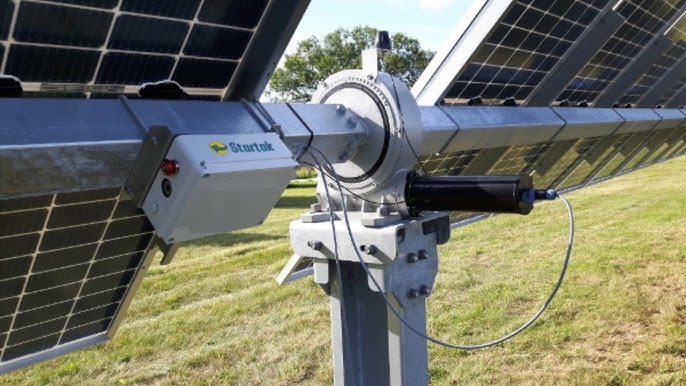
Cross plate anchors play a crucial role in securing structures like solar trackers to the ground and ensuring stability and resistance against environmental forces.
The anchors consist of a central rod with perpendicular steel plates at the base, forming a cross shape that enhances holding capacity when embedded in soil.
The use of cross plate anchors provides a robust foundation, preventing solar panels from shifting and ensuring the system can withstand seismic forces.
Anchors help distribute the weight of solar panels and mounting structures across the ground, preventing sinking or tilting.
Their application in solar farms contributes to the reliability and efficiency of energy production systems by maintaining the proper positioning of solar panels.
Guy strains play a pivotal role in stabilizing Chile’s wind energy infrastructure.
Engie Chile has partnered with Portugal’s CJR Renewables to develop the 165 MW Pemuco wind farm. The project includes the construction of 22 wind turbines, aiming to supply energy to around 100,000 households in southern Chile.
Guy strains are tensioned cables that provide stability to freestanding structures like wind turbines. They support wind turbine towers to prevent swaying or collapse due to strong winds.
The use of guy strains insulators prevents electrical currents from traveling through the guy wires and thereby protects the turbines from potential damage.
Guy strains mitigate the risk of electrical surges by breaking the conductive path of the guy wires, which is essential in regions with high wind activity.
CJR Renewables is responsible for both civil infrastructure and electrical construction, including building foundations, platforms, access routes, and laying medium-voltage cables.
The Pemuco wind farm aligns with Chile’s national objectives to diversify energy supplies, reduce greenhouse gas emissions, and promote sustainable growth.
Brace crossarms promoting the decarbonization of mining operations in Chile
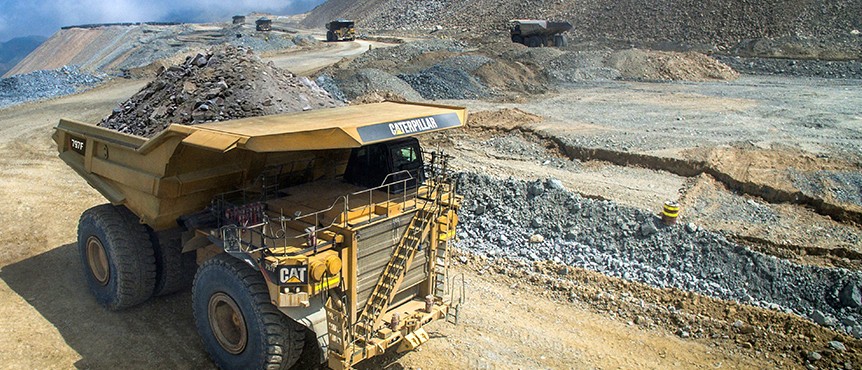
Codelco, the world’s largest copper producer, aims to reduce indirect emissions by 25% by 2030. This aligns with Chile’s commitment to carbon neutrality by 2050. The company has plans to electrify its transportation fleet, targeting 40% electrification by 2030 and a full transition by 2040.
Codelco is transitioning its operations to renewable energy sources to power mines, thereby reducing greenhouse gas emissions. This is through the use of sources like solar, wind, and hydropower.
Brace crossarms reinforce transmission towers and poles to ensure stability against environmental factors and electrical loads. They distribute mechanical stress to reduce structural failures and vibrations.
Brace crossarms maintain the robust electrical infrastructure to support the electrification of mining equipment, contributing to emission reductions.
Chile’s Codelco is implementing a range of initiatives to reduce emissions from its mining operations. These efforts are part of Chile’s commitment to sustainability and alignment with its national decarbonization goals.
The initiatives include electrification of mining equipment, renewable energy adoption, energy efficiency improvements, and carbon capture and storage.
Guy deadends supporting KfW’s Chile hydrogen projects.
Chile aims to become a global leader in green hydrogen production to leverage its renewable energy resources. The country’s national green hydrogen strategy sets ambitious targets, including producing the world’s cheapest green hydrogen and achieving 25 GW of electrolyzer capacity.
The German development bank KfW has committed investments to support Chile’s renewable hydrogen industry. The funding will help the country’s goal of achieving 100% clean energy by 2050.
Guy deadends are structural components used to stabilize and anchor infrastructure to ensure the reliability and safety of power lines. Guy deadends support for renewable energy installations, transmission lines, electrolyzer facilities, and storage infrastructure.
They are crucial in maintaining the stability of structures in challenging environmental conditions; this thereby supports the continuous and efficient production of green hydrogen.
KfW plays a crucial role in financing sustainable development projects in Chile, providing benefits to both Chile and the global energy transition. This initiative contributes to green hydrogen ambitions, renewable energy potential, global decarbonization, and technological innovation.
Cutout fuse: key in strengthening Chile’s power infrastructure
Chile experienced its most significant power outage in 15 years, which affected over 90% of the population. The blackout disrupted daily life and critical industries, including copper mines.
The outage came from a failure in a high-voltage transmission line in northern Chile. The failure led to a cascade of power plant shutdowns and widespread disruptions across the national grid.
A cutout fuse is a protective device installed on distribution power lines to safeguard transformers and electrical equipment from overcurrent conditions.
The cutout fuse disconnects circuits during excessive current flow to prevent equipment damage. It also isolated affected sections to prevent faults from spreading and reducing impacts. A cutout fuse also reduces the risk of fires, equipment explosions, and electrical hazards to ensure safety for both the grid and maintenance personnel.
The cutout fuse is able to adapt to the increased integration of renewable energy sources by managing complex power flows and ensuring grid stability.
Chile’s renewable energy generation sites are often distant from major consumption centers. This disparity leads to congestion in transmission lines, causing energy restrictions.
The intermittent nature of solar and wind necessitates the need for backup systems to maintain grid stability. Battery energy storage systems help in addressing this intermittency.
Ball clevis enhancing efficiency and sustainability in Chile’s mining operations
Chile’s mining sector aims to reduce its greenhouse gas emissions by 70% by 2030 and achieve net-zero emissions by 2050.
Its strategies include transitioning to 100% clean electricity and innovating with green hydrogen and electromobility in underground mining operations.
Codelco has initiated the use of grinding balls made from recycled materials at the mines. This will lower annual emissions by 40,000 tons.
A ball clevis is crucial in the linkages and control systems of heavy mining machinery. They reduce friction and wear to contribute to more efficient equipment operation, leading to lower greenhouse gas emissions. The clevises ensure reliability and performance by providing precise control mechanisms for electric machinery.
High-quality ball clevis provides durability and reliability to decrease the frequency of maintenance and equipment failures. This helps reduce replacement and repairs, leading to lower resource consumption and waste.
The clevises ensure accurate operation of robotic arms, autonomous vehicles, and other automated equipment. Automation optimizes mining operations, leading to more efficient use of energy and resources to reduce waste and emissions.
Chile is embracing grid digitalization to modernize its energy infrastructure, ensuring a more reliable and efficient power system. By integrating smart sensors, AI-driven analytics, and real-time monitoring, the country is optimizing energy distribution, reducing blackouts, and enhancing sustainability. This transformation supports Chile’s growing reliance on renewable energy sources such as solar, wind, and hydroelectric power. With advanced technologies like smart meters and automated power restoration, businesses and households benefit from lower costs and improved reliability. As digitalization reshapes the grid, Chile is paving the way for a smarter, greener energy future.
Lineman vs. Extreme Weather: Powering Chile Against the Odds
Chile’s linemen work in some of the most extreme weather conditions to ensure a stable power supply across the country. Battling high winds, heavy storms, freezing temperatures, and intense heat, these workers risk their lives climbing towering power lines to make critical repairs. Every ascent is a high-stakes mission where precision and courage are essential. Despite the dangers, their dedication never wavers—they are the unsung heroes who keep Chile powered, no matter the challenge.
Lineman Adaptation: Powering Chile Through Extreme Terrains
Chile’s linemen face diverse and extreme environments to maintain the country’s power grid, adapting to harsh conditions across deserts, mountains, and cities. In the Atacama Desert, they combat intense heat and dust storms with specialized cooling gear and early-morning shifts. In the Andes, they endure freezing temperatures and high winds, relying on thermal gear, insulated tools, and even helicopters for precision work. In urban centers like Santiago, they navigate tight spaces and heavy traffic, utilizing drone inspections and underground cable networks. No matter the terrain, these skilled professionals ensure Chile remains powered and connected.
Ball clevis powers Verano’s renewable energy breakthrough in Chile
Verano Energy, a renewable energy developer, has achieved milestones in Chile’s renewable energy sector. The company’s solar projects are powered by advanced hardware including ball clevis components and ensure the stability and efficiency of solar panel installations.
Large-scale battery storage projects are being deployed to ensure grid stability and maximize solar energy usage day and night. Government incentives and private investments are driving the growth of hybrid renewable energy systems.
A ball clevis is a crucial component in power transmission connecting electrical insulators to overhead lines. It ensures stability and durability in high-voltage transmission networks.
Ball clevises are essential for maintaining grid reliability in extreme conditions like Chile’s deserts and mountainous regions. They support the integration of renewable energy sources into the national power grid.
Chile’s energy industry is using various energy storage systems to enhance energy reliability and efficiency. Lithium-ion and pumped hydro storage projects are gaining momentum in the nation. Energy storage allows Chile to store excess solar energy during the day and use it at night to increase grid stability.
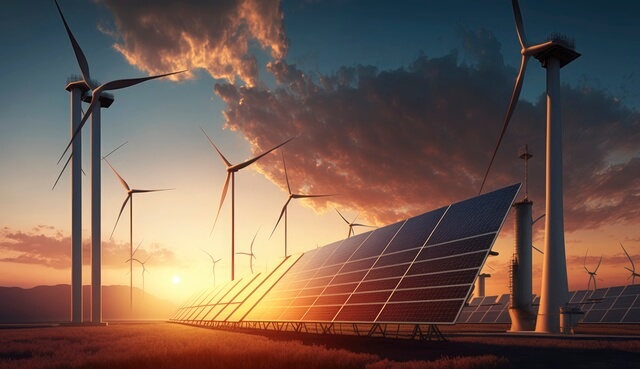
The country aims for carbon neutrality by 2050 with renewables expected to dominate electricity generation by 2040. They are investing in smart grids, energy storage, and power transmission infrastructure to meet these goals.
How Peru’s rich mining sector is fueling clean energy transition and the role of double arming bolt
Peru’s mining sector is a key enabler of the country’s renewable energy goals, with abundant copper, lithium, and other critical minerals.
Leading mining companies are investing in solar and wind energy to power their operations to reduce their carbon footprint and supporting Peru’s climate goals. Government policies are encouraging sustainable mining through green investments, energy-efficient equipment, and electrification.
A double arming bolt is a crucial fastener used in power transmission poles, reinforcing electrical infrastructure to support heavy-duty energy loads in mining regions.
Peru’s mining industry requires reliable electric grids needed to distribute renewable energy efficiently to remote applications. Double arming bolts help stabilize transmission structures to ensure safety, efficiency, and durability.
Strong electrical infrastructure is crucial to prevent power disruptions and maximize clean energy use as mining companies shift to solar and wind power.
The mining sector in Peru is a pillar of the renewable energy revolution and is committed to sustainable mining practices and robust infrastructure.
South America’s power technology trends and grid challenges
As south America speeds up its shift to renewable energy sources, grid stability remains a significant concern. Countries like Chile, Brazil, and Argentina are expanding solar and wind power but outdated infrastructure and inconsistent energy distribution are creating bottlenecks.
This shift faces various challenges including intermittent renewables, aging transmission infrastructure, energy losses, and blackouts.
South America can enhance grid stability issues through the use of line guards. Line guards are devices that protect overhead power lines from mechanical stress, vibration, and environmental damage.
Line guards prevent line failures, enhance renewable energy integration, and reduce maintenance costs. They protect power cables from excessive vibration, extending grid lifespan and stabilize power transmission from wind and solar farms.
Strengthening grid infrastructure with line guards and smart grid technology is essential to achieving a reliable, low carbon energy future in South America.
South American countries can invest in AI-driven grid management for improved energy efficiency. Using battery storage expansion can help balance supply and demand in the region.
Powering South America’s energy future through power technology trends
South America is shifting towards a renewable-powered future, leveraging advanced technologies to enhance energy efficiency, grid reliability, and sustainability.
There are key trends powering South America’s energy transition including offshore wind farms, grid modernization, smart infrastructure, solar power, and energy storage & battery advancements.
Cross plate anchors are crucial in stabilizing wind turbines, solar farms, and transmission towers in South America’s diverse landscapes. They provide long-term structural support reducing the need for frequent maintenance and increasing the durability of energy projects.
Chile’s Atacama Desert receives the highest solar radiation which is ideal for solar energy expansion. Government incentives are speeding up grid-scale and off-grid solar installations.
Investments in smart grids helps manage the rising influx or renewable energy. Chile’s national energy strategy aims to reinforce high-voltage transmission lines using advanced anchoring systems for greater efficiency.
Pole and Tower Design – Engineering Behind Power Line Structures
This video explores how utility poles and transmission towers are designed to withstand environmental forces through precise calculations of wind loads, line tension, and ground conditions. Engineers select materials like wood, steel, and concrete for durability, while linemen ensure proper installation and maintenance. From deep-set foundations to strategic line angles, every detail matters in creating a resilient power grid. Pole and tower design isn’t just about holding up wires—it’s the backbone of reliable electricity.
Line Sag and Tension: The Science Behind Power Line Stability
Power lines don’t hang too tight or too loose by accident—it’s all about precise tension calculations. Engineers carefully balance line sag and tension to prevent stress on poles while avoiding dangerous sag that could cause contact with trees or the ground. Factors like conductor weight, line length, wind pressure, and temperature changes all play a role. As temperatures rise, lines expand and sag; in the cold, they contract and tighten. This precise engineering ensures power lines remain safe, efficient, and reliable every day.
Pin-type insulators drive CCUS tech for a Net-Zero future
CCUS technology is crucial for reducing industrial carbon emissions and achieving global net-zero goals. It involves capturing carbon dioxide from the atmosphere and converting it into valuable products or storing it underground.
CCUS technology could decarbonize industries such as energy, manufacturing, and agriculture. This could help reduce greenhouse gas emissions from the atmosphere.
Pin-type insulators are crucial components in the CCUS systems, providing electrical insulation and mechanical support. They ensure the safe and efficient operation of high-voltage equipment used in carbon capture and storage processes.
Modern pin-type insulators are able to withstand harsh environmental conditions, including high temperatures and corrosive environments. Their robust construction ensures long-term performance to reduce maintenance costs and downtime.
Pin-type insulators work in power generation, chemical processing, and other industries where CCUS is deployed. They are crucial in integrating renewable energy sources with CCUS systems and enhancing overall system efficiency.
Continued innovation in insulator materials and design will enhance their performance and support the scaling of CCUS projects.
Colombia is expanding solar energy capacity to push the transition to renewable energy. This leads to the increased need for upgraded transmission lines for the integration.
Guy deadends are specialized hardware used in overhead transmission lines to anchor and stabilize poles or towers. They simplify the installation process by eliminating the need for traditional anchoring methods.
Guy deadends reduce material and labor costs related to traditional anchoring methods. This speeds up the installation and enables faster deployment of solar transmission infrastructure.
Colombia could utilize technologies that ease transmission line upgrades for solar integration into the electrical grid. The technologies ensure a reliable, efficient, and sustainable energy system.
Guy deadends ease the expansion of solar energy by making grid upgrades more affordable and efficient. They support the integration of large-scale solar farms into the existing power grid.
The deadends also reduce land disturbance compared to traditional anchoring methods to reduce the environmental footprint of solar projects. This supports the transition to clean energy by enabling faster and more sustainable grid modernization.
No wrench screw anchor revolutionizing Brazil wind farms
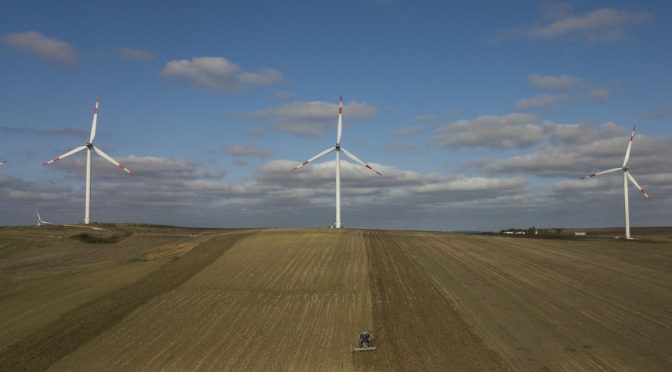
Brazil recently inaugurated the development of a 112.5 MW wind park with 25 wind turbines to meet energy demand. This highlights the increasing role of private debt investors in financing renewable energy projects in emerging markets.
No wrench screw anchors are designed to simplify and speed up the installation of wind turbine foundations. The anchors eliminate the need for traditional wrenches to reduce manual labor and installation time.
The no wrench screw anchor systems speed up the anchoring process and enable quicker deployment of wind turbines. They also reduce labor and soil disruptions and reduce the carbon footprint of installation activities.
Brazil’s wind energy industry is adopting this technology to enhance its wind energy infrastructure. The no wrench screw anchors are best for Brazil’s diverse terrain.
No wrench screw anchor technology can revolutionize the wind energy sector by making wind farms more economically viable. The success of this technology in Brazil could inspire its adoption in other wind-rich regions.
Colombia is expanding its solar energy capacity and integrating it into the electrical grid to enhance energy sustainability. The integration will need upgraded transmission lines to incorporate solar power effectively.
The transmission infrastructure faces challenges such as voltage surges, lightning strikes, and equipment failures.
Surge arresters are crucial components that protect electrical systems from voltage spikes caused by lightning, switching operations, or faults. They divert excess voltage to the ground, safeguarding transformers, substations, and other grid equipment.
The Colombian government and energy companies are investing in advanced surge arresters to modernize the national grid.
Surge arresters play a key role in stabilizing the grid as Colombia increases its reliance on renewable energy sources like hydro, wind, and solar.