Category: Weekly Digest

  • Compression deadends powering Chile’s solar & BESS grid

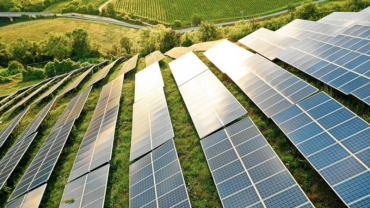
    Battery energy storage systems supporting solar energy production

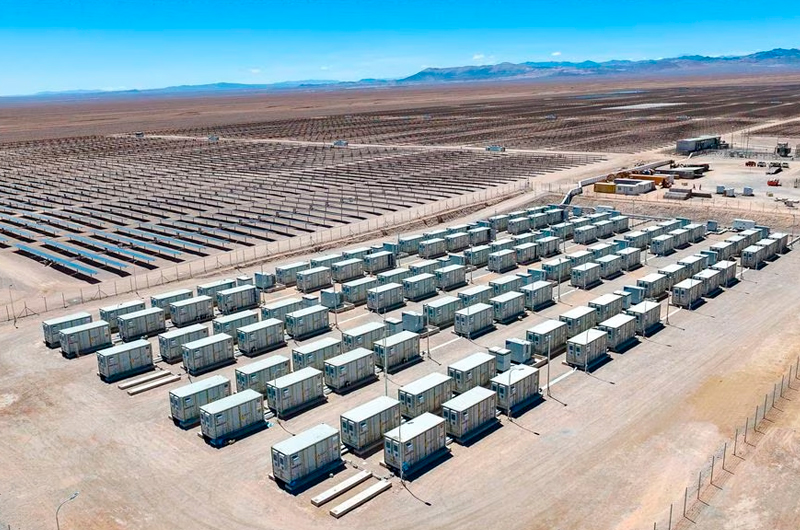
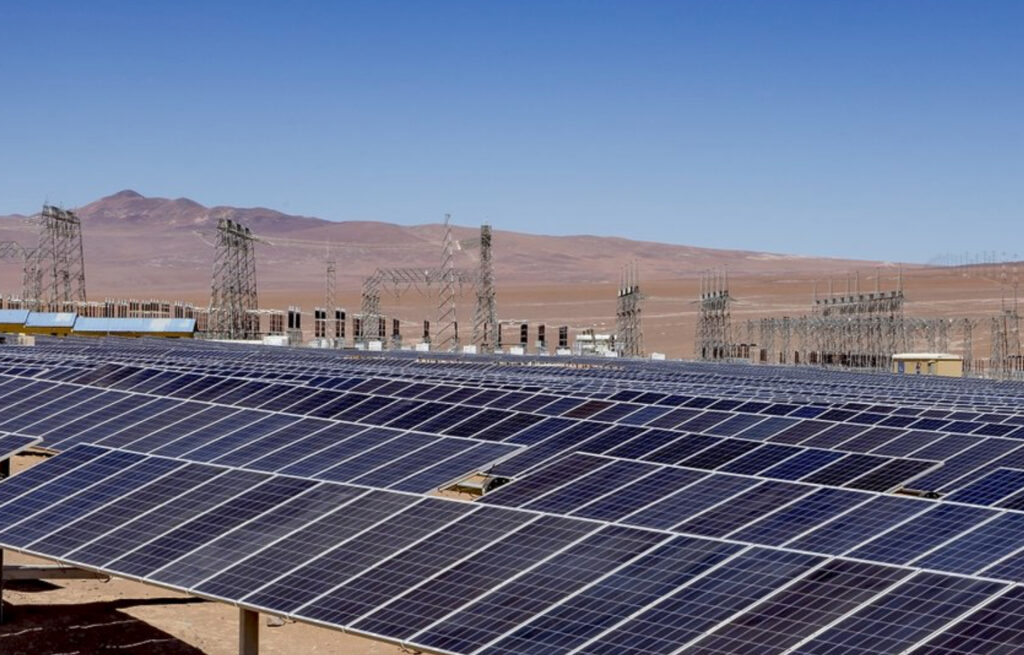
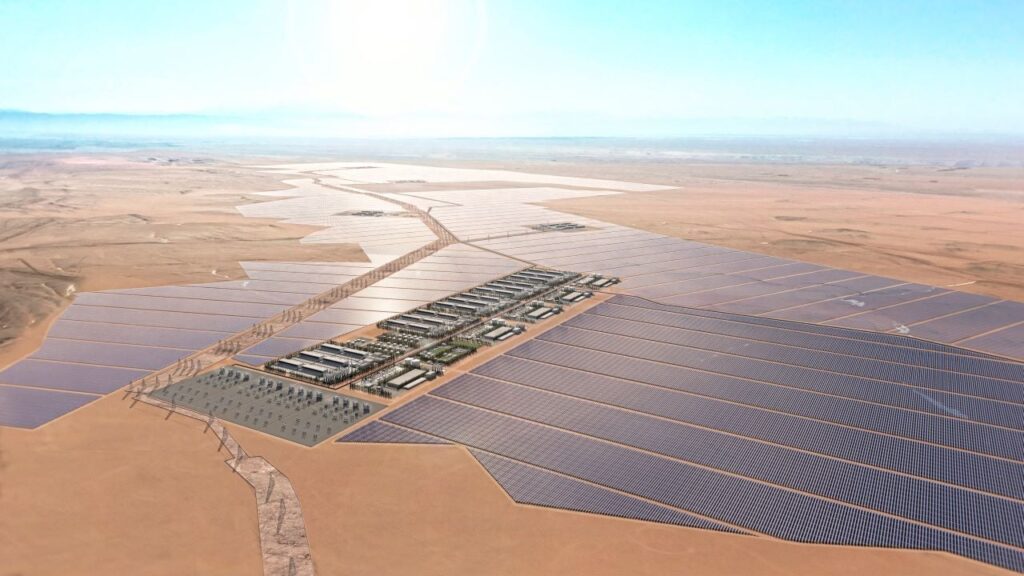
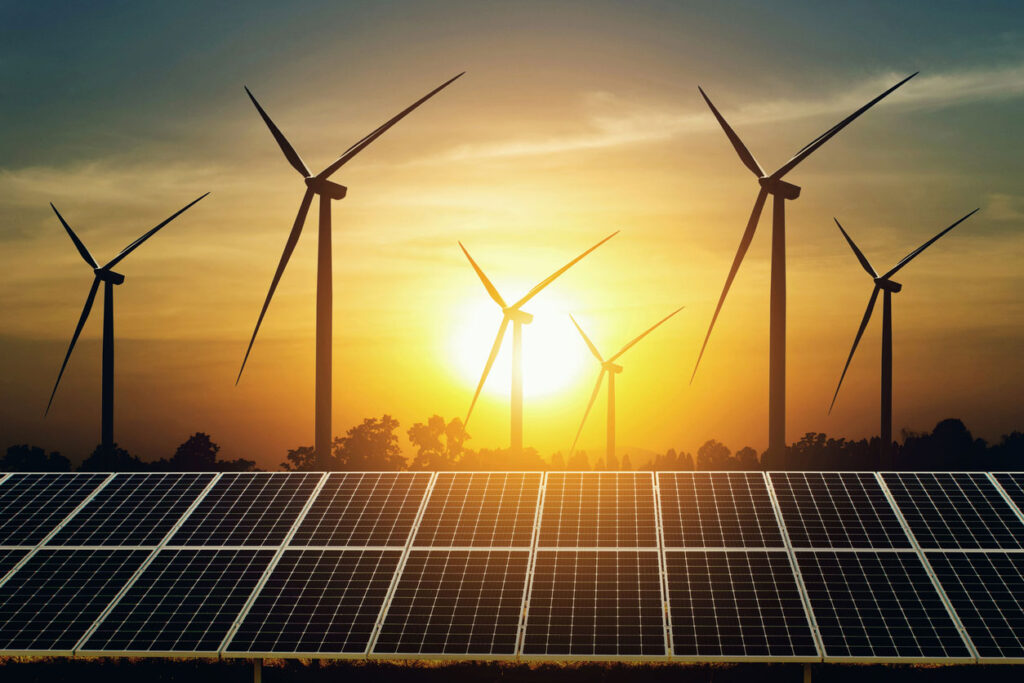
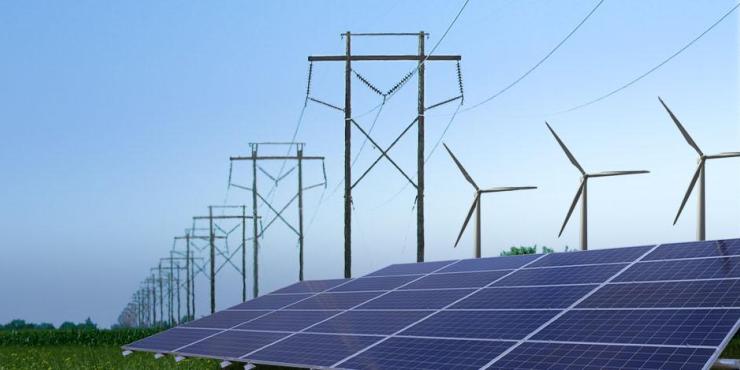
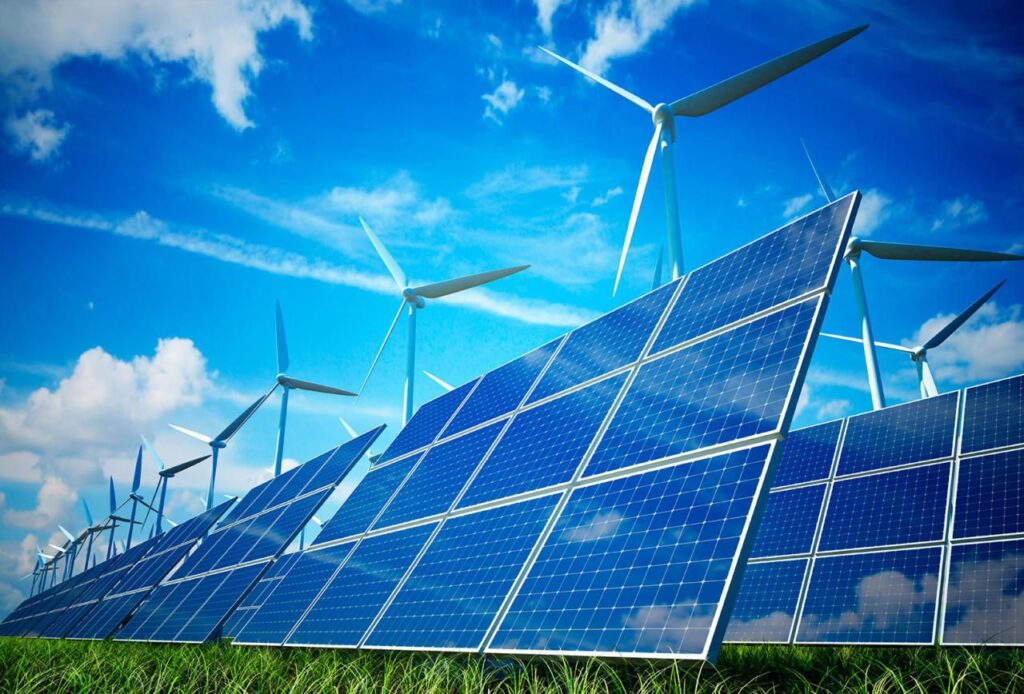
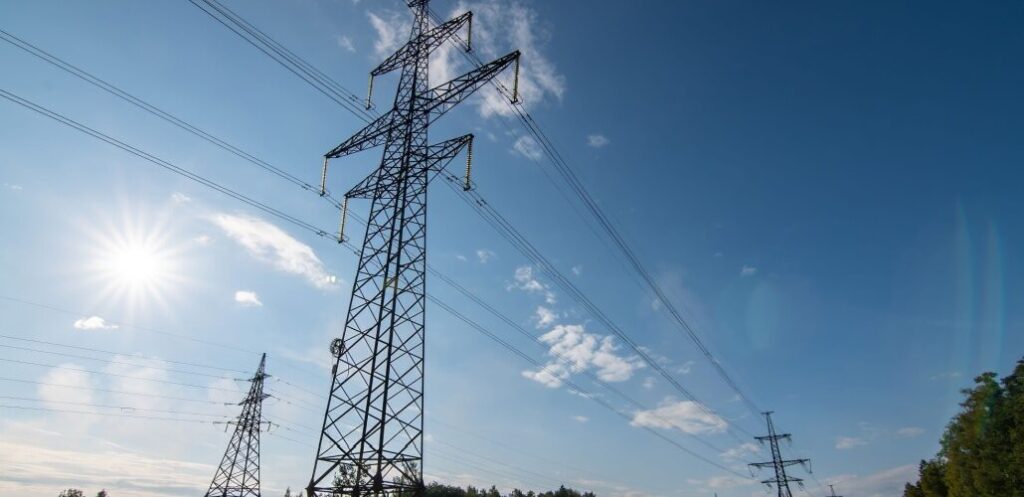
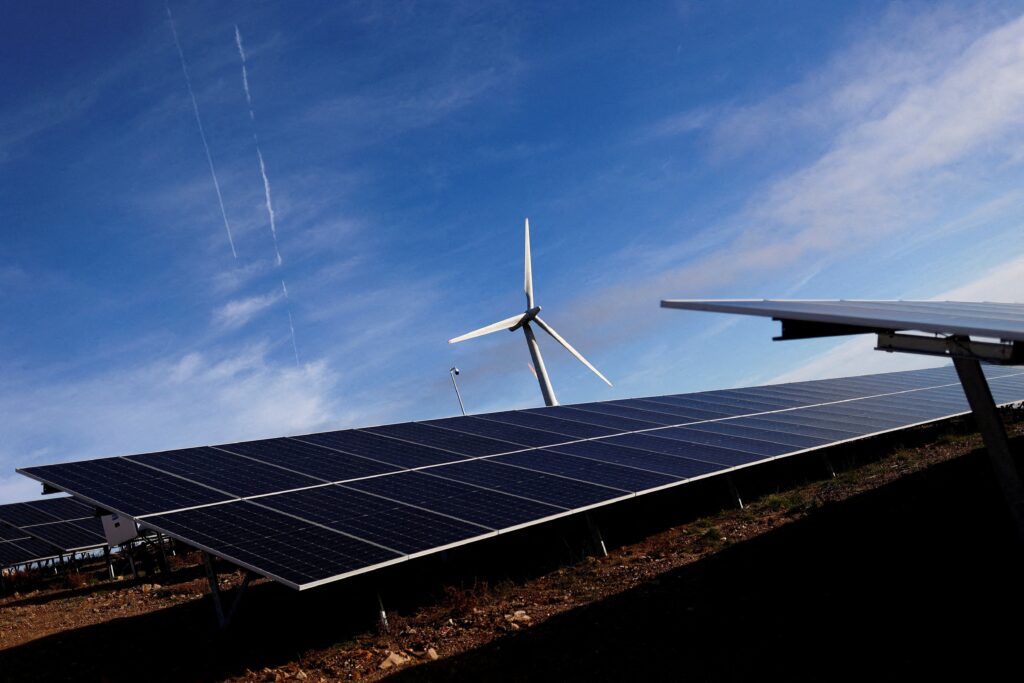
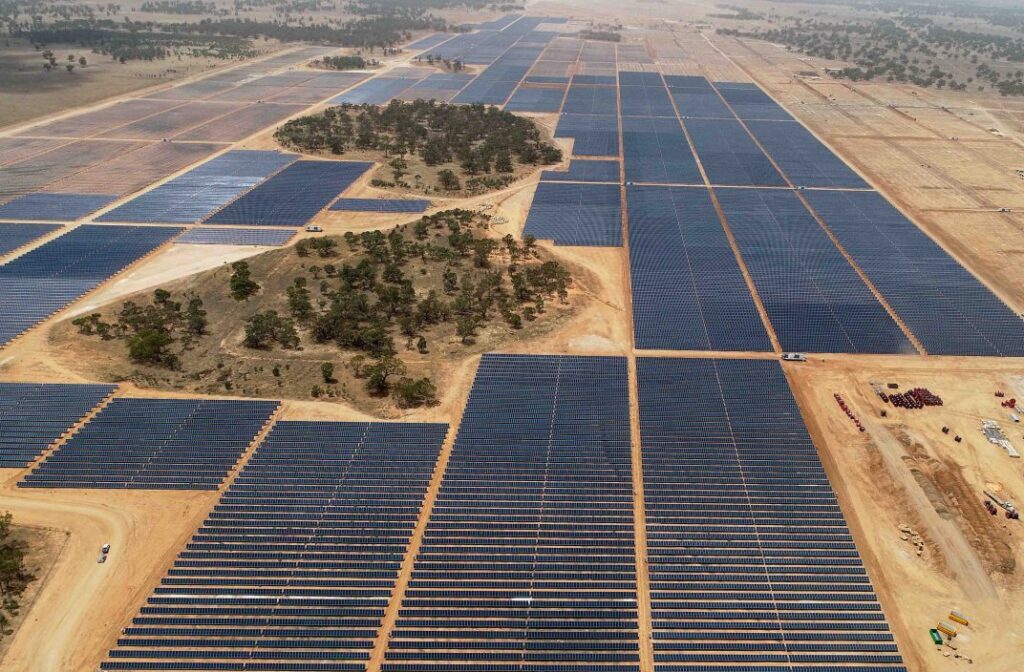
    Pacific Hydro, an Australian power generator, recently received environmental certification for a 190.7 MWp solar project in Chile, which will include a 200 MW BESS. The Don Patricio solar farm consists of 257,000 solar modules designed for maximum yield and grid integration. It also includes the creation of a 200 MW BESS to offer energy storage and improve system responsiveness. The project also involves the development of a 33/220 kV Chile. Voltage levels are managed using a substation and 42 transformation centers. It also comprises 1.1 km of 220 kV high-voltage transmission cables that connect the substation to the grid. This facilitates the effective transfer of generated power into Chile’s National Electric System. The Don Patricio project will expand Chile’s renewable energy base and help the country achieve its aim of reducing reliance on fossil fuels. Key interconnections in these projects rely on components such as compression deadends.

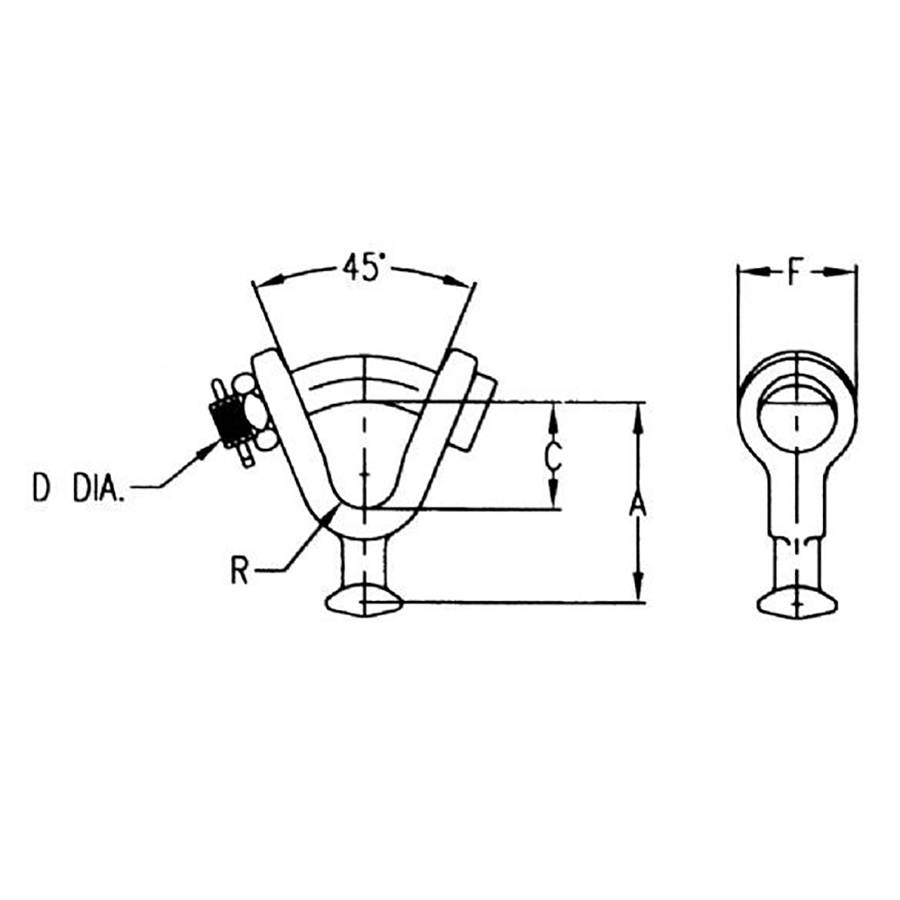
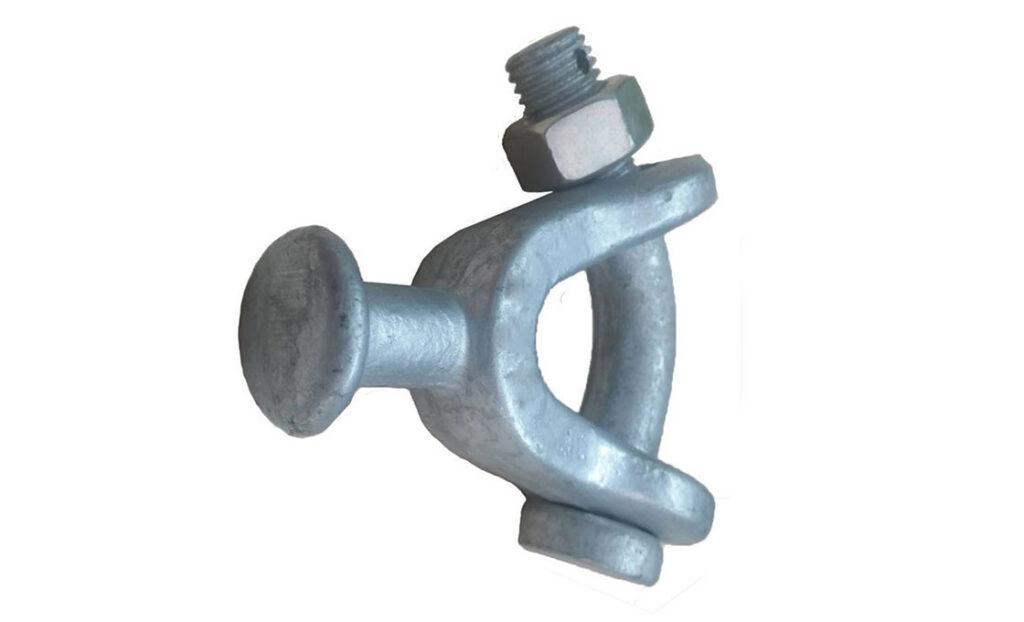
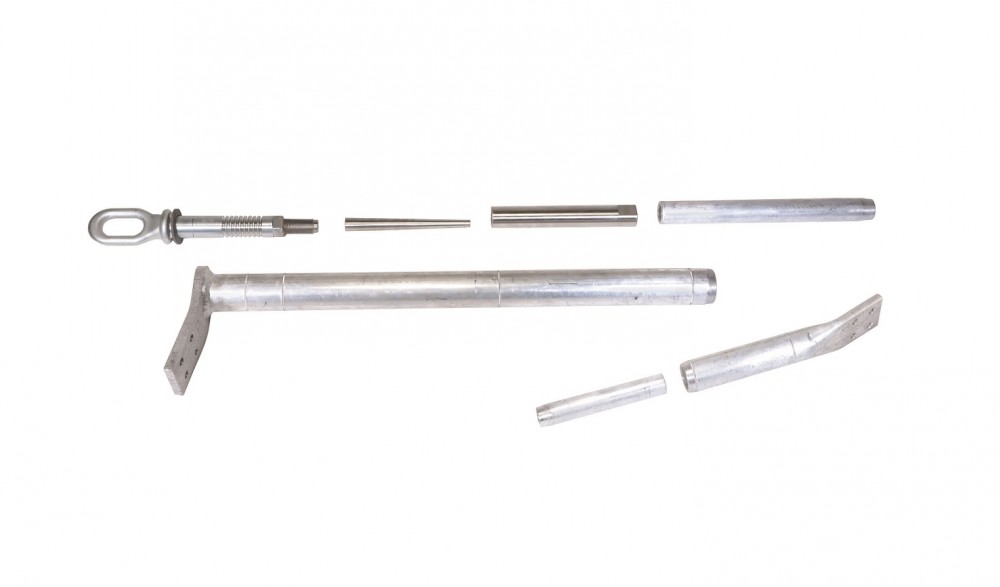
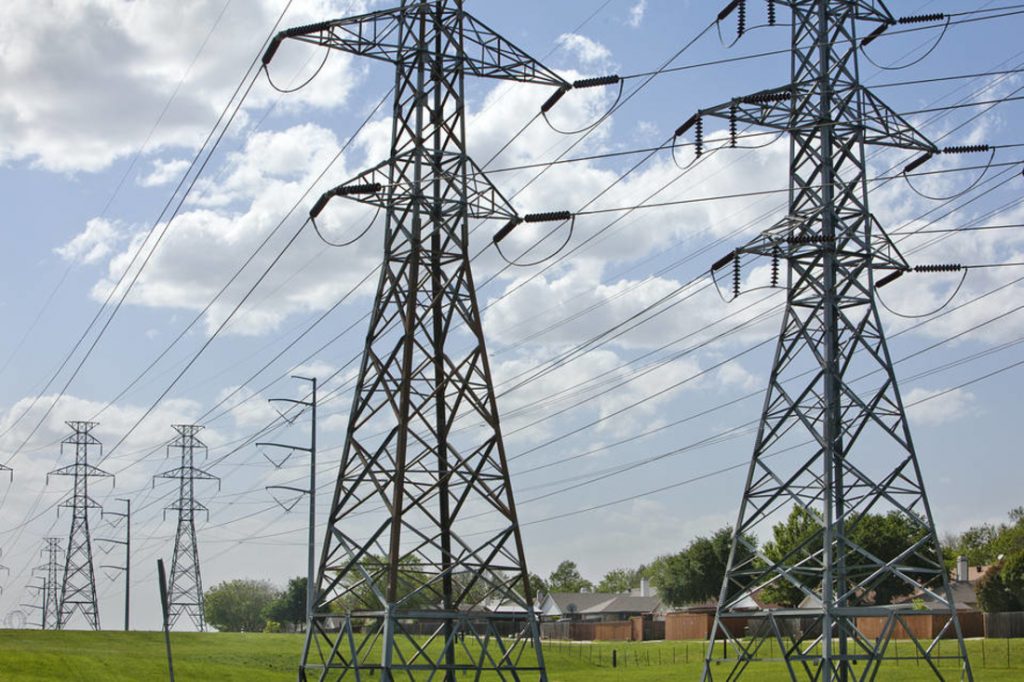
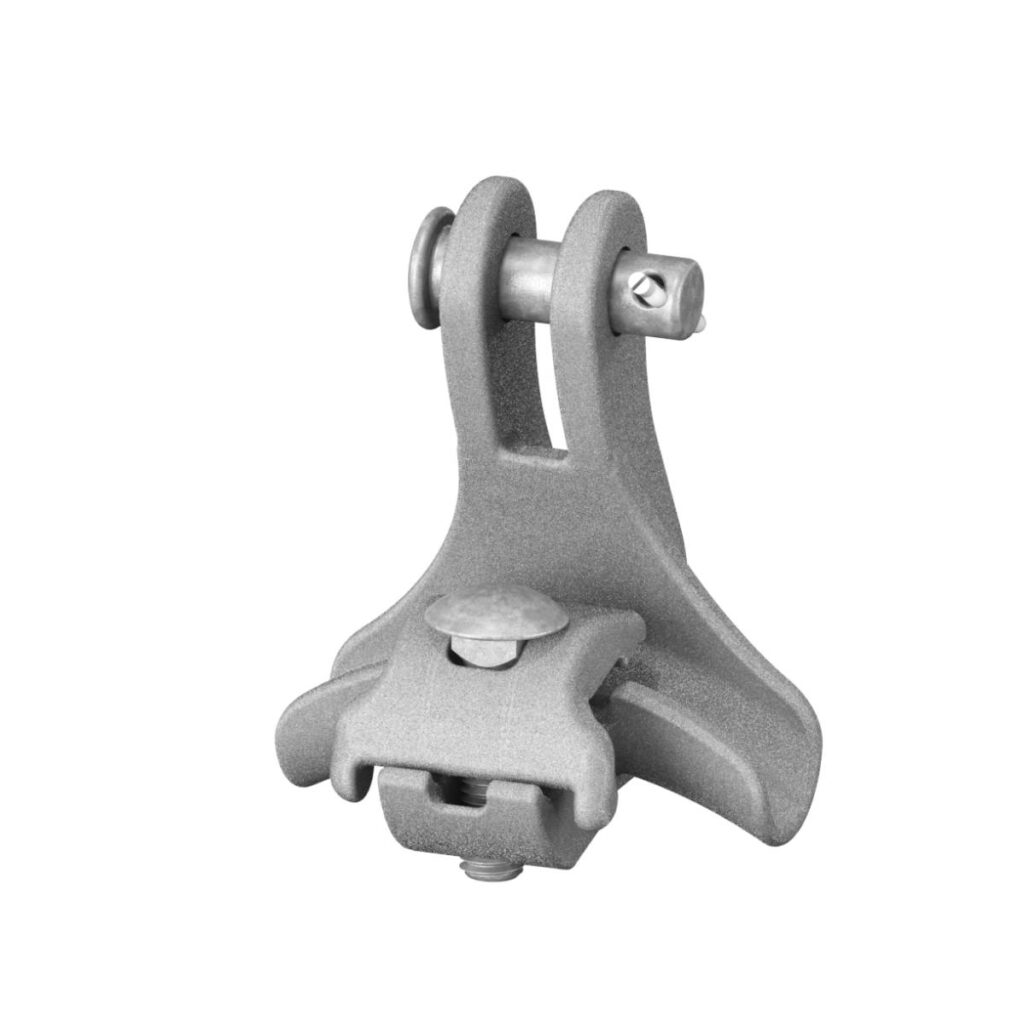
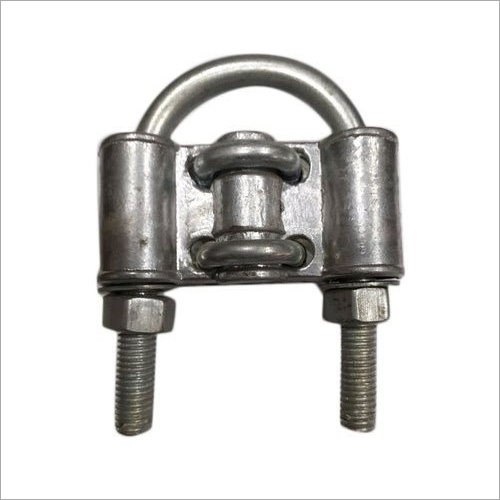
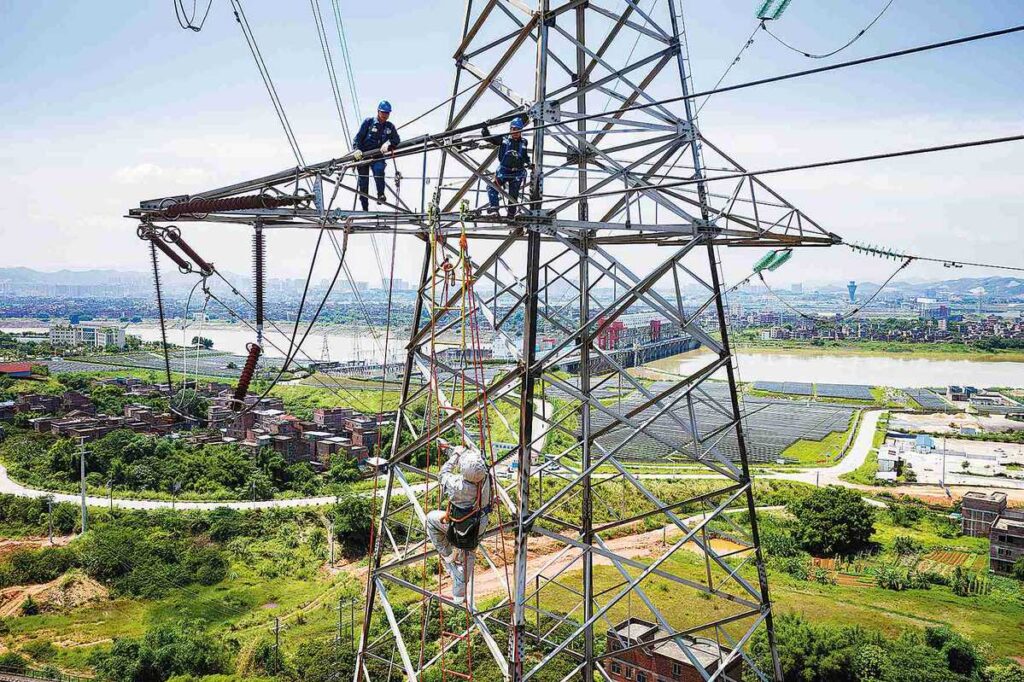
    Compression deadends terminate, anchor, and link electrical cables at specific points throughout the system. They ensure a strong mechanical grasp and a dependable electrical path. Compression deadends secure the conductor and can resist its full rated tensile strength. They provide a low-resistance, high-current route between the conductor and the next component. They prevent conductor pull-out, cut hot spots, and reduce maintenance. Compression deadends secure these wires to strain structures at a change of direction or at the inverter pad. Deadends terminate conductors that connect circuit breakers, disconnect switches, and transformers to the main busbars. In addition, they terminate lines strung between substation structures. This helps to create a stiff and high-current route.

    Quality verification of compression dead ends used in solar and BESS applications

    Solar energy supporting the entire grid

    Quality assurance is crucial for compression deadends used in Chile’s solar photovoltaics and battery energy storage systems. Compression deadends are critical for electrical infrastructure that is subjected to strong mechanical stresses, harsh environmental conditions, and tight grid code compliance. Dead ends affect system dependability, safety, and asset longevity. Material control and verification are the first steps in ensuring the quality of compression dead ends. This enables utilities to associate each dead end with material certificates, production records, and test results. Compression deadends need precision cold-forming and machining procedures. QA for dead ends emphasizes on the compression barrel’s dimensional precision and homogeneous wall thickness to avoid stress concentration during crimping. Terminal deadends used in solar and BESS projects must go through tensile strength testing, slip and pull-out tests, and vibration and fatigue testing.

    Compression Deadends in Solar and BESS Project Development in Chile

    Compression dead ends improve system dependability, safety, and grid compliance for renewable energy and harsh environmental conditions. They contribute to electricity evacuation, collection, and grid connectivity infrastructure. The compression dead ends in solar and BESS project development in Chile serve the following functions.

    Compression deadends provide low-resistance electrical connections
    • Mechanical anchoring of conductors—compression deadends securely anchor conductors at termination points. They support conductors at the ends of overhead collection lines connecting PV fields and BESS facilities, tension points at angle structures, and line terminations at substations and grid interconnection points.
    • Ensuring structural stability in renewable evacuation lines—the deadends maintain consistent conductor tension, correct sag profiles, and structural stability at endpoints.
    • Electrical continuity and low-loss termination—compression deadends provide a low-resistance electrical path between the conductor and the supporting hardware. The dead ends ensure minimal contact resistance, reduced localized heating, and stable current flow under normal operation.
    • Support for grid fault—compression deadends can withstand short-circuit currents and fault-induced tension spikes. They also maintain mechanical integrity without conductor pull-out or barrel deformation.
    • Compatibility with modern conductors—the deadends match specific conductor types and sizes to ensure uniform load transfer, mechanical and electrical compatibility.

    The potential impact of solar and BESS project development in Chile’s energy sector

    The development of solar and BESS projects in Chile reshapes the energy sector on structural, operational, and financial levels. These trends have implications for grid stability, market dynamics, decarbonization, and investment behavior. The advancements contribute to Chile’s energy transition strategy by displacing coal and diesel generation. The combination lowers pollutants while ensuring system reliability. The connectivity with BESS systems aids in the absorption of excess solar energy during low-demand periods, as well as the provision of fast-response electricity and ancillary services such as frequency regulation and voltage support. Solar-plus-storage systems enhance grid resilience in Chile’s National Electric System as renewable variability grows. The projects also help to create a more self-sustaining and predictable energy system.

  • Energy News Weekly Digest – August 11-15, 2025

    Solar-powered fish farming gets a boost from helical deadend clamps in Peru.

    Solar-powered fish farming in Peru

    Indigenous communities in the remote regions of Peru initiated a pilot solar-powered fish farm using six solar panels linked to batteries powering oxygenation units, freezers, lighting, and pond equipment.

    Solar systems reduce reliance on an inaccessible grid, cut monthly electricity costs, and help communities avoid carbon emissions and pollution.

    Helical deadend clamps secure and stabilize solar panel mounting structures. They anchor supporting cables and ensure stability against wind, water movement, and environmental stress.

    Its key functions include structural cable anchoring, mechanical supports and tension management, environmental durability, and ease of installation.

    Solar-powered fish farming provides energy independence, enhanced fish health, lower costs, market access and storage, and local empowerment for rural Peru.

    Read More

    #SolarAquaculture #HelicalDeadEndClamps #OffGridSolarPeru #SustainableFishFarming

    Distribution arresters protecting Peru’s solar future through rural electrification

    Solar power capacity expansion in Peru

    Peru targets an extra 2.5 GW of solar capacity, raising its total to around 3.1 GW across 14 planned projects in Arequipa, Moquegua, and Ica. This will strengthen the national grid and reduce fossil fuel dependence.

    Distribution arresters play a crucial role by diverting lightning and switching surge excess voltage to the ground. They safeguard inverters, transformers, and PV modules from damage.

    The arresters help stabilize power fluctuations, mitigate voltage spikes from intermittent solar generation, and support smoother integration into the grid.

    Arresters also ensure compliance with Peru’s electricity distribution code, easing faster grid interconnection approvals for solar projects.

    In rural areas with different grounding infrastructure, arresters reduce maintenance costs and downtime to extend system lifespan.

    Using quality distribution arresters in engineering, procurement, and construction contracts signals investor confidence in system reliability.

    Solar drives rural electrification by bringing electricity to off-grid Andean, Amazonian, and coastal desert communities. It reduces reliance on diesel generators, cutting emissions, fueling local economic activity, and supporting Peru’s universal access goals.

    Read More

    #PeruSolar #RuralElectrification #DistributionArresters #SurgeArresters #CleanEnergy #GridStability

    Insulated piercing clamps boost Peru’s transmission reliability.

    Power line transmission infrastructure development

    Spanish infrastructure firm Acciona secured the design, financing, and operation of a 330 km, 220 kV transmission line in southern Peru. The $285 million project includes building two new substations and upgrading three others.

    Insulated piercing clamps allow safe, live-line connections to energized conductors without de-energizing the line. This is ideal for adding branches or taps to the network. The clamps pierce through conductor insulation to create a gas-tight, low-resistance tap. It helps reduce power losses, overheating, and the need for stripping insulation.

    IPCs function across grid operations in medium-voltage taps, substation connections, temporary power feeds, live-line maintenance, community connectivity, and grid performance upgrades.

    Power transmission expansion in Peru relieves grid congestion and overload, enables future renewable energy integration, supports regional economic growth, and improves last-mile electricity access.

    The insulated piercing clamp will be featured at the upcoming industrial expo in Peru this August, highlighting its innovation and application in modern infrastructure development.

    Read More

    #PeruPowerExpansion #InsulatedPiercingClamp #TransmissionLineInfrastructure #RenewableIntegration #GridRealiability

  • Energy News Weekly Digest – July 21-25, 2025

    Suspension clamps enhance grid efficiency to support renewables

    Solar energy production reduces carbon emissions

    Venezuela’s decline in oil production is mainly driven by economic, political, and environmental pressures. This decline helps reduce carbon and sulfur emissions through reduced refining, transport, and industrial activity.

    Reduce demand on thermoelectric power reduces the grid reliance on expensive oil and gas-fired plants. This helps enable cleaner energy strategies in the country.

    Suspension clamps are crucial hardware that secure overhead transmission cables, maintain proper alignment and tension to reduce electricity wastage.

    The clamps reduce reliance on backup fossil-fueled generators and streamlines integration of solar, wind, and battery energy storage systems.

    Corrosion-resistant and sensor-enabled suspension clamp systems extend asset lifespan and allow real-time monitoring to make the grid smarter and efficient.

    The clamps also speed up maintenance and emergency repairs to reduce blackout risks in Venezuela’s aging infrastructure.

    #lowerCarbonGrid #GridEfficiency #SuspensionClamps #VenezuelaEnergy #SmartGrid #BESS

    Read More

    Parallel groove clamps enhance safety in Venezuela’s gas infrastructure

    Natural gas infrastructure support for delivery

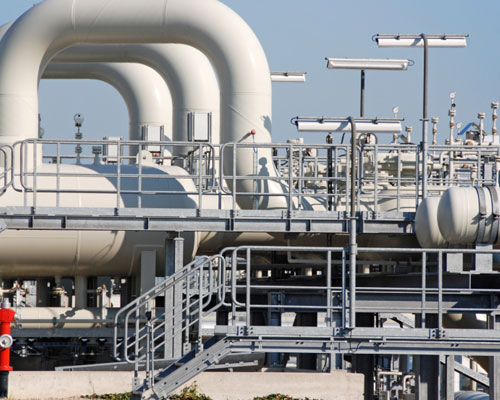
    Venezuela holds the largest proven natural gas reserves that struggle with underutilized development. Natural gas is produced with oil and infrastructure gaps limit its use beyond oilfield recovery.

    Using a parallel groove clamp secures grounding wires to pipelines, compressor stations, storage tanks, and instrumentation to prevent static hazards.

    The clamps provide reliable electrical connections for cathodic protection systems and link sacrificial anodes to pipelines.

    Their mechanical reliability ensure stability under vibration and pressure variations in compressor and processing facilities.

    Proper clamps use reduced risks of sparking, electrical failure, and gas systems leaks. High-impact hardware increase system dependability across critical energy infrastructure.

    Gas offers a cleaner alternative to diesel and heavy fuel oil to improve reliability and reduce carbon intensity.

    #VenezuelaGas #ParallelGrooveclamps #EnergyInfrastructure #GasSafety #CathodicProtection

    Read More

    Plate rod anchors strengthen power infrastructure during floods in Venezuela

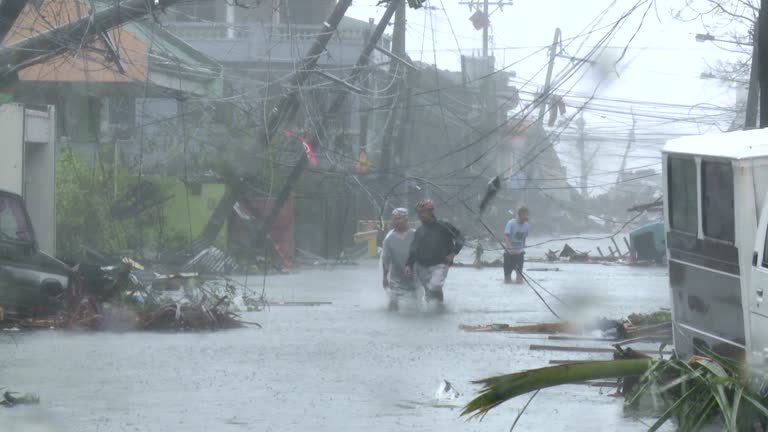
    Flood storm disrupting power infrastructure

    Severe flooding and landslides in Venezuela’s Andes disrupt power systems, isolate regions, and damage grid infrastructure.

    Flood waters erode soil, destabilize foundations of poles and towers and increase blackout risks. High winds and storms worsen structural stability.

    Plate rod anchors are steel rods with plates that anchor deep into subsoil, resist uplift and lateral forces from wind, flood, and erosion.

    The anchors help anchoring transmission towers and utility poles, securing flood defense barriers, enabling stabilization during emergency recovery efforts.

    They prevent collapse of infrastructure, maintain system stability, reduce downtime by speeding up emergency grid restoration, and enhanced flood resilience of electricity transmission networks.

    #FloodResilience #PowerLineAnchors #GridStaility #EnergyInfrastructure #VenezuelaPowerCrisis

    Read More

    How shackle insulators add resilience against harsh weather

    Floodwaters damaging power line infrastructure

    Shackle insulators support and electrically isolate overhead conductors from poles and structures in low-voltage distribution networks. Using the insulators helps secure lines against storms and extreme weather impacts.

    They are designed to withstand wind, vibration, moisture, pollution and UV exposure in tropical storm systems. The insulators are from porcelain, glass or polymer composite materials that provide hydrophobic, corrosion-resistant, and lightweight structural advantages.

    They have high mechanical strength, proven long-term reliability, lightweight, easy to install, and excellent contamination resistance.

    Shackle insulators work with bolts, nuts, washers, crossarms, clamps, vibration dampers, spacer dampers, insulator covers, and corona rings to improve performance and lifespan.

    Routing visual inspections, mechanical checks, electrical insulation testing, corona, vibration testing help uphold operational safety and reduce failure risks.

    #VenezuelaPower #ShackleInsulators #StormResilience #PowerGridSecurity #DistributionNetwotkReliability

    Read More

  • Energy News Weekly Digest – July 01-04, 2025

    Reducing outages in Venezuela with smart suspension clamp solutions.

    Suspension clamps, distributing mechanical loads on conductors

    Suspension clamps are components designed to securely hold overhead power cables. They help distribute mechanical loads and reduce stress on both conductors and poles. They have a smart design that reduces sagging and prevents outages by maintaining consistent tension and spacing.

    It is crucial in Venezuela’s energy grid that suffers from chronic blackouts stemming from aging infrastructure and poor maintenance. Using robust suspension clamps can cut the risk of cable failures, reduce connection faults, and drive enhanced grid resilience.

    Their durability ensures more uptime and lower repair costs in remote or hard-to-reach areas. This makes them cost-effective in ensuring long-term grid reliability.

    Suspension clamps support flexibility in grid design and simplify the integration of distributed energy resources. They help the integration of community solar, wind, and microgrids by providing adaptable cable attachment points.

    The clamps improve grid modularity as energy systems evolve in Venezuela and across South America.

    #EnergyInfrastructure #VenezuelaPowerOutages #SuspensionClamps #GridReliability #TTFForgingInsights

    Read More

    Deadend clamps boosting grid stability in Venezuela

    Deadend clamps anchoring cables at end poles

    Deadend clamps are cost-effective, low-tech solutions to strengthen aging power grids in Venezuela. They anchor cables at end poles to combat slippage, sagging, and vibration, which cause grid failures.

    This reinforcement directly supports power reliability, reduces maintenance costs, and aids broader energy crisis strategies like source diversification and mini-grid roll-outs.

    Venezuela faces up to 12-hour daily blackouts due to drought, aging equipment, and neglect. Deadend clamps prevent conductor slippage, sagging, and vibration, which cause outages.

    The clamps fit within energy diversification, smart maintenance, and international collaborations. They are an excellent tie-in for policy and tech content from renewables and hybrid microgrids to global energy aid.

    #DeadendClamps #GridReliability #BlackoutPreventionHardware #RenewableEnergyInfrastructure #CableTensionClamps

    Read More

    Pole bands boosting Venezuela’s oil export potential

    Pole bands strengthening Venezuela's oil export

    Recently, the U.S. revoked Chevron’s license, which resulted in PDVSA pivoting to Blend22, targeting Europe and Asia. The country has since shifted to China and other Asian markets.

    Pole bands are metal clamps used in oil storage and hydrocarbon infrastructure that play a role in strengthening Venezuela’s oil export chain.

    They enhance structural integrity, streamline electrical supply, and support monitoring systems in storage facilities. This enables more reliable and efficient operations.

    Pole bands secure pipelines, conductors, and power lines against environmental wear and tear. They are crucial for uninterrupted electricity to remote drills, storage terminals, and processing plants.

    Venezuela can integrate smart asset monitoring like support sensors, cameras, and gauges, which is key for leak detection and pressure monitoring.

    #PoleBands #OilExport #Venezuela #Blend22 #PDVSA #Infrastructure #IoTMonitoring #EnergyResilience

    Read More

  • Cable Suspension Bolts in Colombia’s Solar Rise

    Solar and wind energy farm development

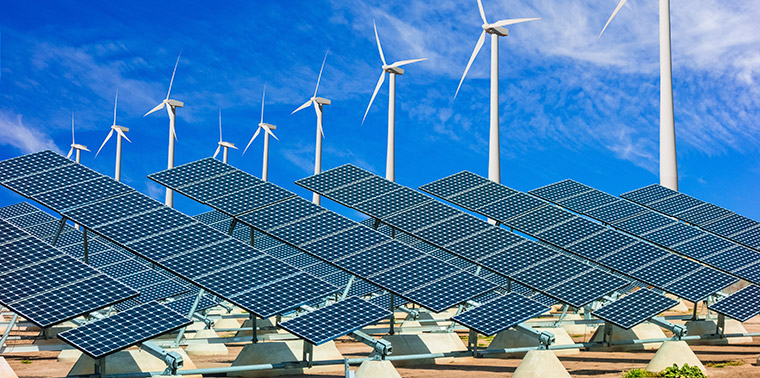
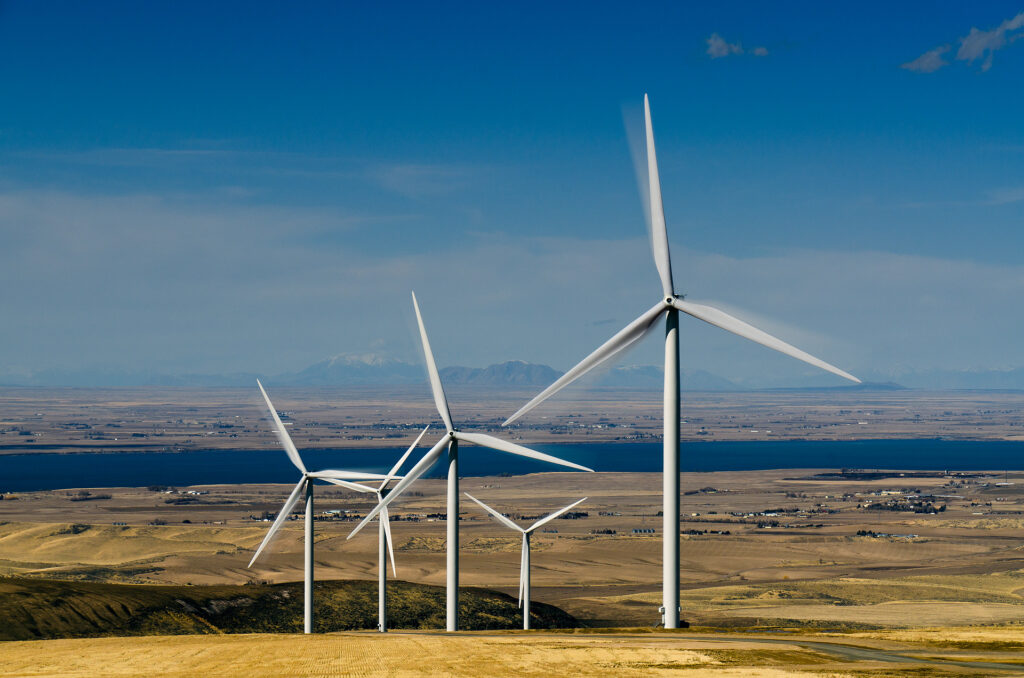
    IRENA, the International Renewable Energy Agency, identifies significant investment opportunities for large-scale solar and onshore wind energy projects in Colombia. The country has ample land space suitable for solar PV and onshore wind development. Colombia is exhibiting a renewable energy potential of 1,600 GW. In 2024, the country plans to add 1.6 GW of new utility-scale wind power, with 19MW already installed in La Guajira and along the Caribbean coast. To meet the increased energy output, the grid needs to be upgraded. The primary transmission lines include the 500 kV La Guajira. The incorporation of storage technologies aims to address intermittency and meet Colombia’s peak electricity demand. Increased generation capacity may lower final pricing in remote places. Colombia is capable of exporting solar and wind energy to nations such as Panama, Ecuador, and Central America. Cable suspension bolts maintain the structural strength, safety, and effectiveness of electrical and support systems.

    High-quality bolts are used to secure and suspend cables, conductors, and other components in solar and wind energy projects. Suspension bolts secure transmission and distribution cables to poles, ensuring the best tension and alignment. They aid to keep cable trays, conduits, and junction boxes secure. They may include features that help stable meteorological masts or small wind turbines by attaching support cables. Cable suspension bolts prevent cable sagging or collapse, which reduces the likelihood of electrical problems. They simplify modular installations, allowing for easier maintenance and updates. Cable suspension bolts are critical in renewable energy infrastructure, as they enable reliable power transmission, structural stability, and long-term durability in solar and wind farms. They provide secure data transmission, grid stability, and remote management for solar and wind power installations.

    Cable suspension bolts are used in solar and wind farms in Colombia.

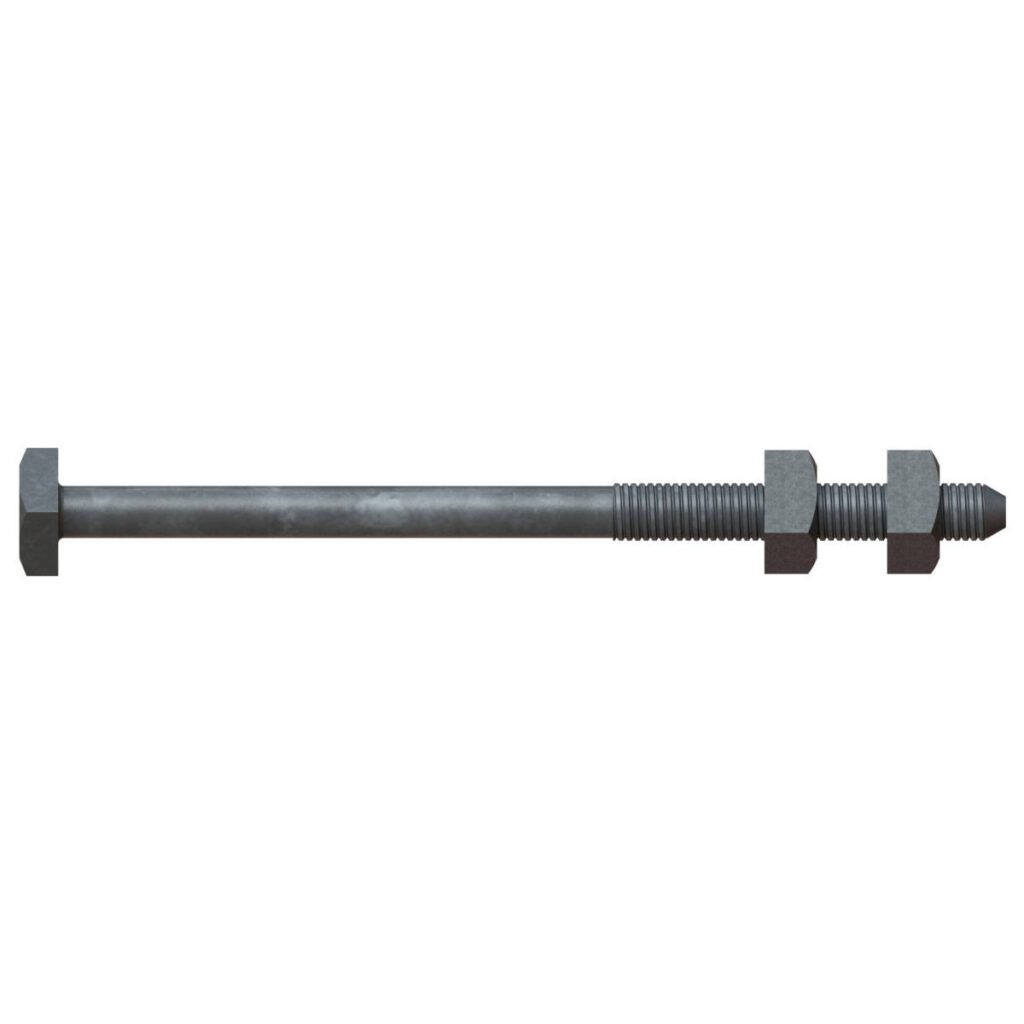
    Cable suspension bolts are mechanical fasteners that attach suspension clamps to poles and towers. They aid to secure the supporting hardware that holds power lines or wires. They provide flexibility, correct tension distribution, and dependable mechanical strength in dynamic wind, earthquake, or load circumstances. Suspension bolts are made of galvanized steel or stainless steel to endure outside conditions, corrosion, and extreme stress. They are critical components in assuring the safe, stable, and efficient support of electrical cables. High-quality cable suspension bolts are the foundation for connecting solar panels and wind turbines to the national grid. Here are the applications of cable suspension bolts in solar and wind farm infrastructure.

    Cable suspension bolts supporting renewable energy sources
    1. Supporting electrical infrastructure – suspension bolts hang transmission and distribution cables from poles. They ensure proper tension and alignment. Additionally, they secure cable trays, conduits, and junction boxes.
    2. Wind turbine applications – cable suspension bolts secure internal and external cables. They connect sensors, control systems, and power lines within wind turbines. They help stabilize meteorological masts or small wind turbines by anchoring support cables.
    3. Durability in harsh conditions – Colombia’s diverse climates demand bolts made of corrosion-resistant materials. This is crucial to withstand high humidity, UV radiation, and strong winds.
    4. Safety and Colombian standards – the bolts prevent cable collapse and reduce the risks of electrical faults. They ease modular installation, allowing for easier maintenance and upgrades.
    5. Distributed generation & hybrid projects – overhead line structures used cable suspension bolts for lightweight and adaptable mounting.

    The impact of rising solar and wind energy on Colombia’s power sector.

    The expansion of solar and wind energy capacity in Colombia is transforming the country’s energy sector, economy, environment, and geopolitical position. IRENA found up to 1,600 GW of untapped renewable resources that are transforming the energy sector, enhancing quality of life, and safeguarding natural ecosystems. Impacts include:

    • Energy security and grid stability – solar and wind provide complementing generation patterns during dry seasons, increasing grid resilience. It increases energy access in remote areas, reduces transmission losses, and builds localized energy hubs.
    • Reduced electricity costs and market diversification – the availability of solar and wind energy reduces wholesale electricity rates, which benefits both consumers and businesses.
    • Economic development and job creation – renewables drive expansion in solar panel installation, turbine production, maintenance, and energy storage. Enhanced capacity generates environmentally beneficial job opportunities in rural areas. It also encourages economic decentralization and strengthens regional growth in disadvantaged areas.
    • Increasing Colombia’s solar and wind contribution replaces energy generated by coal, diesel, and natural gas. It helps to reduce emissions and improves air quality.
  • Energy News Weekly Digest – June 09-13, 2025

    Guy clamps bolster infrastructure for Colombia’s first sustainable aviation fuel (SAF) plant.

    SAF production plant

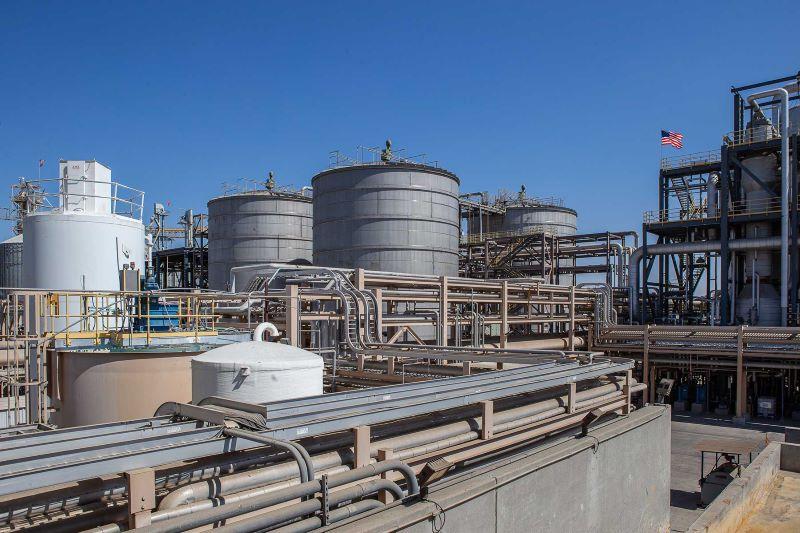
    LanzaJet and BioD are conducting a feasibility study for Colombia’s first SAF plant built on alcohol-to-jet (ATJ) technology. It uses agroforestry residues and energy crops for cleaner and locally produced aviation fuel.

    Guy clamps are crucial for anchoring guy wires on utility poles, transmission towers, scaffolds, and cranes. They ensure structural stability, safety, and efficiency during plant construction and maintenance.

    Guy clamps help stabilize tall structures, protect workers, and provide durability, power transmission, and auxiliary renewables.

    The SAF production plant will help lower construction expenses by reducing reliance on imported hardware, create job opportunities, and reduce reliance on fossil fuels.

    Guy clamps are critical for the structural integrity of industrial and electrical infrastructure in SAF facilities. They ensure safety and operational continuity and economical, resilient scaling of clean fuel projects.

    Read More

    #SAF #GuyClamps #Infrastructure #SAFinColombia #Renewables #IndustrialHardware

    Yoke plates anchor Colombia’s solar and wind infrastructure.

    Wind and solar energy infrastructure

    Colombia has unveiled an ambitious strategy addressing regulatory, infrastructure, and financing bottlenecks to reinvigorate stalled solar, wind, and hydro projects.

    Yoke plates are crucial for securing generators and rotors in wind turbines, anchoring crossarms and insulators on transmission towers, and withstanding extreme weather and reducing maintenance needs.

    Galvanized steel yoke plates ensure mechanical robustness, corrosion resistance, and optimized stress distribution. This is crucial for durable, low-failure renewable networks.

    Yoke plates reduce dependency on imported hardware to help speed up construction and deployment to meet key deadlines.

    Reinforced transmission armatures reduce outage risk, supporting dependable delivery of intermittent solar and wind power in remote regions.

    As Colombia explores HVDC links and upgraded grid capacities, heavy-duty yoke plates will be crucial for handling increased electrical and mechanical loads.

    Read More

    #CleanEnergy #ColombiaRenewables #PowerLineHardware #YokePlates #TransmissionInfrastructure #SolarExpansion

    Cutout fuses play a key role in stabilizing the Colombia-Panama cross-border grid.

    Cross-border energy sharing infrastructure

    Cutout fuses installed at critical junctions blow under conditions to isolate affected segments and protect transformers and substations.

    They enable swift disconnection on the Caribbean side in case of an overcurrent event. It prevents outages from cascading into Panama’s network.

    Fuses are combined with visible disconnects, which makes fault detection and maintenance faster and safer.

    The protective elements are part of broader investments in high-voltage transmission lines, converter stations, substations, and SCADA systems to support clean energy export.

    Using these fuses bolsters grid resilience, enhances energy trade with Panama, and supports Colombia’s renewable industry growth. This secures both economic and environmental dividends.

    Read More

    #CutoutFuses #ColombiaPanamaGrid #EnergySecurity #RenewableExport #GridProtection

    How suspension clamps are powering Colombia’s clean energy shift

    Clean energy transition resources

    As Colombia pivots away from coal, suspension clamps are emerging as vital connectors in transitioning its power infrastructure to renewables.

    The clamps secure conductor lines to prevent sagging and outages and dampen vibrations caused by wind, seismic activity, and weather. They maintain insulation quality and mechanical stability and support ease of maintenance in remote areas.

    Suspension clamps underpin grid stability, which is a prerequisite for integrating large-scale solar, wind, and hydropower while enabling Colombia’s clean energy aspirations.

    South American countries are phasing out coal while scaling renewables. Reliable grid hardware like suspension clamps ensures the shift is safe, scalable, and cost-effective.

    Read More

    #RenewableInfrastructure #CoalPhaseOut #GridReliability #Colombiaenergy #SuspensionClamps

  • Energy News Weekly Digest – June 03-06, 2025

    Guy clamps and smart tech expanding Colombia’s grid

    Colombian power grid expansion

    Colombia issues a tender for a 230 kV substation in Sopo and associated lines. The winner will get a 25-year concession to design, build, operate, and maintain. The project cost is estimated at $3.5 billion, including HVDC transmission for 3 GW of renewables.

    There is integration of HVDC lines, SCADA, AMI, and remote fault detection systems. Smart meters enable real-time demand monitoring and demand-response strategies.

    Guy clamps anchor guy wires, stabilize poles and towers, and counteract wind, seismic shifts, and uneven soil. They provide even load distribution, adjustable tension, faster installation, and corrosion-resistant quality.

    There is also the development of batteries, flow batteries, and pumped hydro to buffer variable renewables. FACTS devices enhance voltage control and power flow management.

    Small-scale solar and wind plus storage and smart control are ideal for rural electrification and grid resilience.

    Efforts such as integrating 3 GW of renewables, modernizing infrastructure, and supporting equitable energy access help align with Colombia’s national goals.

    Read More

    #PowerInfrastructure #SmartGrid #GuyClamps #EnergyStorage #Microgrids

    C-SPAN clamps down on speeding up wind energy in Colombia.

    Wind energy development efforts

    Global energy giants Enel and EDP Renewables have exited wind power projects in La Guajira, citing regulatory instability and local tensions.

    Colombia’s energy transmission network has failed to keep up with renewable project timelines. La Guajira’s isolation from the national grid makes interconnection logistically and financially difficult. The delay in grid development is a primary bottleneck in scaling wind capacity.

    C-SPAN clamps are crucial components in both the electrical and structural systems of wind energy facilities. They secure overhead cables, withstand high tension, offer vibration dampening, and provide corrosion resistance.

    Poor supply chain logistics and import delays for specialized clamps have slowed construction. Lack of standardized specs has led to project design inconsistencies.

    Indigenous Wayuu communities report poor consultation and environmental concerns. Some may see the wind farms as opportunities and others as threats to ancestral lands and resources.

    Read More

    #ColombiaWindEnergy #Renewables #CSpanClamps #InfrastructureDelays #GridConnection #EnergyTransition

    Cable suspension bolts powering Colombia’s wind future

    Wind turbine development efforts

    Colombia’s rugged zones demand high-quality components like cable suspension bolts to help transmission towers withstand seismic and wind stress.

    The 88 km, 220 kV backbone is vital for Colombia’s wind farm and guarantees transmission across challenging terrain.

    Cable suspension bolts anchor medium- and high-voltage cables from wind turbines to transmission lines. They counter wind and ensure safe and reliable electricity transmission.

    Wind turbine lift assistance is used in staging, installation, and erection supports for large turbines. They also reinforce platforms and HV equipment to mitigate vibrations and maintain structural integrity.

    Development of wind projects contributes to fossil fuel displacement, which aids the Paris Agreement goals.

    The use of cable suspension bolts provides safe, durable power infrastructure. They also serve in wind and solar to support the ongoing rollout.  

    Read More

    #RenewableEnergy #GridInfrastructure #WindEnergy #PowerTransmission #CleanTech

  • Energy News Weekly Digest – May 12-16, 2025

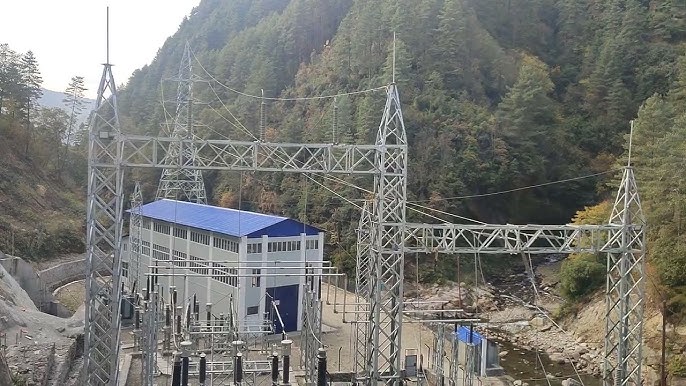
    Enhancing Peru’s hydropower infrastructure with Corona Rings

    Hydropower infrastructure

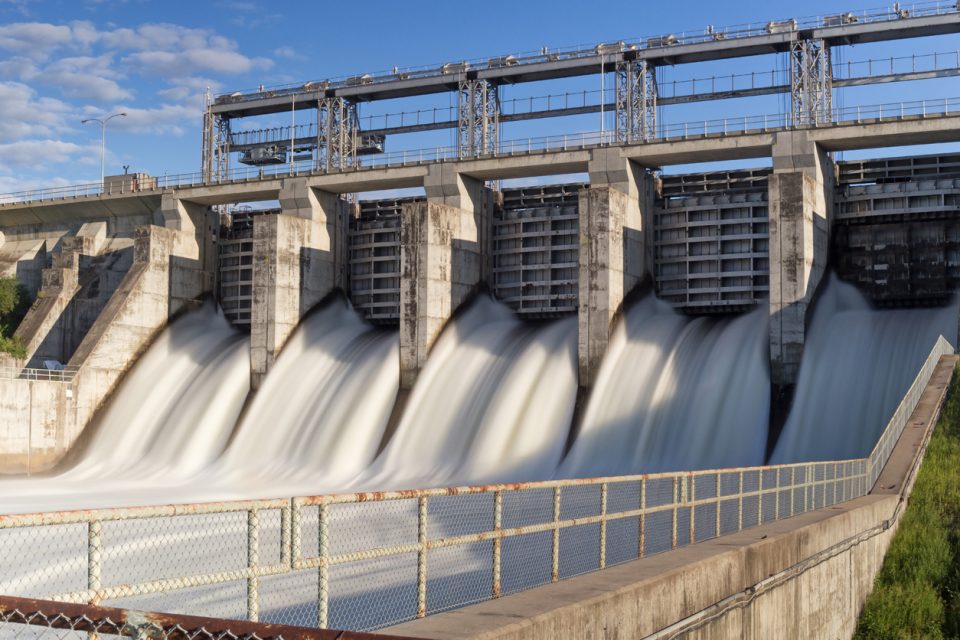
    Hydropower accounts to 47.72% of Peru’s electricity generation which positions the country as a renewable energy leader in the region.

    Hydropower stations like San Gaban, faces increased risks of corona discharge that leads to energy losses and equipment degradation.

    Corona rings distribute the electric field uniformly around high-voltage equipment to mitigate corona discharge and its damages.

    Reducing corona discharge helps prevent radio frequency interference to ensure reliable power transmission and stable grid operations.

    Incorporating corona rings aligns with Peru’s hydropower infrastructure with international best practices.

    The integration of corona ring technology into Peru’s hydropower infrastructure shows the country’s commitment to sustainable energy solutions.

    Addressing environmental and technical challenges during the development of the San Gaban hydroelectric station included strategies such as implementing mountain tunnel systems to divert water efficiently.

    #Hydropower #Renewableenergy #PeruEnergy #CoronaRings #Highvoltage #EnergyInfrastructure

    Read More

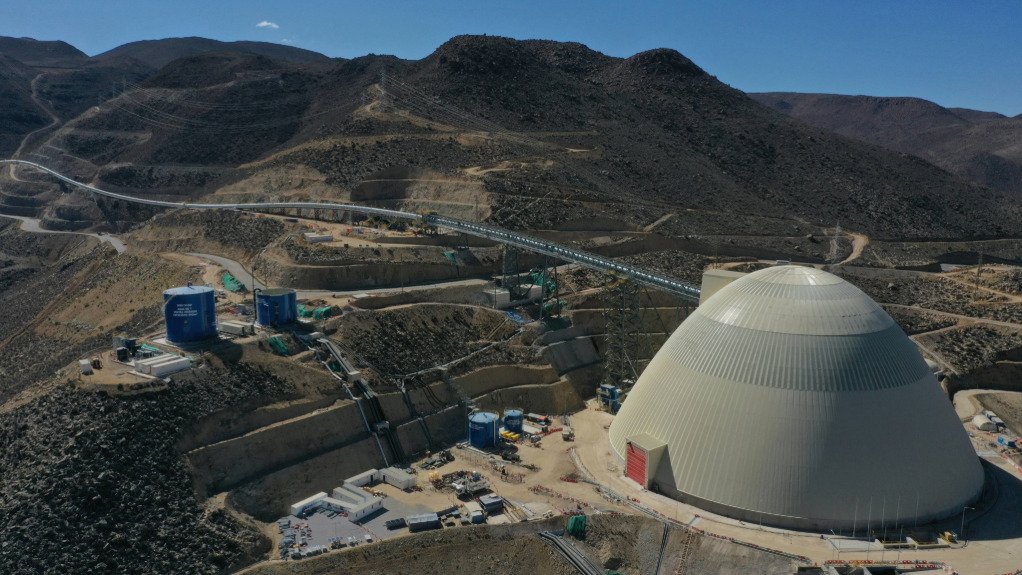
    Ground anchors powering Peru’s copper Energy future

    Copper supports renewable energy growth in Peru

    Peru holds significant reserves of copper, zinc, gold, silver, and lithium, that position it as a key player in supporting advancements in clean energy technologies.

    Copper is essential for wind turbines, solar panels, electric vehicles, and power grids. The global demand for copper is expected to increase by over 40% by 2040 due to increased demand for low-carbon technologies.

    Ground anchors are crucial for stabilizing slopes in open-pit mines, securing underground tunnels and protecting infrastructure.

    Modern ground anchors use automated tensioning systems, corrosion-resistant coatings, and fiber-reinforced materials to enhance durability and performance in challenging mining environments.

    The integration of robust ground anchoring systems ensures mining safety and also supports Peru’s goals for economic development and environmental goals. This is by easing the extraction of crucial minerals needed for energy transition.

    #PeruMining #CopperEnergy #GroundAnchors #RenewableInfrastructure #SustainableMining #CleanEnergy

    Read More

    Stockbridge dampers drive grid transparency in Peru

    Advancing Peru's energy grid

    Peru is integrating Stockbridge dampers into its overhead power lines to mitigate wind-induced vibrations. The dampers reduce conductor fatigue and breakages leading to fewer power outages and increased grid stability.

    The dampers support the integration of renewable energy sources by maintaining the structural integrity of transmission lines connected to remote renewable projects.

    They help in reducing maintenance costs and unplanned downtimes which is crucial for the consistent delivery of renewable energy.

    Installation of Stockbridge dampers aligns with the goal of improving infrastructure durability and efficiency. The modernization is crucial for meeting increased clean energy demand and reducing greenhouse gas emissions.

    Using such technologies contribute to job creation in engineering, construction, and maintenance sectors. It also enhances Peru’s economic competitiveness by ensuring a reliable and sustainable energy supply.

    #PeruEnergy #GridModernization #StockbridgeDamper #RenewableIntegration #EnergyInfrastructure

    Read More

    C-Span clamps Propel Peru’s hydropower expansion

    Hydropower station in Peru

    The San Gaban hydropower station in Peru developed in collaboration with China’s power construction corporation has begun producing electricity. It has an installed capacity of 209.3 MW expected to generate around 1.252 billion kWh annually.

    C-span clamps play a crucial role in the construction and maintenance of hydropower facilities in Peru. They secure and maintain components in pipelines, penstocks, and hydraulic systems to ensure structural integrity and operational efficiency.

    The integration of C-span clamps ease improved cable management, structural stability in seismic zones and ease of maintenance. They are able to adapt to harsh environmental conditions which shows their importance in Peru’s hydropower sector.  

    Peru’s investment in hydropower shows its commitment to renewable energy and reduce carbon emissions.

    The use of C-span clamps enhances the resilience of hydropower infrastructure in regions prone to seismic activities.

    #PeruEnergy #HydropowerExpansion #RenewableEnergy #CSPANClamps #InfrastructureInnovation

    Read More

  • Energy News Weekly Digest – May 05-09, 2025

    Insulator ties boosting solar infrastructure in Peru

    Solar Photovoltaic infrastructure

    Gonvarri Solar Steel, a Spanish solar racking solutions company, secured a contract to supply 396 MWac/472 MWdc of hardware for a PV project in Peru. The installation will be South America’s largest PV park, aiming to provide sustainable energy.

    The project will use solar trackers to align panels with the sun to enhance energy output by 15%. The trackers will support more than 740,000 modules to contribute to an estimated annual production of 1.2 TWh of power.

    Insulator ties are crucial components in solar installations that serve both mechanical and electrical functions. They connect conductors to insulators on utility-scale solar tracker systems. Insulator ties also provide electrical insulation and maintain mechanical stability to prevent movement due to environmental factors.

    High-quality insulator ties are resistant to UV radiation and weather extremes to ensure the secure attachment of cables along tracker arms. This is crucial in reducing wear and tear to cut the risk of arcing.

    Using insulator ties eases standardized installation practices to allow for quick replacements and reduce downtime in case of faults. Proper installation of insulator ties optimizes conductor positioning and decreases line losses and risk of hot spots.

    High-quality materials like fiberglass-reinforced polymers provide resistance to UV radiation, humidity, and salt corrosion. Ceramic insulators help ensure durability and performance.

    #Peru #SolarEnergy #RenewableInfrastructure #PVSystems #SolarTrackers #InsulatorTies #GonvarriSolarSteel

    Read More

    Guy wires supporting Peru’s ammonia infrastructure boom

    Green hydrogen production using renewable energy

    Peru is leveraging its abundant solar, wind, and hydropower resources that enable cost-competitive green hydrogen production.

    Mining companies aim to reduce diesel reliance by adopting green hydrogen for heavy machinery, ammonia-based explosives, and fuel cells.

    The Verano energy leads the Horizonte de Verano project, with the first phase expected to begin mid-2027.

    The project includes solar-powered electrolysis targeting mining and industry. This project has an estimated project value of 11.2 billion.

    Guy wires are essential in stabilizing wind turbines and solar trackers in seismic, windy, and uneven terrains. They allow for rapid deployment and structural resilience. This is critical for Peru’s hydrogen infrastructure in coastal wind corridors.

    #GreenHydrogen #RenewableEnergy #PeruEnergy #HydrogenEconomy #VeranoEnergy #CleanAmmonia #GuyWires

    Read More

    Cable suspension bolts in solar PV farm development in Peru

    Solar PV installations

    Zelestra, a global clean energy developer, signed a long-term PPA with Celepsa to deliver 450 GWh of renewable energy annually. The agreement supports the construction of a 238 MWdc solar PV facility in Peru.

    The deal grows Zelestra’s contracted solar PV capacity in Peru to over 530 MWdc, reinforcing the country’s role as a utility-scale solar leader in South America.

    The plant will enhance Peru’s grid stability and decentralize electricity production to underserved regions.

    Cable suspension bolts are critical for organizing and protecting the extensive cabling systems in the 238 MWdc solar farm.

    The suspension bolts secure DC and AC cables within racking systems and prevent sagging, abrasion, and weather-related damage. Additionally, they maintain ground clearance to avoid short circuits and fire hazards.

    Cable suspension bolts attach directly to tracker posts, enhance structural integrity, and optimize cable layout.

    Proper cable management enabled by these components ensures reliable, low-loss power transmission to Celepsa’s offtake points.

    #PeruSolar #UtilityScaleSolar #RenewableEnergy #PPA #CableManagement #SolarInfrastructure #CleanEnergy

    Read More

    Shackle insulators powering Peru’s hydrogen future

    Green hydrogen and ammonia production

    Verano Energy secured 160 hectares in Matarani for a 11.2B clean hydrogen and ammonia mega project. This project plays a crucial role in Peru’s shift toward a sustainable energy economy.

    Its main goal is to diversify Peru’s energy mix, reduce national carbon emissions, and boost energy security through renewable hydrogen production.

    Green hydrogen and ammonia projects have the ability to create job opportunities and local supply chain development for renewable energy technologies.

    Shackle insulators are crucial in safely powering hydrogen and ammonia infrastructure, including electrolyzers and compressors.

    They prevent short circuits, arcing, and gas ignition risks in harsh coastal environments. Shackle insulators serve in substations and switchyards, connecting renewable to green fuel plants.

    Shackle insulators are made from polymer or porcelain for durability, corrosion resistance, and mechanical load-bearing.

    The integration of high-performance electrical components like shackle insulators ensures that green hydrogen and ammonia infrastructure will be safe, resilient, and ready for large-scale deployment.

    #PeruEnergy #CleanEnergy #GreenAmmonia #VeranoEnergy #Renewables #EnergySecurity #ShackleInsulators #GridInfrastructure

    Read More

  • Energy News Weekly Digest – April 28-1, 2025

    Download clamps, ensuring safe LNG transfer.

    floating vessel for natural gas liquefaction

    YPF, in collaboration with Shell, has opted for floating liquefied natural gas vessels over traditional onshore plants to expedite LNG exports from the Vaca Muerta shale formation.

    The adoption of small-scale, modular FLNG units allows for scalable production and reduced initial investment.

    Exporting gas pipelines are repurposed to supply FLNG units, reducing the need for new infrastructure. The vessels provide the flexibility to capitalize on seasonal export opportunities and respond swiftly to global market demands.

    Downlead clamps secure vertical downcomer pipes, easing the safe transfer of cryogenic LNG from topside liquefaction units to storage tanks.

    The clamps are designed to accommodate thermal contraction and expansion to prevent pipe damage due to temperature fluctuations.

    Downlead clamps absorb mechanical stresses from vessel movements and protect cables and pipes from fatigue and abrasion.

    The implementation of cryogenic transfer technologies ensures efficient and safe LNG handling between FLNG units and carriers.

    Read More

    #DownleadClamps #LNGExport #ArgentinaEnergy #VacaMuerta #YPF #Shell #CryogenicTransfer #EnergyInfrastructure

    Earth anchors powering new tech in Argentina mining

    Argentina's energy and mining

    Argentina is advancing at least 11 large-scale mining and energy projects, aiming to boost exports of lithium, copper, gold, silver, and natural gas.

    Earth anchors are vital for stabilizing mining operations in challenging terrains. They support equipment, reinforce open-pit walls, and secure infrastructure against environmental hazards.

    The anchors provide foundation stability for solar farms and wind turbines to support Argentina’s clean energy initiatives.

    The adoption of smart anchors equipped with sensors allows for real-time monitoring of stress and corrosion. This enhances safety and maintenance efficiency in Argentina.

    Read More

    #ArgentinaMining #EarthAnchors #RenewableEnergy #InfrastructureStability #SmartMining #CleanEnergy

    Earth anchors strengthening Argentina’s mining infrastructure amidst expansion

    fossil fuel and renewable energy mining

    Argentina is undertaking significant reforms to revitalize its energy and mining sectors with at least 11 major projects in the pipeline. The initiative aims to elevate the country’s status in the global energy and mining industries.

    Earth anchors are essential in stabilizing and securing mining equipment and infrastructure in challenging terrains.

    Their applications include slope stabilization, equipment support security, tailing dam security, environmental protection, and cost efficiency.

    Earth anchors are also crucial in stabilizing foundations for renewable energy installations like solar farms and wind turbines to ensure their resilience in remote and unstable regions.

    Innovations such as smart anchors equipped with sensors are being introduced to enable real-time monitoring of stress and corrosion. This enhances safety and maintenance efficiency in Argentina.

    Read More

    #ArgentinaMining #EarthAnchors #RenewableEnergy #MiningInfrastructure #GeotechnicalEngineering #SustainableMining