Category: Uncategorized

  • Compression deadends powering Chile’s solar & BESS grid

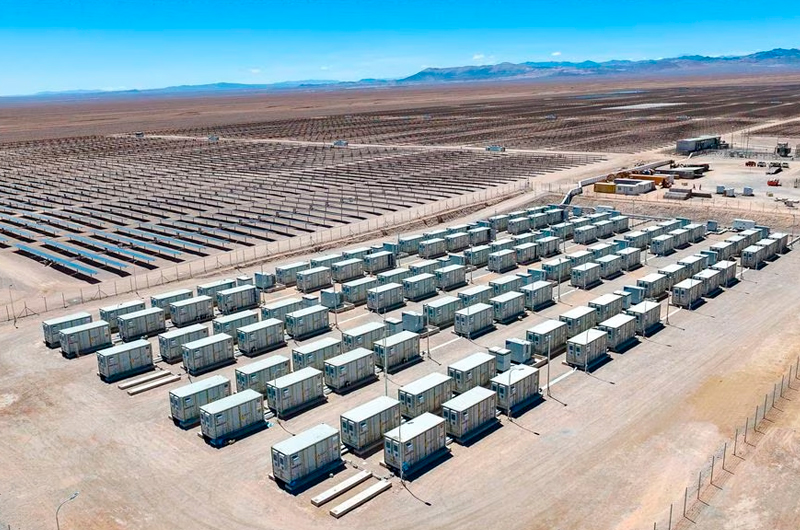
    Battery energy storage systems supporting solar energy production

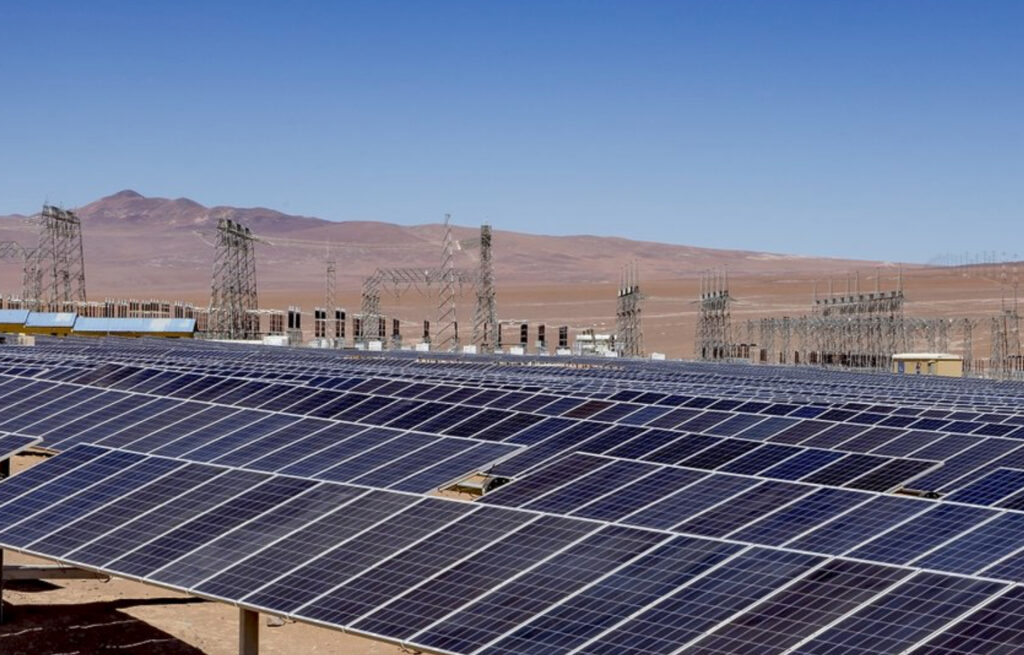
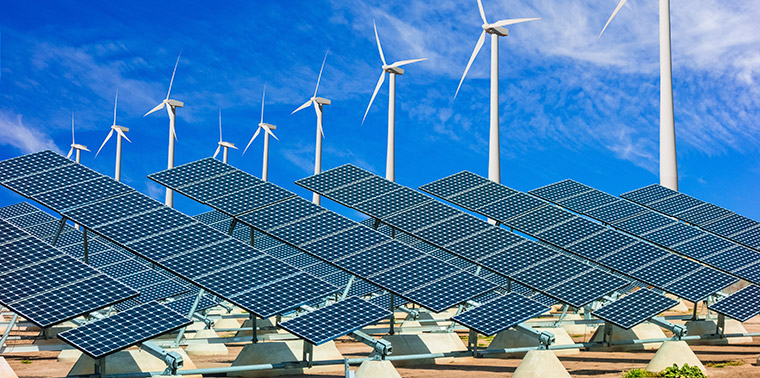
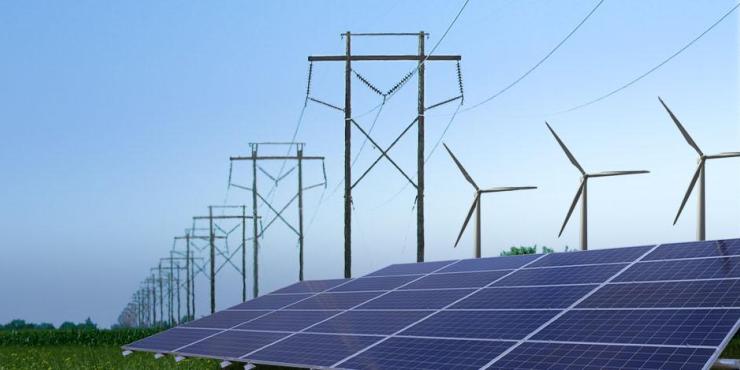
    Pacific Hydro, an Australian power generator, recently received environmental certification for a 190.7 MWp solar project in Chile, which will include a 200 MW BESS. The Don Patricio solar farm consists of 257,000 solar modules designed for maximum yield and grid integration. It also includes the creation of a 200 MW BESS to offer energy storage and improve system responsiveness. The project also involves the development of a 33/220 kV Chile. Voltage levels are managed using a substation and 42 transformation centers. It also comprises 1.1 km of 220 kV high-voltage transmission cables that connect the substation to the grid. This facilitates the effective transfer of generated power into Chile’s National Electric System. The Don Patricio project will expand Chile’s renewable energy base and help the country achieve its aim of reducing reliance on fossil fuels. Key interconnections in these projects rely on components such as compression deadends.

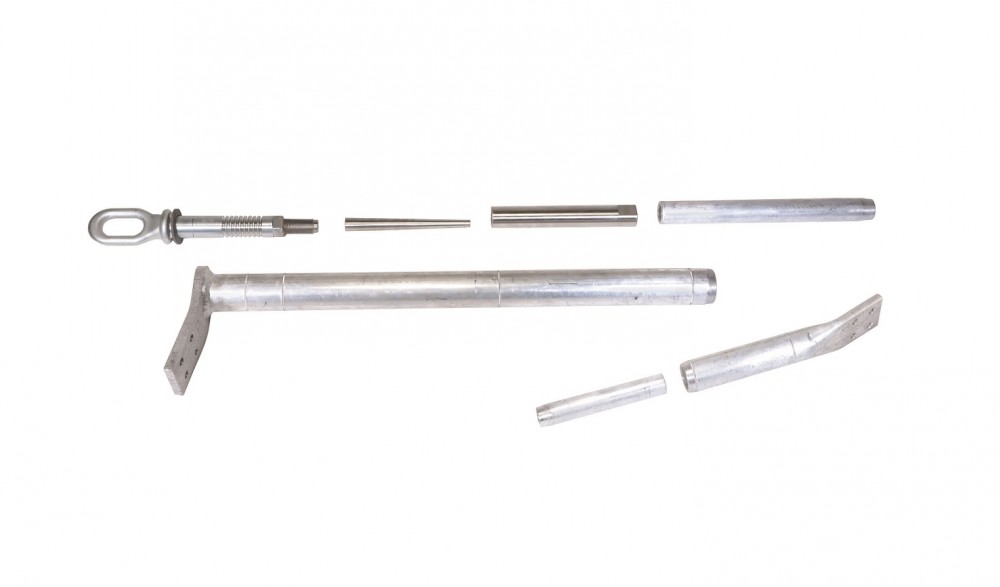
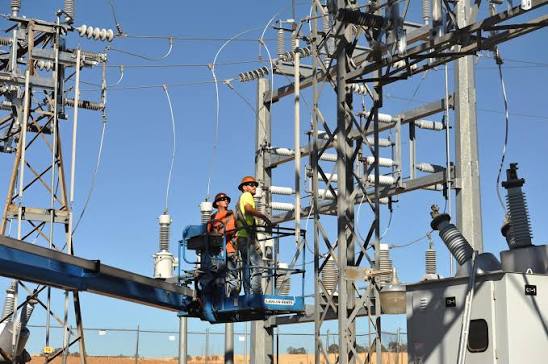
    Compression deadends terminate, anchor, and link electrical cables at specific points throughout the system. They ensure a strong mechanical grasp and a dependable electrical path. Compression deadends secure the conductor and can resist its full rated tensile strength. They provide a low-resistance, high-current route between the conductor and the next component. They prevent conductor pull-out, cut hot spots, and reduce maintenance. Compression deadends secure these wires to strain structures at a change of direction or at the inverter pad. Deadends terminate conductors that connect circuit breakers, disconnect switches, and transformers to the main busbars. In addition, they terminate lines strung between substation structures. This helps to create a stiff and high-current route.

    Quality verification of compression dead ends used in solar and BESS applications

    Solar energy supporting the entire grid

    Quality assurance is crucial for compression deadends used in Chile’s solar photovoltaics and battery energy storage systems. Compression deadends are critical for electrical infrastructure that is subjected to strong mechanical stresses, harsh environmental conditions, and tight grid code compliance. Dead ends affect system dependability, safety, and asset longevity. Material control and verification are the first steps in ensuring the quality of compression dead ends. This enables utilities to associate each dead end with material certificates, production records, and test results. Compression deadends need precision cold-forming and machining procedures. QA for dead ends emphasizes on the compression barrel’s dimensional precision and homogeneous wall thickness to avoid stress concentration during crimping. Terminal deadends used in solar and BESS projects must go through tensile strength testing, slip and pull-out tests, and vibration and fatigue testing.

    Compression Deadends in Solar and BESS Project Development in Chile

    Compression dead ends improve system dependability, safety, and grid compliance for renewable energy and harsh environmental conditions. They contribute to electricity evacuation, collection, and grid connectivity infrastructure. The compression dead ends in solar and BESS project development in Chile serve the following functions.

    Compression deadends provide low-resistance electrical connections
    • Mechanical anchoring of conductors—compression deadends securely anchor conductors at termination points. They support conductors at the ends of overhead collection lines connecting PV fields and BESS facilities, tension points at angle structures, and line terminations at substations and grid interconnection points.
    • Ensuring structural stability in renewable evacuation lines—the deadends maintain consistent conductor tension, correct sag profiles, and structural stability at endpoints.
    • Electrical continuity and low-loss termination—compression deadends provide a low-resistance electrical path between the conductor and the supporting hardware. The dead ends ensure minimal contact resistance, reduced localized heating, and stable current flow under normal operation.
    • Support for grid fault—compression deadends can withstand short-circuit currents and fault-induced tension spikes. They also maintain mechanical integrity without conductor pull-out or barrel deformation.
    • Compatibility with modern conductors—the deadends match specific conductor types and sizes to ensure uniform load transfer, mechanical and electrical compatibility.

    The potential impact of solar and BESS project development in Chile’s energy sector

    The development of solar and BESS projects in Chile reshapes the energy sector on structural, operational, and financial levels. These trends have implications for grid stability, market dynamics, decarbonization, and investment behavior. The advancements contribute to Chile’s energy transition strategy by displacing coal and diesel generation. The combination lowers pollutants while ensuring system reliability. The connectivity with BESS systems aids in the absorption of excess solar energy during low-demand periods, as well as the provision of fast-response electricity and ancillary services such as frequency regulation and voltage support. Solar-plus-storage systems enhance grid resilience in Chile’s National Electric System as renewable variability grows. The projects also help to create a more self-sustaining and predictable energy system.

  • Cable Suspension Bolts in Colombia’s Solar Rise

    Solar and wind energy farm development

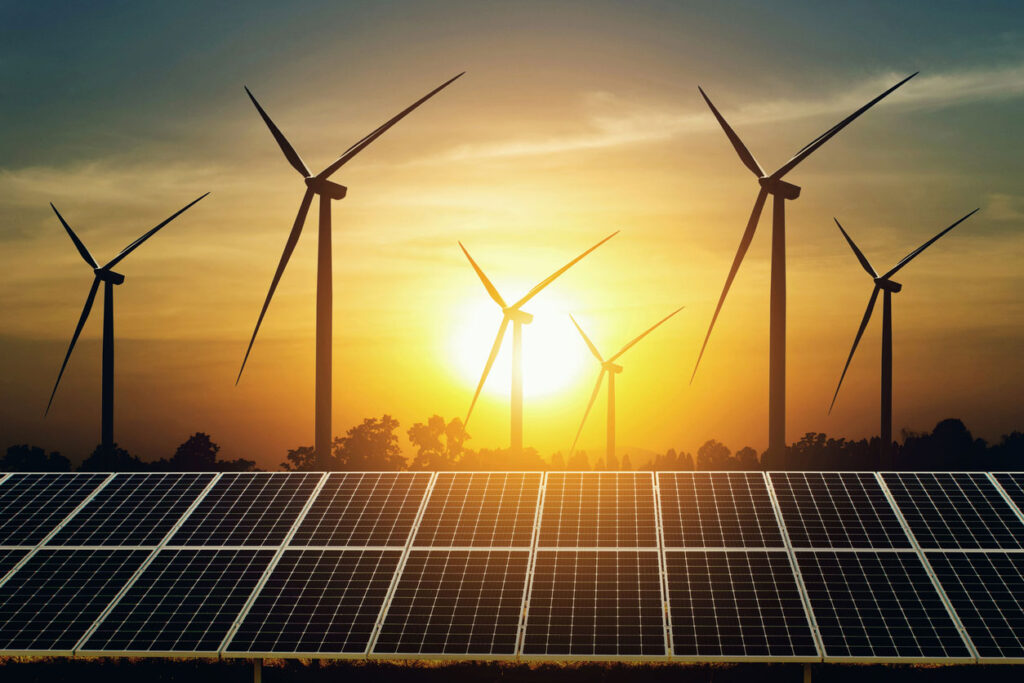
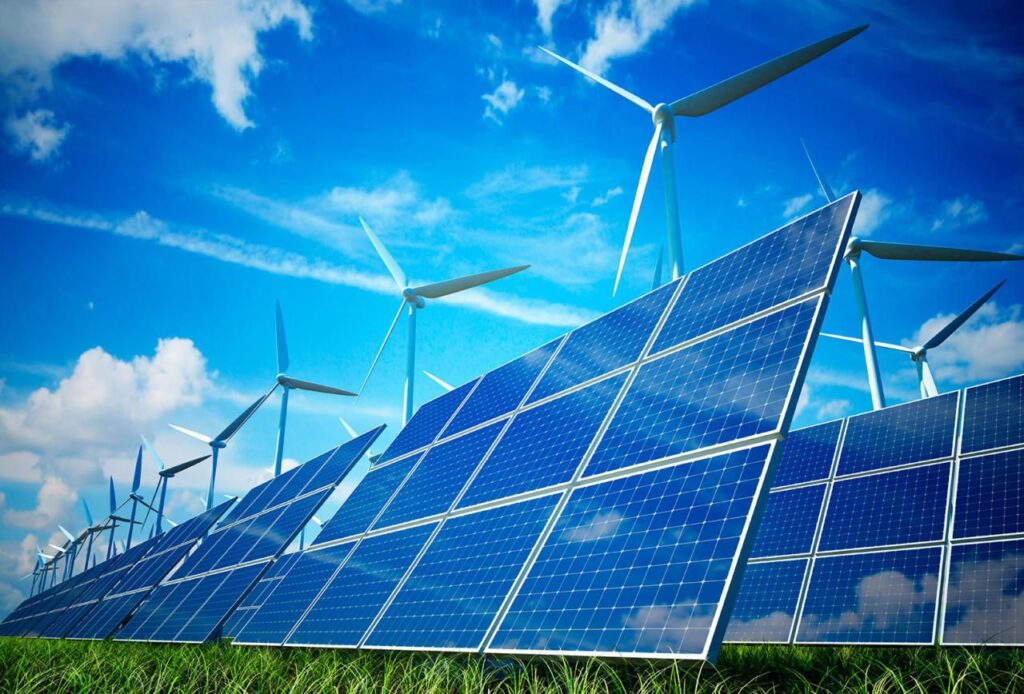
    IRENA, the International Renewable Energy Agency, identifies significant investment opportunities for large-scale solar and onshore wind energy projects in Colombia. The country has ample land space suitable for solar PV and onshore wind development. Colombia is exhibiting a renewable energy potential of 1,600 GW. In 2024, the country plans to add 1.6 GW of new utility-scale wind power, with 19MW already installed in La Guajira and along the Caribbean coast. To meet the increased energy output, the grid needs to be upgraded. The primary transmission lines include the 500 kV La Guajira. The incorporation of storage technologies aims to address intermittency and meet Colombia’s peak electricity demand. Increased generation capacity may lower final pricing in remote places. Colombia is capable of exporting solar and wind energy to nations such as Panama, Ecuador, and Central America. Cable suspension bolts maintain the structural strength, safety, and effectiveness of electrical and support systems.

    High-quality bolts are used to secure and suspend cables, conductors, and other components in solar and wind energy projects. Suspension bolts secure transmission and distribution cables to poles, ensuring the best tension and alignment. They aid to keep cable trays, conduits, and junction boxes secure. They may include features that help stable meteorological masts or small wind turbines by attaching support cables. Cable suspension bolts prevent cable sagging or collapse, which reduces the likelihood of electrical problems. They simplify modular installations, allowing for easier maintenance and updates. Cable suspension bolts are critical in renewable energy infrastructure, as they enable reliable power transmission, structural stability, and long-term durability in solar and wind farms. They provide secure data transmission, grid stability, and remote management for solar and wind power installations.

    Cable suspension bolts are used in solar and wind farms in Colombia.

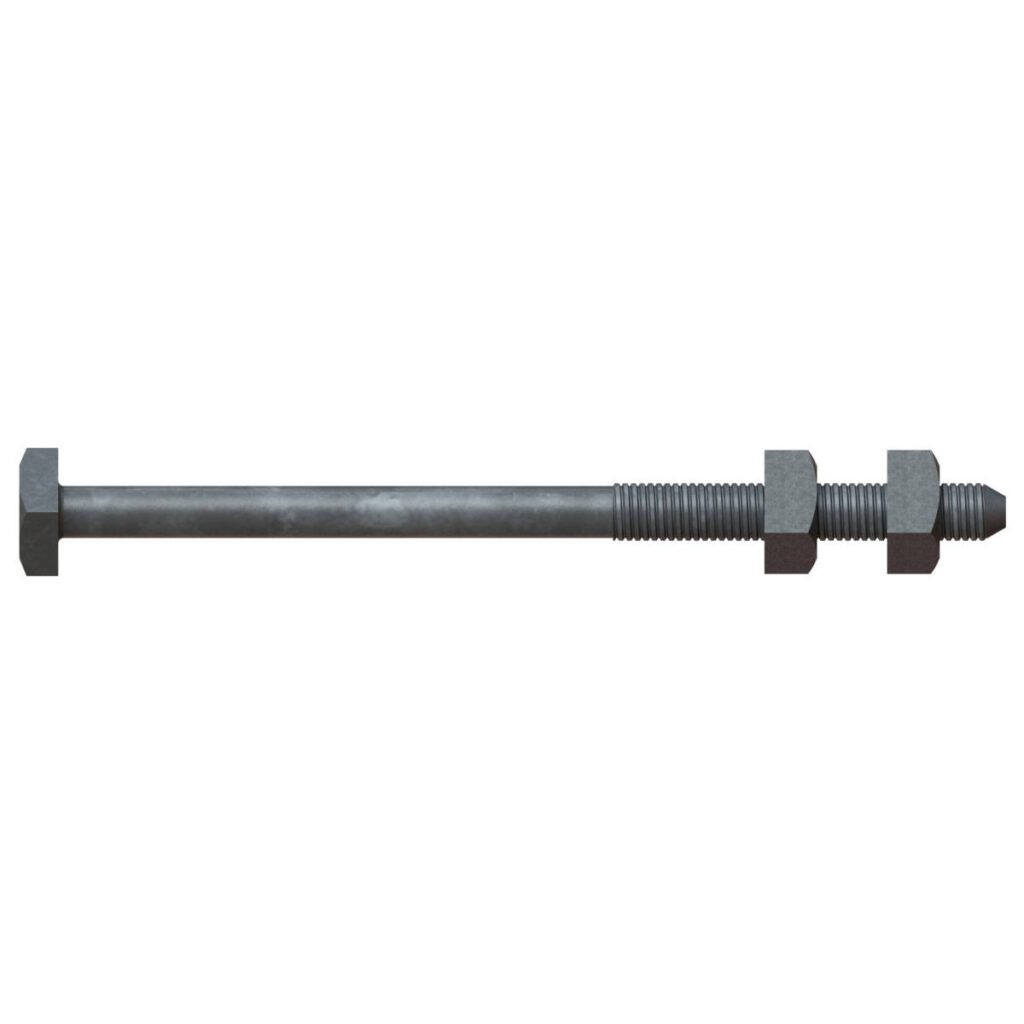
    Cable suspension bolts are mechanical fasteners that attach suspension clamps to poles and towers. They aid to secure the supporting hardware that holds power lines or wires. They provide flexibility, correct tension distribution, and dependable mechanical strength in dynamic wind, earthquake, or load circumstances. Suspension bolts are made of galvanized steel or stainless steel to endure outside conditions, corrosion, and extreme stress. They are critical components in assuring the safe, stable, and efficient support of electrical cables. High-quality cable suspension bolts are the foundation for connecting solar panels and wind turbines to the national grid. Here are the applications of cable suspension bolts in solar and wind farm infrastructure.

    Cable suspension bolts supporting renewable energy sources
    1. Supporting electrical infrastructure – suspension bolts hang transmission and distribution cables from poles. They ensure proper tension and alignment. Additionally, they secure cable trays, conduits, and junction boxes.
    2. Wind turbine applications – cable suspension bolts secure internal and external cables. They connect sensors, control systems, and power lines within wind turbines. They help stabilize meteorological masts or small wind turbines by anchoring support cables.
    3. Durability in harsh conditions – Colombia’s diverse climates demand bolts made of corrosion-resistant materials. This is crucial to withstand high humidity, UV radiation, and strong winds.
    4. Safety and Colombian standards – the bolts prevent cable collapse and reduce the risks of electrical faults. They ease modular installation, allowing for easier maintenance and upgrades.
    5. Distributed generation & hybrid projects – overhead line structures used cable suspension bolts for lightweight and adaptable mounting.

    The impact of rising solar and wind energy on Colombia’s power sector.

    The expansion of solar and wind energy capacity in Colombia is transforming the country’s energy sector, economy, environment, and geopolitical position. IRENA found up to 1,600 GW of untapped renewable resources that are transforming the energy sector, enhancing quality of life, and safeguarding natural ecosystems. Impacts include:

    • Energy security and grid stability – solar and wind provide complementing generation patterns during dry seasons, increasing grid resilience. It increases energy access in remote areas, reduces transmission losses, and builds localized energy hubs.
    • Reduced electricity costs and market diversification – the availability of solar and wind energy reduces wholesale electricity rates, which benefits both consumers and businesses.
    • Economic development and job creation – renewables drive expansion in solar panel installation, turbine production, maintenance, and energy storage. Enhanced capacity generates environmentally beneficial job opportunities in rural areas. It also encourages economic decentralization and strengthens regional growth in disadvantaged areas.
    • Increasing Colombia’s solar and wind contribution replaces energy generated by coal, diesel, and natural gas. It helps to reduce emissions and improves air quality.
  • Energy News Weekly Digest – June 09-13, 2025

    Guy clamps bolster infrastructure for Colombia’s first sustainable aviation fuel (SAF) plant.

    SAF production plant

    LanzaJet and BioD are conducting a feasibility study for Colombia’s first SAF plant built on alcohol-to-jet (ATJ) technology. It uses agroforestry residues and energy crops for cleaner and locally produced aviation fuel.

    Guy clamps are crucial for anchoring guy wires on utility poles, transmission towers, scaffolds, and cranes. They ensure structural stability, safety, and efficiency during plant construction and maintenance.

    Guy clamps help stabilize tall structures, protect workers, and provide durability, power transmission, and auxiliary renewables.

    The SAF production plant will help lower construction expenses by reducing reliance on imported hardware, create job opportunities, and reduce reliance on fossil fuels.

    Guy clamps are critical for the structural integrity of industrial and electrical infrastructure in SAF facilities. They ensure safety and operational continuity and economical, resilient scaling of clean fuel projects.

    Read More

    #SAF #GuyClamps #Infrastructure #SAFinColombia #Renewables #IndustrialHardware

    Yoke plates anchor Colombia’s solar and wind infrastructure.

    Wind and solar energy infrastructure

    Colombia has unveiled an ambitious strategy addressing regulatory, infrastructure, and financing bottlenecks to reinvigorate stalled solar, wind, and hydro projects.

    Yoke plates are crucial for securing generators and rotors in wind turbines, anchoring crossarms and insulators on transmission towers, and withstanding extreme weather and reducing maintenance needs.

    Galvanized steel yoke plates ensure mechanical robustness, corrosion resistance, and optimized stress distribution. This is crucial for durable, low-failure renewable networks.

    Yoke plates reduce dependency on imported hardware to help speed up construction and deployment to meet key deadlines.

    Reinforced transmission armatures reduce outage risk, supporting dependable delivery of intermittent solar and wind power in remote regions.

    As Colombia explores HVDC links and upgraded grid capacities, heavy-duty yoke plates will be crucial for handling increased electrical and mechanical loads.

    Read More

    #CleanEnergy #ColombiaRenewables #PowerLineHardware #YokePlates #TransmissionInfrastructure #SolarExpansion

    Cutout fuses play a key role in stabilizing the Colombia-Panama cross-border grid.

    Cross-border energy sharing infrastructure

    Cutout fuses installed at critical junctions blow under conditions to isolate affected segments and protect transformers and substations.

    They enable swift disconnection on the Caribbean side in case of an overcurrent event. It prevents outages from cascading into Panama’s network.

    Fuses are combined with visible disconnects, which makes fault detection and maintenance faster and safer.

    The protective elements are part of broader investments in high-voltage transmission lines, converter stations, substations, and SCADA systems to support clean energy export.

    Using these fuses bolsters grid resilience, enhances energy trade with Panama, and supports Colombia’s renewable industry growth. This secures both economic and environmental dividends.

    Read More

    #CutoutFuses #ColombiaPanamaGrid #EnergySecurity #RenewableExport #GridProtection

    How suspension clamps are powering Colombia’s clean energy shift

    Clean energy transition resources

    As Colombia pivots away from coal, suspension clamps are emerging as vital connectors in transitioning its power infrastructure to renewables.

    The clamps secure conductor lines to prevent sagging and outages and dampen vibrations caused by wind, seismic activity, and weather. They maintain insulation quality and mechanical stability and support ease of maintenance in remote areas.

    Suspension clamps underpin grid stability, which is a prerequisite for integrating large-scale solar, wind, and hydropower while enabling Colombia’s clean energy aspirations.

    South American countries are phasing out coal while scaling renewables. Reliable grid hardware like suspension clamps ensures the shift is safe, scalable, and cost-effective.

    Read More

    #RenewableInfrastructure #CoalPhaseOut #GridReliability #Colombiaenergy #SuspensionClamps

  • Reinforcing Plates Drive Gas Infrastructure in Argentina

    Natural gas production facility

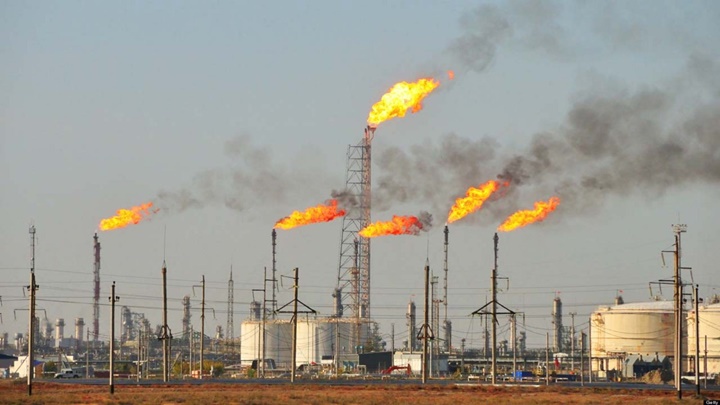
    The Pampas area in Argentina is located above the Vaca Muerta, the geological structure housing the most abundant oil and gas reserves. It holds natural gas, which is a cost-effective and versatile energy source. The ongoing use and production of natural gas hinders the embrace of renewable energy. Gas accounts for approximately one-fourth of global electricity use and handles around one-fifth of the world’s greenhouse gas emissions related to energy consumption.This raises the question, is natural gas valuable? Natural gas can be utilized to fuel turbines for generating renewable energy. Natural gas and renewables can coexist and be utilized together to maintain low emissions. Reinforcing plates can enhance the durability of pipeline connections, valves, or junctions where mechanical stress may compromise the system’s integrity. This renders it an essential element in the production of natural gas in Argentina’s gas fields.

    High-performance reinforcing plates function in pipeline systems in high-pressure gas transportation and distribution networks. Argentina’s natural gas pipelines operate under high pressure. Reinforcing plates are welded or bolted around weak points to prevent leaks. They mitigate metal fatigue to extend the pipeline’s lifespan. Reinforcing plates ensure compliance with safety requirements for high-stress zones. High-quality reinforcing plates are crucial for maintaining infrastructure reliability in high-pressure transport systems. They are made from carbon steel or stainless steel to match pipeline specifications.

    Reinforcing plates and their components used in Argentina’s natural gas production

    Reinforcing plates are structural components welded around an opening in a pressure vessel or pipeline. They strengthen the area around the opening to withstand internal pressure and mechanical stress. They prevent failures like cracking, buckling, or leakage. Reinforcing plates support shale gas extraction in Vaca Muerta for LNG exports. Here are the key roles of reinforcing plates in natural gas production.

    reinforcing plates support shale gas extraction
    • Pipeline branching and connection support – Argentina uses pipeline networks from Vaca Muerta. The use of reinforcing plates strengthens the connections to prevent rupture. They also allow safer integration of measurement devices and ensure structural integrity in high-pressure zones.
    • Enhancing safety – Reinforcing plates prevent gas leaks, reduce metal fatigue, and extend the lifespan of critical infrastructure. This is due to the nature of natural gas extraction, compression, and transportation.
    • Resilience in harsh environments – the plates are crucial where infrastructure faces temperature fluctuations, seismic activity, and soil movement. Reinforcing plates prevent operational downtime and emergency repairs in challenging conditions.
    • Supporting modernization and expansion projects – reinforcing plates function more in modular skids, compression stations, and metering stations.

    Development of infrastructure for natural gas extraction in Argentina

    Argentina’s natural gas output requires much investments in infrastructure. This encompasses pipelines and facilities for LNG. Natural gas production encompasses the efficient and safe transportation, processing, and storage of gas. Infrastructure advancement is vital for increasing production, minimizing dependence on imports, improving export potential, and drawing in foreign investment. Reinforcing plates improve the formation of the infrastructure required for natural gas extraction. The main infrastructure initiatives consist of:

    1. Nestor Kirchner gas pipeline – this pipeline is essential for transporting natural gas from Vaca Muerta to areas of consumption. This aids in decreasing dependence on expensive LNG imports and enhances domestic distribution.
    2. Reversing the northern gas pipeline – this intends to change the pipeline’s direction to enable gas from Vaca Muerta to flow to the northern provinces. It allows Argentina to substitute imports with local gas in the north to broaden market access.
    3. The nation intends to construct LNG liquefaction facilities close to the Coast for exporting liquefied natural gas. This will enable Argentina to access the worldwide LNG market, focusing on Europe and Asia.
    4. Compressor stations and processing plants – the nation is also allocating funds to enhance compressor facilities and gas processing plants to accommodate higher volumes. The facilities guarantee that gas supplied to homes meets international quality standards.

    Effects of natural gas extraction on Argentina’s energy industry

    The rise in natural gas production is significantly changing Argentina’s energy industry. Natural gas is driving industrial expansion, enhancing exports, generating jobs, and establishing the nation as a regional energy leader. Natural gas is aiding Argentina in its move towards energy independence, lowering energy expenses, enhancing export capabilities, and facilitating energy transition. In spite of these benefits, there are difficulties such as infrastructure deficits, regulatory and political uncertainty, and environmental advocacy. Reinforcing plates are essential elements in increasing Argentina’s natural gas output. It contributes to enhancing energy security, stability, and economic development.