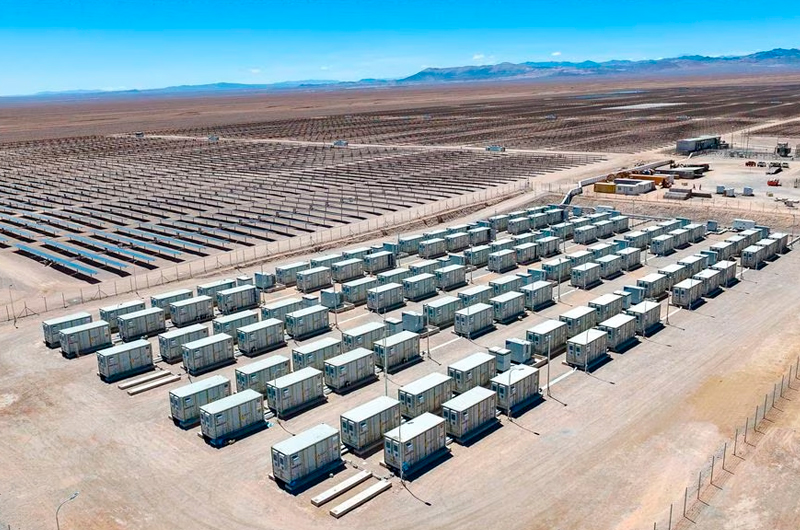
Pacific Hydro, an Australian power generator, recently received environmental certification for a 190.7 MWp solar project in Chile, which will include a 200 MW BESS. The Don Patricio solar farm consists of 257,000 solar modules designed for maximum yield and grid integration. It also includes the creation of a 200 MW BESS to offer energy storage and improve system responsiveness. The project also involves the development of a 33/220 kV Chile. Voltage levels are managed using a substation and 42 transformation centers. It also comprises 1.1 km of 220 kV high-voltage transmission cables that connect the substation to the grid. This facilitates the effective transfer of generated power into Chile’s National Electric System. The Don Patricio project will expand Chile’s renewable energy base and help the country achieve its aim of reducing reliance on fossil fuels. Key interconnections in these projects rely on components such as compression deadends.
Compression deadends terminate, anchor, and link electrical cables at specific points throughout the system. They ensure a strong mechanical grasp and a dependable electrical path. Compression deadends secure the conductor and can resist its full rated tensile strength. They provide a low-resistance, high-current route between the conductor and the next component. They prevent conductor pull-out, cut hot spots, and reduce maintenance. Compression deadends secure these wires to strain structures at a change of direction or at the inverter pad. Deadends terminate conductors that connect circuit breakers, disconnect switches, and transformers to the main busbars. In addition, they terminate lines strung between substation structures. This helps to create a stiff and high-current route.
Quality verification of compression dead ends used in solar and BESS applications
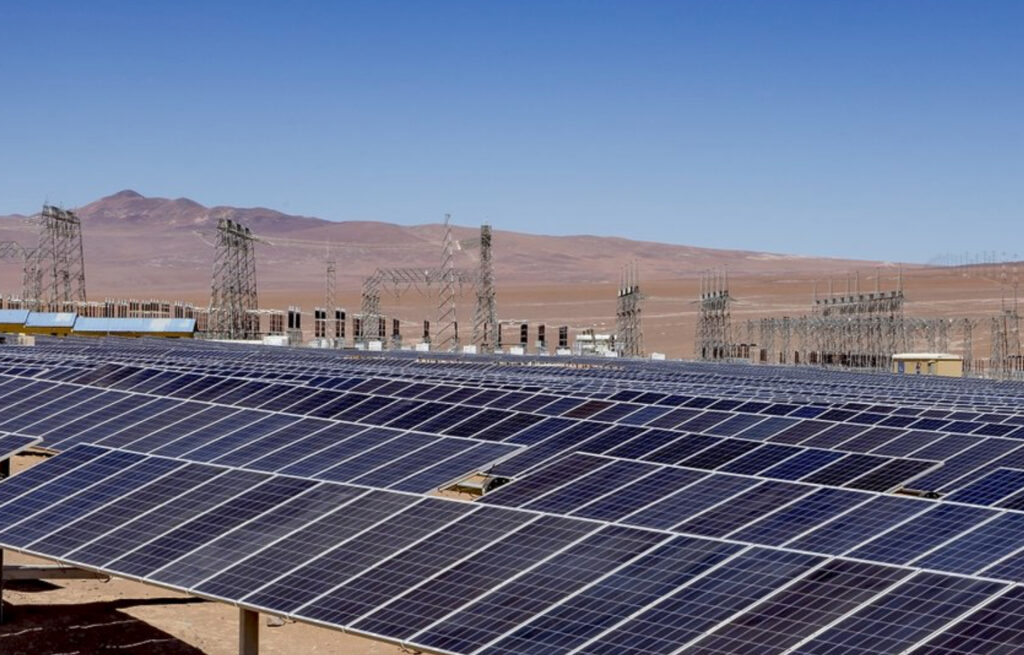
Quality assurance is crucial for compression deadends used in Chile’s solar photovoltaics and battery energy storage systems. Compression deadends are critical for electrical infrastructure that is subjected to strong mechanical stresses, harsh environmental conditions, and tight grid code compliance. Dead ends affect system dependability, safety, and asset longevity. Material control and verification are the first steps in ensuring the quality of compression dead ends. This enables utilities to associate each dead end with material certificates, production records, and test results. Compression deadends need precision cold-forming and machining procedures. QA for dead ends emphasizes on the compression barrel’s dimensional precision and homogeneous wall thickness to avoid stress concentration during crimping. Terminal deadends used in solar and BESS projects must go through tensile strength testing, slip and pull-out tests, and vibration and fatigue testing.
Compression Deadends in Solar and BESS Project Development in Chile
Compression dead ends improve system dependability, safety, and grid compliance for renewable energy and harsh environmental conditions. They contribute to electricity evacuation, collection, and grid connectivity infrastructure. The compression dead ends in solar and BESS project development in Chile serve the following functions.
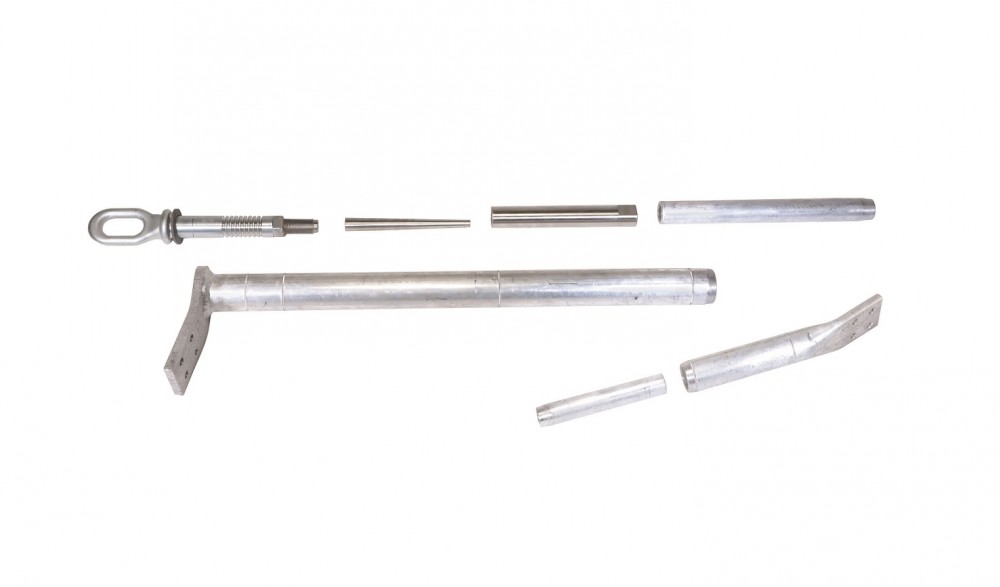
- Mechanical anchoring of conductors—compression deadends securely anchor conductors at termination points. They support conductors at the ends of overhead collection lines connecting PV fields and BESS facilities, tension points at angle structures, and line terminations at substations and grid interconnection points.
- Ensuring structural stability in renewable evacuation lines—the deadends maintain consistent conductor tension, correct sag profiles, and structural stability at endpoints.
- Electrical continuity and low-loss termination—compression deadends provide a low-resistance electrical path between the conductor and the supporting hardware. The dead ends ensure minimal contact resistance, reduced localized heating, and stable current flow under normal operation.
- Support for grid fault—compression deadends can withstand short-circuit currents and fault-induced tension spikes. They also maintain mechanical integrity without conductor pull-out or barrel deformation.
- Compatibility with modern conductors—the deadends match specific conductor types and sizes to ensure uniform load transfer, mechanical and electrical compatibility.
The potential impact of solar and BESS project development in Chile’s energy sector
The development of solar and BESS projects in Chile reshapes the energy sector on structural, operational, and financial levels. These trends have implications for grid stability, market dynamics, decarbonization, and investment behavior. The advancements contribute to Chile’s energy transition strategy by displacing coal and diesel generation. The combination lowers pollutants while ensuring system reliability. The connectivity with BESS systems aids in the absorption of excess solar energy during low-demand periods, as well as the provision of fast-response electricity and ancillary services such as frequency regulation and voltage support. Solar-plus-storage systems enhance grid resilience in Chile’s National Electric System as renewable variability grows. The projects also help to create a more self-sustaining and predictable energy system.