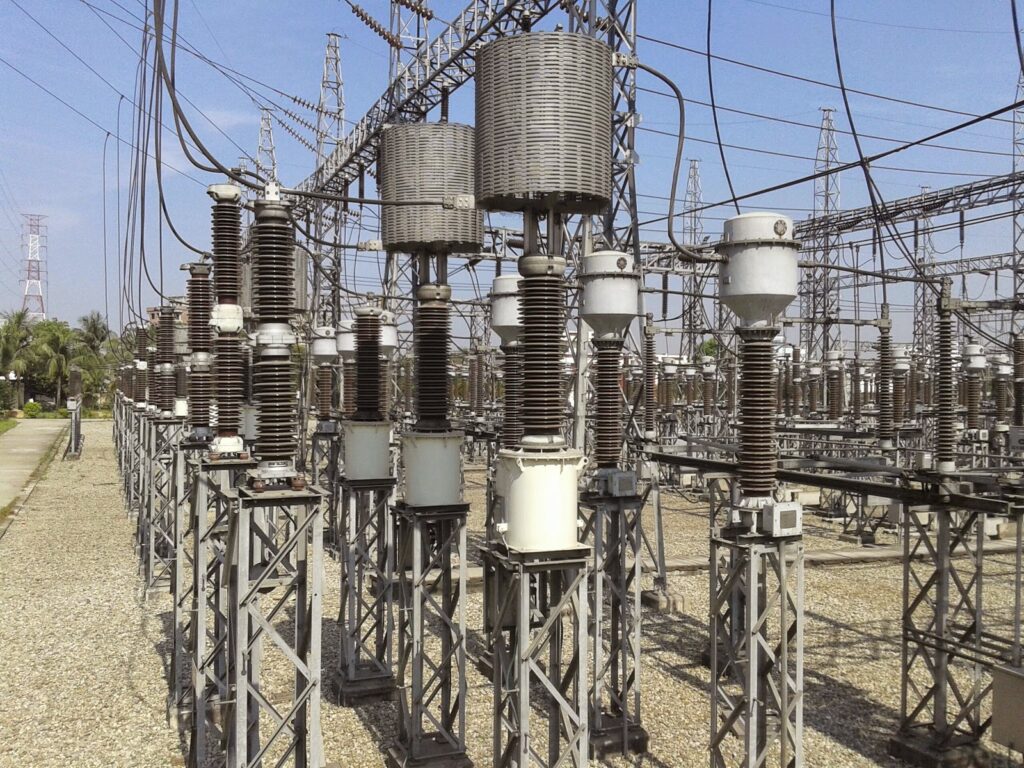
Colombia has taken important advances toward renewable energy adoption by accelerating its transformation to a greener, more robust electrical grid. This is contingent on the country solving significant hurdles while exploiting its natural resources. Colombia has abundant in renewable energy sources such as hydropower, wind, sun, biomass, and geothermal. The country can proceed quickly by expediting transmission projects, easing permitting for solar and wind, including storage to balance renewables, and encouraging public-private partnerships. Colombia plans to boost its renewable energy share from less than 5% now to at least 30% by 2030. Integrating significant amounts of variable renewables necessitates grid modernization, adaptable backup systems, and smart policies to assure stability and reliability. This can also help strengthen cross-border connections through regional electricity markets. Line post insulators ensure electrical insulation, mechanical support, and grid reliability.
High-quality line post insulators help to preserve system stability and efficiency, allowing for an increase in renewable energy share. They protect against leakage currents and short circuits by isolating live conductors from grounded structures. They ensure they can endure lightning strikes and switching surges in Colombia’s tropical climate. Line post insulators provide structural strength to support power lines in heavy winds. They are made of polymer or porcelain materials that are resistant to UV radiation, humidity, pollutants, strong rains, and landslides. In renewable energy, smart grid-ready insulators can incorporate sensors to track line temperature and corrosion. Lightweight polymer insulators are easier to install in off-grid solar and wind microgrid systems. They also lessen the need for maintenance in Colombia’s remote locations.
Line post insulators for Colombia’s power grid development.
Using durable and resilient components is critical in extending Colombia’s power grid to meet the growing percentage of renewable energy. Line post insulators provide mechanical stability and electrical insulation for overhead distribution and transmission systems. They contribute to the integration of clean energy sources as well as the modernization of an old grid. They may combine mechanical strength with high-voltage insulation, making them an essential component of a safer, more efficient, and renewable-ready power network. The following are the functions of line post insulators in Colombia’s power grid growth.
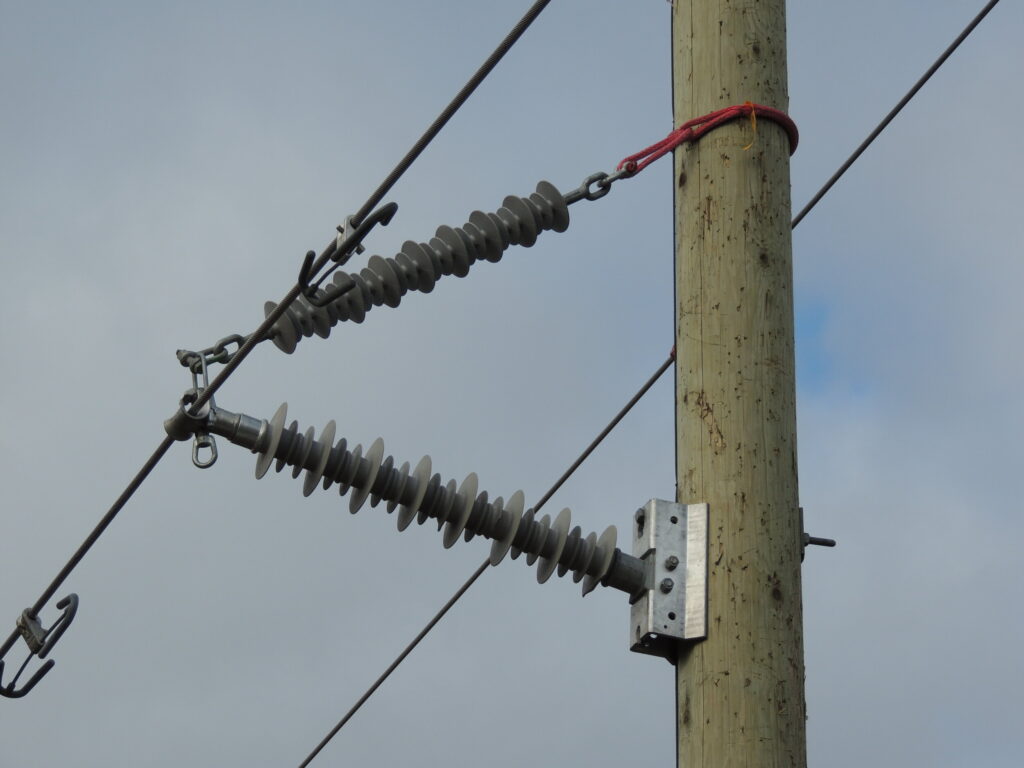
- Electrical insulation in high-voltage environments – line post insulators are able to electrically isolate live conductors from grounded structures. They ensure safe, uninterrupted power transmission.
- Mechanical support and conductor stability – the insulators provide rigid mechanical support to conductors. Line post insulators withstand heavy conductor loads and tension, resist environmental forces, and maintain conductor alignment.
- Adaptability to harsh environmental conditions – line post insulators are able to resist high humidity, UV exposure, and pollution. They are from materials that provide resistance to contamination, minimal maintenance needs, and high dielectric strength.
- Support for compact and urban installations – line post insulators allow for compact pole designs, versatile mounting configurations, and safe clearances.
- Enabling renewable integration and grid flexibility – rooftop solar, microgrids, and hybrid systems feed into the national grid. Line post insulators ensure reliability in bidirectional power flows, support feeder reconfigurations, and enhance the safety and lifespan of upgraded lines.
The implications of modernizing Colombia’s electrical grid for renewable energy
Upgrading the national electricity infrastructure is critical to unlocking Colombia’s renewable energy transition capabilities. An outmoded, centralized, and hydro-dependent infrastructure is insufficient to please the needs of a sustainable, inclusive, and climate-resilient energy future. The implications of modernizing Colombia’s electrical grid include:
- Increased renewable energy integration – upgrading the grid leads to more variable and distributed energy sources like solar and wind. Modern transmission and distribution systems helps handle intermittency, leading to increased energy generation.
- Reduced carbon emissions – a modernized grid supports the shift from fossil fuels and reduces reliance on climate-vulnerable hydropower.
- Improved energy access and equity – grid upgrades allow Colombia to extend reliable electricity to rural and underserved regions. Microgrids and mini-grid solutions are workable in off-grid areas.
- Enhanced grid reliability and efficiency – outdated infrastructure contributes to energy losses, frequent blackouts, and high maintenance costs. Upgrades lead to reduced technical losses in transmission and distribution. It also leads to more reliable service and real-time monitoring and automation for predictive maintenance and grid optimization.
- Attraction of investments – an upgraded grid helps the country attract foreign and domestic investors seeking clean energy opportunities. Also, manufacturers and suppliers of grid components such as insulators, arresters, and clamps are also attracted to Colombia.