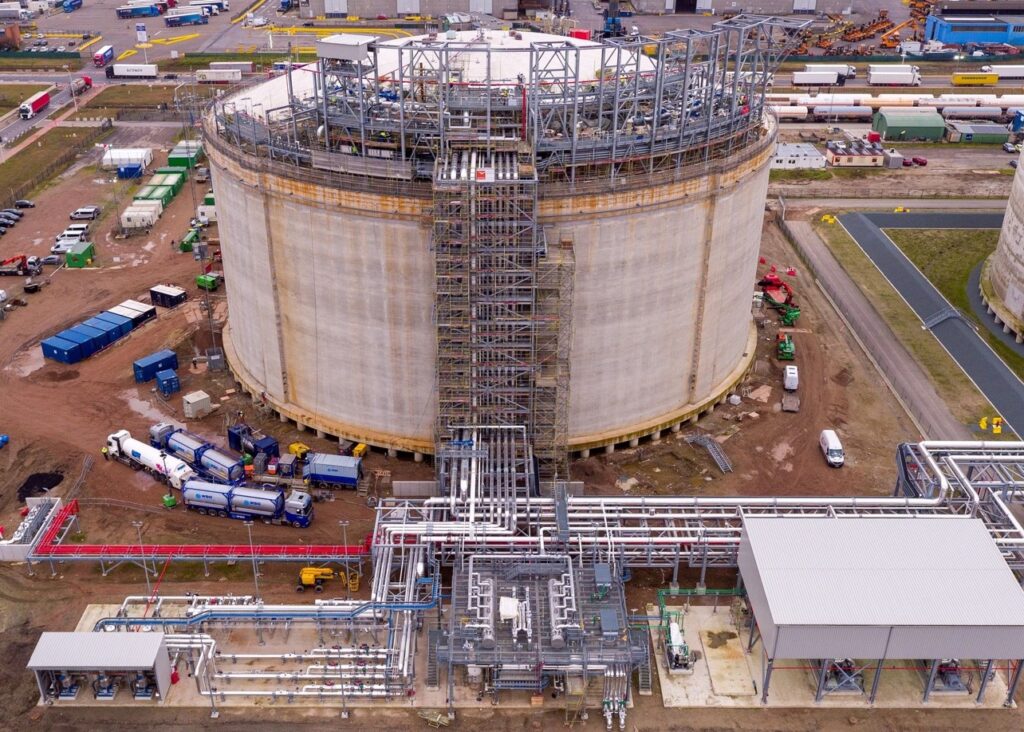
The Vaca Muerta shale formation in Argentina facilitates the manufacturing of liquefied petroleum gas. Argentina’s growing production has positioned it as a global energy exporter in Latin America. LPG production boosts energy security, improves trade balance, promotes industrial development, and puts Argentina as a major player in the global LPG industry. This results in increasing expenditures in related infrastructure, such as gas processing plants, pipelines, and port facilities. LPG burns cleaner than coal and oil. Its availability promotes a shift to lower-carbon energy sources. It is used for household heating, cooking, transportation, and in businesses that are difficult to electrify. LPG also serves as a reliable backup for intermittent renewable energy sources like wind and solar to provide grid stability. Hotline tap clamps are fittings that allow a new pipeline branch to be connected to an existing pressurized pipeline.
Hot tap connections are crucial components of Argentina’s increasing LPG production and infrastructure. Hot taps connect drilling and new gas processing units to new pipelines. They enable the network to expand with production. Hotline tap clamps establish a temporary bypass line, allowing LPG to continue flowing. Advanced hot tap devices can insert plugs into pipelines to separate sections for maintenance without disrupting the system. This is critical for the integrity management of Argentina’s old pipeline network as it transitions to new infrastructure. They also enable linking to the main supply lines while maintaining service to existing customers. Hotline tap clamps offer the flexibility required to quickly respond to changing production patterns and integrate new infrastructure with old, and reduce economic disruptions.
The role of hotline tap clamps in LPG production infrastructure
Hotline tap clamps connect a tap conductor to a main-energized line without disrupting service. It supports live-line operation, which implies that connections and disconnections stay active. The clamps play an important role in the distribution networks that feed electricity to LPG processing and storage facilities. They serve to feed fractionation factories, storage terminals, cylinder filling stations, and transportation hubs. Here are the applications of hotline tap clamps in LPG infrastructure.
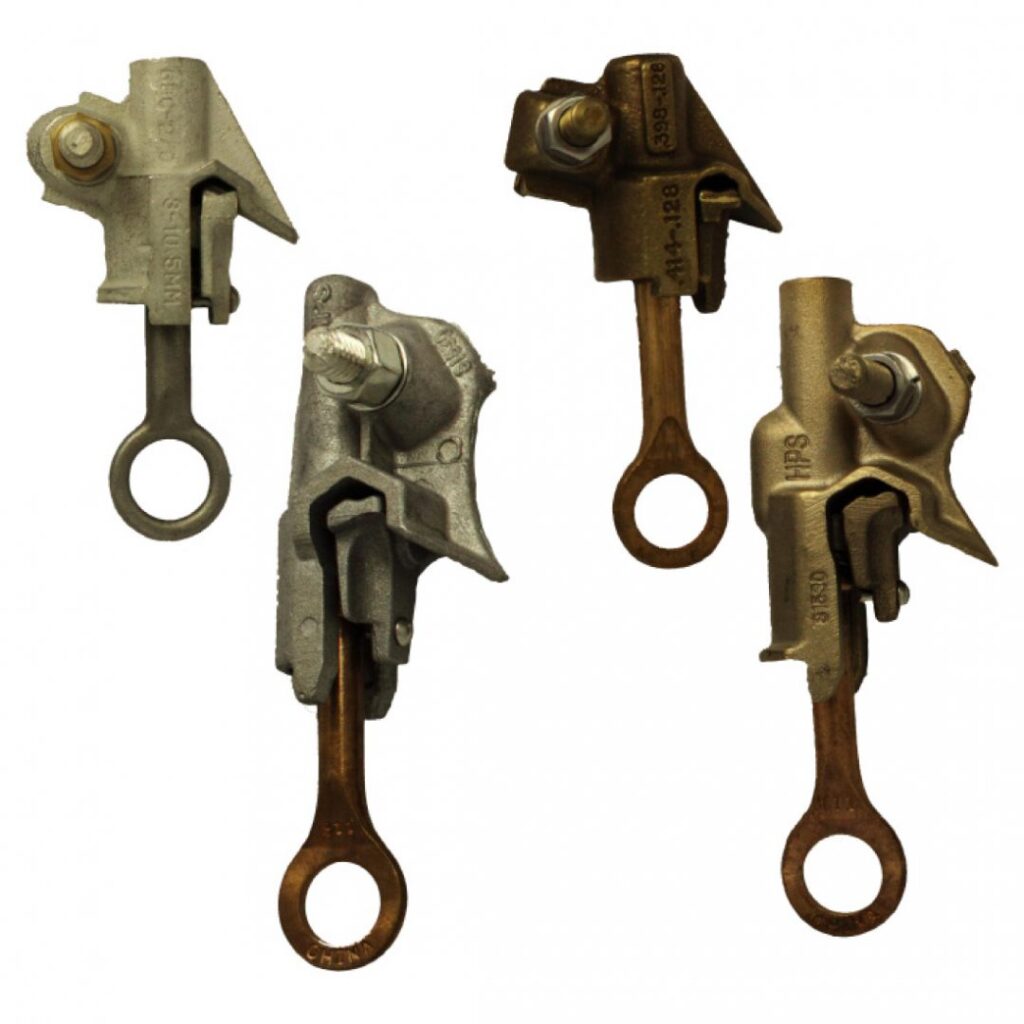
- Maintain continuous power supply—LPG plants like compressors and storage terminals need a consistent power supply. Hotline tap clamps allow utility crews to make new service taps, bypass connections, or load transfers without disrupting power to LPG equipment.
- Enable flexible plant expansion—hotline tap clamps ease the connection of new feeders to transformers while the system stays energized. This is crucial as new electrical loads like motors, pumps, and compressors are added.
- Support reliability—most LPG facilities are in remote areas without redundant power feeds. Hot taps allow quick installation of bypass lines to ensure production does not stall.
- Ease load balancing—motors and heaters create variable loads in LPG plants. Hotline tap clamps keep the system stable.
- Reduce maintenance downtime—hotline tap clamps allow maintenance and expansions without stopping fractionation to maximize plant uptime.
- Worker safety—proper use of the clamps provides secure, low-resistance contact and reduces the risk of arcing during live maintenance near LPG sites.
Infrastructure for LPG production, processing, and transportation in Argentina
Argentina’s LPG infrastructure includes upstream shale wells, fractionation factories, pressurized storage tanks, pipelines, rail networks, and retail cylinder systems. The current deregulation of pricing provides chances for surplus production, export expansion, and investment in modern storage. Key infrastructure includes:
- Upstream production infrastructure—rising shale production boosts the supply of natural gas liquids. The infrastructure used includes gas wells and shale rigs, gathering systems, and separation units.
- Gas processing and fractionation plants—fractionation infrastructure allows the separation of components to propane and butane. It involves cryogenic gas processing plants, fractionators, depropanizers, and compression units.
- Storage infrastructure—Argentina’s infrastructure includes spherical pressure tanks, cylindrical horizontal tanks, underground storage, and cylinder depots.
- Transportation infrastructure—this includes pipeline networks, rail transport, road tankers, and export terminals. This is crucial as Argentina moves LPG across vast distances to export hubs.
- Distribution and end-user infrastructure—LPG is distributed to consumers and industries through cylinder filling plants, bulk distribution, rail networks, and metering systems.
- Supporting infrastructure—LPG operations rely on energy and safety systems like electrical distribution systems, safety systems, logistics hubs, and regulatory infrastructure. Hotline tap clamps support the LPG infrastructure for safety.