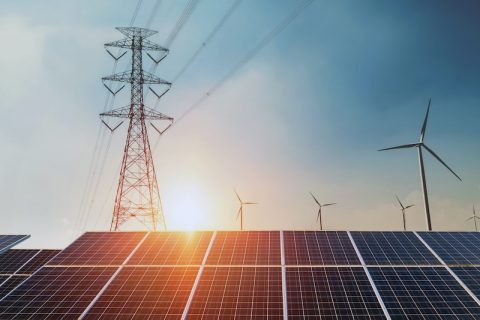
Zelestra, a renewable energy firm, is developing solar projects in Peru, marking a significant step forward in the renewable energy scene. The Babilonia solar PV plant is helping to modernize Peru’s power infrastructure while also developing utility-scale solar energy. These developments affect electricity production, grid stability, and industrial energy supply. Zelestra has been investing in large-scale solar infrastructure in Peru, namely in areas with strong sun irradiation. The company’s approach is constructing utility-scale photovoltaic systems to generate electricity for the grid. The project development includes the construction of huge solar farms with capacities greater than 200 MW, the integration of modern photovoltaic technologies, and the development of supporting transmission and substation infrastructure. The Babilonia solar project has a capacity of 242 MWdc. The development includes improvements in high-voltage transmission networks, grid interconnection substations, power monitoring and control systems, and protection equipment for solar distribution systems. These developments use insulator pins for robust connections.
Galvanized steel pins can perform both electrical and mechanical roles in solar projects. The insulator pin attaches energized electrical cables to their supporting supports. They prevent current from entering the structures. Insulator pins are critical given Peru’s harsh environmental and topographical conditions. These conditions include high humidity, intense UV radiation, and strong winds. Insulator pins create a non-conductive barrier between live wires and support structures. This prevents electrical leaks, short circuits, and arcing. The pin also supports and protects overhead cables that connect solar facilities to substations and the national grid. This helps to support the weight and tension of conductors. The insulator pin, which can sustain line strain, allows future solar farms to be connected to population centers.
Quality verification of insulator pins used in solar projects
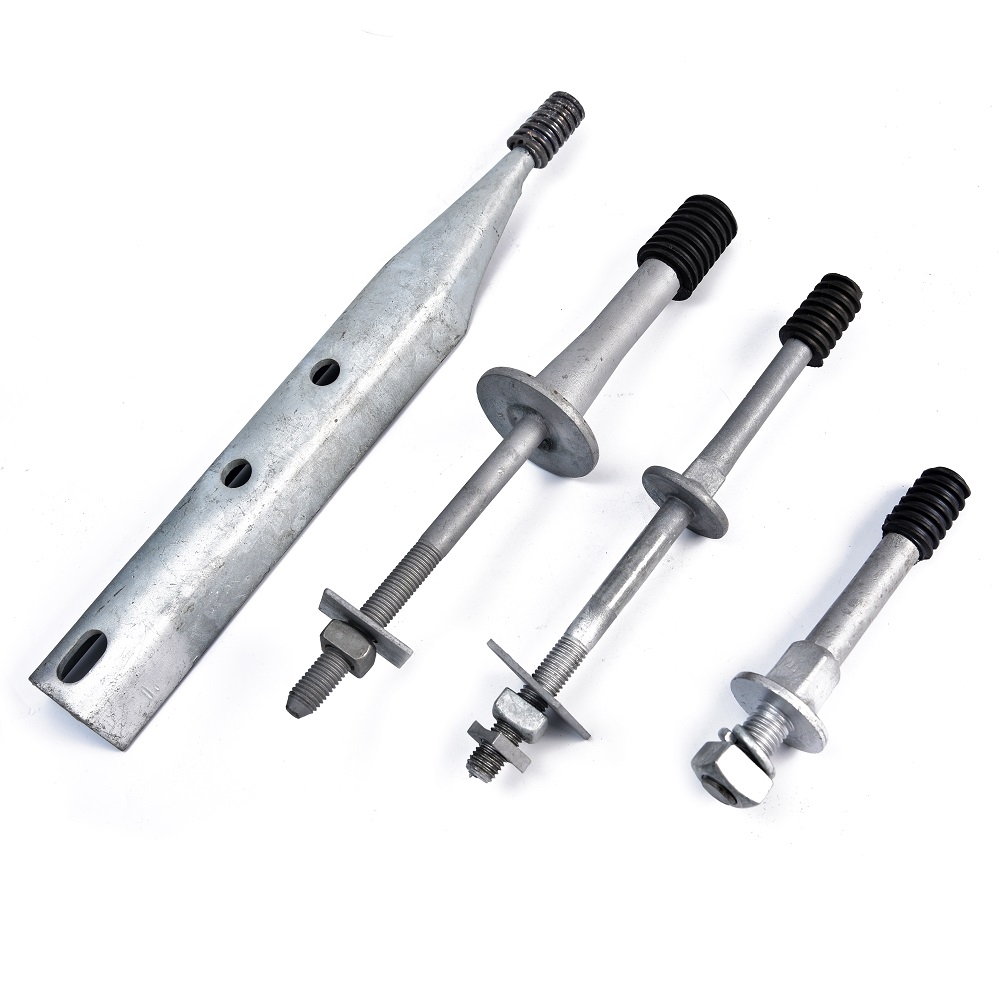
Improving the quality assurance of insulator pins improves mechanical stability, electrical insulation dependability, and distribution infrastructure performance. Solar farms need massive medium-voltage distribution networks that connect inverters, transformers, and substations to the grid. Insulator pins with quality assurance support line insulators and keep conductors spaced on distribution poles. Compliance with standards assures that the component meets the electrical and mechanical specifications required for solar energy infrastructure. Quality assurance begins with inspecting the materials used to make insulator pins. It ensures that the components can endure mechanical loads from conductors as well as environmental conditions. The procedure also comprises mechanical strength testing, corrosion protection testing, thread inspection, surface quality inspection, and field inspection. Effective QA practices contribute to the stability and efficiency of solar energy infrastructure.
Insulator pins play critical roles in the development of solar projects in Peru
Insulator pins serve in the overhead distribution infrastructure for solar power plants. The insulator pins help to mount line insulators on distribution poles and support wires. These cables carry electricity from solar facilities to substations. The following are the functions of insulator pins in solar project development.
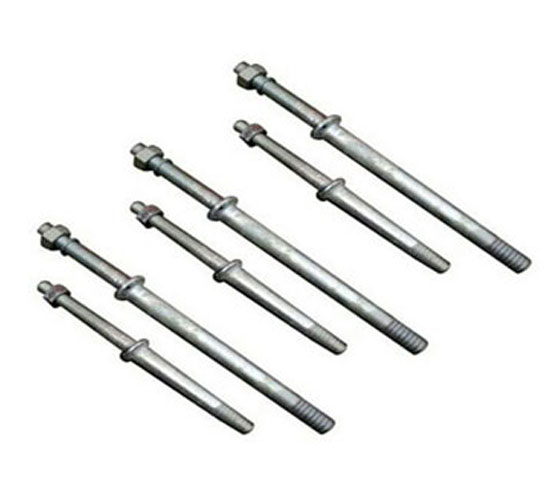
- Supporting line insulators on distribution structures—the insulator pin provides the threaded base that holds pin-type insulators. They maintain the proper positioning of insulators on poles and ensure mechanical stability for overhead conductors.
- Maintaining electrical insulation—insulator pins help maintain electrical separation between energized conductors and grounded pole structures. The pins hold the insulator at a fixed position, prevent current leakage from conductors, and support safe voltage clearance levels.
- Providing mechanical strength for conductors—Insulator pins provide mechanical strength and stability to the project. They do so by supporting the insulator that carries the conductor.
- Ensuring safe power transmission from solar plants—the pins support distribution lines within the solar plant, maintain conductor spacing, and enable safe routing of electricity to step-up transformers and substations.
The impact of Zelestra’s solar project development on Peru’s energy industry
Zelestra’s solar project boosts Peru’s renewable capacity, strengthens electrical infrastructure, and accelerates the transition to a more diverse and sustainable energy mix. Solar generating has an economic, technological, and environmental influence in Peru’s energy sector. Key impacts include:
- Expansion of renewable energy capacity—solar plants contribute to increased installed renewable power capacity. It also reduces dependence on fossil fuel-based generation.
- Modernization of power infrastructure—solar projects need advanced infrastructure for power generation, conversion, and transmission.
- Increased investment in energy infrastructure—the development leads to growth in renewable energy financing, development of new energy infrastructure projects, and expansion of the renewable project pipeline.
- Support for industrial energy demand—the solar project provides electricity supply through power purchase agreements. It also reduces dependence on fossil fuel-based electricity.
- Development of renewable energy hubs—renewable energy hubs provide shared transmission infrastructure, reduced grid connection costs, and concentrated renewable generation zones.