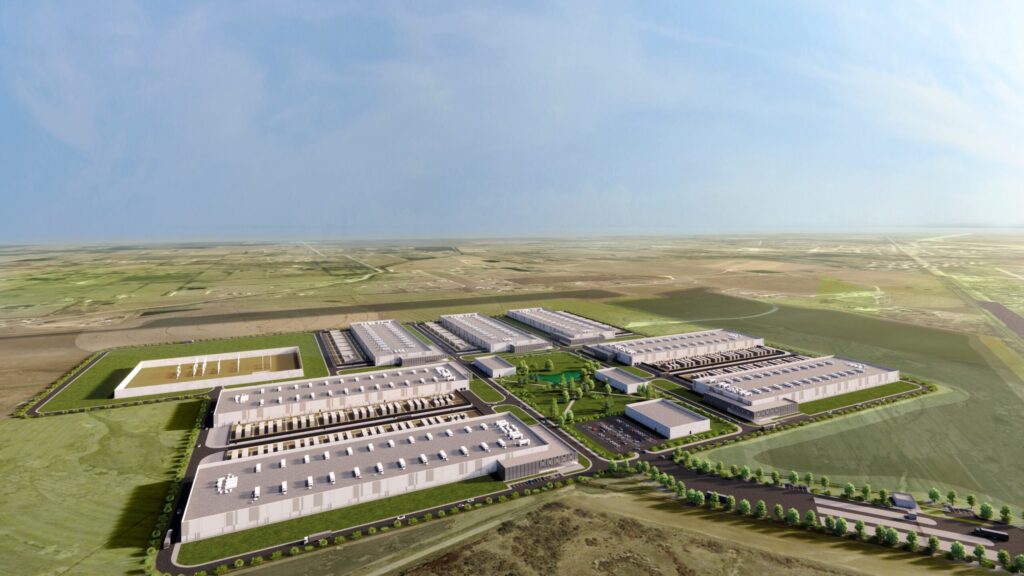
Chile is currently undergoing a rapid digital transformation, with data centers serving as the foundation for the transition. This advancement shows the convergence of high-performance computing, energy efficiency, and durable infrastructure. The infrastructure aims to sustain modern digital economies. The emergence of smart cities and the proliferation of AI-driven sectors are propelling Chile’s digitalization forward. One of the most notable developments is the use of high-density modular data center architectures. These data centers provide scalable capacity, allowing operators to add more modules as demand develops. These designs are excellent for emerging markets in South America. Artificial intelligence, cloud hyperscaling, and high-performance computing workloads are all required for digital infrastructure. Using spool ties ensures the continuity, resilience, and speed of construction of the critical utility networks for data centers.
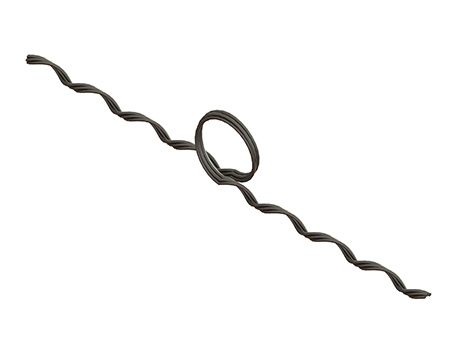
Spool ties are critical to the building and protection of the core telecommunications network. It is based on the deployment of aerial fiber optic lines. Insulator ties are high-tensile steel wires that connect a new fiber optic cable to an existing, load-bearing messenger wire. The insulator ties keep fiber cables from swinging or contacting the messenger wire. By doing so, they reduce mechanical stress, avoid degradation, and lessen the likelihood of service disruptions. Spool ties provide tension and grip to the cable span, allowing it to resist continual vibrations while maintaining the physical integrity of the data link.
Spool ties secure the fiber cable in a fixed, ideal position, preventing bends that exceed the cable’s least bend radius. Securing the cable reduces movement, which can cause the cable sheath to wear away over time. Spool ties provide for quick deployment and secure couplings of data wires. This encourages the creation of high-speed, dependable, and widespread digital infrastructure. The infrastructure is critical for smart industries, digital lifestyles, and data centers.
High-density modular infrastructure in Chile’s energy sector
This infrastructure makes use of cloud computing, artificial intelligence, renewable energy, and hyperconnected businesses. Modular data center designs provide the flexibility, speed, and efficiency required to meet the growing digital demand. Modular infrastructure allows for faster implementation, scalability, and lower latency for regional users. This attracts more investments from fintech companies, smart city developers, and global content providers. In this setting, there is a growth in AI training clusters, machine learning interference, and high-performance computing, all which need great power density. Data centers harness the benefits of the renewable ecosystem by implementing efficient cooling paths that reduce energy waste. It also benefits the ecosystem by integrating with solar, wind, and battery energy storage systems.
The role of spool ties in Chile’s digital infrastructure development
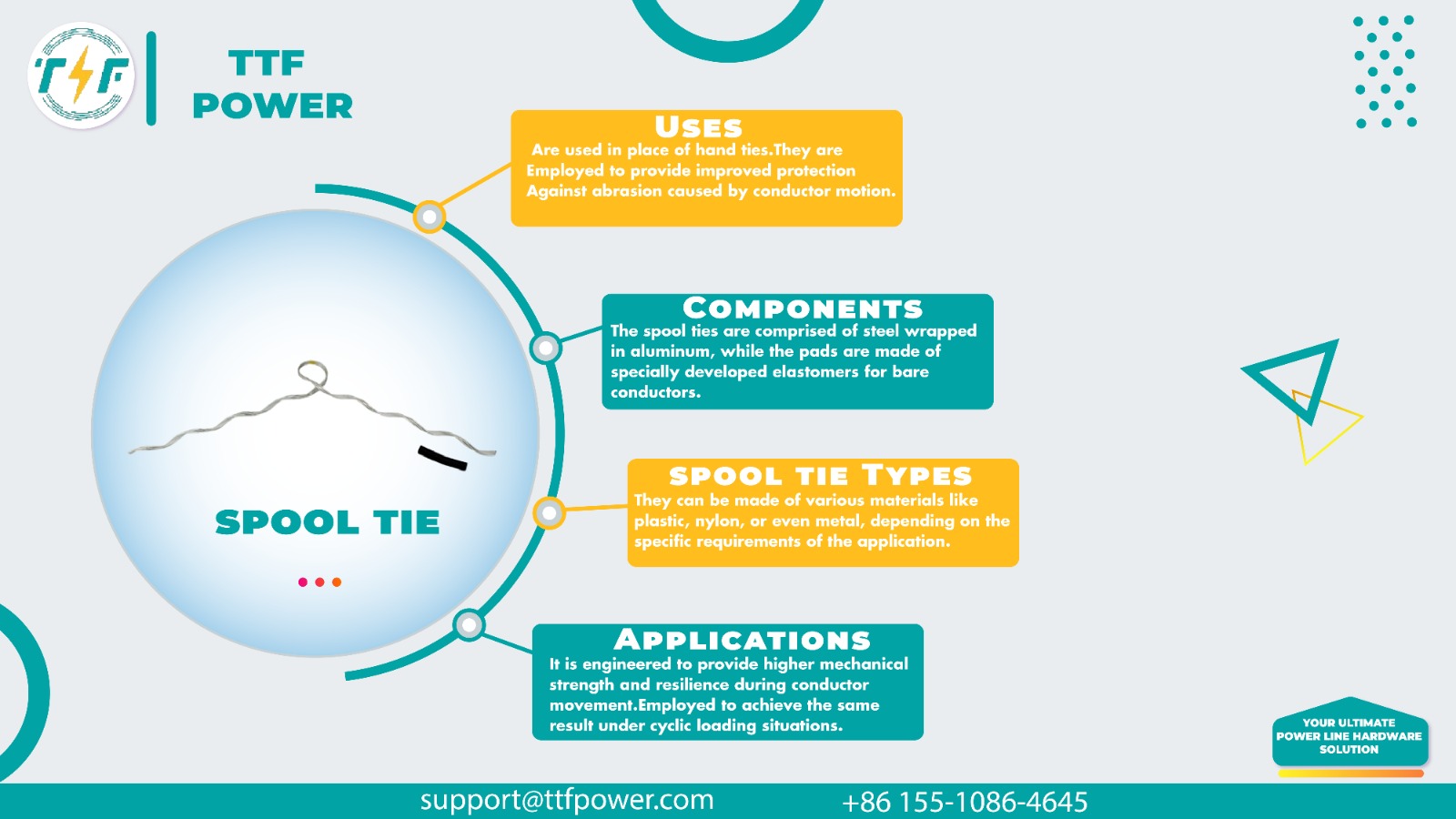
Spool ties help to assure the stability, safety, and efficiency of electrical networks that support high-density modular architecture. They protect systems including data centers, AI clusters, and renewable energy projects. The spool ties provide the following functions in Chile’s digital infrastructure development.
- Securing conductors in high-density power distribution—high–density modular data centers depend on stable, high-capacity electrical feeds to power AI servers. Spool ties ensure that conductors remain anchored on insulators.
- Enhancing electrical reliability for AI and digital infrastructure—the digital ecosystem depends on stable voltage and uninterrupted energy delivery. Spool ties support reliability by maintaining conductor alignment and preventing faults.
- Ensuring stability in renewable energy power integration—the renewable energy sector demands overhead distribution networks. This is crucial to deliver power to substations and digital facilities. Spool ties secure conductors, maintain electrical stability, and reduce the risk of conductor galloping.
- Protecting AI-driven cooling and power management systems—spool ties maintain a stable overhead network that reduces voltage sags, supports continuous power supply, and enhances the reliability of feeds connected to predictive maintenance.
AI transforming energy-efficient operations in Chile’s digital infrastructure
AI is altering Chile’s digital infrastructure by promoting the development of intelligent, energy-efficient systems. Digital infrastructure is the fundamental engine that optimizes power consumption, improves system resilience, and lowers operating expenses. This is critical as data centers, renewable energy systems, and hyper-connected businesses grow. The combination of AI and energy efficiency is hastening Chile’s rise to the status of South America’s greenest technology powerhouse. AI integration enables real-time energy management, load forecasting, and lower power use effectiveness. It improves how clean energy supports digital infrastructure. This is accomplished by dynamic switching among solar, wind, grid power, and battery systems. This allows data centers and digital facilities to use more renewable energy and rely less on fossil fuels.