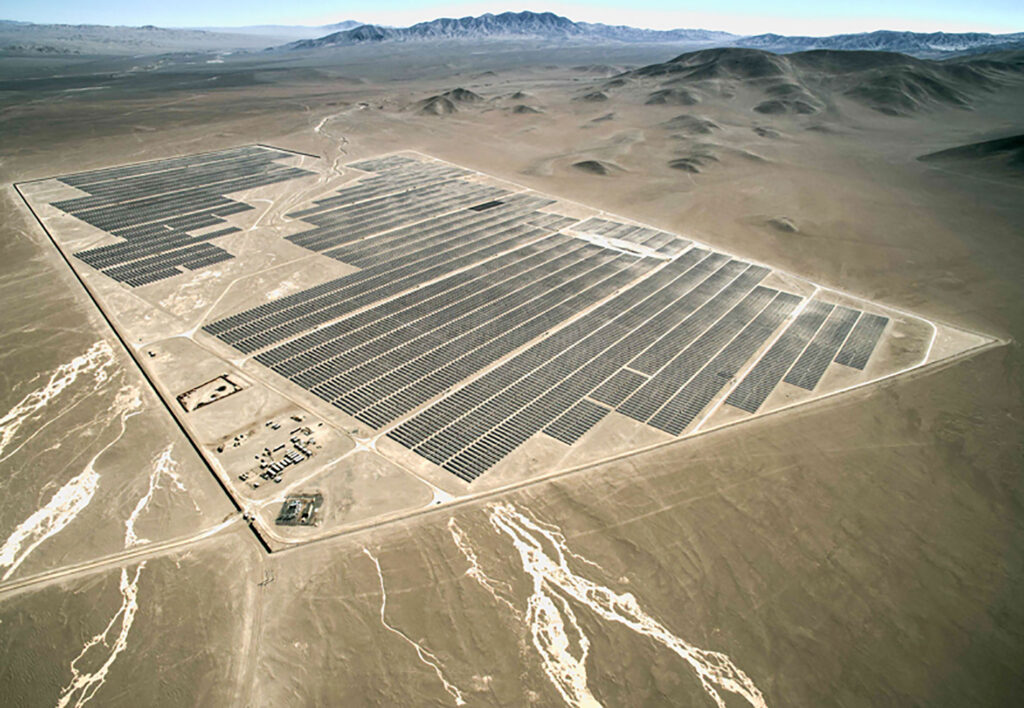
Chile has recently initiated a 2 GW solar project in the Atacama Desert, marking an important achievement in solar renewable energy. The initiative will use the significant solar irradiation capabilities of the Atacama Desert. This renders the area a perfect site for extensive photovoltaic setups. This project is essential for achieving Chile’s goal of an 80% renewable energy mix by 2030. Furthermore, the strategy will incorporate sophisticated battery energy storage solutions to guarantee grid stability and optimize the use of the produced energy. BESS is a crucial technology for handling the variability of renewable energy sources. Fiberglass secondary connectors are essential for the control, monitoring, and safety systems that enable the plant to function.
The 2 GW in the Atacama Desert can experience thunderstorms and other environmental factors. The secondary connector links solar combiner boxes and inverters to the SCADA, weather stations, transformers, and switchgears. Fiberglass housings are UV-resistant to ensure long-term structural integrity in the Atacama Desert’s heat. The connectors have gaskets and seals to achieve high ingress protection ratings. This makes them dust-tight and protected against water jets or temporary immersion.
Fiberglass secondary connectors carry signals from current transformers and voltage transformers installed in combiner boxes and inverters. The data monitors the power output of each string of panels to allow operators to pinpoint failures. The connectors transmit control signals from the central SCADA system to the inverters. It commands them to adjust power output, power factor, or disconnect in case of a grid fault. Reliable connectors ensure the grid operator commands are received and executed without delay. This is crucial for maintaining grid stability and complying with grid codes.
Elements of the 2 GW solar project in Chile
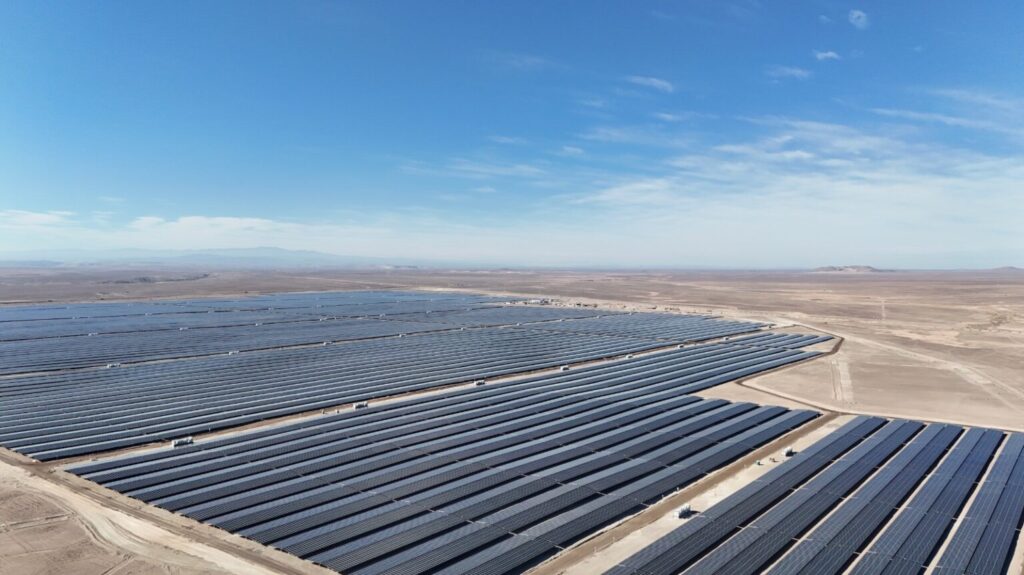
The project’s success relies on advanced manufacturing techniques and crucial raw materials such as silicon, silver, and aluminum. This guarantees longevity and peak performance in the tough desert conditions. Key elements of this project show Chile’s dedication to integrating solar power, storage, and grid stability into a cohesive system that can aid in achieving decarbonization objectives. The components feature the PV solar panels, battery energy storage systems, power transmission infrastructure, inverter and control systems, energy management, and digital frameworks. Fiberglass secondary connectors are used to secure and connect components of power lines. The elements showcase the integration of technology, sustainability, and national policy. This is vital for Chile’s position as a clean energy leader in South America
Functions of the fiberglass secondary connectors in the 2GW Chile solar project
Fiberglass secondary connectors strengthen electrical reliability and mechanical stability across the 2 GW solar project. They support safe current distribution, structural resilience, and long-term system durability. Fiberglass secondary connectors are multi-pin electrical connectors where the housing consists of fiberglass-reinforced plastic. The housing contains many pins and sockets for electrical signals with robust sealing. This makes it water and dust resistant. Here are the roles of the fiberglass secondary connectors in the solar projects.
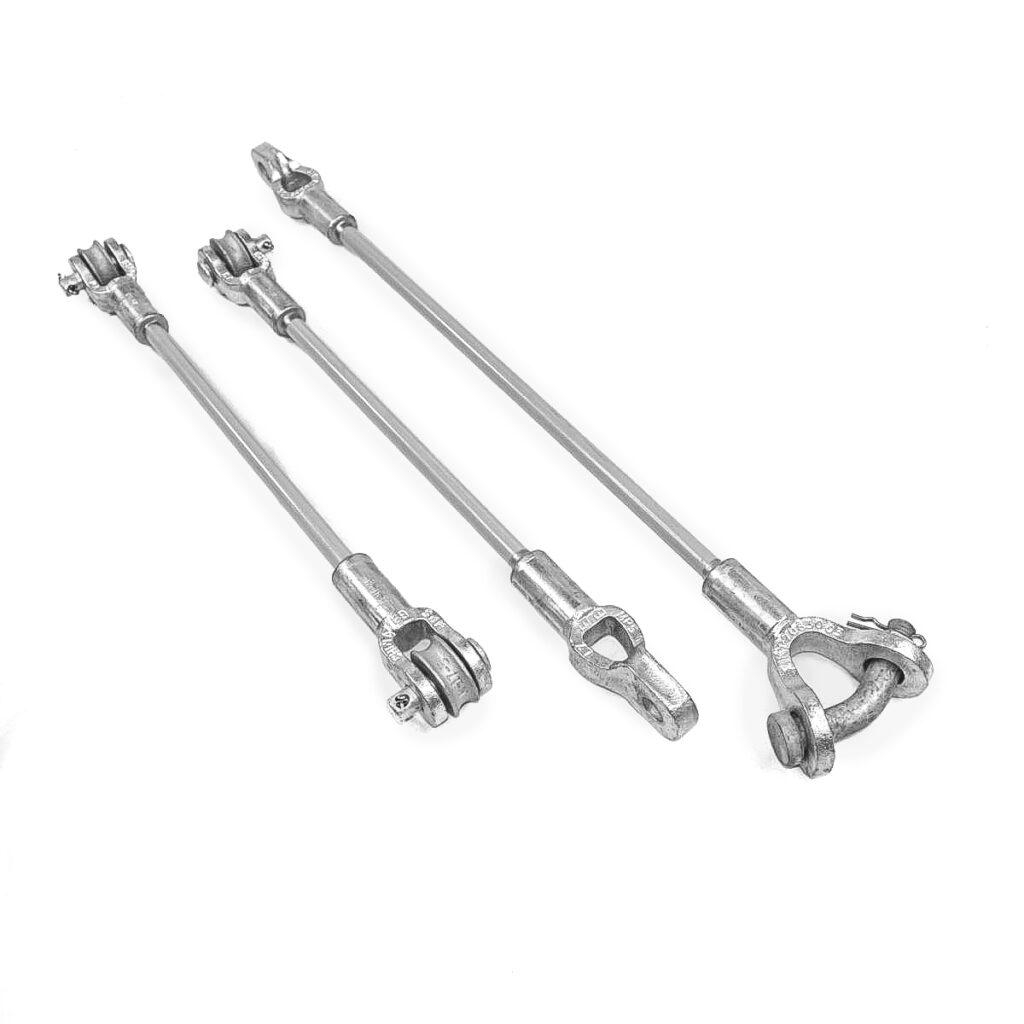
- Provide electrical isolation and high dielectric strength—fiberglass components offer excellent insulating properties. They prevent unintended current leakage between conductors to support safe operation of DC and AC circuits.
- Enhancing mechanical support for conductor systems—the connectors support cables, secondary conductors, and control wiring. They stabilize wiring pathways across structures, inverters, and switchgear.
- Resist corrosion—solar plants in Chile face extreme UV exposure, desert dust, and variable temperatures. The secondary connectors resist corrosion, rust, and chemical degradation. This helps maintain consistent performance and reduce long-term maintenance demands.
- Support secondary control and monitoring circuits—the connectors hold low-voltage wiring used for monitoring, data acquisition, string-level checking, and protection relays.
- Maintain stability under thermal expansion—solar plants face heat and cooling. The fiberglass dimensional stability prevents warping or loosening of connectors.
Advantages of the solar initiative in Chile’s energy industry
The 2 GW solar and renewable energy initiative started in Chile’s Atacama Desert signifies the most groundbreaking clean energy project in South America. The initiative provides economic, environmental, and technological advantages that will transform Chile’s energy outlook. The initiative will enhance its status as a local leader in sustainable development. To manage 2 GW of extra capacity, the initiative comprises investments in high-voltage substations, transmission infrastructure, and digital control systems. The improvements strengthen the stability of the national grid and cut transmission bottlenecks in northern Chile. Contemporary infrastructure facilitates future renewable growth and simplifies energy exports to adjacent nations