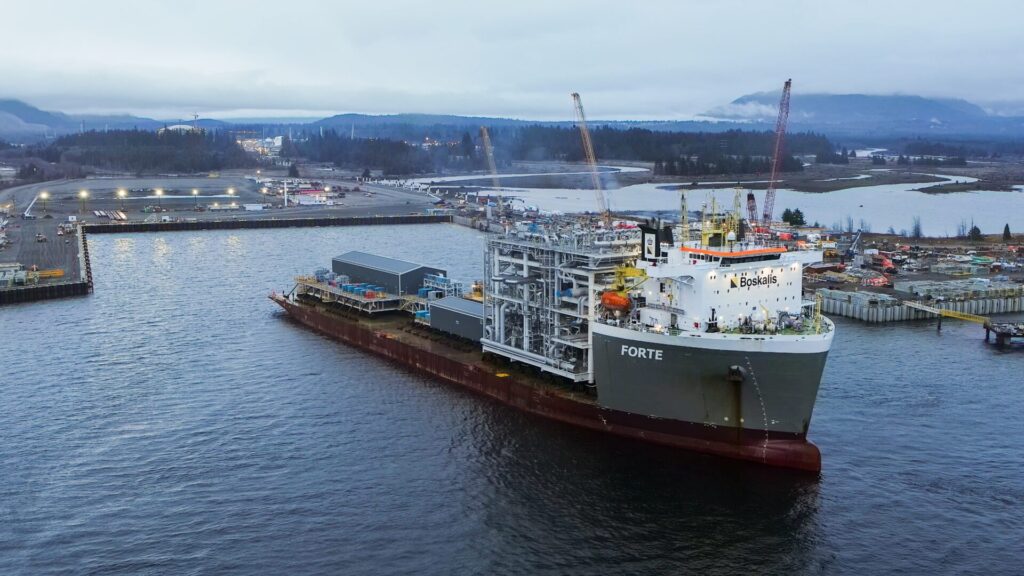
The Memorandum of Understanding between Camuzzi and Vitol represents a structural shift in Argentina’s ability to monetize its gas reserves while stabilizing its local market. Argentina generates a considerable amount of gas from Vaca Muerta, but pipeline bottlenecks and seasonal demand fluctuations impede commercialization. Argentina can turn excess gas into hard currency exports by tying its production to LNG export infrastructure. In addition, the project will take advantage of existing long-distance gas pipelines from Neuquen to Buenos Aires, as well as compression stations and transmission networks. This integration will result in lower construction expenditures and increased usage of underutilized pipeline capacity. The dual-purpose design will decrease dependency on LNG imports, improve grid stability, and supply reliability, and offer better price control in the domestic gas markets. The development will support local manufacture by using robust stay rods for securing the infrastructure.
Thermal movement, high winds, and pressure spikes all exert dynamic and lateral forces on stays, rods, and other structures. They ensure the precise alignment and structural stability of critical equipment in the LNG system. The rods handle extreme contraction at cryogenic temperatures and dampen vibrations to keep pipelines aligned. Stays and rods limit lateral sway caused by high winds and vibration, which reduces metal fatigue and ensures consistent gas distribution. They contribute to the distribution of mechanical loads, the absorption of vibrations on important equipment, and the maintenance of internal alignment in dynamic settings. Stays are made of forged stainless steel or alloy steel, which can endure enormous tensile and compressive stresses without failure.
Quality assurance of stay rods used in LNG export infrastructure
Quality assurance for stay rods focuses on mechanical dependability, corrosion resistance, and durability. Stay rods support poles, masts, pipe racks, and auxiliary electrical structures in coastal, high-load, and cryogenic settings. Quality assurance begins with controlling basic materials to ensure compliance with standards and verifying chemical composition to prevent early corrosion. Materials must be resistant to low-temperature brittleness in regions where cold gas or cryogenic leaks may occur.
Mechanical strength and load testing, threading, forging, and fabrication are all part of quality assurance. Poor threading and forging are common failure beginning locations. The procedure also comprises corrosion protection and coating validation, non-destructive testing, and operational testing. Quality assurance ensures structural stability under high mechanical loads and aggressive environmental conditions. Preventing failures ensures safety, uptime, and regulatory compliance.
Stay rods play key roles in Argentina’s LNG exports
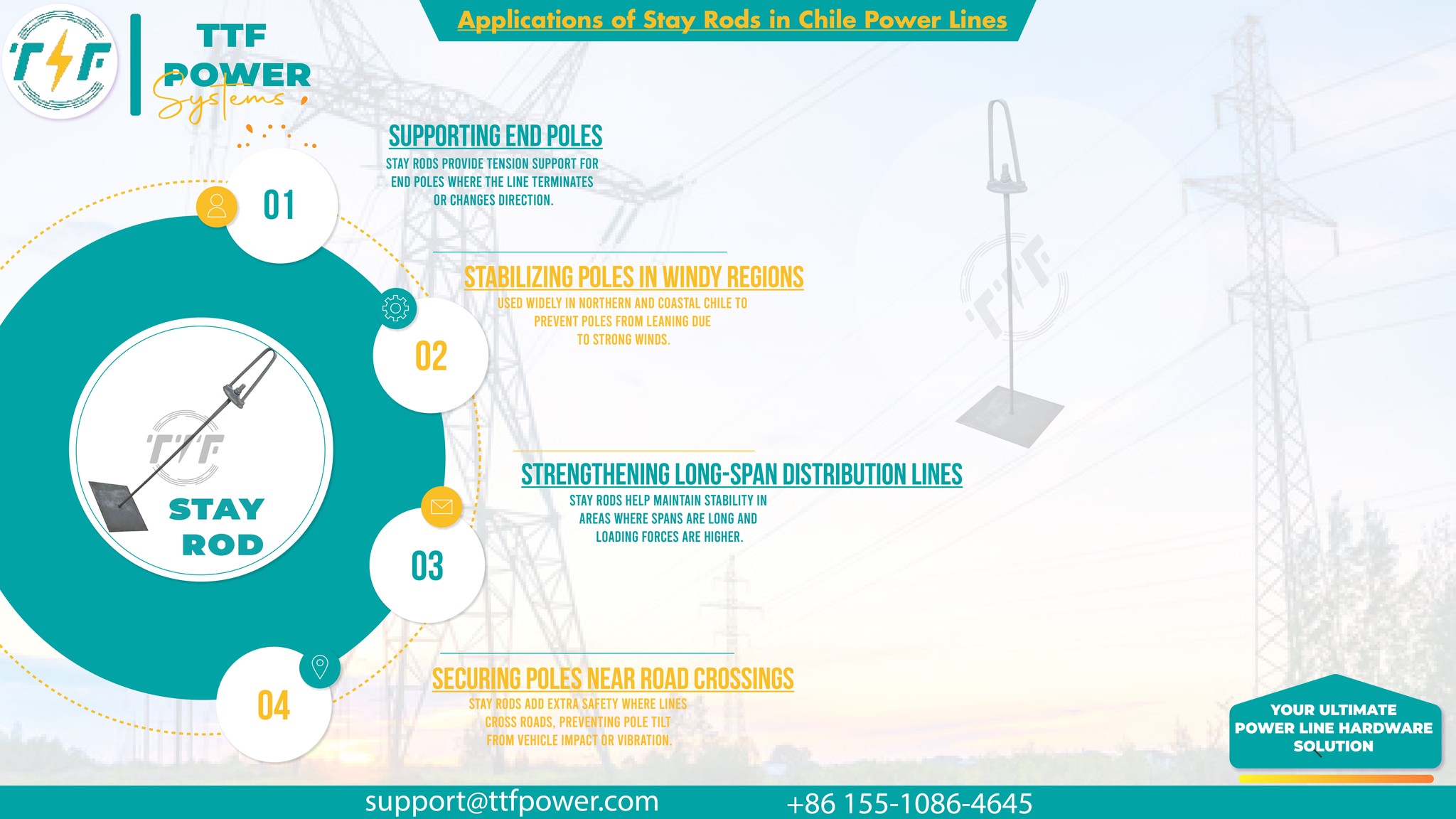
Stay rods are tension components that help vertical buildings stay stable and aligned under varying loads. They provide structural, operational, and safety roles within the infrastructure. Stay rods provide the safe operation of the electrical distribution, instrumentation, and auxiliary equipment that support LNG production and export logistics. The following are the purposes of stay rods in LNG export infrastructure.
- Structural stabilization of vertical assets—stay rods anchor poles, masts, and light structural frames by counteracting overturning moments. They balance lateral loads from wind, conductor tension, and equipment weight.
- Load distribution and tension management – the rods transfer tensile forces from the supported structure into ground anchors. They distribute loads across guying directions and maintain designed tension geometry.
- Support for electrical distribution and instrumentation—stay rods support power distribution poles, lighting towers, and instrumentation supports.
- Wind and dynamic load resistance—stay rods provide lateral restraint against gust loads, dampen oscillations induced by rotating equipment, and reduce risk of resonance and structural fatigue.
Challenges to Address to Ensure the Success of the Project in Argentina
The Camuzzi and Vitol initiative should address concerns about midstream limits, regulatory stability, commercial structure, and coastal engineering. To improve market access and project structuring, the partnership must solve the following challenges:
- Midstream bottlenecks and gas deliverability—linking supply from Vaca Muerta to the coast requires firm transport capacity. The companies should address the seasonal congestion, compression and loop upgrades, and line pack management.
- Financing and bankability – bankability hinges on converting Vitol’s trading strength into firm and bankable contracts.
- LNG market exposure and pricing risk—global LNG markets are competitive and cyclical with price volatility that affects cash flow stability and competition from other producers.
- Offshore engineering complexity—FLNG face mooring, metocean conditions, and marine operability windows that impact uptime. Marine engineering failures lead to availability losses.
- Integration of dual-purpose operations—the project’s design to export in low-demand periods and support domestic supply in winter introduces operational complexity. Poor coordination risks penalties or domestic shortages.