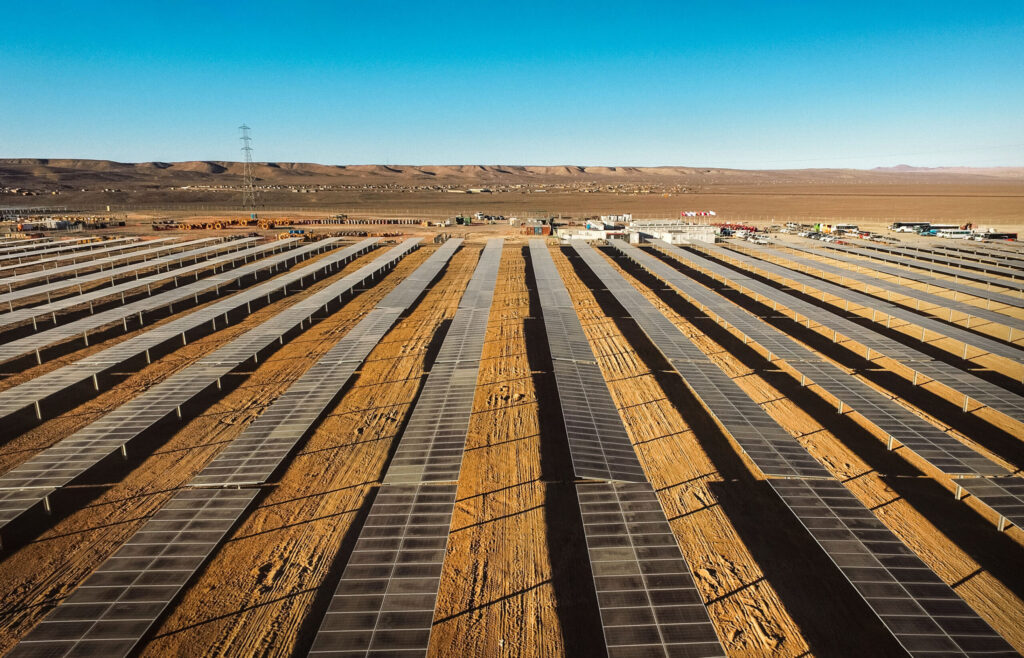
With Peru’s rising acceptance of renewable energy, the International Finance Corporation (IFC) is giving a $600 million loan to help the country shift to cleaner energy. This investment is aimed at three different sorts of initiatives. It will help expand the 51.7 MW Intipampa solar project, the 36.8 MW Duna and Huambos wind farms, and the 26.5 MW Chilca BESS facility. The IFC grant will help Peru reduce its reliance on hydropower and natural gas. Peru will also develop a more resilient and diverse energy system that can survive climate change and variations in global fossil fuel prices. The Chilca BESS project will assist store energy generated by intermittent solar and wind sources. BESS provides services such as frequency regulation and helps maintain the grid’s stability and prevents blackouts. Strain clamps provide the physical integrity and reliability for the new infrastructure under construction.
Renewable energy capacity growth strengthens the grid’s ability to handle a larger renewables penetration in the future. A strain clamp is interchangeable with dead-end clamps and tension clamps. Strain clamps are required when constructing new transmission lines to connect faraway solar and wind farms. They are also critical for strengthening the existing grid to accommodate the new and fluctuating power flow from solar, wind, and BESS. The IFC-funded projects provide critical demand infrastructure enhancements for connecting to solar and wind energy. The increasing power flow necessitates changes to current transmission and distribution networks. Strain clamps are used at all points where the conductor cable must be terminated or fastened under full mechanical tension. They serve at each transmission tower to secure the conductor to the tower structures. They also function at connection points to connect the conductor to other hardware on a tower.
The role of strain clamps in increasing renewable energy capacity in Peru
The IFC’s investment in renewable energy projects necessitates strong infrastructure connected by high-quality power line hardware. A strain clamp is a hardware fitting used in power transmission lines to anchor and secure conductors under mechanical tension. Strain clamps are connections that ensure the safe and efficient transfer of electricity produced by renewable projects. The strain clamp serves the following roles in renewable energy infrastructure.
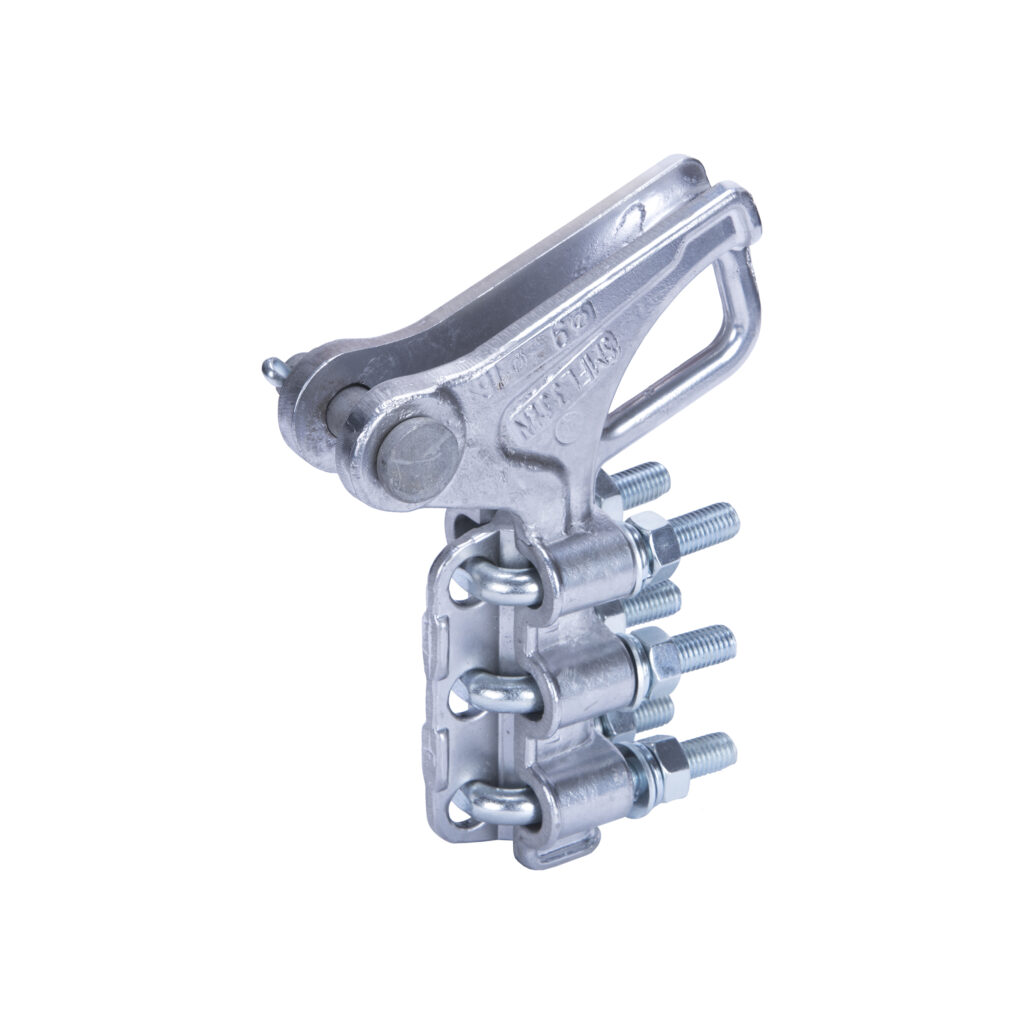
- Anchoring conductors in high-tension zones—strain clamps secure the ends of conductors where lines end, turn, or span long distances. The clamps prevent conductors from slipping under heavy tension.
- Withstanding harsh mechanical stress—renewable energy projects face high wind loads that increase line tension and high heat and UV stress. Strain clamps absorb these mechanical loads to protect the conductor and reduce the risk of line breakage.
- Maintaining electrical reliability—high-quality strain clamps ensure low electrical resistance at connection points. They reduce energy losses during transmission from renewable generation sites to demand centers.
- BESS integration—strain clamps help anchor the transmission lines linking the storage system to the grid. Strain clamps keep connections mechanically secure and electrically stable when large amounts of energy flow in short bursts.
- Supporting grid expansion for renewables—IFC’s projects need new and upgraded transmission lines to send renewable energy. Strain clamps boost renewable capacity by ensuring Peru’s infrastructure can handle the growing clean generation.
Potential of the IFC’s money to expand renewable energy in Peru
The IFC fund is critical as the country works to diversify its energy mix, cut carbon emissions, and strengthen resilience to market and climate threats. The fund has the ability to revolutionize Peru’s renewable energy environment by strategically investing in solar, wind, and battery storage initiatives. The potential is as addressed below.
- Expanding solar power capacity—IFC’s financing of the Central Expansion solar Intipampa facility shows how solar projects can play a bigger role in Peru’s grid. Similar projects could unlock gigawatts of solar potential, supplying both urban demand centers and remote communities.
- Strengthening wind energy development—IFC’s support ensures the financial stability of the wind projects while proving that wind energy is viable in Peru. It helps expand wind capacity that will diversify generation, which makes Peru less dependent on hydropower.
- Infrastructure and grid expansion—IFC’s investment strengthens confidence in grid-enhancing technologies. These technologies include smart substations and transmission upgrades, energy infrastructure components like strain clamps, and hybrid plant designs.
- Battery energy storage systems (BESS) can balance intermittent renewables, reduce curtailment, and provide backup during peak demand.