Tag: clean energy

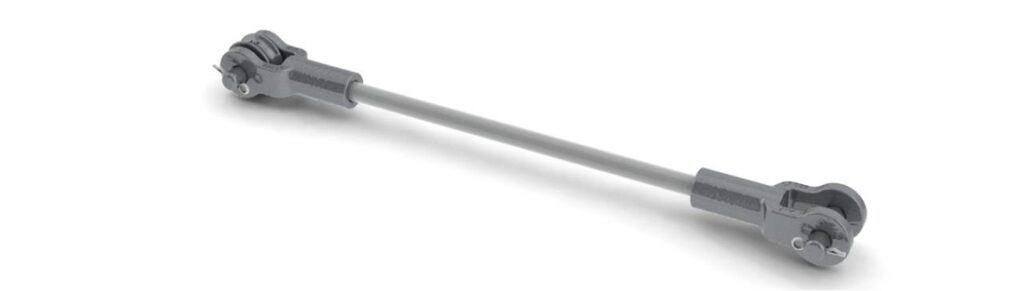
  • Y-clevis eye: Strengthening Solar Grids in Peru

    Solar trackers ensure maximum energy output

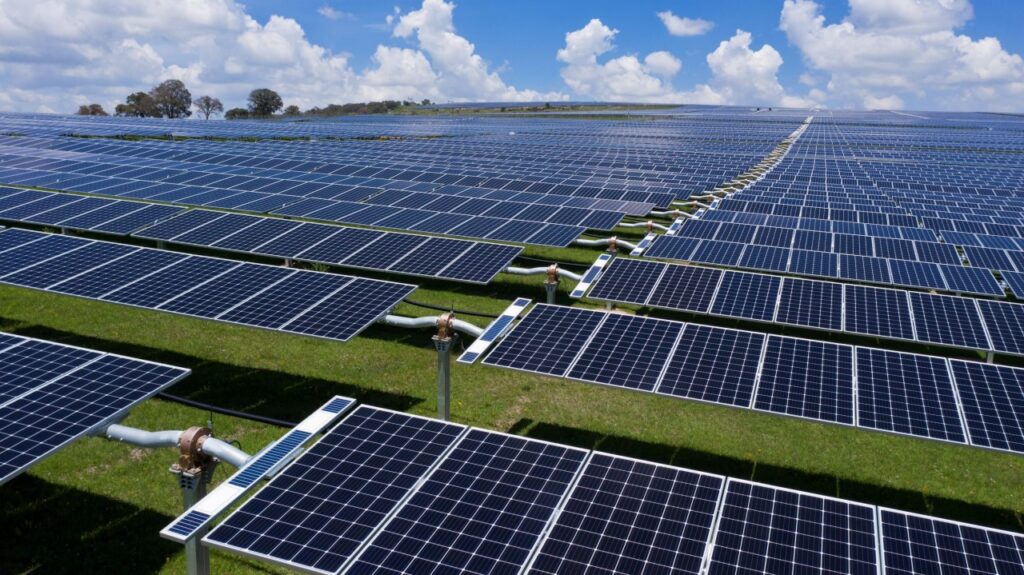
    Gonvarri Solar Steel, a Spanish solar racking solutions’ manufacturer, bagged a deal to supply 396 MWac/472 MWdc of its hardware to a subsidiary of Spain’s Enhol Group for a project in Peru. The solar trackers will be crucial in the development of the largest photovoltaic (PV) complex in Peru and South America. The construction of the PV park is underway and will provide clean energy to over 230,000 households in northern Peru. These tracking systems will support over 740,000 modules at the solar park in La Joya, Southern Peru. The solar farm is expected to generate 1.2 TWh of electricity annually. Gonvarri Solar has been delivering its tracking systems for projects in the Peruvian market since 2014. It has also delivered a total of 500 MW of solar trackers, establishing itself as a key player in the energy sector. Y-clevis eye connect the torque tube to the drive systems.

    A torque tube is the rotating structural component. A high-quality Y-clevis eye allows the tracker to pivot and follow the sun’s movement and maximize energy capture. It provides a hinged joint and allows the torque Peru’s solar farms need robust components due to wind loads, dust, and thermal expansion. The Y-clevis eye helps distribute mechanical forces evenly and prevent premature wear. It is made from galvanized steel or stainless steel to withstand harsh conditions. A Y-clevis eye ensures smooth, reliable movement and reduces downtime and maintenance in remote solar installations.

    Solar trackers and Y-clevis eye in Peru’s solar farms

    A Y-clevis eye is a U-shaped or Y-shaped mechanical connector that attaches to a pin or rod. It allows for pivoting or rotational movement. The clevis eye’s design permits the pivoting motion necessary for trackers to adjust the angle of solar panels throughout the day. By reducing mechanical stress and friction, the clevis eye increases the system’s operational life and reduces maintenance. Its durability reduces downtime and maintenance costs, which is crucial for solar farms. This makes them essential components in supporting Peru’s broader transition to renewable energy and carbon reduction targets. Here are the roles of Y-clevis eye in solar trackers and solar farm projects in Peru.
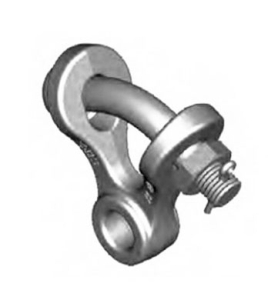
    Y-clevis eye permits motion for trackers to adjust the angle of solar panels
    1. Structural connection and load transfer—the Y-clevis eye links actuator rods to torque tubes or rotating frames. It helps transfer mechanical force from the actuator to rotate or tilt solar panels.
    2. Durability – Y-clevis eye is often made of galvanized or stainless steel to resist corrosion and maintain structural integrity.
    3. Alignment and tracking accuracy—the clevis eye supports the tracker’s ability to maintain precise solar alignment. This is crucial for optimizing energy harvest throughout the day.
    4. Ease of installation and maintenance—The clevis-pin design allows for fast assembly, disassembly, or component replacement. This helps improve installation efficiency in remote or large-scale Peruvian solar projects.
    5. Vibration dampening and operational safety—the Y-clevis eye can accommodate limited angular misalignments and minor mechanical play. This helps absorb stresses caused by wind gusts or seismic activity.

    Installation of insulator ties for solar project development in Peru

    Peru’s solar farms depend on using insulator ties to maximize energy generation while ensuring system safety and longevity. It therefore demands proper installation to prevent power losses, minimize degradation, and optimize performance in Peru’s high-irradiance and high-altitude. Insulator ties are crucial in electricity output as they prevent potential induced degradation, reduce leakage currents, and enhance bifacial panel performance. Use of insulator ties in solar farms boosts output by 2-5%, reduces corrosion risks, and lowers O&M costs. For instance, the Gonvarri solar steel’s 396 MW project used advanced polymer insulator ties integrated into their tracker design. They ensure compliance with Peru’s grid codes while maximizing return on investment for developers. Y-clevis eye supports the reliability, efficiency, and longevity of solar energy infrastructure. The following are the key installation practices for optimal performance in Peru’s solar industry.
    • Material selection—materials like fiberglass-reinforced polymers resist UV, humidity, and salt corrosion. Ceramic insulators serve in high-voltage applications or regions with extreme temperature swings.
    • Proper mounting techniques—insulator ties are installed between the solar module clamps and the torque tube to prevent electrical contact. They ensure no conductive path exists between panels and the tracker structure. Other techniques include rail-based systems and grounding continuity checks.
    • Seismic and wind load considerations—Peru is prone to earthquakes and high winds. The insulator ties used must withstand mechanical stress without cracking and maintain isolation under movement.
  • Pole Bands Power Growth in Peru’s Zelestra PPA Deal

    Solar PV installation

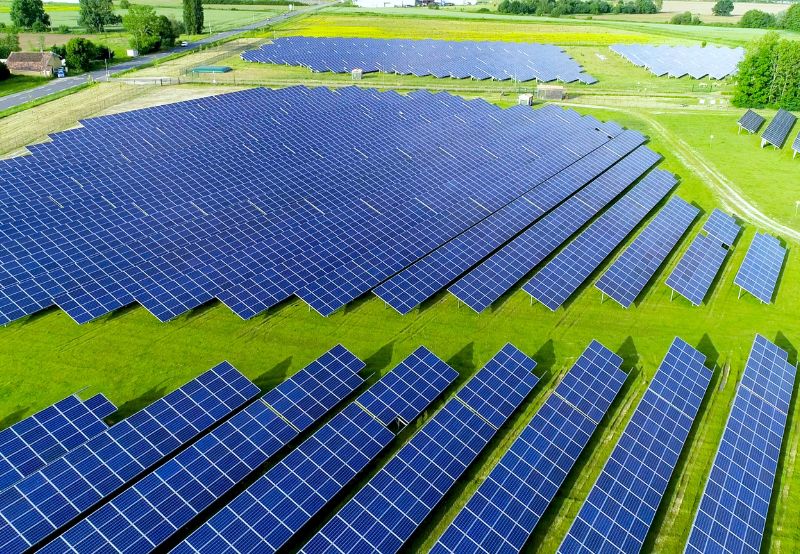
    Zelestra and Celepsa, Peru’s electricity supplier, have signed a long-term agreement to purchase solar PV power. The PPA will increase Zelestra’s contractual portfolio to more than 530 MW and enable the construction of a 238 MW solar PV plant in Peru. The contract also includes a global renewable energy certification, which confirms that the energy is renewable. In 2024, Zelestra began construction of a 300 MW solar PV plant, which it expects to be operational in the next years. The company specializes in developing, commercializing, building, and operating utility-scale renewable energy projects. Zelestra will provide Celepsa with around 450 GWh of renewable electricity. This will contribute to reducing carbon emissions and promote socio-economic development through job creation related to the construction and operation of the solar plant. Pole bands is a metal clamp that secures the solar racking structure to the foundation poles.

    The pole band provides stability, alignment, and load distribution throughout the solar array. Solar panels are mounted on racking systems supported by poles pushed into the ground. Pole bands enable for adjustment in the racking system to accommodate slopes and ensure wind resistance. This is critical for Peru’s solar farms, which are located in places with strong winds, seismic activity, and uneven terrain. High-quality pole bands made of high-quality materials help to avoid rust and increase system life. Prefabricated pole bands accelerate building of Zelestra’s 238 MWdc facility in Peru. The bands decrease labor costs while ensuring uniformity across thousands of piles. They also play an important role in the infrastructure that transports electrical energy from panels to the grid.

    Building utility-scale solar photovoltaic farms in Peru using pole bands

    In solar PV systems, mounting structures are stabilized and secured with pole bands, which are metal straps. They are necessary to guarantee that poles stay securely fastened in seismically active areas. The yearly goal of Zelestra’s solar PVs is to provide 450 GWh of renewable energy. This necessitates the use of superior pole bands to guarantee dependable infrastructure. Pole bands serve the following purposes in the construction of utility-scale solar PV farms in Peru.

    Pole bands provide extra support to mounting structures
    1. Structural support for mounting systems—pole bands contribute to the resilience of solar installations by providing extra support to mounting structures. They function on racking systems supported by poles driven into the ground for stability. Pole bands ensure stability and load distribution across the solar array.
    2. Corrosion resistance for longevity—pole bands are mostly from galvanized steel or aluminum to prevent rust and extend system life. This is crucial for solar farms in Peru’s coastal or arid regions that face salt spray or humidity.
    3. Adaptation to challenging terrain—Peru’s solar farms often face high winds, seismic activity, and uneven terrain. High-quality pole bands allow adjustability in the racking system to accommodate slopes and ensure wind resistance.
    4. Ease of installation—the use of prefabricated pole bands speeds up construction for large projects. They help reduce labor costs and ensure uniformity across poles.
    5. Alignment and efficiency—properly secured poles ensure that solar panels maintain optimal alignment. This aids in maximizing sunlight capture and energy generation.

    Possible effects of Zelestra and Celepsa’s PPA on Peru’s energy industry

    A significant milestone for Peru’s developing energy industry is the PPA between Zelestra and Celepsa for a 238 MWdc solar PV plant. The collaboration marks a change in the nation’s energy production, trade, and consumption patterns while simultaneously advancing national environmental goals. Every year, 450 GWh of sustainable solar energy is introduced by the PPA. It lessens reliance on fossil fuels and fluctuating water levels. This is because a larger proportion of solar energy improves national energy security and lessens dependency on energy imports. The effects of the PPA on Peru’s energy sector are as covered below.

    • Decarbonization goals—the solar PV project supports Peru’s commitment under the Paris Agreement to cut greenhouse gas emissions by 40% by 2030. Solar energy replaces conventional energy sources to reduce carbon footprint.
    • Grid stability and modernization—large-scale solar projects encourage modernization of the national grid. It introduces smarter energy distribution and opens the door for battery storage and microgrid integration.
    • Investment in climate—the PPA encourages foreign direct investment in Peru’s energy sector. It also sets a precedent for future PPAs that could attract global developers looking for stable emerging markets.
    • Economic development—the project offers jobs in construction and operation of utility-scale PV farms. This project stimulates local supply chains for equipment and services.
  • Energy News Weekly Digest – April 28-1, 2025

    Download clamps, ensuring safe LNG transfer.

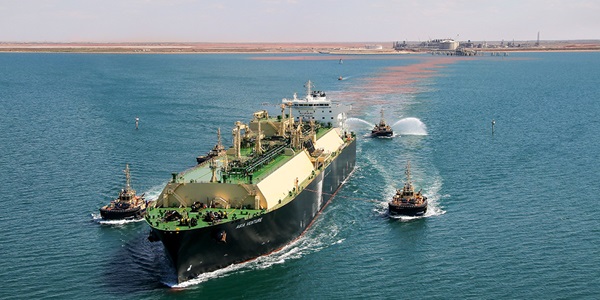
    floating vessel for natural gas liquefaction

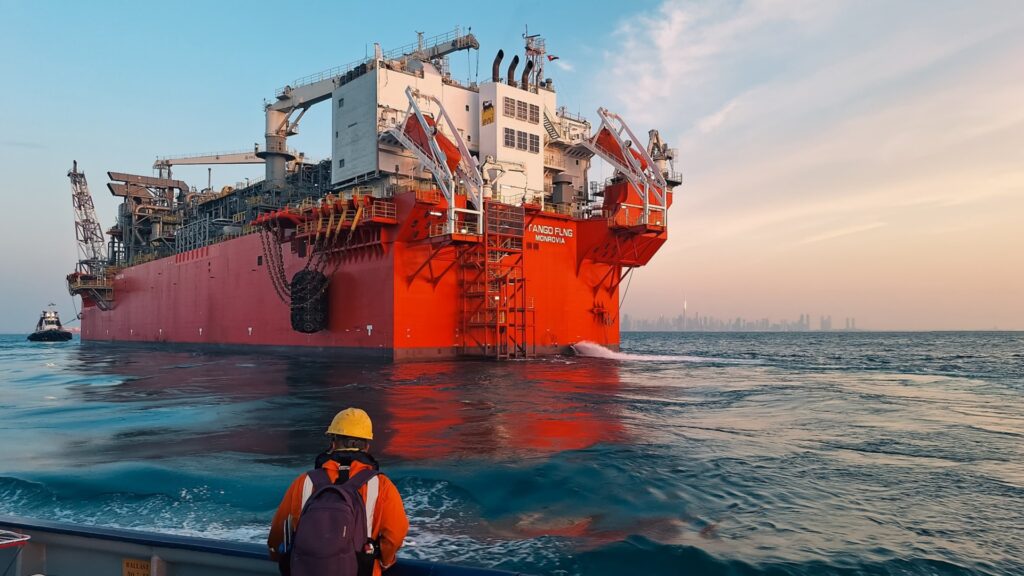
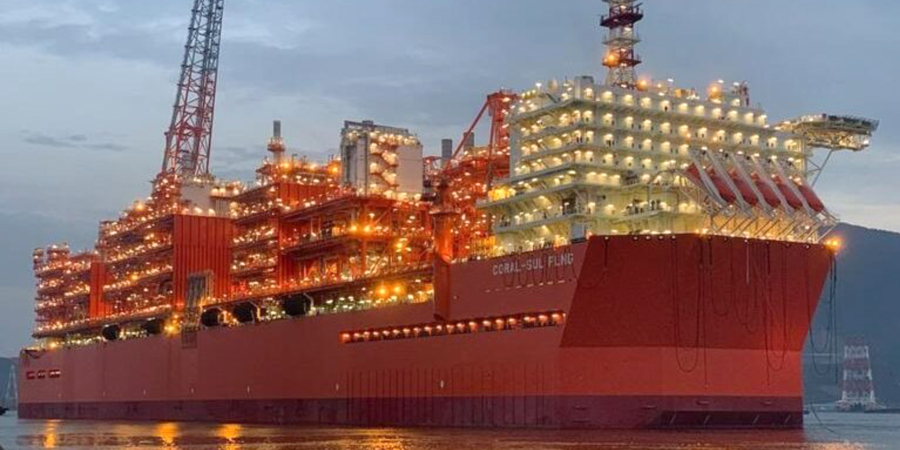
    YPF, in collaboration with Shell, has opted for floating liquefied natural gas vessels over traditional onshore plants to expedite LNG exports from the Vaca Muerta shale formation.

    The adoption of small-scale, modular FLNG units allows for scalable production and reduced initial investment.

    Exporting gas pipelines are repurposed to supply FLNG units, reducing the need for new infrastructure. The vessels provide the flexibility to capitalize on seasonal export opportunities and respond swiftly to global market demands.

    Downlead clamps secure vertical downcomer pipes, easing the safe transfer of cryogenic LNG from topside liquefaction units to storage tanks.

    The clamps are designed to accommodate thermal contraction and expansion to prevent pipe damage due to temperature fluctuations.

    Downlead clamps absorb mechanical stresses from vessel movements and protect cables and pipes from fatigue and abrasion.

    The implementation of cryogenic transfer technologies ensures efficient and safe LNG handling between FLNG units and carriers.

    Read More

    #DownleadClamps #LNGExport #ArgentinaEnergy #VacaMuerta #YPF #Shell #CryogenicTransfer #EnergyInfrastructure

    Earth anchors powering new tech in Argentina mining

    Argentina's energy and mining

    Argentina is advancing at least 11 large-scale mining and energy projects, aiming to boost exports of lithium, copper, gold, silver, and natural gas.

    Earth anchors are vital for stabilizing mining operations in challenging terrains. They support equipment, reinforce open-pit walls, and secure infrastructure against environmental hazards.

    The anchors provide foundation stability for solar farms and wind turbines to support Argentina’s clean energy initiatives.

    The adoption of smart anchors equipped with sensors allows for real-time monitoring of stress and corrosion. This enhances safety and maintenance efficiency in Argentina.

    Read More

    #ArgentinaMining #EarthAnchors #RenewableEnergy #InfrastructureStability #SmartMining #CleanEnergy

    Earth anchors strengthening Argentina’s mining infrastructure amidst expansion

    fossil fuel and renewable energy mining

    Argentina is undertaking significant reforms to revitalize its energy and mining sectors with at least 11 major projects in the pipeline. The initiative aims to elevate the country’s status in the global energy and mining industries.

    Earth anchors are essential in stabilizing and securing mining equipment and infrastructure in challenging terrains.

    Their applications include slope stabilization, equipment support security, tailing dam security, environmental protection, and cost efficiency.

    Earth anchors are also crucial in stabilizing foundations for renewable energy installations like solar farms and wind turbines to ensure their resilience in remote and unstable regions.

    Innovations such as smart anchors equipped with sensors are being introduced to enable real-time monitoring of stress and corrosion. This enhances safety and maintenance efficiency in Argentina.

    Read More

    #ArgentinaMining #EarthAnchors #RenewableEnergy #MiningInfrastructure #GeotechnicalEngineering #SustainableMining

  • Guy Strains Aid Argentina’s Floating Craft Growth

    Floating Natural gas liquefactions vessel

    Argentina’s YPF has dismissed the idea of constructing an onshore liquefaction plant for natural gas. The liquefaction procedure will be conducted using floating ships. YPF is leading the advancement of Argentina’s Vaca Muerta shale resource. It has also consented to work with Shell on LNG production, liquefaction, and marketing. This advancement signifies an essential, economical method to promptly start LNG exports from the shale resource. The buoyant ships will take advantage of seasonal export chances to Europe and Asia. Floating vessels can move if upstream supply shifts or market conditions change. Moreover, they enable the creation of initial production levels without excessively constructing expensive facilities. These facilities can enhance Argentina’s energy economy while reducing environmental effects. Employing guy strains guarantees the secure and effective movement of cryogenic LNG.

    Guy strains are tensioned cables used to provide stability and support to vertical structures against loads. FLNG vessels are self-contained floating structures designed for stability in the marine environment. Their stability comes from their hull design, ballast systems, and mooring systems. The mooring lines in the system are able to provide strength and durability. Guy strains are crucial in providing structural tension and support. They use high-tensile steel cables depending on the load and exposure to saltwater. Their design considers tension distribution, anchor depth, wave load calculations, and corrosion resistance. These features are crucial in maritime applications.

    Development of floating vessels with guy strains

    The use of guy strains is a crucial technology shaping Argentina’s floating vessel industry. It helps enhance logistical efficiency, support repair innovation, and provide infrastructure resilience for energy and transportation sectors. Guy strains are crucial components in Argentina’s riverline and coastal areas. This is crucial to support natural gas transport, trade, and industry. They help provide structural tension and support for the floating vessels in the nation. Guy strains play the following roles in the development of floating natural gas production vessels.

    Guy strains aid in anchoring and tensioning structures
    1. Structural integrity—Argentina’s waterways present engineering challenges. Floating vessels and related infrastructure demand stability in high-current or windy conditions. Guy strains aid in anchoring and tensioning the structures to prevent excessive movement.
    2. Modular marine solutions – modular floating solutions serve in underdeveloped areas. These are often temporary setups that demand flexible, cost-effective stabilization systems. Guy strains provide a lightweight, low-cost way to stabilize floating vessels without the need for permanent mooring infrastructure.
    3. Enhancing maritime safety – guy strains are crucial during vessel construction, dry-docking, or launching phases. They help maintain stability and safety during transitional phases. The systems prevent unintended tilts that could result in costly accidents.
    4. Renewable energy projects – Argentina is exploring floating solar farms and offshore wind. Guy strains are crucial for anchoring floating platforms in place. They ensure stability under wind waves and stress for sustainable power generation.
    5. Adapting to climate-driven water variability – floating vessels need to adapt to changing water levels. Guy strain systems allow for flexible mooring and stabilization and for adjusting to rise and fall without damaging the vessel. This is crucial as Argentina faces changing river levels due to climate change and upstream hydropower activity.

    Tactics that encourage the advancement of floating craft in Argentina.

    Argentina’s floating LNG vessel development is primarily driven by strategic international partnerships, modular scalable projects, and enhancements in LNG management. These approaches allow Argentina to quickly and adaptively access its abundant shale gas reserves. Argentina’s floating ships for natural gas liquefaction depend on these concepts and innovations.

    • The nation has implemented a modular, small-scale FLNG unit designed to generate approximately 0.5 MTPA. This initiative enables Argentina to sell LNG without extensive infrastructure.
    • Utilizing current infrastructure — existing gas pipelines from Vaca Muerta are under modification to supply FLNG units, reducing the need for expensive new pipeline systems.
    • Advancements in technology and processes — these encompass cryogenic transfer systems, digital tracking, and swift mobilization. These technologies enhance the safety and effectiveness of LNG transfer between FLNG and LNG vessels.
    • Export market and adaptability — the nation can swiftly sell LNG shipments in spot markets, reacting promptly to international price signals. They also ease seasonal exports and enhance the economic value of surplus production without requiring long-term rigid agreements.
    • Policy and regulatory backing — the government simplified environmental operational permitting for FLNG implementation to cut hold-ups. New policies are being introduced to provide incentives for LNG investors.
  • Yoke plates drive energy shift in Argentina

    energy facility for mining operations

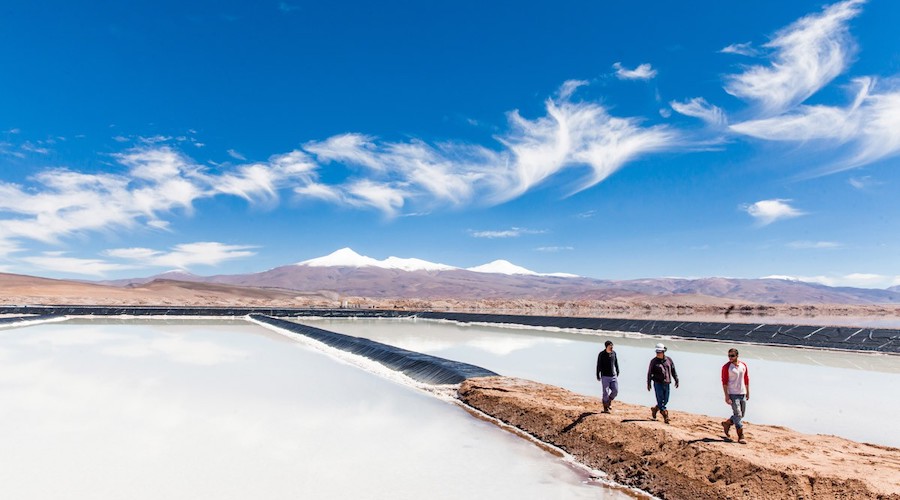
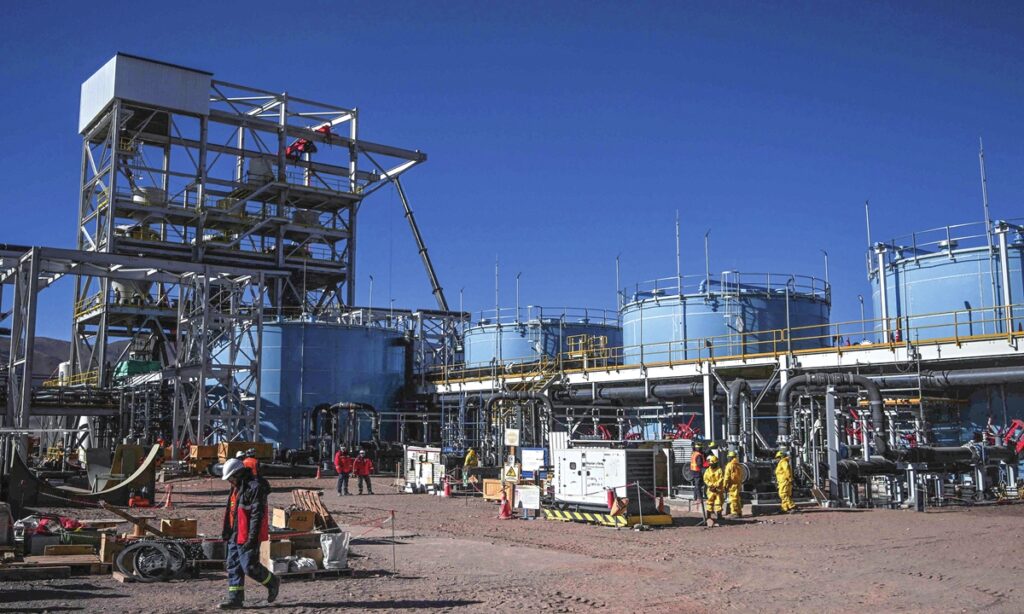
    Argentina is growing its mining operations, particularly in lithium, copper, and shale gas, and establishing itself as a vital player in the global energy shift. Lithium mining is expanding due to rising demand for lithium-ion batteries used in electric vehicles and renewable energy storage systems. It is also revitalizing its copper sector to capitalize on enormous untapped reserves. These are critical activities as worldwide demand for copper for electrical infrastructure continues to rise. The expansion of mining activities demands significant energy inputs to power operations. Increased demand drives investments in energy infrastructure and diversification of energy sources. Argentina is likewise incorporating renewable energy into its grid. It plans to generate 20% of its electricity from renewable sources by 2025. Yoke plates ensure the structural integrity, stability, and safety of earth anchor systems. These plates ensure the anchors perform reliably in harsh and unstable environments.

    Yoke plates use stress from rock bolts and cable anchors to help stabilize steep slopes. They also prevent rockfalls in seismically active areas. High-quality yoke plates help to hold walls surrounding evaporation ponds using grouted anchors. Anchor systems with high-capacity yoke plates protect dam walls from hydrostatic pressure from stored slurry and seismic changes. Yoke plates secure Swellex bolts or resin-grouted cables, preventing ceiling collapses in tunnels and shafts. Helical anchor systems for crushers, conveyors, and drills rely on yoke plates to transfer dynamic loads from vibrating gear. They also safeguard access roads, pipelines, and processing facilities in the Vaca Muerta shale formation. The use of galvanized or stainless steel yoke plates aids in the resistance to saline environments in lithium operations.

    Expanding energy and mining activities with yoke plates

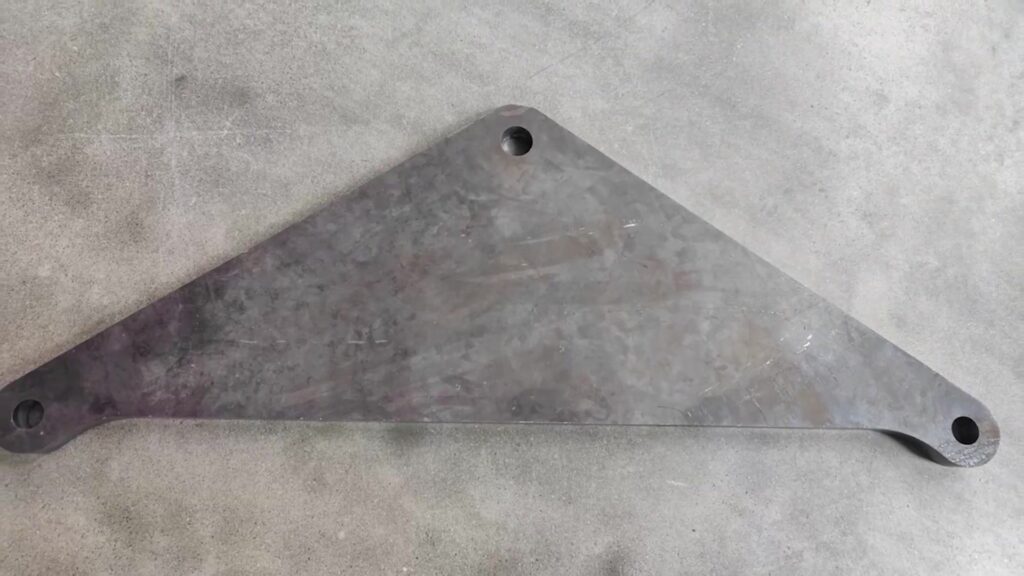
    A yoke plate is a steel connecting component that distributes tension forces in structural and geotechnical anchoring systems. It has a flat, steel plate with several holes for bolts or shackles. It also includes connections for wire ropes, tension rods, and anchor tendons. Yoke plates are essential in energy and mining operations to ensure safer infrastructure, improved dam and slope stability, and speedier construction and equipment deployment. They enable more rapid, safe, and adaptive development across complicated geographies. The functions of yoke plates in the expansion of Argentina’s energy and mining operations are discussed below.

    yoke plates improve dam and slope stability
    • Enabling high-voltage power transmission to mining sites—most of Argentina’s key mining projects need large-scale electrical supply for operations. Using yoke plates helps deliver power from hydroelectric, thermal, or renewable sources to remote mining regions. They help stabilize multi-conductor transmission systems to allow higher voltage levels. For instance, the InterAndes transmission line connects Argentina with Chile to support cross-border power trade.
    • Supporting renewable energy infrastructure for mining—Argentina is integrating solar farms and wind farms into its energy mix to power mining operations sustainably. Yoke plates aid in connecting wind turbines and solar plants to the electrical grid. Using renewables in mining helps reduce the carbon footprint.
    • Enhancing electrical grid stability—mining operations need uninterrupted electricity for processing plants, pumping systems, and heavy machinery. Yoke plates prevent conductor swaying and mechanical stress. This is crucial to reduce the risk of power outages due to extreme weather.

    The importance of innovation in Argentina’s energy and mining expansion

    Argentina’s rapidly expanding energy and mining operations rely heavily on startups and innovations. The country is also expanding its energy mix by incorporating renewables, tech-driven enterprises, and innovative solutions. This is vital as Argentina steps up its ambitions to become a global supplier of critical minerals such as lithium and copper. The following are the roles of innovation in Argentina’s energy and mining sectors.

    1. Efficiency through automation and AI—startups are adopting automation, machine learning, and AI-driven platforms to streamline operations in mining and energy. There are innovations such as predictive maintenance, AI-powered exploration tools, and drones and remote sensing tech. They improve mine mapping, identify mineral deposits, and reduce costly downtimes.
    2. Innovation in lithium extraction technologies—innovation in extraction methods is crucial to increase mining output. Innovations are driving the use of direct lithium extraction (DLE) technologies to reduce water consumption and shorten production cycles.
    3. Decentralized energy and blockchain applications—innovative platforms enable peer-to-peer energy trading and real-time tracking of electricity consumption. For instance, blockchain firms are working with mining exporters to create green mineral certifications.
    4. Environmental monitoring—startups introduce IoT sensors and remote monitoring tools to help mining companies follow strict environmental and safety regulations.
  • Reinforcing Plates Drive Gas Infrastructure in Argentina

    Natural gas production facility

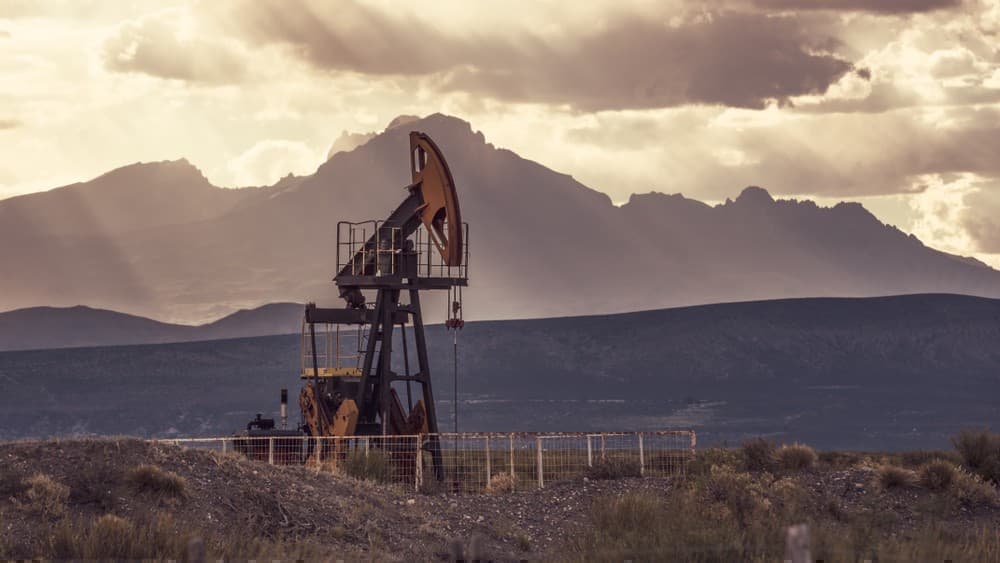
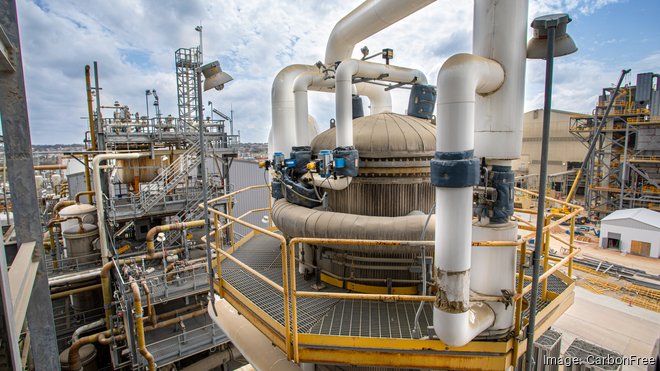
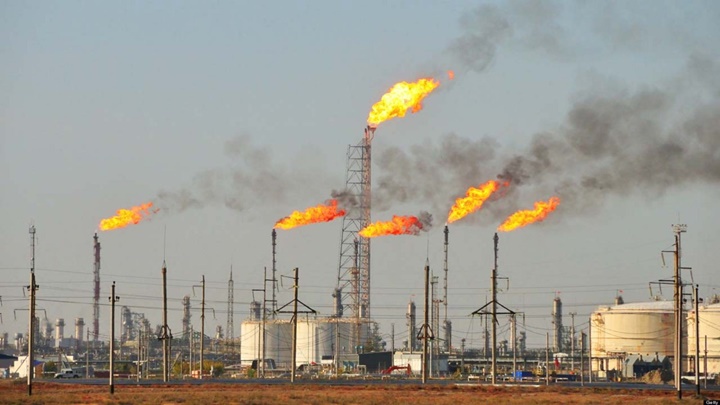
    The Pampas area in Argentina is located above the Vaca Muerta, the geological structure housing the most abundant oil and gas reserves. It holds natural gas, which is a cost-effective and versatile energy source. The ongoing use and production of natural gas hinders the embrace of renewable energy. Gas accounts for approximately one-fourth of global electricity use and handles around one-fifth of the world’s greenhouse gas emissions related to energy consumption.This raises the question, is natural gas valuable? Natural gas can be utilized to fuel turbines for generating renewable energy. Natural gas and renewables can coexist and be utilized together to maintain low emissions. Reinforcing plates can enhance the durability of pipeline connections, valves, or junctions where mechanical stress may compromise the system’s integrity. This renders it an essential element in the production of natural gas in Argentina’s gas fields.

    High-performance reinforcing plates function in pipeline systems in high-pressure gas transportation and distribution networks. Argentina’s natural gas pipelines operate under high pressure. Reinforcing plates are welded or bolted around weak points to prevent leaks. They mitigate metal fatigue to extend the pipeline’s lifespan. Reinforcing plates ensure compliance with safety requirements for high-stress zones. High-quality reinforcing plates are crucial for maintaining infrastructure reliability in high-pressure transport systems. They are made from carbon steel or stainless steel to match pipeline specifications.

    Reinforcing plates and their components used in Argentina’s natural gas production

    Reinforcing plates are structural components welded around an opening in a pressure vessel or pipeline. They strengthen the area around the opening to withstand internal pressure and mechanical stress. They prevent failures like cracking, buckling, or leakage. Reinforcing plates support shale gas extraction in Vaca Muerta for LNG exports. Here are the key roles of reinforcing plates in natural gas production.

    reinforcing plates support shale gas extraction
    • Pipeline branching and connection support – Argentina uses pipeline networks from Vaca Muerta. The use of reinforcing plates strengthens the connections to prevent rupture. They also allow safer integration of measurement devices and ensure structural integrity in high-pressure zones.
    • Enhancing safety – Reinforcing plates prevent gas leaks, reduce metal fatigue, and extend the lifespan of critical infrastructure. This is due to the nature of natural gas extraction, compression, and transportation.
    • Resilience in harsh environments – the plates are crucial where infrastructure faces temperature fluctuations, seismic activity, and soil movement. Reinforcing plates prevent operational downtime and emergency repairs in challenging conditions.
    • Supporting modernization and expansion projects – reinforcing plates function more in modular skids, compression stations, and metering stations.

    Development of infrastructure for natural gas extraction in Argentina

    Argentina’s natural gas output requires much investments in infrastructure. This encompasses pipelines and facilities for LNG. Natural gas production encompasses the efficient and safe transportation, processing, and storage of gas. Infrastructure advancement is vital for increasing production, minimizing dependence on imports, improving export potential, and drawing in foreign investment. Reinforcing plates improve the formation of the infrastructure required for natural gas extraction. The main infrastructure initiatives consist of:

    1. Nestor Kirchner gas pipeline – this pipeline is essential for transporting natural gas from Vaca Muerta to areas of consumption. This aids in decreasing dependence on expensive LNG imports and enhances domestic distribution.
    2. Reversing the northern gas pipeline – this intends to change the pipeline’s direction to enable gas from Vaca Muerta to flow to the northern provinces. It allows Argentina to substitute imports with local gas in the north to broaden market access.
    3. The nation intends to construct LNG liquefaction facilities close to the Coast for exporting liquefied natural gas. This will enable Argentina to access the worldwide LNG market, focusing on Europe and Asia.
    4. Compressor stations and processing plants – the nation is also allocating funds to enhance compressor facilities and gas processing plants to accommodate higher volumes. The facilities guarantee that gas supplied to homes meets international quality standards.

    Effects of natural gas extraction on Argentina’s energy industry

    The rise in natural gas production is significantly changing Argentina’s energy industry. Natural gas is driving industrial expansion, enhancing exports, generating jobs, and establishing the nation as a regional energy leader. Natural gas is aiding Argentina in its move towards energy independence, lowering energy expenses, enhancing export capabilities, and facilitating energy transition. In spite of these benefits, there are difficulties such as infrastructure deficits, regulatory and political uncertainty, and environmental advocacy. Reinforcing plates are essential elements in increasing Argentina’s natural gas output. It contributes to enhancing energy security, stability, and economic development.

  • Cutout Fuses & Grid Growth in Argentina

    Reliable grid infrastructure

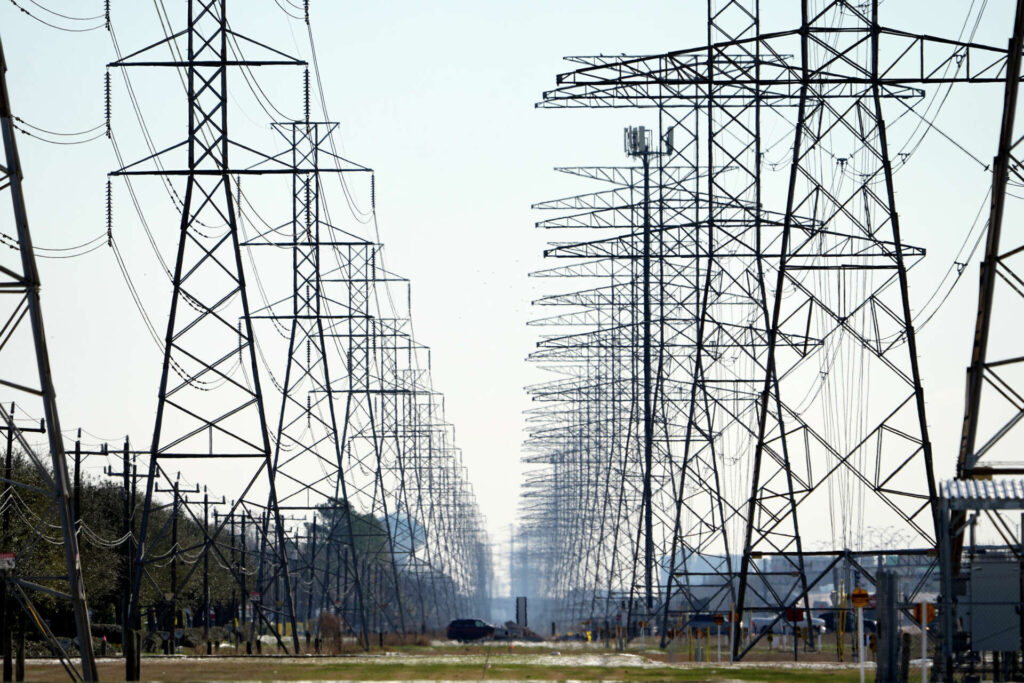
    Argentina’s electrical grid might be stabilized by utilizing copious renewable energy sources and large oil and gas reserves. Natural gas, hydroelectric power, nuclear energy, renewables, and oil production are all used to power the infrastructure. Argentina’s grid infrastructure confronts issues such as aging infrastructure, regional disparities in power access, and subsidy pressures on the national budget. The country plans to diversify its energy mix, update and expand the system, attract foreign investment, and achieve energy self-sufficiency while balancing imports. A balanced grid could help to lower energy costs, increase energy security, and minimize dependency on imported fossil fuels. Modernizing the grid infrastructure positions the country as a potential leader in energy exports. It could also help meet climate goals and increase smart technology adoption. Cutout fuses are crucial in overcurrent protection for medium-voltage distribution networks.

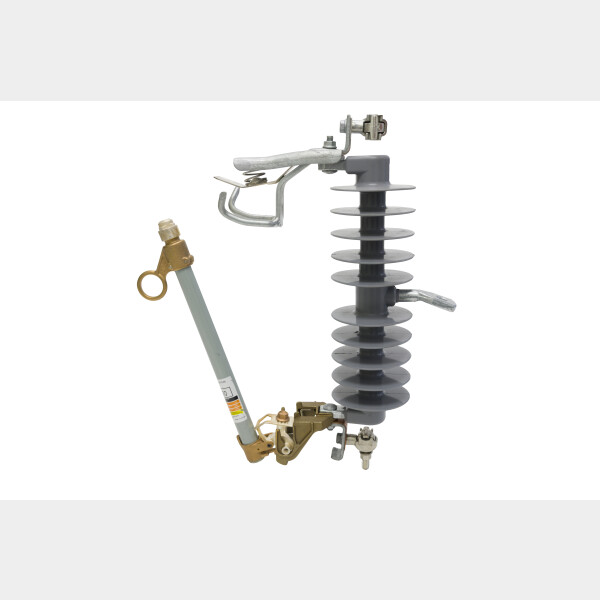
    Drop-out fuses safeguard transformers, feeders, and other electrical equipment from overloads and short circuits. During an excessive current flow, the fuse element burns, disconnecting the damaged part and protecting downstream equipment. Cutout fuses work with reclosers and sectionalizers to achieve selective tripping. This isolates the defective segment while the rest of the network remains operational. Drop-out fuses guarantee the dependability and safety of urban and rural power supply elements. They are simple and efficient, which is critical for utilities.

    Argentina’s grid infrastructure upgrade uses cutout fuses.

    Cutout fuses are critical to the protection and stability of Argentina’s electric grid. A modernized system can handle more renewable energy and fulfill rising demand. Cutout fuses are an important defense device in the energy infrastructure. A cutoff fuse is a fuse combined with a switch that protects transformers and electrical lines from failures. They ensure that Argentina’s electrical grid is resilient, reliable, and safe. Composite cutoff fuses with improved insulation and lifespan are being deployed continuously. Here are the responsibilities that cutout fuses play in Argentina’s grid modernization.

    cutout fuses provide insulation to electrical equipment
    1. Supporting renewable energy expansion—cutout fuses protect the sensitive components of renewable installations. They also allow for safe isolation during maintenance or fault detection. This helps reduce fire hazards in dry, high-wind environments common to wind farms.
    2. Enabling grid resilience and maintenance—Argentina’s aging infrastructure faces challenges such as voltage fluctuations, lightning strikes, and heavy ice and wind loads. Cutout fuses act as automatic safety mechanisms, disconnecting problematic sections without the need for full shutdowns.
    3. Protection for rural distribution networks—installing cutout fuses on poles protects distribution transformers and branch circuits. The fuses reduce outage durations and help maintain grid stability in areas with limited maintenance access.
    4. Integration with smart grid technologies—modern cutout fuses have sensing and communication capabilities. This allows utilities to detect faults, analyze grid performance, and reduce the need for manual inspections.

    Advantages of Modernizing Argentina’s Grid Infrastructure

    Modernizing and improving Argentina’s grid infrastructure is critical to economic growth, energy security, and sustainability. The development of renewable energy is critical to Argentina’s status as a regional energy hub. It is also an important step in ensuring a robust, inclusive, and sustainable energy future. The following are the advantages of updating Argentina’s grid infrastructure.

    • Seamless integration of renewable energy—the abundant natural resources in Argentina need a flexible, smart grid to balance variable generation. Modern infrastructure allows for real-time change to intermittent supply and decentralized power sources like rooftop solar.
    • Enhanced energy efficiency and lower losses—a modernized grid can reduce technical losses through smart metering, optimize power flow, and detect theft. This means more energy reaches end-users by lowering costs.
    • Improved reliability and fewer outages—an upgraded grid reduces blackouts and voltage drops during peak demand. Utilities can detect faults faster, isolate problem areas, and restore power more efficiently. This is with the use of advanced sensors, automation, and real-time monitoring.
    • Economic growth and job creation—grid modernization creates job opportunities in electrical engineering, construction and infrastructure, and software for grid automation. It attracts foreign direct investment in sectors like renewables, electric vehicles, and energy storage.
    • Energy security—new grid infrastructure enhances national security by reducing dependence on energy imports. This allows for greater control over energy flows and supports emergency power management.
    • Enabling a smart energy future—digital tech like AI, blockchain, and IoT determine how electricity is generated, stored, and consumed. It enables real-time pricing models and integration of battery storage and EVs.
  • Energy News Weekly Digest – April 14-17, 2025

    Electrical crossover clamps enhancing energy infrastructure

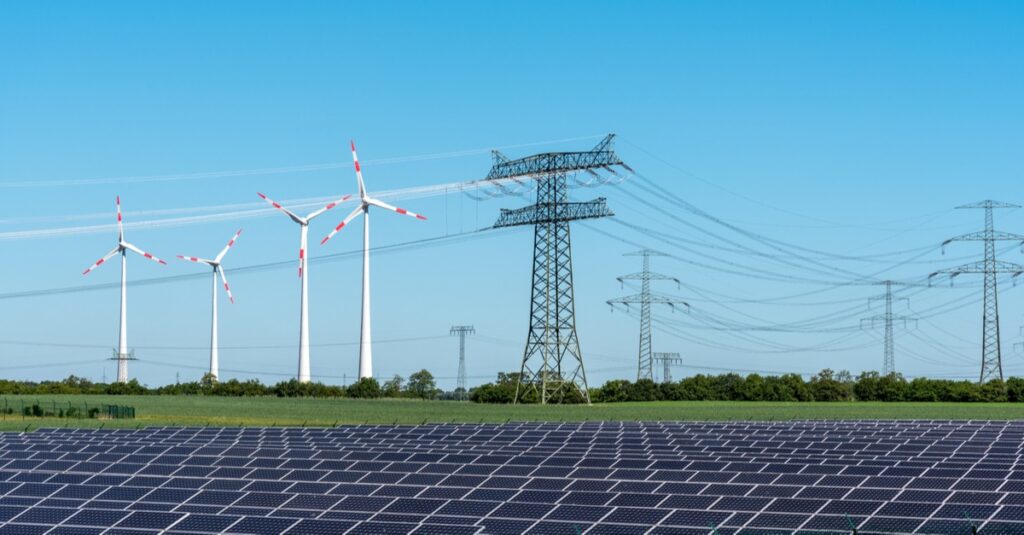
    Renewable energy supporting the electrical grid

    Electrical crossover clamps are crucial components in power transmission to ensure secure connections and maintain the integrity of the electrical grids. 

    The clamps stabilize Argentina’s electrical infrastructure, which is crucial for supporting large-scale energy projects.

    Argentina is investing in floating liquefied natural gas (FLNG) projects to monetize its vast natural gas reserves from the Vaca Muerta shale formation.

    FLNG initiatives are set to position Argentina as a player in the global LNG market, boosting exports and economic growth.

    Electrical components like the crossover clamps are crucial for the seamless operation of FLNG facilities to ensure consistent power supply and safety.

    The integration of robust electrical hardware supports the scalability and sustainability of FLNG projects across Argentina.

    #ArgentinaEnergy #FLNG #ElectricalInfrastructure #NaturalGas #EnergyInnovation

    Read More

    Compression Splices Supporting Argentina’s lithium production

    lithium production facility

    Compression splices are essential for ensuring robust and reliable electrical connections in Argentina’s lithium production facilities.

    The splices ease the seamless integration of renewable energy sources such as solar and wind into lithium extraction and processing operations.

    The compression splices provide durable connections for the resilience of power infrastructure against environmental challenges.

    High compression splices reduce maintenance needs and minimize energy losses. This leads to a more efficient and cost-effective lithium production process.

    The use of advanced lithium extraction methods prioritizes sustainability and develops recycling infrastructure. The methods help ensure an affordable supply of lithium for the global electric vehicle market.

    Key technologies include direct lithium extraction, improved brine evaporation techniques, recycling and reuse, and sustainable mining practices.

    #LithiumProduction #CompressionSplices #RenewableEnergyIntegration #ElectricalInfrastructure #ArgentinaEnergySector

    Read More

    Download clamps enhancing Argentina’s carbon capture infrastructure.

    carbon capture and utilization facility

    Carbon capture and utilization enables the oil and gas from Vaca Muerta and the cement and steel sectors to reduce emissions. The technologies ease carbon-neutral biofuels and support economic and export opportunities.

    The use of carbon capture and utilization technologies allows Argentina to reduce emissions, enable blue hydrogen, decarbonize energy industries, and create carbon-based products.

    Downlead clamps are critical components in securing and managing overhead cables. They ensure the integrity of communication and power lines essential for carbon capture operations.

    The clamps ease the reliable transmission of data and power, which is crucial for monitoring and controlling carbon capture and storage systems.

    Downlead clamps indirectly support Argentina’s shift towards cleaner energy solutions and its commitment to reducing greenhouse gas emissions.

    #CarbonCapture #EnergyInfrastructure #ArgentinaEnergy #DownleadClamps #CleanEnergyTansition

    Read More

  • Distribution arresters: Powering Argentina’s lithium growth

    lithium extraction plant in Salta Argentina

    Argentina is emerging as a global lithium powerhouse with goals to scale up production by 75% by 2025. It aims to reshape the landscape of clean mobility, renewable energy, and energy storage systems. The increased production of lithium will lead to the demand for electric vehicles and grid-scale batteries. Argentina’s lithium could lower battery costs, increase EV adoption, and secure supply chains for the transport industry. With the transition towards clean energy, lithium could aid in wind and solar energy integration. It is crucial in the development of battery energy storage systems due to their intermittent nature. Large-scale energy storage systems stabilize renewable-powered grids that power lithium extraction. Scaling up lithium production enables off-grid renewable projects in remote areas. It also promotes hybrid solar-battery solutions. Using distribution arresters ensures a stable electricity supply to lithium mining and refining operations.

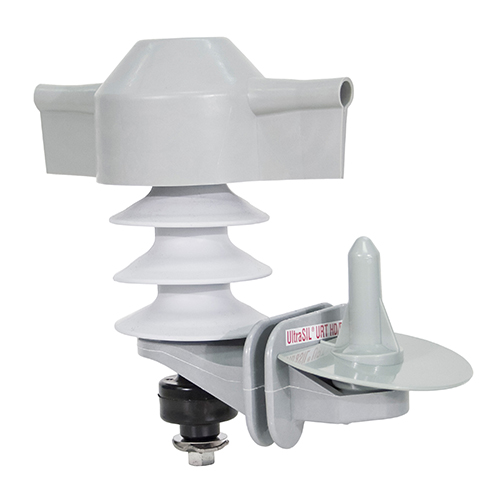
    Lithium mines are often located in arid, high-altitude regions prone to lightning strikes and voltage surges. Distribution arresters prevent damage to transformers, substations, and transmission lines. The arresters suppress voltage spikes caused by switching operations or faults to maintain uninterrupted electricity flow. Remote lithium sites often rely on isolated microgrids. Surge arresters safeguard the systems from transient overvoltages to ensure continuous power for extraction and refining. Lithium plants use corrosive chemicals where electrical faults could trigger hazardous incidents. Surge protection reduces fire and explosion risks. They could also help ensure the sensitive electronics are protected from power disturbances.

    Opportunities for Argentina’s lithium production in the energy sector

    Argentina’s lithium reserves position it as a global leader in energy transition. It provides opportunities to boost renewable energy adoption, electric vehicle production, and grid storage solutions. Argentina can leverage its lithium boom through strengthening the global battery and EV supply chain and enabling grid storage. It is also crucial for advancing energy transition, and expanding job creation and industrial growth. However, this development may face challenges involving environmental risks, social risks, and the need for policy and infrastructure. Argentina’s lithium reserves provide a chance to fuel global energy transition, build a clean domestic clean energy economy, and position itself as a renewable energy leader in South America. Distribution arresters play a crucial role in reliable, efficient lithium production. They do so by preventing power disruptions, protecting renewable energy systems, and reducing downtime.

    Boosting Argentina’s lithium production via distribution arresters

    Distribution arresters are crucial in enhancing the reliability and safety of Argentina’s electrical infrastructure. They are vital components for protecting power distribution systems from voltage surges. Distribution arresters are installed on electrical power systems to divert overvoltage transients safely to the ground. Here are the roles of distribution arresters in boosting Argentina’s lithium production.

    Distribution arresters protect mining equipment
    1. Protecting remote power networks—distribution arresters protect transformers, substations, and equipment powering lithium brine pumps, processing plants, and lab facilities.
    2. Grid reliability—lithium extraction is an energy-intensive and time-sensitive process. It involves brine pumping and evaporation, chemical refining into battery-grade lithium carbonate, and temperature-controlled storage and transport. Distribution arresters ensure consistent energy delivery to keep operations efficient and on schedule.
    3. Renewable energy integration—wind and solar energy help to power most lithium projects in Argentina. Distribution arresters balance intermittent power feeds, shield equipment from inverter-related transients, and ensure clean handoffs between renewable sources.
    4. Reducing maintenance costs—distribution arresters extend the lifespan of electrical infrastructure, reduce unplanned maintenance, and lower operational costs.

    Investments boosting Argentina’s lithium production

    There are major investments aimed at increasing lithium production by 75% in 2025. Most of this funding is from China, which helps develop lithium projects. The success of these projects depends on balancing the speed with sustainability, adding local battery manufacturing, and navigating trade dynamics. The following are the key funding and projects fueling the expansion.

    • Foreign direct investment—there are key players funding the expansion of Argentina’s lithium industry. These include Chinese companies, North American & Australian firms, and European participation.
    • Government incentives—this includes tax stability for 30 years, VAT refunds, and duty-free imports. Argentina is negotiating Inflation Reduction Act compliance to access U.S. EV subsidies.
    • Infrastructure and energy investments—renewable energy for mining powers lithium plants to cut emissions. Desalination plants and pipelines mitigate brine extraction’s environmental impact.
    • Emerging technologies—companies like Lilac Solutions (U.S.) are piloting direct lithium extraction to boost efficiency. There are also talks with CATL and Tesla for local cathode production.
  • Energy News Weekly Digest – April 07-11, 2025

    Guy clamps down on strengthening Argentina’s power grid amid renewable transition.

    guy clamps expanding renewable energy capacity

    The implementation of real-time sensors, automated switching, and smart meters enhances the responsiveness and efficiency of the energy system.

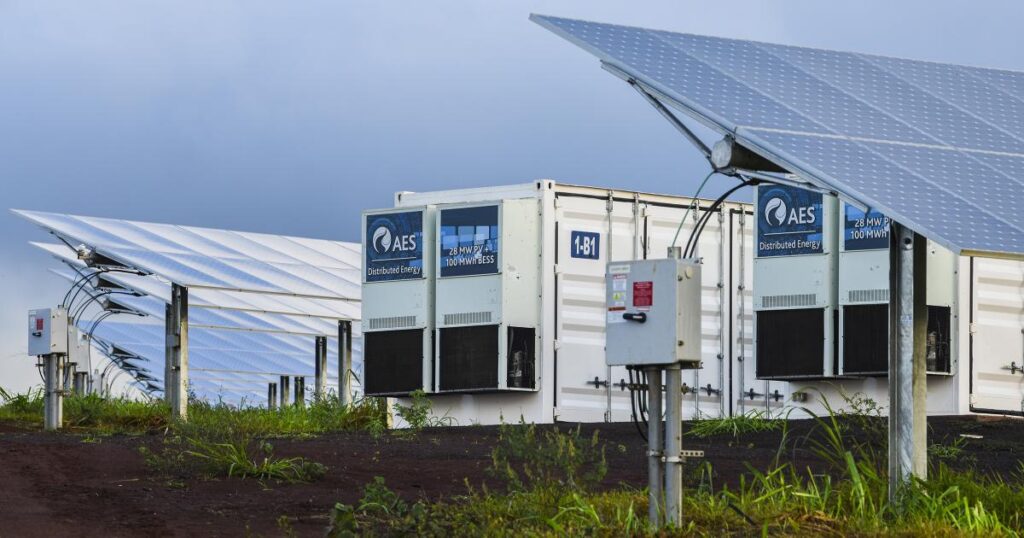
    Investments in large-scale battery storage, including a 500 MW system, bolster grid reliability. This is done by storing excess energy and supplying it during peak demand periods.

    The integration of decentralized energy sources diversifies the energy mix and reduces reliance on centralized power generation. Resources such as solar and wind contribute to a more resilient energy grid.

    Guy clamps aid in stabilizing Argentina’s outdated power grid in regions like Patagonia and the Pampas. They secure poles and prevent collapses during extreme weather events.

    The clamps support the integration of renewable energy sources by ensuring the structural integrity of transmission lines connecting remote generation sites.

    High-performance guy clamps ensure line stability, reduce maintenance needs, and support grid expansion to remote areas.

    Read more

    #ArgentinaEnergy #GridModernization #RenewableIntegration #GuyClamps #SmartGrid #EnergyInfrastructur #PowerStability

    Pole bands supporting Argentina’s energy infrastructure

    grid modernization and expansion

    Argentina’s grid modernization and expansion will reshape the energy sector with impacts on electricity transmission, natural gas production, and renewable energy development.

    Grid modernization could help reduce outages, improve efficiency, and support renewable energy integration. Insufficient transmission capacity hampers the transport of energy from remote renewable sources.

    Pole bands are heavy-duty metal straps designed to secure and support equipment on utility poles, including transformers, insulators, crossarms, and guy wires.

    Argentina is investing in upgrading its power grid to reduce outages, improve efficiency, and support the integration of renewable energy sources.

    Pole bands ease the mounting of distribution components that route renewable power from wind farms in Patagonia and solar plants to urban centers.

    The use of forged pole bands aids in the installation of sensors, switches, and line monitoring devices, which is crucial for modernizing the grid.

    Read More

    #ArgentinaEnergy #GridModernization #PoleBands #RenewableIntegration #InfrastructureChallenges

    Yoke plates fuel Argentina’s LNG expansion.

    liquefied natural gas transportation

    Argentina’s Vaca Muerta shale formation in Patagonia holds immense natural gas, which positions the country as a player in the LNG sector.

    Major energy companies, including YPF, Petronas, and Shell, aim to export up to 25 million tons of LNG annually by 2030. They also leverage floating LNG plants for flexible capabilities by 2027.

    Argentina faces technical, financial, and political hurdles, including infrastructure shortages and regulatory uncertainties that may limit LNG growth.

    Cryogenic yoke plates are essential in maintaining the structural integrity and safety of LNG infrastructure. This is including pipelines, storage tanks, and export terminals under extremely low-temperature conditions.

    Yoke plates distribute mechanical loads across supports, preventing leaks and structural failures in LNG operations. Yoke plates connect insulator strings or suspension clamps and ensure stability and prevent power outages at LNG facilities.

    Stainless steel yoke plates withstand brittleness at cryogenic temperatures, which makes them suitable for Argentina’s LNG infrastructure needs.

    Read More

    #ArgentinaLNG #YokePlates #CryogenicEngineering #VacaMuerta #EnergyInfrastructure #LNGInfrastructure

    Guy strains powering Argentina’s energy expansion

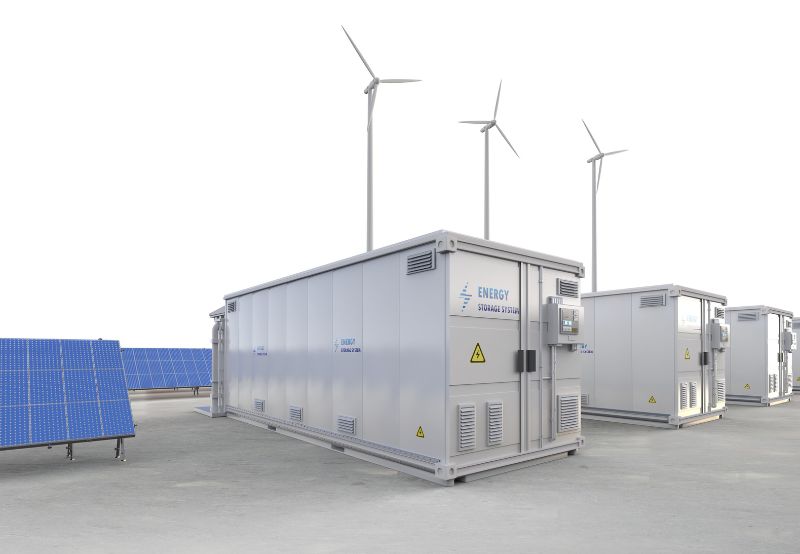
    Wind and solar energy storage facility

    Argentina’s diverse geography and growing demand for electricity need a robust and resilient transmission network. The country aims to expand its gas pipeline capacity and modernize electricity transmission.

    The nation is pursuing the modernization of its power grid to integrate renewable energy sources and enhance energy reliability. It is also working to boost its renewable energy capacity with a target of achieving 20% renewable energy in its electricity mix.

    Guy strains are crucial components used to stabilize high-voltage transmission towers in wind-prone and seismic regions of Argentina.

    The devices aid in absorbing dynamic forces such as wind, ice loads, and thermal expansion, which are common in Argentina’s climate zones.

    Guy strains enable the safe and cost-effective distribution of renewable energy across long distances. They also help strengthen the grid for ongoing investments in wind, solar, and FLNG.

    Read More

    #ArgentinaEnergy #PowerGrid #RenewableEnergy #TransmissionInfrastructure #GuyStrains #CleanEnergy #EnergySecurity