Tag: clean energy

  • Line post insulators key in Colombia’s grid revamp

    Power grid expansion efforts Colombia

    Colombia has taken important advances toward renewable energy adoption by accelerating its transformation to a greener, more robust electrical grid. This is contingent on the country solving significant hurdles while exploiting its natural resources. Colombia has abundant in renewable energy sources such as hydropower, wind, sun, biomass, and geothermal. The country can proceed quickly by expediting transmission projects, easing permitting for solar and wind, including storage to balance renewables, and encouraging public-private partnerships. Colombia plans to boost its renewable energy share from less than 5% now to at least 30% by 2030. Integrating significant amounts of variable renewables necessitates grid modernization, adaptable backup systems, and smart policies to assure stability and reliability. This can also help strengthen cross-border connections through regional electricity markets. Line post insulators ensure electrical insulation, mechanical support, and grid reliability.

    High-quality line post insulators help to preserve system stability and efficiency, allowing for an increase in renewable energy share. They protect against leakage currents and short circuits by isolating live conductors from grounded structures. They ensure they can endure lightning strikes and switching surges in Colombia’s tropical climate. Line post insulators provide structural strength to support power lines in heavy winds. They are made of polymer or porcelain materials that are resistant to UV radiation, humidity, pollutants, strong rains, and landslides. In renewable energy, smart grid-ready insulators can incorporate sensors to track line temperature and corrosion. Lightweight polymer insulators are easier to install in off-grid solar and wind microgrid systems. They also lessen the need for maintenance in Colombia’s remote locations.

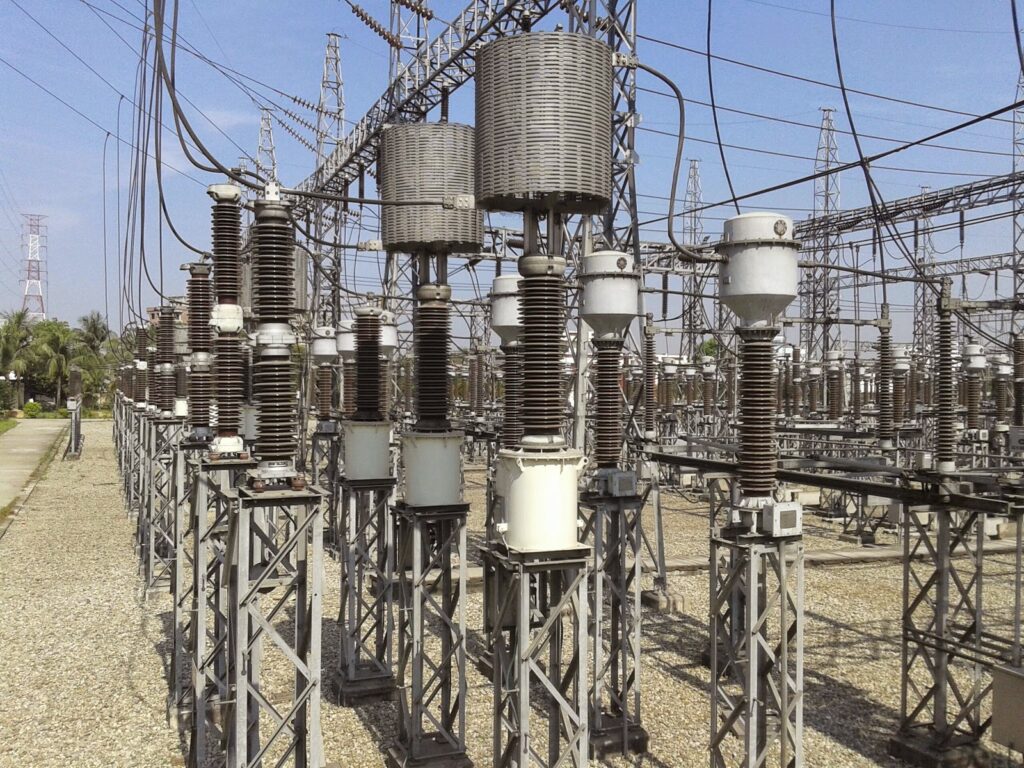
    Line post insulators for Colombia’s power grid development.

    Using durable and resilient components is critical in extending Colombia’s power grid to meet the growing percentage of renewable energy. Line post insulators provide mechanical stability and electrical insulation for overhead distribution and transmission systems. They contribute to the integration of clean energy sources as well as the modernization of an old grid. They may combine mechanical strength with high-voltage insulation, making them an essential component of a safer, more efficient, and renewable-ready power network. The following are the functions of line post insulators in Colombia’s power grid growth.
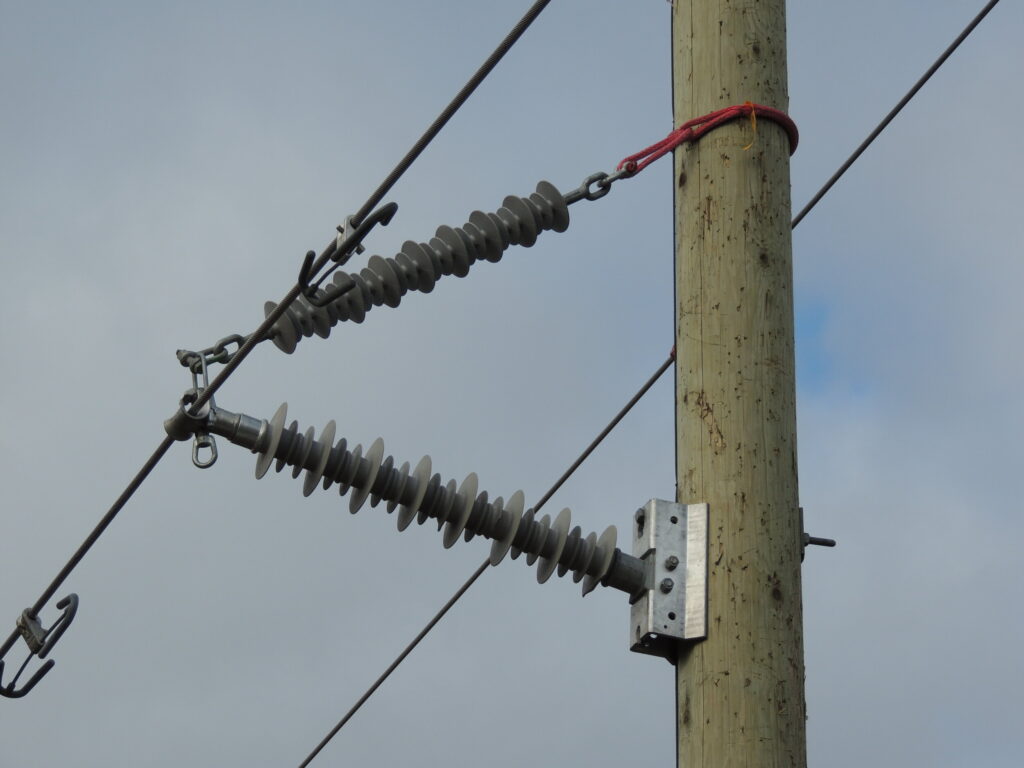
    Line post insulator help resist environmental forces
    • Electrical insulation in high-voltage environments – line post insulators are able to electrically isolate live conductors from grounded structures. They ensure safe, uninterrupted power transmission.
    • Mechanical support and conductor stability – the insulators provide rigid mechanical support to conductors. Line post insulators withstand heavy conductor loads and tension, resist environmental forces, and maintain conductor alignment.
    • Adaptability to harsh environmental conditions – line post insulators are able to resist high humidity, UV exposure, and pollution. They are from materials that provide resistance to contamination, minimal maintenance needs, and high dielectric strength.
    • Support for compact and urban installations – line post insulators allow for compact pole designs, versatile mounting configurations, and safe clearances.
    • Enabling renewable integration and grid flexibility – rooftop solar, microgrids, and hybrid systems feed into the national grid. Line post insulators ensure reliability in bidirectional power flows, support feeder reconfigurations, and enhance the safety and lifespan of upgraded lines.

    The implications of modernizing Colombia’s electrical grid for renewable energy

    Upgrading the national electricity infrastructure is critical to unlocking Colombia’s renewable energy transition capabilities. An outmoded, centralized, and hydro-dependent infrastructure is insufficient to please the needs of a sustainable, inclusive, and climate-resilient energy future. The implications of modernizing Colombia’s electrical grid include:
    1. Increased renewable energy integration – upgrading the grid leads to more variable and distributed energy sources like solar and wind. Modern transmission and distribution systems helps handle intermittency, leading to increased energy generation.
    2. Reduced carbon emissions – a modernized grid supports the shift from fossil fuels and reduces reliance on climate-vulnerable hydropower.
    3. Improved energy access and equity – grid upgrades allow Colombia to extend reliable electricity to rural and underserved regions. Microgrids and mini-grid solutions are workable in off-grid areas.
    4. Enhanced grid reliability and efficiency – outdated infrastructure contributes to energy losses, frequent blackouts, and high maintenance costs. Upgrades lead to reduced technical losses in transmission and distribution. It also leads to more reliable service and real-time monitoring and automation for predictive maintenance and grid optimization.
    5. Attraction of investments – an upgraded grid helps the country attract foreign and domestic investors seeking clean energy opportunities. Also, manufacturers and suppliers of grid components such as insulators, arresters, and clamps are also attracted to Colombia.
  • Spiral vibration dampers for cross-border power

    cross-border energy sharing

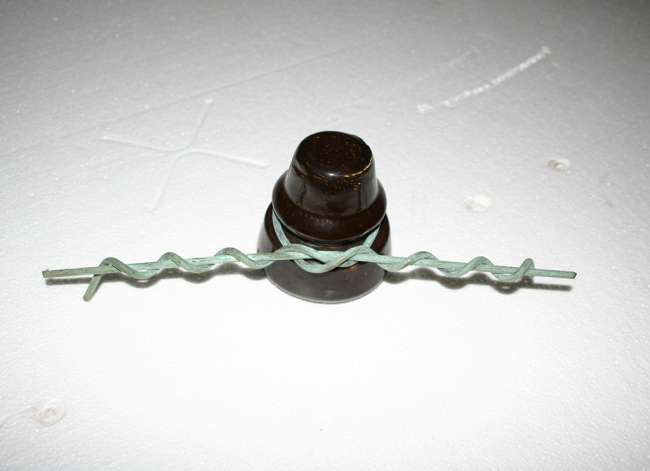
    With the rise in renewable energy production, Colombia and Panama advanced efforts for regional energy integration. This progress assures extra income for Colombia and strengthens diplomatic and economic relations between the two countries. Colombia is enhancing its renewable energy industry in solar, wind, and hydroelectric power. The variety enhances economic stability and decreases reliance on fossil fuels. Panama’s economy is expanding, creating increasing electricity demands that enjoy a dependable, clean, and cost-effective energy source. This energy may assist Panama in achieving its energy objectives while lowering carbon emissions and decreasing dependence on fossil fuels. The energy export initiative includes enhancements to cross-border transmission infrastructure. Spiral vibration dampers shield conductors from harm caused by vibrations induced by the wind. They guarantee the enduring stability and dependability of global energy trade. Renewable energy in Colombia

    Cross-border energy infrastructure demands robust components to protect transformers, transmission lines or other grid components. Spiral vibration dampers suppress low-amplitude, high-frequency wind vibrations. The vibrations can cause fatigue and eventual failure at clamp and suspension points. Cross-border lines in Colombia pass through diverse geographies. Spiral vibration dampers extend conductor life by absorbing mechanical stress regardless of location. They ensure consistent energy flow between the two countries to balance regional grid demands and maintain export-import reliability. This is crucial for maintaining uninterrupted energy exports between the two countries.

    Spiral vibration dampers in cross-border energy infrastructure

    Cutout fuses in cross-border energy infrastructure ensure safety, reliability, and efficiency of power transmission. It combines a fuse and a switch in one unit. Here are the functions of spiral vibration dampers in cross-border energy infrastructure between Colombia and Panama.

    Spiral vibration dampers reducing stress on conductors
    1. Suppressing aeolian vibration – high-voltage transmission lines in open areas experience aeolian vibrations caused by winds.Spiral vibration dampers dissipate vibration energy and reduce stress on conductors.
    2. Preventing galloping in extreme weather – spiral dampers disrupt harmonic vibrations to reduce galloping risks and maintaining line integrity.
    3. Ensuring stable cross-border power trade – spiral vibration dampers enhance reliability and prevent line failures that could disrupt hydropower and renewable energy imports.
    4. Reducing maintenance costs – spiral vibration dampers extend cable lifespan and reduce maintenance shutdowns.

    Technical aspects of Colombia and Panama cross-border energy sharing

    The cross-border energy sharing initiatives between Colombia and Panama signify a significant step forward in the integration of power in South America. It further improves regional energy security, stability, and sustainability. The initiative requires meticulous planning, technical design, and teamwork. The following are the technical elements involved in energy sharing between Colombia and Panama across their border.

    • Transmission infrastructure – the initiative requires high-voltage transmission lines to link Colombia’s electrical network with Panama’s network. This encompasses voltage level, type of line, and its length.
    • HVDC vs HVAC – employing HVDC facilitates linkage between asynchronous networks, offers improved management of power flow, and minimizes transmission losses across extended distances. HVAC systems are widely used, cost-effective to install, and susceptible to reactive power losses over long distances.
    • Substations and converters – significant substations and converter stations can manage voltage conversion, power flow regulation, fault identification, protection, and isolation.
    • Grid compatibility – the compatibility among these nations entails frequency synchronization, phase balancing, voltage regulation, and coordination of protection.
    • Economic and load-distribution systems – energy may circulate in both directions based on demand changes, excess renewable generation, and market-oriented dispatch regulations.
  • Energy News Weekly Digest – June 03-06, 2025

    Guy clamps and smart tech expanding Colombia’s grid

    Colombian power grid expansion

    Colombia issues a tender for a 230 kV substation in Sopo and associated lines. The winner will get a 25-year concession to design, build, operate, and maintain. The project cost is estimated at $3.5 billion, including HVDC transmission for 3 GW of renewables.

    There is integration of HVDC lines, SCADA, AMI, and remote fault detection systems. Smart meters enable real-time demand monitoring and demand-response strategies.

    Guy clamps anchor guy wires, stabilize poles and towers, and counteract wind, seismic shifts, and uneven soil. They provide even load distribution, adjustable tension, faster installation, and corrosion-resistant quality.

    There is also the development of batteries, flow batteries, and pumped hydro to buffer variable renewables. FACTS devices enhance voltage control and power flow management.

    Small-scale solar and wind plus storage and smart control are ideal for rural electrification and grid resilience.

    Efforts such as integrating 3 GW of renewables, modernizing infrastructure, and supporting equitable energy access help align with Colombia’s national goals.

    Read More

    #PowerInfrastructure #SmartGrid #GuyClamps #EnergyStorage #Microgrids

    C-SPAN clamps down on speeding up wind energy in Colombia.

    Wind energy development efforts

    Global energy giants Enel and EDP Renewables have exited wind power projects in La Guajira, citing regulatory instability and local tensions.

    Colombia’s energy transmission network has failed to keep up with renewable project timelines. La Guajira’s isolation from the national grid makes interconnection logistically and financially difficult. The delay in grid development is a primary bottleneck in scaling wind capacity.

    C-SPAN clamps are crucial components in both the electrical and structural systems of wind energy facilities. They secure overhead cables, withstand high tension, offer vibration dampening, and provide corrosion resistance.

    Poor supply chain logistics and import delays for specialized clamps have slowed construction. Lack of standardized specs has led to project design inconsistencies.

    Indigenous Wayuu communities report poor consultation and environmental concerns. Some may see the wind farms as opportunities and others as threats to ancestral lands and resources.

    Read More

    #ColombiaWindEnergy #Renewables #CSpanClamps #InfrastructureDelays #GridConnection #EnergyTransition

    Cable suspension bolts powering Colombia’s wind future

    Wind turbine development efforts

    Colombia’s rugged zones demand high-quality components like cable suspension bolts to help transmission towers withstand seismic and wind stress.

    The 88 km, 220 kV backbone is vital for Colombia’s wind farm and guarantees transmission across challenging terrain.

    Cable suspension bolts anchor medium- and high-voltage cables from wind turbines to transmission lines. They counter wind and ensure safe and reliable electricity transmission.

    Wind turbine lift assistance is used in staging, installation, and erection supports for large turbines. They also reinforce platforms and HV equipment to mitigate vibrations and maintain structural integrity.

    Development of wind projects contributes to fossil fuel displacement, which aids the Paris Agreement goals.

    The use of cable suspension bolts provides safe, durable power infrastructure. They also serve in wind and solar to support the ongoing rollout.  

    Read More

    #RenewableEnergy #GridInfrastructure #WindEnergy #PowerTransmission #CleanTech

  • Cable Suspension Bolts: Powering Colombia’s Grid Growth

    Power grid expansion to support renewable energy

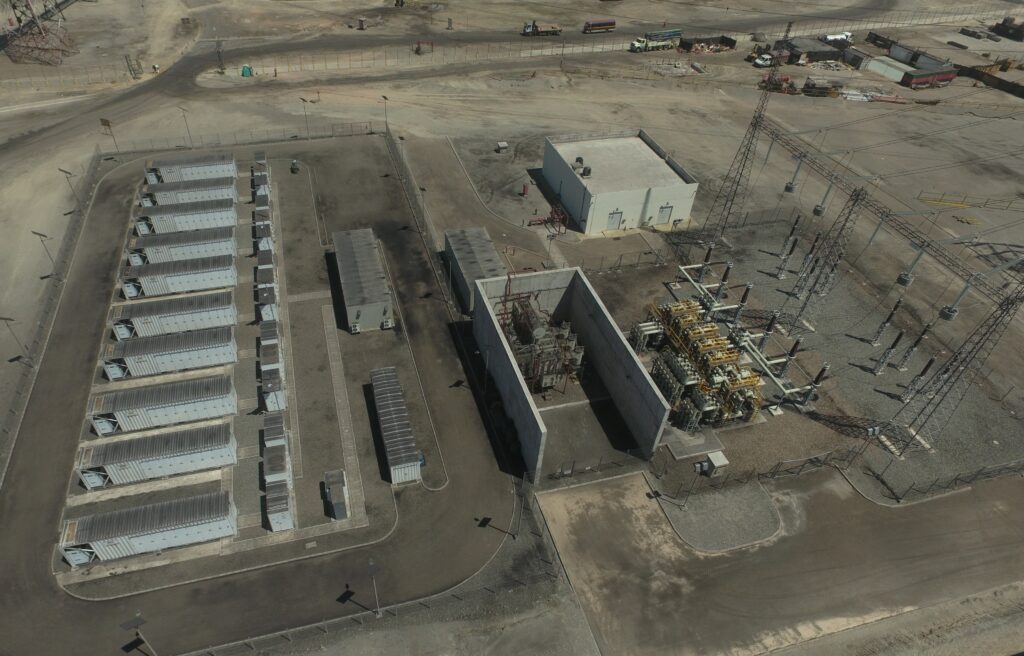
    Colombia has recently initiated a tender for power transmission projects as it advances its efforts to strengthen electricity supply. The initiative features a new 230kV substation and related power lines in the Sopo municipality, approximately 35km northeast of Bogotá, the capital. The winning bidder will receive a 25-year concession agreement to design, construct, operate, and manage the infrastructure. The tenders will enhance electricity availability and ease the incorporation of renewable energy sources. These efforts also seek to upgrade the electricity grid, assist energy transition objectives, and tackle pressing infrastructure requirements. Combined funding for these transmission initiatives is projected to reach as much as $3.5 billion. It includes the HVDC Transmission Line. The initiative will include 3,000 MW of renewable energy production. It will aid in energy dependability and lessen greenhouse gas emissions. Cable suspension bolts for cables attach overhead transmission lines to supporting structures such as towers or poles.

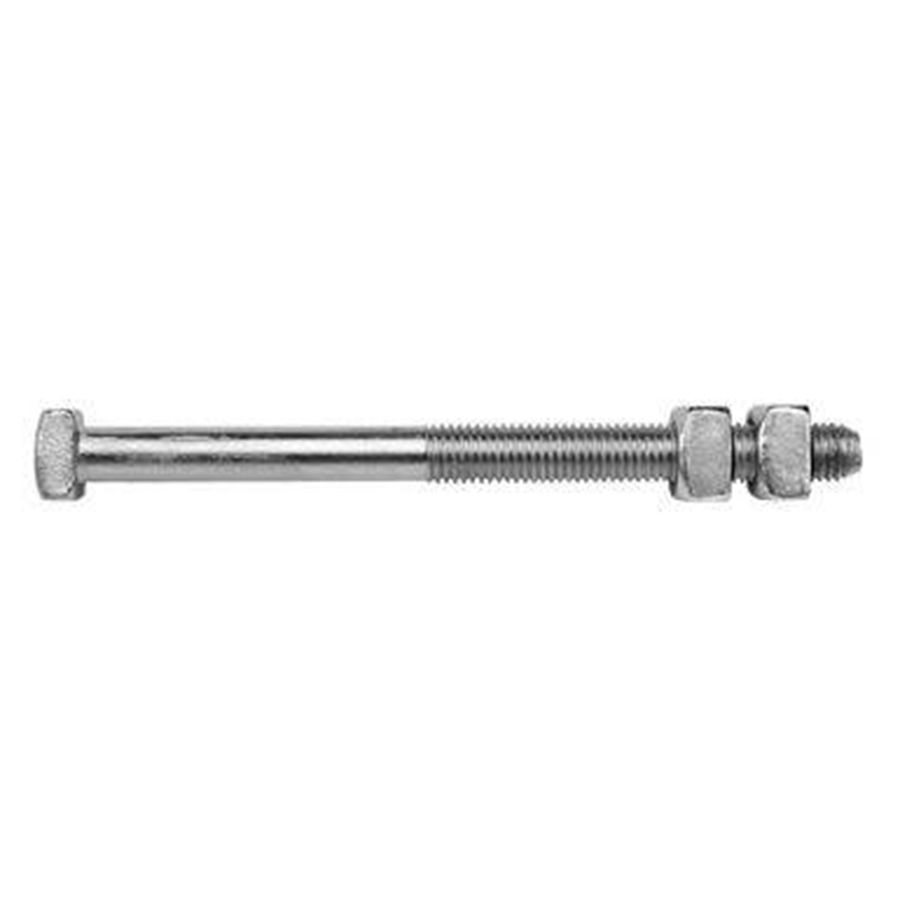
    Cable suspension bolts hangs and suspends power cables from insulators to transmission towers. It ensures the cables remain stable and properly tensioned under wind, ice, or seismic loads. It helps transfer mechanical stresses from the cable to the supporting structure. Suspension bolts are from galvanized steel or stainless steel to resist rust and degradation. It may include designs such as elastomeric dampers to reduce aeolian vibration which causes fatigue. Properly installed suspension bolts prevent cable slippage to reduce outage risks. They allow for easier maintenance when replacing or inspecting cables.

    Application of cable suspension bolts in power grid expansion

    Colombia is expanding and modernizing its power grid to support rural electrification, renewable integration, and system reliance. Cable suspension bolts provide mechanical support and stability for power cables in challenging terrains. Suspension bolts ensure safety, efficiency, and durability in an evolving grid. The bolts serve in high-voltage and medium overhead line systems. They are crucial components in Colombia’s mountainous Andean regions and rainforest environments. Here are the roles of cable suspension bolts in grid reliability and safety in Colombia.

    cable suspension bolts ensure durability in evolving grids
    • Enhanced stability for overhead lines – cable suspension bolts support long-span lines, reduce cable sag and vibration, and enable safer and more reliable suspension of conductors on towers.
    • Renewable energy integration – Colombia is incorporating more solar, hydro, and wind power into its grid. Cable suspension bolts play a crucial role in connecting remote renewable generation sites and supporting hybrid cable systems.
    • Rural electrification – cable suspension bolts function in low-maintenance distribution lines in rural and jungle environments.
    • Urban grid modernization – upgrading older infrastructure means replacing older components with safer solutions. Cable suspension bolts serve in compact overhead systems and smart grid installations.

    Technologies that may support the growth of Colombia’s power network

    The expansion of the power grid in Colombia requires new transmission lines and innovative technologies that improve efficiency, reliability, resilience, and sustainability. The nation will incorporate over 3000 MW of renewable energy. Grid technologies may assist in creating an intelligent, clean, and robust energy system. Colombia can enhance its renewable energy portfolio, provide power to underserved areas, and create a future-ready electricity grid. This involves the proper combination of HVDC transmission, digital controls, storage, and AI-enabled planning. Below are the technologies facilitating the growth of the power grid.

    1. High voltage direct current (HVDC) transmission – HVDC technology offers remarkable efficiency for transmitting electricity over long distances. It results in reduced energy losses across extensive distances, facilitates large-scale transmission of renewable energy, and enhances grid stability. The GCM – Línea de Transmisión HVDC – Alta Guajira project intends to use HVDC technology to link 3 GW of renewable energy to the national grid.
    2. Smart grid technologies – smart grid solutions ease real-time tracking, automation, and demand-response systems. Essential elements comprise sophisticated metering systems, SCADA, and remote error detection. These technologies diminish outages, ease preventive maintenance, and permit bidirectional communication between utilities and customers.
    3. Energy storage systems – Colombia’s growing dependence on renewable energy requires grid flexibility to manage supply and demand. Technologies utilized comprise lithium-ion batteries, flow batteries, and pumped hydro. These systems assist in storing surplus solar energy, regulating frequency, and supplying backup power.
    4. Flexible AC transmission systems enhance voltage regulation, power flow control, and system stability. This is essential in areas with variable loads or significant renewable integration.
    5. Microgrids and decentralized setups – microgrids consist of locally produced solar and wind energy, incorporate storage solutions, and link to the primary grid. It enhances energy availability and stability during natural calamities.
  • C-span clamps in Peru’s decarbonization buildout

    Decarbonization technology

    Peru is pursuing an ambitious journey towards decarbonization, aligning with climate objectives in global initiatives to address climate change. Its approach includes goals for reducing emissions, a pledge to achieve carbon neutrality, and an emphasis on sustainable development. Peru is putting resources into increasing its renewable energy capabilities, featuring projects in wind and solar power. Energy from renewable sources accounts for more than 60% of Peru’s electricity. Additionally, initiatives are underway to convert the forestry sector into a carbon sink, focusing on minimizing deforestation and improving forest preservation. Furthermore, there are initiatives to reduce carbon emissions in the transportation sector. This by encouraging electric vehicles and enhancing public transportation systems. C-SPAN clamps are vital for installations of overhead drop wires. This is vital in the telecommunications and utility equipment sector.

    C-span clamps are designed to secure drop-wire or messenger cables to support strands mid-span. They relieve tension on the drop cable by attaching it firmly without stressing the joint. Broadband and telecommunication connectivity are vital for modern energy systems. These include smart grid sensors, remote monitoring and distributed energy resource management. C-span clamps ensure reliable mid-span support for the communication cable sin Peru’s rural EV charging stations, solar microgrids, and wind installations. Properly installed span clamps absorb mechanical stress in drop cables. They prevent mid-span sagging and mechanical wear. C-Span clamps reduce incidents of cable slippage or breakage during storms. This article explores decarbonization efforts in Peru’s energy sector, impacts and the roles of C-span clamps in the infrastructure.

    Peru’s initiatives for reducing carbon emissions using C-Span clamps

    The nation is focusing on renewable energy, upgrading the electrical grid, and embracing cutting-edge technologies. Peru’s approach seeks to cut carbon emissions by expanding renewable energy, incorporating green hydrogen, and modernizing the grid. C-span clamps assist in reducing carbon intensity associated with regular trips to distant locations. They guarantee electrical continuity, ease grid expansion, and improve system dependability. These are the infrastructure enhancements for decarbonization in Peru.

    C-span clamps ensure electrical continuity
    1. Transmission and distribution enhancements – the advancements consist of revamping substations to accommodate greater loads and intelligent operations. New technologies such as innovative materials and connectors are emerging to enhance energy efficiency.
    2. Integrating renewable energy requires infrastructure support, including inverter and converter stations, adaptable transmission lines, and sophisticated cabling and connectivity systems. C-span fasteners stabilize lines in mid-spans and guarantee they stay secure, tight, and functional.
    3. Grid modernization involves initiatives like smart grid deployment, expansion of high-voltage transmission, and integration of energy storage. This enables it to be completely prepared to manage the fluctuating characteristics of renewable sources such as solar and wind.
    4. Decentralized and resilient energy systems – essential solutions include mini-grids and microgrids, hybrid systems, along with digital control mechanisms. C-span clamps assist in preserving the structural integrity of cable systems. They cut drooping, damage, and separation.
    5. Digitalization and data infrastructure – a contemporary energy system requires advanced digital frameworks such as SCADA systems, predictive maintenance technologies, and blockchain for grid transactions.

    Effects of decarbonization targets on Peru’s energy sector

    Peru is dedicated to its climate commitments under the Paris Agreement, and its energy sector is experiencing a significant transformation. The nation seeks to achieve carbon neutrality by 2050, prompting significant transformations in energy production, transmission, and consumption. Decarbonization initiatives involve cutting emissions, fostering innovation and investment, generating employment, enhancing energy accessibility, and safeguarding the environment. C-span clamps are crucial for the reliable functioning of renewable energy monitoring systems, grid connections, and rural electrification initiatives. Consequences of decarbonization initiatives in Peru encompass:

    • Lower reliance on fossil fuels – enhanced solar, wind, and green hydrogen aids in reducing natural gas consumption and production. In Peru, the generation of electricity from fossil fuels has dropped to less than 30% of the production.
    • The energy transition in economic transformation is generating green jobs in engineering, construction, maintenance, and energy technology. There are chances for development in renewable supply chains, including battery production and electrical parts.
    • Environmental and climate resilience – a more sustainable energy combination leads to reduced air and water contamination. It aids in reducing climate change and is crucial for sensitive ecosystems and coastal areas at risk of rising sea levels and extreme weather.
    • International cooperation – Peru’s decarbonization goals have resulted in the enhancement of climate policies and institutional structures. International partnerships with APEC, World Bank, and GIZ are working together to fund and put in place clean energy initiatives.
  • Cable Suspension Bolts: Powering Peru’s Wind Future

    Wind Farm development

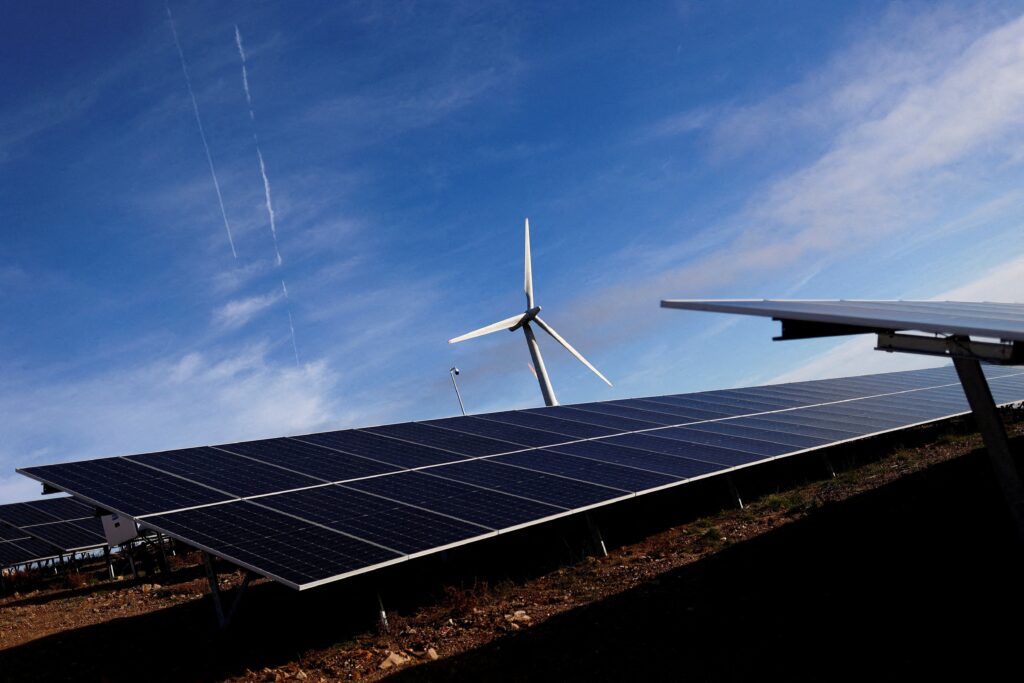
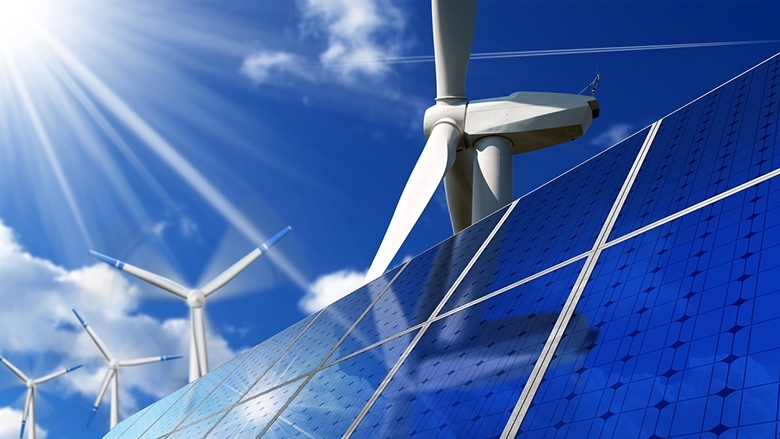
    Solar Panels and Wind TurbinesThe Peruvian Ministry of Energy and Mines has granted Kalipa Generación a temporary concession for a wind generating plant in the southern district of Arequipa. The transaction is for the 403 MW Tanaka facility, which will span the districts of Acari and Yauca in Caraveli province. The Tanaka Wind Power Project will include 65 wind turbines, each with a capacity of 6.2 megawatts. This project includes the building of an 88-kilometer, 220-kV transmission line and a substation to connect the generated power to the national grid. Kalipa Generación is increasing its renewable energy portfolio with the Sunny, Ocoña, Norteño, Cherrepe, and Los Vientos wind projects. These initiatives, totaling 1.722 MW, state a much shift toward sustainable energy. Cable suspension bolts holds and stabilizes electrical wires that carry electricity from wind farms.

    The Tanaka project is consistent with Peru’s plan to diversify its energy portfolio and lessen reliance on fossil fuels. The country’s renewable energy sector is expanding rapidly, thanks to wind and solar installations. Cable suspension bolts suspend and secure medium- or high-voltage wires on transmission towers. They keep the cables steady even when subjected to wind loads and vibrations. Suspension bolts secure wind turbine towers, substations, or switchgear to guarantee correct electrical contact with the grid. They contribute to the expansion of current transmission infrastructure and the reinforcement of links to new turbines. Kalipa is expanding wind projects such as San Juan, which need solid electrical infrastructure. Cable suspension bolts guarantee that power is reliably transmitted from turbines to the grid.

    Cable suspension bolts in infrastructure are necessary for wind projects in Peru

    Suspension bolts are anchor devices used to secure support cables or guy wires in a variety of construction settings. They provide support for transmission towers, substations, temporary lifting equipment, and turbine component staging platforms. They serve to distribute mechanical loads, maintain structural integrity, and guard against vibrations and dynamic stress. The proper use of cable suspension bolts keeps wind turbines and electricity lines stable, safe, and long-lasting. The following are the purposes of cable suspension bolts in Peruvian wind development infrastructure.

    cable suspension bolts supports infrastructure for wind farms
    • Transmission line stability—the Tanaka project needs an 88 km, 220 kV transmission line to connect the wind farm to Peru’s national grid. The lines traverse mountainous terrain and potentially unstable soils. Suspension bolts anchor transmission towers against wind, seismic, and load stresses. They provide tensile strength and ensure vertical and lateral stability.
    • Wind turbine logistics and assembly—transportation and erection of large turbines across the rugged landscape involves temporary lifting rigs, crane assemblies, and staging areas where turbine components are stabilized. Cable suspension bolts prevent movement or structural failure during installation.
    • Substation reinforcement—the substation for the Tanaka project needs structural reinforcements to withstand electrical loads and seismic risks. Cable suspension bolts stabilize equipment platforms, anchor high-voltage apparatus, and reduce movement from vibrations.

    Effects of the Tanaka Wind Project on Peru’s Energy Sector

    The 403 MW Tanaka wind project in Peru’s Arequipa region is a watershed point in the evolution of the energy sector. The Tanaka project aims to become one of Peru’s largest wind farms. It has wide-ranging implications for energy security, sustainability, investment, and regional development. Here are the main effects of the Tanaka wind project on Peru’s energy sector.

    1. Boosting renewable energy capacity—Tanaka’s 403 MW capacity represents an addition to Peru’s clean energy. The growth could speed up Peru’s push to diversify its energy mix, which depends on hydropower and fossil fuels.
    2. Reducing carbon emissions—Peru is committed to reducing greenhouse gas emissions under the Paris Agreement. The Tanaka project is crucial in displacing fossil fuel-based generation, helping Peru meet its nationally determined contributions (NDCs).
    3. Strengthening grid resilience—the project includes the construction of an 88 km, 220 kV transmission line. This is crucial in enhancing grid infrastructure and helps improve grid reliability. It also helps reduce Peru’s dependence on centralized, hydro-dependent generation that is vulnerable to droughts and climate variability.
    4. Attracting investment—the development of this wind farm sends a strong market signal to both domestic and international investors. This is crucial in reinforcing Peru’s commitment to clean energy policy, attracting destinations for renewable energy financing, and enhancing Kalipa’s Generacion evolution from thermal to renewable power producer.
    5. Economic development—the project will generate construction jobs and skilled labor demand and local procurement opportunities for materials and services.
  • Insulator ties boost HI-MO tech at Sol de Verano

    Rooftop solar Pv modules

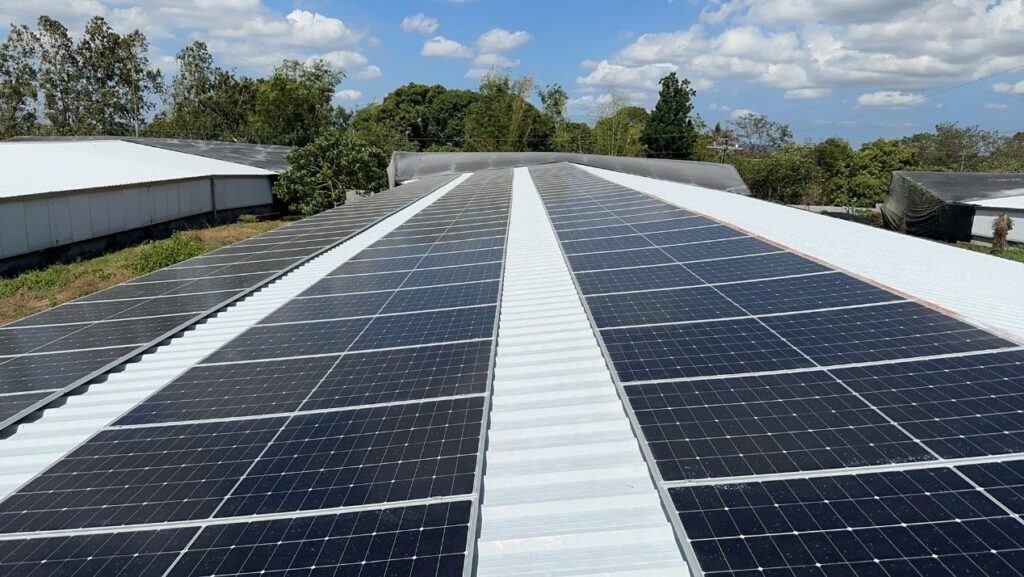
    LONGI, the largest innovator in solar technology globally, revealed a collaboration with Yinson Renewables to provide 53.2 MW of its newest HI-MO 9 modules for the Sol de Verano 1 solar initiative in Peru. The partnership represents a major advancement in the implementation of state-of-the-art solar technology in South America. This initiative supports Peru’s objectives to boost clean energy generation and lower carbon emissions. The HI-MO 9 modules lead in solar technology with a back contact design that shifts all cell electrodes to the back. They remove front grid shading and enhance light collection. The modules offer a conversion efficiency reaching 24.8 and the least output of 670W. Their durability improves dependable performance and lowers the levelized cost of electricity by 7%. Insulator ties protects the solar mounting structures from electrical damage.

    The Sol de Verano project is expected to provide clean, reliable energy contributing to Peru’s sustainable development goals. The construction of the project demands the use of insulator ties to ensure electrical safety and system integrity. The ties prevent unwanted electrical conduction between the solar frame and the mounting structure. Insulator ties prevent galvanic corrosion between dissimilar metals. This is crucial in coastal or humid regions of Peru, where moisture and salt can speed up corrosion. The ties reduce the risk of stray currents that could affect system performance. They serve in utility-scale solar panels, commercial and industrial rooftop systems, and off-grid solar installations.

    Insulator ties in solar panel mounting in Peru

    An insulator tie is a non-conductive fasteners used to attach solar panels to mounting structures. They also isolate electrical components from metal support structures. The ties are from UV-resistant polymers, ceramics, or fiberglass materials designed to withstand environmental stress. Insulator ties ensure safety, efficiency, and system reliability of the structures. This makes them vital components in the transition toward sustainable energy independence. They contribute to this resilience in various ways:

    Insulator ties isolate electrical components from metal support structures
    1. Electrical isolation – insulator ties prevent electrical contact between the solar panel frame and metal racking systems. They avoid ground faults and short circuits, follow electrical safety standards, and protect sensitive electronics in solar inverters.
    2. Structural stability – insulator ties help secure solar panels against harsh weather conditions. They have the ability to absorb mechanical stress without transferring vibrations. They are crucial in high winds, heavy rainfall, and seismic activity regions.
    3. Thermal and UV resistance – the insulator ties are designed to maintain strength and flexibility across extreme temperature fluctuations. They are from materials that resist UV degradation, and thermal cycling.
    4. Corrosion resistance – insulator ties act as a barrier between dissimilar metals and reduce galvanic corrosion. They ensure longer-lasting and safer installations.
    5. Longevity and reduced maintenance – the ties mitigate electrical faults and structural wear. They help extend the lifespan of solar panel systems and reduce maintenance costs and downtime.

    Technologies aiding the HI-MO module in the construction and operation of Sol de Verano in Peru.

    The HI-MO 9 modules from LONGI utilized in Peru’s Sol de Verano 1 solar project showcases a combination of cutting-edge materials and manufacturing accuracy. Many technologies enhance the output, efficiency, and dependability of every HI-MO 9 modules. Below are the technologies that back the HI-MO 9 modules during both the construction and operational stages of the Sol de Verano 1 project in Peru.

    • Back contact (BC) cell structure – these modules use n-type contact solar cells with electrical connections positioned at the back of the cell. This technology improves solar project efficiency by as much as 24.8%, while also enhancing visual attractiveness and longevity.
    • High energy output and power yield – every module can achieve a maximum of 670W in power output. It utilizes a multi-busbar design along with large-area wafers to enhance current flow. Utilizing the technology decreases the quantity of panels required to achieve a specific energy goal. They also reduce system balance costs, resulting in fewer inverters, racks, and connectors.
    • Intelligent mounting and installation systems – HI-MO 9 modules are engineered to be compatible with automated, pre-constructed mounting systems and solar trackers. They allow for quicker installation and work with single-axis tracking systems that align with the sun’s trajectory.
    • Sophisticated thermal control – this technology employs materials with a low-temperature coefficient and optimizes heat dissipation design. It keeps a consistent output even in intense afternoon heat. It reduces performance decline in elevated temperatures when compared to standard panels.
  • Downlead Clamps and Peru’s Lithium Plant Limits

    Lithium battery plant for renewable energy

    Peru seeks to address the increasing need for steady and dependable electricity by establishing lithium battery installations. The country has the ability to include lithium battery production and recycling facilities into its energy infrastructure. It promotes renewable energy expansion, electric mobility, and industrial development. Peru continues to deploy green energy technologies such as solar, wind, and hydropower to phase out the use of fossil fuels. Lithium batteries can help to stabilize the grid by storing extra renewable energy, reducing the need for diesel, and supporting microgrids. The 500 kg/h recycling system might recover lithium, cobalt, and nickel for reuse while reducing e-waste pollution from imported devices. The Peruvian energy sector can profit from lithium battery installations. It could enable renewable energy storage, EV adoption, and sustainable mining and industrial electrification. Using downlead clamps in the infrastructure ensures efficient energy transfer, operational safety, and system reliability.

    Downlead clamps are important electrical and structural components in lithium battery installations. They are critical for power distribution, safety, and equipment communication. High-performance downlead clamps are used in battery cell assembly processes, energy storage systems for grid stabilization, and battery recycling equipment. Lithium battery operations need high-current connections for electrode coating equipment, battery construction and testing systems, and industrial shredders. Downlead clamps cut voltage drop, which improves energy efficiency. Downlead clamps in battery facilities improve power distribution, safety, and long-term reliability. This is critical for the efficient operation of Peru’s lithium battery installations.

    Purpose of downlead clamps in lithium battery plant construction in Peru.

    A downlead clamp is a mechanical device for attaching vertical or downward-running cables to poles, structures, or equipment frames. The clamps can secure and protect cables from movement, friction, and environmental damage. Downlead clamps are commonly employed in electrical transmission systems, control panels, grounding installations, and equipment for processing high-voltage battery cells. They provide cable support, improve fire prevention, and shield electrical lines from Peru’s varied climatic conditions. The following are the functions of downlead clamps in the building of a lithium battery facility in Peru.

    Downlead clamps for OPGW cables
    1. Cable management and stability—downlead clamps prevent cables from swinging, ensure neat, organized routing, and reduce the risk of short circuits. They are crucial during cell assembly or recycling.
    2. Electrical grounding support—downlead clamps work alongside earthing systems that are vital for discharging stray electrical currents, preventing electrocution and equipment damage. The clamps help in keeping grounding conductors in place.
    3. Fire prevention and hazard control—battery processing involves flammable materials and heat-sensitive systems. Downlead clamps prevent cable insulation from wearing due to friction or heat. They also reduce the chance of cable faults or arcs, which can cause fires.
    4. Support for automation and monitoring systems—modern battery plants use industrial IoT sensors, cameras, and robotic arms. These components use downlead clamps to help manage sensor and control system wiring. They also ensure signal integrity by preventing cable twisting or breakage.
    5. Environmental protection—downlead clamps are from corrosion-resistant materials that ensure resistance to UV radiation, rain, and chemical exposure. They also ensure fewer maintenance issues in remote or rugged plant locations.

    Key obstacles for the development of lithium battery factories in Peru

    Peru’s mineral riches and geographical location give it the potential to become a major role in the global lithium battery supply chain. Despite rising global demand for electric vehicles (EVs) and energy storage systems, Peru has yet to leverage on this opportunity. The use of downlead clamps helps to prevent equipment failures, improve safety compliance, and streamline plant maintenance. It faces some hurdles and structural constraints, including

    • Limited industrial infrastructure—Peru lacks existing industrial infrastructure to support large-scale battery production. Limitations include insufficient industrial-grade energy supply, underdeveloped transport and logistics networks, and limited access to advanced machinery and automation equipment.
    • Underutilized lithium reserves—commercial extraction has not commenced due to legal and environmental approvals and conflicts with indigenous communities. Battery plants would rely on imports that increase operational costs and limit vertical integration.
    • Energy security and sustainability—battery production is energy-intensive, and we aim for energy reliability. Power interruptions can damage sensitive battery production processes and reduce efficiency.
    • Environmental and social concerns—lithium battery production and recycling involve high water usage, potential chemical leaks, and risk of air and soil contamination. Also, strong opposition from communities may lead to project cancellations.
  • Energy News Weekly Digest – May 12-16, 2025

    Enhancing Peru’s hydropower infrastructure with Corona Rings

    Hydropower infrastructure

    Hydropower accounts to 47.72% of Peru’s electricity generation which positions the country as a renewable energy leader in the region.

    Hydropower stations like San Gaban, faces increased risks of corona discharge that leads to energy losses and equipment degradation.

    Corona rings distribute the electric field uniformly around high-voltage equipment to mitigate corona discharge and its damages.

    Reducing corona discharge helps prevent radio frequency interference to ensure reliable power transmission and stable grid operations.

    Incorporating corona rings aligns with Peru’s hydropower infrastructure with international best practices.

    The integration of corona ring technology into Peru’s hydropower infrastructure shows the country’s commitment to sustainable energy solutions.

    Addressing environmental and technical challenges during the development of the San Gaban hydroelectric station included strategies such as implementing mountain tunnel systems to divert water efficiently.

    #Hydropower #Renewableenergy #PeruEnergy #CoronaRings #Highvoltage #EnergyInfrastructure

    Read More

    Ground anchors powering Peru’s copper Energy future

    Copper supports renewable energy growth in Peru

    Peru holds significant reserves of copper, zinc, gold, silver, and lithium, that position it as a key player in supporting advancements in clean energy technologies.

    Copper is essential for wind turbines, solar panels, electric vehicles, and power grids. The global demand for copper is expected to increase by over 40% by 2040 due to increased demand for low-carbon technologies.

    Ground anchors are crucial for stabilizing slopes in open-pit mines, securing underground tunnels and protecting infrastructure.

    Modern ground anchors use automated tensioning systems, corrosion-resistant coatings, and fiber-reinforced materials to enhance durability and performance in challenging mining environments.

    The integration of robust ground anchoring systems ensures mining safety and also supports Peru’s goals for economic development and environmental goals. This is by easing the extraction of crucial minerals needed for energy transition.

    #PeruMining #CopperEnergy #GroundAnchors #RenewableInfrastructure #SustainableMining #CleanEnergy

    Read More

    Stockbridge dampers drive grid transparency in Peru

    Advancing Peru's energy grid

    Peru is integrating Stockbridge dampers into its overhead power lines to mitigate wind-induced vibrations. The dampers reduce conductor fatigue and breakages leading to fewer power outages and increased grid stability.

    The dampers support the integration of renewable energy sources by maintaining the structural integrity of transmission lines connected to remote renewable projects.

    They help in reducing maintenance costs and unplanned downtimes which is crucial for the consistent delivery of renewable energy.

    Installation of Stockbridge dampers aligns with the goal of improving infrastructure durability and efficiency. The modernization is crucial for meeting increased clean energy demand and reducing greenhouse gas emissions.

    Using such technologies contribute to job creation in engineering, construction, and maintenance sectors. It also enhances Peru’s economic competitiveness by ensuring a reliable and sustainable energy supply.

    #PeruEnergy #GridModernization #StockbridgeDamper #RenewableIntegration #EnergyInfrastructure

    Read More

    C-Span clamps Propel Peru’s hydropower expansion

    Hydropower station in Peru

    The San Gaban hydropower station in Peru developed in collaboration with China’s power construction corporation has begun producing electricity. It has an installed capacity of 209.3 MW expected to generate around 1.252 billion kWh annually.

    C-span clamps play a crucial role in the construction and maintenance of hydropower facilities in Peru. They secure and maintain components in pipelines, penstocks, and hydraulic systems to ensure structural integrity and operational efficiency.

    The integration of C-span clamps ease improved cable management, structural stability in seismic zones and ease of maintenance. They are able to adapt to harsh environmental conditions which shows their importance in Peru’s hydropower sector.  

    Peru’s investment in hydropower shows its commitment to renewable energy and reduce carbon emissions.

    The use of C-span clamps enhances the resilience of hydropower infrastructure in regions prone to seismic activities.

    #PeruEnergy #HydropowerExpansion #RenewableEnergy #CSPANClamps #InfrastructureInnovation

    Read More

  • Crossover clamps Drive Peru’s Clean Energy Shift

    Open-pit copper mining

    Peru possesses some of the most vital resources in South America that enhance the progress of clean energy technologies. It offers resources for mining copper, zinc, gold, silver, and lithium. The mining industry greatly fuels energy infrastructure growth, particularly in isolated Andean areas. Copper extraction in Peru drives investments in electricity networks and hydroelectric facilities, enhances private sector participation in energy generation, and promotes energy integration across regions. Key copper mines consist of Cerro Verde, Antamina, Las Bambas, and Southern Copper Ventures. Copper plays an essential role in wind turbines, solar panels, electric vehicles, and electrical grids. As global demand for low-carbon technologies rises, copper will ease the electrification of transportation and the growth of renewable energy. The demand for copper is projected to increase by more than 40% by the year 2040. Crossover clamps ensure steady and safe pipelines or cables that support copper extraction.

    Crossover clamps ensure structural integrity, prevent damage, and maintain operational safety in mining environments. The clamps anchor and stabilize high-pressure slurry pipelines, water supply lines, or hydraulic hoses. This is particularly crucial in areas where they intersect with mining roads, haulage paths, or equipment zones. High-quality crossover clamps prevent sagging, vibration, or accidental dislodgment due to movement. They also shield the pipelines from crushing, abrasion, or impact caused by heavy mining vehicles. Additionally, the clamps secure electrical cables, fiber optics, or control lines running through mining infrastructure. Common types used include heavy-duty pipe clamps, rubber-lined clamps, modular bridge-style clamps, or high-temperature clamps.

    Securing Peru’s copper mines through crossover clamps

    Peru has top producers of copper like Cerro Verde, Antamina, and Las Bambas. Crossover clamps are mechanical fasteners used to secure and intersect two cables, pipes, or support rods at cross points. They serve vital roles in maintaining safety, efficiency, and durability within the mining infrastructure. They are able to withstand heavy loads, vibration, and corrosion in challenging environments. Here are the uses of crossover clamps in copper mining.

    Crossover clamps secure and intersect two cables at cross points
    • Securing structural support systems—crossover clamps fasten horizontal and vertical support members. They also resist dynamic forces from blasting, machinery vibration, and terrain shifts.
    • Managing cable and conduit intersections—copper mines use electrical cables, fiber optics, and hydraulic lines. The clamps ensure organized routing, prevent cable abrasion, and protect them from mechanical wear and environmental exposure.
    • Enhancing conveyor belt infrastructure—conveyor belts depend on complex frameworks supported by crossover clamps. The clamps fasten cross braces and rails to maintain belt alignment. They ensure minimal vibration and reduce spillage and wear on moving parts.
    • Safety and stability—the clamps are made from galvanized steel, stainless steel, or coated alloys. This helps withstand acidic exposure from chemical processes. They are also able to resist thermal expansion and contraction in extreme conditions.
    • Modular expansion and maintenance—crossover clamps in copper mines allow easy modular assembly and expansion of pipe racks, cable trays, and supports. They also allow flexibility in adapting to new mining technologies.

    Importance of copper in Peru’s renewable energy and sustainable future

    Copper plays a vital role in creating Peru’s clean and sustainable energy future. It acts as a link to a low-carbon energy future. It fosters the advancement of renewable energy, electric transportation, grid modernization, and technologies based on copper. Moreover, it can promote economic growth and support environmental management. Outlined below are the functions of copper in Peru’s objectives for renewable energy and sustainability.

    1. The advancement of renewable energy relies on copper, which is crucial for solar PV cells and wind turbine generators in solar and wind technologies. Its excellent conductivity renders it essential for grid integration and power transfer.
    2. Reinforcing Peru’s power grid— The country’s rugged landscape and isolated regions need a strong electrical network. Copper plays a vital role in constructing effective transmission lines, transformers, and substations.
    3. Promoting electric mobility and energy storage—the worldwide transition to electric vehicles relies on copper wiring, motors, and charging facilities. Copper plays a vital role in battery storage systems to stabilize renewable energy supplies and improve grid resilience.
    4. Residential applications and energy conservation—copper-based systems enhance energy efficiency in residences, enterprises, and public facilities. They play a vital role in effective lighting, HVAC systems, electrical devices, and building wiring.
    5. Economic prospects—Peru can use its resources to enhance both export income and local clean energy projects. Copper processing, wire production, and electric vehicle component assembly can enhance the economy and generate environmentally friendly jobs.
    6. Climate objectives—copper’s significance corresponds with Peru’s commitments outlined in the Paris Agreement. It encompasses objectives for the adoption of renewable energy and the decrease of emissions.