Tag: #EnergySolutions

  • Guy Deadends: Key to KfW’s Green Hydrogen Push in Chile

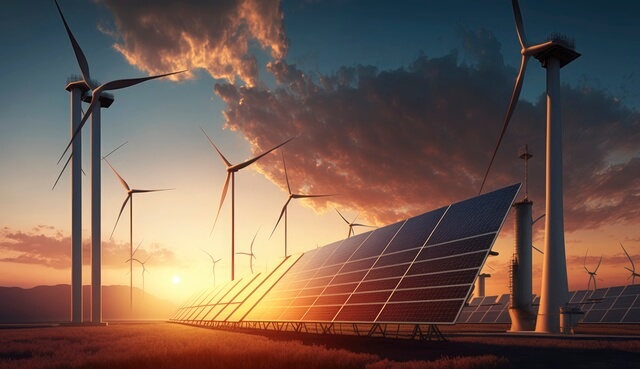
    Green hydrogen production facility

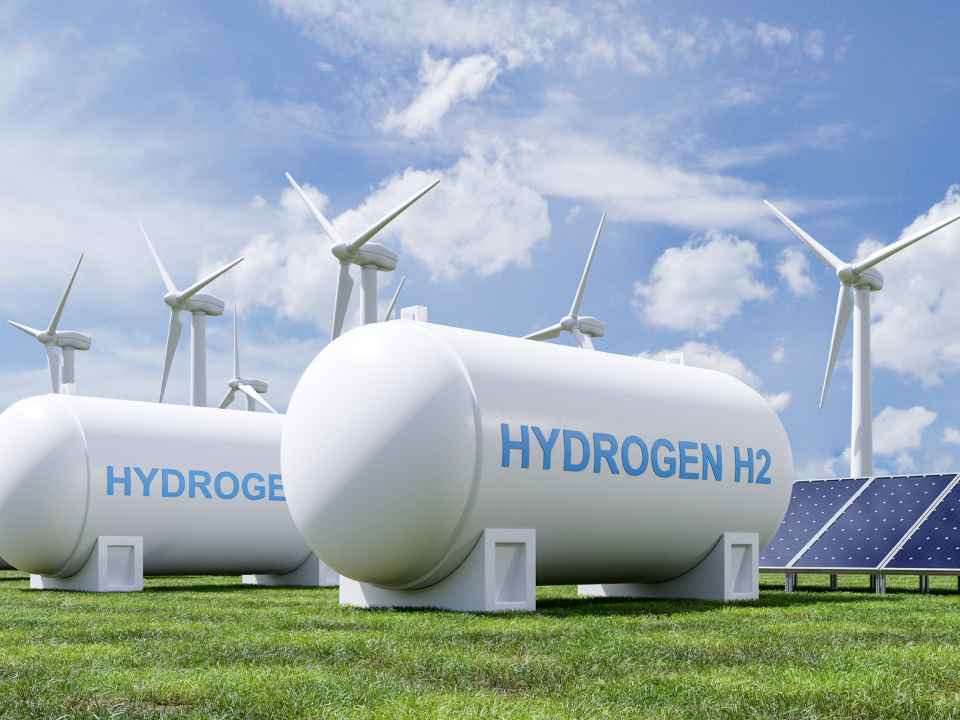
    KfW, a German state-owned development bank, recently invested in green hydrogen projects in Chile. The bank will grant a $103 million promotional loan to help promote green hydrogen projects. The funds will be used to support projects such as hydrogen generation as well as extra processing, storage, and transportation infrastructure activities. Chile has many renewable energy sources, including solar and wind, that assist the green hydrogen market. KfW’s investment in Chile’s green hydrogen generation is part of a larger effort to promote the worldwide energy transition and reduce greenhouse gas emissions. Green hydrogen is produced by electrolysis with renewable energy. It is critical for decarbonizing industries including transportation, steel, and chemicals. Guy deadends ensure the stability, reliability, and safety of power line structures supporting green hydrogen production and distribution.

    The development of green hydrogen contributes to Chile’s economic development by providing jobs, attracting investments, and supporting renewable energy innovation. Guy deadends contribute to the economic transition in Chile’s energy and supply industries. They improve grid dependability, increase structural stability, and support the large-scale electrification required for a sustainable hydrogen economy. Green hydrogen projects rely on large-scale renewable energy sources to power electrolyzers. Guy deadends safeguard transmission towers to assure a consistent power supply to hydrogen facilities. They also help to prevent poles from tilting or collapsing in areas with severe weather and strong winds. High-quality guy deadends serve to distribute tension and prevent wear and tear on high-voltage transmission lines.

    Use of guy deadends in green hydrogen generation and development in Chile

    Guy deadends are structural components used to build and stabilize infrastructure for renewable energy systems. They assure the stability and endurance of the structures used in green hydrogen production. Guy dead-ends help to build the physical infrastructure required for green hydrogen production, which contributes to Chile’s energy transformation goals. Here are some examples of guy deadends in Chile’s green hydrogen production and development.
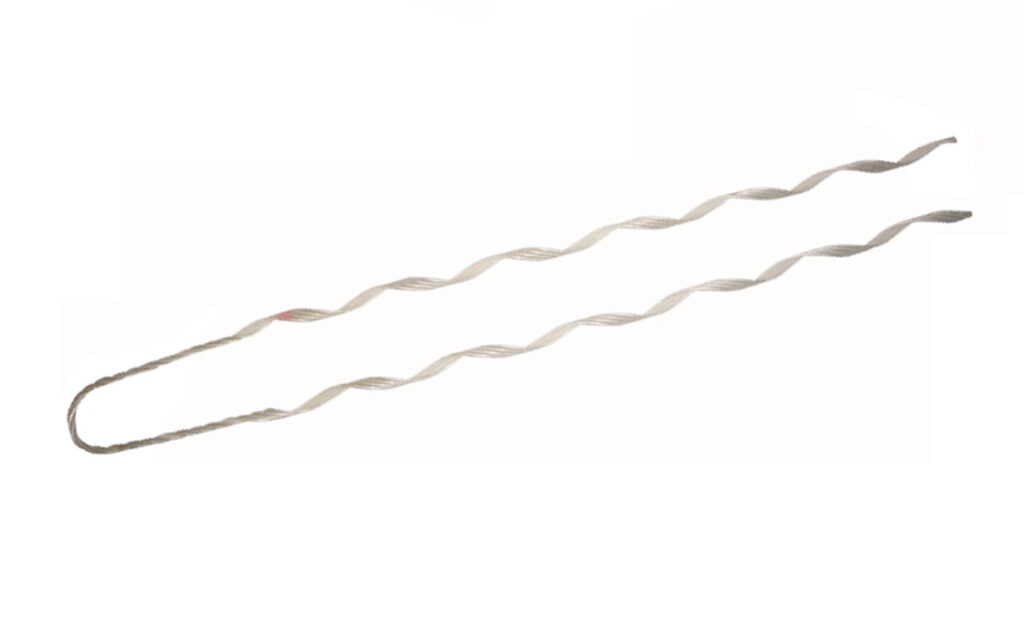
    Guy deadends stabilize electrical infrastructure for green hydrogen projects
    • Stabilizing renewable energy infrastructure—wind turbines need guy wires and deadends to anchor and stabilize the towers. This is especially in areas with high wind speeds or challenging terrain. Guy deadends also secure mounting structures for solar panels and ensure they remain stable and operational. Energy from solar and wind powers electrolyzers to produce green hydrogen.
    • Supporting transmission lines—guy deadends anchor transmission towers carrying electricity from renewable energy sites to electrolysis facilities. This ensures the reliable delivery of renewable energy for hydrogen production.
    • Anchoring electrolyzer facilities—these facilities need stable foundations and support structures. Guy deadends secure the facilities in areas prone to seismic activity or extreme weather. They also stabilize temporary or mobile structures used for pilot projects funded by KfW.
    • Hydrogen storage and export infrastructure—large storage tanks for hydrogen need secure anchoring to prevent movement or damage. The guy deadends secure tanks, cranes, pipelines, and storage units.
    • Environmental considerations—guy deadends ensure that renewable energy and hydrogen infrastructure can withstand harsh environmental conditions.
    • Supporting research and pilot projects—guy deadends stabilize small-scale electrolyzers, renewable energy installations, and testing equipment. This is crucial for supporting experimental setups to test new technologies and processes.

    Significance of KfW’s funding in Chile’s green hydrogen projects

    KfW’s support in Chile’s green hydrogen projects is beneficial to both Chile and the global energy transition. KfW is an important source of funding for programs that promote sustainable development. This is consistent with global climate goals and helps Chile’s goal of being a leader in the green hydrogen economy. Guy deadends maintain cable tension, preventing mechanical failures that could impair hydrogen distribution. TTF Power supports green hydrogen production in Chile by providing high-quality overhead line hardware. Our products are used in the construction, transportation, gas and water industries. Products include construction and switching products, tools, insulators, arresters, pole line hardware, and cable accessories. The following are the reasons why KfW’s investment is significant:
    1. Chile’s green hydrogen ambitions—the country aims to become one of the world’s lowest-cost producers of green hydrogen by 2030. KfW’s investments provide financial support to achieve these goals. This will enable Chile to prove the feasibility and economic viability of its green hydrogen sector.
    2. Renewable energy potential—Chile has plenty of renewable resources that make it cost-competitive for green hydrogen production. KfW’s investments help integrate renewable energy into green hydrogen production and ensure minimal carbon emissions.
    3. Global decarbonization—KfW’s investments help build the infrastructure needed for export, contributing to global decarbonization goals. Green hydrogen also helps to decarbonize industries such as heavy industry, shipping, and aviation.
    4. Technological innovation and knowledge transfer—KfW supports innovative projects that test new technologies and processes for green hydrogen production, storage, and transport. It also eases knowledge transfer between Germany and Chile to leverage its expertise in hydrogen technologies.
  • Energy News Weekly Digest – February 17-21, 2025

    Ball clevis powers Verano’s renewable energy breakthrough in Chile

    Renewable energy sources

    Verano Energy, a renewable energy developer, has achieved milestones in Chile’s renewable energy sector. The company’s solar projects are powered by advanced hardware including ball clevis components and ensure the stability and efficiency of solar panel installations.

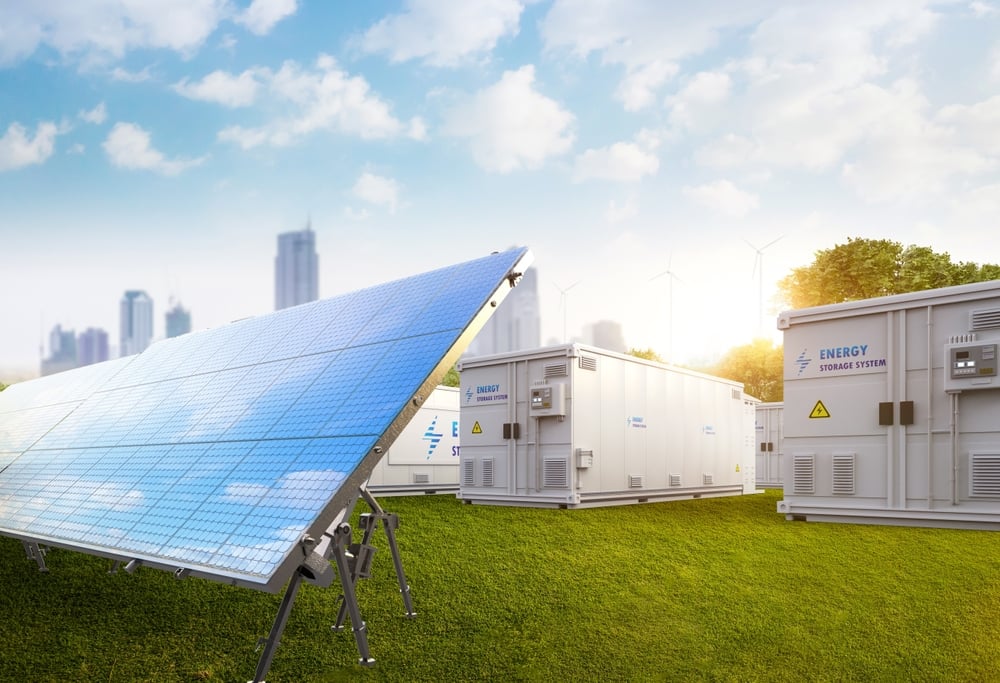
    Large-scale battery storage projects are being deployed to ensure grid stability and maximize solar energy usage day and night. Government incentives and private investments are driving the growth of hybrid renewable energy systems.

    A ball clevis is a crucial component in power transmission connecting electrical insulators to overhead lines. It ensures stability and durability in high-voltage transmission networks.

    Ball clevises are essential for maintaining grid reliability in extreme conditions like Chile’s deserts and mountainous regions. They support the integration of renewable energy sources into the national power grid.

    Chile’s energy industry is using various energy storage systems to enhance energy reliability and efficiency. Lithium-ion and pumped hydro storage projects are gaining momentum in the nation. Energy storage allows Chile to store excess solar energy during the day and use it at night to increase grid stability.

    The country aims for carbon neutrality by 2050 with renewables expected to dominate electricity generation by 2040. They are investing in smart grids, energy storage, and power transmission infrastructure to meet these goals.

    Link

    #chilerenewableneergy #solarpower #ballclevis #powertransmission #decarbonization #gridstability #cleanenergy

    How Peru’s rich mining sector is fueling clean energy transition and the role of double arming bolt

    Peru's mining sector

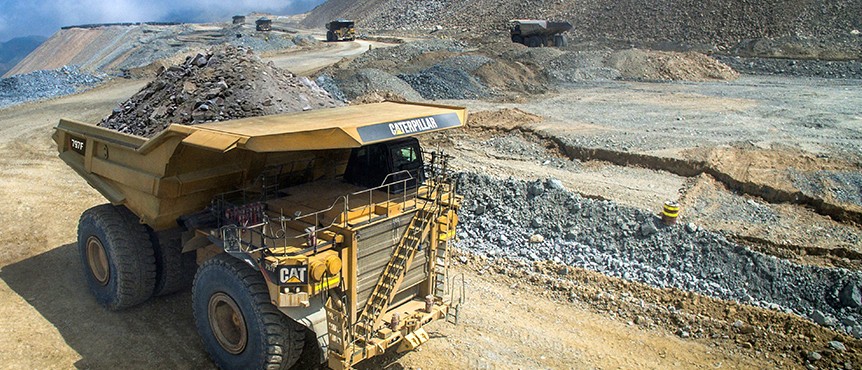
    Peru’s mining sector is a key enabler of the country’s renewable energy goals, with abundant copper, lithium, and other critical minerals.

    Leading mining companies are investing in solar and wind energy to power their operations to reduce their carbon footprint and supporting Peru’s climate goals. Government policies are encouraging sustainable mining through green investments, energy-efficient equipment, and electrification.

    A double arming bolt is a crucial fastener used in power transmission poles, reinforcing electrical infrastructure to support heavy-duty energy loads in mining regions.

    Peru’s mining industry requires reliable electric grids needed to distribute renewable energy efficiently to remote applications. Double arming bolts help stabilize transmission structures to ensure safety, efficiency, and durability.   

    Strong electrical infrastructure is crucial to prevent power disruptions and maximize clean energy use as mining companies shift to solar and wind power.

    The mining sector in Peru is a pillar of the renewable energy revolution and is committed to sustainable mining practices and robust infrastructure.

    Link

    #peruminingindustry #renewableneergy #cleanenergy #sustainablemining #fasteners #doubelarmingbolt #mining

    South America’s power technology trends and grid challenges

    power technology trends enabling energy transition

    As south America speeds up its shift to renewable energy sources, grid stability remains a significant concern. Countries like Chile, Brazil, and Argentina are expanding solar and wind power but outdated infrastructure and inconsistent energy distribution are creating bottlenecks.

    This shift faces various challenges including intermittent renewables, aging transmission infrastructure, energy losses, and blackouts.

    South America can enhance grid stability issues through the use of line guards. Line guards are devices that protect overhead power lines from mechanical stress, vibration, and environmental damage.

    Line guards prevent line failures, enhance renewable energy integration, and reduce maintenance costs. They protect power cables from excessive vibration, extending grid lifespan and stabilize power transmission from wind and solar farms.

    Strengthening grid infrastructure with line guards and smart grid technology is essential to achieving a reliable, low carbon energy future in South America.

    South American countries can invest in AI-driven grid management for improved energy efficiency. Using battery storage expansion can help balance supply and demand in the region.

    Link

    #energytransition #renewablenergy #powergrid #southamerica #gridinfrastructure #sustainableenergy

    Powering South America’s energy future through power technology trends

    Solar power and storage technologies are enabling energy efficiency

    South America is shifting towards a renewable-powered future, leveraging advanced technologies to enhance energy efficiency, grid reliability, and sustainability.

    There are key trends powering South America’s energy transition including offshore wind farms, grid modernization, smart infrastructure, solar power, and energy storage & battery advancements.

    Cross plate anchors are crucial in stabilizing wind turbines, solar farms, and transmission towers in South America’s diverse landscapes. They provide long-term structural support reducing the need for frequent maintenance and increasing the durability of energy projects.

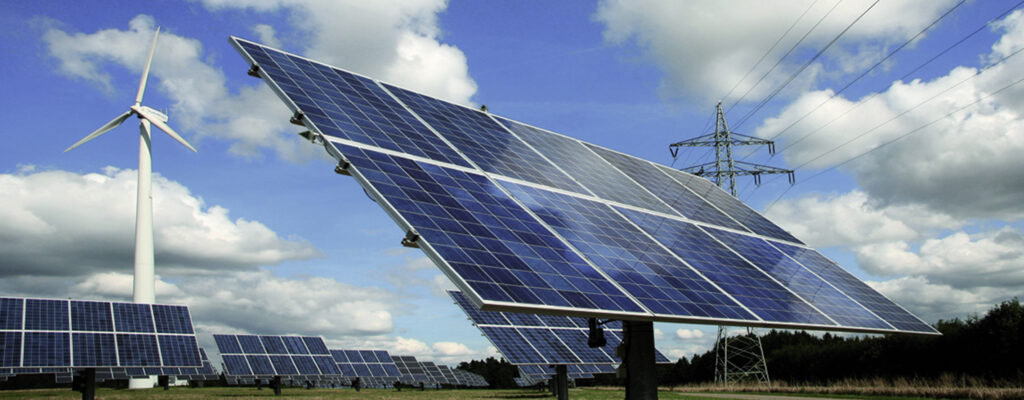
    Chile’s Atacama Desert receives the highest solar radiation which is ideal for solar energy expansion. Government incentives are speeding up grid-scale and off-grid solar installations.

    Investments in smart grids helps manage the rising influx or renewable energy. Chile’s national energy strategy aims to reinforce high-voltage transmission lines using advanced anchoring systems for greater efficiency.

    Link

  • Lineman Clips of The Week – February 17-21, 2025

    Pole and Tower Design – Engineering Behind Power Line Structures

    This video explores how utility poles and transmission towers are designed to withstand environmental forces through precise calculations of wind loads, line tension, and ground conditions. Engineers select materials like wood, steel, and concrete for durability, while linemen ensure proper installation and maintenance. From deep-set foundations to strategic line angles, every detail matters in creating a resilient power grid. Pole and tower design isn’t just about holding up wires—it’s the backbone of reliable electricity.

    Line Sag and Tension: The Science Behind Power Line Stability

    Power lines don’t hang too tight or too loose by accident—it’s all about precise tension calculations. Engineers carefully balance line sag and tension to prevent stress on poles while avoiding dangerous sag that could cause contact with trees or the ground. Factors like conductor weight, line length, wind pressure, and temperature changes all play a role. As temperatures rise, lines expand and sag; in the cold, they contract and tighten. This precise engineering ensures power lines remain safe, efficient, and reliable every day.