Tag: #EnergySolutions

  • Compression splices power Argentina’s energy shift

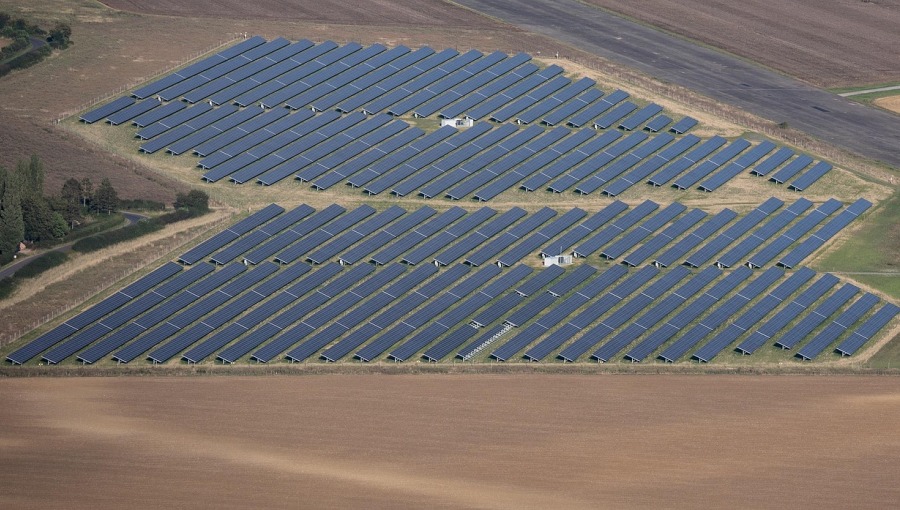
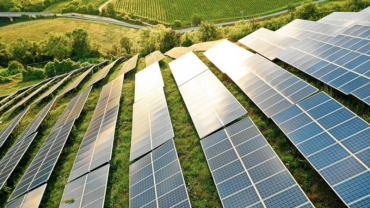
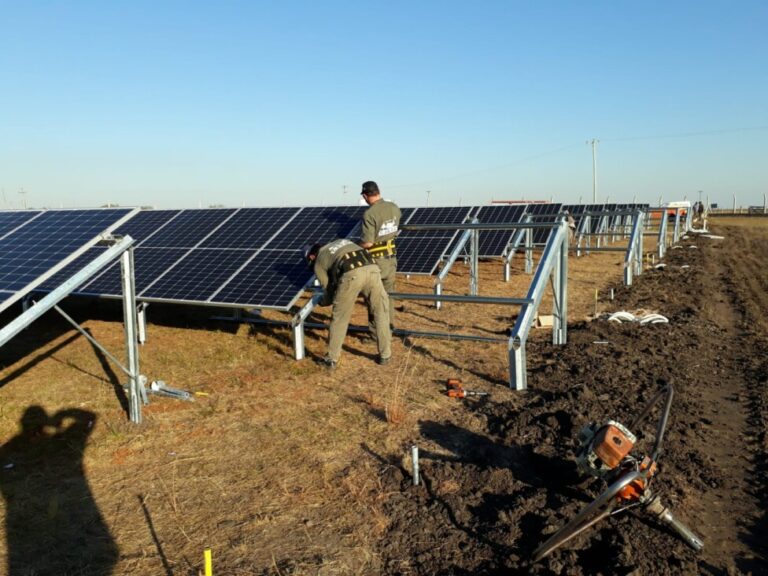
    Solar photovoltaic installation

    Genneia, Argentina’s power producer, is accelerating the commissioning and expansion of big solar and wind parks. For example, the 180 MW Anchoris solar park, the 90 MW Malargüe, and other projects are helping the firm meet its 1.7 GW renewables target by 2026. These projects increase utility-scale generation to supply industrial buyers through the renewable energy market. Genneia is increasing energy production by implementing higher-yield technologies such as bifacial PV modules, tracking systems, and advanced wind turbines. It is also mixing traditional development finance and corporate loans with new ways to fund CAPEX and O&M. The diversification of funding relieves currency strain on national reserves and keeps projects progressing. The company is also targeting corporate and industrial offtakers through Argentina’s MATER market and long-term PPAs. Compression splices ensure the reliability, efficiency, and safety of the electrical collection and transmission systems connecting their wind and solar farms to the grid.

    Compression splices lower electrical resistance, minimizing energy loss and voltage drop over long distances. It can also endure the full mechanical tension of an overhead wire. The compression splice is preferable to traditional methods such as bolted connectors and soldering. The growth include building large-scale wind farms and solar parks. These projects need extensive internal electrical networks to collect and send power. Compression splices connect the segments strung between towers together to form a continuous electrical route. The dependability of a compression splice is critical for minimizing maintenance and increasing availability. Compression splices provide a sealed, insulated, and dependable connection that is resistant to moisture and corrosion underground. A failed splice can lead to arcing, heat damage, or even a line drop, causing blackouts and the need for expensive emergency repairs. Compression splices contribute to the resilience and safety of the new energy infrastructure.

    The role of compression splices in enhancing renewable energy capacity

    Compression splices are critical for increasing Argentina’s renewable energy capacity. The splices provide effective, long-lasting, and low-loss conductor connections. They allow fresh wind and solar power to be added to the national grid. Compression splices are permanent, high-strength, low-resistance connections used to connect two electrical wires end to end. Compression splices play the following roles in Argentina’s renewable energy capacity expansion.
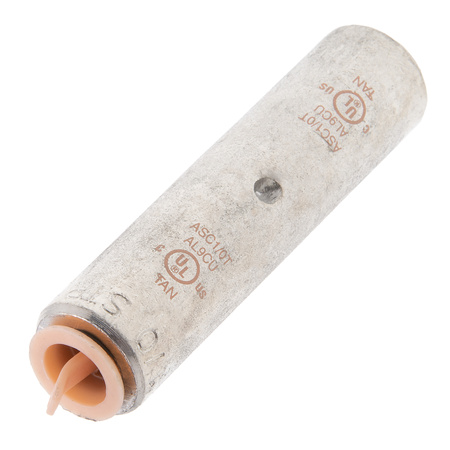
    Compression splices reducing loses in renewable energy
    • Reliable power transmission for renewables—compression splices connect conductors end-to-end with high mechanical strength and low electrical resistance. This ensures minimal line losses when evacuating renewable electricity.
    • Strengthening grid expansion projects—Argentina is building fresh transmission lines to integrate new solar and wind plants. Compression splices allow seamless conductor extensions, faster installation, and enable utilities to roll out renewable grid connections.
    • Enhancing reliability—compression splices provide corrosion resistance and high tensile strength. It maintains performance despite mechanical stress, temperature swings, and weather extremes.
    • Supporting grid modernization for high renewable penetration—compression splices maintain conductor integrity under higher thermal expansion. They reduce weak points that could cause line breaks and allow for upgrades of existing lines with new and high-capacity conductors.
    • Reducing O&M costs and downtime—the splices reduce the need for frequent maintenance at connection points and extend conductor life to cut replacement costs.

    The significance of investments to enhance renewable energy capacity in Argentina

    Investments in Argentina’s renewable energy capacity have an impact on the economy, the environment, and the energy system. They cut emissions, generate jobs, attract foreign investment, increase grid dependability, and position Argentina as a competitive player in the global green economy. Key impacts include:
    1. Strengthening energy security—investments in renewable energy reduce reliance on fossil fuels and imports. This diversification shields the grid from fuel price volatility and improves self-sufficiency by using Argentina’s natural resources.
    2. Driving economic growth and job creation—large-scale renewable investments bring local economic benefits. These include construction jobs, permanent technical roles, and strengthening provincial economies in remote regions.
    3. Cutting carbon emissions—investments in renewables deliver measurable reductions in carbon emissions.
    4. Modernizing grid infrastructure—renewable integration needs upgrades to transmission networks. Investments include new lines, substations, and components like compression splices, deadend clamps, and arresters. This modernization expands grid capacity to absorb more renewable energy and reduces outages.
    5. Attracting foreign direct investments—Genneia’s loan highlights Argentina’s ability to attract diverse investors. It creates access to alternative currencies, reduces reliance on scarce dollars, and sets precedents for other developers.
  • Fuse cutouts in Argentina BESS: Key tech support

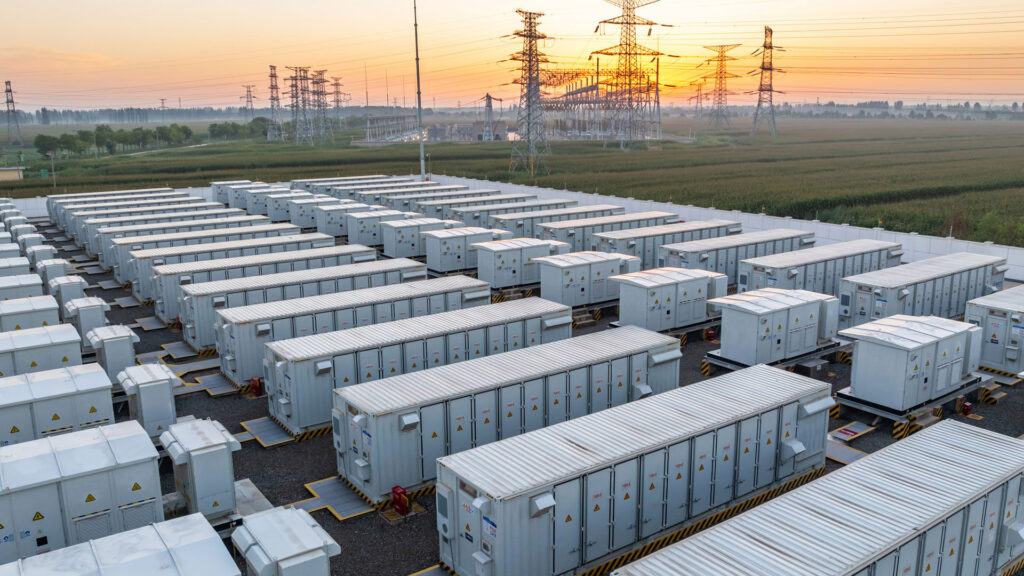
    Large-scale BESS farm supporting grid reliability

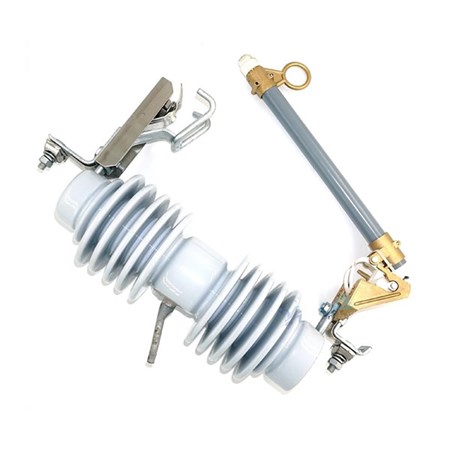
    Argentina’s government recently granted 667 MW of BESS projects for important sites in the Buenos Aires Metropolitan Region. In the previous AlmaGBA storage tender, 15 businesses submitted 27 projects totaling 1,347 MW of capacity. It has received considerable private sector interest and competitive bids, resulting in an extra 150 MW of allocated capacity. Argentina has joined the global storage competition, with Chile and Brazil, by adopting large-scale BESS to update their grids. Grid dependability, renewable integration, economic efficiency, decarbonization, and investment attraction are among the primary motivations of Argentina’s BESS push. BESS projects serve as shock absorbers during faults, surges, and load peaks. This ensures fewer blackouts and allows the energy to be stored and released later. BESS development generates jobs in engineering, construction, operations, and maintenance. Fuse cutouts in BESS projects focus on protection, isolation, and safety.

    Protecting the transformer using a strong, simple, and field-proven mechanism, such as a fuse cutout, helps protect the investment. The fuse cutout has a fuse element that melts and breaks the circuit under a sustained overcurrent scenario. This isolates the damaged piece, preventing damage to more expensive equipment upstream and ensuring grid stability. The fuse cutout immediately isolates the faulty part of the circuit, allowing the rest of the system to function normally. In BESS installations, the fuse cutout is installed on the primary side of the transformer. It operates as the transformer’s major protective device. Fuse cuts are a low-cost and extremely dependable method of averting failures. It prevents a transformer fault from escalating into a more widespread outage on the distribution feeder.

    Functions of fuse cutouts in BESS project development.

    Fuse cuts in BESS projects provide safety, dependability, and maintainability. Fuse cutouts are protective devices for distribution networks. They combine a fuse element with a mechanical switch to disconnect the defective circuit. Transformers, feeders, and power electronics are protected locally using fuse cutouts. The cutouts isolate faults, safeguard equipment, and allow for safe maintenance, ensuring grid resilience. The following are the responsibilities of fuse cutouts in BESS project development in Argentina.

    Fuse cutout protecting BESS equipment
    • Overcurrent protection—fuse cutouts protect BESS transformers and feeders from short circuits or overloads. In case of a fault in the battery inverter, transformers, or grid connection, the fuse blows to isolate the faulty section.
    • System isolation for maintenance—fuse cutouts provide a visible break in the circuit, giving the field crews a clear sign of fault location. This allows safe isolation for maintenance to speed up fault detection and restoration.
    • Protecting power conversion system—inverters and control electronics are sensitive to surges and faults. Fuse cutouts ensure faults do not escalate into major equipment failure.
    • Supporting grid reliability—fuse cutouts reduce the risk of widespread blackouts by providing localized fault-clearing. This makes the grid more resilient while integrating new storage capacity.
    • Enhancing safety for operators—fuse cutouts ensure that faulty circuits are automatically disconnected to reduce risk for operators. The visible open fuse arm provides clear confirmation that a section is de-energized.

    Technologies that enable the development of the BESS project in Argentina

    Battery energy storage systems (BESS) projects rely on a variety of technologies to assure efficiency, safety, and interaction with the national grid. The technologies include enhanced battery chemistries, digital EMS, protection devices, and hybrid renewable integration. Argentina’s 667 MW storage comprises the following technologies:

    1. Advanced battery technologies—this includes lithium-ion, lithium iron phosphate, and next-gen chemistries. They enable Argentina to store excess wind and solar, reduce curtailment, and release clean power during peak demand.
    2. Power conversion systems and inverters—these technologies link the DC batteries to the AC grid. Modern inverters allow fast charge and discharge and provide services such as frequency regulation, voltage control, and black start capability.
    3. Energy management systems (EMS software) optimize charging, discharging, and state-of-charge in real time. This maximizes project profitability while providing reliable backup and other services.
    4. Protection and safety devices—these include distribution arresters, fuse cutouts, circuit breakers, and fire suppression systems. They reduce technical and investment risks, which makes BESS projects more bankable for global investors.
    5. Hybrid renewable-BESS configuration—some of the projects collocate with wind and solar plants using shared inverters and control systems. This reduces costs and enhances capacity firming for renewable generation.
  • Cable suspension clamps aid Peru’s rural energy growth

    Rural electrification technologies

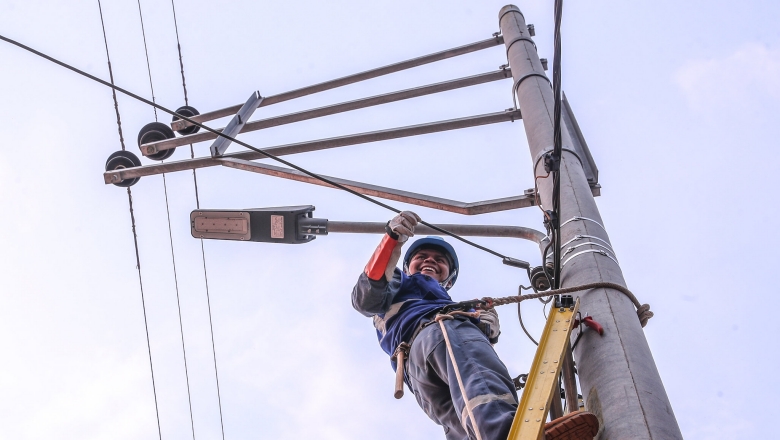
    Peru is implementing rural electrification initiatives to increase power access and enhance local economies. The government, commercial sector, and foreign partners are collaborating on a variety of initiatives that integrate technology, financing, and community participation. The electrification schemes are managed by the Ministry of Energy and Mines’ General Directorate of Rural Electrification (DGER). 39 projects in 19 regions are in underway, with a total investment of $415 million. These projects include grid extension in locations where it is technically and economically possible. Solar household systems, mini-grids, and hybrid renewable systems are being developed to reduce reliance on diesel generators. Various institutions, including the World Bank, IDB, and IFC, are sponsoring rural electrification schemes in Peru. Public-private partnerships are attracting private developers to invest in mini-grid and distributed solar projects. Cable suspension clamps play a crucial role in the mechanical support and integrity of the electrical distribution system.

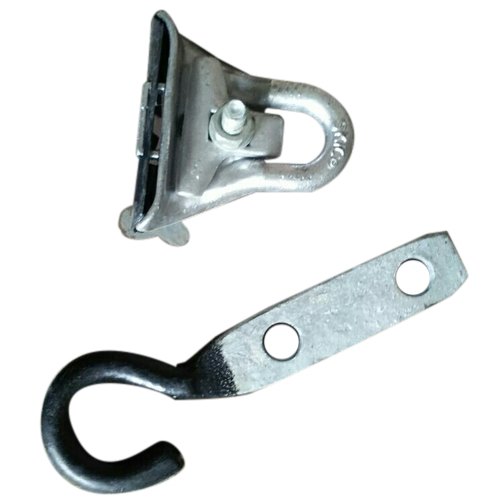
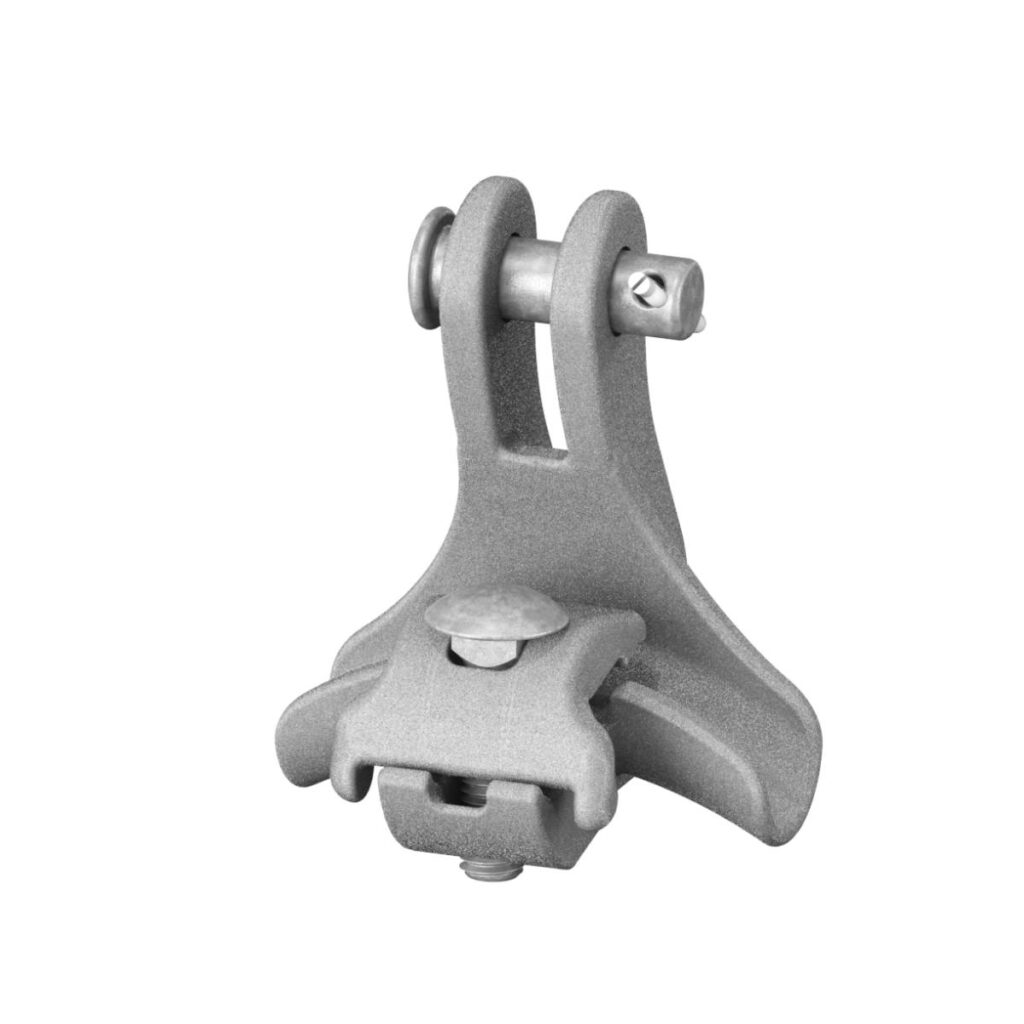
    Quality suspension clamps offer structural and protective benefits over electrical ones. The clamp grips and supports the overhead electrical conductor, keeping it in place on the poles. It also distributes the weight of the cable to the support structure and foundation. A well-designed clamp distributes pressure uniformly to avoid crushing, abrasion, or fatigue, which could cause the cable to break over time. Cable suspension clamps are from corrosion-resistant materials to endure the weather. The materials used include galvanized steel and aluminum alloy. These materials assist the clamps withstand severe winds, UV rays, and temperature variations. Rural electrification entails running distribution wires for great distances between poles. Suspension clamps control stress and vibration over extended distances. Proper cable suspension clamps work in conjunction with dampers to absorb vibrational energy and protect the cable from fatigue.

    Uses of cable suspension clamps in rural electrification

    Cable suspension clamps are essential for projects such as solar mini-grids, wind farms, and grid expansion in Peru. They ensure the safety, reliability, and long-term viability of power infrastructure. Cable suspension clamps are mechanical fittings that support and secure cables to poles. They keep the cables in place while allowing for modest movement, reducing mechanical stress. The following are the roles of cable suspension clamps in rural electrification initiatives.

    Cable suspension clamps help distribute electricity from solar panels to the grid
    • Mechanical support for conductors—suspension clamps support overhead cables that distribute electricity from solar or wind generation sites to consumers.
    • Reducing mechanical stress and cable fatigue—cable suspension clamps distribute forces evenly to reduce wear and prevent conductor breakage.
    • Ensuring safety and reliability—proper installation of suspension clamps keeps lines at the correct clearance. They prevent accidental contact with people or infrastructure and ensure a stable and safe electricity supply.
    • Facilitating grid expansion in difficult terrain—suspension clamps enable cables to span the distances by securing them to poles.
    • Compatibility with renewable energy systems—cable suspension clamps help stabilize medium-voltage lines exposed to strong gusts. They support low- and medium-voltage distribution lines connecting arrays to substations or rural microgrids.
    • Long-term infrastructure sustainability—suspension clamps reduce maintenance costs and prolong the lifespan of rural electrification networks.

    Challenges During Rural Electrification in Peru

    Peru has made great progress in electrification, with over 95% countrywide coverage. However, rural communities in the Andes highlands and Amazon rainforest confront significant difficulties. Extending to these places necessitates overcoming geographic, economic, technological, and social barriers. Here are the main problems facing rural electrification in Peru.

    1. High infrastructure costs—extending transmission and distribution lines in sparsely populated areas is costly in urban areas. This leads to financial viability challenges for private companies.
    2. Technical limitations—these include grid instability in remote extensions, renewable integration challenges, and harsh weather.
    3. Geographic and terrain barriers—remote villages in steep, high-altitude areas make grid extension difficult and expensive. The Andes mountains and Amazon forests face conditions that raise project costs and extend implementation timelines.
    4. Limited funding and investment gaps—the funding in Peru is insufficient to meet 100% coverage goals. Subsidies are essential to make rural electrification affordable, and long-term sustainability depends on continuous public investments.
    5. Energy demand and economic viability—many rural households use limited electricity, which makes cost recovery difficult. Rural electrification risks may be underutilized without productive use of energy.
    6. Operation and maintenance issues—lack of trained local technicians leads to delays in repairing faults or maintaining renewable systems like solar panels and batteries.
  • Distribution arresters in Peru’s renewable copper shift

    Copper mine powered by renewable energy

    With global decarbonization, copper is an essential component in electric vehicles, wind turbines, solar farms, and smart grids. Copper production in Peru contributes to worldwide demand by ensuring that the mining sector is fuelled by sustainable energy sources. Peru’s growing number of solar and wind installations will help to decarbonize copper mining. This is critical because copper producers are establishing net-zero or carbon reduction targets, with renewable energy at the heart of their operations. Peru’s transition to renewable-powered mining boosts its competitiveness in international markets. Furthermore, governments in Europe, North America, and Asia prefer copper derived from mines with low carbon emissions. However, these operations confront problems such as infrastructure constraints, high initial expenditures for renewable energy initiatives, and regulation. Distribution arresters protect the expansive and critical electrical distribution system from destructive voltage surges.

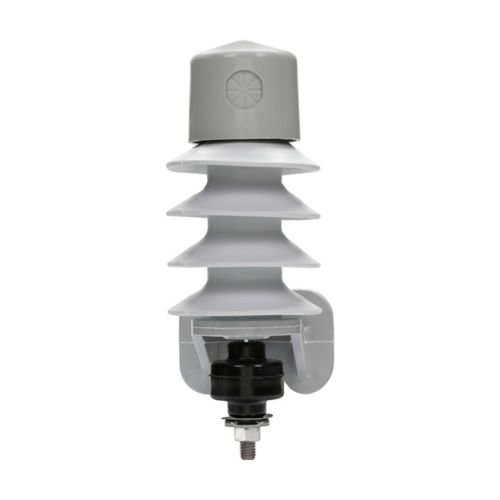
    The renewable-powered copper mine in Peru is a fragile and high-risk environment for a variety of reasons. The majority of mines are located in the high Andes, where altitude and weather patterns make electrical storms typical. This necessitates a vast network of power lines and transformers linking remote renewable farms to mines. Damage to transformers, switchgear, variable frequency drives, and control systems occurs when distribution arresters are not present. Arresters prevent such damage and ensure that operations continue without interruption. Voltage spikes can cause problems for the inverters and complicated power electronics that convert solar and wind DC electricity to grid-ready alternating current. Arresters are installed at renewable generation installations to protect the equipment. Distribution arresters prevent damage and avoid downtime to contribute to the reliability, safety, and economic viability of using renewable energy to power copper production for green transition.

    The role of distribution arresters in renewable-powered copper mining in Peru

    As Peru increases its use of renewable energy to power copper mining, the use of arresters helps to assure system dependability and equipment protection. Distribution arresters protect electrical infrastructure against overvoltages and surges. They provide the operational stability when electricity originates from variable sources. The following are the functions of distribution arresters in copper mining.

    Distribution arresters protect renewable infrastructure from surges
    1. Overvoltage protection—distribution arresters protect transmission lines, transformers, and substations from damage. Renewable energy integration causes sudden load changes, where the arresters absorb the surges to prevent equipment failure.
    2. Ensuring grid reliability in renewable systems—distribution arresters stabilize systems by preventing voltage spikes. They ensure continuous operation of energy-intensive mining processes like grinding, smelting, and refining.
    3. Protecting copper-intensive infrastructure—mining operations depend on transformers, substations, and power lines. Distribution arresters preserve the longevity of infrastructure to reduce maintenance costs and energy losses.
    4. Supporting Peru’s green copper transition—distribution arresters enable copper mines to depend on clean energy sources without compromising reliability.
    5. Enhancing safety in mining operations—electrical surges damage equipment and pose safety risks. Distribution arresters cut risks by ensuring that excess electrical energy is safely discharged to the ground.

    Innovations for renewable-powered copper mining in Peru

    Copper is an essential component in solar panels, wind turbines, and electric automobiles. New technological advancements enable Peru’s mining sector to transition to renewable-powered production, lowering emissions and increasing competitiveness. Innovations in renewable integration, storage, electrification, and smart grid systems are revolutionizing Peru’s copper mining business. Common advancements aiding renewable-powered copper mining are:

    • On-site renewable energy integration—mining companies are investing in large-scale solar farms to directly power operations in Peru. Andean wind resources are being harnessed to supplement mine energy demand. This aims to reduce reliance on diesel and grid-based electricity.
    • Advanced energy storage solutions—BESS helps overcome the intermittency of solar and wind. Storage innovations ensure a steady power supply for critical mining activities like ore processing and smelting.
    • Smart grid and automation technologies—mining companies are building localized microgrids powered by renewables. Artificial intelligence predicts energy demand and adjusts renewable outputs to optimize efficiency.
    • Electrification of mining equipment—this includes transitioning from diesel-powered machinery to electric fleets. This helps cut down emissions and operational costs.
    • Sustainable water and waste management innovations—using clean power to process and recycle mine waste aligns copper production with global sustainability standards.
  • Cable suspension clamps power Peru’s exploration grid

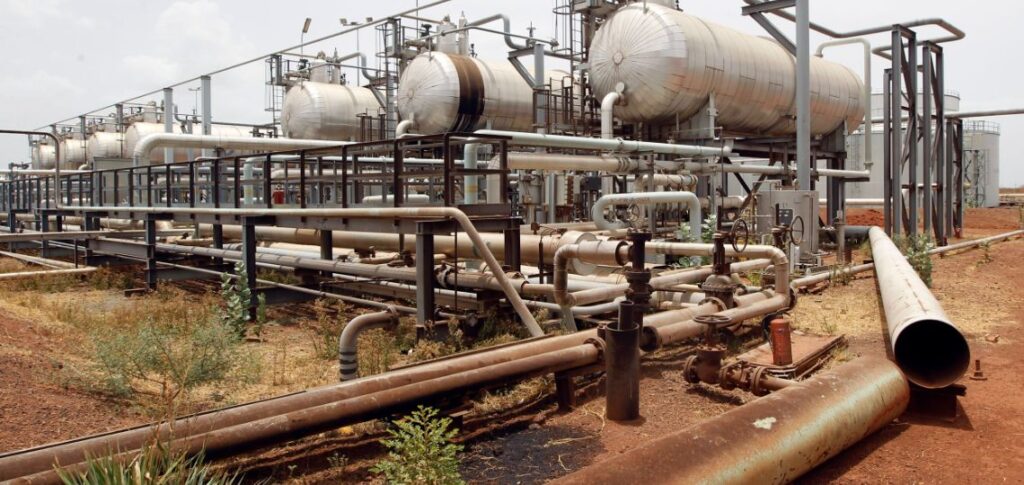
    Upstream hydrocarbon exploration techniques

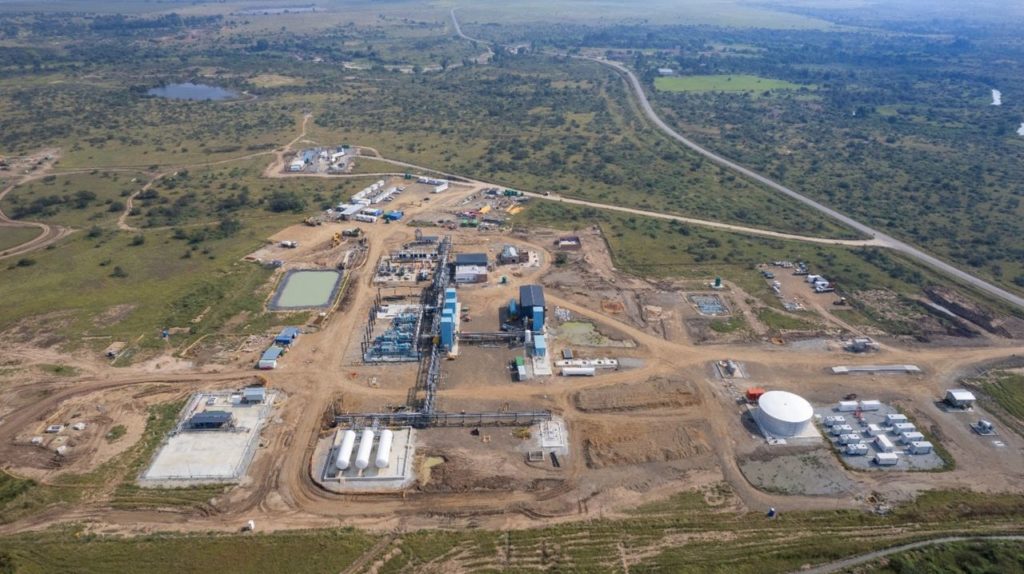
    In 2025, Peru’s upstream hydrocarbon investment totaled $99.4 million, compared to the previous year. However, upstream exploration is still negligible, indicating a lack of investment. To help high-risk investors, the Peruvian government extended a tax refund incentive for exploration inputs until 2027. PeruPetro is also working on regulatory improvements, such as improving licensing systems, streamlining bureaucracy, and complying with the Extractive Industries Transparency Initiative. PeruPetro has signed two exploitation contracts and six technical evaluation agreements. It promotes 124 under-promotion regions in basins including Talara, Ucayali, and Marañón. Upstream hydrocarbon exploration influences Peru’s energy security, international investment, and environmental tensions. Its long-term success is contingent on open government, robust environmental safeguards, respect for indigenous rights, and inclusion into a larger clean energy transition. Cable suspension clamps are crucial for maintaining electrical and communication integrity in Peru’s upstream hydrocarbon operations.

    Cable suspension clamps help to maintain electrical and communication infrastructure in difficult terrains. Infrastructure supporting upstream operations must be dependable, lightweight, and minimally invasive. Cable suspension hardware are components that improve energy efficiency, promote safe exploration, and allow for real-time monitoring and compliance. The clamps also support and secure overhead wires used in power transmission, communication, and control systems for oil and gas production. Suspension clamps protect cables against slippage, vibration damage, and corrosion, ensuring long-term durability. Proper clamping lowers the danger of cable failure, which can disrupt exploration and production activities. They facilitate maintenance in remote areas when repairs are expensive and logistically difficult. Some clamps support fiber optic or telecommunication wires used to monitor pipelines, wellheads, and SCADA systems.

    The function of cable suspension clamps in upstream hydrocarbon prospecting infrastructure

    Cable suspension clamps are critical for ensuring electrical and communication integrity in Peru’s upstream hydrocarbon operations. They ensure continuous exploration and production in harsh conditions. As a result, they play an important role in supporting essential electrical and communications infrastructure. Here are the duties of cable suspension clamps in Peru’s upstream hydrocarbon industry.

    AB cable suspension clamps
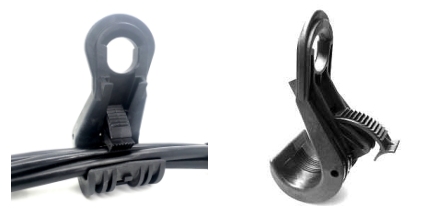
    1. Secure overhead cable support—cable suspension clamps anchor and suspend overhead conductors. This is crucial in both power and communication lines along exploration sites and temporary field bases. The clamps ensure mechanical stability, vibration resistance, and reduced stress on insulators and towers.
    2. Power supply to remote drilling equipment—exploration rigs and geophysical survey stations need stable power transmission. Cable support for oil rigs keeps the conductors elevated and aligned to prevent sagging over long spans.
    3. Fiber optic and SCADA cable management—suspension clamps suspend fiber optic cables and SCADA systems. These send real-time data from exploration wells to control centers. This is crucial for monitoring reservoir pressure, remote valve control, and real-time safety alerts.
    4. Withstanding harsh environmental conditions—durable cable hardware resists UV radiation, heavy rainfall, corrosive environments, and wildlife interference. These clamps are from galvanized steel, aluminum alloys, or polymer-insulated models.
    5. Quick installations—cable suspension clamps allow for fast setup of temporary power grids, minimal disruption, and easy relocations. They help meet environmental regulations by reducing the need for buried cables.

    Infrastructure technologies employed in upstream exploration in Peru

    Peru’s upstream hydrocarbon business requires sturdy and adaptable technologies. These technologies enable seismic surveys, drilling operations, and data collection in the most difficult terrains. The infrastructure must be designed for precision, mobility, and little environmental impact. The integration of digitally enabled, flexible, and low-impact technology is critical as the country unlocks fresh assets. These technologies include:

    • Modular drilling rigs—exploration wells are drilled using mobile rigs that are skid-mounted, designed for tight clearings, and equipped with automated pipe handling and top drives. Modular rigs reduce the environmental footprint by demanding less site prep and easier relocation.
    • Off-grid power and fuel systems—companies deploy diesel gensets and gas turbines, solar-diesel hybrid microgrids, and battery storage units. These systems power lighting towers, SCADA systems, and drill motors.
    • Electrical and communication infrastructure—reliable communication is crucial for safety and efficiency. The technologies include SCADA systems, fiber-optic and satellite uplinks, and cable suspension clamps.
    • Digital twin and data analytics platform – digital twin models stimulate and optimize drilling, well placement, and reservoir performance. They use real-time data feeds, AI-powered analytics, and cloud-based dashboards.
    • Remote sensing and environmental monitoring—there is implementation of drones for aerial vegetation mapping, satellite imaging, and IoT sensors. These technologies help balance development with indigenous rights and conservative laws.
  • Suspension clamps key in Peru’s solar PV rollout

    San Martín solar PV farm development

    Zelestra, a Spanish renewable energy firm, is extending its solar portfolio in South America. The San Martín solar PV farm is an important project for Peru’s renewable energy transition and industrial growth. The solar project, with a capacity ranging from 40 to 100 MW, is expected to power industries and replace fossil fuel-powered electricity. Zelestra utilized cutting-edge technology and creativity to maximize solar power generation. These include bifacial solar panels, single-axis trackers, smart inverters, and grid stabilization. It also links to the main grid, lowering carbon emissions, creating jobs, and providing energy security. Solar electricity is critical to Peru’s industrial, mining, and solar sectors. It also offers local fabrication of products such as suspension clamps sourced from Peruvian metalworks. Such companies can showcase their solar innovations at the upcoming Expo Peru Industrial trade show.

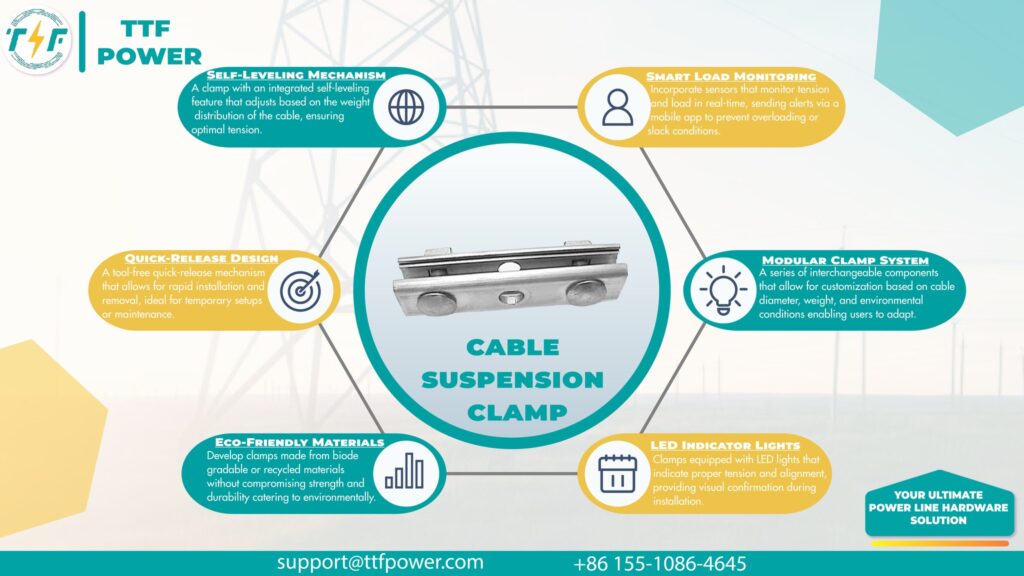
    Using high-quality clamps in solar PV installations helps to secure cables, conductors, and mounting systems. Suspension clamps help to ensure the structural integrity and efficiency of solar power plants such as Zelestra’s San Martín solar PV farm. Suspension clamps secure wiring along mounting structures, preventing sagging and damage from wind and wildlife. In Peru’s high-UV and dusty settings, proper cable suspension saves wear and tear as well as the risk of fire. Adjustable clamps can suit Peru’s mix of utility-scale ground installs and industrial rooftop solar. Galvanized steel or aluminum clamps serve in Peruvian solar farms to protect against sea salt corrosion and Andean UV degradation. Suspension clamps coordinate enormous cabling across large areas. They can also withstand dust and mechanical stress near mining operations. Using smart clamps with sensors helps track tension and wear for predictive maintenance.

    The functions of suspension clamps in solar PV plant development in Peru

    Suspension clamps are electromechanical devices that provide the safe, efficient, and dependable transmission of solar-generated electricity from PV fields to substations and the grid. Clamps are metallic fittings that secure conductors to transmission towers or poles. They do this without squeezing or harming the cables. Suspension clamps relieve stress caused by temperature expansion or contraction, as well as line vibration from long-distance transmissions. Here are the uses of suspension clamps in solar PV projects.

    Suspension clamps reduce wear at conductor points
    1. Secure transmission of solar energy—the solar project includes overhead transmission infrastructure connecting the 300 MW solar farm to local substations. Suspension clamps hold high-voltage conductors in place, allow for vertical suspension of conductors, and reduce wear at conductor-hardware contact points.
    2. Vibration and wind stress reduction—suspension clamps reduce aeolian vibration that could fatigue conductors. They also absorb minor shocks and mechanical oscillations.
    3. Thermal expansion flexibility—intense sunlight causes thermal expansion in aluminum and copper conductors. Suspension clamps allow limited longitudinal movement of cables due to heat and prevent sagging, excessive tension, or cable snapping.
    4. Support for future upgrades—suspension clamps provide modular, reusable support for expanding transmission lines. This ensures the project connects to larger industrial hubs for other industries like mining. They also ensure the projects meet grid reliability and safety regulations.

    Decentralization targets for a solar PV project in Peru.

    Energy decentralization is the distribution of power generation over many locations, away from centralized systems. It promotes regional energy autonomy by bringing generation closer to demand centers, reducing transmission bottlenecks, and empowering local governments. The following are the responsibilities of solar PV plants in decentralization.

    • Shifting generation—the San Martín solar project reduces reliance on centralized fossil and hydro assets. It also supplies clean electricity to regional grids and mining corridors.
    • Supporting industrial hubs—the solar project provides reliable energy for industrial consumption. It makes up the backbone infrastructure for clean mining supply chains in the country.
    • Reducing grid congestion and transmission losses—decentralized power generation close to load centers lowers transmission losses and reduces pressure on overburdened central corridors. The plant also adds battery storage and integrates with microgrids for enhanced regional grid independence.
    • Enhancing energy security—solar PV plants reduce blackouts and voltage drops in remote regions. The project improves energy access for rural communities, system resilience, and energy reliability for critical infrastructure.
    • Local renewable ecosystems—the project encourages regional investment in new solar, wind, and hydro. It also provides training for local workers in PV installation and grid management. This creates regional energy clusters, advancing the decentralization pillar of Peru’s national energy policy.
  • Guy clamps in Venezuela’s oil energy overhaul

    Oil infrastructure resuming operations

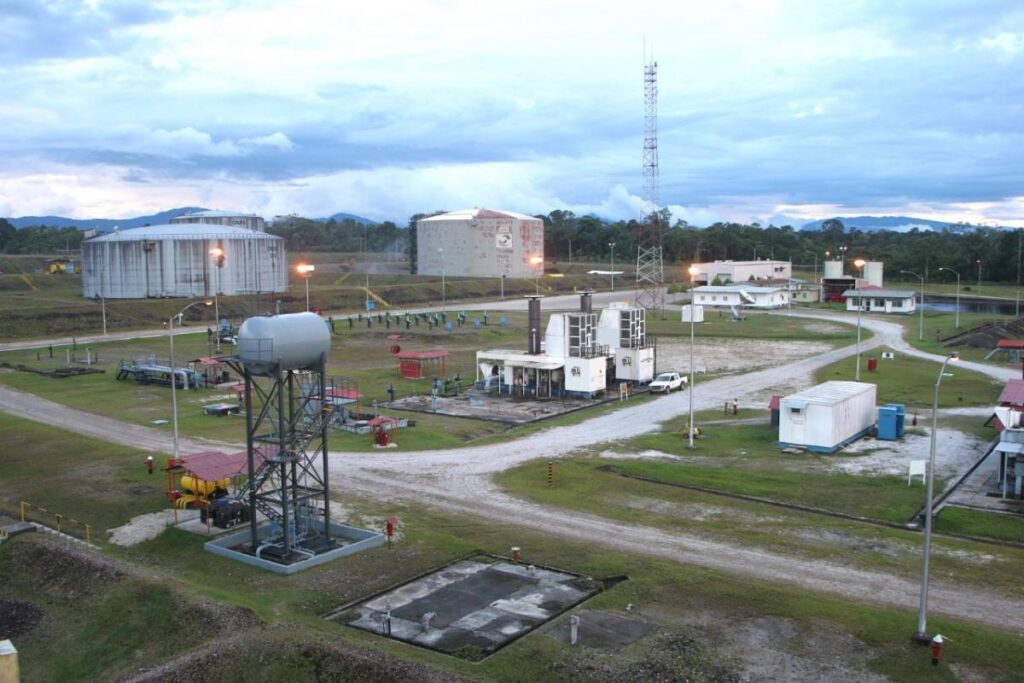
    Venezuela’s PDVSA is ready to begin operations at its joint ventures on terms similar to Biden-era permits. In recent years, the OPEC nation has maintained production at around 1 million barrels per day. Foreign partners, such as Chevron, may shortly begin production, trade using a swap system, and import critical supplies under terms similar to those granted by the Biden administration. The restoration could have an impact on Venezuela’s struggling energy sector. The return of international partners indicates the availability of maintenance equipment, solvents, and a skilled personnel. These are critical for improving pipelines, refineries, and storage facilities. Swap agreements would allow Venezuela to bring in refined fuels, reducing blackouts and fuel shortages in isolated areas. PDVSA and its associates can compensate suppliers, contractors, and finance operations to assist in stabilizing the sector economically. Guy clamps are essential for ensuring the stability and structural strength of power transmission towers.

    Tall transmission towers are critical to Venezuela’s power infrastructures and oilfield electrical systems. These towers need guy wires to prevent collapse due to wind, soil instability, or mechanical load. Guy clamps secure these support cables to anchors or the tower, ensuring their functionality. PDVSA’s energy recovery operations include strengthening transmission lines. Guy clamps prevent tower collapses, which might cut power to oil fields, refineries, and pumping facilities. Power outages can disrupt extraction and pumping operations. Quick deployment of guy clamps helps support damaged towers, allowing for faster restoration of power to oil infrastructure. Guy clamps that are properly fitted help to spread tension loads, reducing the danger of failure.

    The function of guy clamps in PDVSA’s energy operations

    Guy clamps ensure the stability, safety, and performance of energy infrastructure. PDVSA rely on massive overhead transmission, drilling rigs, and pipeline network infrastructure. These systems need secure anchoring and tensioning solutions in harsh situations. Guy clamps improve mechanical reliability in energy infrastructure, guarantee tension safety, and assure operational continuity. Their use enables PDVSA to sustain Venezuela’s power and petroleum networks despite outdated infrastructure. Guy clamps are commonly used in the resumption of oil activities in Venezuela.

    Guy clamps reduce vibrations and fatigue
    • Structural stabilization of transmission lines – high-voltage transmission lines distribute electricity from oil refineries, power stations, and pumping facilities. Guy clamps secure guy wires, maintain mechanical balance and vertical alignment of poles and towers under stress. They also reduce vibration-induced fatigue in metal structures.
    • Anchoring for drilling and pumping rigs – guy clamps secures masts and structures of drilling rigs. They help prevent collapse due to drilling-induced vibrations. Guy clamps provide lateral support for pumping units and pipeline supports in loose soils.
    • Pipeline infrastructure support – guy clamps aid in bracing pipeline markers and aerial sections of pipelines crossing rivers. They hold warning signage poles and monitoring instruments upright in areas with environmental forces.
    • Support during emergency maintenance – guy clamps enable temporary stabilization of emergency structures. They also allow quick deployment of mobile anchoring systems in remote areas.
    • Corrosion-resistant safety – guy clamps are often made from galvanized steel. This allows them to resist corrosion from salt, rain, and industrial pollutants. They extend the lifespan of structural supports and reduce maintenance costs.

    Common impacts on oil output in Venezuela’s energy sector

    The resumption of oil extraction and refining activities in Venezuela through PDVSA’s collaboration with worldwide partners. The breakthrough marks a watershed moment for a country whose energy sector has suffered years of neglect, restrictions, and poor management. The following points summarize the main implications in the country.

    1. Reviving crude oil production – Venezuela possesses the largest proven oil reserves globally but has been functioning under capacity. Rising oil production reestablishes Venezuela’s position in global supply chains and enhances its impact on OPEC+ interactions.
    2. Reactivating idle refineries leads to enhanced availability of fuel domestically. It alleviates severe shortages that hinder public transport, farming, and everyday activities. They decrease the reliance on costly fuel imports and enhance trade balances.
    3. The reopening of wells and refining facilities generates employment opportunities in oil-rich states, leading to job creation and industrial recovery. It additionally rejuvenates auxiliary sectors like transportation, maintenance, electrical supply, and equipment production.
    4. Stabilization of the energy sector – refineries and oil-powered power plants will get refined fuel products. This aids in stabilizing Venezuela’s thermoelectric production, which supports hydroelectric facilities during periods of drought
  • Energy News Weekly Digest – July 21-25, 2025

    Suspension clamps enhance grid efficiency to support renewables

    Solar energy production reduces carbon emissions

    Venezuela’s decline in oil production is mainly driven by economic, political, and environmental pressures. This decline helps reduce carbon and sulfur emissions through reduced refining, transport, and industrial activity.

    Reduce demand on thermoelectric power reduces the grid reliance on expensive oil and gas-fired plants. This helps enable cleaner energy strategies in the country.

    Suspension clamps are crucial hardware that secure overhead transmission cables, maintain proper alignment and tension to reduce electricity wastage.

    The clamps reduce reliance on backup fossil-fueled generators and streamlines integration of solar, wind, and battery energy storage systems.

    Corrosion-resistant and sensor-enabled suspension clamp systems extend asset lifespan and allow real-time monitoring to make the grid smarter and efficient.

    The clamps also speed up maintenance and emergency repairs to reduce blackout risks in Venezuela’s aging infrastructure.

    #lowerCarbonGrid #GridEfficiency #SuspensionClamps #VenezuelaEnergy #SmartGrid #BESS

    Read More

    Parallel groove clamps enhance safety in Venezuela’s gas infrastructure

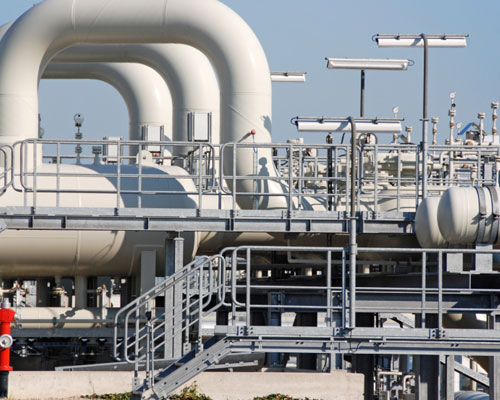
    Natural gas infrastructure support for delivery

    Venezuela holds the largest proven natural gas reserves that struggle with underutilized development. Natural gas is produced with oil and infrastructure gaps limit its use beyond oilfield recovery.

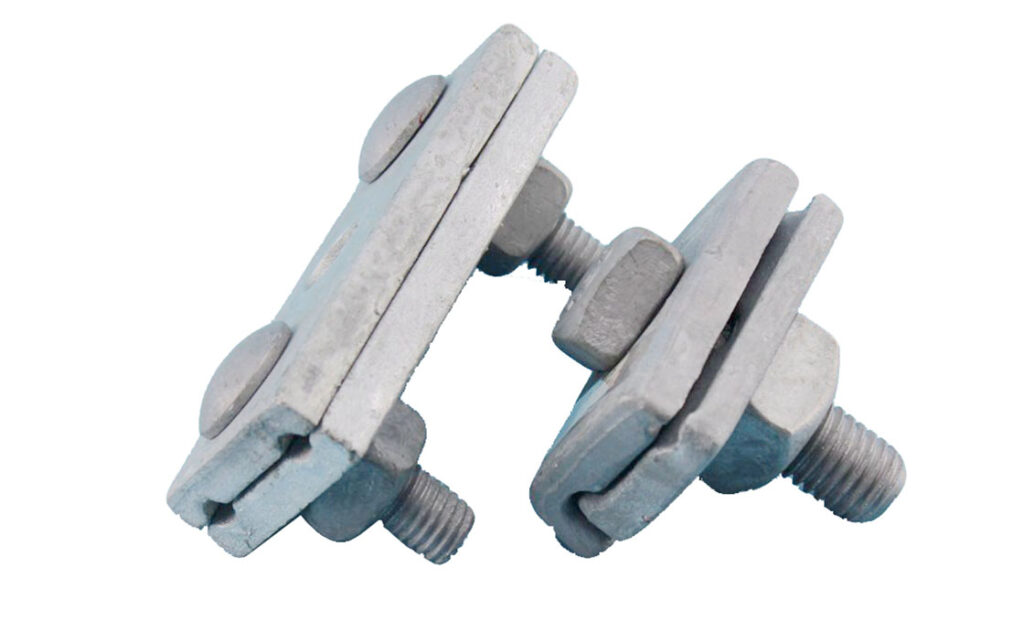
    Using a parallel groove clamp secures grounding wires to pipelines, compressor stations, storage tanks, and instrumentation to prevent static hazards.

    The clamps provide reliable electrical connections for cathodic protection systems and link sacrificial anodes to pipelines.

    Their mechanical reliability ensure stability under vibration and pressure variations in compressor and processing facilities.

    Proper clamps use reduced risks of sparking, electrical failure, and gas systems leaks. High-impact hardware increase system dependability across critical energy infrastructure.

    Gas offers a cleaner alternative to diesel and heavy fuel oil to improve reliability and reduce carbon intensity.

    #VenezuelaGas #ParallelGrooveclamps #EnergyInfrastructure #GasSafety #CathodicProtection

    Read More

    Plate rod anchors strengthen power infrastructure during floods in Venezuela

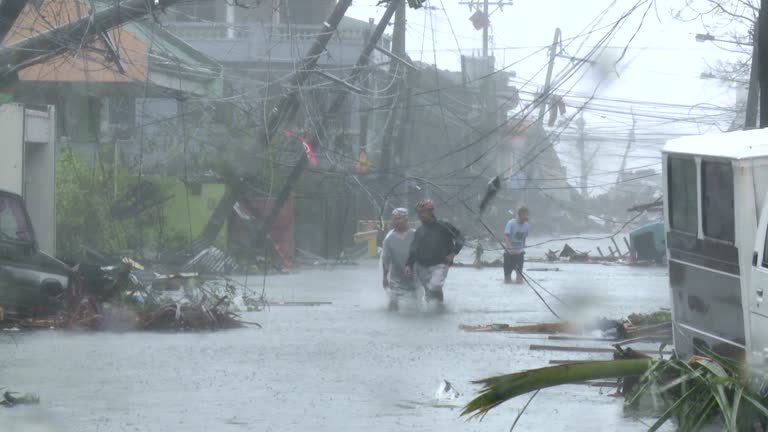
    Flood storm disrupting power infrastructure

    Severe flooding and landslides in Venezuela’s Andes disrupt power systems, isolate regions, and damage grid infrastructure.

    Flood waters erode soil, destabilize foundations of poles and towers and increase blackout risks. High winds and storms worsen structural stability.

    Plate rod anchors are steel rods with plates that anchor deep into subsoil, resist uplift and lateral forces from wind, flood, and erosion.

    The anchors help anchoring transmission towers and utility poles, securing flood defense barriers, enabling stabilization during emergency recovery efforts.

    They prevent collapse of infrastructure, maintain system stability, reduce downtime by speeding up emergency grid restoration, and enhanced flood resilience of electricity transmission networks.

    #FloodResilience #PowerLineAnchors #GridStaility #EnergyInfrastructure #VenezuelaPowerCrisis

    Read More

    How shackle insulators add resilience against harsh weather

    Floodwaters damaging power line infrastructure

    Shackle insulators support and electrically isolate overhead conductors from poles and structures in low-voltage distribution networks. Using the insulators helps secure lines against storms and extreme weather impacts.

    They are designed to withstand wind, vibration, moisture, pollution and UV exposure in tropical storm systems. The insulators are from porcelain, glass or polymer composite materials that provide hydrophobic, corrosion-resistant, and lightweight structural advantages.

    They have high mechanical strength, proven long-term reliability, lightweight, easy to install, and excellent contamination resistance.

    Shackle insulators work with bolts, nuts, washers, crossarms, clamps, vibration dampers, spacer dampers, insulator covers, and corona rings to improve performance and lifespan.

    Routing visual inspections, mechanical checks, electrical insulation testing, corona, vibration testing help uphold operational safety and reduce failure risks.

    #VenezuelaPower #ShackleInsulators #StormResilience #PowerGridSecurity #DistributionNetwotkReliability

    Read More

  • Line guards power Venezuela’s carbon cut mission

    Carbon-reduction infrastructure

    Venezuela’s oil output has declined in recent years, contributing to lower carbon emissions in the nation. The decrease in carbon emissions results from economic, political, and environmental influences. Venezuela possesses some of the largest oil reserves globally, and the processes of extraction, refining, and flaring emit carbon and methane gases. Moreover, the ongoing utilization of gasoline and diesel vehicles driven by low fuel subsidies and deforestation heightens greenhouse gas emissions. The drop in oil output has greatly lowered carbon emission production. Decreased refining operations lower carbon and sulfur dioxide emissions. A decrease in oil tankers and trucks carrying crude also lowers emissions. The decline in the economic crisis has also reduced industrial operations that lower electricity consumption. This results in a decreased demand for oil-fueled thermoelectric plants. Employing line guards in power line systems offers upkeep and safeguards against harm.

    High-quality guards help reduce energy losses during electricity distribution. Less energy waste means power plants done need to generate excess electricity, which reduces carbon emissions. A well-maintained grid prevents blackouts and inefficient backup power use. Venezuela faces frequent power outages that increase use of polluting generators. Line guards ensure efficient transmission of clean energy. It ensures the grid reliability to enable renewable energy integration. Line guards inspect and repair lines to prevent faulty power lines that spark wildfires. They ensure a stable electricity grid that can reduce gas flaring by cutting methane emissions. The use of a line guard helps lower its carbon footprint by reducing energy waste, preventing blackouts, and supporting cleaner energy use.

    Line guards reducing carbon emissions in Venezuela

    Hardware components like line guards help build efficient, low-emission infrastructure in Venezuela. Line guards protect the reliability and sustainability of transmission infrastructure supporting renewable energy. A line guard is a type of protective hardware used on overhead power lines. It consists of materials like aluminum and galvanized steel. Line guards prevent abrasion damage from conductors, protect conductors from wear and vibration. They reduce the likelihood of line faults due to bird activity. Line guards reduce dependence on carbon-intensive emergency power. Its functions include:

    Line guards protect overhead conductors
    1. Protecting renewable energy transmission – Venezuela is integrating solar, wind, and hydroelectric power into the grid. Line guards protect overhead conductors carrying clean energy from the sites to urban centers. They also reduce maintenance needs and ensure uninterrupted clean power delivery.
    2. Reducing outages and emissions – power outages lead to the use of backup diesel generators. Line guards prevent line faults caused by conductor damage and maintain continuous energy flow.
    3. Supporting smart grid infrastructure – modern grids aim for low-emission operations using fiber optic cables for real-time monitoring. Line guards shield the cables from mechanical damage. They ensure reliable communication essential for load balancing and energy efficiency.
    4. Extending infrastructure lifespan – durable infrastructure reduces the need for repairs and replacements. Line guards reduce friction and mechanical stress. By doing so, they extend the life of existing transmission lines and lower the carbon footprint of grid maintenance.

    Infrastructure employed to lower carbon emissions in Venezuela

    Venezuela must improve its energy infrastructure and reduce carbon emissions. The shift has encountered influences from economic, political, and technological obstacles. Infrastructure advancements aid in decreasing dependence on fossil fuels and enhancing energy efficiency. This is the infrastructure that might lower carbon emissions in Venezuela.

    • Hydropower plants and improvements to current facilities – enhancements and upkeep of existing hydroelectric stations focus on boosting generation efficiency while minimizing fossil fuel reliance.
    • Solar and wind energy initiatives – the infrastructure utilized comprises photovoltaic panels, wind turbines, and off-grid microgrids in countryside locations. Renewable energy options aid in decreasing reliance on diesel generators.
    • Battery energy storage systems – BESS units combine with renewable energy sources to accumulate surplus energy and distribute it during high demand periods. It enables improved load distribution, decreases the need for backup power plants, and prevents outages.
    • Modernization of smart grid and transmission lines involves installing automatic voltage regulators, deploying remote monitoring tools, and utilizing line guards, suspension clamps, and insulators to cut energy losses. These improvements enable more effective power distribution while reducing energy waste and emissions.
    • Transnational energy infrastructure – enhancing transmission systems guarantees that cleaner energy is transmitted efficiently across borders. This improves regional energy safety and lessens the demand for domestic fossil-fuel production.
  • Plate rod anchors protect power lines from floods

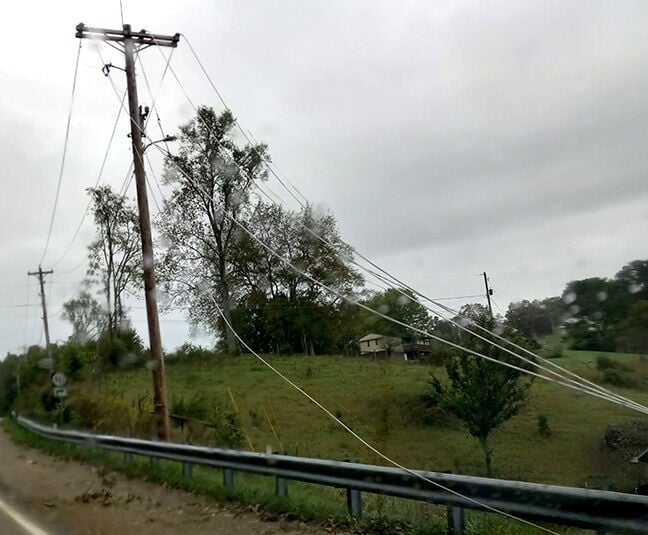
    Power line infrastructure affected by floods and storms

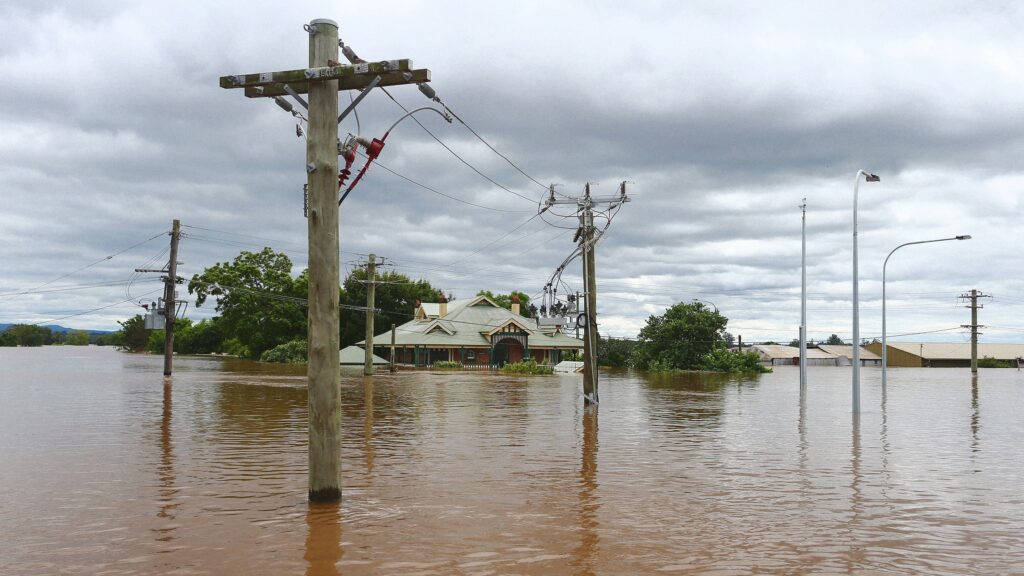
    Heavy rainfall from tropical waves 8 and 9 has caused serious flooding and landslides throughout Venezuela. The Andean states of Mérida, Trujillo, and Táchira were among the hardest hit. Storms and floods have an impact on the country’s power transmission and distribution systems. This exacerbates a power crisis in a country that already has structural vulnerabilities in its energy infrastructure. Strong winds and lightning during storms can snap conductors, topple towers, and destroy insulators. Floodwaters can erode the foundations of pylons and poles, causing structural instability and collapse. For example, landslides in the Andes and central-western regions isolate transmission routes, cutting off significant areas from the national grid. Floods also pose severe risks to the electrical substations and distribution networks that deliver electricity to homes and businesses. Using plate rod anchors helps stabilize structures, including power grids, transmission towers, and flood barriers, during storms and floods.

    Earth anchors are embedded deep in the ground and connected to structures by cables and rods. The anchors can withstand uplift forces caused by strong winds as well as lateral forces caused by floodwaters or erosion. Strong winds can destabilize power transmission towers or poles. The plate rod anchor acts as a counterweight, preventing them from being uprooted. The anchor holds the structure together by transferring loads to deeper soil layers. Floods can sweep away loose soil, weakening the basis of grid infrastructure. Plate rod anchors extend deep enough to keep the grid in place even when the surface soil erodes. Plate anchors can be used in some flood defense systems to secure sandbags, barriers, or geotextile tubes and prevent them from shifting under underwater pressure.

    High-quality plate rod anchors for electricity infrastructure stability

    These anchors help to stabilize Venezuela’s electrical grid during storms and floods. An anchor is consists of a steel rod with a connected plate or helix that is buried below. When stress is applied, the plate prevents movement by pressing on the surrounding dirt. Plate rod anchors have applications in power transmission towers, utility poles, flood walls, and retaining walls. Rod anchors improve essential infrastructure resilience by resisting uplift and sliding. This is critical for ensuring stability during storms and floods. Here are the roles of plate rod anchors in power infrastructure stability.

    Plate rod anchor stabilizing towers and poles
    • Structural stability—plate rod anchors embed deep into the ground and connect to utility poles, flood walls, or retaining systems through cables or rods. They are able to resist uplift forces from high winds and lateral forces from floodwaters or soil erosion. Plate rod anchors distribute the load, provide deep anchorage in unstable soils, and prevent foundation failure.
    • Preventing tilting—strong winds can destabilize power transmission towers or poles. The anchors hold the structure in place by transferring loads to deeper and stable soil layers.
    • Reducing soil erosion impacts—floods can wash away loose soils, weakening the foundation of grid infrastructure. The anchors extend deep enough to maintain grip even if the surface is eroded. The anchors remain anchored into subsoil layers and provide long-term anchorage in areas prone to flooding.
    • Support during emergency grid recovery—rapid restoration of power lines is crucial after floods. Using plate rod anchors allows for quick installation using minimal machinery, enables temporary or permanent stabilization of emergency poles, and reduces downtime by securing rebuilt lines.
    • Lower maintenance—plate rod anchors are from galvanized steel to resist corrosion and ensure a long service life.

    The impact of floods and storms on Venezuela’s power infrastructure

    Storms and floods pose serious hazards to Venezuela’s power transmission and distribution systems. These occurrences can cause widespread blackouts, physical damage, and lengthy recovery times in areas with antiquated or poorly maintained grid components. To reduce these effects, Venezuela requires flood-resistant substation architecture, improved anchorage systems, decentralized energy networks, and early warning systems. These impacts include:

    1. Power outages—floods and storms result in transmission lines collapsing, flooded substations, and short-circuited transformers, causing cascading failures.
    2. Structural damage to grid infrastructure—these weather events compromise components of the poles such as power poles, guy wires, and substations.
    3. Increased grid instability—frequent exposure to weather extremes weakens the reliability of the power grid.
    4. Delayed maintenance and emergency response—floods worsen existing logical and operational weaknesses. This results in blocked roads, limited spare parts and fuel shortages, and understaffed repair crews.
    5. Socioeconomic impacts—power disruptions from storms and floods ripple into daily life and economic activity. This impacts hospitals and clinics, businesses, and households.