Tag: #EnergySolutions

  • Parallel groove clamps boost gas energy impact

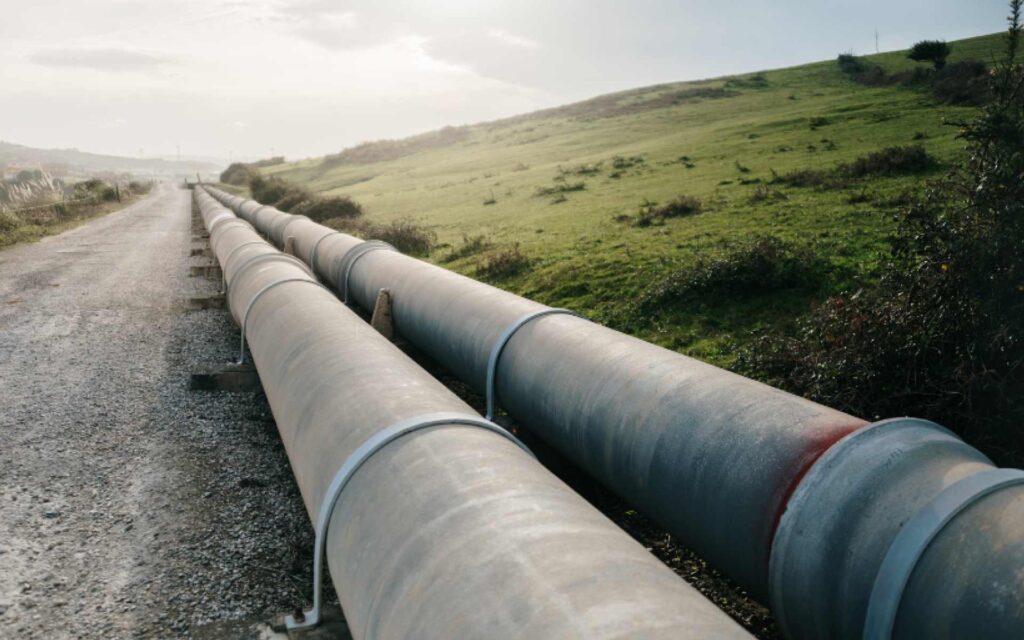
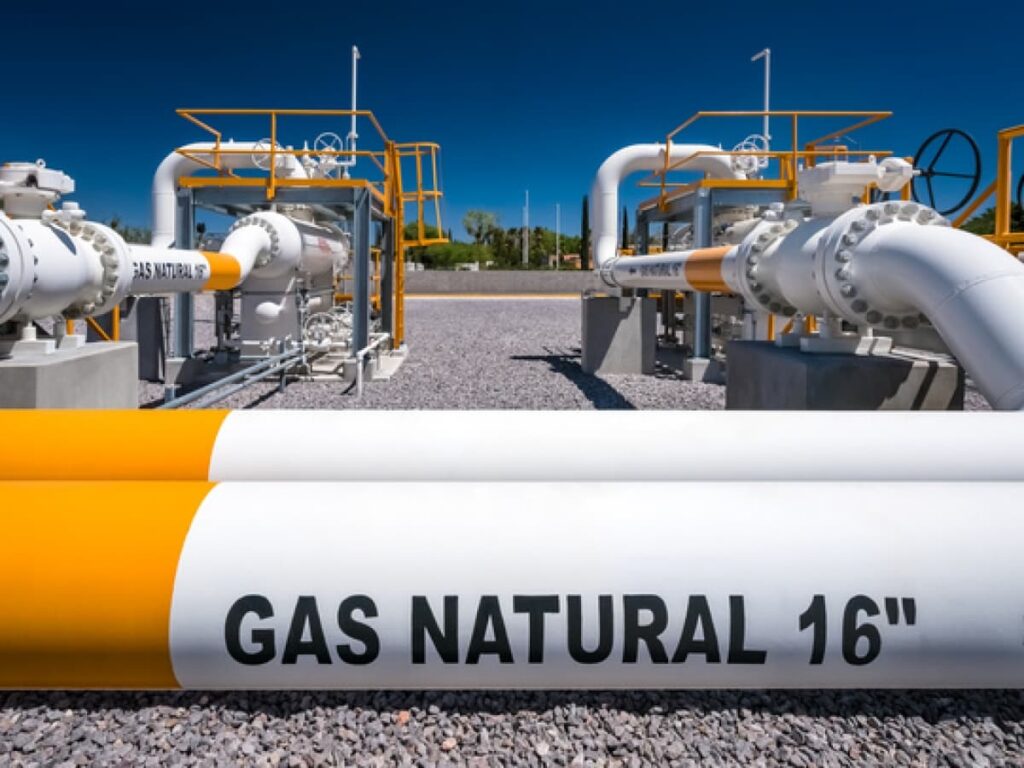
    Natural gas distribution through pipelines

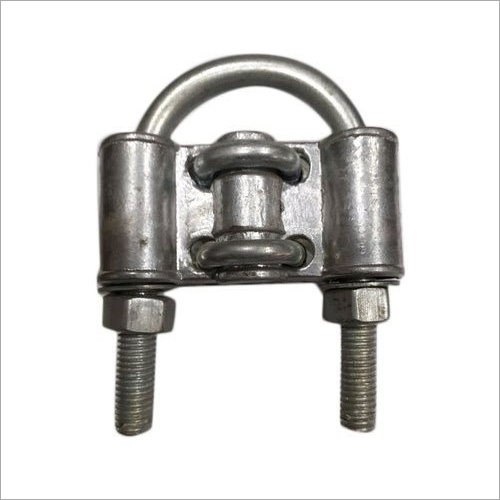
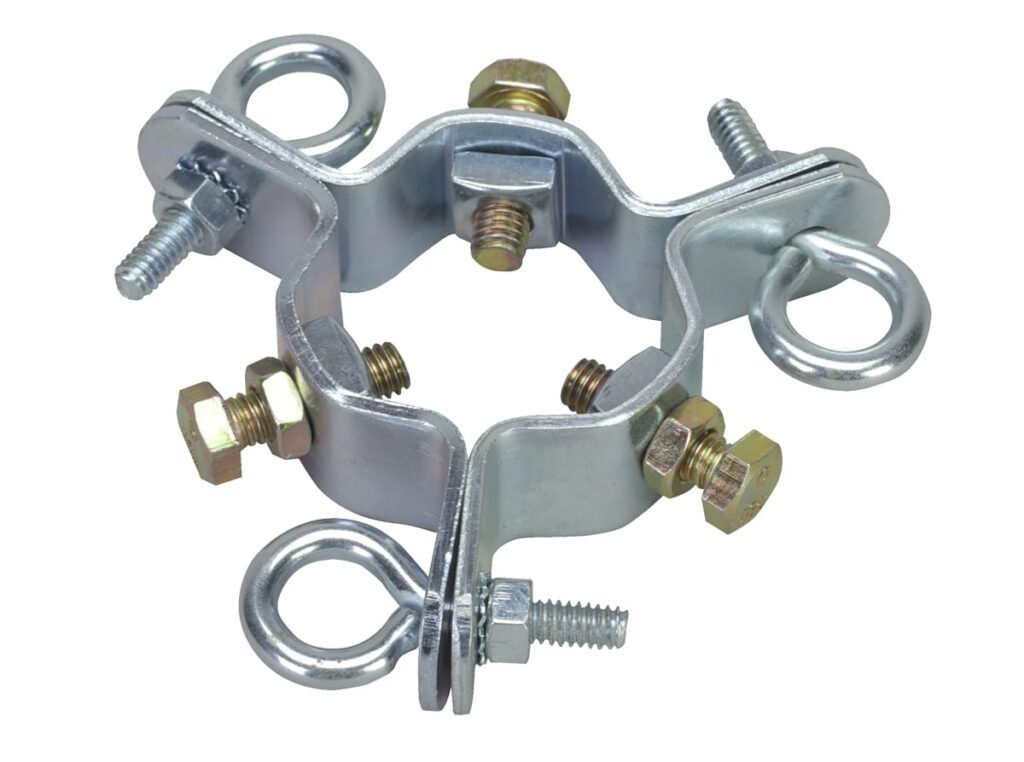
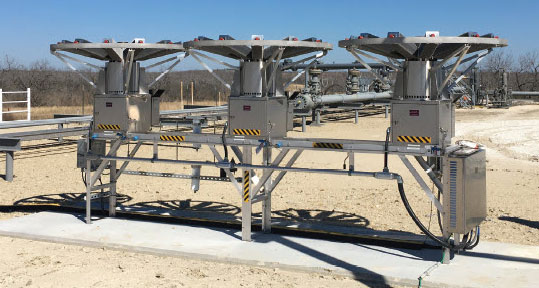
    Venezuela has significant and unexplored natural gas resources, and it has taken preliminary moves toward exploiting and exporting natural gas. The use of natural gas contributes to energy mix diversification and strengthens global markets, hence improving supply security. However, natural gas remains underdeveloped and inefficient due to infrastructure issues and underinvestment. Furthermore, approximately 90% of Venezuela’s natural gas is produced alongside crude oil, making it reliant on oilfield activity. The country’s main gas basins are the Anaco Basin, Mariscal Sucre, and Plataforma Deltana. Natural gas helps generate electricity in thermoelectric plants, as well as in industry, oil recovery, and flaring. Infrastructure for natural gas production includes processing plants, pipeline networks, SCADA systems, and compression and storage facilities. Parallel groove clamps (PGCs) secure grounding wires to gas infrastructure.

    Parallel groove clamps fasten and stabilize grounding wires to gas pipelines, storage tanks, and compressor stations, preventing static or lightning-induced sparks. They are also used in cathodic protection systems to connect sacrificial anodes to pipes, preventing corrosion. PGCs protect auxiliary lines including instrumentation, venting, and low-pressure domestic gas lines. They also secure electrical conduits or communication wires that run beside gas pipelines. Higher-pressure pipelines and vital infrastructure rely on more robust solutions. Proper clamp use could assist prevent leaks and increase safety in Venezuela’s natural gas production and distribution systems. The majority of the produced gas is consumed locally, though Trinidad and Tobago are discussing cross-border pipeline exports.

    The roles of parallel groove clamps in natural gas production and distribution

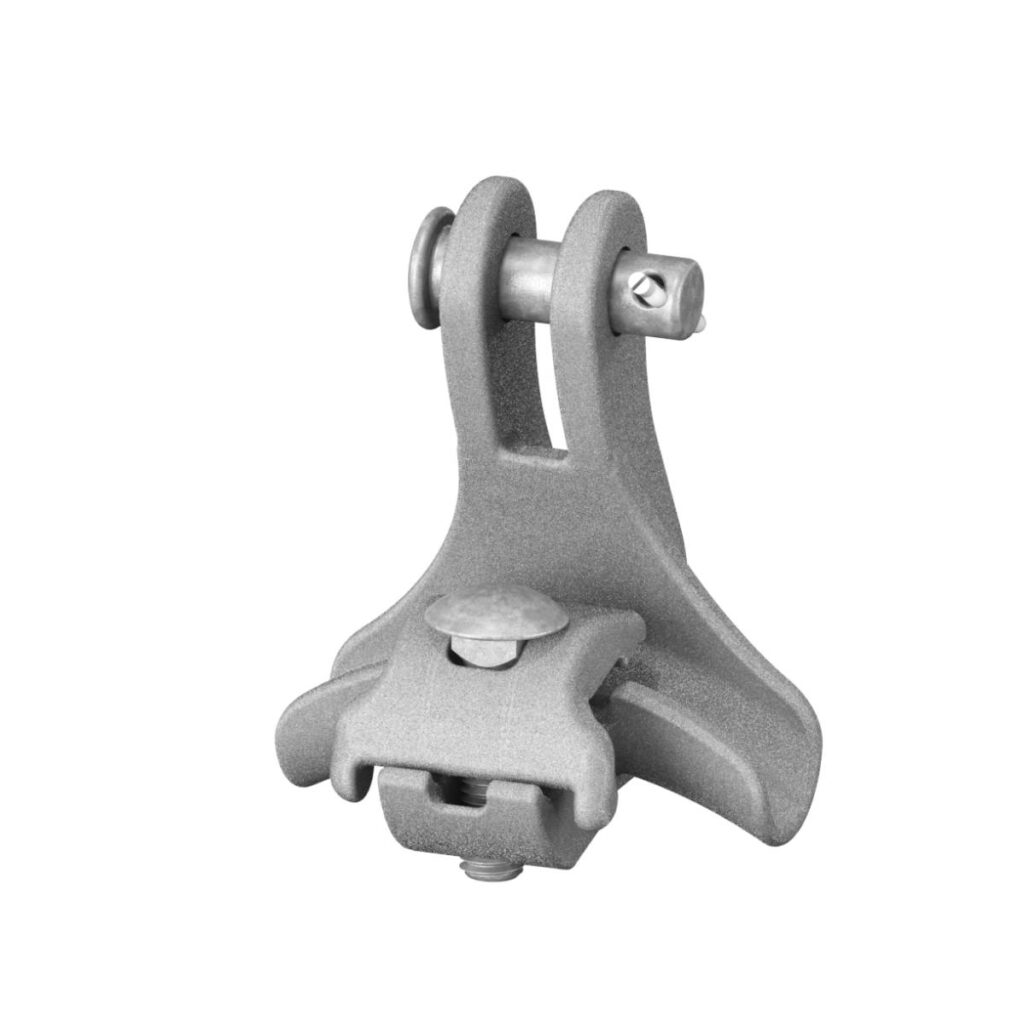
    PGCs ensure mechanical stability, electrical continuity, and system integrity throughout the production and distribution networks. The clamps provide support for instrumentation, cathodic protection systems, and compressor station controls. Parallel groove clamps are mechanical fittings that connect two parallel conductors and provide stable electrical and mechanical contact. They consist of two grooved metal bodies, a bolt for tightening, and insulation or coating. PGCs are from materials that can withstand extreme environments such onshore gas fields, coastal installations, and offshore platforms. Parallel groove clamps are a low-cost, high-impact solution for increasing dependability in electrical and control systems supporting natural gas operations. The following are the functions of PGCs in natural gas infrastructure.
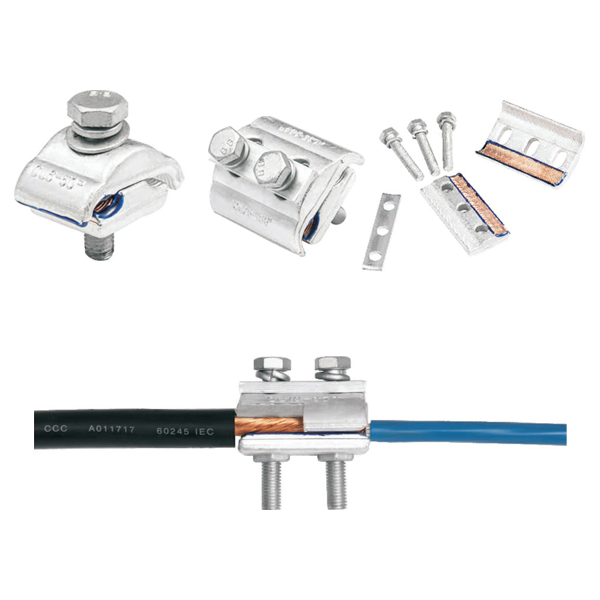
    Parallel groove clamps serve in compressor and procesing plants
    • Bonding and grounding of metallic structures—natural gas pipelines, compressor stations, and processing facilities—include electrical grounding systems to prevent stray voltage. PGCs securely bond grounding conductors to pipelines, valves, and control equipment. Parallel groove clamps help protect sensitive instrumentation from electrical faults and lightning strikes.
    • Cathodic protection connections—cathodic protection helps prevent corrosion in underground and submerged pipelines. PGCs provide low-resistance connections between cathodic protection leads and pipelines. They also ensure consistent flow to the pipeline’s surface for effective corrosion control.
    • Signal transmission in control and monitoring systems—sensors, pressure gauges, leak detection systems, and SCADA systems depend on reliable signal writing. Parallel groove clamps connect control cables with minimal voltage drop. They also provide robust physical connections that can withstand vibrations from compressors.
    • Supporting electrical circuits in hybrid facilities—PGCs secure neutral conductors in motor control centers. They also support backup power routing during outages or equipment failures.

    Natural gas use and influence on Venezuela’s energy sector

    Venezuela has the greatest proven natural gas reserves, with an estimated 200 trillion cubic feet. However, natural gas is underutilized in comparison to oil’s potential and availability. Its applications include electricity generation, petrochemicals, and enhanced oil recovery. Its applications and impacts in the energy sector are as described below.
    1. Electricity generation—natural gas is the primary fuel for Venezuela’s thermoelectric power plants. Using natural gas improves reliability in areas with blackouts, reduces dependence on hydroelectric power, and is a cleaner energy than diesel.
    2. Petrochemical and industrial use—natural gas is crucial for the production of fertilizers, methanol, and urea. Its use helps sustain domestic fertilizer supply, boost industrial output, and reduce disruptions of operations.
    3. Enhanced oil recovery—the gas is re-injected into oil reservoirs to maintain reservoir pressure and boost crude oil extraction. This improves crude oil recovery rates and maximizes value from existing oil fields without drilling new wells.
    4. Transition fuel role—natural gas is a cleaner fossil fuel producing less carbon and sulfur emissions. It can support energy transition if used to replace more polluting fuels. It also has the potential to reduce carbon footprint and align with global decarbonization goals.
  • Shackle insulators power safer TEG shifts in Venezuela

    Thermoelectric generation technology

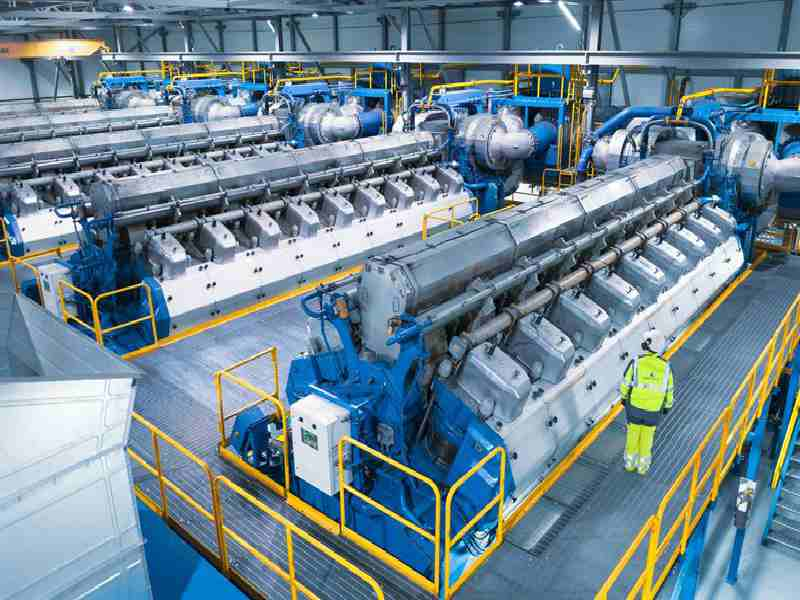
    The usage of thermoelectric generators is critical as Venezuela deals with a long-term and complex energy issue. Thermoelectric generators are commonly fuelled by fossil fuels such as diesel or gasoline. They fill the gap between frequent power failures and the increasing demand for dependable electricity in both urban and rural areas. Venezuela experiences regular power outages due to outdated infrastructure, a lack of maintenance, and an overreliance on hydropower. TEGs provide backup power to reduce safety hazards and economic costs. TEGs serve to keep operations running when the main grid fails. This is critical for income stability and avoiding product loss. These generators serve as a vital link, providing localized energy where the grid cannot reach. They open opportunities for hybridization with renewable energy sources such as solar panels and microgrids. Shackle insulators ensure safe and reliable electricity transmission in decentralized and improvised power networks.

    High-quality insulators protect against short circuits by isolating live wires from supporting structures. They are critical in high-humidity and corrosive situations, where moisture and salt can destroy exposed conductors. Shackle insulators are used in low-voltage distribution lines to anchor and align wires. They help to maintain tension and avoid drooping or violating caused by wind, heat, or load fluctuations. The insulators lessen the risk of electrical fires, which are a serious issue in Venezuela’s informal power networks. Shackle insulators prevent accidental contact with live wires. They function in overhead wires that connect TEGs to residences and businesses when the national grid fails. Shackle insulators are less expensive and easier to install, making them useful in an economy experiencing hyperinflation and supply shortages.

    Functions of shackle insulators in Venezuelan TEG use

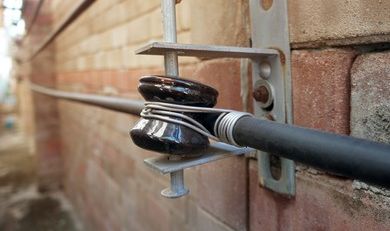
    TEGs are increasingly used in homes, businesses, and institutions that assist the energy sector. Shackle insulators guarantee that thermoelectric generators in Venezuela’s energy sector operate safely and efficiently. Shackle insulators are electrical insulators used in low-voltage power distribution systems. They can secure and insulate power lines, support them, and endure mechanical force. Shackle insulators serve in TEG configurations to provide low-voltage distribution. Here are the functions of shackle insulators in TEG infrastructure.

    Shackle insulators prevent faulty currents
    • Electrical insulation and safety—shackle insulators prevent direct electrical contact between the power conductors and supporting structures. This reduces the risk of short circuits, protects users, and prevents ground faults.
    • Securing conductors in confined spaces—shackle insulators allow tight turns and mounting flexibility. They enable conductors to be safely routed around corners, anchored, and suspended.
    • Withstanding harsh environmental conditions—shackle insulators are from porcelain, polymer, or ceramic materials. This helps them resist high humidity and rain, dust, salt, and frequent power cycling.
    • Maintaining low-voltage distribution—shackle insulators are ideal for low-voltage power lines. This makes them ideal for connecting TEGs to homes, small generator-powered microgrids, and local lighting. They help keep power lines stable and organized in informal systems.
    • Enabling quick installation and repairs—shackle insulators are easy to install on wood, metal, and concrete. They allow reliable cable anchoring without specialized equipment and support quick restoration of power during blackouts.

    Measures and attempts to mitigate the use of TEGs in Venezuela

    Mitigating the continuous usage of thermoelectric generators in Venezuela could help to prevent serious concerns. These risks encompass economic, environmental, and health concerns. The country intends to phase them out responsibly, providing sustainable and cheap alternatives. Mitigation is necessary due to excessive fuel use, noise and air pollution, rising energy disparity, slow progress toward renewables, and strain on oil infrastructure. The main measures and initiatives for this are:

    1. Expanding solar energy access—promoting solar PV kits and community solar systems helps reduce reliance on TEGs and provides a clean power source. This can be through tax exemptions, PPAs, and training local technicians for solar maintenance.
    2. Deploying microgrids and hybrid energy systems—this includes investing in solar-diesel hybrid microgrids that can reduce TEG dependence. It helps balance reliability with sustainability and serves in small towns. The strategy includes targeting blackout-prone zones, using smart meters, and using load management systems.
    3. Subsidize BESS—introducing incentive programs for home-scale or community-scale BESS helps store solar energy. This reduces the need for constant generator runtime, improves energy reliability, and encourages off-peak load balancing.
    4. Regulate fuel use and generator sales—tightening fuel distribution controls and regulating TEG imports and sales reduces overuse and abuse. This helps reduce smuggling and encourage users to shift toward sustainable solutions.
  • Plate anchor rods in cross-border energy systems

    Gas pipelines transporting energy across countries

    Venezuela and Brazil have enormous energy resources, including oil reserves, hydroelectric, solar, wind, and biofuels. Brazil has resumed imports of electricians from Venezuela to service the northern state of Roraima, after six years. This initiative was intended to lower costs and diversify energy supply for customers. There is currently no major electricity grid link or long-term energy sharing arrangement between Venezuela and Brazil. However, the 230 kV transmission line connecting Venezuela’s Guri Dam to Brazil’s Roraima state was critical for energy sharing. Energy cooperation between countries could assist to reduce carbon emissions and stabilize their energy systems. For example, Brazil may invest in solar or wind installations in Venezuela’s Guayana region. The combination development of BESS and microgrids could help to stabilize border energy supply. Rebuilding and modernizing the Guri-Boa Vista interconnection could supply cheaper, cleaner energy to Roraima. Using plate anchor rods in the infrastructure enables energy sharing.

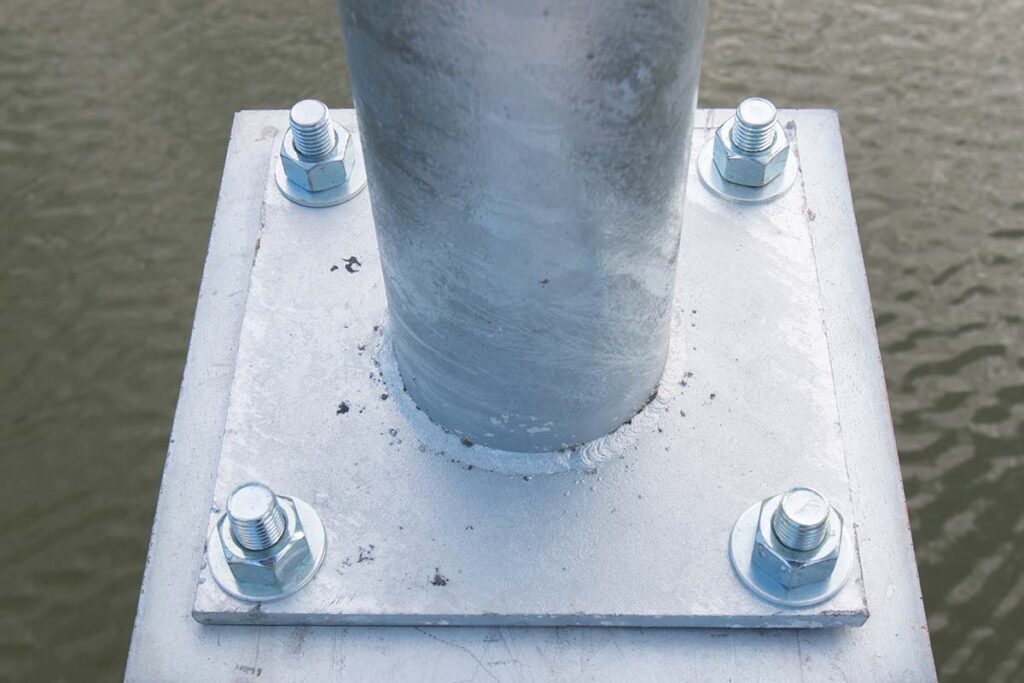
    Plate anchor rods are used in transmission towers to sustain high-voltage power lines. They provide the stability and structural integrity of the towers in difficult terrains. Transmission towers need sturdy foundations to handle enormous weights, winds, and environmental challenges. Plate anchor rods are placed in concrete foundations and attached to the tower legs to prevent lifting or overturning. Their base plate distributes stresses across the foundation, preventing the tower from being pushed out of the earth. This is critical because high-voltage transmission lines generate considerable tensile strains due to conductor weight and wind loads. Properly built anchor rods improve transmission towers’ earthquake and storm resilience.

    Plate anchor rods for cross-border energy infrastructure between Venezuela and Brazil

    Anchor rods ease energy sharing between Venezuela and Brazil in high-voltage transmission systems. Plate anchor rods are steel rods that are attached to a steel baseplate and buried deep in the ground. It supports transmission towers, utility poles, and substations. Plate anchor rods secure guy wires and maintain structural integrity in soft or unstable soils. Using the anchor rod will help to ensure a seamless connection between Brazil and Venezuela. Its functions within the infrastructure include:

    Plate anchor rods supporting mordernization
    1. Stabilizing transmission towers—the 230 kV transmission line mostly runs through dense forests and river valleys. Plate anchor rods anchor towers and ensure resilience against high winds, landslides, and soil erosion.
    2. Supporting grid interconnection projects—reintegration and modernization of the grid is crucial for new transmission tower foundations, reinforcement of old tower bases, and temporary and mobile towers used during construction.
    3. Renewable energy integration—plate anchor rods are crucial for ground-mounting solar panels, anchoring wind turbines, and supporting microgrid infrastructure. This helps send clean energy across the countries.
    4. Enhancing grid resilience—plate anchor rods provide long-term structural stability to reduce the risk of tower collapse and ensure uninterrupted energy flow. They also serve in emergency restoration during storms. They provide quick deployment and anchoring for temporary towers.

    Infrastructure to ease energy cooperation between Brazil and Venezuela

    Energy cooperation between Brazil and Venezuela frequently relied on limited infrastructure aimed at transporting hydroelectric power from Venezuela into Brazil. The infrastructure serves as a platform for future regional energy integration. Regardless of political or technical constraints, it is critical to optimize infrastructure. Here is the infrastructure that enables energy sharing.

    • High-voltage transmission line—the 230 kV transmission line connects the Guri hydroelectric dam to Boa Vista in Brazil. It delivers up to 50-60 MW of hydroelectric power from Venezuela. However, it was inactive since 2019 due to grid instability and was recently revived.
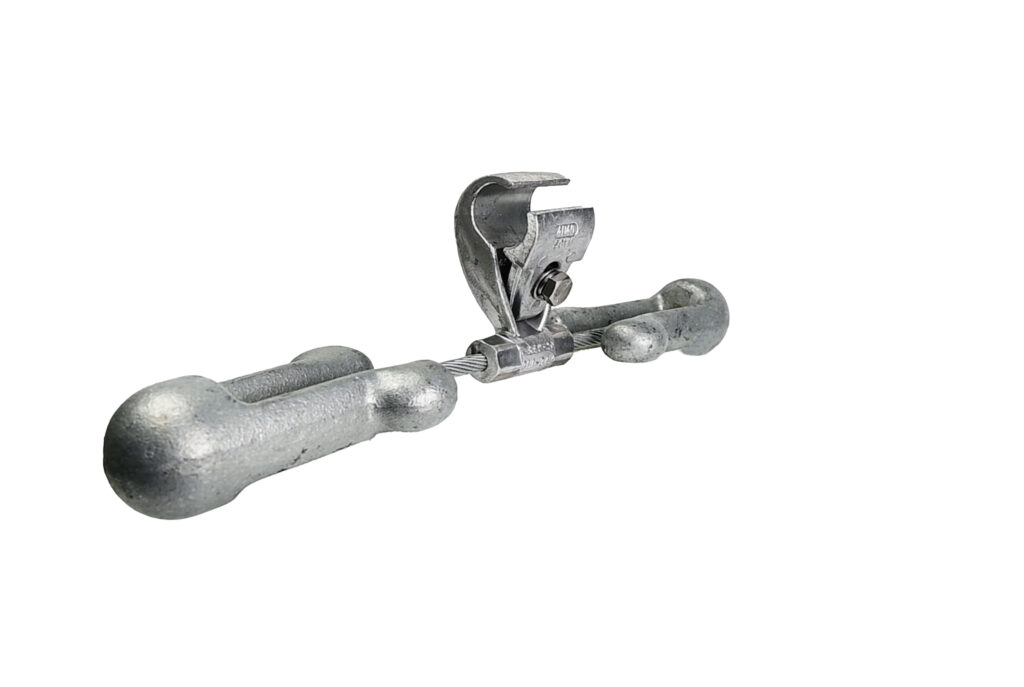
    • Transmission towers and line components—the transmission line depends on heavy-duty infrastructure, including steel lattice towers, plate anchor rods, deadend clamps, spiral vibration dampers, and insulators. These components ensure reliability and resilience in extreme environmental conditions.
    • Substations and interconnection nodes—the Guri substation in Venezuela steps up hydroelectric power for long-distance transmission. The Boa Vista substation is the node that steps down voltage and integrates Venezuelan power into Roraima’s local grid.
    • Support infrastructure—this includes the construction of access roads and maintenance paths, remote sensing and SCADA systems, and service camps.
    • Renewable energy expansion—both countries are exploring solar farms near the border, wind corridors, and battery energy storage systems. This would demand new infrastructure, including underground cables, smart grid interfaces, modular substations, and flexible AC transmission systems for grid balancing.
  • Energy News Weekly Digest – July 01-04, 2025

    Reducing outages in Venezuela with smart suspension clamp solutions.

    Suspension clamps, distributing mechanical loads on conductors

    Suspension clamps are components designed to securely hold overhead power cables. They help distribute mechanical loads and reduce stress on both conductors and poles. They have a smart design that reduces sagging and prevents outages by maintaining consistent tension and spacing.

    It is crucial in Venezuela’s energy grid that suffers from chronic blackouts stemming from aging infrastructure and poor maintenance. Using robust suspension clamps can cut the risk of cable failures, reduce connection faults, and drive enhanced grid resilience.

    Their durability ensures more uptime and lower repair costs in remote or hard-to-reach areas. This makes them cost-effective in ensuring long-term grid reliability.

    Suspension clamps support flexibility in grid design and simplify the integration of distributed energy resources. They help the integration of community solar, wind, and microgrids by providing adaptable cable attachment points.

    The clamps improve grid modularity as energy systems evolve in Venezuela and across South America.

    #EnergyInfrastructure #VenezuelaPowerOutages #SuspensionClamps #GridReliability #TTFForgingInsights

    Read More

    Deadend clamps boosting grid stability in Venezuela

    Deadend clamps anchoring cables at end poles

    Deadend clamps are cost-effective, low-tech solutions to strengthen aging power grids in Venezuela. They anchor cables at end poles to combat slippage, sagging, and vibration, which cause grid failures.

    This reinforcement directly supports power reliability, reduces maintenance costs, and aids broader energy crisis strategies like source diversification and mini-grid roll-outs.

    Venezuela faces up to 12-hour daily blackouts due to drought, aging equipment, and neglect. Deadend clamps prevent conductor slippage, sagging, and vibration, which cause outages.

    The clamps fit within energy diversification, smart maintenance, and international collaborations. They are an excellent tie-in for policy and tech content from renewables and hybrid microgrids to global energy aid.

    #DeadendClamps #GridReliability #BlackoutPreventionHardware #RenewableEnergyInfrastructure #CableTensionClamps

    Read More

    Pole bands boosting Venezuela’s oil export potential

    Pole bands strengthening Venezuela's oil export

    Recently, the U.S. revoked Chevron’s license, which resulted in PDVSA pivoting to Blend22, targeting Europe and Asia. The country has since shifted to China and other Asian markets.

    Pole bands are metal clamps used in oil storage and hydrocarbon infrastructure that play a role in strengthening Venezuela’s oil export chain.

    They enhance structural integrity, streamline electrical supply, and support monitoring systems in storage facilities. This enables more reliable and efficient operations.

    Pole bands secure pipelines, conductors, and power lines against environmental wear and tear. They are crucial for uninterrupted electricity to remote drills, storage terminals, and processing plants.

    Venezuela can integrate smart asset monitoring like support sensors, cameras, and gauges, which is key for leak detection and pressure monitoring.

    #PoleBands #OilExport #Venezuela #Blend22 #PDVSA #Infrastructure #IoTMonitoring #EnergyResilience

    Read More

  • Energy News Weekly Digest – April 07-11, 2025

    Guy clamps down on strengthening Argentina’s power grid amid renewable transition.

    guy clamps expanding renewable energy capacity

    The implementation of real-time sensors, automated switching, and smart meters enhances the responsiveness and efficiency of the energy system.

    Investments in large-scale battery storage, including a 500 MW system, bolster grid reliability. This is done by storing excess energy and supplying it during peak demand periods.

    The integration of decentralized energy sources diversifies the energy mix and reduces reliance on centralized power generation. Resources such as solar and wind contribute to a more resilient energy grid.

    Guy clamps aid in stabilizing Argentina’s outdated power grid in regions like Patagonia and the Pampas. They secure poles and prevent collapses during extreme weather events.

    The clamps support the integration of renewable energy sources by ensuring the structural integrity of transmission lines connecting remote generation sites.

    High-performance guy clamps ensure line stability, reduce maintenance needs, and support grid expansion to remote areas.

    Read more

    #ArgentinaEnergy #GridModernization #RenewableIntegration #GuyClamps #SmartGrid #EnergyInfrastructur #PowerStability

    Pole bands supporting Argentina’s energy infrastructure

    grid modernization and expansion

    Argentina’s grid modernization and expansion will reshape the energy sector with impacts on electricity transmission, natural gas production, and renewable energy development.

    Grid modernization could help reduce outages, improve efficiency, and support renewable energy integration. Insufficient transmission capacity hampers the transport of energy from remote renewable sources.

    Pole bands are heavy-duty metal straps designed to secure and support equipment on utility poles, including transformers, insulators, crossarms, and guy wires.

    Argentina is investing in upgrading its power grid to reduce outages, improve efficiency, and support the integration of renewable energy sources.

    Pole bands ease the mounting of distribution components that route renewable power from wind farms in Patagonia and solar plants to urban centers.

    The use of forged pole bands aids in the installation of sensors, switches, and line monitoring devices, which is crucial for modernizing the grid.

    Read More

    #ArgentinaEnergy #GridModernization #PoleBands #RenewableIntegration #InfrastructureChallenges

    Yoke plates fuel Argentina’s LNG expansion.

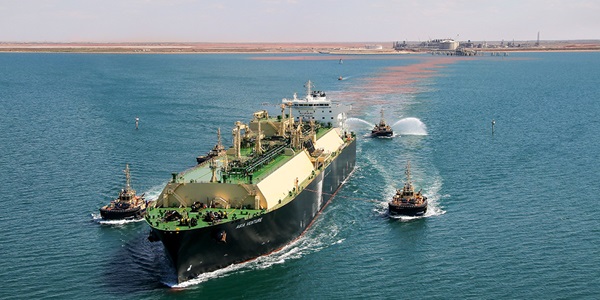
    liquefied natural gas transportation

    Argentina’s Vaca Muerta shale formation in Patagonia holds immense natural gas, which positions the country as a player in the LNG sector.

    Major energy companies, including YPF, Petronas, and Shell, aim to export up to 25 million tons of LNG annually by 2030. They also leverage floating LNG plants for flexible capabilities by 2027.

    Argentina faces technical, financial, and political hurdles, including infrastructure shortages and regulatory uncertainties that may limit LNG growth.

    Cryogenic yoke plates are essential in maintaining the structural integrity and safety of LNG infrastructure. This is including pipelines, storage tanks, and export terminals under extremely low-temperature conditions.

    Yoke plates distribute mechanical loads across supports, preventing leaks and structural failures in LNG operations. Yoke plates connect insulator strings or suspension clamps and ensure stability and prevent power outages at LNG facilities.

    Stainless steel yoke plates withstand brittleness at cryogenic temperatures, which makes them suitable for Argentina’s LNG infrastructure needs.

    Read More

    #ArgentinaLNG #YokePlates #CryogenicEngineering #VacaMuerta #EnergyInfrastructure #LNGInfrastructure

    Guy strains powering Argentina’s energy expansion

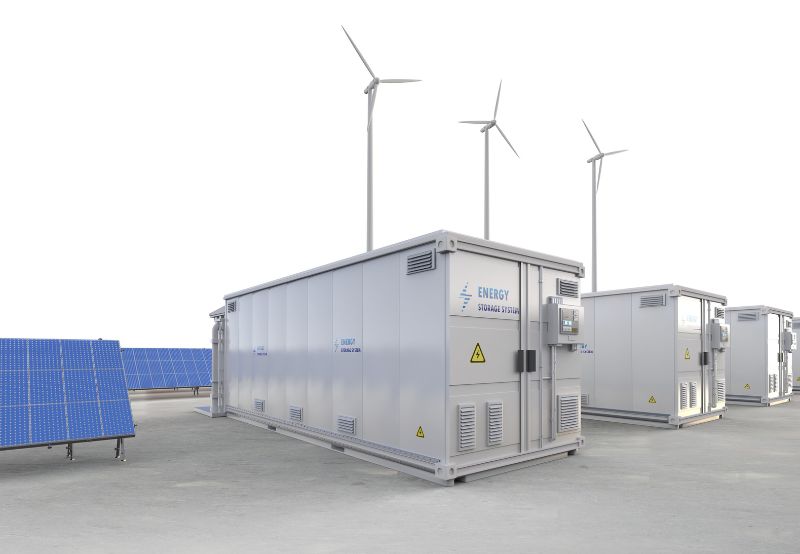
    Wind and solar energy storage facility

    Argentina’s diverse geography and growing demand for electricity need a robust and resilient transmission network. The country aims to expand its gas pipeline capacity and modernize electricity transmission.

    The nation is pursuing the modernization of its power grid to integrate renewable energy sources and enhance energy reliability. It is also working to boost its renewable energy capacity with a target of achieving 20% renewable energy in its electricity mix.

    Guy strains are crucial components used to stabilize high-voltage transmission towers in wind-prone and seismic regions of Argentina.

    The devices aid in absorbing dynamic forces such as wind, ice loads, and thermal expansion, which are common in Argentina’s climate zones.

    Guy strains enable the safe and cost-effective distribution of renewable energy across long distances. They also help strengthen the grid for ongoing investments in wind, solar, and FLNG.

    Read More

    #ArgentinaEnergy #PowerGrid #RenewableEnergy #TransmissionInfrastructure #GuyStrains #CleanEnergy #EnergySecurity

  • Ball Clevises: Key to Argentina’s Power Growth

    Energy infrastructure expansion in Argentina

    Argentina’s Vaca Muerta shale formation is one of the world’s major gas reserves. The country is developing energy infrastructure projects to bolster its electricity grid. It also plans to boost its gas pipeline capacity and upgrade electrical transmission. Recently, the government announced a $400 million transmission tender. This new grid expansion fund intends to increase energy reliability and promote renewable energy integration. The transmission line will also serve Argentina’s lithium mining plants in Salta province. The project is being constructed by generators YPF Luz and Central Puerto. It will include a 345 kV line spanning 140km and a second 220 kV line spanning 210km, serving up to 1 GW of new renewable capacity. Components such as ball clevises play a crucial role in expanding its power grid to support the growing renewable energy sector.

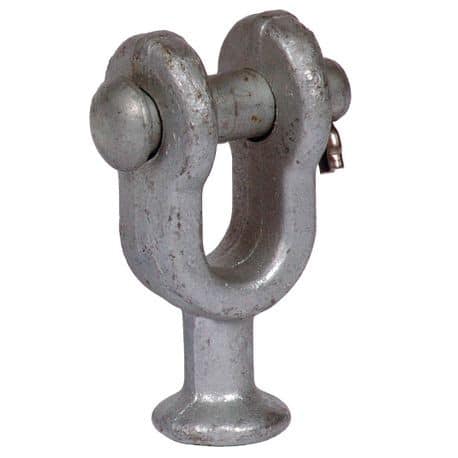
    A ball joint connection is a forged steel hardware attachment that connects insulator strings to tower arms. It creates a secure yet adaptable mechanical interface between components in high-voltage overhead transmission networks. Rod end clevises connect insulators to towers, allowing for the safe and stable transmission of power. This is critical in Argentina’s Patagonia wind farms, as well as solar mega-parks in the Salta region. The clevis pin is used in the building of 500 kV and 132 kV transmission lines to withstand significant mechanical and electrical stresses. Galvanized ball clevises are highly corrosion resistant and mechanically flexible. This allows towers to endure wind, storms, and thermal expansion. It can protect transmission infrastructure, withstand environmental stress, and provide electrical safety.

    Expanding Argentina’s electricity infrastructure with ball clevises.

    Argentina is building out its energy infrastructure, which includes power transmission lines, gas pipelines, and renewable energy projects. A heavy-duty ball clevis provides secure, flexible, and long-lasting links in high-stress applications. Clevises provide flexibility, durability, and safety. The expansion of infrastructure necessitates high-quality clevis connectors. The $400 million transmission tender requires gear such as ball clevises to maintain structural integrity. Ball clevises play the following roles in the expansion of Argentina’s energy infrastructure.

    Ball clevises provide durability and safety of infrastructure
    • Power transmission and grid expansion—Argentina’s investment in high-voltage transmission lines demands the use of clevises. The ball joint clevis connects insulator strings to transmission towers for free movement. They also provide pivot points for tension change in overhead lines to improve grid reliability.
    • Vaca Muerta expansion—ball clevises serve in the expansion of gas pipelines while allowing thermal expansion. Reliable clevis joints reduce failure risks due to vibrations and stress.
    • Renewable energy installations—ball join clevises connect guy wires and support structures to ensure stability. This is crucial for Argentina’s push for wind and solar power. The clevises help in pivoting mechanisms to align panels with the sun. They also aid in gate control systems and loan-bearing structures.
    • Ensuring grid reliability in harsh conditions— Argentina has diverse geographical conditions with environmental challenges. The clevis pins provide high corrosion resistance and mechanical flexibility. This is crucial to help towers withstand storms, winds, and thermal expansion.
    • Industrial and maintenance applications—ball clevises are crucial for crane and rigging systems, towing and recovery operations, and heavy machinery articulation.

    Potential for investments in energy infrastructure expansion in Argentina.

    Argentina is working to modernize its power grid to incorporate renewable energy sources and improve electricity stability. It provides significant prospects for investment in energy infrastructure growth. This is due to Argentina’s enormous resources and dedication to increase energy output exports. Here are the primary areas for prospective investment.

    1. Development of the Vaca Muerta shale formation—this is one of the largest shale oil and gas reserves. However, only a fraction has been developed, which indicates opportunities for exploration and production.
    2. Expansion of midstream infrastructure—there is a need for investments in midstream infrastructure. For instance, major oil companies collaborate to construct a 600km pipeline from Vaca Muerta to the Atlantic Ocean.
    3. Renewable energy projects—the country is working to boost its renewable energy capacity with a target of achieving 20% renewable energy in its electricity mix. Argentina has favorable government policies, financial incentives, and renewable energy goals that attract investments.
    4. Cross-border energy exports—the nation has initiated gas exports to countries such as Brazil through existing pipeline networks. The development shows avenues for investment in enhancing cross-border energy trade infrastructure.
  • Energy News Weekly Digest – April 01-04, 2025

    Compression splice enhances Argentina’s lithium industry.

    Lithium increasing demand for electric vehicles

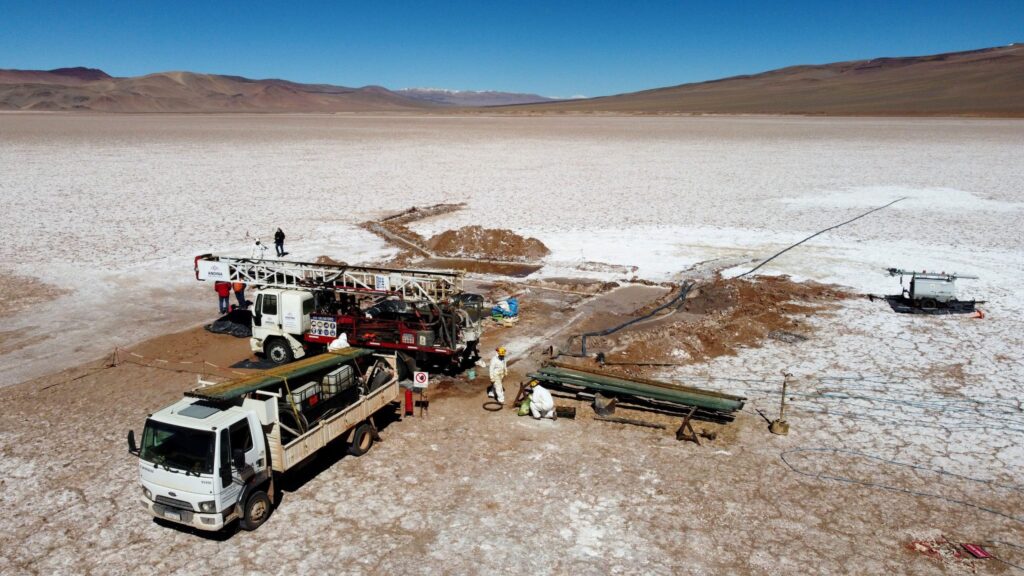
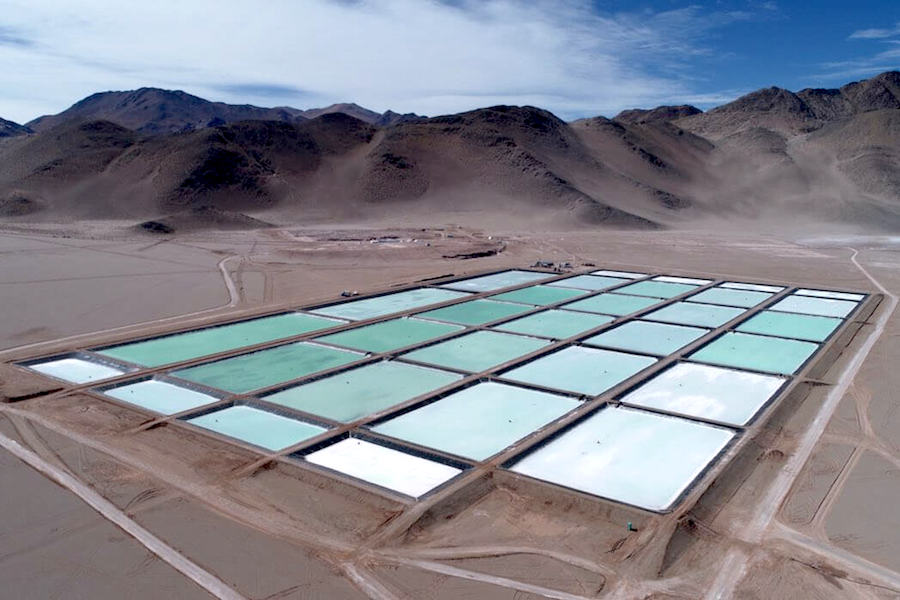
    Argentina has some of the world’s largest lithium reserves located in salt flats such as Salar del Hombre Muerto, Salar de Olaroz-Cauchari, and Salar de Atacama.

    The increasing demand for electric vehicles, energy storage systems, and renewable technologies increases the need for Argentina’s lithium.

    Companies like Vale S.A. are exploring joint ventures in Argentina to boost the EV supply chain. This leverages their financial and technological capabilities.

    Compression splices ensure consistent electrical connections in high-voltage environments. They are crucial for operating pumps and processing equipment in lithium extraction.

    The splices are designed to withstand extreme UV exposure, temperature fluctuations, and corrosive environments.

    Compression splices enhance the mechanical integrity of electrical systems, reduce the risk of failures, and optimize automated processes in lithium production.

    Efficient lithium extraction supports the production of lithium-ion batteries essential for energy storage solutions in renewable energy systems.

    Read More

    #Argentina #LithiumIndustry #CompressionSplice #RenewableEnergy #EnergyStorage #ElectricVehicles #MiningTechnology

    Guy wires strengthening Argentina’s renewable energy grid

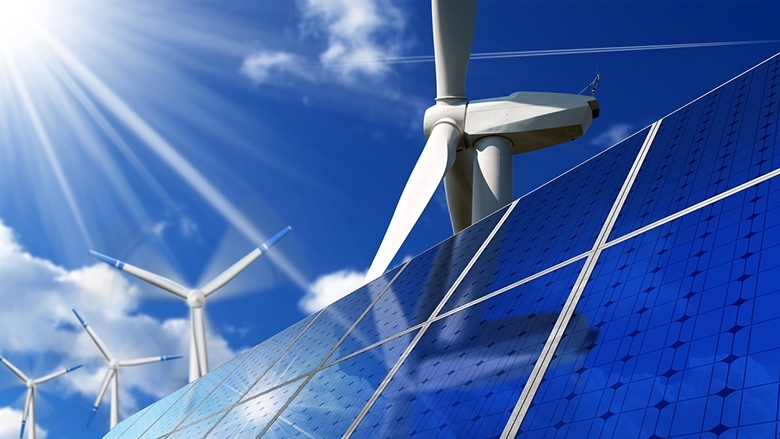
    solar panels and wind turbines for renewable energy growth

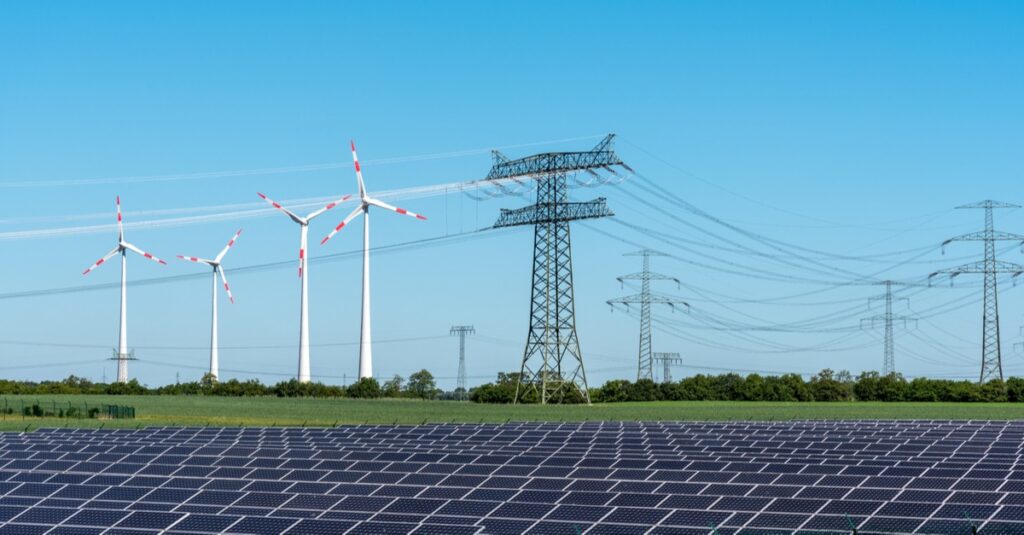
    Argentina’s renewable energy accounts for 15% of Argentina’s electricity generation, despite having wind and solar resources. The RenovAr program aims to increase this to 20% by 2025.

    The intermittent nature of wind and solar energy constitutes 65% of the energy mix alongside fossil fuels. This presents challenges to renewable energy adoption in Argentina.

    Guy wires are tensioned cables that provide structural support to tall structures such as wind turbines and transmission towers.

    Guy wires are crucial for stabilizing wind turbines, supporting transmission towers, reducing material costs, and enabling taller structures. This ensures structural integrity, ease of expansion of high-voltage lines, allows for the construction of lighter structures, and permits the erection of taller wind turbines.

    Incorporation of renewable energy into Argentina’s main grid is crucial for enhancing energy security, reducing reliance on fossil fuels, and promoting economic growth. Upgrading infrastructure and implementing smart technologies are crucial strategies in the process.

    Read more

    #RenewableEnergy #GuyWires #ArgentinaEnergy #WindEnergy #SolarEnergy #EnergyInfrastructure #GridStability

    Shackle insulators powering Argentina’s lithium boom

    lithium production promotes renewable energy technologies

    Argentina holds substantial lithium reserves in salt flats, which is crucial for electric vehicles and renewable technologies.

    Shackle insulators support and insulate overhead power lines and ensure a stable electricity supply to remote lithium extraction sites.

    The insulators are made from corrosion-resistant materials that make them able to withstand the challenging conditions of salt-rich areas. This is crucial for maintaining infrastructure integrity in Argentina’s lithium extraction.

    They ease the connection of renewable energy sources, like solar and wind, to lithium processing facilities to promote sustainable operations.

    Shackle insulators prevent electrical leakage and help endure environmental stress. This contributes to the safety and reliability of Argentina’s lithium production infrastructure.

    Read More

    #Argentina #LithiumExtraction #ShackleInsulators #RenewableEnergy #EnerguInfrastructure

  • Energy News Weekly Digest – March 24-28, 2025

    Hotline tap clamp powering Chile’s Horizonte wind farm

    Wind farm optimizes energy production in Chile

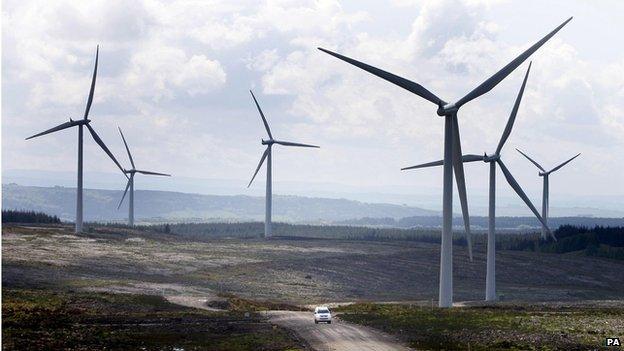
    Chile’s Horizonte wind farm is set to become the greatest onshore wind farm in South America. It has an installed capacity of 778 MW and will generate around 2,400 GWh annually.

    The wind farm will feature 140 Enercon turbines, each with a 5.6 MW capacity and a 160-meter rotor diameter, designed to optimize energy capture.

    Hotline tap clamps are electrical connectors that enable safe live-line maintenance and expansion of power transmission systems without interruptions.

    The clamps are crucial in the Horizonte project, easing the connection of new turbines and ensuring efficient power transmission across the grid. Hotline tap clamps reduce downtime, enhance grid stability, and support the seamless integration of renewable energy sources.

    The Horizonte wind farm represents a significant milestone in Chile’s renewable energy landscape. It contributes to job creation and technological advancements.

    Read More

    #HorizonteWindFarm #HotlineTapClamps #RenewableEnergyChile #WindPowerInfrastructure #SustainableEnergyProjects

    Earth anchors boost Chile’s auctions with battery backup.

    Renewable energy auctions in Chile to power Chile

    Chile’s recent power auction aims to secure 22,500 GWh of new power contracts for the 2025-2028 period, with a 60% renewable energy requirement. The auction introduces incentives for projects incorporating energy storage systems to enhance grid reliability and integrate variable renewable sources.

    Earth anchors are crucial components for ensuring the structural stability of wind turbines and solar panels. This is crucial in regions with extreme weather conditions.

    Earth anchors provide lateral assistance and long-term load-bearing capacity for turbine bases. This ensures structural stability, safety, and grid reliability.

    The auction emphasizes the integration of battery storage systems to meet firm capacity requirements. This aims to enhance grid stability and reliability by storing excess renewable energy and reducing dependence on fossil fuels during peak demand periods.

    Read More

    #ChilePowerAuction #RenewableEnergyIntegration #EarthAnchors #BatteryStorageSolutions #GridReliability #FirmCapacity

    Innovative use of ball clevis in Chile’s fish farms enhances renewable energy integration.

    Fish farming using 100% renewable energy

    Ventisqueros, a Chilean salmon farming company, transitioned to using 100% renewable energy. This shift will be crucial in reducing carbon dioxide emissions and decreasing oil consumption.

    A ball clevis is a heavy-duty metal connector used in securing and tensioning cables within renewable energy systems. Its application ensures structural stability and efficiency in various installations, including wind turbines and solar panel systems.

    Ball clevises connect guy wires to wind turbine towers to provide stability against strong winds and ensure continuous operation of essential systems.

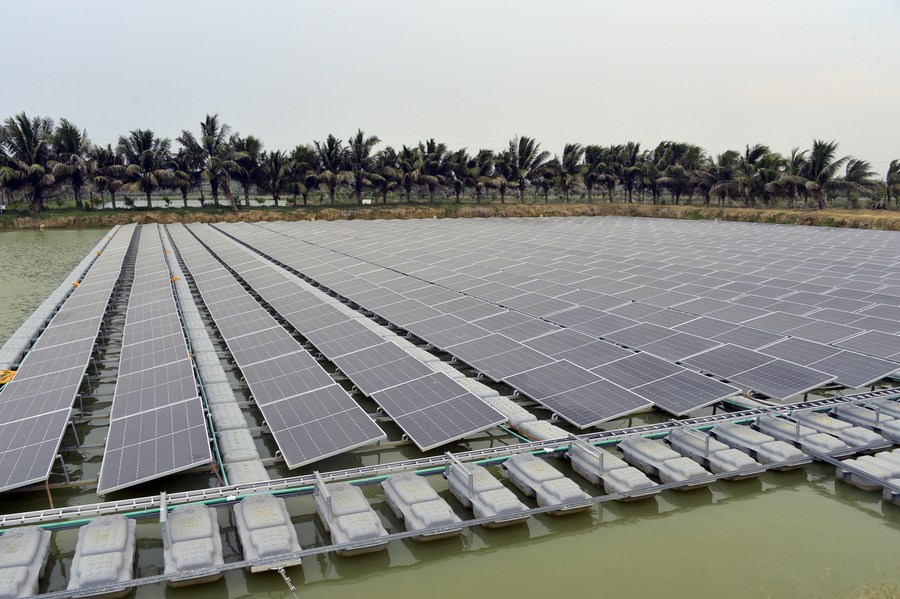
    The clevises secure mooring cables for solar arrays on fish ponds, maintaining alignment and stability against wave action and wind loads to optimize energy production. They also support cables for small hydro turbines in fast-moving water.

    The integration of renewable energy helps reduce the environmental footprint of Chile’s fish farming sector. It helps lower carbon emissions. Reduce costs and enhance sustainability.

    Read More

    #RenewableEnergy #Aquaculture #Chile #Sustainability #Infrastructure #BallClevis

    C-Span clamps supporting Chile’s renewable energy future

    Renewable energy at the forefront of clean energy transition

    Chile’s National Energy Commission launched a regulated power supply auction aiming to procure 5.4 TWh of electricity over four years. The initiative focuses on enhancing energy security, integrating renewable sources, and encouraging private investment.

    C-Span clamps are crucial hardware components used in bundled conductor overhead transmission lines. They maintain proper spacing between sub-conductors to prevent clashes and wear.

    The clamps are vital for dampening vibrations and reducing the risk of short circuits in high-wind regions. Using these clamps supports the efficiency and reliability of power transmission from renewable sources.

    Chile’s approach to integrating battery storage and concentrated solar power in its energy auctions serves as a model for other South American countries. The country’s emphasis on dispatchable renewable energy options addresses variability challenges and ensures a stable energy supply.

    Read More

    #Chile #RenewableEnergy #EnergyAuctions #C-SpanClamps #GridStability #BatteryStorage #CSP

  • Guy Wire Clamps Boost Chile’s Clean Energy Expansion

    Chile's auction could push renewable energy production

    Chile’s solar auctions in 2021 hit a record low price of $13.32/MWh, making it one of the cheapest in the world. Chile’s National Commission (CNE) recently announced draft bidding guidelines for the country’s upcoming regulated supply auction. Officials intend to supply 1,680 GWh over a four-year period beginning in 2027. This auction is an important tool for securing long-term electricity contracts. It will influence the country’s energy mix for many years to come, with a heavy emphasis on renewables, affordability, and grid reliability. Projects that use battery storage or hybrid systems may gain preference. It may also improve grid integration and stability requirements. The 60% clean energy goal also assures that wind, solar, and green hydrogen investments continue. In Chile’s regulated power supply auctions, guy wire clamps are key factors for winning bids. They play a crucial role in ensuring structural stability, safety, and compliance.

    The last auction, held in May 2023, contained incentives for energy storage installations. These incentives will be kept in the current auction. Chile’s auctions focus on 24-hour stable power, which necessitates the use of renewables in conjunction with storage or backup. Guy wire clamps ensure that met masts remain secure during wind studies. This is critical for the continuous building of wind farms. Guy wire clamps hold support cables for meteorological masts and temporary turbine installations during construction. They also advocate for transmission lines that are reliable given Chile’s environmental and geographical circumstances. Guy wire clamps ensure auction wins by adhering to project timeframes, satisfying durability criteria, and providing accurate energy output assurances.

    Chile’s energy auction sets South America’s renewable energy future.

    Chile’s new energy auction is expected to strengthen its position while serving as a model for South America. The regulated power supply auction aims to get 5.4 TWh of electricity. This is a strategic move to improve energy security, integrate renewables, and encourage private investment. This auction favors dispatchable renewable energy options, such as battery storage, to ensure a smooth transition to cleaner energy. Chile’s auction might launch a renewable energy revolution in the region, leading to a cleaner and more sustainable future. Here’s how the auction may affect South America’s energy future.

    Guy wire clamps prevent slippage and maintain tension stability
    1. Attracting global investment in renewable energy – the auction offers long-term contracts and a competitive auction process. This creates a stable environment for foreign and domestic investors. it could also inspire similar investment models across the region, leading to increased funding for renewables in the region.
    2. Strengthening regional energy integration – neighboring countries could collaborate on cross-border energy trade. This could lead to a more integrated and resilient regional power market.
    3. Setting a precedent for energy auctions – Chile’s approach of integrating battery storage and CSP could serve as a blueprint for other nations. Other countries like Brazil, Colombia, and Argentina have launched renewable energy auctions.
    4. Addressing renewable energy variability – Chile creates a stable environment for foreign and domestic investors. This is by offering long-term contracts and a competitive auction process. This could inspire similar investment models across the region, leading to increased funding for renewables.

    The use of guy wire clamps in renewable energy installations in Chile

    Chile’s recent auction is intended to secure long-term electricity contracts and renewable energy projects. Guy wire clamps contribute to the stability and durability of wind and solar farms in Chile. A guy wire clamp is a fastening device that secures guy wires, which provide structural support to poles and towers. The clamps prevent slipping and maintain tension stability. This makes them indispensable in wind energy and high-voltage transmission networks. At TTF Power, we are a one-stop-shop for utility pole hardware fittings, transmission line accessories and power line construction equipment. We provide our customers with the most extensive range of products in the industry, excellent value and knowledgeable service. Their main roles include:

    • Wind energy infrastructure support – wind turbines need guy wire clamps to stabilize meteorological masts and transmission poles. Properly secured guy wires enhance the resilience of wind farms in Chile’s seismic zones and harsh coastal environments.
    • High-voltage transmission line stability – guy wire clamps maintain proper tension and prevent slippage or collapse during strong winds and earthquakes. The auction encourages renewable energy projects that integrate grid-ready solutions.
    • Solar power infrastructure – guy clamps anchor towers to ensure their stability against strong desert winds and environmental stress. They also secure communication towers that track energy output and system performance in solar installations.
    • Energy transition – guy wire clamps contribute to structural stability, grid reliability, and long-term sustainability. This is as Chile’s auction is designed to secure long-term electricity contracts while integrating reliable and scalable renewable energy.
  • Vibration Damper Armor Rods Boost Chile’s Grid Upgrade

    converting diesel generators into renewable facilities

    Chile is making great strides toward transitioning its energy sector from fossil fuels to renewables. One of the main projects is to convert outdated diesel power plants into sustainable energy facilities. In most places, diesel power plants served as backup power supplies. They contribute to excessive greenhouse gas emissions, air pollution, and costly fuel imports. By transforming them into renewable energy plants, Chile may reduce emissions, lower energy prices, improve energy security, and improve system stability. Solar, wind, battery storage, and hydrogen projects can all contribute to convert diesel power plants into renewable energy sources. This is critical for Chile to meet its aim of generating 70% of its electricity from renewable sources by 2030. Vibration damper armor rods help ensure the durability and reliability of transmission lines carrying electricity for renewable energy sources.

    The use of vibration damper armor rods minimizes wear and tear, lowering the danger of power outages and maintenance concerns. This is critical for integrating renewable energy into the system. Vibration damper armor rods guarantee the dependability of the transmission lines that connect hybrid systems to the grid. This facilitates an easier transition to renewables in Chile. For example, Engie, a French utility, has begun commercial operations at its 68 MW Tamaya battery energy storage system on the site of its former diesel-fired power station in Tocopilla in northern Chile. The conversion of fossil fuel-fired power plants is part of Chile’s decarbonization strategy to ensure a smooth energy transition. This will also generate new sustainable economic activities for communities.

    The importance of vibration damper armor rods in converting diesel plants to renewable energy.

    With the growing shift from diesel power plants to renewable energy sources, there is a greater demand for reliable transmission and distribution infrastructure. Vibration damper armor rods make electricity lines more reliable and long-lasting. These components reduce wear and tear, increase grid stability, and reduce mechanical stress. Vibration damper armor rods have use in solar projects, wind farms, and hybrid microgrids. Their main roles include:

    vibration damper armor rods reduce mechanical stress
    1. Protecting transmission lines—many projects are in high-wind zones such as the Atacama Desert and Patagonia. Vibration damper armor rods help reduce stress on transmission lines to prevent early failure and costly maintenance.
    2. Enhancing grid stability—transmission networks should be able to handle more dynamic and variable loads. Vibration damper armor rods reinforce conductors to prevent damage from frequent mechanical stresses. This is crucial to ensure long-term reliability in high-demand areas.
    3. Reducing maintenance costs—converting diesel power plants to renewables needs reinforcing existing transmission lines. Vibration damper armor rods reduce wear and tear, thereby reducing maintenance costs.
    4. Supporting hybrid systems—diesel plants are converted into hybrid systems that combine diesel generators with renewable energy sources and energy storage. Vibration damper armor rods ensure the reliability of the transmission lines connecting the hybrid systems to the grid.

    Conversion Strategies and Projects in Chile

    Chile is transitioning from fossil fuels to renewable energy as part of its goal of becoming carbon neutral by 2050. The primary approach for the transition is to convert existing diesel power plants into renewable energy facilities. The conversion can help reduce emissions, increase energy security, and slash electricity prices. Innovative hybrid microgrids, large-scale energy storage projects, and renewable integration in the mining and industrial sectors are critical to Chile’s shift. Chile’s key conversion initiatives include the AES Andes renewable transformation, the Patagonia hybrid microgrid projects, Chile’s northern mining districts, and Engie’s renewable conversion plan. The main conversion tactics are:

    • Solar and wind repowering—many diesel plants are being retrofitted with solar PV and wind turbines to replace fossil fuel generation. These plants have grid connections that make it easier to integrate renewable energy into the system.
    • Hybrid microgrids—the systems combine solar, wind, and battery storage with existing diesel generators to reduce diesel consumption. The goal is to phase out diesel completely as battery storage and renewables improve.
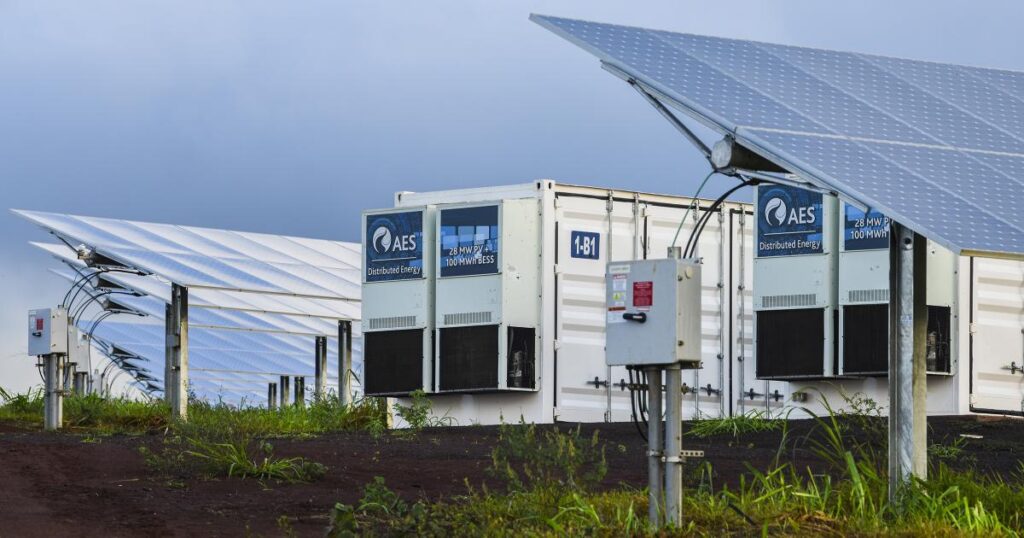
    • Battery energy storage systems (BESS)—dieselpower plants provide backup power to ensure grid stability. Advancements in lithium-ion storage technologies are replacing diesel for backup power. Large-scale battery projects being developed help store excess renewable energy for use when demand is high.
    • Green hydrogen integration—some diesel plants are under study for conversion into hydrogen-based energy hubs. This will allow hydrogen fuel cells or turbines to generate clean electricity.