Tag: Overhead line connectors

  • Strain yoke plates: Peru Mining Permit Reforms

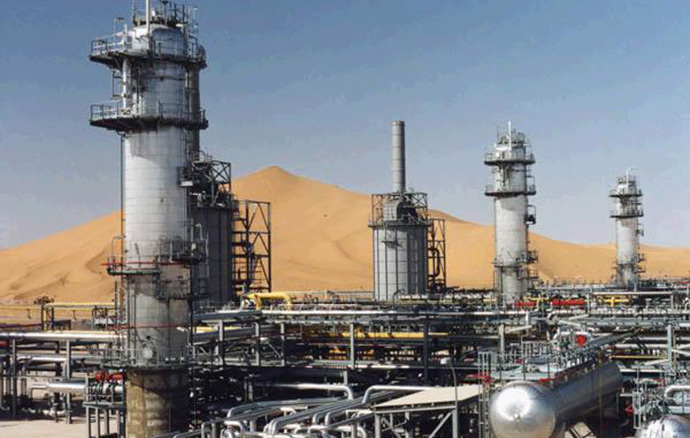
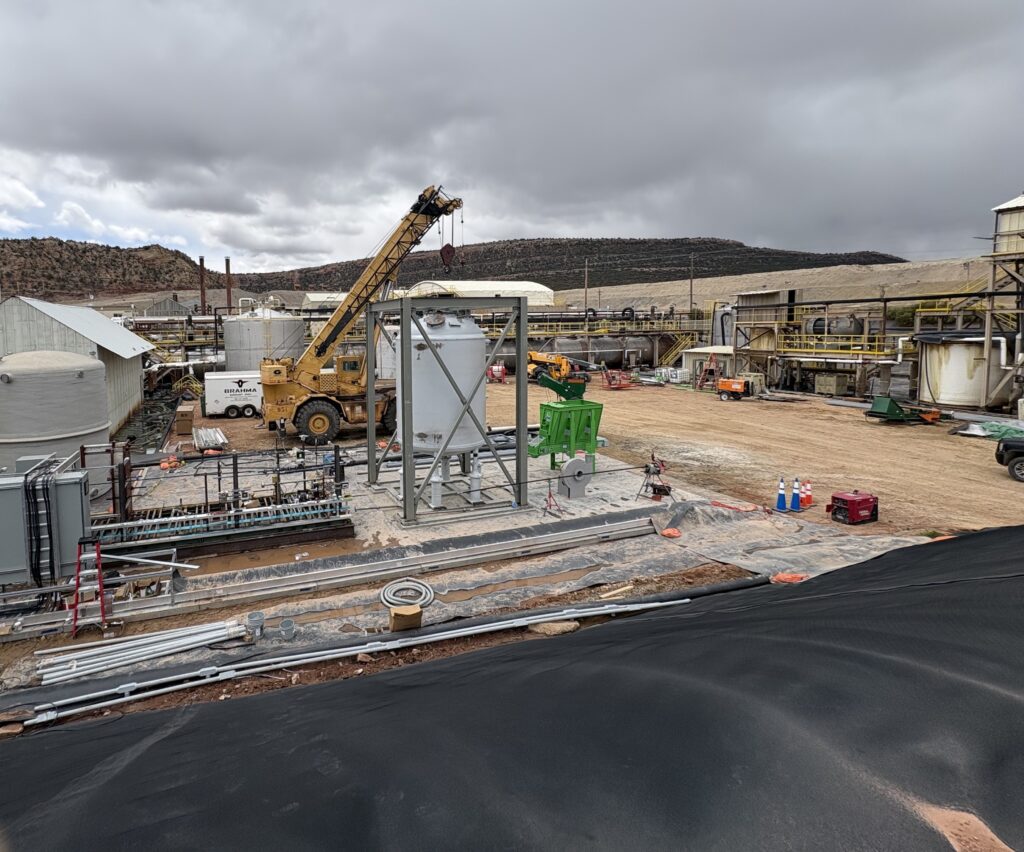
    Copper processing and production infrastructure

    The copper mining industry in Peru is essential for its energy transition, industrial progress, and sustained economic development. Peru possesses the mineral resources, mining infrastructure, and investment potential necessary for the growth of renewable energy, electricity transmission, and contemporary power distribution networks. To reach its objectives, Peru must tackle the issue of decreasing ore grades, enhance mining efficiency, bolster electricity infrastructure, and guarantee that new mining ventures can secure sustainable energy sources. Copper obtained from mines in Peru is crucial for generating, transmitting, distributing, and storing electricity. Its significant electrical conductivity, longevity, and corrosion resistance render it essential in contemporary energy systems. Copper is essential in power cables, transformers, switchgear, grounding systems, and strain yoke plates. It also functions in infrastructure for solar, wind, and hydropower generation.

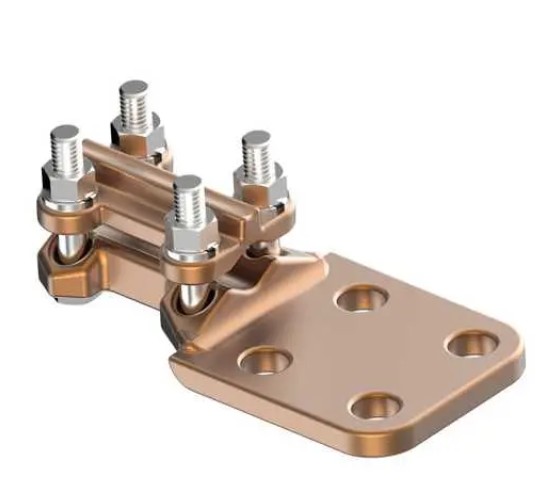
    Strain yoke plates link and evenly distribute the load between the insulator strings and the conductors they support. It links a single conductor group to various insulator strings. The yoke plate serves as a connector, joining insulator strings at the tower end. It also offers a unified and consistent attachment point for the conductor hardware at the line’s end. Strain yoke plates enable crews to reduce the stress on a single insulator string, allowing them to replace damaged insulators without needing to take the entire line offline. The plates are made from high-strength steel or aluminum, allowing them to bear much loads.

    Significance of quality control for strain yoke plates in Peru’s electrical systems

    Ensuring quality for strain yoke plates is vital for the mechanical strength, electrical reliability, and operational safety of Peru’s transmission networks. Strain yoke plates transfer mechanical stress among linked fittings and assist in keeping connections secure during conductor tension. Peru’s copper mining need expansion of electricity transmission and the development of renewable energy.
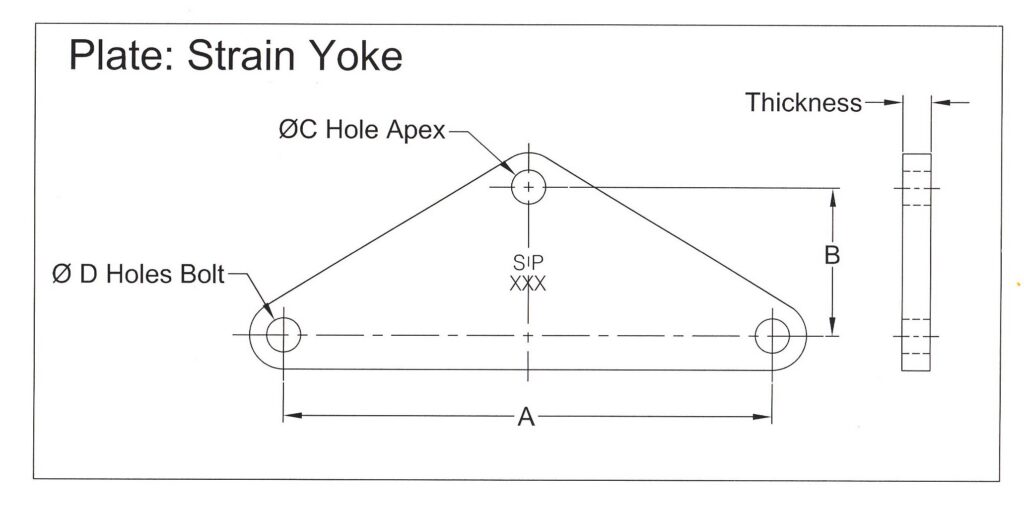
    Specifications for the strain yoke plates

    Thoroughly evaluated yoke plates assist in minimizing equipment malfunctions, avoiding unexpected downtime, and enhancing the lifespan of electrical setups. Quality assurance for the yoke plates used in electrical mining infrastructure should address material choice, dimensional precision, mechanical load strength, corrosion resistance, manufacturing uniformity, and adherence to relevant project specifications. This process ensures that strain yoke plates adhere to designated engineering, manufacturing, and performance standards. This is crucial before their installation in electrical networks or mining systems.

    Functions of strain yoke plates in the electrical mining framework of Peru

    Strain yoke plates are components of the overhead-line hardware assembly that ease the connection and distribution of mechanical loads among strain insulator strings, conductor fittings, clevises, and shackles. It provides mechanical load distribution and a safe connection in electrical systems. Here are their main functions in electrical mining infrastructure.
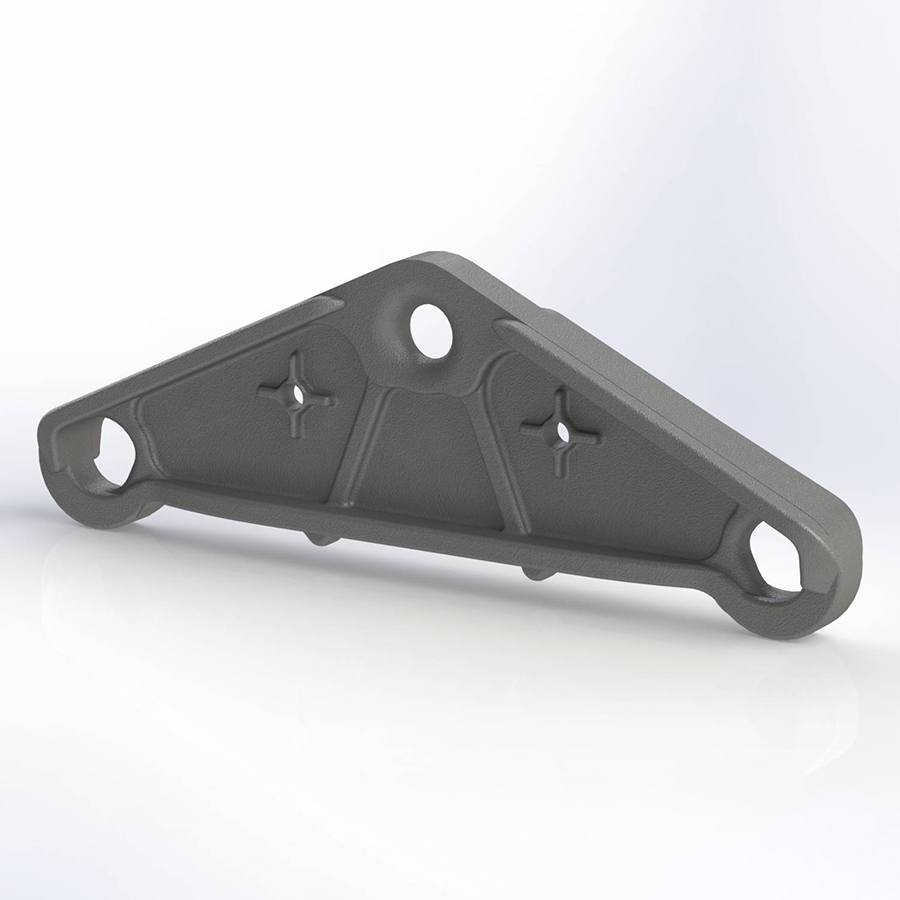
    Strain yoke plates maintain the mechanical integrity of the overhead lines
    • Supporting high-voltage connections to mining facilities—large mines need substantial and reliable electricity for conveyor systems, mineral processing plants, and processing systems. The strain yoke plates help maintain the mechanical integrity of the overhead line assemblies that connect the power systems.
    • Distributing mechanical loads in transmission line assemblies—the yoke plates transfer loads to maintain structural stability while reducing concentrated forces on individual fittings. This is important because an overhead line failure can interrupt electricity supplies to energy-intensive operations.
    • Connecting strain insulator assemblies—the plates provide connection points for strain insulator strings and related hardware. It connects strain insulators, clevises, shackles, tension clamps, and connecting links.
    • Improving reliability of mining power networks—strain yoke plates contribute to reliability by helping maintain the mechanical integrity of overhead transmission and distribution hardware.

    Significance of authorization regulations in Peru’s copper mining industry

    Permitting regulations are essential to Peru’s mining industry as they dictate if the project can advance from exploration and feasibility assessments to construction, production, growth, and closure. They also offer a regulatory structure for overseeing environmental effects, water consumption, land access, mining safety, and community issues. The Energy and Mines Ministry intends to cut approximately 27 out of nearly 100 mining permit requirements.
    The aim is to minimize bureaucracy while maintaining environmental standards. Peru’s mining regulatory system encompasses medium- and large-scale mining operations, which includes extraction, mineral processing, general mining activities, transportation, and mineral storage. Moreover, the collaboration between mining and energy permits guarantees that electrical infrastructure is in place when mining projects enter construction and production phases.
  • Bolted terminals: Powering Peru’s energy efficiency

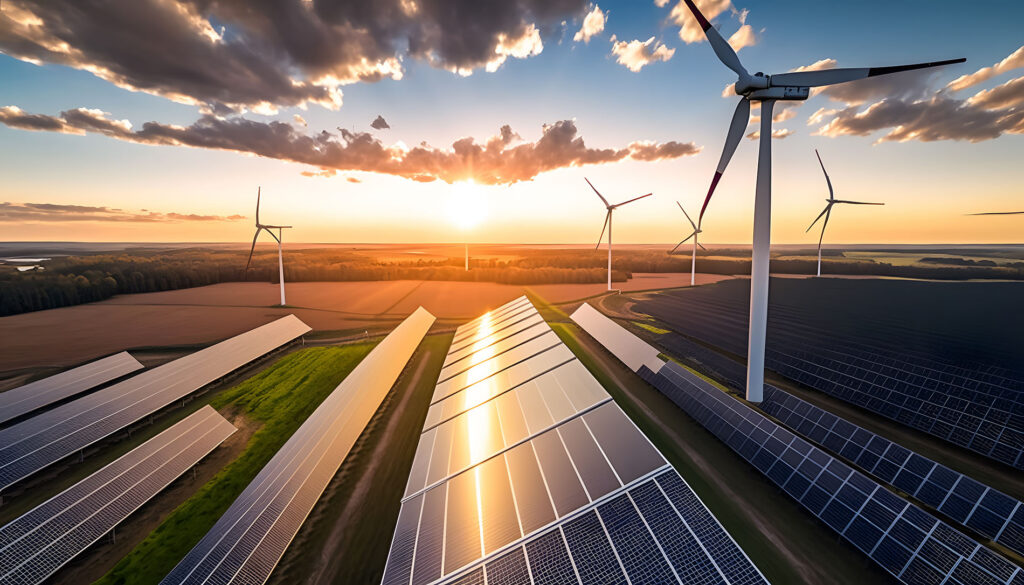
    Wind and solar hybrid project

    Peru’s power sector is now starting an investment cycle that includes the construction of generation and transmission facilities. The country currently has 33 power production projects under construction. This investment of $6.5 billion is expected to result in over 5,000 MW of new installed capacity between 2026 and 2036. The project includes eleven solar power plants, five wind farms, sixteen hydropower projects, and one natural gas-fired power plant. Furthermore, the reported 52 transmission projects total more than US$3 billion in investment. This increases the requirement for infrastructure such as transmission poles, wires, insulators, suspension and tension hardware, bolted terminals, grounding devices, and surge protection. Transmission infrastructure provides an electrical link between generation facilities and important consuming centers. The transmission projects evacuate electricity from new power plants, increase transmission capacity, reduce network congestion, improve system reliability, and strengthen the SEIN.

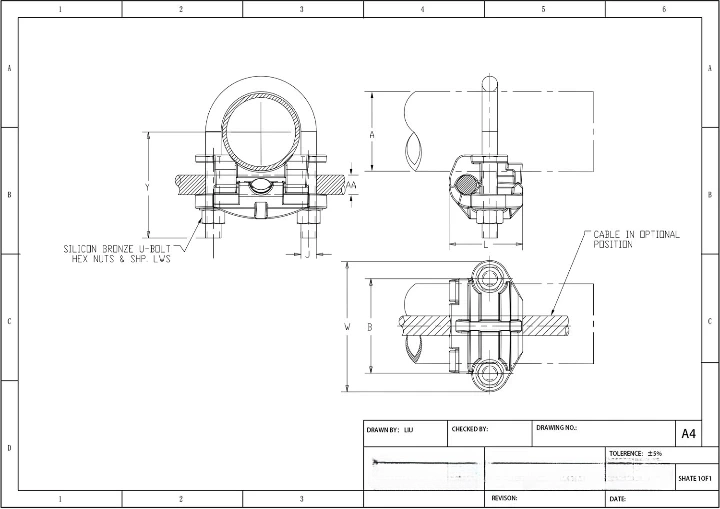
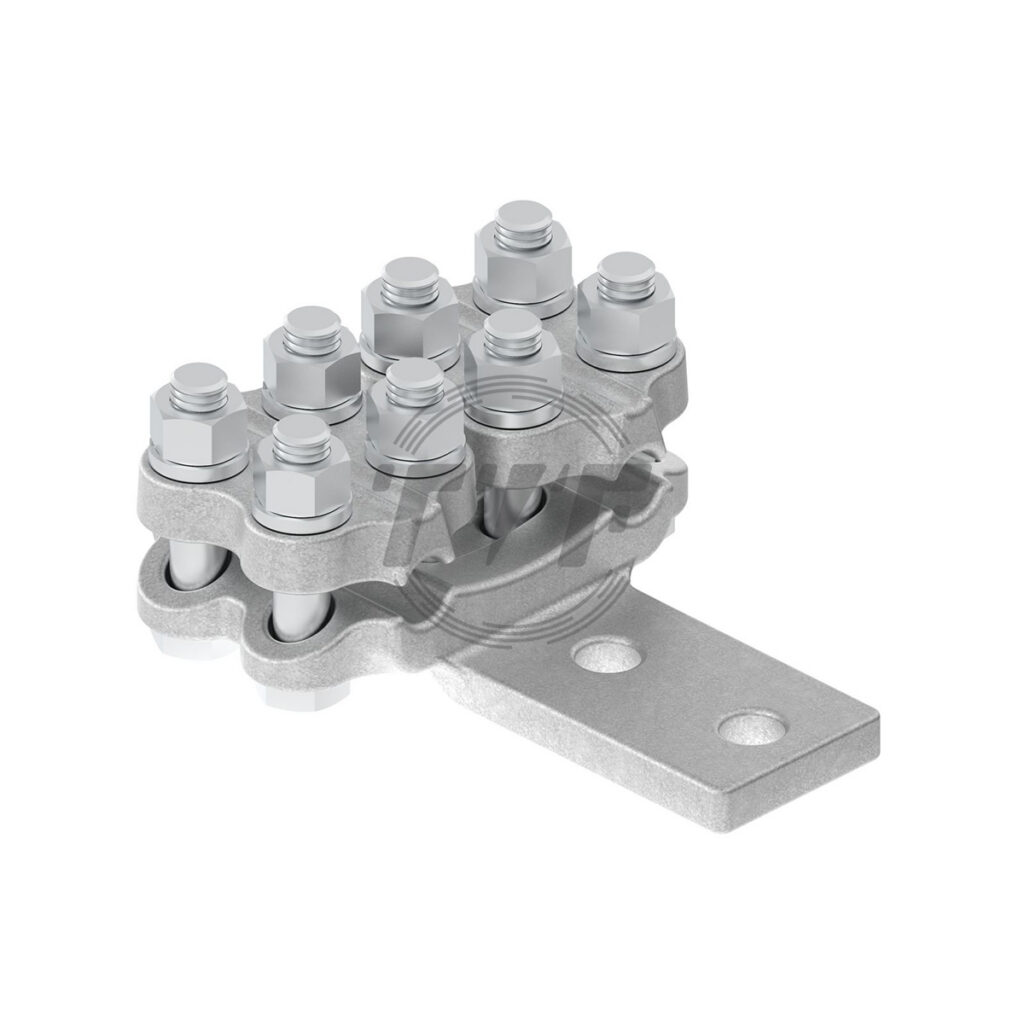
    Bolted terminals provide secure, dependable, and long-lasting connections for solar, wind, and transmission installations. They offer a secure, low-resistance, and long-lasting electrical and mechanical joint in adverse environmental conditions. Terminals, such as mechanical lugs and splices, link big wires to switchgear, transformers, combiner boxes, and bus bars. This ensures a solid connection, lowering electrical resistance and heat generation. Bolted terminals are intended to transport currents for large-scale power generation. The terminals must withstand dynamic loads such as wind, vibration, and thermal expansion. The terminals are made of corrosion-resistant materials that are suitable with both copper and aluminum conductors, preventing galvanic corrosion.

    Quality assurance for bolted terminals used in Peru’s power generation projects

    Bolted terminals connect conductors to equipment terminals, busbars, transformers, switchgear, substations, and other electrical components. Improving their quality is critical as the government increases solar and wind energy and invests in transmission infrastructure. Quality assurance for the clamp eliminates faults that can result in excessive contact resistance, localized heating, voltage dips, corrosion, arcing, and electrical failure. The terminals’ QA process includes material quality control, dimensional inspection, electrical conductivity testing, mechanical load testing, torque and fastening quality, contact-surface quality, corrosion resistance testing, and fastener quality assurance.

    Quality-assured bolted terminal

    QA inspects bolt and nut grades, washer size, thread correctness, surface treatment, hardness, tensile strength, and corrosion resistance. Quality assurance assures that the bolted terminals provide the low-resistance, mechanically secure, and corrosion-resistant connections essential for reliable operation of renewable generation projects

    Deployment of bolted terminals in Peruvian power generating projects

    Bolted terminals create a secure and conductive connection between conductors and electrical devices. Peru now generates energy through solar, wind, hydropower, and natural gas projects. With increased investment in transmission networks, bolted terminals will aid in the evacuation of generated power and strengthening the national grid. The following are the roles of bolted terminals in the infrastructure.

    Bolted terminals maintain low-resistance current flow
    • Solar power projects—bolted terminals connect PV conductors to combiner boxes, connect combiner boxes to inverters, and connect inverters to transformers. They help maintain continuous, low-resistance current flow despite outdoor exposure and mechanical stresses.
    • Wind power projects—the terminals connect generator conductors to electrical equipment. They also connect transformer terminals to cables, busbars, or other electrical equipment.
    • Natural gas power plants—bolted terminals provide electrical interfaces between the generator output system. They also allow the transfer of generated electricity into the plant’s medium- or high-voltage electrical system.
    • Transmission infrastructure—the terminals provide connections between circuit breakers, disconnector, current transformers, voltage transformers, power transformers, and surge arresters.
    • Providing mechanical stability—the bolted terminals also maintain the physical integrity of the electrical connection. They resist forces from conductor tension, vibration, thermal expansion, wind loading, and equipment vibration.

    Peruvian power generation investments encourage energy efficiency

    Peru’s investment in power generation goes beyond simply increasing electricity supply. Investments can help Peru improve its energy efficiency in a variety of ways. This is through:

    1. Increasing the share of efficient renewable generation—solar and wind generation converts available energy resources into electricity without the need for fuel combustion.
    2. Reducing energy losses through transmission infrastructure—modern transmission infrastructure improved efficiency by increasing transfer capacity, reducing network congestion, improving voltage management, and connecting renewable resources with demand centers.
    3. Improving use of Peru’s renewable resources—the investments allow the country to transform more of its domestic resources into useful electricity.
    4. Diversifying the generation mix—the investment combines solar, wind, hydropower, and natural gas. This helps improve the operational efficiency of the electricity system.
    5. Improving grid reliability and reducing inefficient operating conditions—Peru‘s electricity strategy emphasizes a reliable, continuous, and efficient electricity system.
  • U-bolted guy clamps: Technical Well Relocation Guide

    Crude production infrastructure

    PetroTal, a Peruvian crude producer, has filed environmental documentation to maximize production at Block 96 in Loreto’s northern jungle regions. It has recommended $83.5-83.6 million to improve oil production efficiency. This idea will make better use of the current infrastructure. The primary goal of the project is to relocate four anticipated production wells from the L2 Sur platform to the current L2 Oeste platform. The relocation and drilling are projected to cost approximately $79.05 million. This project will also need innovative drilling technology, production platforms, fluid handling systems, processing facilities, and water injection infrastructure. These technologies may lower the surface footprint per barrel produced. The L2 Oeste platform, production wells, CPF-4 processing facilities, and pumping systems need a consistent power source. High-quality hardware such as clamps, connectors, insulators, and U-bolted guy clamps support the overhead distribution networks supplying these facilities.

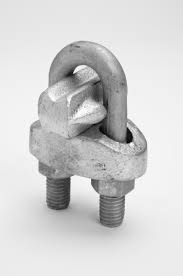
    U-bolted guy clamps provide support, stability, and structural attachment in crude oil production facilities. Guy clamps in the infrastructure anchor and tension guy wires. They help to maintain large constructions like flare stacks, masts and transmission towers. They also support new pipe supports or structural elements for existing vertical pipes without requiring hot work. U-bolt clamps secure and support pipes, hoses, and cylindrical items. They aid to absorb vibration, minimize noise, and secure piping that expands due to heat. U-bolted guy clamps can be manufactured of galvanized or stainless steel to withstand corrosion in severe and humid situations. Some of the clamps are made of high-strength carbon steel and fiberglass-reinforced resin for increased chemical resistance.

    Quality assurance of U-bolted guy clamps used in crude oil production plants

    U-bolted guy clamps support the overhead electrical infrastructure that serves crude oil production facilities. Quality assurance for the U-bolted guy clamp eliminates faults and failures that could jeopardize the mechanical stability of a guyed pole. It has an impact on the electrical distribution network, which provides power to pumps, processing equipment, control systems, and other oilfield infrastructure. The quality assurance method focuses on material quality control, dimensional inspection, mechanical load testing, corrosion protection, and thread quality.

    Quality assurance for the U-bolted guy clamps

    During installation, professionals check the correct clamp size for the guy wire, the correct orientation of the U-bolt, the proper seating of the guy wire, the tightening torque, thread engagement, and the correct guy wire tension after installation. Quality-assured guy clamps ensure a reliable electrical network that supports electric submersible pumps, water-injection systems, processing equipment, lighting, and auxiliary facilities. A failed guy clamp can destabilize the supporting pole and interrupt the electrical supply to one or more of these systems.

    U-bolted guy clamps play important roles in crude oil infrastructure in Peru

    U-bolted guy clamps hold guy wires to poles, anchors, and other structural supports. In crude oil production facilities, clamps ensure the mechanical stability of guyed utility poles and overhead electrical networks that supply production and processing facilities. Here are the primary tasks of U-bolted guy clamps in the manufacturing infrastructure.

    U-bolted guy clamp maintain reliability of electrical network
    • Stabilizing utility poles—U-bolted guy clamps provide a secure connection between a guy wire and its attachment point. The clamp transfers the tensile force from the guy wire into the pole or attachment assembly.
    • Supporting electrical power distribution—U-bolted guy clamps support crude-oil production facilities by helping maintain the structural integrity of the electrical network.
    • Maintaining conductor clearance—the clamps tension the guy assembly to prevent excessive pole movement or leaning. This is crucial for maintaining structural alignment for electrical reliability and site safety.
    • Supporting pumps and production systems—the clamps maintain the reliability of the overhead electrical network supporting electric submersible pumps.
    • Improving resistance to mechanical fatigue—quality U-bolted clamps distribute clamping forces across the guy wire and maintain the connection under specified service loads.

    Technical aspects of transferring the four production wells in Peru

    PetroTal suggested moving four production wells from the planned L2 Sur platform to the current L2 Oeste platform on Block 95 near Loreto. The four wells will be dug from L2 Oeste rather than from L2 Sur. The investment will go toward re-engineering well trajectories, horizontal drilling, wellhead and completion engineering, and artificial lift integration. The four relocated wells will need electrical and mechanical infrastructure to power their respective production systems. This will establish a direct connection between well engineering and electrical infrastructure. The project is a coordinated overhaul of the surface-to-subsurface production system, which will speed up development while avoiding unneeded expansion of the field’s current surface footprint.