Tag: Pole line hardware

  • Silicone suspension insulators: QA for Peru mining

    Mineral mining infrastructure in Peru

    Peru is famous for its mineral output, which is important for energy transition and sustainability. Its products include copper, iron, lead, molybdenum, silver, indium, and graphite. It also manufactures lithium, nickel, cobalt, manganese, titanium, vanadium, and rare earth elements. These minerals contribute to the production of electric vehicles, transmission grids, batteries, wind turbines, solar panels, and sophisticated technology. Peru has 66 exploration projects and 69 investment projects. These are estimated investments of more than US$64 billion. Investment projects can turn proven resources into mines, processing plants, transportation systems, and energy infrastructure. As a result, mining operations will need more roads, ports, water systems, substations, transmission lines, power production, and industrial facilities. Additionally, such growth creates opportunities for power-line infrastructure manufacturers and suppliers of silicone suspension insulators, clamps, connectors, and transmission fittings. This infrastructure is crucial for the development and operation of large-scale mining in Peru.

    Silicone suspension insulators guarantee the safe transmission of power to remote operations. They sustain high-voltage lines while electrically isolating them from the supporting structures. This stops current from going to the ground, ensuring the mine’s power infrastructure operates safely and reliably. The insulators prevent the creation of continuous conducting channels, which can cause flashovers and power outages. Silicone suspension insulators provide the durable and dependable insulation required for the efficient transmission of renewable energy. They can tolerate a variety of circumstances in mining sites. They are resistant to low temperatures and frost, lowering the possibility of ice flashover and breaking. This is critical for ensuring a continuous power supply in a sustainable energy plan. Additionally, their lightweight design reduces transportation and installation costs in remote mining locations.

    Quality assurance of silicone suspension insulators used in mineral mining infrastructure.

    Silicone suspension insulators are used in overhead power networks that support Peru’s mining industry. They are used where high-voltage lines connect mines, processing plants, substations, and remote generation facilities. In mining conditions, power line hardware is exposed to dust, moisture, chemicals, vibration, and rigorous mechanical stresses. Insulators’ quality assurance includes silicone housing, fiberglass-reinforced core, metal fittings, electrical performance, and mechanical strength.

    Specifications for the suspension insulator

    QA assures that the insulator adheres to the international standards for definitions, test methodologies, and acceptance criteria. The method involves inspecting silicone rubber material quality, fiberglass reinforcement, housing-to-core adhesion, metal fitting quality, mechanical load testing, and electrical performance testing. A high-quality insulator should combine mechanical strength, electrical insulation, hydrophobicity, pollutant resistance, environmental sustainability, secure interfaces.

    Silicone suspension insulators in the mineral mining infrastructure of Peru

    Large mining and processing plants rely on consistent electricity for crushing, grinding, pumping, ventilation, material handling, mineral processing, and other processes. Peru is also expanding its transmission infrastructure, with 32 projects encompassing more than 3,800 km of 60-500 kV networks, to improve electrical dependability. Insulators play the following roles in the mining infrastructure.

    Silicone suspension insulators in overhead power networks
    • Supporting reliable power transmission—the silicone suspension insulator isolated overhead conductors from towers and other grounded structures while supporting the conductor.
    • Withstanding mechanical loads—the insulators form part of the mechanical load path between the conductor and supporting structure.
    • Providing insulation in contaminated environments—properly designed composite insulators can reduce the tendency of water to form a continuous conductive film on the surface.
    • Improving transmission-line reliability—mining operations depend on a high-voltage supply to operate their concentrator, pumps, conveyors, and other electrical loads. Reliable suspension insulators contribute to the continuity and stability of electricity supply to mining loads.
    • Supporting high-voltage mining infrastructure—high-voltage connections in Peru’s mining include infrastructure from 60 kV to 500 kV. Silicone suspension insulators used should consider the system voltage, lightning, and switching stresses.

    Mineral mining prospects in Peru’s energy industry

    Peru’s mineral mining sector offers prospects to the country’s energy business. This is because increased mining activity raises demand for electricity generation, transmission, substations, grid upgrading, and energy services. Key opportunities include:
    1. Rising demand for electricity—mining operations need continuous power for mineral processing, conveyors, ventilation, pumps, and water management.
    2. Expansion of transmission infrastructure—mining projects in remote areas create opportunities for investments in high-voltage transmission lines, substations, and other equipment. This leads to demand for silicone suspension insulators and transmission line fittings.
    3. Development of renewable power for mining—renewable power can be connected to mining operations through the national grid, dedicated generation facilities, or combinations of generation and storage.
    4. Electrification of mining equipment—replacing diesel-powered equipment with electric alternatives increases electricity demand.
  • Guy thimbles in Venezuela’s hydro energy setup

    Hydroelectric power generation in Venezuela

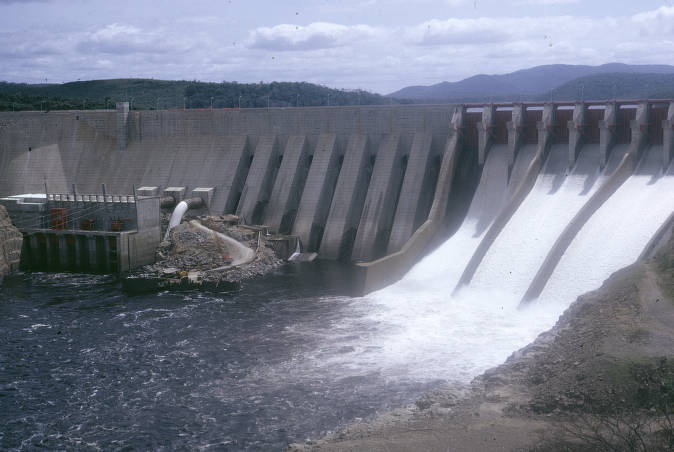
    Venezuela is primarily recognized for its oil output, which sustains the global energy industry. Nonetheless, many challenges have arisen from global sanctions and market volatility. The nation has taken various steps to address these challenges, including the Guri Hydroelectric power station. The Dam sits on the Caroni River, featuring an installed capacity of 10,200 MW, producing 50,000 GWh. This facility includes three high-voltage switchyards and has experienced considerable modernization initiatives. Leveraging the Guri Hydroelectric dam aids in decreasing dependence on fossil fuels, offering a more sustainable energy option. Hydroelectric power from Guri offers an affordable energy option for aiding household usage and major industries. Hydropower aligns with worldwide shifts toward cleaner energy and creates chances for integration with solar and wind. Employing guy thimbles is crucial for the structure and upkeep of the Guri Dam.

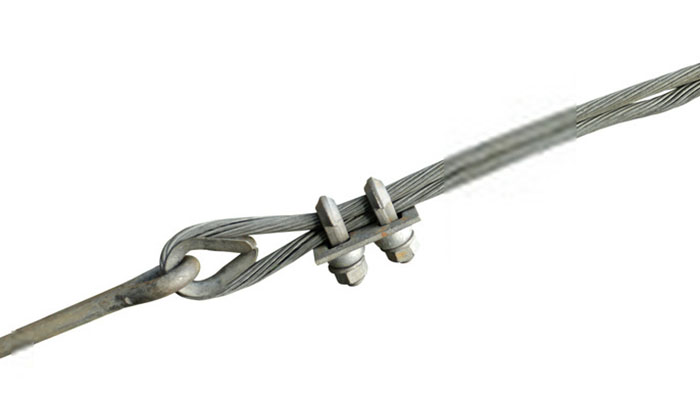
    The Guri Dam is crucial for Venezuela’s power grid, requiring ongoing maintenance to avoid power outages. The guy thimble is essential in crane operations, supporting transmission lines, and in lifting systems. Guy thimbles serve in guy wires that secure transmission towers. They guarantee they stay vertical during strong winds and heavy load scenarios. The thimble safeguards the wire ropes from deterioration by offering a sturdy, smooth loop for connection. Thimbles function in slings, cables, and rigging systems to securely hoist heavy parts without causing harm. They aid in distributing load forces uniformly in anchoring and mooring applications.

    Guy thimbles in hydroelectric energy production

    Hydroelectric energy supplies over 60% of Venezuela’s electricity. Using high-quality components help ensure the stability and longevity of the infrastructure. A guy thimble is a protective hardware fitting used in guy wire systems. It is able to prevent bending, distribute tension forces, and maintain cable integrity. Guy thimbles are essential in transmission line structures, switchyards, and support towers. They help connect power generates at hydro plants to the main grid. Additionally, they help prevent wire damage, distribute mechanical stress, and resist corrosion in wet and humid conditions. Here are the roles of guy thimbles in hydroelectric power.

    Guy thimbles supporting guy wires for transmission lines
    1. Structural support and stability – hydropower stations need tall transmission towers and poles to move electricity. Guy thimbles help anchor guy wires that stabilize the towers in high-stress zones.
    2. Preservation of guy wire integrity – Guy wires in hydro facilities face mechanical tension due to conductor weight and environmental factors. Guy thimbles reduce friction and sharp bends that prevent premature breakage.
    3. Enhanced safety for grid infrastructure – thimbles ensure that guy wires maintain firm and secure loops. They reduce the risk of snapping which could cause tower collapse, live wire exposure, and power interruptions.
    4. Corrosion resistance and longevity – guy thimbles are from galvanized steel or corrosion resistant alloys. These materials withstand the humid and wet conditions around hydroelectric dams. The durability contribute to longer service life of infrastructure with minimal maintenance.
    5. Support for energy integration – guy thimbles help stabilize new poles used in interconnection lines.

    Significance of incorporating hydroelectric energy generation into Venezuela’s power industry

    Incorporating hydropower into the energy sector is vital for ensuring energy stability, promoting economic sustainability, and achieving environmental objectives. Venezuela can use hydro as the core of its energy production. This integration requires updated turbines, control systems, power lines, battery energy storage systems, and suitable maintenance equipment such as hotline tap clamps. Venezuela can realize the complete advantages by means of appropriate investments, upgrades, and policy assistance. Its significance in Venezuela’s energy sector includes:

    • National electricity production – hydropower makes up more than 60% of Venezuela’s power supply. Hydroelectric energy provides a consistent base load that the nation can depend on amid variations in thermal power generation.
    • Lowers dependence on fossil fuels – hydroelectric integration lessens reliance on fuel-heavy thermal plants. This aids in lowering operational expenses, carbon emissions, and susceptibility to changes in the global oil market.
    • Economic resilience via energy independence – hydropower delivers affordable electricity in a context of significant government energy subsidies. This integration stabilizes utility rates and fosters economic resilience.
    • Hydro integration can enhance grid reliability and resilience during times of peak demand. This is primarily achieved via contemporary control systems, battery energy storage, and upgraded transmission infrastructure.
    • Environmental sustainability – hydroelectric power is a clean, renewable energy option that supports worldwide climate objectives. Enhanced integration aids Venezuela’s environmental obligations, decreases greenhouse gas emissions, and safeguards natural ecosystems.