Tag: Venezuela

  • Energy News Weekly Digest – July 01-04, 2025

    Reducing outages in Venezuela with smart suspension clamp solutions.
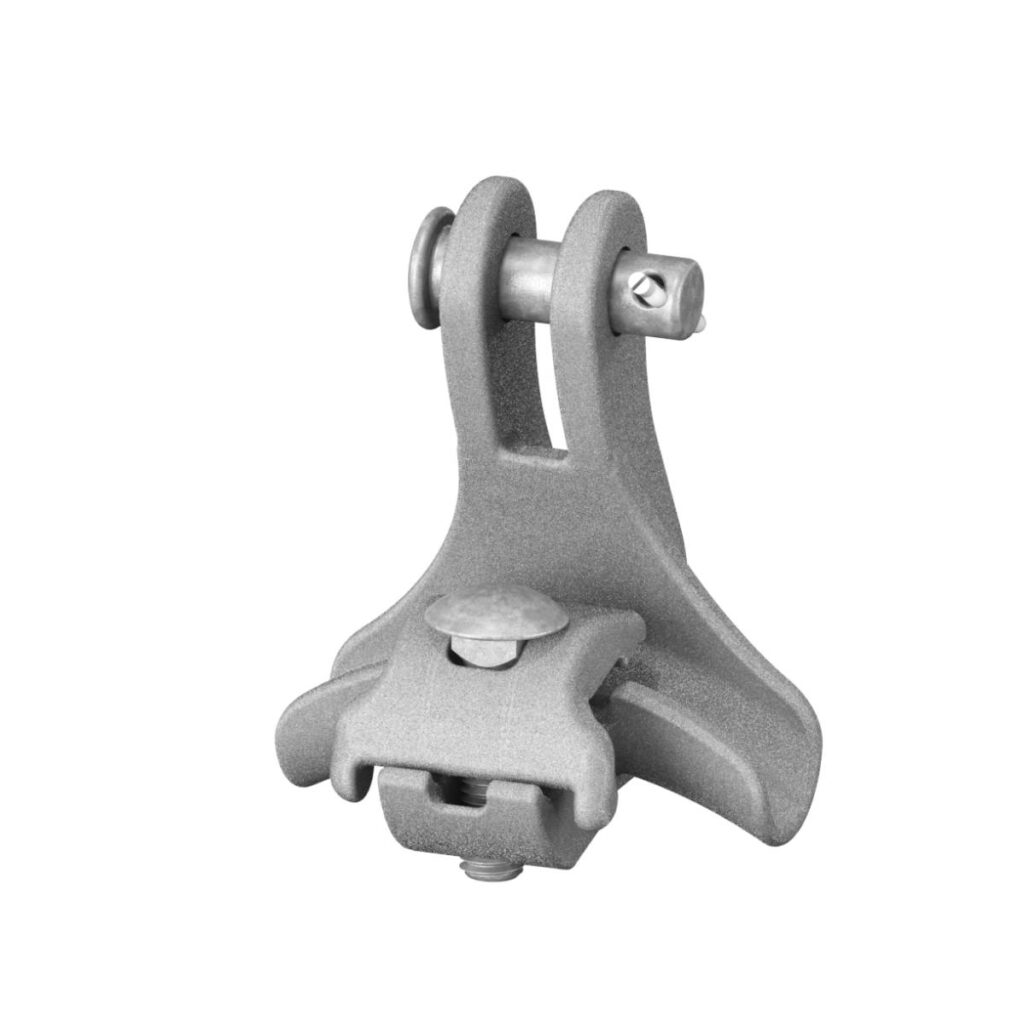
    Suspension clamps, distributing mechanical loads on conductors

    Suspension clamps are components designed to securely hold overhead power cables. They help distribute mechanical loads and reduce stress on both conductors and poles. They have a smart design that reduces sagging and prevents outages by maintaining consistent tension and spacing.

    It is crucial in Venezuela’s energy grid that suffers from chronic blackouts stemming from aging infrastructure and poor maintenance. Using robust suspension clamps can cut the risk of cable failures, reduce connection faults, and drive enhanced grid resilience.

    Their durability ensures more uptime and lower repair costs in remote or hard-to-reach areas. This makes them cost-effective in ensuring long-term grid reliability.

    Suspension clamps support flexibility in grid design and simplify the integration of distributed energy resources. They help the integration of community solar, wind, and microgrids by providing adaptable cable attachment points.

    The clamps improve grid modularity as energy systems evolve in Venezuela and across South America.

    #EnergyInfrastructure #VenezuelaPowerOutages #SuspensionClamps #GridReliability #TTFForgingInsights

    Read More

    Deadend clamps boosting grid stability in Venezuela
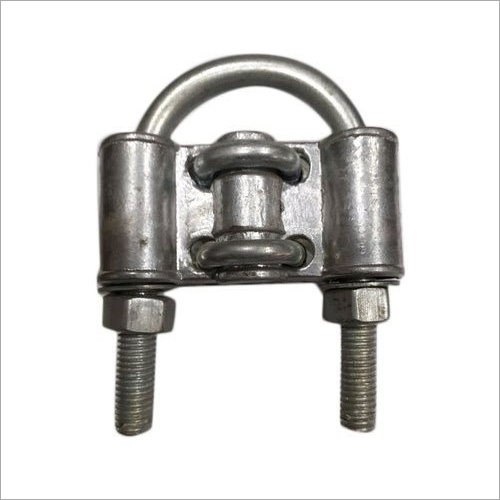
    Deadend clamps anchoring cables at end poles

    Deadend clamps are cost-effective, low-tech solutions to strengthen aging power grids in Venezuela. They anchor cables at end poles to combat slippage, sagging, and vibration, which cause grid failures.

    This reinforcement directly supports power reliability, reduces maintenance costs, and aids broader energy crisis strategies like source diversification and mini-grid roll-outs.

    Venezuela faces up to 12-hour daily blackouts due to drought, aging equipment, and neglect. Deadend clamps prevent conductor slippage, sagging, and vibration, which cause outages.

    The clamps fit within energy diversification, smart maintenance, and international collaborations. They are an excellent tie-in for policy and tech content from renewables and hybrid microgrids to global energy aid.

    #DeadendClamps #GridReliability #BlackoutPreventionHardware #RenewableEnergyInfrastructure #CableTensionClamps

    Read More

    Pole bands boosting Venezuela’s oil export potential
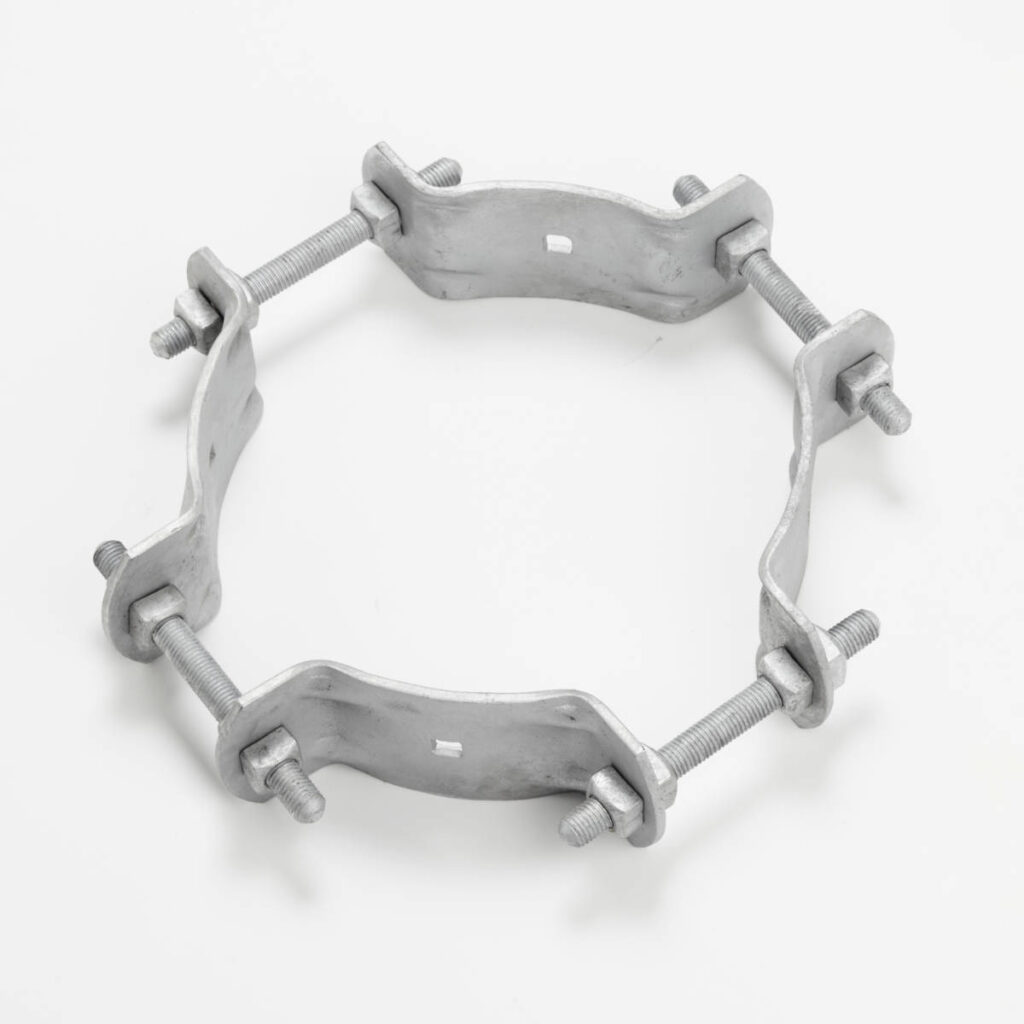
    Pole bands strengthening Venezuela's oil export

    Recently, the U.S. revoked Chevron’s license, which resulted in PDVSA pivoting to Blend22, targeting Europe and Asia. The country has since shifted to China and other Asian markets.

    Pole bands are metal clamps used in oil storage and hydrocarbon infrastructure that play a role in strengthening Venezuela’s oil export chain.

    They enhance structural integrity, streamline electrical supply, and support monitoring systems in storage facilities. This enables more reliable and efficient operations.

    Pole bands secure pipelines, conductors, and power lines against environmental wear and tear. They are crucial for uninterrupted electricity to remote drills, storage terminals, and processing plants.

    Venezuela can integrate smart asset monitoring like support sensors, cameras, and gauges, which is key for leak detection and pressure monitoring.

    #PoleBands #OilExport #Venezuela #Blend22 #PDVSA #Infrastructure #IoTMonitoring #EnergyResilience
    Read More

  • Yoke plates in oil trade power Venezuela’s grid

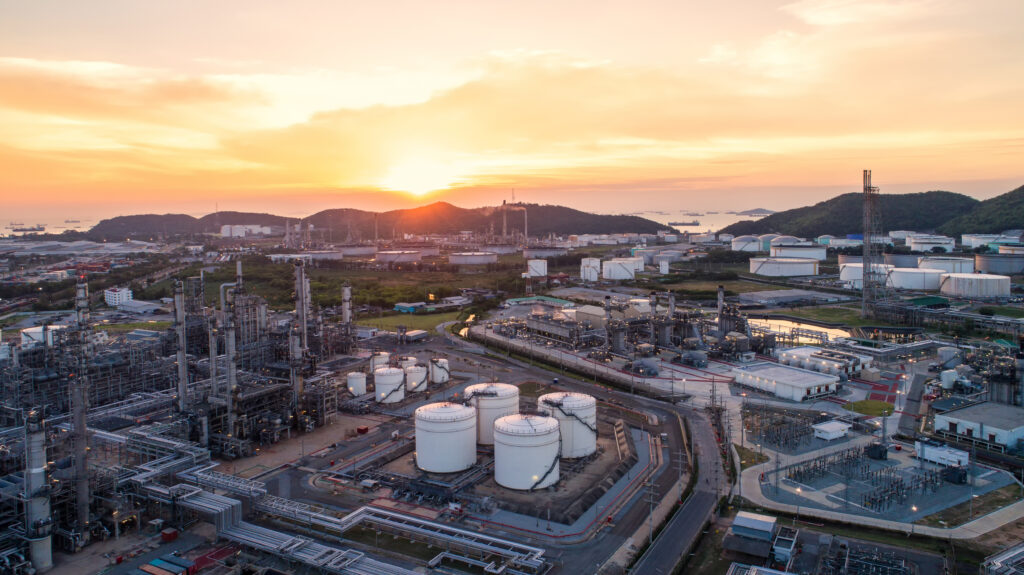
    Hydrocarbon and oil production facility

    Venezuela depends on oil income to get fuel and diluents essential for refining heavy crude. In June, the nation exported approximately 844,000 barrels daily of crude oil, marking an 8% rise compared to the month before. Nonetheless, the cancellation of U.S. licenses permits partners such as Chevron and Repsol to engage in trading Venezuelan crude. This leads to notable long-term and short-term effects on Venezuela’s energy industry. With these markets limited, Venezuela has shifted crude exports to China. Sales to China include discounts, barter agreements, or debt settlements instead of cash payments. This lowers the real income Venezuela generates in relation to other sales. The income earned from exports is essential for maintaining power production in the nation. Ensuring the grid remains functional is essential for avoiding power outages caused by aging infrastructure elements such as transformers, transmission lines, and power stations. Pin insulators uphold the electrical framework that supports Venezuela’s oil production and export activities. Yoke plates spread mechanical stress over insulator strings to avoid structural collapse.

    Oil production demands high-power transmission lines to run pumps, refineries, and export terminals. Yoke plates help distribute mechanical stress across insulator strings to prevent structural failure. They also help reduce the risk of line failures to maintain continuous power flow. The plates are from durable materials to prevent rust and degradation to extend infrastructure lifespan. Standardized yoke plates allow for faster replacement of damaged insulators or conductors. Venezuela’s national grid suffers from chronic blackouts due to underinvestment and poor maintenance. Most of the oil facilities rely on diesel generators when the grid fails. The generators still depend on transmission lines to distribute power within facilities.

    Roles of yoke plates in maintaining electrical infrastructure for oil production and export

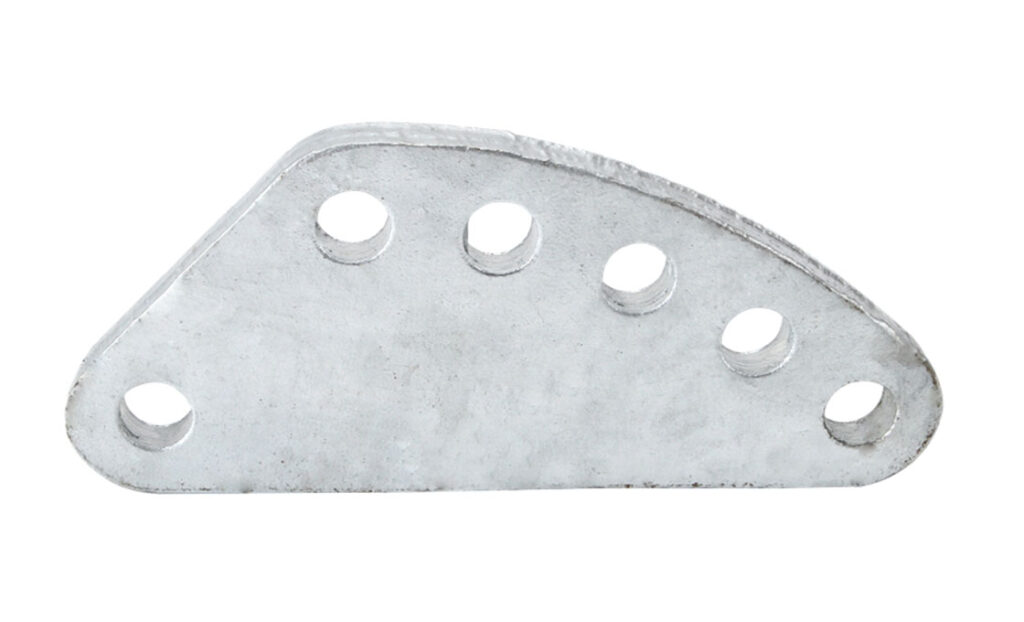
    A yoke plate is a hardware component used in electrical transmission and distribution systems. It serves as a connector between insulators, crossarms, and conductors. It ensures mechanical stability and electrical continuity in power lines that supply electricity to oil fields, refineries, and export terminals. Yoke plates play a crucial role in maintaining electrical infrastructure powering oil production and export. The plates help ensure that transmission systems supporting oil operations remain stable, safe, and efficient. They play a crucial role in ensuring mechanical stability and electrical safety in power lines serving oil production and export. Here are the roles of yoke plates in the electrical infrastructure.

    Yoke plates connect insulators in suspension strings
    • Securing insulators in high-voltage transmission lines—yoke plates help connect many insulators in suspension of tension strings. Stable power delivery is crucial for pumping, refining, and transporting oil in oil-rich regions. The plates ensure the insulators remain aligned and balanced to reduce mechanical stress and reduce the risk of power failure.
    • Maintaining structural integrity under high loads—oil production facilities need a high and continuous power supply. Yoke plates distribute mechanical load evenly across insulators. This helps withstand heavy conductor tension and wind forces.
    • Reducing electrical faults in harsh environments—yoke plates help maintain consistent insulator spacing and mechanical support. It reduces the chances of flashovers, arcing, or phase contact.
    • Enabling infrastructure resilience—yoke plates are often galvanized to provide long-term durability and low maintenance. This helps prevent power-related disruptions to critical oil export operations.
    • Facilitating grid maintenance—yoke plates enable safe retrofitting of insulator strings without dismantling entire tower structures.

    Effects of oil exports and imports on Venezuela’s energy industry

    Venezuela’s economy and energy industry rely on oil exports for income and the importation of oil. Oil extraction is essential to maintain output and local fuel availability. Oil trading influences the nation’s energy security, economic vitality, and global position. Companies such as Chevron and Repsol might increase output, resulting in extra funds for fuel imports and grid maintenance. Moreover, the easing of sanctions could assist in alleviating Venezuela’s electricity crisis. The effects are as outlined in the following sections.

    1. Revenue source – oil sales comprise 90% of Venezuela’s export income and finance social initiatives, infrastructure development, and military expenditures.
    2. Foreign currency for imports – oil sales generate the foreign currency required to buy food, medicine, and industrial machinery.
    3. Grid instability – fuel shortages impact thermoelectric plants, exacerbating blackouts. Industries halt operations because of power outages, leading to a decline in non-oil exports.
    4. Reliance on discounted and shadow markets – shadow fleets and intermediaries diminish transparency and income.
    5. Domestic fuel shortages – illicit fuel prices surge when imports delay. Power plants also experience issues from diesel shortages that exacerbate blackouts.
  • Cable suspension bolts boost grid strength in crisis

    Power crisis causes in Venezuela

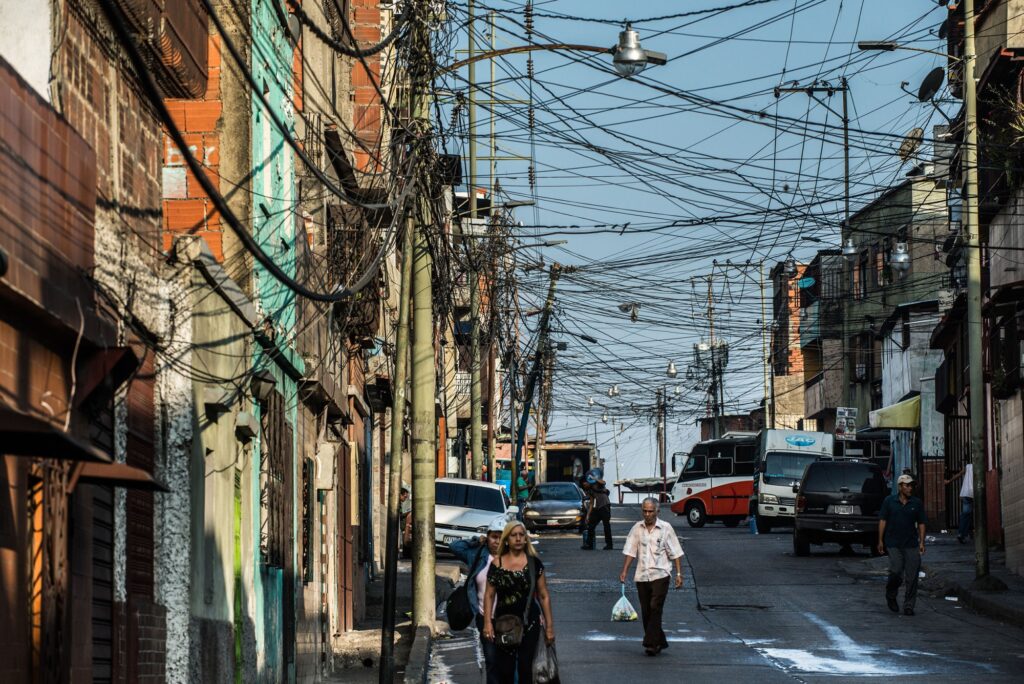
    Venezuela is currently experiencing a power outage, which is straining the country’s infrastructure. The situation is caused by a sharp drop in hydroelectric generation capacity. Hydroelectric power produces 60% of the country’s electricity. The country’s failure to deliver adequate fuel to thermoelectric plants exacerbates the issue. As a result, many regions are experiencing long power outages. Without foreign investment in turbine upgrading, the Guri Dam’s output will inevitably decline. Venezuela should so develop an atmosphere conducive to private and state investment. This will be critical for furthering the development of these technologies. This will be critical for stabilizing the electricity grid and reducing power outages. The national grid depends on obsolete transmission infrastructure that limits power generation. Cable suspension bolts help improve electrical transmission and distribution systems.

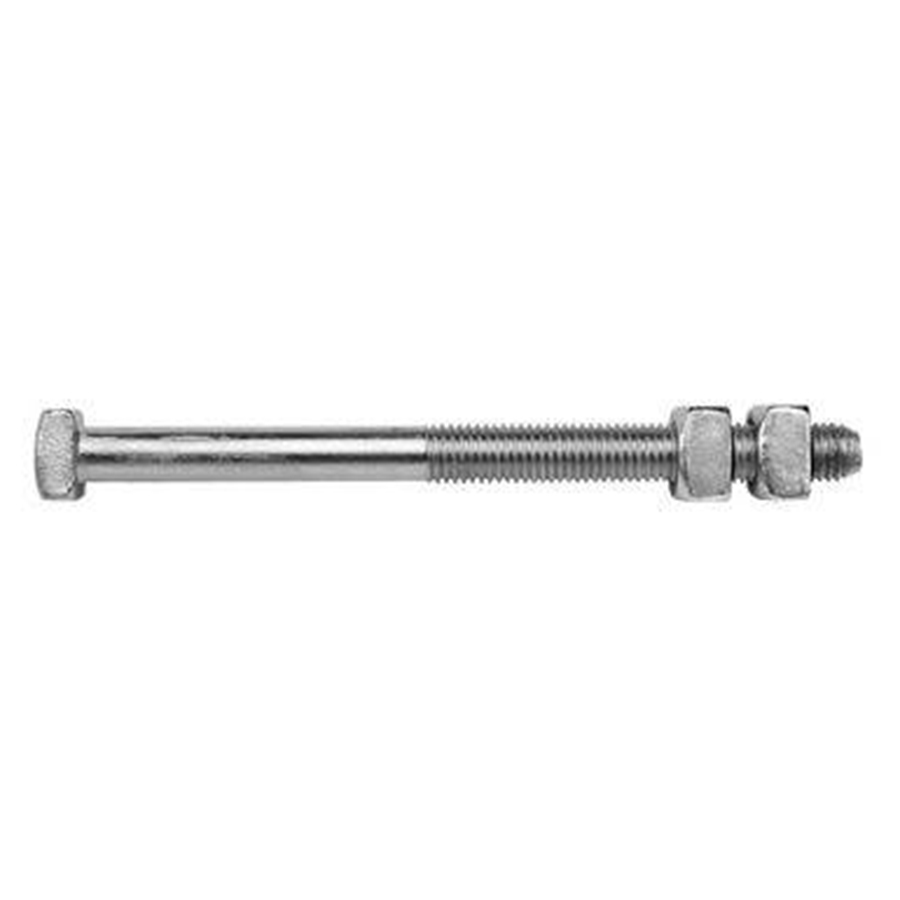
    Cable suspension bolts attach conductors to transmission towers and poles. This helps to avoid drooping and line failures due by wind, storms, or old infrastructure. They help to lessen the frequency of power outages caused by broken lines, which are a key problem in Venezuela’s crumbling grid. These bolts maintain greatest tension in overhead cables, preventing short circuits and line problems. Venezuela’s grid suffers from voltage oscillations, necessitating the correct placement of cables to stabilize transmission. High-quality suspension bolts allow broken transmission lines to withstand environmental conditions. They are critical in increasing the life of electrical cables and lowering maintenance expenses. Cable suspension bolts offer the potential to provide reliable power distribution, reducing dependency on unpredictable local generation. Proper use of suspension bolts reduces blackouts. It also supports Venezuela’s efforts to modernize its failing electricity infrastructure.

    Cable suspension bolts can help ease Venezuela’s power crisis

    Cable suspension bolts help to improve power line infrastructure in areas prone to outages and crises. They are crucial to decreasing power outages and increasing grid resilience. A cable suspension bolt is a fastener used to secure electrical cables to supporting structures. It is critical for maintaining power lines’ structural integrity and reliability. Investing in high-performance suspension hardware is a highly effective technique for reducing outages, protecting transmission lines, and restoring faith in the power system. Here are the responsibilities of cables in technological infrastructure that help to reduce Venezuela’s power issues.

    Cable suspension bolt maintain cable tension
    1. Structural integrity and vibration control—cable suspension bolts are able to anchor and support overhead conductors. They help maintain cable tension, reduce sag, and dampen vibrations that could lead to mechanical fatigue.
    2. Protection against harsh environmental conditions—the country faces conditions like high humidity, tropical storms, and extreme weather fluctuations. Cable suspension bolts are from corrosion-resistant materials that help extend the lifespan of towers and conductors. They provide robust support and reduce weather-related damage.
    3. Reducing outages through resilient design—Venezuela faces blackouts due to the fragile electrical grid. Suspension bolts integrate into modern power infrastructure to provide resilience. This is through maintaining conductor alignment, preventing conductor galloping, and reducing the likelihood of mechanical failures.
    4. Enhancing maintenance—suspension bolts speed up post-disaster repairs, lower the risk of theft, and support grid-hardening initiatives.
    5. Supporting grid modernization—cable suspension bolts are crucial in upgrading transmission towers for smart grid technologies.

    Improved infrastructure to reduce power shortages and crises in Venezuela

    Venezuela faces widespread power outages, aged grid infrastructure, and political instability. Energy crises can interrupt homes, hospitals, industries, and communications for days at a time. However, there is a slow and steady transition to modern technology infrastructure. This includes:

    • Grid stabilization—the country is adopting smart grid technologies that allow for real-time monitoring, load balancing, and predictive maintenance. This includes smart sensors, advanced metering infrastructure, and automated switchgear.
    • Upgrading transmission and distribution lines—outdated power lines are being gradually replaced with high-capacity conductors, cable suspension bolts, and insulators to maintain line integrity. This helps reduce the chance of mechanical failure in remote areas.
    • Decentralized energy and microgrids—there is continued development of decentralized energy systems. This includes microgrids in rural areas, battery energy storage systems to store surplus electricity, and solar-diesel hybrid systems.
    • Renewable energy integration—Venezuela is exploring solar and wind energy as sustainable solutions. The key efforts include installing solar panels, exploring wind corridors, and partnering with international donors to fund off-grid renewable projects.
    • Cybersecurity infrastructure—this helps safeguard infrastructure from internal and external threats. It includes tamper-proof transformers and metering systems, surveillance and drone monitoring, and cybersecurity protocols.