The energy market in Argentina is led by hybrid vehicles along with fully electric vehicles. Its potential is considerable, motivated by the necessity to decrease reliance on foreign fossil fuels, reduce city pollution, and use the benefits of energy. Moreover, the heightened investments in renewable energy sources such as solar and wind could result in the country’s acceptance of EVs. Sustainable energy can offer dependable, cost-effective, and eco-friendly power to the electric vehicle charging network. Incorporating into the grid also enhances energy accessibility and dependability. This also requires updating the grid to manage the higher and more concentrated demand from EV charging stations. This could involve enhancing transmission lines, implementing smart grid technology, and upgrading local grids. Argentina requires the upgrade and establishment of charging facilities in key regions. The Y-clevis eye is essential in the distribution grid and the EV charging station
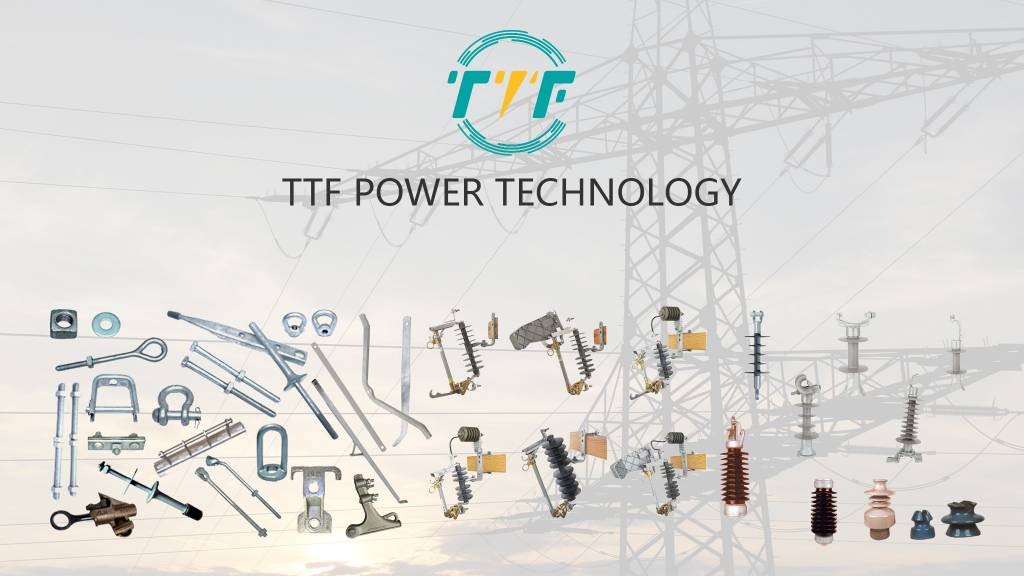
Widespread adoption of EVs represents a new electrical load for the energy sector (usually 50 kW, 150 kW, and 350 kW). Existing distribution lines in rural areas are often not designed for such a load. The clevis eye is a mechanical fastener used to connect electrical conductors to insulators, poles, or crossarms on utility poles and substations. It allows a strong, reliable, and pivotable connection. Y-clevis eyes within the substations make secure connections on busbars, disconnect switches, and other apparatus. It ensures a reliable and stable power supply to the charging station. Y-clevis eyes provide a low-resistance path to earth for fault currents. The clevis eye helps secure heavy cable runs to structures and helps support the weight of the charging dispenser cable on a bracket. The Y-clevis eye contributes to grid resilience, safety, and standards.
Functions of the Y-clevis eye in EV infrastructure
Reliable power distribution networks are crucial as Argentina scales up its electric vehicle market. A Y-clevis eye serves in transmission and distribution networks to connect insulators, line fittings, or conductors. EV infrastructure functions with distribution feeders, transformers, and service lines to support charging stations. Y-clevis eyes offer strength, alignment, and reliability. The clevis eye secures insulators, transfers mechanical loads, maintains conductor alignment, and ensures safe, reliable power delivery to charging stations. Here are the functions of the Y-clevis eye in EV infrastructure development in Argentina.

- Connecting insulators to hardware—Y-clevis eye link suspension or strain insulators to crossarms and poles. They ensure secure support for conductors feeding EV charging points.
- Maintaining mechanical strength—the clevis eye transfers conductor weight, tension, and wind forces to the pole. They prevent mechanical failures that disrupt EV charging supply.
- Providing flexibility in line angles—the U configuration allows for proper alignment of insulators and conductors. This makes it a crucial component where distribution lines navigate tight street layouts.
- Durability in harsh environments – Galvanized steel Y-clevis eyes resist corrosion and mechanical wear. This durability supports long-term EV grid reliability.
- Supporting grid upgrades for EV demand—Y-clevis eyes enable strong and flexible connections in upgraded distribution lines. This supports urban fast-charging hubs and rural highway EV corridors. Upgrades are essential as Argentina scales up fast-charging stations and highway corridors.
Importance of lithium for electric vehicles and their infrastructure in Argentina.
Argentina ranks among the leading producers of lithium, an essential mineral for electric vehicle batteries. Lithium is essential for fueling electric vehicles and developing the infrastructure that facilitates their use. Lithium-ion batteries lead the EV market because of their high energy density and quick charging features. It allows electric vehicles to reach greater distances, quicker velocities, and enhanced reliability. Lithium batteries play a vital role in charging stations and grid storage systems to maintain a steady electricity supply. Its significance is as explained in the following sections.
- Battery production and domestic industry growth—Argentina may lessen dependence on imports and bolster its own electric vehicle market expansion.
- Combining renewable energy—wind and solar power, can work with lithium battery storage to establish sustainable EV charging stations and enhance grid stability.
- Modernizing infrastructure—investing in renewable-powered charging networks, battery recycling plants, and intelligent grids—can maximize lithium’s potential. This is vital for maintaining equilibrium between supply and demand in the nation.
- Argentina’s lithium reserves offer geopolitical and economic influence in global markets. This renders lithium essential for electric vehicles and renewable energy storage.