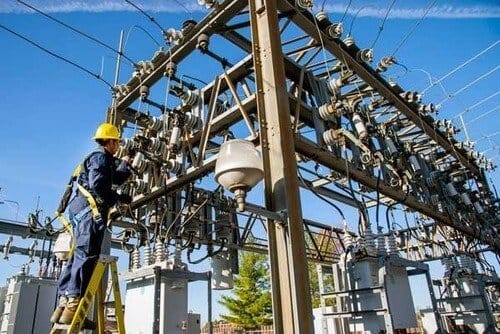
Rising temperatures in Argentina’s Buenos Aires region strained transmission infrastructure, energy generation, distribution, and consumption. Temperatures lower conductors’ current-carrying capacity while increasing electrical resistance. This increases the likelihood of heat overload and potential line sag. These situations may result in protective shutdowns or cause operators to reduce load to prevent infrastructure damage. The recent temperatures coincided with widespread transformer and line failures in transmission networks. Failures at high-voltage nodes such as transformer substations cause widespread network outages. Heatwaves have an impact on both the delivery and generation of power. Furthermore, local networks servicing consumers experience interruptions during high heat, putting aged networks under stress. To address these challenges, the energy industry should aim to improve grid reliability under heat stress. These upgrades demand the use of robust connections secured by components such as anchor shackles.
The anchor shackle adds strength, safety, and adaptability to the structural support system. Anchor shackles connect the ground anchor to the guy wires that support transmission poles and towers. Heavy conductors exert greater force on support structures. The anchor shackle is designed to withstand tensile loads and prevent the guying system from failing. This makes them essential for installing new or improved guy wire assemblies. Hot-dip galvanized shackles let personnel to securely connect and tension guy wires while upgrading objects. This speeds up grid upgrades, resulting in a more resilient grid during heat waves.
The bow component of the shackle provides a bigger bearing surface, allowing the attached guy wire to pivot. This pivoting enables for movements due to thermal expansion and contraction, wind loads, and tension variations. This prevents concentrated bending loads on the pin. This could result in metal fatigue and failure during cyclic heatwave conditions. Anchor shackles ensure that the greater force from heat-resistant grid modifications is properly grounded in the ground.
Anchor shackles have important roles in securing power generation and transmission systems
Anchor shackles protect Argentina’s electricity generation, transmission, and consumption infrastructure during heatwaves. Using anchor shackles increases the mechanical, thermal, and load-rated stresses across the power system. The shackles contribute to system stability when thermal and mechanical loads are high. Its main roles include:
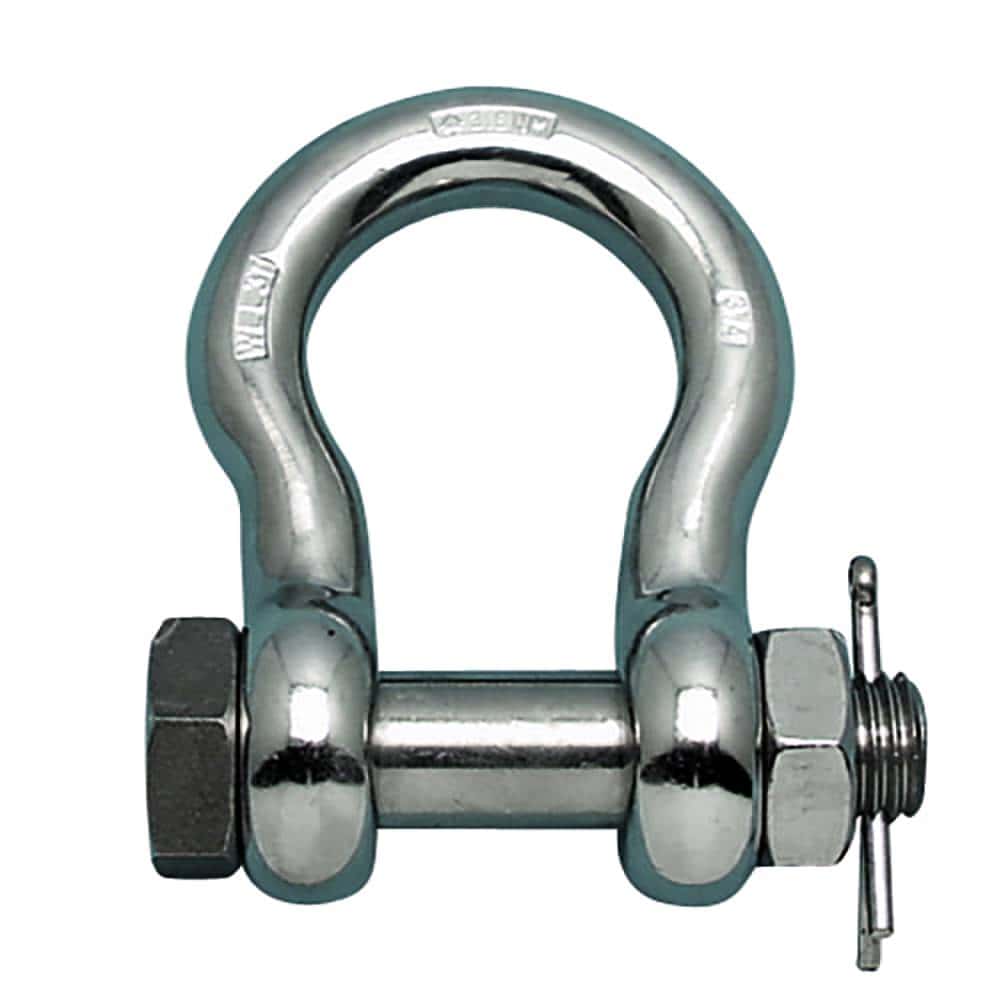
- Managing thermal expansion and line sag—overhead conductors in high-voltage networks expand during heatwaves and increase sag and mechanical load transfer to support structures. Anchor shackles maintain secure load paths between conductors, insulator strings, and towers.
- Power infrastructure—anchor shackles join insulators, conductors, guy wires, and structural elements in power systems. They function across generation plants, transmission lines, and distribution networks. They provide high tensile and shear strength, allow angular movement, and resist fatigue under cyclic loading.
- Reducing risk of mechanical failure under peak load—anchor shackles sustain higher longitudinal and vertical loads without yielding. They prevent cascading mechanical failures that could lead to line drops. The shackles also support emergency load redistribution when transmission lines operate near capacity.
- Structural stability in thermal power and renewable plants – anchor shackles serve in guyed structures, cable support systems, and electrical and mechanical assemblies. Anchor shackles absorb mechanical forces without loosening. They also maintain alignment of suspended conductors and auxiliary systems.
- Protection of distribution and consumption infrastructure—anchor shackles secure service drops, guy wires, and insulator connections. They prevent mechanical loosening caused by thermal cycling. This supports supply to residential and commercial consumers during extreme heat.
The impact of increasing heatwaves on Argentina’s electricity infrastructure
Extended periods of severe temperatures raise power consumption while decreasing the operating margins of generating, transmission, and distribution systems. This highlights structural flaws in an outdated power grid. The key effects are as outlined below.
- Reduced thermal power plant efficiency—during heatwaves, the cooling systems are less effective in thermal power plants. It also reduces turbine efficiency, and plants may operate at reduced output to avoid equipment damage.
- Hydropower and climate interactions – heatwaves can reduce reservoir levels, limit hydropower output, and increase resilience on thermal generation and energy imports. This weakens system flexibility during prolonged heat events.
- Increased demand in electricity—heatwaves lead to increased demand for air conditioning and cooling systems, refrigeration loads, and increased strain on public infrastructure.
- Renewable generation constraints—extreme heat can reduce photovoltaic efficiency and increase thermal stress on inverters and balance-of-system equipment. Using anchor shackles secures lines and equipment to prevent mechanical failures.