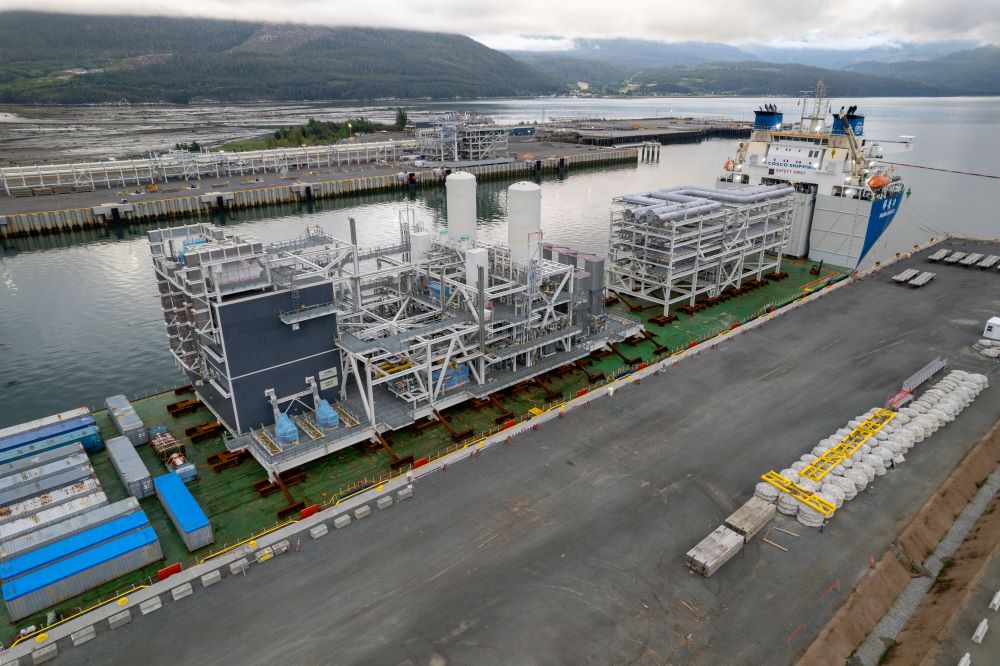
Argentina’s energy sector is undergoing a transformation as it converts significant natural gas reserves into global LNG exports. Companies like MidOcean Energy’s involvement in the LNG sector indicates their belief in Argentina’s potential to become a major participant in the LNG market. Vaca Muerta’s shale deposit is the focus of upstream expansion, with continued drilling and technological advancements increasing gas output levels. It establishes a platform for export-oriented supply by developing midstream and export infrastructure. Argentina’s construction of floating LNG boats allows gas to be moved into export markets at a fraction of the cost. MidOcean Energy intends to contribute $20 billion to help construct infrastructure for LNG production and export. Large-scale LNG projects increase demand for auxiliary industries such as engineering, construction, and manufacturing. These industries rely on hardware components such as strain clamps.
Strain clamps support the electrical power and grounding systems for LNG plants, allowing them to run efficiently. The clamp ends, connects, and maintains cables while ensuring electrical continuity. It helps to endure the conductor’s mechanical stress as well as environmental loads like as wind and ice. Strain clamps are used where external power lines link to the plant’s substation structures.
The clamps secure the conductors and transfer mechanical tension to the framework, ensuring a solid electrical and physical connection. They contribute to the national grid’s reliable and resilient power supply, allowing LNG plants to operate continuously. Strain clamps secure busbars and conductors between transformers, circuit breakers, and disconnect switches.
The role of strain clamps in Argentina’s LNG infrastructure
Strain clamps in LNG infrastructure provide mechanical stability, load management, and operational safety throughout the power, control, and support systems. Strain clamps are used in the power and electrical infrastructure to support liquefaction, storage, and export activities. They ensure mechanical stability, electrical dependability, and environmental resilience to protect LNG production and export capacity. The following are the functions of strain clamps in LNG infrastructure.
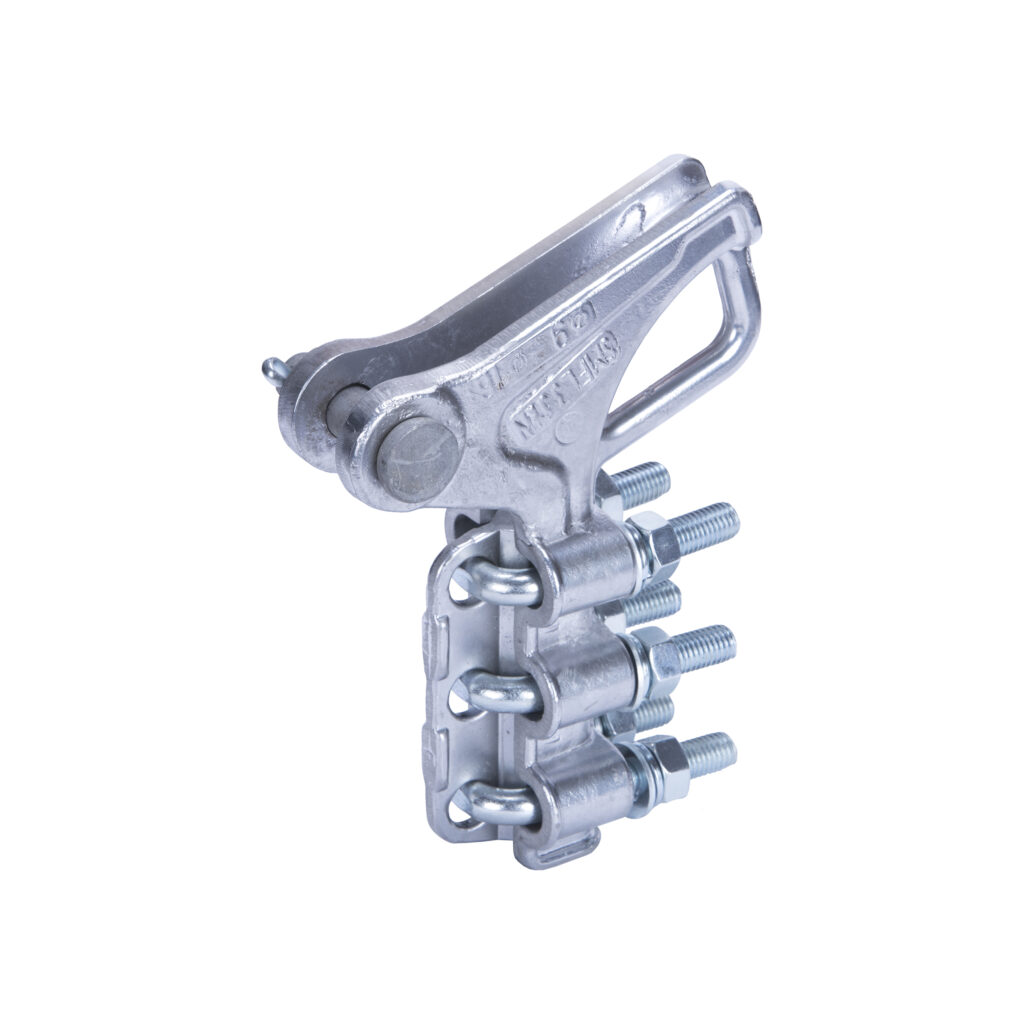
- Mechanical load management in electrical networks—LNG facilities need robust electrical distribution systems to power compressors, pumps, cryogenic equipment, and control systems. Strain clamps terminate and anchor overhead conductors at dead ends, corners, and tension points.
- Support for transmission and substation infrastructure – strain clamps secure conductors at line termination and busbar connections. They enable safe transitions between overhead lines and substation equipment.
- Integration with diverse environments – strain clamps provide high corrosion resistance, mechanical performance, and a secure grip without conductor damage to reduce maintenance needs. This is essential for power lines feeding port facilities, FLNG support bases, and marine service yards.
- Fast construction and expansion—the clamps support modular expansion by allowing fast and secure conductor installation during construction. They reduce installation complexity in constrained sites to align with the rollout of FLNG units.
- Safety and reliability in facilities – LNG plants operate under strict regimes due to the presence of cryogenic fluids and flammable gas. Using strain clamps helps prevent conductor slippage that could lead to power outages. They reduce the risk of electrical faults that interrupt critical safety systems.
The impact of increased investment in Argentina’s LNG sector
Increased investment in Argentina’s LNG business helps the country move from a domestically oriented gas market to a worldwide LNG exporter. Capital inflows affect productive capacity, infrastructural resilience, policy credibility, and long-term economic success. Here’s how investments impact Argentina’s LNG sector.
- Enabling large-scale LNG infrastructure—increased investment is essential for floating LNG units, pipeline expansions, and offshore infrastructure. Private capital participation reduces the fiscal burden on the state. This also demands the use of power line hardware such as strain clamps to secure the LNG infrastructure connections.
- Improving project bankability and risk allocation – participation from private investors improve access to project finance at more competitive rates. It also leads to insurance and risk-mitigation frameworks for complex offshore projects. This strengthens the bankability of Argentina’s LNG ventures.
- Strengthening energy security and export revenues – enough infrastructure and production capacity can reduce reliance on imported LNG and generate stable export revenues. This improves energy security and macroeconomic stability.
- Driving economic growth and industrial spillovers – capital deployment stimulates local manufacturing of pipes, valves, fasteners, and electrical equipment. It also leads to sharing of knowledge and skills in digital operations and offshore engineering. The spillovers enhance Argentina’s industrial base beyond the energy sector.