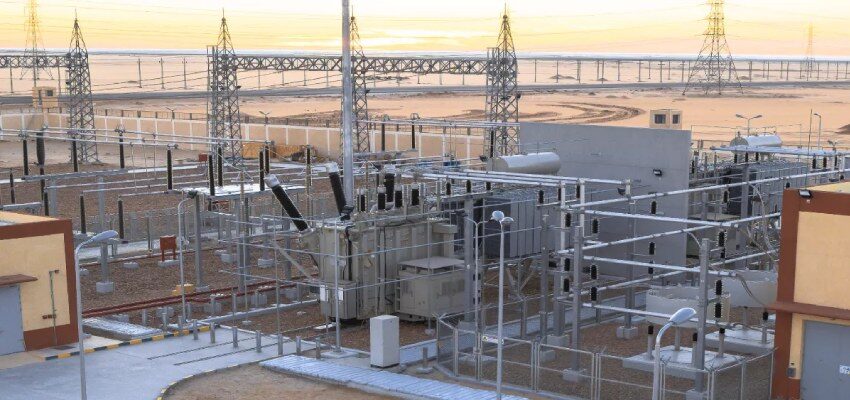
The National Energy Commission of Chile (CNE) has begun the process of expanding the electricity grid for transmission and distribution by 2026. The procedure enhances long-term system planning and tackles structural limitations arising from swift renewable energy implementation. Chile has developed renewable energy markets featuring significant solar PV and wind power in many areas. Renewable energy production from these resources exceeds the improvements in transmission and distribution systems. The 2026 expansion initiative aims to tackle these challenges by synchronizing generation growth predictions with grid investment strategies and enhancing regulatory transparency. Moreover, the initiatives tackle intermittency and reverse power flows by introducing new high-voltage transmission lines. Creating a smart grid will enhance Chile’s clean energy goals for a safe and efficient power infrastructure. These advancements rely on greater use of power line hardware elements. This involves the use of B-strand connectors.
B-strand connectors are compression connectors designed for joining and terminating strands. They serve as the structural messenger in overhead power distribution and communication lines. The connectors anchor the steel support strand to a pole, tower, or other structure. They also join two ends of steel strand together to create a continuous length. B strand connectors serve in every span to dead-end the strand on poles. It allows the attached insulated conductors to hang freely. B strand connectors replace or upgrade aging support hardware. They have a high-strength, corrosion-resistant design that ensures the structural integrity of the line under dynamic loads. Their use enables the smart grid infrastructure to manage a renewable-heavy grid to provide a data backbone for SCADA systems.
Quality control for B-strand connectors utilized in power grid development initiatives
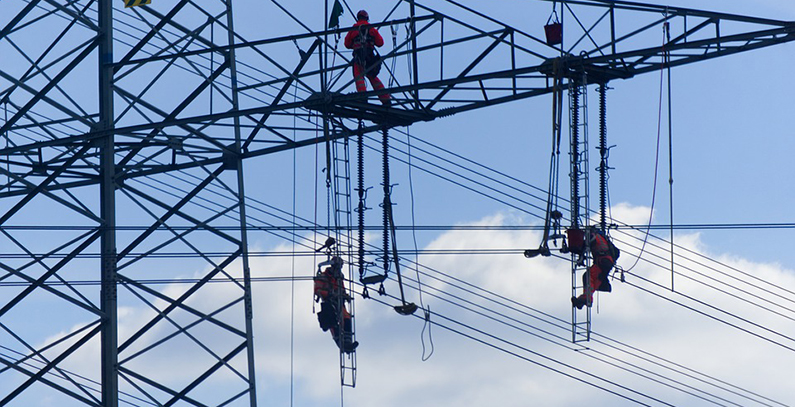
Quality assurance for B-strand connectors in power grid expansion initiatives guarantees that grounding components offer low-impedance electrical routes. They uphold mechanical integrity under pressure and operate safely in environmental conditions. These connectors assist in grounding overhead transmission structures to the earth, safeguarding equipment and personnel while facilitating coordinated protection systems. Material traceability for the strand connectors is maintained via certifications and documentation. It assists in confirming that raw materials conform to designated grades and treatments. Mechanical tests are performed on the connector, checking the tensile strength of the clamp and bolt, as well as torque tests, to ensure that the connectors remain securely attached to the B strands. It additionally undergoes tests for corrosion resistance and electrical continuity. The tests offer unbiased proof that hardware fulfills performance standards before installation.
Functions of B-strand connectors in Chile’s power grid expansion projects
B strand connectors perform grounding and bonding functions that support system safety, reliability, and regulatory compliance. The connectors ensure that expanded networks are electrically safe, mechanically secure, and resilient. They ensure stable grid operation during both normal conditions and fault events. Here are the key functions of B-strand connectors in Chile’s power grid expansion projects in Chile.
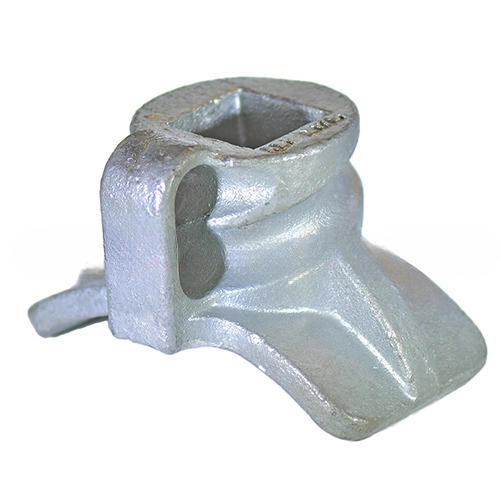
- Grounding of messenger and shield strands—B strand connectors bond B strands to grounding conductors, ground rods, or structure grounds.
- Fault current dissipation—B-strand connectors enable rapid and controlled dissipation of fault currents into the grounding system. This helps reduce fault duration and magnitude to allow protection systems to operate and prevent damage to conductors.
- Lightning and surge protection—the connectors provide a reliable bonding point that channels transient overvoltages away from the structure. They help reduce flashover risk and improve line resilience.
- Mechanical stability of grounding connections—B-strand connectors provide mechanical attachment between strands and grounding conductors. They ensure contact integrity under wind-induced vibration, thermal cycling, and mechanical loading.
- Support for protection and control systems – the strand connectors ensure accurate fault detection and relay operation. Stable grounding is critical for coordinated protection schemes in expanded grids with higher penetration of variable renewable generation.
Expansion of power grid facilitating energy transition in Chile
The expansion of the power grid influences grid planning and the energy transition as the deployment of renewable energy rises. Expanding the grid affects Chile’s ability to decarbonize its electricity sector while ensuring supply security. Grid expansion compels planners to embrace a more cohesive planning approach. This is marked by proactive investment that corresponds with renewable project pipelines and enhanced collaboration among transmission, distribution, and generation planning. The expansion allows Chile to evacuate renewable energy from areas abundant in resources, enhance system adaptability to handle intermittency, and decrease renewable energy curtailment