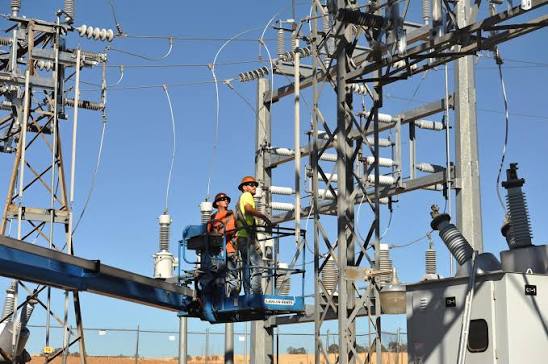
Neoenergia is mobilizing schools for the 2026 National Energy Efficiency Olympiad (ONEE), which will help students and the general public understand the need of energy efficiency and sustainability. By raising consumer knowledge and boosting relationships between utilities and communities, this program can help Brazil’s energy sector become more efficient. Communities will learn how power is generated, distributed, and consumed and how efficiency might help to prevent wasteful consumption. Energy efficiency is critical as Brazil integrates more renewable power, distributed generation, electric vehicles, and battery storage. This integration will necessitate the adoption of durable power line hardware, such as Y-clevis ball, to ensure a stable and articulated connection between various components. These are key components for enabling smart grid technologies, sensors, and monitoring to manage the fluctuation of renewable energy. The clevis ball connects insulators and other hardware to help ensure that transmission lines operate safely and without unplanned outages.
The Y-clevis ball provides a sturdy basis for transmission line modifications to handle higher power and integration into smart grids. The Y-clevis ball is made of galvanized steel, which resists corrosion and provides long-term service life in tough outdoor conditions. Their durability contributes to the goal of increasing the usable life of grid infrastructure. It helps to prevent premature replacement and reduces material consumption in the electrical infrastructure. Its design allows it to connect an insulator string to the supporting structure as well as a suspension clamp. The Y-clevis ball enables for the line’s articulation and mobility while lowering component stress.
Quality verification of the Y-clevis ball in Brazil’s electrical infrastructure
The Y-clevis ball is a mechanical line hardware component found in overhead transmission and distribution networks. It links the suspension or tension insulator to the remaining fittings. It also ensures a strong mechanical connection even under constant tension, vibration, and environmental pressures. Quality assurance is critical because Brazil’s electrical infrastructure spans many climates and increasingly supports renewable energy. High-quality power line hardware increases network reliability, reduces premature component replacement, and promotes the efficient operation of transmission and distribution assets.
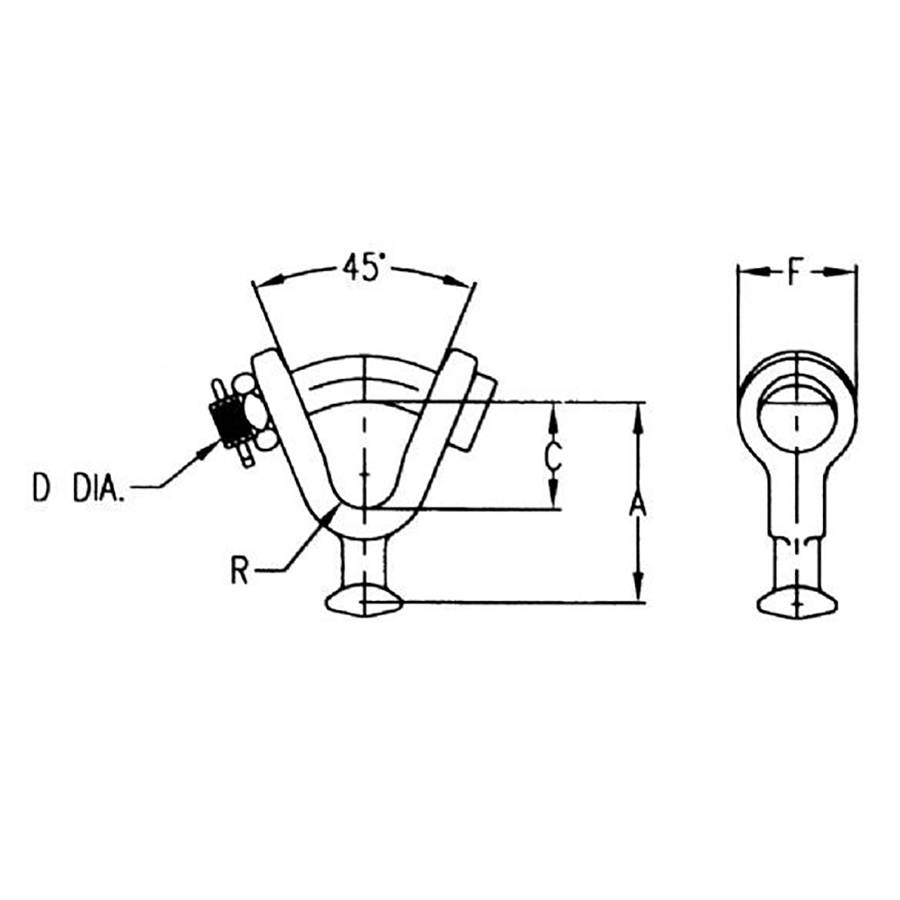
Material quality, forging quality, dimensional inspection, mechanical load testing, fatigue and vibration resistance, corrosion inspection, and safe and visual inspection are all covered under quality assurance. The Y-clevis ball offers dependable mechanical connections that assist keep the physical integrity and geometry of overhead line assemblies. They prevent mechanical failures that can reduce unplanned outages. The clevis ball is also important as Brazil integrates more solar, wind, and other renewable generation into its electricity system.
The functions of the Y-clevis ball in Brazil’s electrical infrastructure for energy efficiency
The Y-clevis ball serves in overhead transmission and distribution line assemblies. It connects insulator strings and other system components. It promotes the structural integrity, availability, and service life of electrical networks. Here are the primary functions of the Y-clevis ball in the electrical infrastructure.
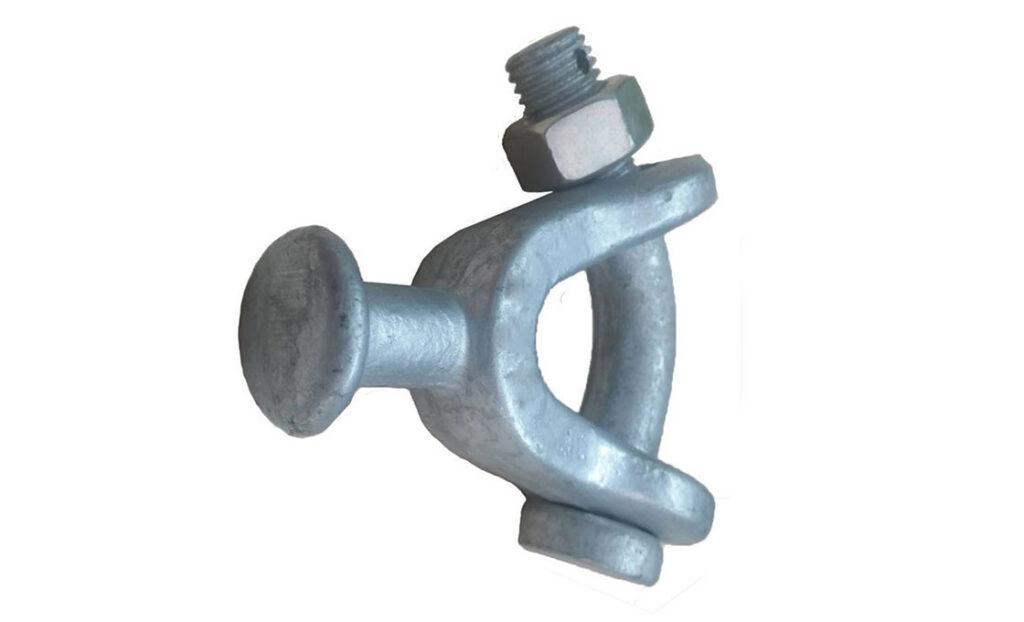
- Maintaining the mechanical integrity of overhead lines—the Y-clevis ball provides a secure mechanical connection within an insulator assembly. It withstands the loads transferred through the conductor, insulator, and supporting hardware.
- Supporting transmission of renewable electricity—wind and solar projects need transmission infrastructure to move electricity toward major consumption centers. The Y-clevis ball contributes to the mechanical integrity of the transmission line that carries electricity.
- Reducing energy losses and outages—the clevis ball prevents mechanical failures that reduce energy losses. It supports energy efficiency at the system availability level.
- Reducing renewable energy curtailment—transmission constraints can force renewable generators to reduce output. The clevis ball ensures reliable hardware that helps ensure that available transmission capacity remains serviceable.
- Supporting longer infrastructure service life—high-quality Y-clevis balls with mechanical properties and corrosion protection remain in service for long. This contributes to lifecycle efficiency.
Using innovation and digitization to improve energy efficiency and sustainability in Brazil
Brazil can leverage digitization and innovation as technologies to create a more efficient, adaptable, and sustainable energy infrastructure. The country’s rapid expansion of solar and wind power, distributed generation, electrification, and new electricity-intensive businesses has increased the demand for better data, automation, and real-time system management. Recently, the government authorized PDE 2035, which focuses on energy transition resilience, climate adaptation, and integrated energy planning. The country may improve energy efficiency by deploying smart grids, extending smart-meter deployment, creating an open-energy data ecosystem, and utilizing artificial intelligence for grid control.