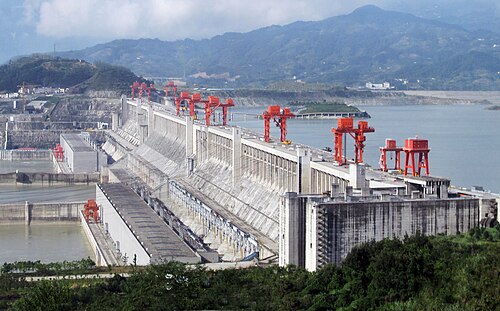
Argentina has handed over its four major hydropower dams to new private operators. The new operators will ensure that power generation and market participation continue uninterrupted. Hydroelectric dams stabilize Argentina’s energy mix by generating dispatchable, low-cost, and low-emission electricity. The new operators’ assumption of control will result in increased efficiency and modernization. This might include turbine upgrades, digital asset management, improved dam safety standards, and better integration with renewable energy and battery storage initiatives. These optimizations boost asset life, capacity factors, and system adaptability. The expansions also need the use of high-quality hardware components, such as the ball hook. Ball hooks are attachments for large excavators used to place components on dams.
The ball hook consists of a spherical ball placed in a casing and connected by hooks and links. It ensures that lifting forces are distributed evenly even if the lift locations are not completely level. In turbines, the ball hook lift assembly aids in extracting it from the stator without causing binding, which could harm the stator core component. The hook ensures that the large runner is lowered squarely into the turbine housing. This avoids misalignment and seal damage. The ball hooks allow for safe, precise, and cost-effective turbine generator servicing.
Furthermore, new transmission lines will help transport hydro and wind power, necessitating the construction of heavy equipment. Ball hooks are essential for installing the electrical infrastructure required for renewable integration. The hook ensures the success of updating the hydroelectric base, expanding hydro capacity, and deploying BESS and the grid to support renewable technologies.
Functions of ball hooks in hydroelectric expansion infrastructure in Argentina
A ball hook is an essential component of overhead lifting, suspension, and mechanical connection systems used in construction, refurbishment, and capacity increases. It function in projects with heavy electromechanical equipment, transmission connections, and dam safety infrastructure. The hook offers controlled lifting, precise positioning, and safer handling of important items. Here are some of its important functions in Argentina’s hydroelectric infrastructure.
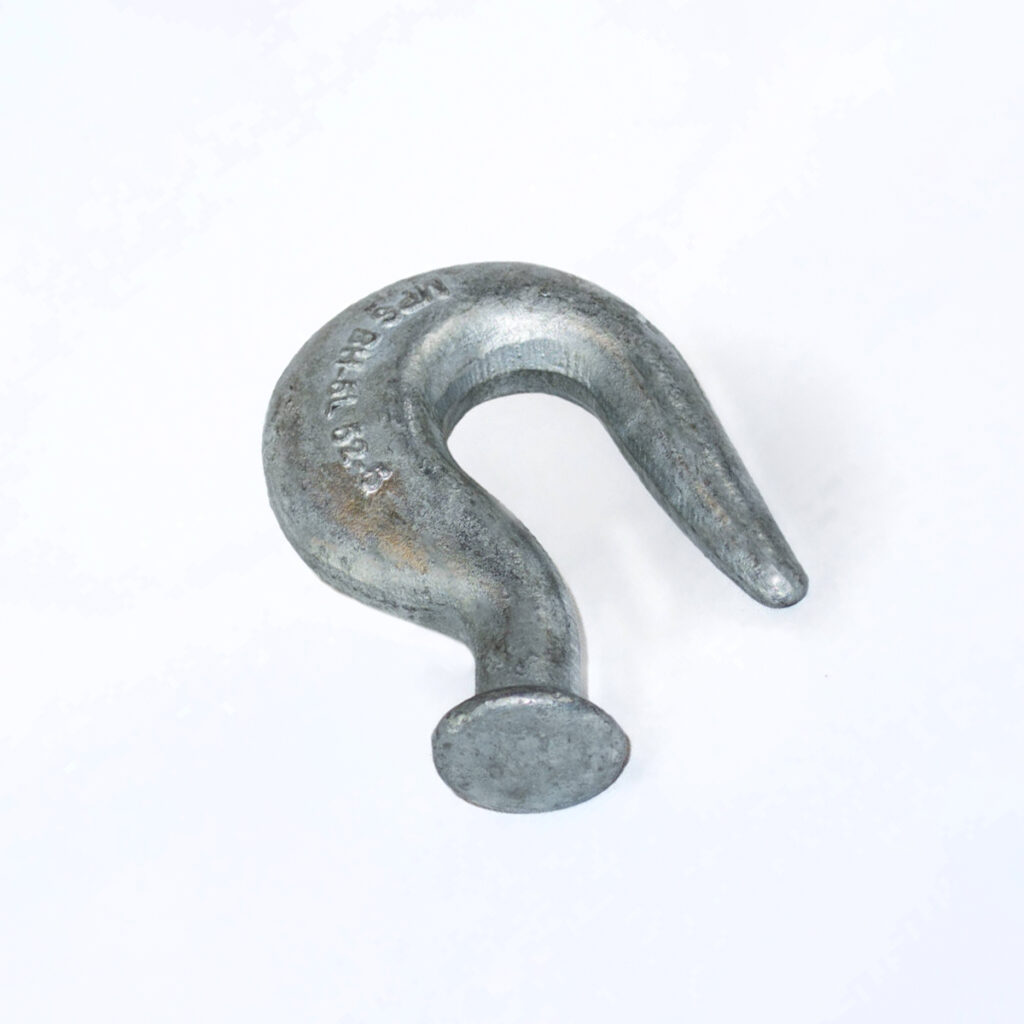
- Load transfer and secure suspension—the ball hook provides a reliable load-bearing connection between lifting devices. The hooks serve when handling turbines, generators, penstocks, gates, and structural steel elements. It allows load distribution and reduces stress concentrations at the connection point.
- Flexibility and alignment compensation—ball hooks enable articulation and allow suspended loads to self-align during lifting and positioning. They provide flexibility when installing precision components. These components include turbine runners or generator rotors.
- Fast engagement and disengagement—ball hooks support efficient assembly and disassembly for reducing downtime during expansion. Their design allows fast connection to shackles, lifting eyes, or slings to improve productivity on site.
- Support for auxiliary and electrical systems—ball hooks serve in the installation of auxiliary systems. These include overhead cable supports, temporary power lines, and maintenance access equipment.
Key infrastructure and systems that underpin Argentina’s hydropower expansion
Argentina’s hydroelectric dams rely on a complex, interdependent network of infrastructure and systems designed to operate safely. These assets ensure energy security, grid stability, and a low-carbon generation strategy. This is critical for balancing hydroelectric, wind, and solar capacity. The success is dependent on infrastructure and systems like:
- Structural infrastructure—hydroelectric projects rely on civil works systems that include dams, spillways, intake structures, and water conveyance systems. These elements regulate water flow, manage extreme hydrological events, and protect downstream communities.
- Electromechanical generation systems—hydroelectric outputs depend on high-performance turbine-generator units for site-specific head and flow conditions. These are supported by excitation systems, cooling circuits, and lubrication systems that ensure stable generation.
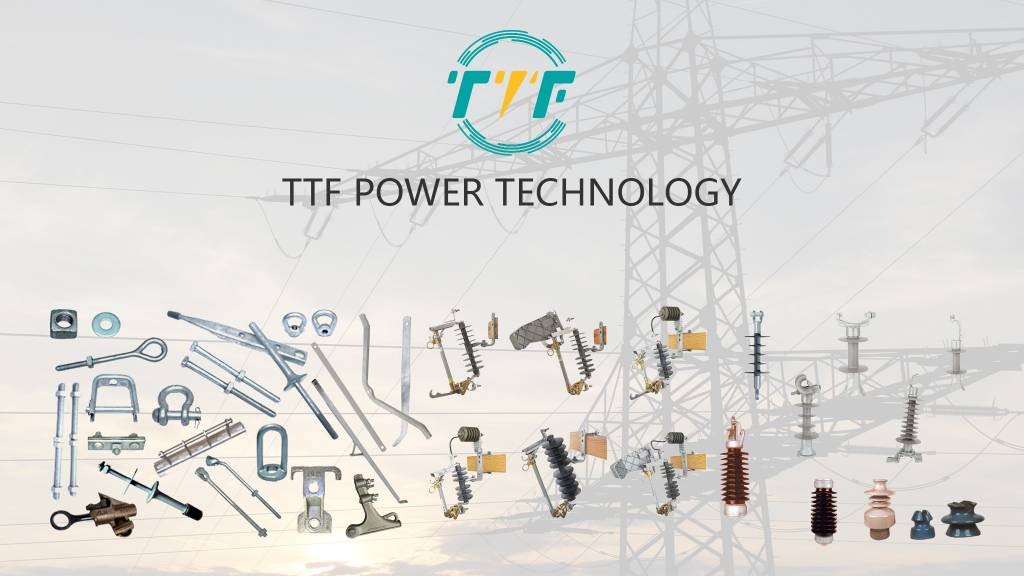
- Power transmission and grid interconnection—these include high-voltage transmission infrastructure substations, transformers, switchgear, and transmission lines. These connect dams to Argentina’s interconnected power systems. The systems ensure voltage regulation, frequency control, and reliable power evacuation from remote dam locations to demand centers. These interconnections depend on the use of ball hooks to secure infrastructure for lifting heavy equipment for hydroelectric dams.
- Control, protection, and automation systems—modern dams depend on advanced SCADA, protection relays, and automation platforms to manage operations. The systems coordinate turbine output, manage load changes, isolate faults, and support remote operations.