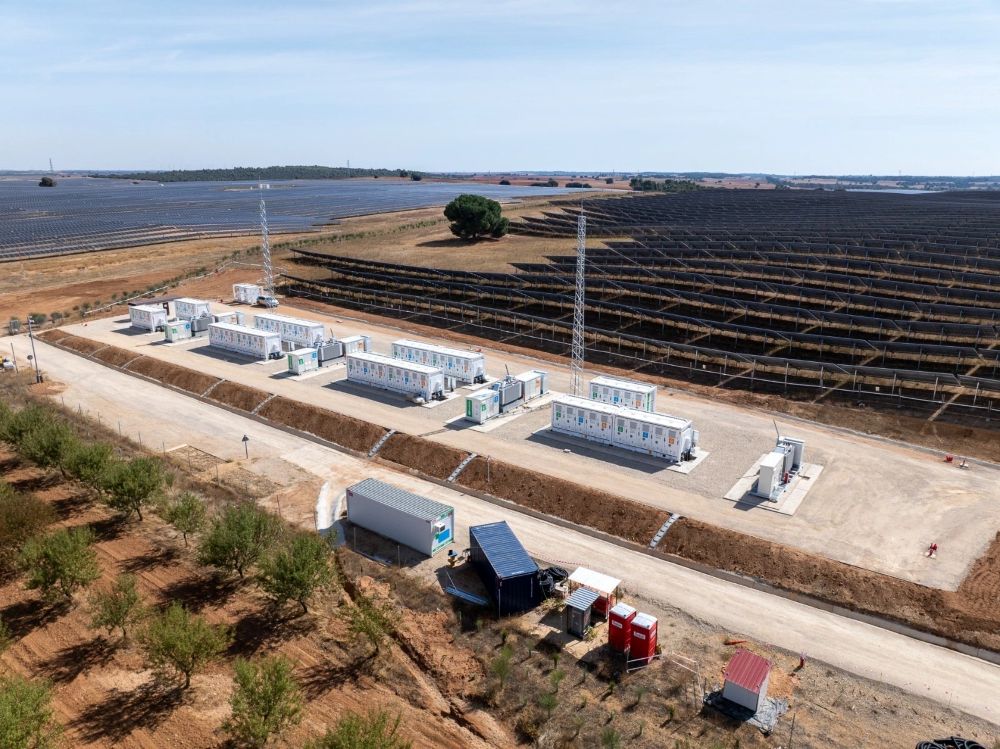
In Chile, AES Andes Energy Company intends to put in place a transition strategy that will shift from traditional fossil generating to low-carbon assets. The company has increased its utility-scale wind and solar generation capacity, integrated BESS, and shifted money from green hydrogen projects to renewables and storage. The shift demonstrates an emphasis on bankable, grid-integrated sustainable energy assets. AES Andes in Chile focuses on a network of hybrid and stand-alone facilities that combine renewable generating and storage to provide dispatchable clean power. Antofagasta’s key projects include 128 MW wind, 229 MW solar PV, and 340 MW BESS in the Pampas region. The project also comprises 288 MW solar PV in Cristales, 300 MW BESS in Arenales, and 146 MW BESS in Bolero. These projects represent over 22,100 MW of generation and storage capacity under construction. These connections rely on robust components such as hotline tap clamps.
Hotline tap clamps are used in medium- and high-voltage electrical collecting systems for renewable and BESS projects in Chile. To connect separate inverter stations, hotline tap clamps are used to disconnect the main collection cables. This enables for a modular wiring method rather than requiring each inverter to be home-run to the substation. Each turbine pad has a tap clamp that connects the transformer output to the main collector circuit. Tap clamps link the output of each PCS unit to a common DC or AC busbar in the BESS switchyard. Hotline tap clamps connect the BESS output to the current grid connection bus.
Quality assurance for hotline tap clamps used in renewable energy installations
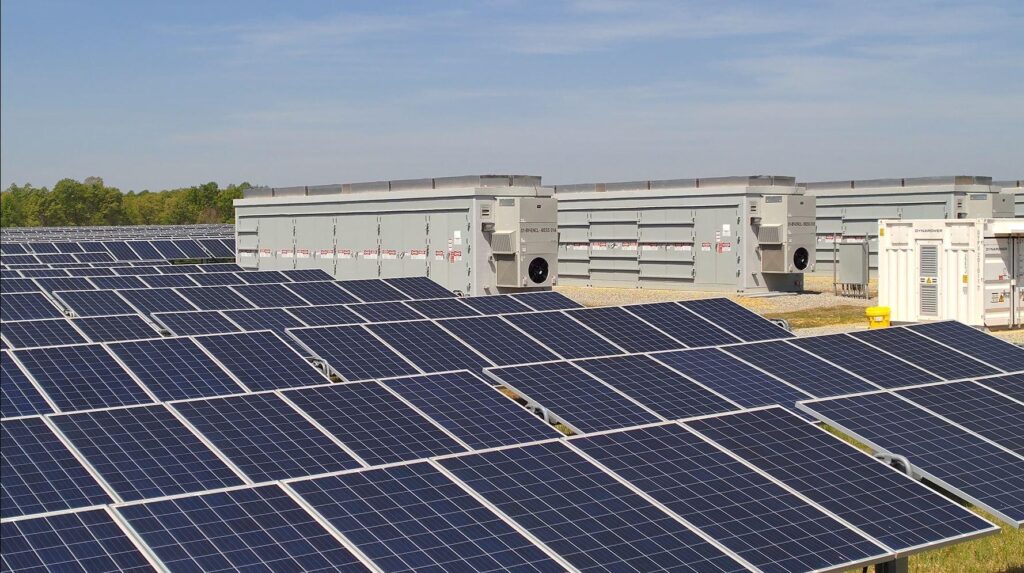
Hotline tap clamps provide safe and dependable electrical hookups on live conductors without disrupting service. The clamps assure continuity, system safety, and long-term performance in dynamic environments. Their installation on live circuits need quality control to avoid failures that result in outages, accidents, and costly downtimes. It is critical to use a precise specification document that is consistent with project needs and industry standards. Material standards, electrical ratings, mechanical strength, and environmental tolerance are among the design and specification criteria. It also entails reviewing the supplier’s inspection reports and quality test results before awarding supply contracts. TTF certification ensures on-time delivery, low defect rates, and responsiveness to corrective actions.
Applications of hotline tap clamps in renewable energy and BESS project development
Chile’s rapid increase of solar PV, wind generation, and BESS is dependent on dependable grid connections enabled by hotline tap clamps. The clamps allow for safe electrical tapping on electrified cables, facilitating transmission and distribution-level integrations. Here are some of the most prevalent functions in renewable projects.
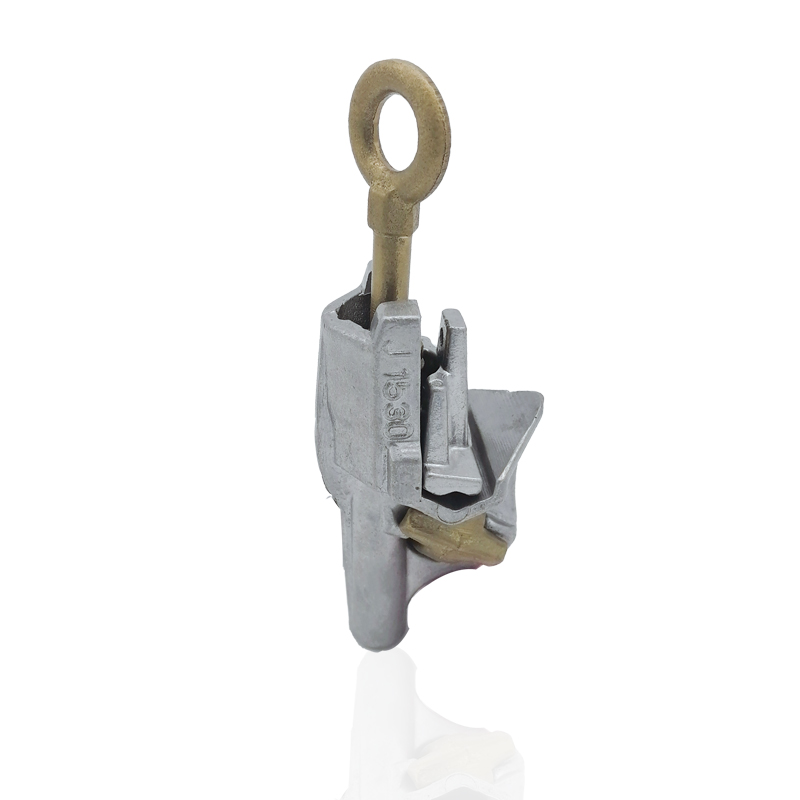
- Live-line grid interconnection without outages—hotline tap clamps enable live-line connections without de-energizing existing power lines. They allow EPC contractors to connect new solar plants, wind farms, or BESS facilities without interrupting grid operations.
- Flexible power injection for solar and wind projects—hotline tap clamps create tap connections from main conductors to renewable feeders. They also support medium- and high-voltage power injection and enable phased project commissioning.
- Reliable connection of BESS to distribution and transmission lines—the clamps support fast response grid services such as frequency regulation, peak shaving, and energy arbitrage. They provide low-resistance electrical paths for high-current charge and discharge cycles.
- Support for grid reinforcement and capacity expansion—the clamps enable quick line extensions and capacity upgrades, temporary tapping during reinforcement works, and integration of new substations, BESS nodes, and renewable feeders.
Technologies that promote renewable energy and BESS project development
Chile has one of the most advanced renewable energy industries, thanks to its abundant solar and wind resources and innovative legislation. Electrical, digital, and grid-supported technologies help to enable large-scale deployment of solar PV, wind generation, and BESS. These technologies ensure project viability, dependability, and scalability. These technologies include:
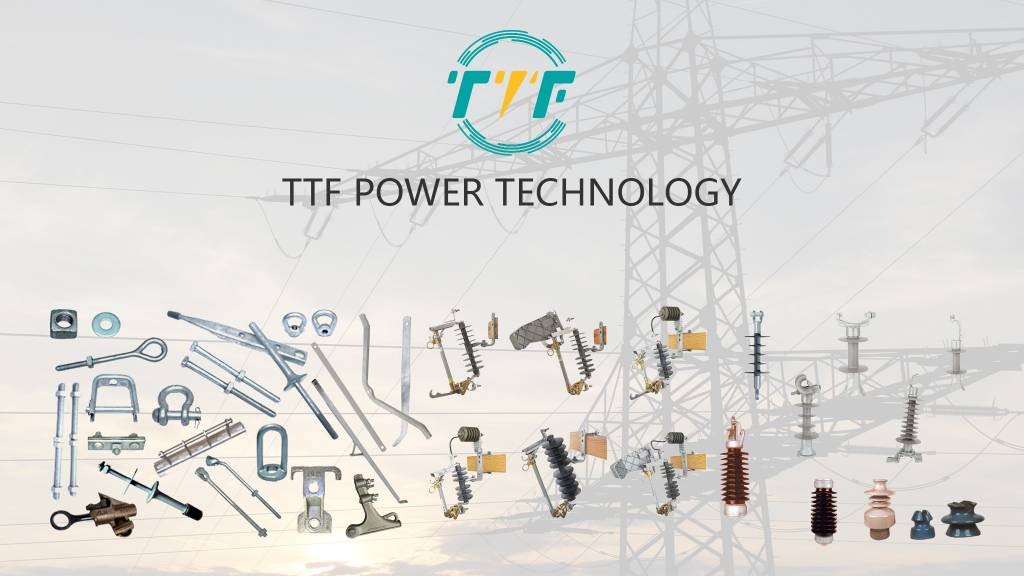
- Advanced solar photovoltaic technologies—solar expansion is supported by high-efficiency PV technologies. These include monocrystalline PER and TOPCon modules, bifacial solar panels, and single-axis.
- High-capacity wind turbine systems—these include large-rotor, high-hub wind turbines, variable-speed generators for grid-friendly power delivery, and advanced pitch and yaw control systems.
- BESS technologies—BESS helps address intermittency and congestion challenges through lithium-ion battery chemistry, battery management systems, and power conversion systems.
- Transmission and grid interconnection technologies—Chile deploys robust grid infrastructure such as high-voltage transmission lines, live-line hardware, and flexible AC transmission systems.