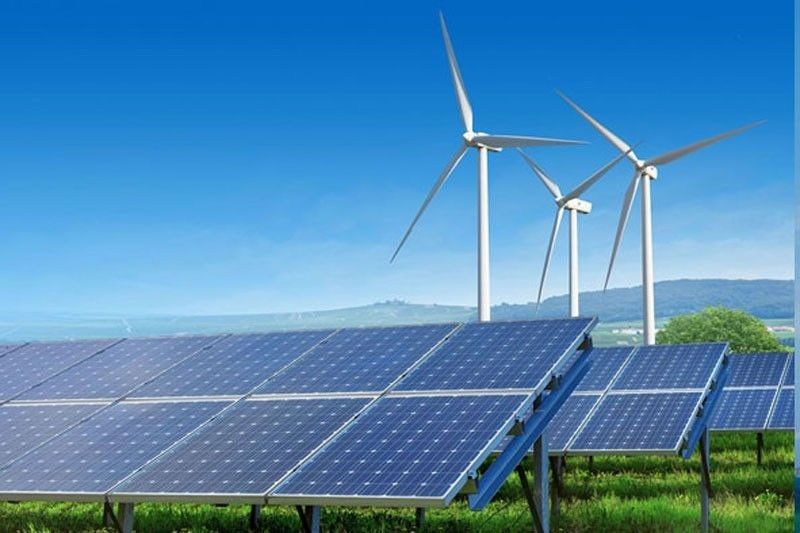
AES Argentina is to invest $150 million to expand its Vientos Bonaerenses wind farm in Buenos Aires. This project will add 16 new wind turbines, totaling 102.4 MW to the grid. The development will treble the wind farm’s existing renewable energy output. Once operational, the wind turbines will supply clean, dependable, and secure electricity to industrial and commercial users. It will also assist meet the country’s expanding energy needs. Renewable energy initiatives will help Argentina reduce its dependency on fossil fuels and become carbon neutral. The project will install 16 new utility-scale wind turbines capable of producing an extra 102.4 megawatts. The wind turbines will have rotor diameters exceeding 150 meters, hub heights between 100 and 120 meters, advanced blade pitch control systems, and digital monitoring and predictive maintenance systems. The project will integrate with transmission infrastructure supported by helical shackle anchors.
The shackle helical anchor in wind projects provides a dependable and high-capacity foundation for guy wires that stabilize towers and support structures. The shackle provides a secure and adaptable connection point for guy wires, whereas the helical plates embed into the soil. Helical plates on the anchor press into the soil, providing a high pullout capability to counteract stresses and keep structures stable. Helical anchors screw into the ground using torque, reducing the requirement for large-scale excavation and concrete pouring. Shackle helical anchors are easy to install with little soil disturbance. The anchors are adjustable to a variety of soil conditions and can be used for onshore wind turbines as well as guyed towers on transmission lines that link to the grid.
Quality assurance for shackle helical anchors used in Argentine wind projects
Shackle helical anchors enable secure guying and anchoring for transmission and distribution systems subjected to significant mechanical loads. Quality assurance for helical anchors guarantees that they operate securely throughout their service lives. QA discovers a variety of flaws that could jeopardize the transmission line’s integrity. Defects may potentially result in costly outages, structural damage, or safety issues. Prior to installation, QA validates that each anchor meets the prescribed mechanical, material, and dimensional requirements.
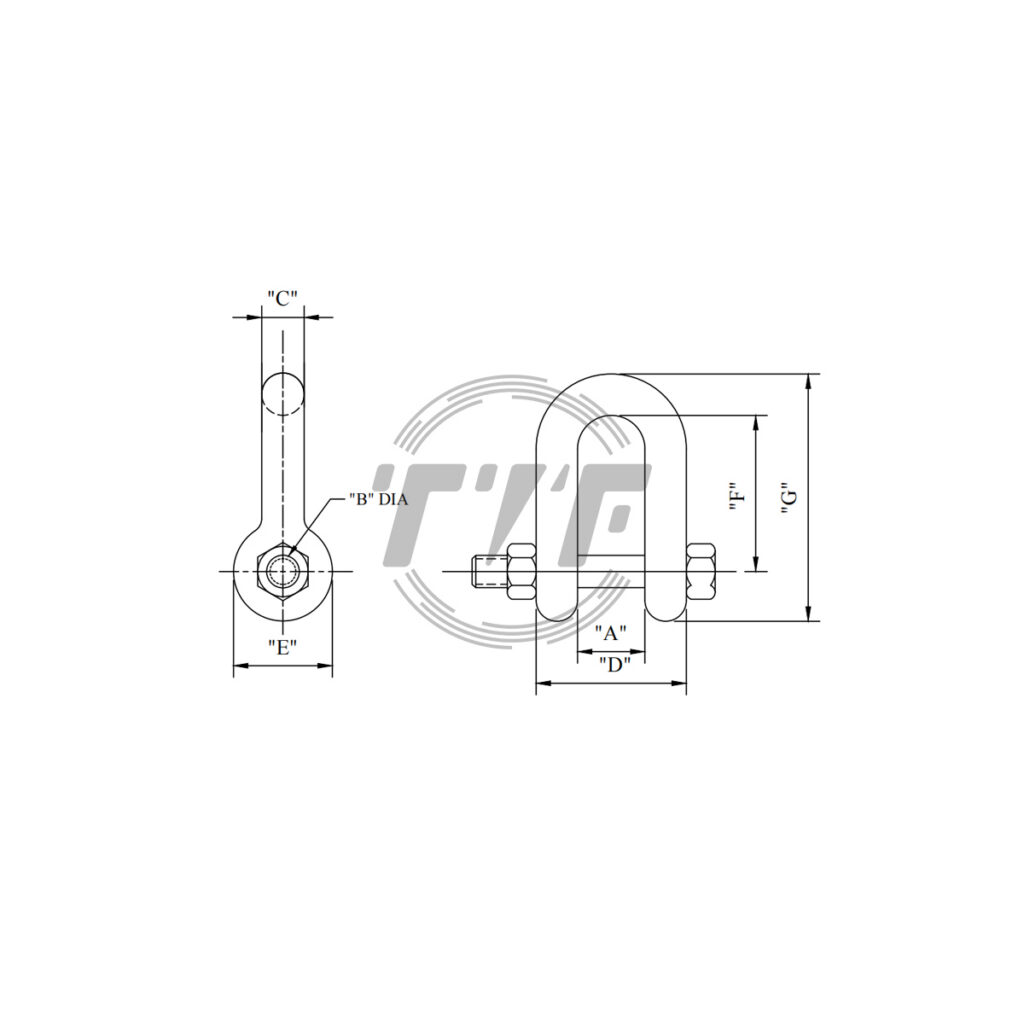
The procedure consists of material quality verification, mechanical strength testing, weld quality inspection, and corrosion protection. It also covers manufacturing process control, installation quality assurance, and load performance validation.Quality-assured shackle helical anchors on wind projects help resist continuous conductor tension, wind-induced lateral loads, dynamic vibration, and uneven terrain forces.
Importance of shackle helical anchors in wind projects linked into Argentina’s grid
Argentina is boosting its renewable energy portfolio with large-scale farms. This growth will necessitate the connecting of reliable transmission infrastructure to supply generated electricity to the grid. Shackle helical anchors provide a strong foundation for guyed poles, transmission structures, and utility installations. They provide the mechanical stability required to safely and efficiently carry power from wind farms to consumers. Here are their primary responsibilities in infrastructure.
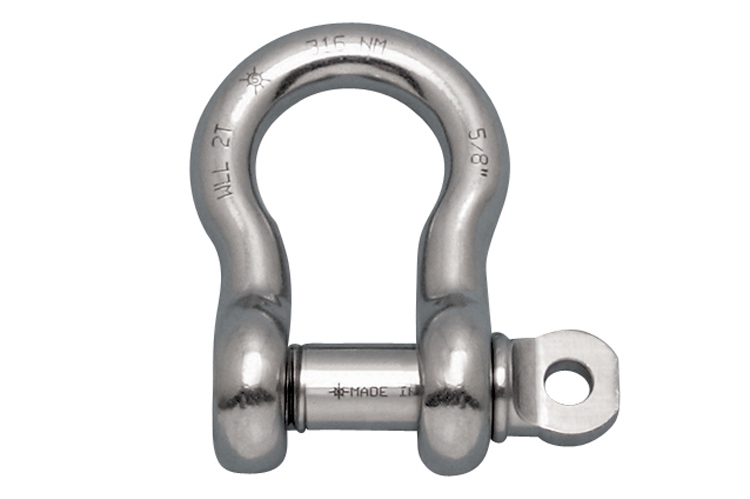
- Stabilizing guyed transmission structures – shackle helical anchors secure guy wires that stabilize transmission poles to towers. They prevent pole movement, maintain structural alignment, and improve foundation stability.
- Resisting high tensile loads—shackle helical anchors transfer tensile forces into the soil and prevent structural failure.
- Providing foundation support—helical anchors provide load-bearing capacity after installation. They distribute loads through helices, improve load transfer into stable soils, and maintain foundation integrity.
- Securing utility poles and equipment – the anchors stabilize distribution poles, communication poles, switching equipment, and fiber optic support structures.
Technical aspects of AES’s wind farm development in Argentina
The development of AES Argentina’s Vientos Bonaerenses wind farm combines cutting-edge wind generation technology with upgraded transmission networks. This is to increase renewable energy integration into Argentina’s interconnectivity infrastructure. The project will include the installation of 16 new wind turbines, as well as improvements to the electrical infrastructure, communication systems, and substation. Technical aspects include:
- Wind turbine technology—this includes the installation of the 16 utility-scale wind turbines with a combined installed capacity of 100-102.4 MW.
- Electrical collection system – each turbine generates medium-voltage electricity collected through an underground network before being transmitted to the substation. The collection system includes 33 kV underground cables, medium-voltage switchgear, fiber optic communication cables, and protection relays.
- Substation expansion – the upgrades include new circuit breakers, disconnect switches, and busbar extensions.
- Grid integration – modern wind turbines use power electronic converters that enable stable integration with the grid. This includes grid synchronization, power quality monitoring, frequency support, and support from shackle helical anchors.