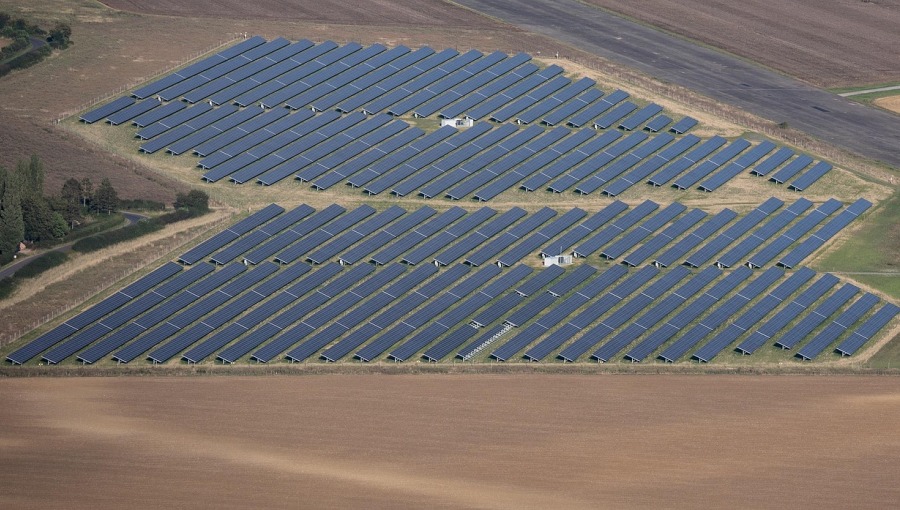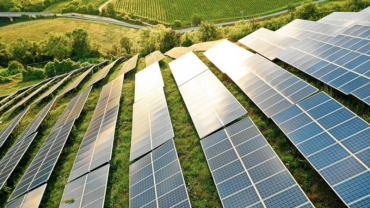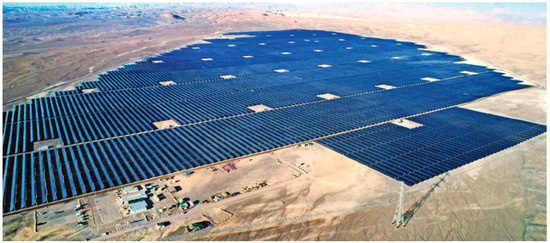
Peru’s ministry of energy and mines plans to increase the country’s solar capacity by 2.5 GW. This increase will bring Peru’s total solar capacity to an impressive 3.1 GW. There are plans for 14 solar projects in Arequipa, Moquegua, and Ica. These projects attempt to strengthen the nation’s integrated electric system. Adding 2.5 GW of solar might increase PV’s share of the generating mix and reduce reliance on fossil fuels. Furthermore, wider geographic distribution of generation minimizes the risk of supply disruptions due to localized challenges such as droughts. Investments will provide construction jobs in rural areas, technical positions in plant management and maintenance, and chances for local vendors. Increased solar power output may help lessen dependency on hydro in drought seasons to help avoid ecosystem stress. Solar provides cheaper, cleaner electricity that supports Peruvian exports. Distribution arresters ensure the safety and reliability of electrical distribution networks.
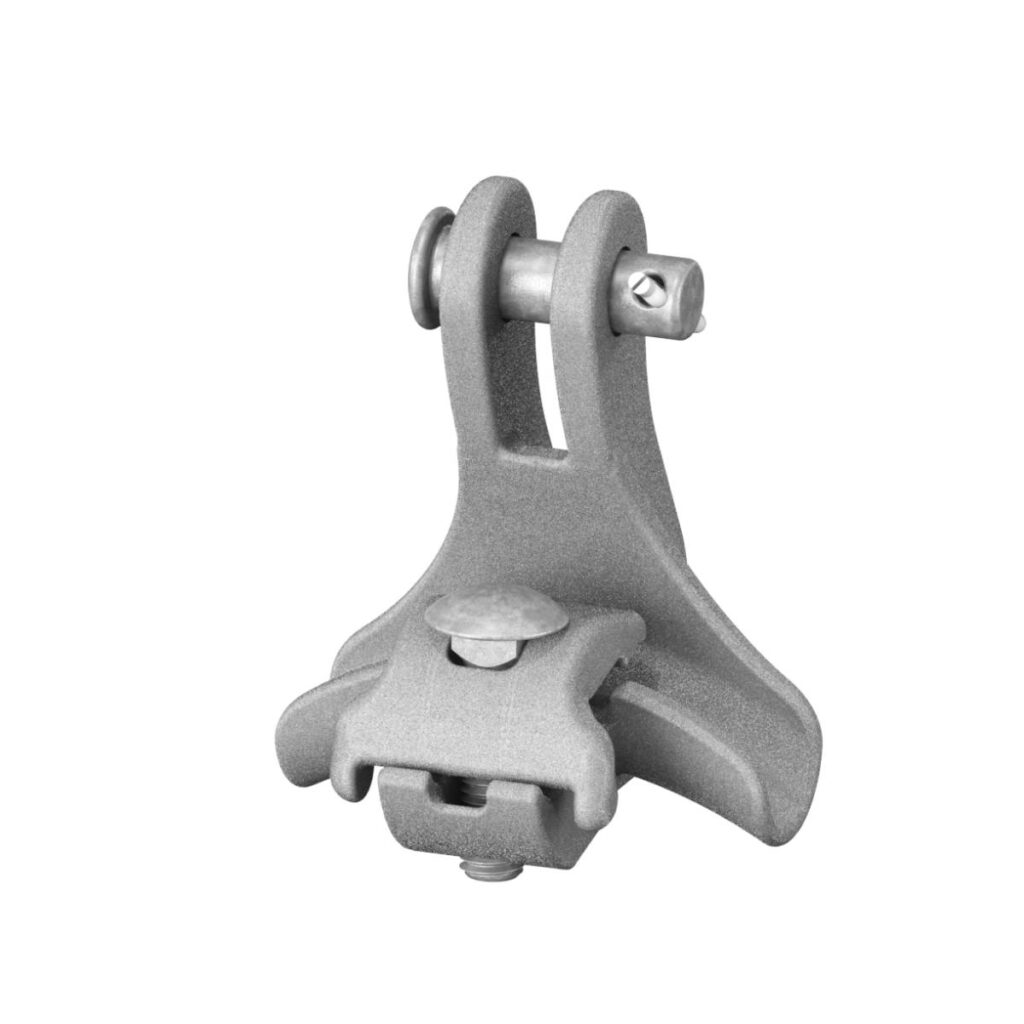
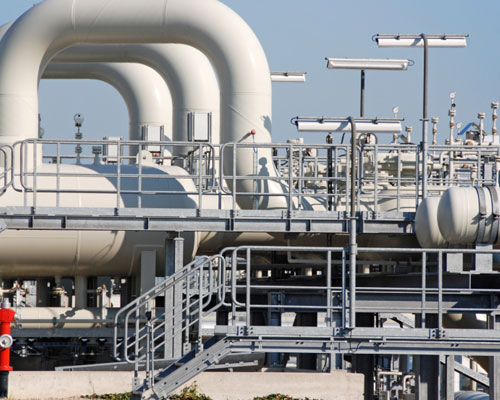
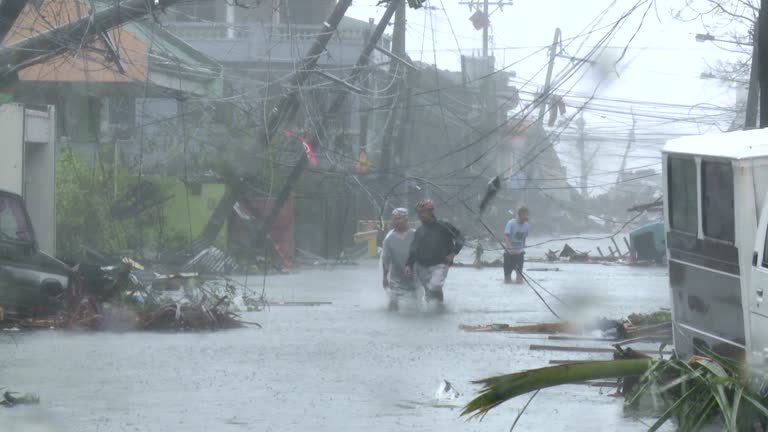
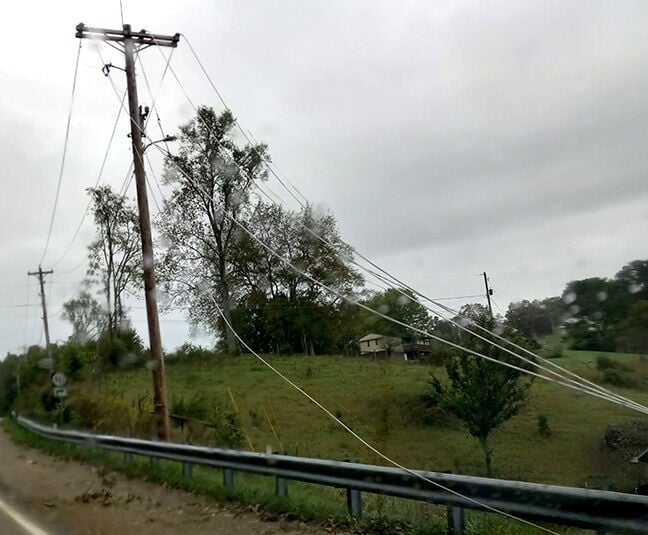
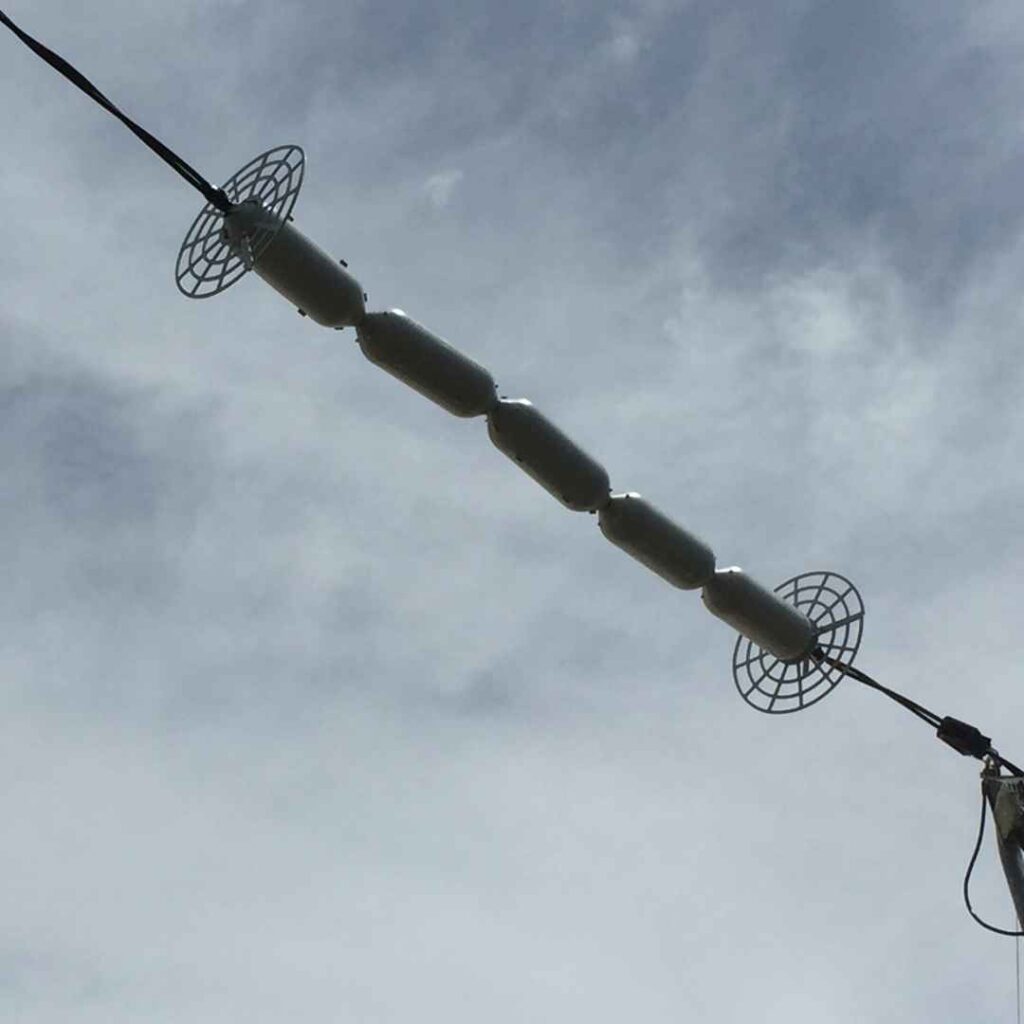
Lightning strikes and switching surges can cause damage to solar power facilities’ equipment. To prevent damage to inverters, transformers, and PV modules, distribution arresters send excess power to ground. Peru’s enhanced solar capacity will help to lessen variations caused by intermittent generation, which can cause voltage spikes. Arresters help to stabilize the grid, preventing interruptions that could impact both utility-scale and distributed solar installations. The Peruvian electrical distribution code requires surge protection to assure system dependability. The arresters help solar projects meet safety standards, allowing for faster grid hookup permits. Distribution arresters increase the lifespan of decentralized systems by protecting them from lightning-induced failures. Arresters reduce downtime and maintenance costs, making solar investments more affordable. With the next Industrial Expo in Peru, manufacturers may showcase their power line equipment like distribution arresters.
Distribution arresters in expanding Peru’s solar electricity capacity.
Distribution arresters guarantee the dependability and lifespan of solar power infrastructure, particularly in Peru’s 2.5 GW solar capacity development project. A distribution arrester is a safety device used in electrical power distribution systems to protect equipment from voltage spikes. The arrester creates a low-resistance path to send excess current to the ground. In solar power systems, arresters protect inverters, transformers, and PV systems against lightning strikes. It also lowers downtime and repair expenses in solar plants. Here are the responsibilities that distribution arresters play in Peru’s solar power capacity increase.
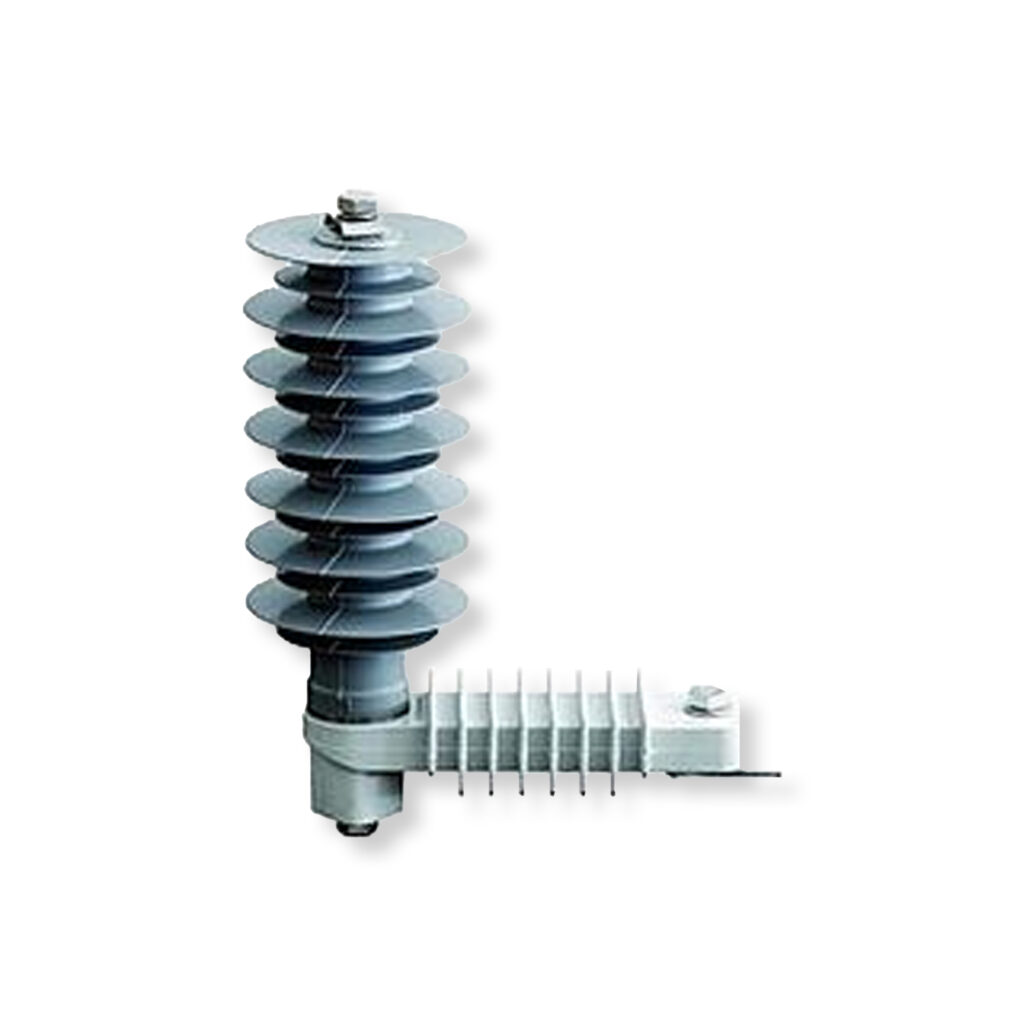
- Protecting solar generation assets from overvoltages—distribution arresters protect solar inverters, transformers, and control electronics from overvoltages. This is because most planned solar farms are in high-radiation regions like Arequipa, Moquegua, and Tacna.
- Safeguarding rural installations—remote distribution networks have less robust grounding systems. This makes them more vulnerable to transient voltage surges. Distribution arresters protect sensitive PV electronics to reduce maintenance costs and downtime.
- Enhancing grid stability—grid stability depends on smooth integration of new feeders and substations. Distribution arresters protect the newly built circuits from transient events to reduce forced outages.
- Extending asset lifespan—surges from lightning cause cumulative insulation degradation in transformers and PV plant switchgear. Distribution arresters protect the newly built circuits from transient events.
- Supporting investor confidence—the use of quality distribution arresters in EPC contracts signals a commitment to long-term reliability.
Significance of solar energy in Peru’s rural electrification
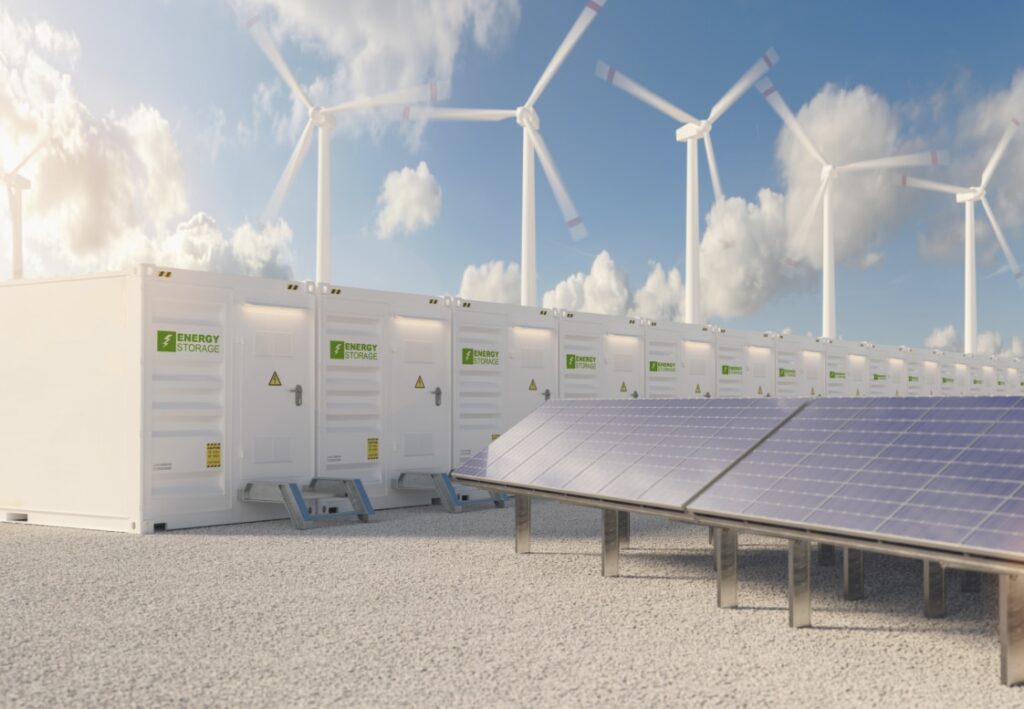
Solar power is critical for rural electrification in Peru, bridging the gap between isolated settlements and reliable electricity availability. Solar integration with energy storage and mini-grid hybrid systems increases resilience and reliability. A unified renewable energy roadmap includes both utility-scale projects and rural electrification plans that complement one another. Its contribution to rural electrification includes:
- Reaching off-grid communities—solar systems deploy in areas where building new transmission lines is impractical. This is crucial, as Peru has rugged geography ranging from the Andes mountains to the Amazon rainforest and coastal deserts. This makes grid extension costly and technically challenging.
- Supporting government electrification goals—the government launched a massive photovoltaic program to install solar panels in isolated rural homes and schools. This program connects rural areas closer to universal electricity access.
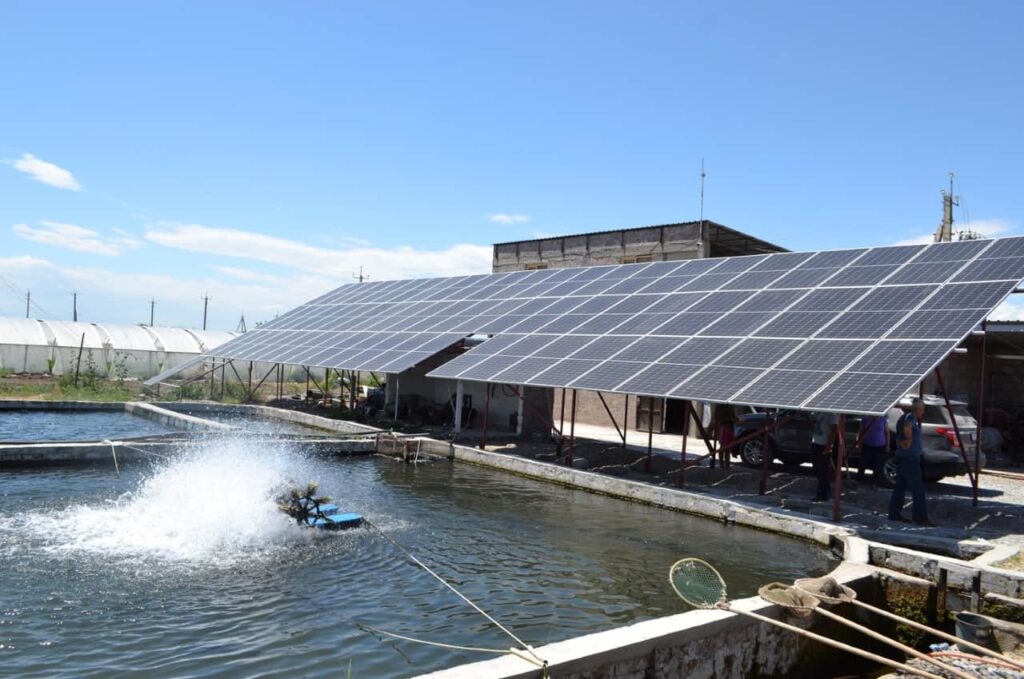
- Enabling productive uses of energy—solar power supports agriculture, fishing, and micro-enterprises. This helps rural economies diversify and grow to reduce poverty and migration to urban areas.
- Environmental advantages—off-grid diesel generation in rural Peru is expensive and polluting. Using solar power reduces fuel transport costs, cuts greenhouse gas emissions, and reduces dependency on volatile fossil fuel markets.