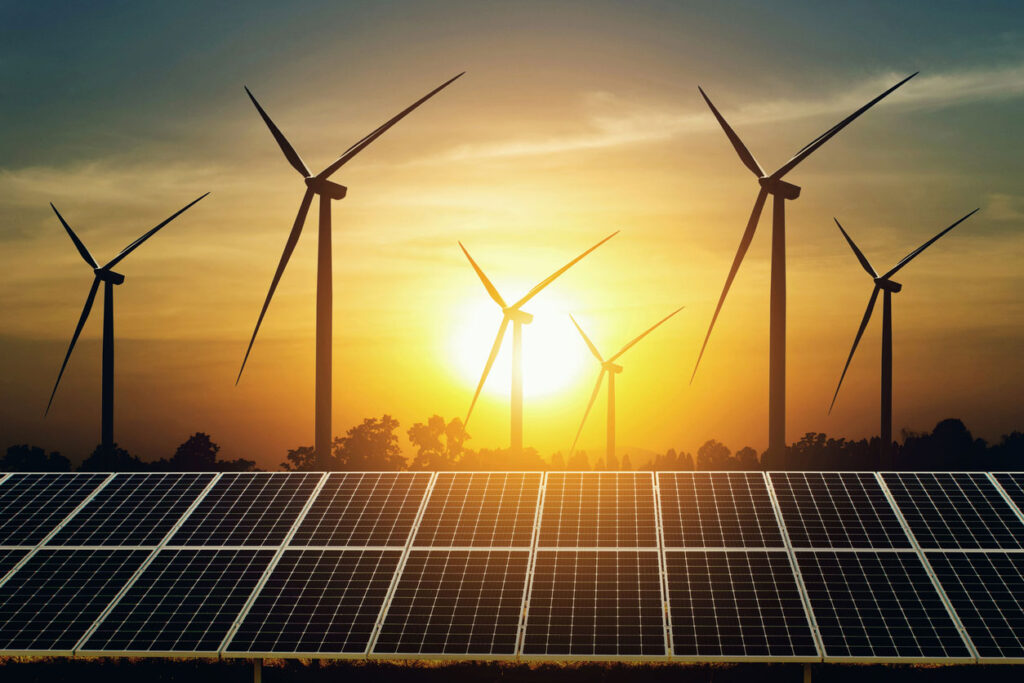
IRENA, the International Renewable Energy Agency, identifies significant investment opportunities for large-scale solar and onshore wind energy projects in Colombia. The country has ample land space suitable for solar PV and onshore wind development. Colombia is exhibiting a renewable energy potential of 1,600 GW. In 2024, the country plans to add 1.6 GW of new utility-scale wind power, with 19MW already installed in La Guajira and along the Caribbean coast. To meet the increased energy output, the grid needs to be upgraded. The primary transmission lines include the 500 kV La Guajira. The incorporation of storage technologies aims to address intermittency and meet Colombia’s peak electricity demand. Increased generation capacity may lower final pricing in remote places. Colombia is capable of exporting solar and wind energy to nations such as Panama, Ecuador, and Central America. Cable suspension bolts maintain the structural strength, safety, and effectiveness of electrical and support systems.
High-quality bolts are used to secure and suspend cables, conductors, and other components in solar and wind energy projects. Suspension bolts secure transmission and distribution cables to poles, ensuring the best tension and alignment. They aid to keep cable trays, conduits, and junction boxes secure. They may include features that help stable meteorological masts or small wind turbines by attaching support cables. Cable suspension bolts prevent cable sagging or collapse, which reduces the likelihood of electrical problems. They simplify modular installations, allowing for easier maintenance and updates. Cable suspension bolts are critical in renewable energy infrastructure, as they enable reliable power transmission, structural stability, and long-term durability in solar and wind farms. They provide secure data transmission, grid stability, and remote management for solar and wind power installations.
Cable suspension bolts are used in solar and wind farms in Colombia.
Cable suspension bolts are mechanical fasteners that attach suspension clamps to poles and towers. They aid to secure the supporting hardware that holds power lines or wires. They provide flexibility, correct tension distribution, and dependable mechanical strength in dynamic wind, earthquake, or load circumstances. Suspension bolts are made of galvanized steel or stainless steel to endure outside conditions, corrosion, and extreme stress. They are critical components in assuring the safe, stable, and efficient support of electrical cables. High-quality cable suspension bolts are the foundation for connecting solar panels and wind turbines to the national grid. Here are the applications of cable suspension bolts in solar and wind farm infrastructure.
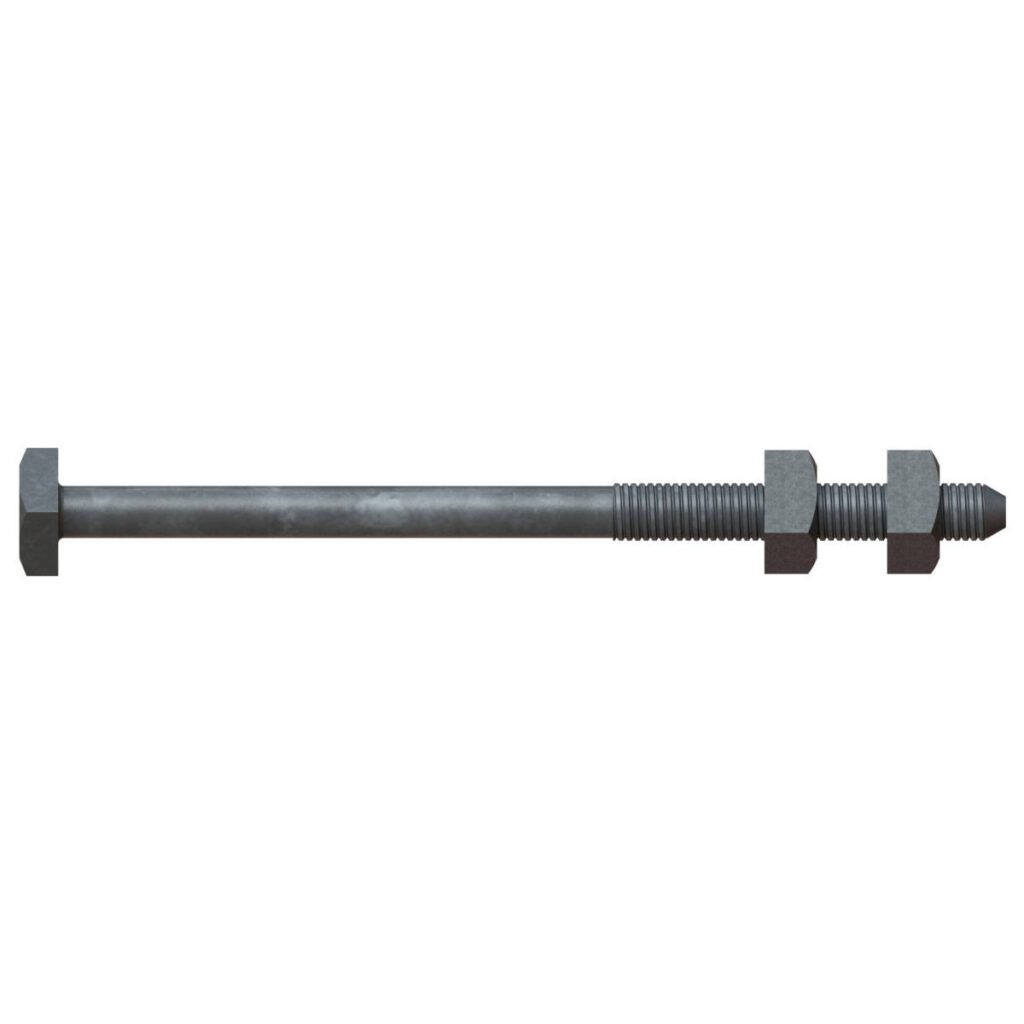
- Supporting electrical infrastructure – suspension bolts hang transmission and distribution cables from poles. They ensure proper tension and alignment. Additionally, they secure cable trays, conduits, and junction boxes.
- Wind turbine applications – cable suspension bolts secure internal and external cables. They connect sensors, control systems, and power lines within wind turbines. They help stabilize meteorological masts or small wind turbines by anchoring support cables.
- Durability in harsh conditions – Colombia’s diverse climates demand bolts made of corrosion-resistant materials. This is crucial to withstand high humidity, UV radiation, and strong winds.
- Safety and Colombian standards – the bolts prevent cable collapse and reduce the risks of electrical faults. They ease modular installation, allowing for easier maintenance and upgrades.
- Distributed generation & hybrid projects – overhead line structures used cable suspension bolts for lightweight and adaptable mounting.
The impact of rising solar and wind energy on Colombia’s power sector.
The expansion of solar and wind energy capacity in Colombia is transforming the country’s energy sector, economy, environment, and geopolitical position. IRENA found up to 1,600 GW of untapped renewable resources that are transforming the energy sector, enhancing quality of life, and safeguarding natural ecosystems. Impacts include:
- Energy security and grid stability – solar and wind provide complementing generation patterns during dry seasons, increasing grid resilience. It increases energy access in remote areas, reduces transmission losses, and builds localized energy hubs.
- Reduced electricity costs and market diversification – the availability of solar and wind energy reduces wholesale electricity rates, which benefits both consumers and businesses.
- Economic development and job creation – renewables drive expansion in solar panel installation, turbine production, maintenance, and energy storage. Enhanced capacity generates environmentally beneficial job opportunities in rural areas. It also encourages economic decentralization and strengthens regional growth in disadvantaged areas.
- Increasing Colombia’s solar and wind contribution replaces energy generated by coal, diesel, and natural gas. It helps to reduce emissions and improves air quality.