Solar-powered fish farming gets a boost from helical deadend clamps in Peru.
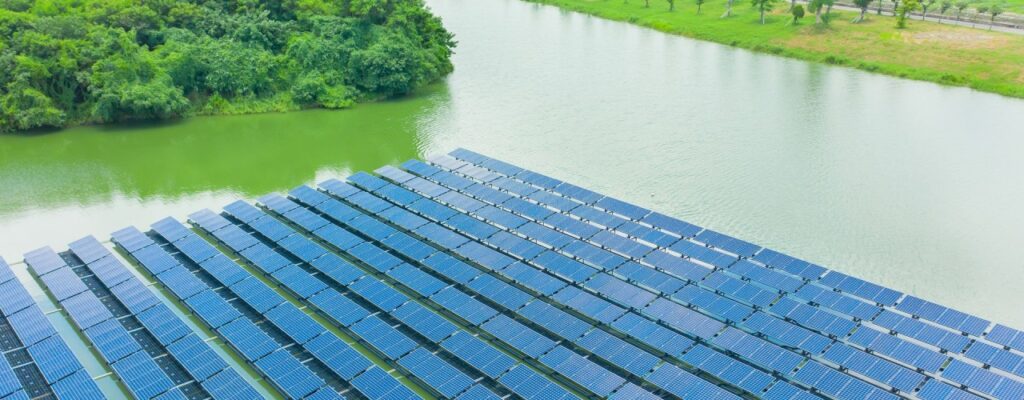
Indigenous communities in the remote regions of Peru initiated a pilot solar-powered fish farm using six solar panels linked to batteries powering oxygenation units, freezers, lighting, and pond equipment.
Solar systems reduce reliance on an inaccessible grid, cut monthly electricity costs, and help communities avoid carbon emissions and pollution.
Helical deadend clamps secure and stabilize solar panel mounting structures. They anchor supporting cables and ensure stability against wind, water movement, and environmental stress.
Its key functions include structural cable anchoring, mechanical supports and tension management, environmental durability, and ease of installation.
Solar-powered fish farming provides energy independence, enhanced fish health, lower costs, market access and storage, and local empowerment for rural Peru.
#SolarAquaculture #HelicalDeadEndClamps #OffGridSolarPeru #SustainableFishFarming
Distribution arresters protecting Peru’s solar future through rural electrification
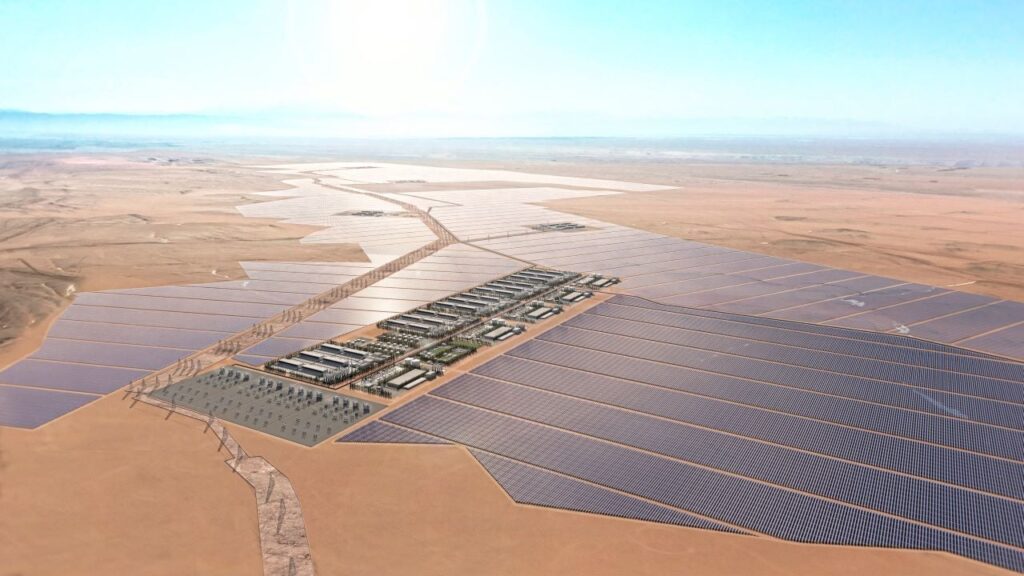
Peru targets an extra 2.5 GW of solar capacity, raising its total to around 3.1 GW across 14 planned projects in Arequipa, Moquegua, and Ica. This will strengthen the national grid and reduce fossil fuel dependence.
Distribution arresters play a crucial role by diverting lightning and switching surge excess voltage to the ground. They safeguard inverters, transformers, and PV modules from damage.
The arresters help stabilize power fluctuations, mitigate voltage spikes from intermittent solar generation, and support smoother integration into the grid.
Arresters also ensure compliance with Peru’s electricity distribution code, easing faster grid interconnection approvals for solar projects.
In rural areas with different grounding infrastructure, arresters reduce maintenance costs and downtime to extend system lifespan.
Using quality distribution arresters in engineering, procurement, and construction contracts signals investor confidence in system reliability.
Solar drives rural electrification by bringing electricity to off-grid Andean, Amazonian, and coastal desert communities. It reduces reliance on diesel generators, cutting emissions, fueling local economic activity, and supporting Peru’s universal access goals.
#PeruSolar #RuralElectrification #DistributionArresters #SurgeArresters #CleanEnergy #GridStability
Insulated piercing clamps boost Peru’s transmission reliability.
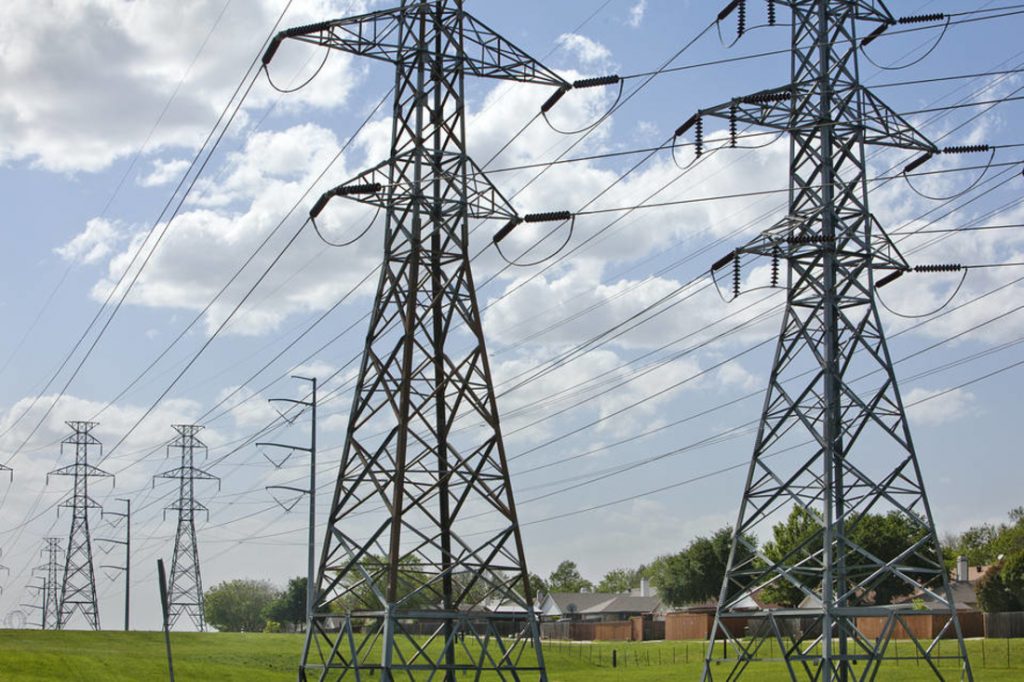
Spanish infrastructure firm Acciona secured the design, financing, and operation of a 330 km, 220 kV transmission line in southern Peru. The $285 million project includes building two new substations and upgrading three others.
Insulated piercing clamps allow safe, live-line connections to energized conductors without de-energizing the line. This is ideal for adding branches or taps to the network. The clamps pierce through conductor insulation to create a gas-tight, low-resistance tap. It helps reduce power losses, overheating, and the need for stripping insulation.
IPCs function across grid operations in medium-voltage taps, substation connections, temporary power feeds, live-line maintenance, community connectivity, and grid performance upgrades.
Power transmission expansion in Peru relieves grid congestion and overload, enables future renewable energy integration, supports regional economic growth, and improves last-mile electricity access.
The insulated piercing clamp will be featured at the upcoming industrial expo in Peru this August, highlighting its innovation and application in modern infrastructure development.
#PeruPowerExpansion #InsulatedPiercingClamp #TransmissionLineInfrastructure #RenewableIntegration #GridRealiability