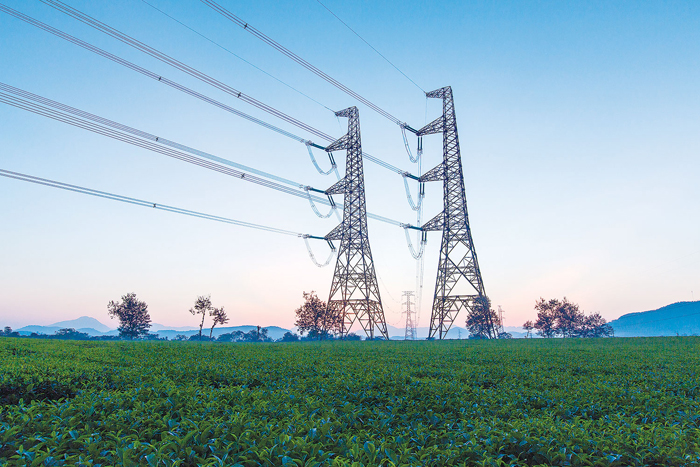
Argentina is upgrading and modernizing its transmission lines to cut infrastructure gaps and enable future expansion in electricity generation and regional integration. Argentina’s transmission network has frequently caused congestion, limiting the efficient transport of electricity. The new 500-kilometer transmission lines will reduce bottlenecks in major transmission channels, boost power transfer capacity between areas, and improve voltage stability and operating flexibility. The improved infrastructure allows for full evacuation of renewable generation and helps to balance variable power across the region. It contributes to the reliable supply of power for energy-intensive industries such as mining, lithium processing, LNG infrastructure, and manufacturing. The transmission network lowers reliance on localized power generation and fuel supply lines. The double arming plates are important part of transmission line construction and extension.
A double arming plate is a load-distributing component used to modernize Argentina’s transmission lines. It enables two insulator strings to be strung from a single location on the tower’s crossarm. The plate converts a single suspension point into two suspension points. Engineers can use the double arming plate to increase the suspension capacity without changing the tower structure. It also permits two insulator strings to be hung in parallel, which spreads the conductor out.
The double arming plate is critical when upgrading existing lines to higher voltages. It offers a compact, designed method to hang more. It also provides redundant load pathways and vibration-damping arrangements to ensure the line’s structural robustness against environmental conditions. The twin arming plate provides a secure and robust platform for suspending several insulator threads.
Impact of transmission lines on BESS project development in Argentina
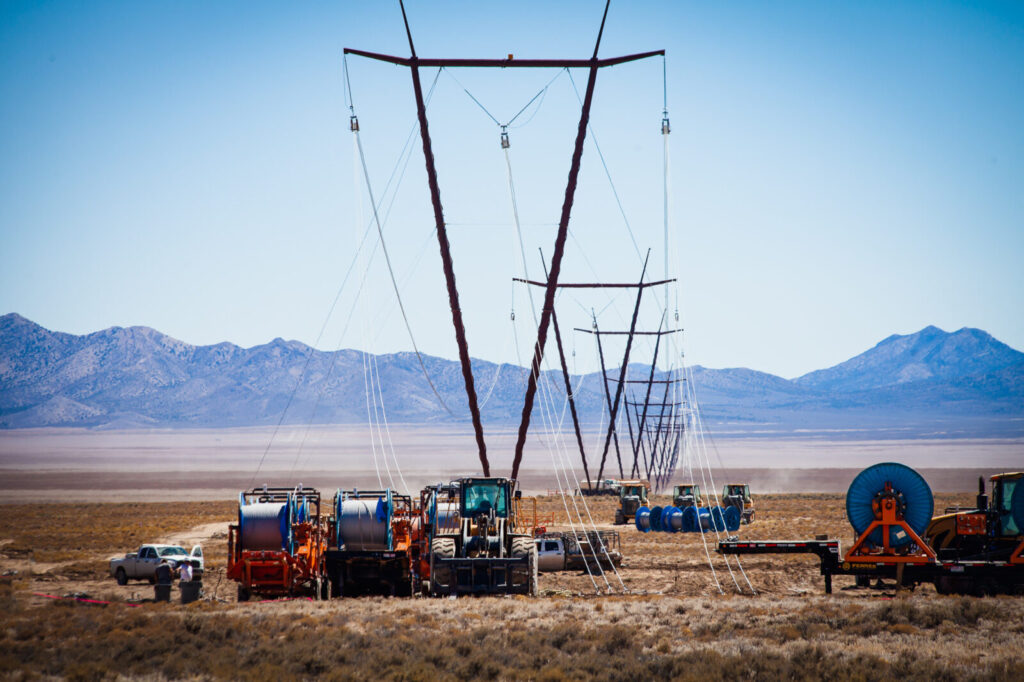
The 500-kilometer transmission line expansion in Argentina supports the development and implementation of BESS projects. It establishes the technical and commercial framework for storage to operate at scale and provide system-wide value. Transmission lines provide high-capacity connecting locations for utility-scale BESS. It also enables storage projects to be located near renewable energy facilities, reducing the geographic constraints that limit storage implementation. Improved transmission capacity enables battery systems to store excess renewable energy during times of low demand. The project allows batteries to be dispatched at peak demand. This decreases dependency on thermal peaking plants, increases system resilience, and boosts energy security. Battery energy storage solutions connect to a reliable transmission backbone to create a flexible grid.
Double-arming plates modernize the transmission network
Double arming plates improve the mechanical strength, load distribution, and long-term reliability of high-voltage lines. It promotes the integration of renewable energy and strengthens national interconnection. This makes it an essential component in large-scale developments, like as Argentina’s 500-kilometer transmission lines. The following are the functions of the double arming plate in transmission lines.
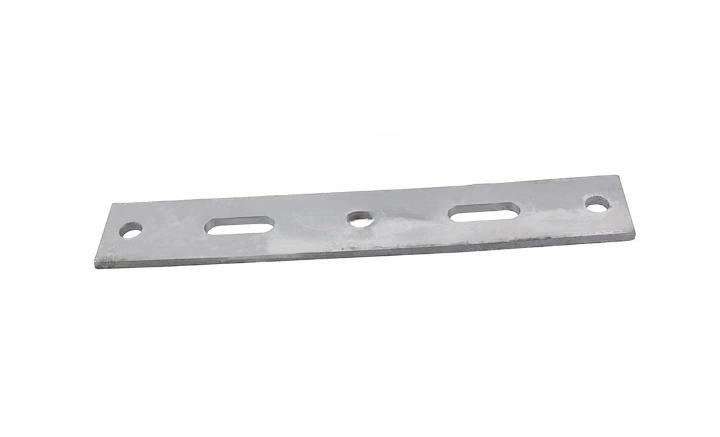
- Structural load distribution—double arming plates connect and reinforce two crossarms on transmission towers. It distributes mechanical loads from conductors and insulators to reduce localized stress concentrations on towers.
- Support insulator assemblies—double arming plates provide a secure mounting interface for insulator strings and line hardware. They maintain correct phase spacing and ensure proper alignment of insulators.
- Improved resistance to environmental forces—the plates enhance resistance to wind-induced load and dynamic forces from conductor galloping and vibration.
- Grid expansion and reliability—double arming plates enable higher-capacity and double-circuit line designs. They also support mechanical integrity over long distances, contributing to grid reliability and safety.
Technologies that improve the building of the 500 km transmission line
There are several technologies enabling Argentina’s 500-kilometer transmission line construction. These are intended to enhance efficiency, dependability, safety, and long-term grid performance. The innovations help the country overcome geographical, climatic, and capacity obstacles. They do so while remaining consistent with transmission development. These technologies include:
- Advanced transmission tower and pole engineering—modern transmission projects depend on high-strength lattice towers and engineered steel poles through modeling software. The technologies reduce material usage while maintaining mechanical integrity.
- High-performance conductors—advanced conductors increase transmission efficiency by allowing higher current-carrying capacity. They are crucial for delivering renewable energy from remote areas.
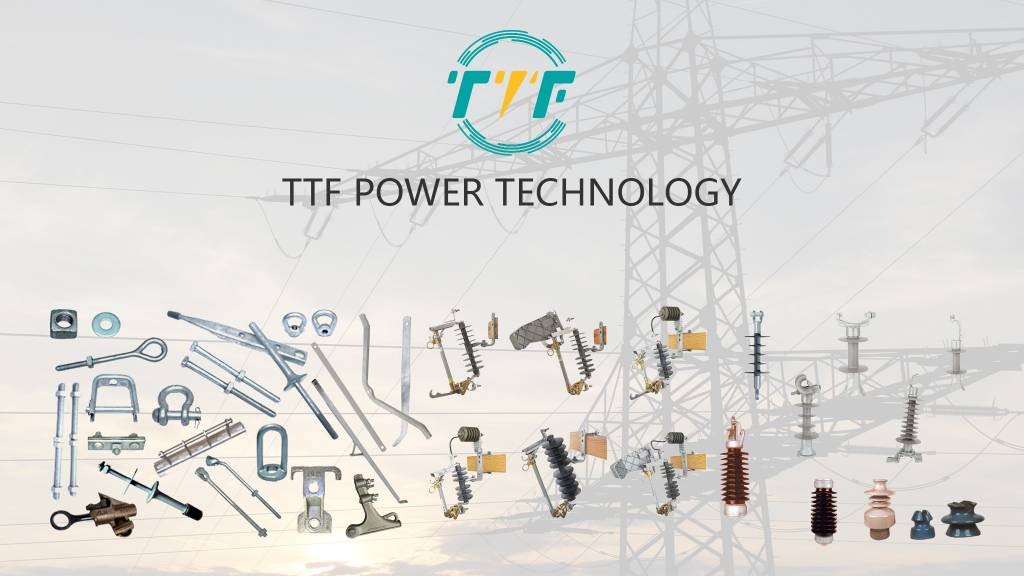
- Insulation and line hardware technologies—modern transmission lines integrate high-quality fittings such as double arming plates. These components contribute to operational reliability and reduce maintenance.
- Smart monitoring and protection systems—new transmission lines incorporate digital monitoring technologies. These include fiber-optic temperature and strain sensing and advanced protection and control relays.