Blog

  • Dead-end insulators and Peru’s copper power hurdles

    Renewable-powered copper mining

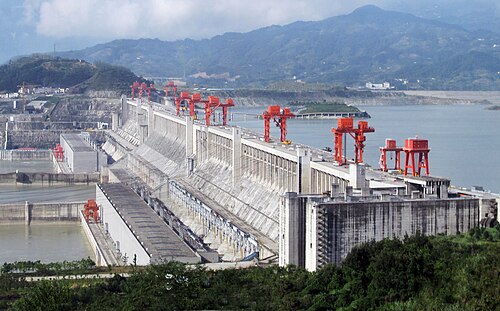
    The transition to green energy in Peru is critical for expanding sectors such as copper, electric vehicles, solar, and wind infrastructure. Copper’s remarkable conductivity, durability, and effectiveness make it indispensable for renewable energy systems, grid development, and electric vehicles. It’s essential for connecting motors, transformers, and transmission lines. Each megawatt of installed solar or wind energy uses far more copper than fossil fuel power facilities. Power grids must be upgraded to accommodate varying loads. This form of power requires copper cabling, substations, and storage devices. The nation is increasing solar and wind initiatives to broaden its energy sources, aiming to lessen dependence on hydropower and fossil fuels. Copper mining operations in Peru are also powered by renewable energy. Dead-end insulators ensure the dependability, safety, and efficiency of high-voltage transmission lines that transfer renewable electricity from the source to copper mines.

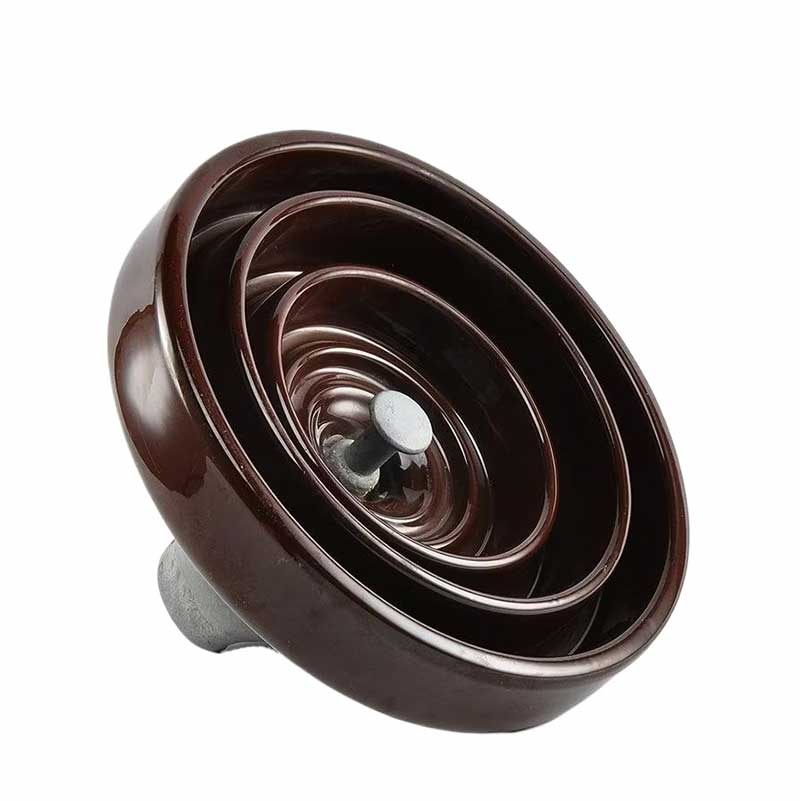
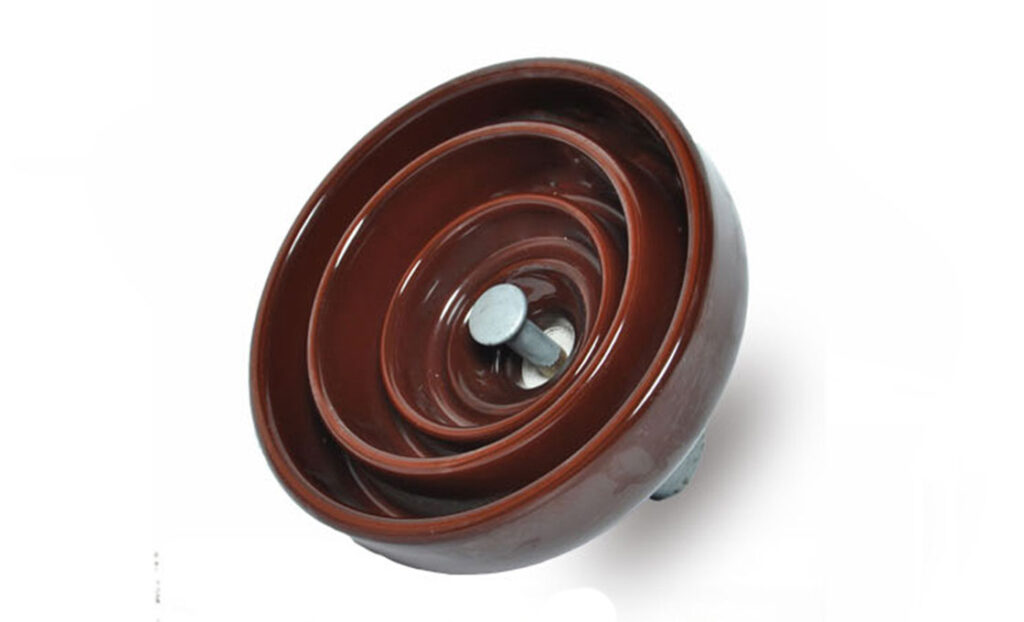
    Quality insulators stop a straight stretch of electrical conductor to accommodate a shift in line direction. Dead-end insulators must endure the entire mechanical tension or pull of the conductor. Copper miners are using contracts with large-scale solar and wind farms to lower their carbon footprint. Dead-end insulators enable that large amounts of renewable energy generated in remote areas are reliably transmitted to the mine. They allow the cable to shift direction while maintaining enough clearance from the ground and ensuring the conductors are intact. Peru’s various geographic circumstances, such as the Andes mountains, need dead-end insulators due to height fluctuations and seismic activity.

    The function of dead-end insulators in renewable energy powering copper mining in Peru

    Mining enterprises are shifting to renewable energy sources like solar, wind, and hydropower. This comes as the country increases copper output to fulfill the growing worldwide demand for renewable energy and electrification. A dead-end insulator is a collection of insulators and hardware intended to withstand extreme mechanical tension. Dead-end insulators support efforts to reduce carbon footprints in copper mining. Transmission and distribution networks need dead-end insulators, which are essential for powering large-scale mining activities. Insulators help to withstand mechanical stress at power line terminals. They electrically isolated the conductor from its support framework. Here are the functions of dead-end insulators in copper mining powered by renewable energy.

    Composite dead-end insulators
    1. Supporting renewable power transmission to mines—dead-end insulators help securely end and anchor long-distance transmission lines carrying renewable power from generation sites to remote mining operations.
    2. Ensuring safety and reliability in mining energy supply—copper mining machinery, smelters, and processing plants need uninterrupted power. Dead-end insulators enhance reliability by preventing flashovers and line failures under heavy loads. This helps reduce blackouts in mining operations.
    3. Enhancing the sustainability of green mining—dead-end insulators support the scalability of renewable-powered grids. They enable the expansion of solar and wind energy into mining-heavy regions. They contribute to reducing the carbon intensity of copper production.
    4. Supporting transmission and distribution lines—the insulator is able to withstand mechanical stress at the endpoints of power lines. They anchor conductors securely in dead-end spans or sharp angle points.

    Main barriers to copper production with renewable energy in Peru

    Copper is used to make solar panels, wind turbines, and electric vehicles, all which help to reduce carbon emissions. Mining, however, presents many challenges in utilizing renewable energy. These barriers are as follows.

    • Infrastructure constraints—incorporating large renewable energy facilities into remote regions requires expensive transmission lines and substations. Battery storage systems are essential because solar and wind energy are variable.
    • Large capital expenses—switching from diesel or grid electricity to renewable sources requires significant initial funding for solar installations, wind facilities, and energy storage solutions.
    • Policy and regulatory hurdles – Peru’s initiatives aimed at the mining sector’s green transition are constrained. Lengthy bureaucratic procedures for renewable energy initiatives also hinder the adoption at the mine level.
    • Technological and operational limitations—mining requires dependable energy, which renewable sources have difficulty supplying without supporting backup systems. Incorporating renewable energy sources into mining activities requires sophisticated energy management systems.
    • Worldwide market fluctuations—copper demand is rising as a result of the global energy shift. Price volatility complicates companies’ ability to engage in long-term renewable investments. Mining firms focus on immediate cost reductions instead of sustainability efforts.
  • Cable suspension clamps aid Peru’s rural energy growth

    Rural electrification technologies

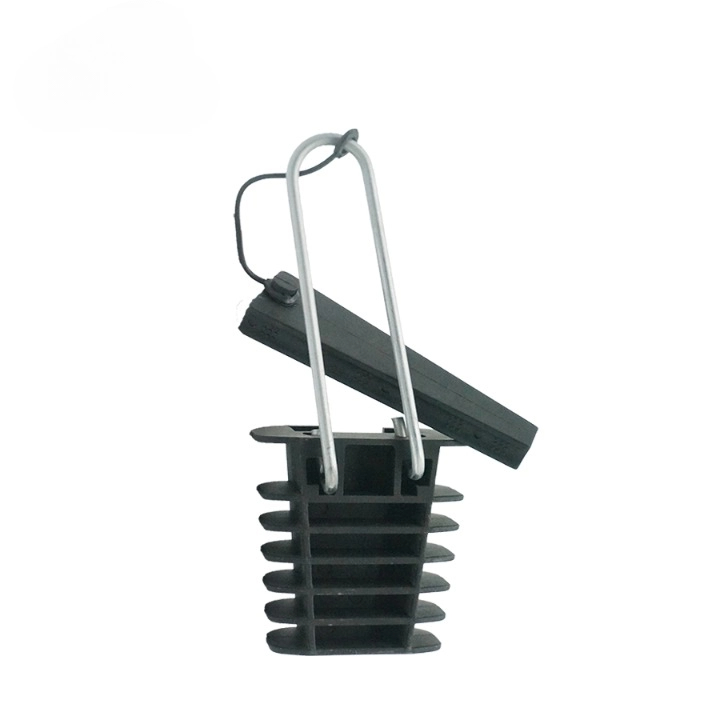
    Peru is implementing rural electrification initiatives to increase power access and enhance local economies. The government, commercial sector, and foreign partners are collaborating on a variety of initiatives that integrate technology, financing, and community participation. The electrification schemes are managed by the Ministry of Energy and Mines’ General Directorate of Rural Electrification (DGER). 39 projects in 19 regions are in underway, with a total investment of $415 million. These projects include grid extension in locations where it is technically and economically possible. Solar household systems, mini-grids, and hybrid renewable systems are being developed to reduce reliance on diesel generators. Various institutions, including the World Bank, IDB, and IFC, are sponsoring rural electrification schemes in Peru. Public-private partnerships are attracting private developers to invest in mini-grid and distributed solar projects. Cable suspension clamps play a crucial role in the mechanical support and integrity of the electrical distribution system.

    Quality suspension clamps offer structural and protective benefits over electrical ones. The clamp grips and supports the overhead electrical conductor, keeping it in place on the poles. It also distributes the weight of the cable to the support structure and foundation. A well-designed clamp distributes pressure uniformly to avoid crushing, abrasion, or fatigue, which could cause the cable to break over time. Cable suspension clamps are from corrosion-resistant materials to endure the weather. The materials used include galvanized steel and aluminum alloy. These materials assist the clamps withstand severe winds, UV rays, and temperature variations. Rural electrification entails running distribution wires for great distances between poles. Suspension clamps control stress and vibration over extended distances. Proper cable suspension clamps work in conjunction with dampers to absorb vibrational energy and protect the cable from fatigue.

    Uses of cable suspension clamps in rural electrification

    Cable suspension clamps are essential for projects such as solar mini-grids, wind farms, and grid expansion in Peru. They ensure the safety, reliability, and long-term viability of power infrastructure. Cable suspension clamps are mechanical fittings that support and secure cables to poles. They keep the cables in place while allowing for modest movement, reducing mechanical stress. The following are the roles of cable suspension clamps in rural electrification initiatives.

    Cable suspension clamps help distribute electricity from solar panels to the grid
    • Mechanical support for conductors—suspension clamps support overhead cables that distribute electricity from solar or wind generation sites to consumers.
    • Reducing mechanical stress and cable fatigue—cable suspension clamps distribute forces evenly to reduce wear and prevent conductor breakage.
    • Ensuring safety and reliability—proper installation of suspension clamps keeps lines at the correct clearance. They prevent accidental contact with people or infrastructure and ensure a stable and safe electricity supply.
    • Facilitating grid expansion in difficult terrain—suspension clamps enable cables to span the distances by securing them to poles.
    • Compatibility with renewable energy systems—cable suspension clamps help stabilize medium-voltage lines exposed to strong gusts. They support low- and medium-voltage distribution lines connecting arrays to substations or rural microgrids.
    • Long-term infrastructure sustainability—suspension clamps reduce maintenance costs and prolong the lifespan of rural electrification networks.

    Challenges During Rural Electrification in Peru

    Peru has made great progress in electrification, with over 95% countrywide coverage. However, rural communities in the Andes highlands and Amazon rainforest confront significant difficulties. Extending to these places necessitates overcoming geographic, economic, technological, and social barriers. Here are the main problems facing rural electrification in Peru.

    1. High infrastructure costs—extending transmission and distribution lines in sparsely populated areas is costly in urban areas. This leads to financial viability challenges for private companies.
    2. Technical limitations—these include grid instability in remote extensions, renewable integration challenges, and harsh weather.
    3. Geographic and terrain barriers—remote villages in steep, high-altitude areas make grid extension difficult and expensive. The Andes mountains and Amazon forests face conditions that raise project costs and extend implementation timelines.
    4. Limited funding and investment gaps—the funding in Peru is insufficient to meet 100% coverage goals. Subsidies are essential to make rural electrification affordable, and long-term sustainability depends on continuous public investments.
    5. Energy demand and economic viability—many rural households use limited electricity, which makes cost recovery difficult. Rural electrification risks may be underutilized without productive use of energy.
    6. Operation and maintenance issues—lack of trained local technicians leads to delays in repairing faults or maintaining renewable systems like solar panels and batteries.
  • Distribution arresters in Peru’s renewable copper shift

    Copper mine powered by renewable energy

    With global decarbonization, copper is an essential component in electric vehicles, wind turbines, solar farms, and smart grids. Copper production in Peru contributes to worldwide demand by ensuring that the mining sector is fuelled by sustainable energy sources. Peru’s growing number of solar and wind installations will help to decarbonize copper mining. This is critical because copper producers are establishing net-zero or carbon reduction targets, with renewable energy at the heart of their operations. Peru’s transition to renewable-powered mining boosts its competitiveness in international markets. Furthermore, governments in Europe, North America, and Asia prefer copper derived from mines with low carbon emissions. However, these operations confront problems such as infrastructure constraints, high initial expenditures for renewable energy initiatives, and regulation. Distribution arresters protect the expansive and critical electrical distribution system from destructive voltage surges.

    The renewable-powered copper mine in Peru is a fragile and high-risk environment for a variety of reasons. The majority of mines are located in the high Andes, where altitude and weather patterns make electrical storms typical. This necessitates a vast network of power lines and transformers linking remote renewable farms to mines. Damage to transformers, switchgear, variable frequency drives, and control systems occurs when distribution arresters are not present. Arresters prevent such damage and ensure that operations continue without interruption. Voltage spikes can cause problems for the inverters and complicated power electronics that convert solar and wind DC electricity to grid-ready alternating current. Arresters are installed at renewable generation installations to protect the equipment. Distribution arresters prevent damage and avoid downtime to contribute to the reliability, safety, and economic viability of using renewable energy to power copper production for green transition.

    The role of distribution arresters in renewable-powered copper mining in Peru

    As Peru increases its use of renewable energy to power copper mining, the use of arresters helps to assure system dependability and equipment protection. Distribution arresters protect electrical infrastructure against overvoltages and surges. They provide the operational stability when electricity originates from variable sources. The following are the functions of distribution arresters in copper mining.

    Distribution arresters protect renewable infrastructure from surges
    1. Overvoltage protection—distribution arresters protect transmission lines, transformers, and substations from damage. Renewable energy integration causes sudden load changes, where the arresters absorb the surges to prevent equipment failure.
    2. Ensuring grid reliability in renewable systems—distribution arresters stabilize systems by preventing voltage spikes. They ensure continuous operation of energy-intensive mining processes like grinding, smelting, and refining.
    3. Protecting copper-intensive infrastructure—mining operations depend on transformers, substations, and power lines. Distribution arresters preserve the longevity of infrastructure to reduce maintenance costs and energy losses.
    4. Supporting Peru’s green copper transition—distribution arresters enable copper mines to depend on clean energy sources without compromising reliability.
    5. Enhancing safety in mining operations—electrical surges damage equipment and pose safety risks. Distribution arresters cut risks by ensuring that excess electrical energy is safely discharged to the ground.

    Innovations for renewable-powered copper mining in Peru

    Copper is an essential component in solar panels, wind turbines, and electric automobiles. New technological advancements enable Peru’s mining sector to transition to renewable-powered production, lowering emissions and increasing competitiveness. Innovations in renewable integration, storage, electrification, and smart grid systems are revolutionizing Peru’s copper mining business. Common advancements aiding renewable-powered copper mining are:

    • On-site renewable energy integration—mining companies are investing in large-scale solar farms to directly power operations in Peru. Andean wind resources are being harnessed to supplement mine energy demand. This aims to reduce reliance on diesel and grid-based electricity.
    • Advanced energy storage solutions—BESS helps overcome the intermittency of solar and wind. Storage innovations ensure a steady power supply for critical mining activities like ore processing and smelting.
    • Smart grid and automation technologies—mining companies are building localized microgrids powered by renewables. Artificial intelligence predicts energy demand and adjusts renewable outputs to optimize efficiency.
    • Electrification of mining equipment—this includes transitioning from diesel-powered machinery to electric fleets. This helps cut down emissions and operational costs.
    • Sustainable water and waste management innovations—using clean power to process and recycle mine waste aligns copper production with global sustainability standards.
  • Corona rings role in Peru’s renewable investment

    Energy Transition trends

    After years of relying on hydropower and fossil fuels, non-hydro renewables like solar and wind may pave the way for Peru’s energy shift. The country is seeing a substantial move toward renewable energy, fueled by global climate obligations, falling technology costs, and the need for energy security. Investment patterns are shifting away from large-scale hydropower and toward solar, wind, and green hydrogen. This is despite transition hurdles such as legal frameworks, social turmoil, and grid modernization. The most attractive field for investment in Peru is solar and wind energy. Peru uses public auctions to attract investments for approximately 1.3 GW of solar and wind projects at what were then record-low prices in the area. Notable projects in the country include the Rubi solar plant (180 MW) and the Tres Hermanas wind farm (97 MW). Corona rings are enabling components for the high-voltage infrastructure supporting energy transition.

    Peru is also investing in green hydrogen, grid modernization, energy storage, transmission infrastructure improvements, distributed generation, and rooftop solar. Investors’ success will be dependent on their understanding of local social dynamics, strategic relationships, and managing the regulatory framework. The use of corona rings ensures the dependability, efficiency, and safety of transmission lines and substations that transport clean energy from new solar and wind farms. In high-voltage systems, the electrical potential can reach such a high level that it ionizes the air around a sharp conductive component. This is a corona discharge, which produces ozone gas that corrodes and destroys insulation, hardware, and conductors. The corona ring spreads the electrical field gradient around the component. It is used in transmission lines that carry electricity generated by renewable energy sources. Using corona rings helps Peru build the high-voltage grid necessary to realize its clean energy future.

    Impacts of Corona Rings on Peru’s Energy Transition

    Corona rings, also referred to as grading rings, are toroidal conductors installed at high-voltage stress locations. They are frequently installed at the line end of insulator strings, substation bushings, terminations, and equipment connectors. They reconfigure the electric field to keep it from being concentrated enough at any one place to ionize the air and cause a corona discharge. Corona rings function in transmission lines, renewable collector systems, substations, HVDC, and FACTS. Here are the primary roles of corona rings in Peru’s energy transition infrastructure.

    Corona ring reducing electric fields
    1. Reduce electric-field hotspots—the rings lower peak E-field on suspension hardware, post insulators, wall bushings, and cable terminations. It is crucial on 220/500 kV interties crossing the Andes, where lower air density promotes corona.
    2. Suppress corona discharge and power loss—corona converts energy into heat, light, ozone, and sound. Rings keep operating gradients below corona inception, cutting no-load losses. This is crucial for long spans feeding remote mines and hybrid renewables in Peru.
    3. Reduce audible noise—rings limit cracking and hissing in fog, drizzle, and salt spray along the wind farms and 500 kV yards.
    4. Protect insulators and hardware from aging—persistent corona erodes polymer sheds and pits metal. Corona rings help extend service life, especially where access is hard, such as high-altitude structures above 3,500 m.
    5. Enhance insulation coordination and overvoltage behavior—the rings help equipment withstand switching surges and lightning. They complement surge arresters on solar and wind substations.

    Infrastructure supporting the energy transition in Peru with rising investments

    Increased investment in Peru’s energy transition promotes renewable project integration, supply mining, electricity generation, and global trading capacity. The infrastructure used includes the following:

    • Power transmission—the IFC and Acciona are leading the upgrades to the grid through transmission projects. These lines will bolster capacity to integrate solar and wind energy to improve grid stability and reduce reliance on fossil fuels.
    • Utility-scale renewables—this includes the use of solar power to power mining operations in Peru. It includes the new San Martin solar park and Babilonia solar.
    • Distributed and rural-scale solar—this includes civil society-driven initiatives electrifying remote areas and enabling services.
    • Grid diversification—Peru’s electrical grid remains reliant on hydro and natural gas thermal plants. The IFC underscores the need for battery storage systems and hybrid mini-grids to help integrate renewables and stabilize the grid.
    • Export-scale infrastructure—the Chancay Megaport is a strategic infrastructure addition on Peru’s coast aiming to bolster export capacity and regional connectivity. It is crucial in supporting the broader economic shift tied to energy transition.
  • Strain clamps power IFC fund’s boost to Peru renewables

    Solar energy supporting energy transition

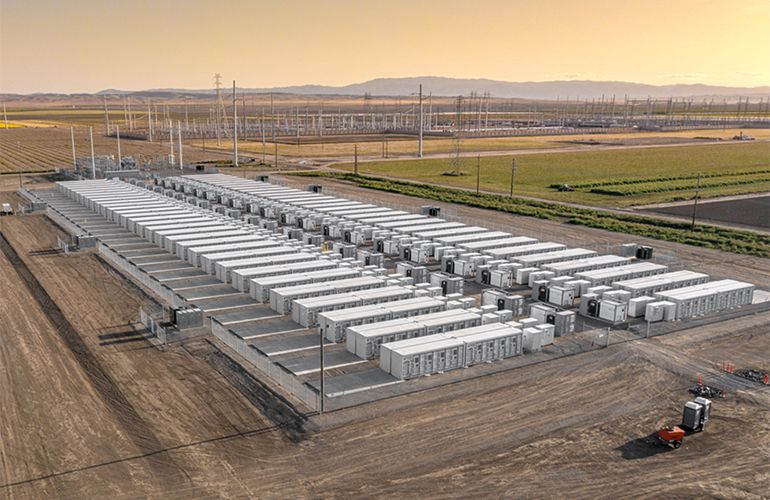
    With Peru’s rising acceptance of renewable energy, the International Finance Corporation (IFC) is giving a $600 million loan to help the country shift to cleaner energy. This investment is aimed at three different sorts of initiatives. It will help expand the 51.7 MW Intipampa solar project, the 36.8 MW Duna and Huambos wind farms, and the 26.5 MW Chilca BESS facility. The IFC grant will help Peru reduce its reliance on hydropower and natural gas. Peru will also develop a more resilient and diverse energy system that can survive climate change and variations in global fossil fuel prices. The Chilca BESS project will assist store energy generated by intermittent solar and wind sources. BESS provides services such as frequency regulation and helps maintain the grid’s stability and prevents blackouts. Strain clamps provide the physical integrity and reliability for the new infrastructure under construction.

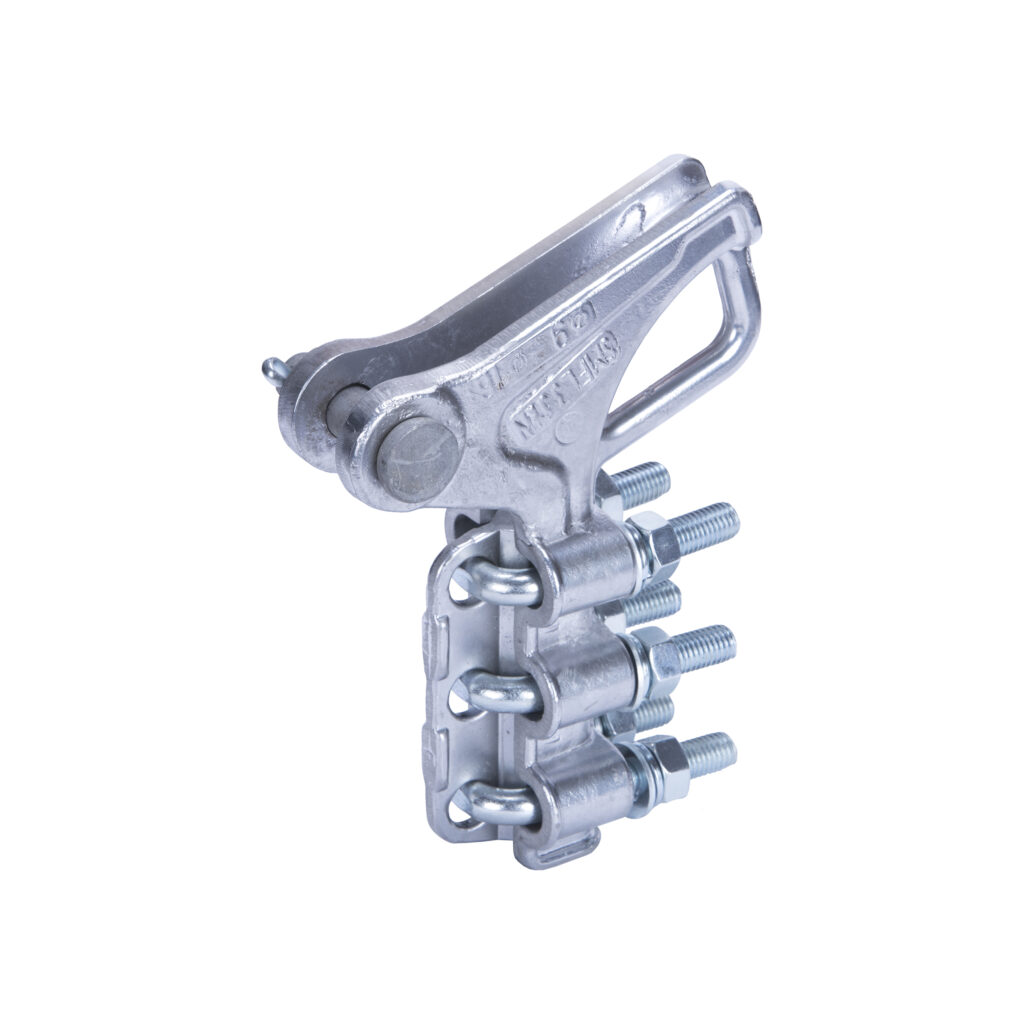
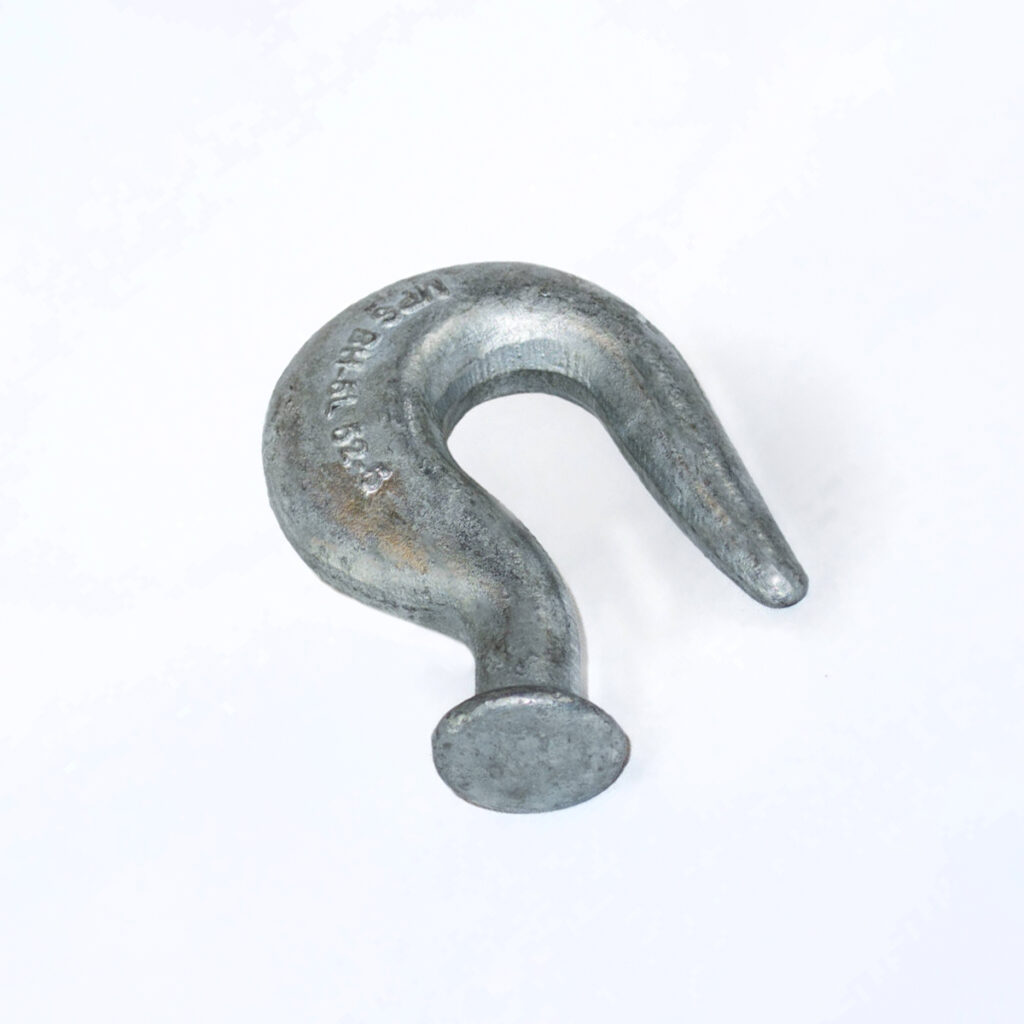
    Renewable energy capacity growth strengthens the grid’s ability to handle a larger renewables penetration in the future. A strain clamp is interchangeable with dead-end clamps and tension clamps. Strain clamps are required when constructing new transmission lines to connect faraway solar and wind farms. They are also critical for strengthening the existing grid to accommodate the new and fluctuating power flow from solar, wind, and BESS. The IFC-funded projects provide critical demand infrastructure enhancements for connecting to solar and wind energy. The increasing power flow necessitates changes to current transmission and distribution networks. Strain clamps are used at all points where the conductor cable must be terminated or fastened under full mechanical tension. They serve at each transmission tower to secure the conductor to the tower structures. They also function at connection points to connect the conductor to other hardware on a tower.

    The role of strain clamps in increasing renewable energy capacity in Peru

    The IFC’s investment in renewable energy projects necessitates strong infrastructure connected by high-quality power line hardware. A strain clamp is a hardware fitting used in power transmission lines to anchor and secure conductors under mechanical tension. Strain clamps are connections that ensure the safe and efficient transfer of electricity produced by renewable projects. The strain clamp serves the following roles in renewable energy infrastructure.

    Strain clamps preventing conductor splippage
    1. Anchoring conductors in high-tension zones—strain clamps secure the ends of conductors where lines end, turn, or span long distances. The clamps prevent conductors from slipping under heavy tension.
    2. Withstanding harsh mechanical stress—renewable energy projects face high wind loads that increase line tension and high heat and UV stress. Strain clamps absorb these mechanical loads to protect the conductor and reduce the risk of line breakage.
    3. Maintaining electrical reliability—high-quality strain clamps ensure low electrical resistance at connection points. They reduce energy losses during transmission from renewable generation sites to demand centers.
    4. BESS integration—strain clamps help anchor the transmission lines linking the storage system to the grid. Strain clamps keep connections mechanically secure and electrically stable when large amounts of energy flow in short bursts.
    5. Supporting grid expansion for renewables—IFC’s projects need new and upgraded transmission lines to send renewable energy. Strain clamps boost renewable capacity by ensuring Peru’s infrastructure can handle the growing clean generation.

    Potential of the IFC’s money to expand renewable energy in Peru

    The IFC fund is critical as the country works to diversify its energy mix, cut carbon emissions, and strengthen resilience to market and climate threats. The fund has the ability to revolutionize Peru’s renewable energy environment by strategically investing in solar, wind, and battery storage initiatives. The potential is as addressed below.

    • Expanding solar power capacity—IFC’s financing of the Central Expansion solar Intipampa facility shows how solar projects can play a bigger role in Peru’s grid. Similar projects could unlock gigawatts of solar potential, supplying both urban demand centers and remote communities.
    • Strengthening wind energy development—IFC’s support ensures the financial stability of the wind projects while proving that wind energy is viable in Peru. It helps expand wind capacity that will diversify generation, which makes Peru less dependent on hydropower.
    • Infrastructure and grid expansion—IFC’s investment strengthens confidence in grid-enhancing technologies. These technologies include smart substations and transmission upgrades, energy infrastructure components like strain clamps, and hybrid plant designs.
    • Battery energy storage systems (BESS) can balance intermittent renewables, reduce curtailment, and provide backup during peak demand.
  • Energy News Weekly Digest – August 11-15, 2025

    Solar-powered fish farming gets a boost from helical deadend clamps in Peru.

    Solar-powered fish farming in Peru

    Indigenous communities in the remote regions of Peru initiated a pilot solar-powered fish farm using six solar panels linked to batteries powering oxygenation units, freezers, lighting, and pond equipment.

    Solar systems reduce reliance on an inaccessible grid, cut monthly electricity costs, and help communities avoid carbon emissions and pollution.

    Helical deadend clamps secure and stabilize solar panel mounting structures. They anchor supporting cables and ensure stability against wind, water movement, and environmental stress.

    Its key functions include structural cable anchoring, mechanical supports and tension management, environmental durability, and ease of installation.

    Solar-powered fish farming provides energy independence, enhanced fish health, lower costs, market access and storage, and local empowerment for rural Peru.

    Read More

    #SolarAquaculture #HelicalDeadEndClamps #OffGridSolarPeru #SustainableFishFarming

    Distribution arresters protecting Peru’s solar future through rural electrification

    Solar power capacity expansion in Peru

    Peru targets an extra 2.5 GW of solar capacity, raising its total to around 3.1 GW across 14 planned projects in Arequipa, Moquegua, and Ica. This will strengthen the national grid and reduce fossil fuel dependence.

    Distribution arresters play a crucial role by diverting lightning and switching surge excess voltage to the ground. They safeguard inverters, transformers, and PV modules from damage.

    The arresters help stabilize power fluctuations, mitigate voltage spikes from intermittent solar generation, and support smoother integration into the grid.

    Arresters also ensure compliance with Peru’s electricity distribution code, easing faster grid interconnection approvals for solar projects.

    In rural areas with different grounding infrastructure, arresters reduce maintenance costs and downtime to extend system lifespan.

    Using quality distribution arresters in engineering, procurement, and construction contracts signals investor confidence in system reliability.

    Solar drives rural electrification by bringing electricity to off-grid Andean, Amazonian, and coastal desert communities. It reduces reliance on diesel generators, cutting emissions, fueling local economic activity, and supporting Peru’s universal access goals.

    Read More

    #PeruSolar #RuralElectrification #DistributionArresters #SurgeArresters #CleanEnergy #GridStability

    Insulated piercing clamps boost Peru’s transmission reliability.

    Power line transmission infrastructure development

    Spanish infrastructure firm Acciona secured the design, financing, and operation of a 330 km, 220 kV transmission line in southern Peru. The $285 million project includes building two new substations and upgrading three others.

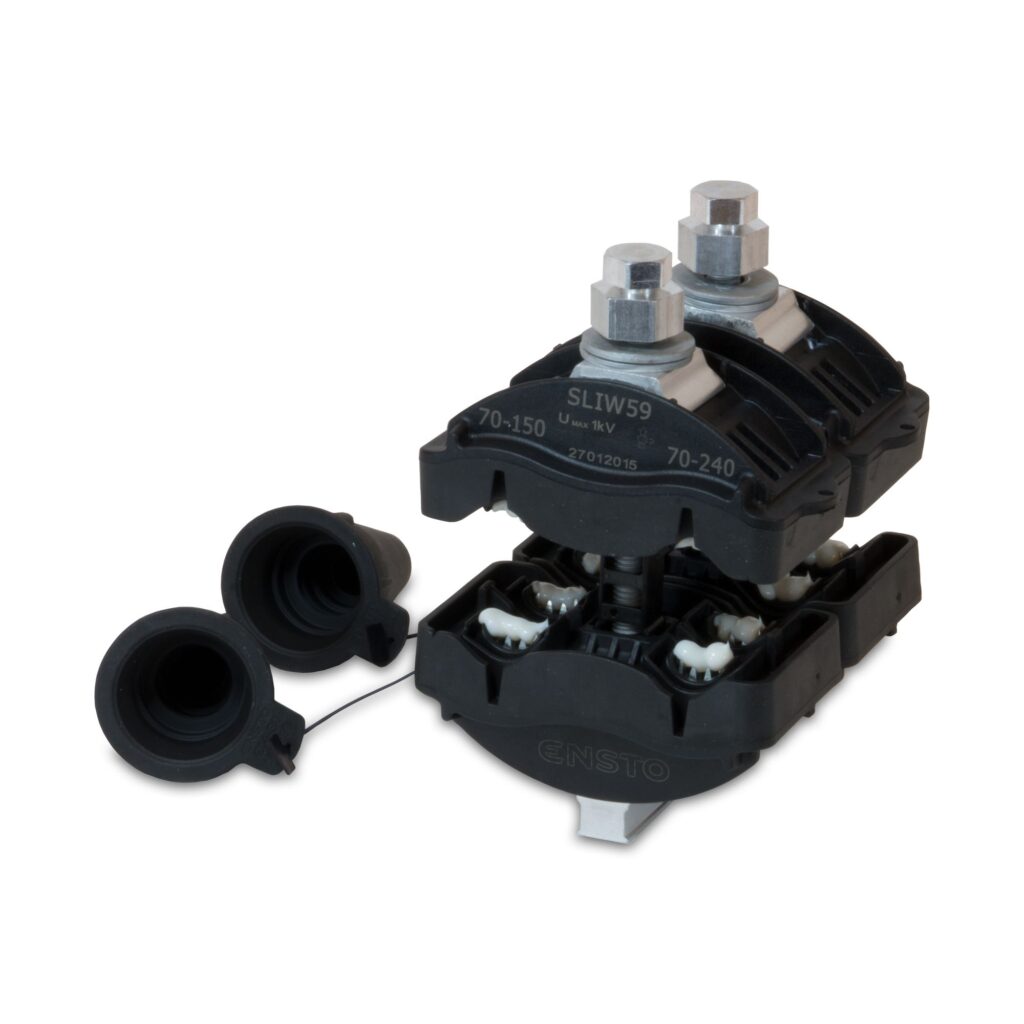
    Insulated piercing clamps allow safe, live-line connections to energized conductors without de-energizing the line. This is ideal for adding branches or taps to the network. The clamps pierce through conductor insulation to create a gas-tight, low-resistance tap. It helps reduce power losses, overheating, and the need for stripping insulation.

    IPCs function across grid operations in medium-voltage taps, substation connections, temporary power feeds, live-line maintenance, community connectivity, and grid performance upgrades.

    Power transmission expansion in Peru relieves grid congestion and overload, enables future renewable energy integration, supports regional economic growth, and improves last-mile electricity access.

    The insulated piercing clamp will be featured at the upcoming industrial expo in Peru this August, highlighting its innovation and application in modern infrastructure development.

    Read More

    #PeruPowerExpansion #InsulatedPiercingClamp #TransmissionLineInfrastructure #RenewableIntegration #GridRealiability

  • Service Grip Dead End in Peru’s Grid Development

    Transmission line infrastructure expansion

    Acciona, a Spanish infrastructure company, has recently obtained a contract to design, fund, and manage a 330 km power transmission line in Southern Peru. The $284M project encompasses the system’s operation and maintenance. The 220 kV power line will improve electricity distribution in the area. It encompasses the construction of two new substations and the expansion of three others in Quencoro Nueva and Onocora. The newly built and upgraded substations are intended to ease future connectivity to renewable energy generation facilities. Acciona announced that the updated infrastructure will reduce existing grid congestion and cut overload problems throughout the southeast of Peru’s national interconnected electrical system. A service grip dead end ensures structural integrity, safety, and efficiency in both construction and maintenance.

    During the construction, the service grid dead end secures the end of a transmission conductor to a pole, tower, or insulator string. It prevents slippage under mechanical tension from wind, ice, or thermal expansion. The grip dead end is designed to handle high tensile loads without damaging the conductor. It also allows quick conductor replacement without re-splicing. A service grid dead end reduces conductor fatigue caused by wind-induced vibrations. In the 220 kV transmission lines, the service grip dead end serves in dead-end towers, sectionalizing points, river crossings, and maintenance splices. Common types used include preformed dead end grip, helical dead end grip, and parallel wire grip. This makes them vital in the construction of the 220 kV transmission lines in Peru. Service grip dead ends are among some of the technologies showcased at the upcoming Industrial Expo, Peru, in August.

    Service grip dead end in Peru’s grid projects

    Dead-end anchors ensure structural integrity, safety, and efficiency in the construction and maintenance of transmission lines. Service grip dead ends ensure mechanical reliability, easier maintenance, and long-term durability against corrosion and fatigue. A service grip dead end is a mechanical fitting used to end, anchor, and secure overhead conductors to transmission structures. It wraps around the conductor to grip it without causing damage. The dead-end grips are crucial for initial construction and ongoing maintenance of the 20 kV transmission lines in Peru. Here are the roles of the service grip dead end in transmission line construction in Peru.

    Service grip dead ends anchoring the conductors
    1. Anchoring conductors at dead-end structures—dead-end anchors end the conductor by transferring mechanical load to the structure. It holds heavy ACSR and AAAC conductors in place under high tension.
    2. Tool-free and fast installation—service grip dead ends can be installed without heavy crimping equipment. It wraps around the conductor by hand. This helps speed up stringing operations and reduces project costs.
    3. Preventing conductor damage—the helical grip distributes stress evenly along the conductor’s length. It avoids the crushing or sharp bending that occurs with other anchoring methods. This is crucial for high-voltage conductors, where maintaining strand integrity is crucial.
    4. Handling challenging terrain—service grip dead ends provide secure terminations in high-tension spans without the need for complex temporary anchoring.
    5. Maintaining proper tension—service grip dead ends maintain a strong, consistent grip under long-term tension. It helps prevent gradual conductor slippage. Regular inspections ensure the rods remain intact and free of corrosion.

    Regional impacts of transmission line infrastructure development in Peru

    The establishment and expansion of transmission lines in Peru are vital for the economy, dependability, renewable energy, and local communities. The development of transmission lines influences the nation’s energy industry and progress. This advancement will enhance energy accessibility and promote renewable sources. Its future prosperity relies on community involvement, sustainable methods, and ongoing investment in smart grid technology. These effects encompass:

    • Dependability and capacity—new 220-138 kV corridors and enhancements to substations ease bottlenecks in the southeast and southern macro-region.
    • More affordable, cleaner energy combination—transmission enables grid entry for extra wind, solar, and small hydro. This is essential for reducing marginal costs and emissions.
    • Regional economic growth outside the poles and wires—consistent supply bolsters hospitality and public services. This decreases reliance on generators in the area.
    • Access and quality for nearby communities—expanding feeder lines from new substations enhances last-mile reliability and facilitates the addition of medium and low voltage laterals, public lighting, and community services.
  • Distribution arresters in Peru’s electrification

    Rural electrification using solar power

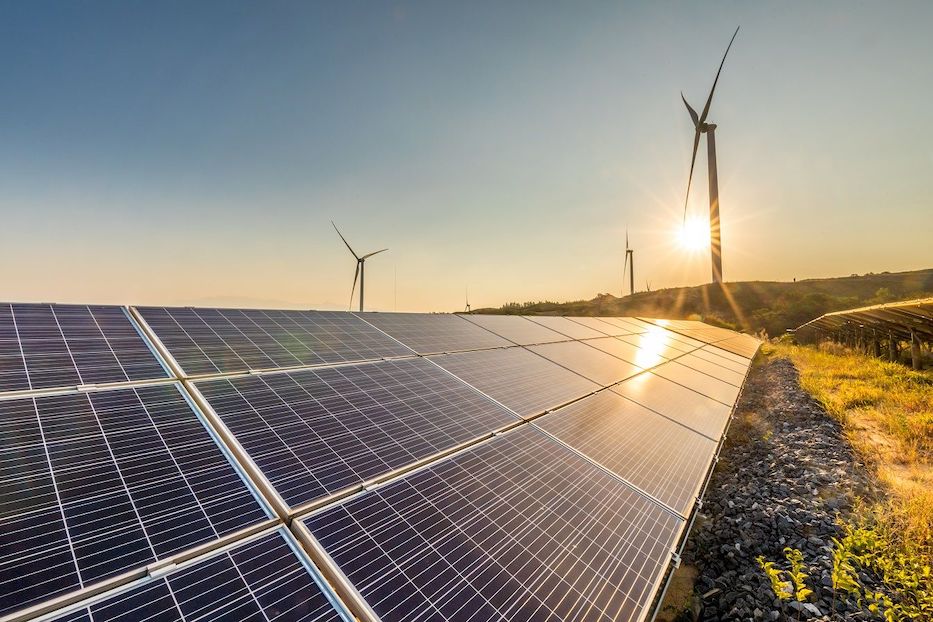
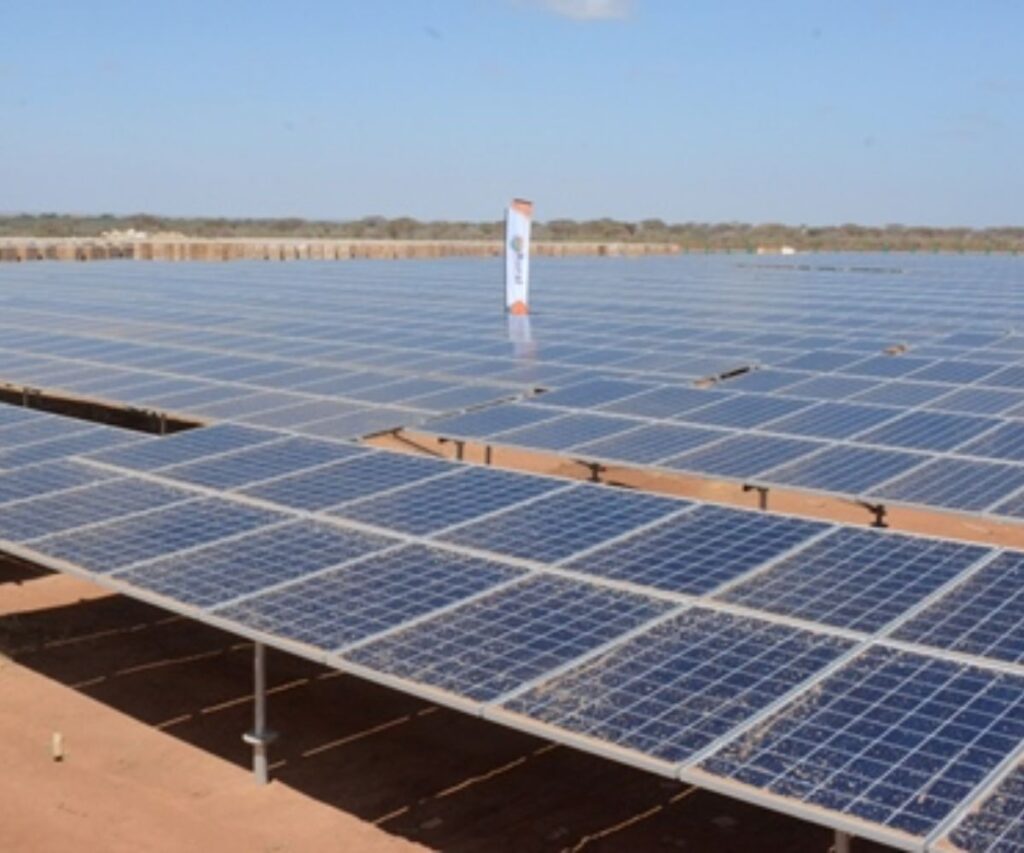
    Peru’s ministry of energy and mines plans to increase the country’s solar capacity by 2.5 GW. This increase will bring Peru’s total solar capacity to an impressive 3.1 GW. There are plans for 14 solar projects in Arequipa, Moquegua, and Ica. These projects attempt to strengthen the nation’s integrated electric system. Adding 2.5 GW of solar might increase PV’s share of the generating mix and reduce reliance on fossil fuels. Furthermore, wider geographic distribution of generation minimizes the risk of supply disruptions due to localized challenges such as droughts. Investments will provide construction jobs in rural areas, technical positions in plant management and maintenance, and chances for local vendors. Increased solar power output may help lessen dependency on hydro in drought seasons to help avoid ecosystem stress. Solar provides cheaper, cleaner electricity that supports Peruvian exports. Distribution arresters ensure the safety and reliability of electrical distribution networks.

    Lightning strikes and switching surges can cause damage to solar power facilities’ equipment. To prevent damage to inverters, transformers, and PV modules, distribution arresters send excess power to ground. Peru’s enhanced solar capacity will help to lessen variations caused by intermittent generation, which can cause voltage spikes. Arresters help to stabilize the grid, preventing interruptions that could impact both utility-scale and distributed solar installations. The Peruvian electrical distribution code requires surge protection to assure system dependability. The arresters help solar projects meet safety standards, allowing for faster grid hookup permits. Distribution arresters increase the lifespan of decentralized systems by protecting them from lightning-induced failures. Arresters reduce downtime and maintenance costs, making solar investments more affordable. With the next Industrial Expo in Peru, manufacturers may showcase their power line equipment like distribution arresters.

    Distribution arresters in expanding Peru’s solar electricity capacity.

    Distribution arresters guarantee the dependability and lifespan of solar power infrastructure, particularly in Peru’s 2.5 GW solar capacity development project. A distribution arrester is a safety device used in electrical power distribution systems to protect equipment from voltage spikes. The arrester creates a low-resistance path to send excess current to the ground. In solar power systems, arresters protect inverters, transformers, and PV systems against lightning strikes. It also lowers downtime and repair expenses in solar plants. Here are the responsibilities that distribution arresters play in Peru’s solar power capacity increase.

    Distribution arresters protecting solar infrastructure
    1. Protecting solar generation assets from overvoltages—distribution arresters protect solar inverters, transformers, and control electronics from overvoltages. This is because most planned solar farms are in high-radiation regions like Arequipa, Moquegua, and Tacna.
    2. Safeguarding rural installations—remote distribution networks have less robust grounding systems. This makes them more vulnerable to transient voltage surges. Distribution arresters protect sensitive PV electronics to reduce maintenance costs and downtime.
    3. Enhancing grid stability—grid stability depends on smooth integration of new feeders and substations. Distribution arresters protect the newly built circuits from transient events to reduce forced outages.
    4. Extending asset lifespan—surges from lightning cause cumulative insulation degradation in transformers and PV plant switchgear. Distribution arresters protect the newly built circuits from transient events.
    5. Supporting investor confidence—the use of quality distribution arresters in EPC contracts signals a commitment to long-term reliability.

    Significance of solar energy in Peru’s rural electrification

    Solar power is critical for rural electrification in Peru, bridging the gap between isolated settlements and reliable electricity availability. Solar integration with energy storage and mini-grid hybrid systems increases resilience and reliability. A unified renewable energy roadmap includes both utility-scale projects and rural electrification plans that complement one another. Its contribution to rural electrification includes:

    • Reaching off-grid communities—solar systems deploy in areas where building new transmission lines is impractical. This is crucial, as Peru has rugged geography ranging from the Andes mountains to the Amazon rainforest and coastal deserts. This makes grid extension costly and technically challenging.
    • Supporting government electrification goals—the government launched a massive photovoltaic program to install solar panels in isolated rural homes and schools. This program connects rural areas closer to universal electricity access.
    • Enabling productive uses of energy—solar power supports agriculture, fishing, and micro-enterprises. This helps rural economies diversify and grow to reduce poverty and migration to urban areas.
    • Environmental advantages—off-grid diesel generation in rural Peru is expensive and polluting. Using solar power reduces fuel transport costs, cuts greenhouse gas emissions, and reduces dependency on volatile fossil fuel markets.
  • Drop wire clamps in Peru’s solar farming challenges

    Solar-powered fish pond

    Peru has adopted solar-powered fish farming as a sustainable way to increase output, cut environmental impact, and give electricity access to rural locations. This concept incorporates photovoltaic systems into aquaculture operations to power aeration, water circulation, feeding systems, and monitoring devices. The systems are made up of solar panels, battery storage, aerators and pumps, automated feeders, and monitoring systems. Solar-powered fish farms reduce carbon footprint, water pollution, and encourage sustainable land usage. For future success, the country can use solar and wind energy for more dependable power in overcast regions. The government should also fund programs that encourage sustainable aquaculture. Furthermore, integrating PV panels with fishponds optimizes land use. However, there are various challenges that limit its adoption in the country. Drop wire clamps play a crucial role in ensuring the stability, safety, and efficiency of electrical and structural components.

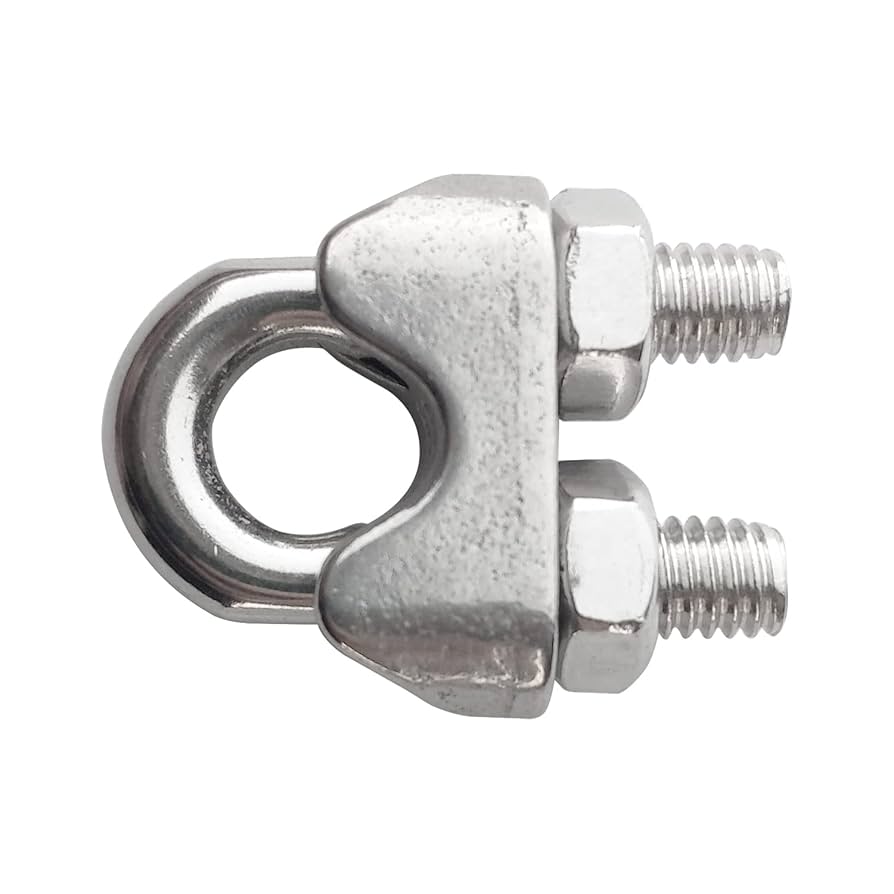
    High-quality clamps in solar-powered fish farms rely on PV panels, batteries, and pumps, which need overhead wire to transfer electricity. Drop wire clamps secure cables from solar panels to poles, racks, and floating structures. They prevent sagging and tangling caused by wind or movement, as well as wildlife damage and environmental degradation. Solar panels and sensors are commonly installed atop buoyant platforms. Drop wire clamps help to secure submerged aerator wires and monitoring system wiring. Peru’s variable climate necessitates corrosion-resistant clamps constructed of galvanized or stainless steel. They help to reduce electrical risks caused by exposed or unsecured wires near water. Farmers may reposition solar panels or sensors using the clamps without having to rewire them. It facilitates rapid repairs in remote fish farms with limited technical help. Using drop wire clamps in solar-powered fish farming ensures reliable energy distribution, structural integrity, and safety across diverse environments.

    Drop wire clamps in Peru’s solar-powered fish aquaculture equipment

    Drop wire clamps are mechanical devices that secure and support drop cables, including small-gauge electrical cables. The wire clamps serve in solar-powered fish farming setups to keep electrical, and communication wiring secure, protected, and reliable. A drop wire clamp safeguards electrical investments, improves solar-to-pond efficiency, and contributes to the sustainability and safety of rural aquaculture infrastructure. The following are the main purposes of drop wire clamps in solar systems and aquaculture equipment.

    Drop wire clamps secure infrastructure powering fish farming
    1. Cable support between the systems—energy from solar panels flows to water pumps, aeration units, refrigeration, and sensors for water temperature, dissolved oxygen, and pH monitoring. Drop wire clamps secure service cables from overhead supports to distribution boxes, inverter housings, and control stations.
    2. Durability in harsh environments—fish farms face high humidity, heavy rainfall, strong sunlight, and UV exposure. Drop wire clamps are able to resist corrosion and UV degradation, maintain cable integrity, and function reliably in areas prone to flooding.
    3. Protecting electrical safety—loose cables in a fish farm can increase the risk of electrical shorts and reduce system efficiency due to damage. Drop wire clamps reduce maintenance downtime and safety hazards by keeping wiring elevated and secure.
    4. Easy installation for community-led projects—drop wire clamps need no specialized tools for installation and allow technicians to handle cable management without outside contractors. They also enable low-cost, scalable deployments across most ponds.

    Key challenges to solar-powered fish farming initiatives in Peru

    Solar-powered fish aquaculture has important implications for food security, renewable energy uptake, and rural development. It also promotes energy independence, sustainable protein production, and rural economic development. Several hurdles may impede its expansion in Peru’s Amazon and Andean areas. Targeted subsidies, comprehensive training, climate-appropriate equipment, and coordinated market access planning could all be effective options. These challenges include:

    • High initial capital costs—solar PV arrays, inverters, batteries, and aquaculture equipment need significant upfront investment.
    • Limited technical capacity in remote areas—installation, wiring, and maintenance of solar-powered pumps, aerators, and monitoring systems need specialized skills.
    • Energy storage challenges—battery banks are crucial for most times, but they increase cost significantly. Lithium or lead-acid batteries degrade faster in high-heat or humid conditions.
    • Market and supply chain barriers—remote fish farms often lack efficient cold chain logistics, even with solar-powered refrigeration.
    • Policy and financing gaps—Peru lacks a renewable energy incentive program for aquaculture-specific projects. Current rural electrification policies focus more on household lighting than productive uses like fish farming.
  • Cable suspension clamps power Peru’s exploration grid

    Upstream hydrocarbon exploration techniques

    In 2025, Peru’s upstream hydrocarbon investment totaled $99.4 million, compared to the previous year. However, upstream exploration is still negligible, indicating a lack of investment. To help high-risk investors, the Peruvian government extended a tax refund incentive for exploration inputs until 2027. PeruPetro is also working on regulatory improvements, such as improving licensing systems, streamlining bureaucracy, and complying with the Extractive Industries Transparency Initiative. PeruPetro has signed two exploitation contracts and six technical evaluation agreements. It promotes 124 under-promotion regions in basins including Talara, Ucayali, and Marañón. Upstream hydrocarbon exploration influences Peru’s energy security, international investment, and environmental tensions. Its long-term success is contingent on open government, robust environmental safeguards, respect for indigenous rights, and inclusion into a larger clean energy transition. Cable suspension clamps are crucial for maintaining electrical and communication integrity in Peru’s upstream hydrocarbon operations.

    Cable suspension clamps help to maintain electrical and communication infrastructure in difficult terrains. Infrastructure supporting upstream operations must be dependable, lightweight, and minimally invasive. Cable suspension hardware are components that improve energy efficiency, promote safe exploration, and allow for real-time monitoring and compliance. The clamps also support and secure overhead wires used in power transmission, communication, and control systems for oil and gas production. Suspension clamps protect cables against slippage, vibration damage, and corrosion, ensuring long-term durability. Proper clamping lowers the danger of cable failure, which can disrupt exploration and production activities. They facilitate maintenance in remote areas when repairs are expensive and logistically difficult. Some clamps support fiber optic or telecommunication wires used to monitor pipelines, wellheads, and SCADA systems.

    The function of cable suspension clamps in upstream hydrocarbon prospecting infrastructure

    Cable suspension clamps are critical for ensuring electrical and communication integrity in Peru’s upstream hydrocarbon operations. They ensure continuous exploration and production in harsh conditions. As a result, they play an important role in supporting essential electrical and communications infrastructure. Here are the duties of cable suspension clamps in Peru’s upstream hydrocarbon industry.

    AB cable suspension clamps
    1. Secure overhead cable support—cable suspension clamps anchor and suspend overhead conductors. This is crucial in both power and communication lines along exploration sites and temporary field bases. The clamps ensure mechanical stability, vibration resistance, and reduced stress on insulators and towers.
    2. Power supply to remote drilling equipment—exploration rigs and geophysical survey stations need stable power transmission. Cable support for oil rigs keeps the conductors elevated and aligned to prevent sagging over long spans.
    3. Fiber optic and SCADA cable management—suspension clamps suspend fiber optic cables and SCADA systems. These send real-time data from exploration wells to control centers. This is crucial for monitoring reservoir pressure, remote valve control, and real-time safety alerts.
    4. Withstanding harsh environmental conditions—durable cable hardware resists UV radiation, heavy rainfall, corrosive environments, and wildlife interference. These clamps are from galvanized steel, aluminum alloys, or polymer-insulated models.
    5. Quick installations—cable suspension clamps allow for fast setup of temporary power grids, minimal disruption, and easy relocations. They help meet environmental regulations by reducing the need for buried cables.

    Infrastructure technologies employed in upstream exploration in Peru

    Peru’s upstream hydrocarbon business requires sturdy and adaptable technologies. These technologies enable seismic surveys, drilling operations, and data collection in the most difficult terrains. The infrastructure must be designed for precision, mobility, and little environmental impact. The integration of digitally enabled, flexible, and low-impact technology is critical as the country unlocks fresh assets. These technologies include:

    • Modular drilling rigs—exploration wells are drilled using mobile rigs that are skid-mounted, designed for tight clearings, and equipped with automated pipe handling and top drives. Modular rigs reduce the environmental footprint by demanding less site prep and easier relocation.
    • Off-grid power and fuel systems—companies deploy diesel gensets and gas turbines, solar-diesel hybrid microgrids, and battery storage units. These systems power lighting towers, SCADA systems, and drill motors.
    • Electrical and communication infrastructure—reliable communication is crucial for safety and efficiency. The technologies include SCADA systems, fiber-optic and satellite uplinks, and cable suspension clamps.
    • Digital twin and data analytics platform – digital twin models stimulate and optimize drilling, well placement, and reservoir performance. They use real-time data feeds, AI-powered analytics, and cloud-based dashboards.
    • Remote sensing and environmental monitoring—there is implementation of drones for aerial vegetation mapping, satellite imaging, and IoT sensors. These technologies help balance development with indigenous rights and conservative laws.