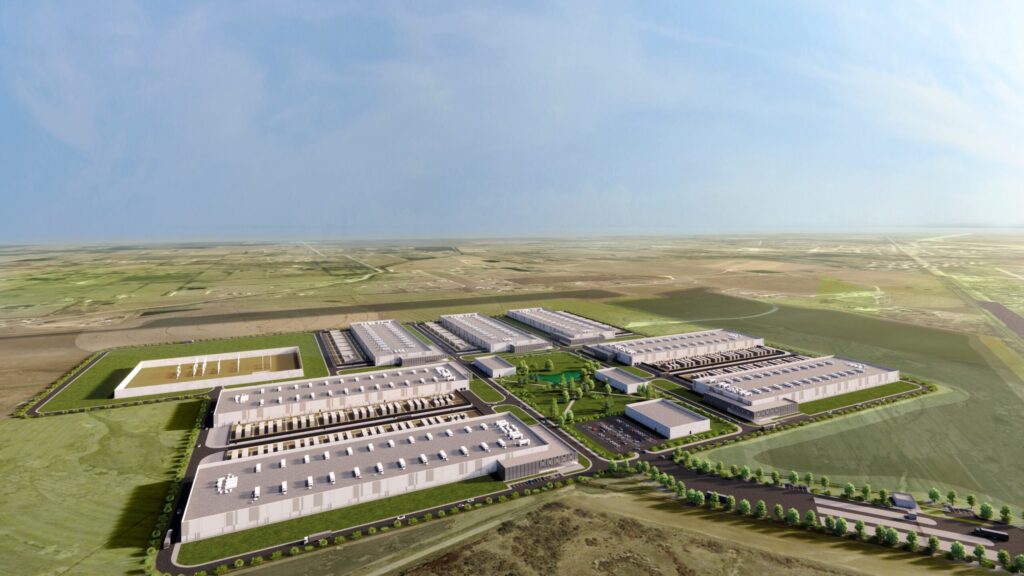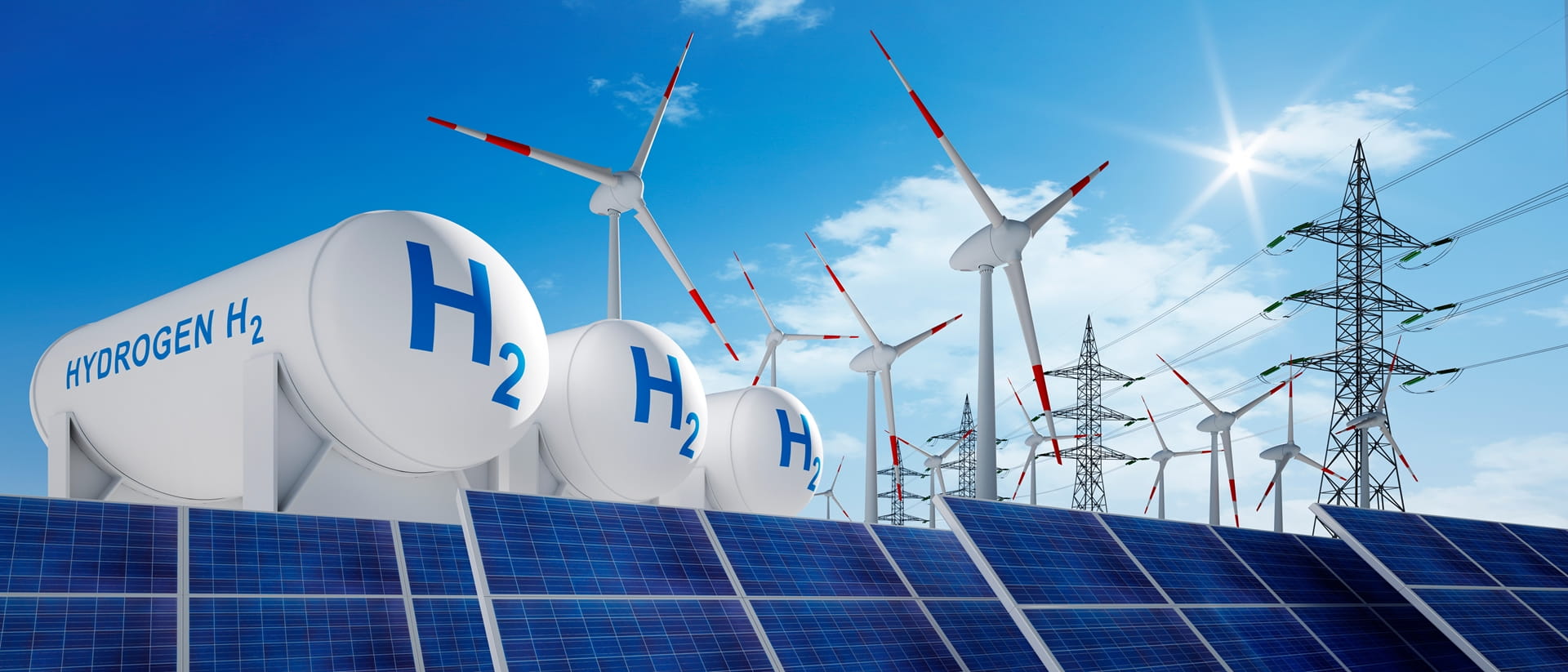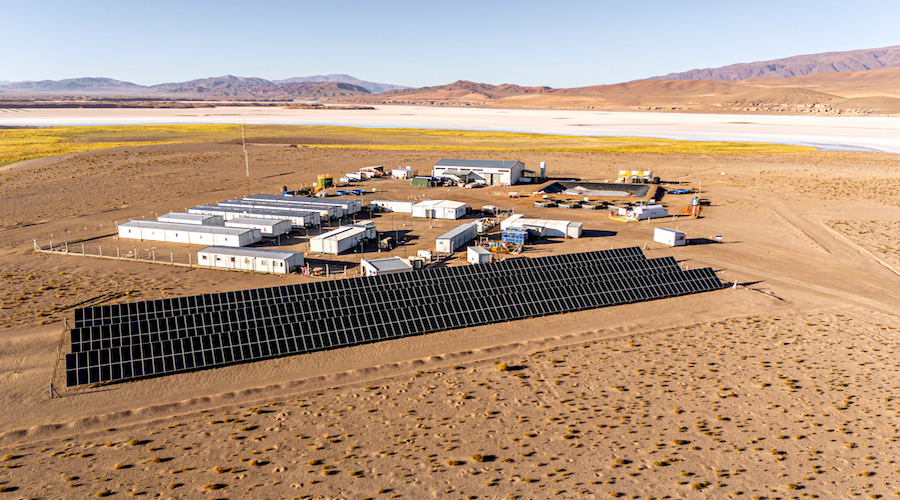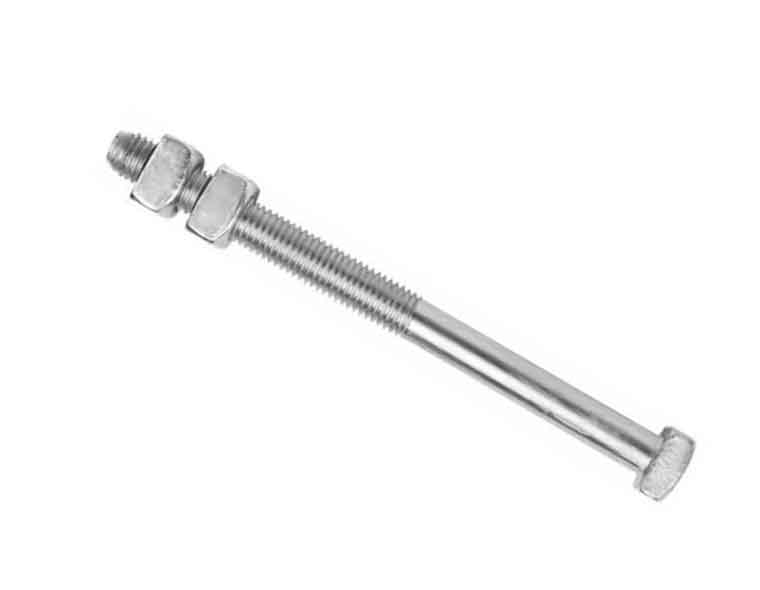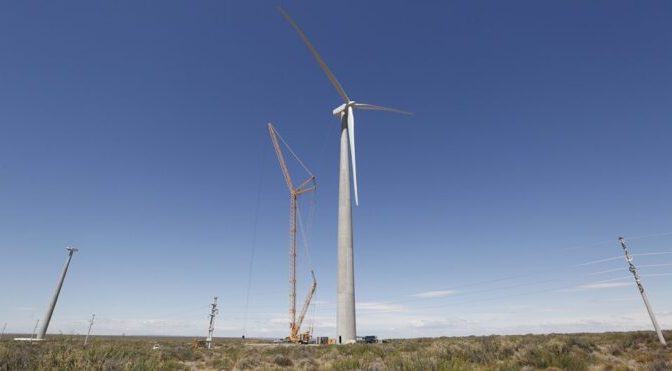
Engie Chile’s most recent wind farm development is a watershed moment in Chile’s renewable energy boom. The company is now installing the first two turbines for two significant projects. This demonstrates technical capacity and a solid alignment with Chile’s long-term decarbonization objectives. Engie Chile is seeking to install 471 MW of new wind capacity in the northern and central regions. This leads to clean energy advancement, which increases the national renewable supply and accelerates Chile’s coal phase-out. This advancement demonstrates effective supply chain coordination and the optimal deployment of heavy-lift equipment. Large wind development pushes investments in substation upgrades, medium-voltage collection systems, long-distance transmission lines, and grid stabilization technologies. These interconnections use insulator brackets to ensure reliability, safety, and efficiency of the electrical collection systems in the wind farm.
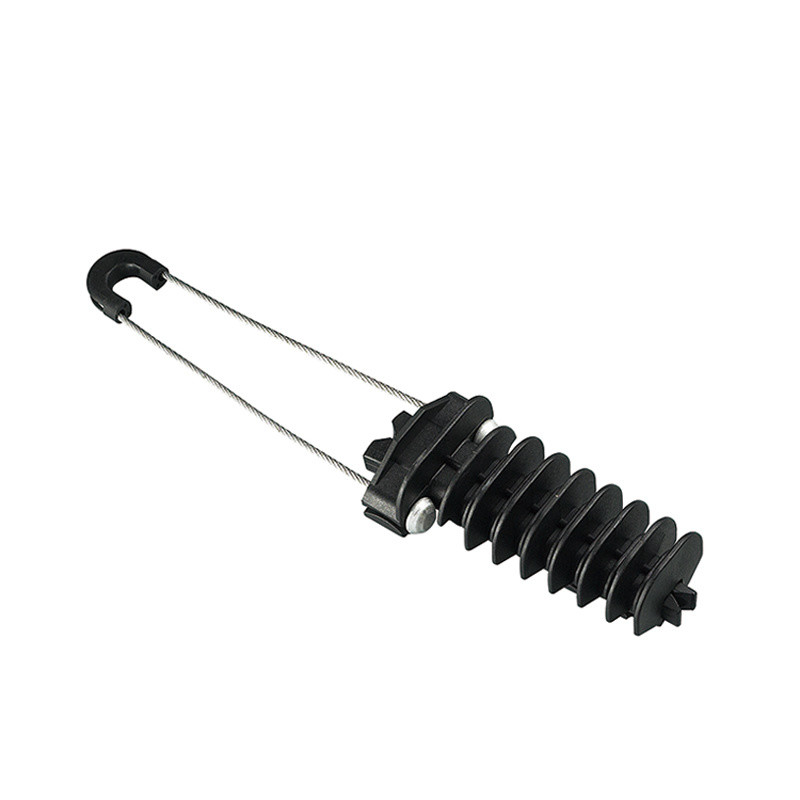
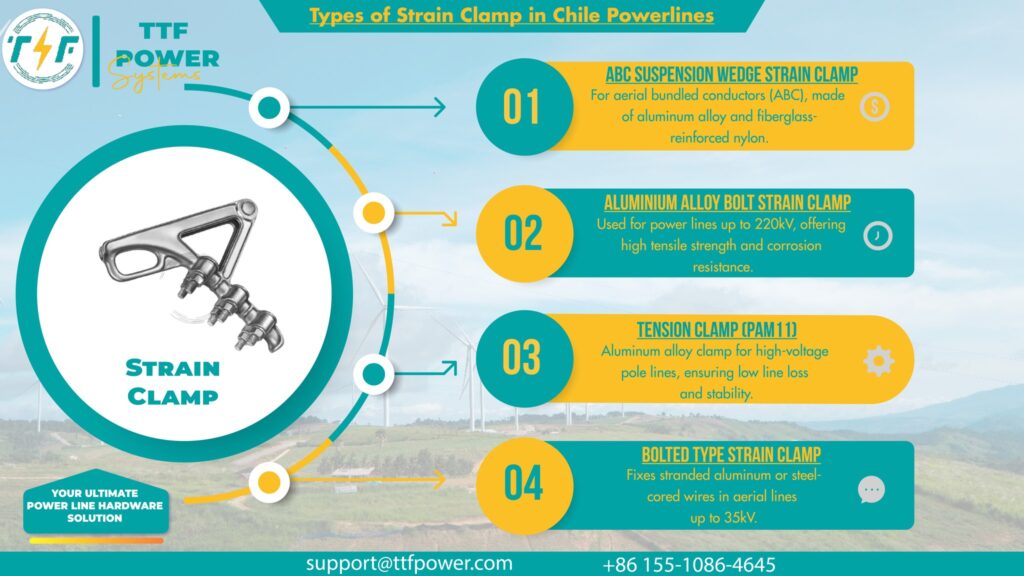
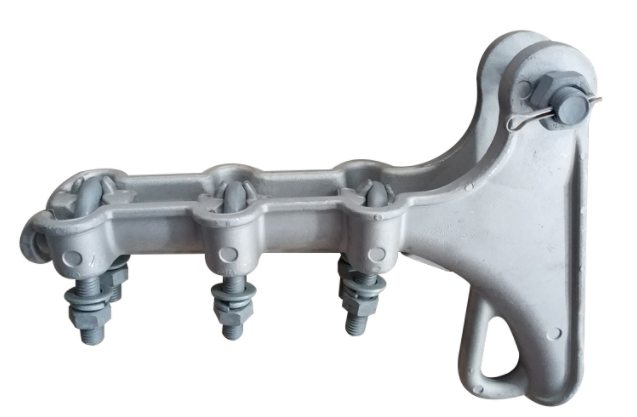
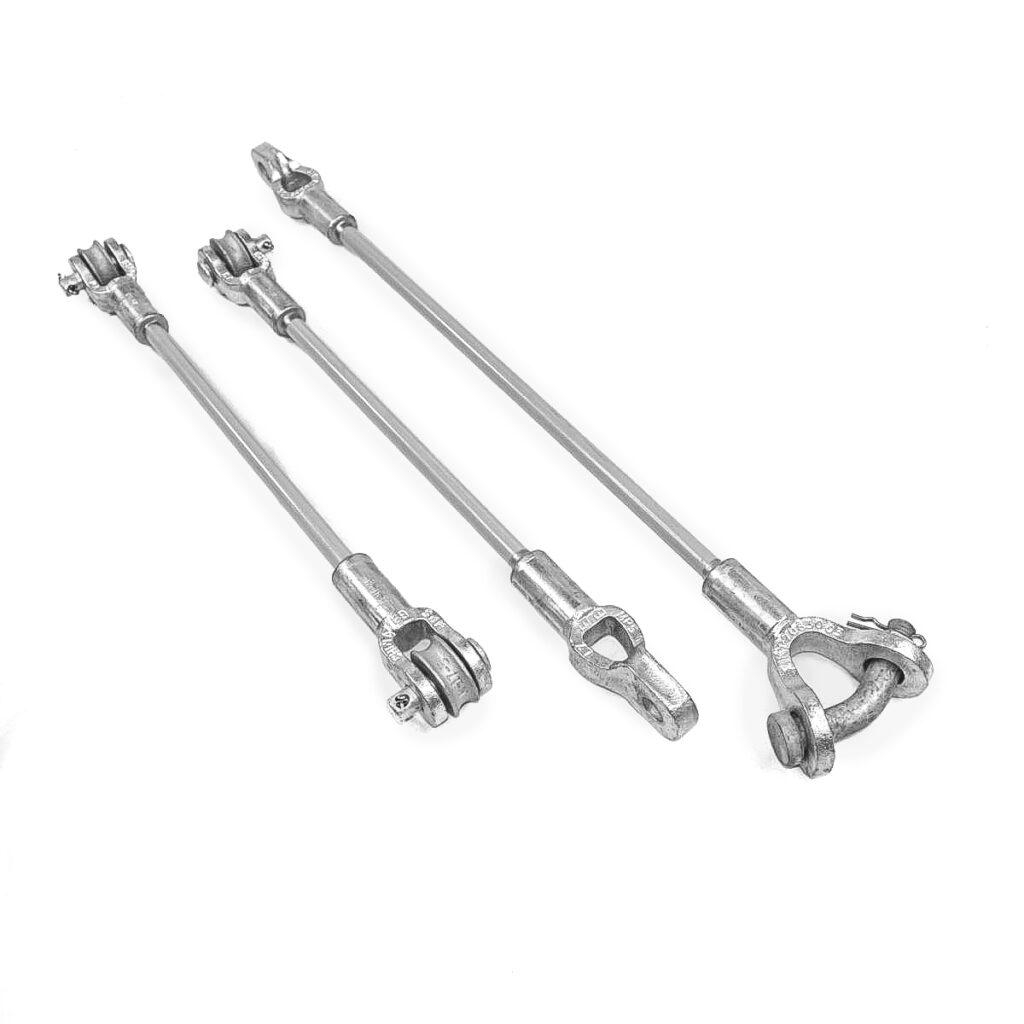
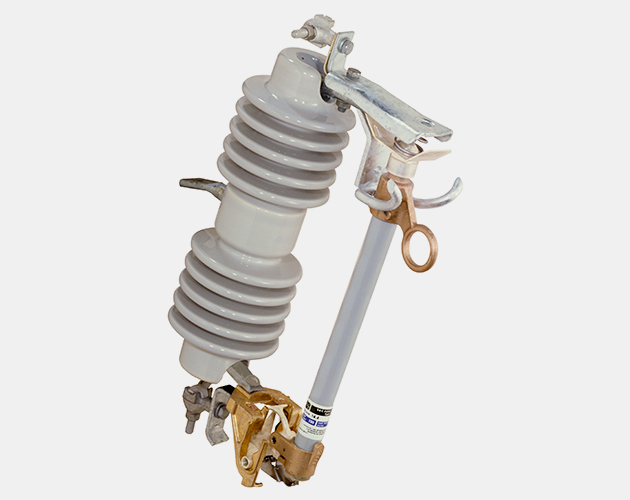
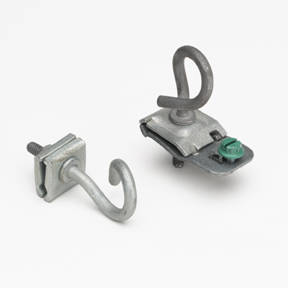
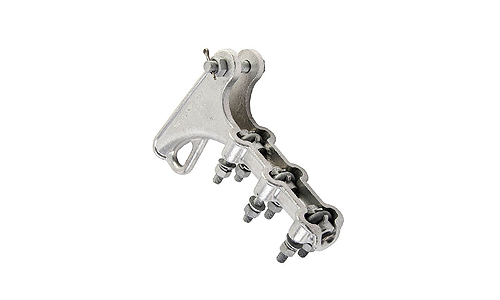
Insulator fittings physically sustain and electrically isolate live electrical conductors from their supporting structure. This prevents short circuits and provides a steady flow of electricity from the turbines to the grid. Insulator brackets secure the insulator to the transformer platform and keep the electrical conductor in place. Insulator fittings give enough mechanical strength to handle the weight of heavy electrical cables and busbars. These forces include wind load, ice load, and vital cable tension. This helps to survive vibrations and strong gusts, which could lead to hardware failure.
The bracket supports the insulator, which creates a physical and electrical space between the high-voltage conductor and the grounded metal framework. It stops current from flowing to the ground, ensuring the safety of both equipment and personnel. They also avoid failures by retaining the insulators and conductors. This increases the availability factor for Engie’s wind farm. Insulator brackets are made of high-quality materials that are resistant to corrosion, UV radiation, and wind temperature variations.
Engie Chile’s wind farms contribute to sustainability and the environment, social, and governance
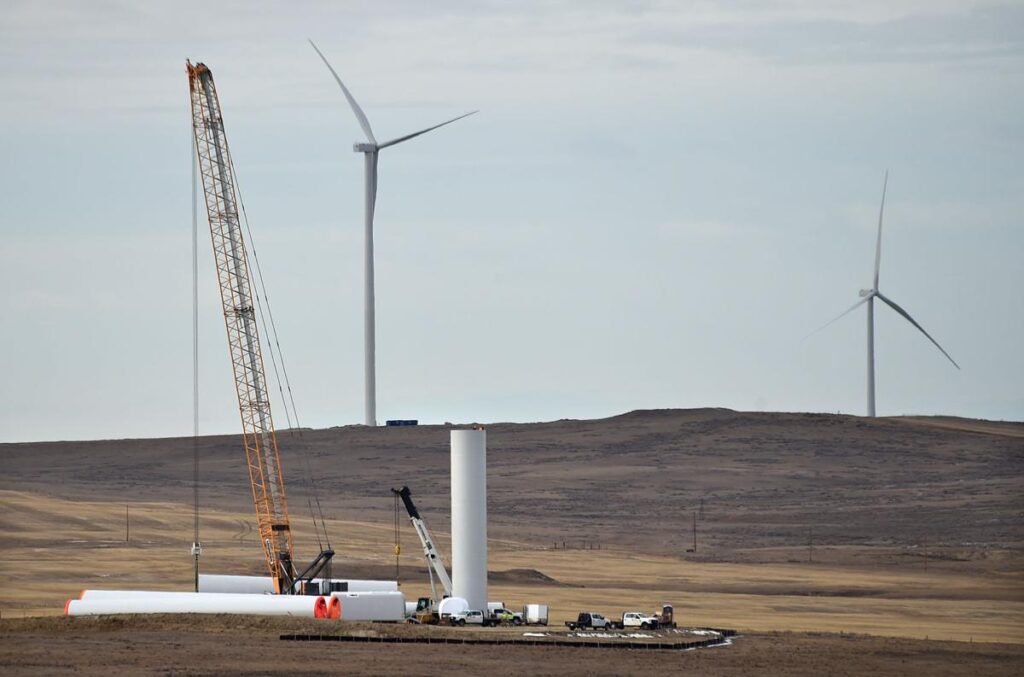
Engie Chile’s wind farm construction strengthens the country’s sustainability strategy while also advancing environmental, social, and governance priorities. These projects represent a transition toward responsible energy generation, community value creation, and transparent corporate governance. Wind farms reduce carbon emissions, conserve natural resources, create jobs, and improve electricity access and cost. By combining technology and development strategies, we can help design a cleaner, more equitable, and resilient energy future for Chile.
Insulator brackets in Chilean wind farm infrastructure
Insulator brackets support the electrical system that connects turbines to substations and the grid. It guarantees that power flows safely, reliably, and efficiently across the system. Engie Chile use insulator brackets to protect cables, maintain structural integrity, and safeguard equipment in harsh conditions. Here are the uses of insulator brackets in wind infrastructure.
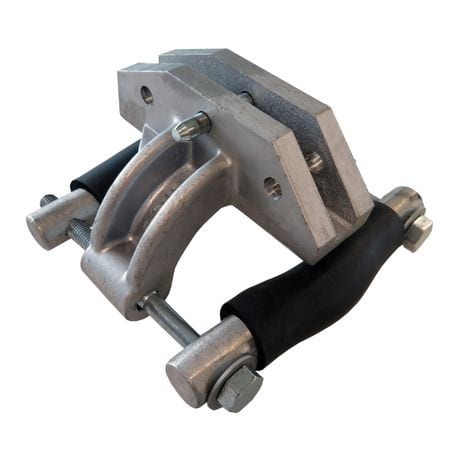
- Supporting insulators—Insulator brackets position insulators to prevent electrical flashovers, maintain safe clearances, and ensure reliable power transfer.
- Providing mechanical strength—the brackets anchor insulators against tension from conductor cables. They also absorb mechanical stress caused by wind, vibration, and cable movement.
- Ensuring electrical insulation—insulators prevent electricity from arcing to grounded structures. The brackets must withstand electrical stresses, maintain creepage distances, and resist corrosion.
- Facilitating proper cable management in medium networks—insulator brackets help secure medium-voltage overhead segments and cable terminations and connections.
- Enabling scalability and hybrid integration—the brackets help support extra switching lines, auxiliary feeders, and control cabling. This makes it easier to expand and reconfigure electrical layouts.
Infrastructure for Engie Chile’s wind farm development
Renewable projects are supported by an extensive network of electrical, civil, digital, and logistical infrastructure. These support systems comprise the structure that connects each turbine to the national grid. It maintains the process functioning at peak performance levels. Here is the infrastructure that enables Engie’s wind farm expansion.
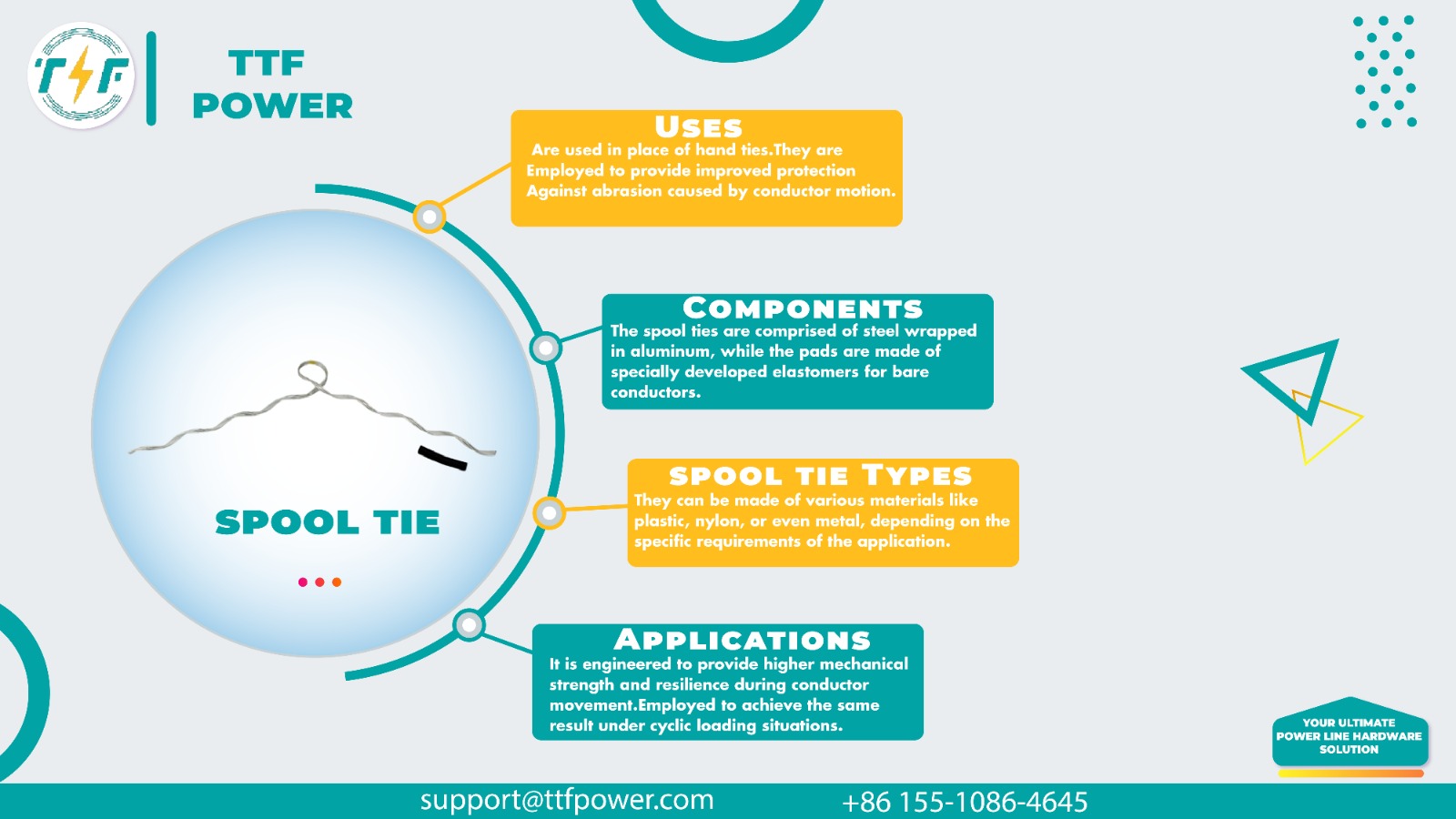
- Medium-voltage collection networks—medium-voltage collector systems channel the power toward on-site substations. The network includes underground MV cables, secondary racks for organized cables, and insulator brackets.
- Step-up substations—Engie’s project includes modern substations that transform medium-voltage output to high-voltage levels suitable for long-distance transmission.
- High-voltage transmission links—Engie depends on transmission line extensions, integration with regional high-voltage lines, and substation interconnections.
- Digital monitoring systems—the SCADA networks support real-time turbine monitoring, remote control of generation assets, and performance analytics.
- Grid-forming and stability support equipment—supporting infrastructure includes grid support firmware in turbine converters to stabilize frequency and voltage.