Tag: Argentina

  • Compression splices power Argentina’s energy shift

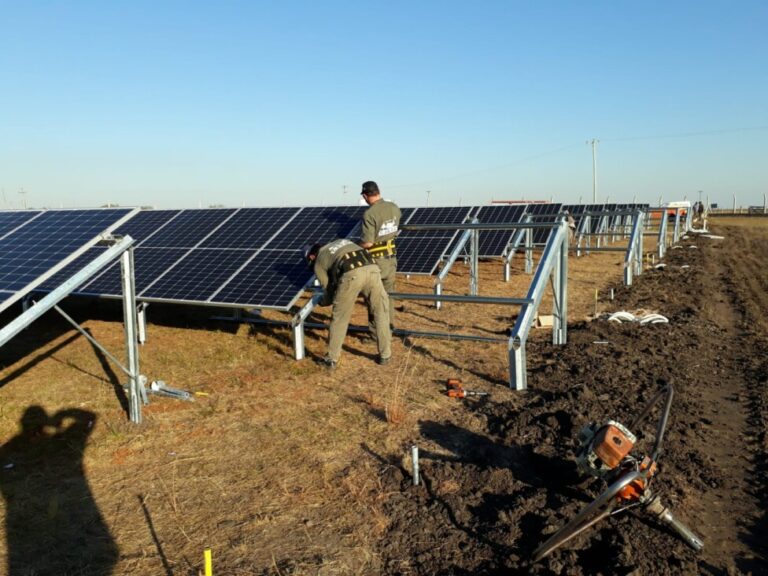
    Solar photovoltaic installation

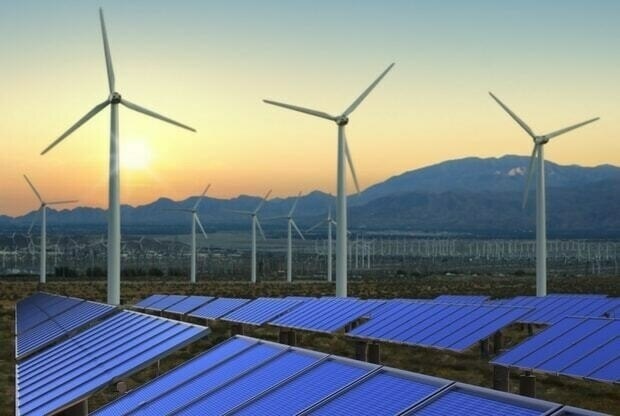
    Genneia, Argentina’s power producer, is accelerating the commissioning and expansion of big solar and wind parks. For example, the 180 MW Anchoris solar park, the 90 MW Malargüe, and other projects are helping the firm meet its 1.7 GW renewables target by 2026. These projects increase utility-scale generation to supply industrial buyers through the renewable energy market. Genneia is increasing energy production by implementing higher-yield technologies such as bifacial PV modules, tracking systems, and advanced wind turbines. It is also mixing traditional development finance and corporate loans with new ways to fund CAPEX and O&M. The diversification of funding relieves currency strain on national reserves and keeps projects progressing. The company is also targeting corporate and industrial offtakers through Argentina’s MATER market and long-term PPAs. Compression splices ensure the reliability, efficiency, and safety of the electrical collection and transmission systems connecting their wind and solar farms to the grid.

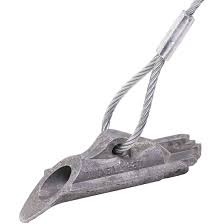
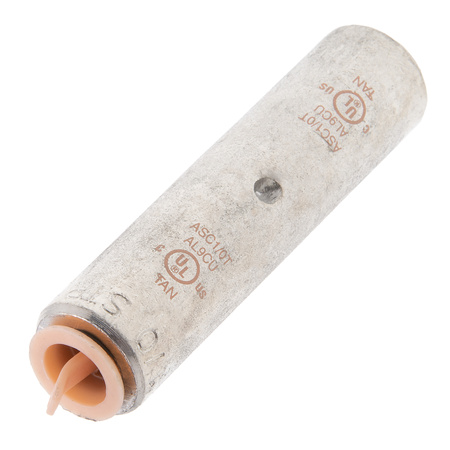
    Compression splices lower electrical resistance, minimizing energy loss and voltage drop over long distances. It can also endure the full mechanical tension of an overhead wire. The compression splice is preferable to traditional methods such as bolted connectors and soldering. The growth include building large-scale wind farms and solar parks. These projects need extensive internal electrical networks to collect and send power. Compression splices connect the segments strung between towers together to form a continuous electrical route. The dependability of a compression splice is critical for minimizing maintenance and increasing availability. Compression splices provide a sealed, insulated, and dependable connection that is resistant to moisture and corrosion underground. A failed splice can lead to arcing, heat damage, or even a line drop, causing blackouts and the need for expensive emergency repairs. Compression splices contribute to the resilience and safety of the new energy infrastructure.

    The role of compression splices in enhancing renewable energy capacity

    Compression splices are critical for increasing Argentina’s renewable energy capacity. The splices provide effective, long-lasting, and low-loss conductor connections. They allow fresh wind and solar power to be added to the national grid. Compression splices are permanent, high-strength, low-resistance connections used to connect two electrical wires end to end. Compression splices play the following roles in Argentina’s renewable energy capacity expansion.
    Compression splices reducing loses in renewable energy
    • Reliable power transmission for renewables—compression splices connect conductors end-to-end with high mechanical strength and low electrical resistance. This ensures minimal line losses when evacuating renewable electricity.
    • Strengthening grid expansion projects—Argentina is building fresh transmission lines to integrate new solar and wind plants. Compression splices allow seamless conductor extensions, faster installation, and enable utilities to roll out renewable grid connections.
    • Enhancing reliability—compression splices provide corrosion resistance and high tensile strength. It maintains performance despite mechanical stress, temperature swings, and weather extremes.
    • Supporting grid modernization for high renewable penetration—compression splices maintain conductor integrity under higher thermal expansion. They reduce weak points that could cause line breaks and allow for upgrades of existing lines with new and high-capacity conductors.
    • Reducing O&M costs and downtime—the splices reduce the need for frequent maintenance at connection points and extend conductor life to cut replacement costs.

    The significance of investments to enhance renewable energy capacity in Argentina

    Investments in Argentina’s renewable energy capacity have an impact on the economy, the environment, and the energy system. They cut emissions, generate jobs, attract foreign investment, increase grid dependability, and position Argentina as a competitive player in the global green economy. Key impacts include:
    1. Strengthening energy security—investments in renewable energy reduce reliance on fossil fuels and imports. This diversification shields the grid from fuel price volatility and improves self-sufficiency by using Argentina’s natural resources.
    2. Driving economic growth and job creation—large-scale renewable investments bring local economic benefits. These include construction jobs, permanent technical roles, and strengthening provincial economies in remote regions.
    3. Cutting carbon emissions—investments in renewables deliver measurable reductions in carbon emissions.
    4. Modernizing grid infrastructure—renewable integration needs upgrades to transmission networks. Investments include new lines, substations, and components like compression splices, deadend clamps, and arresters. This modernization expands grid capacity to absorb more renewable energy and reduces outages.
    5. Attracting foreign direct investments—Genneia’s loan highlights Argentina’s ability to attract diverse investors. It creates access to alternative currencies, reduces reliance on scarce dollars, and sets precedents for other developers.
  • Fuse cutouts in Argentina BESS: Key tech support

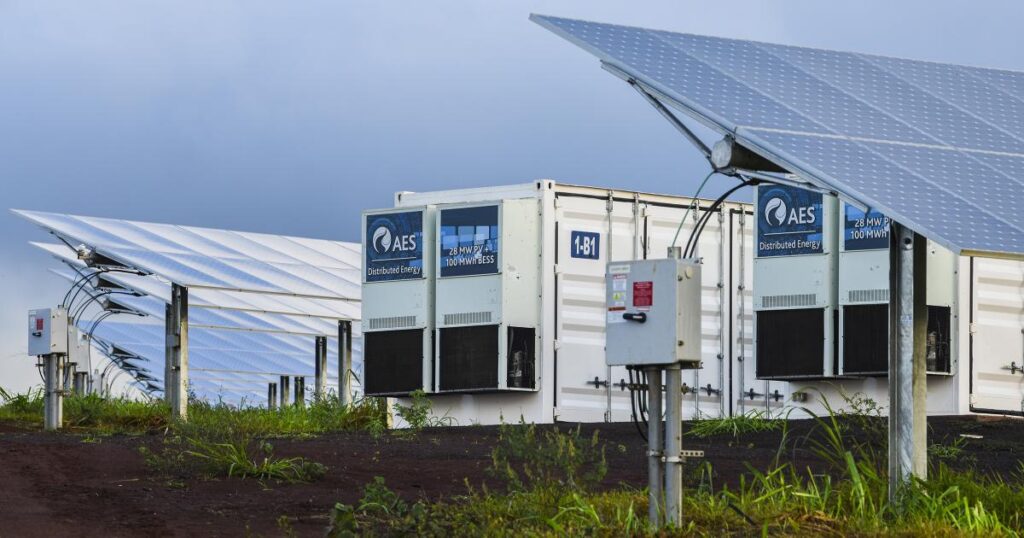
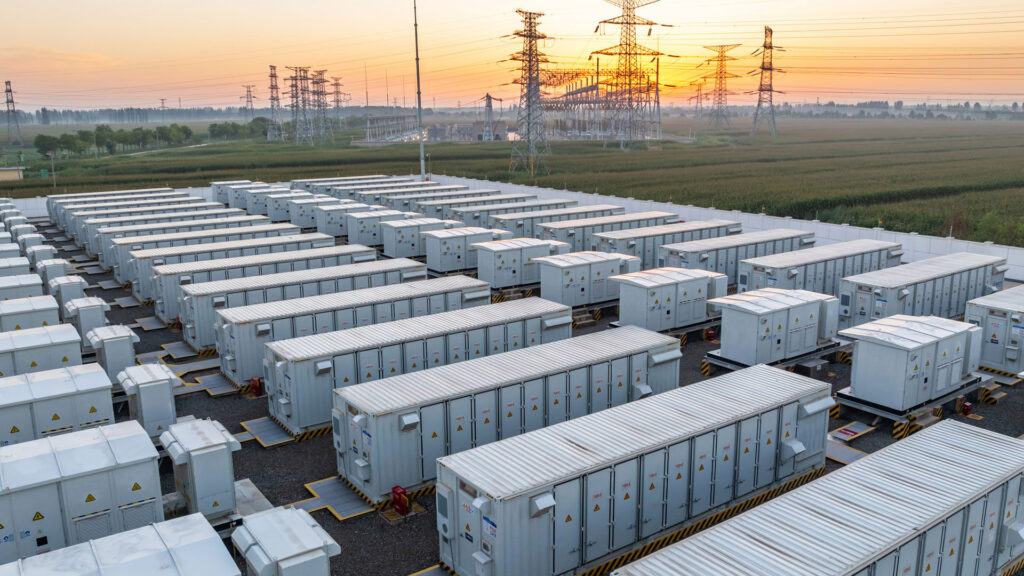
    Large-scale BESS farm supporting grid reliability

    Argentina’s government recently granted 667 MW of BESS projects for important sites in the Buenos Aires Metropolitan Region. In the previous AlmaGBA storage tender, 15 businesses submitted 27 projects totaling 1,347 MW of capacity. It has received considerable private sector interest and competitive bids, resulting in an extra 150 MW of allocated capacity. Argentina has joined the global storage competition, with Chile and Brazil, by adopting large-scale BESS to update their grids. Grid dependability, renewable integration, economic efficiency, decarbonization, and investment attraction are among the primary motivations of Argentina’s BESS push. BESS projects serve as shock absorbers during faults, surges, and load peaks. This ensures fewer blackouts and allows the energy to be stored and released later. BESS development generates jobs in engineering, construction, operations, and maintenance. Fuse cutouts in BESS projects focus on protection, isolation, and safety.

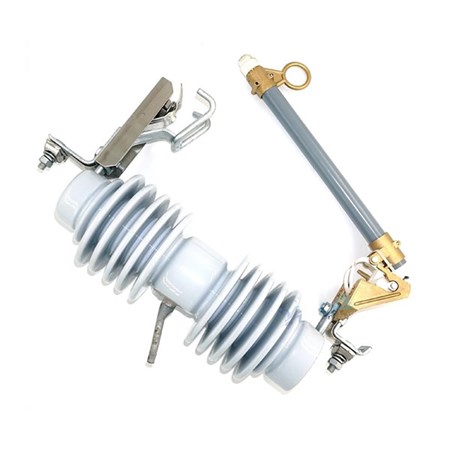
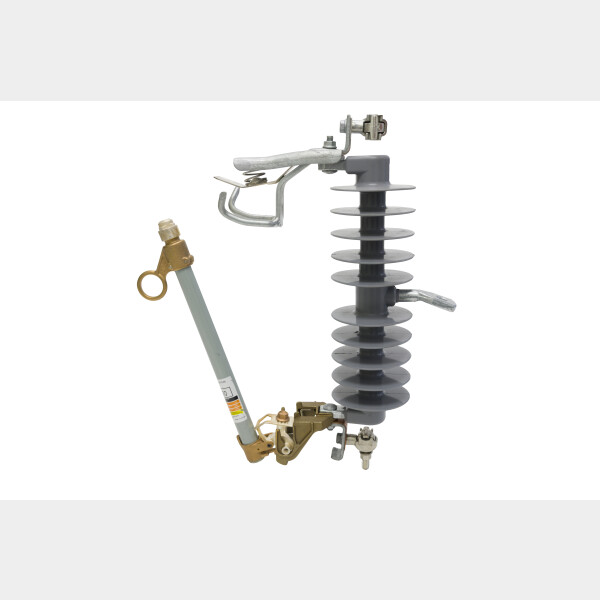
    Protecting the transformer using a strong, simple, and field-proven mechanism, such as a fuse cutout, helps protect the investment. The fuse cutout has a fuse element that melts and breaks the circuit under a sustained overcurrent scenario. This isolates the damaged piece, preventing damage to more expensive equipment upstream and ensuring grid stability. The fuse cutout immediately isolates the faulty part of the circuit, allowing the rest of the system to function normally. In BESS installations, the fuse cutout is installed on the primary side of the transformer. It operates as the transformer’s major protective device. Fuse cuts are a low-cost and extremely dependable method of averting failures. It prevents a transformer fault from escalating into a more widespread outage on the distribution feeder.

    Functions of fuse cutouts in BESS project development.

    Fuse cuts in BESS projects provide safety, dependability, and maintainability. Fuse cutouts are protective devices for distribution networks. They combine a fuse element with a mechanical switch to disconnect the defective circuit. Transformers, feeders, and power electronics are protected locally using fuse cutouts. The cutouts isolate faults, safeguard equipment, and allow for safe maintenance, ensuring grid resilience. The following are the responsibilities of fuse cutouts in BESS project development in Argentina.

    Fuse cutout protecting BESS equipment
    • Overcurrent protection—fuse cutouts protect BESS transformers and feeders from short circuits or overloads. In case of a fault in the battery inverter, transformers, or grid connection, the fuse blows to isolate the faulty section.
    • System isolation for maintenance—fuse cutouts provide a visible break in the circuit, giving the field crews a clear sign of fault location. This allows safe isolation for maintenance to speed up fault detection and restoration.
    • Protecting power conversion system—inverters and control electronics are sensitive to surges and faults. Fuse cutouts ensure faults do not escalate into major equipment failure.
    • Supporting grid reliability—fuse cutouts reduce the risk of widespread blackouts by providing localized fault-clearing. This makes the grid more resilient while integrating new storage capacity.
    • Enhancing safety for operators—fuse cutouts ensure that faulty circuits are automatically disconnected to reduce risk for operators. The visible open fuse arm provides clear confirmation that a section is de-energized.

    Technologies that enable the development of the BESS project in Argentina

    Battery energy storage systems (BESS) projects rely on a variety of technologies to assure efficiency, safety, and interaction with the national grid. The technologies include enhanced battery chemistries, digital EMS, protection devices, and hybrid renewable integration. Argentina’s 667 MW storage comprises the following technologies:

    1. Advanced battery technologies—this includes lithium-ion, lithium iron phosphate, and next-gen chemistries. They enable Argentina to store excess wind and solar, reduce curtailment, and release clean power during peak demand.
    2. Power conversion systems and inverters—these technologies link the DC batteries to the AC grid. Modern inverters allow fast charge and discharge and provide services such as frequency regulation, voltage control, and black start capability.
    3. Energy management systems (EMS software) optimize charging, discharging, and state-of-charge in real time. This maximizes project profitability while providing reliable backup and other services.
    4. Protection and safety devices—these include distribution arresters, fuse cutouts, circuit breakers, and fire suppression systems. They reduce technical and investment risks, which makes BESS projects more bankable for global investors.
    5. Hybrid renewable-BESS configuration—some of the projects collocate with wind and solar plants using shared inverters and control systems. This reduces costs and enhances capacity firming for renewable generation.
  • Yoke plates drive energy shift in Argentina

    energy facility for mining operations

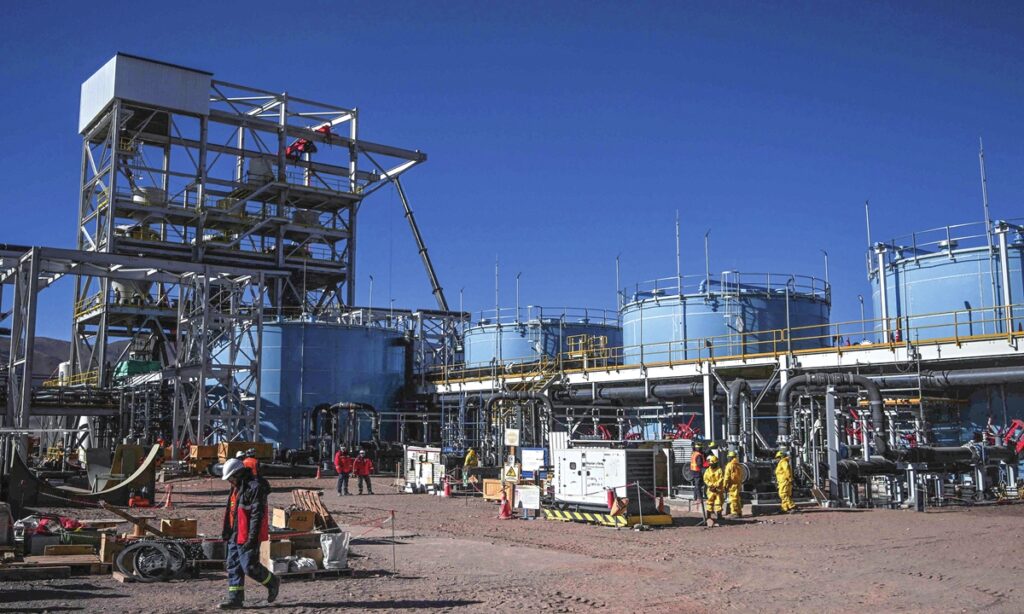
    Argentina is growing its mining operations, particularly in lithium, copper, and shale gas, and establishing itself as a vital player in the global energy shift. Lithium mining is expanding due to rising demand for lithium-ion batteries used in electric vehicles and renewable energy storage systems. It is also revitalizing its copper sector to capitalize on enormous untapped reserves. These are critical activities as worldwide demand for copper for electrical infrastructure continues to rise. The expansion of mining activities demands significant energy inputs to power operations. Increased demand drives investments in energy infrastructure and diversification of energy sources. Argentina is likewise incorporating renewable energy into its grid. It plans to generate 20% of its electricity from renewable sources by 2025. Yoke plates ensure the structural integrity, stability, and safety of earth anchor systems. These plates ensure the anchors perform reliably in harsh and unstable environments.

    Yoke plates use stress from rock bolts and cable anchors to help stabilize steep slopes. They also prevent rockfalls in seismically active areas. High-quality yoke plates help to hold walls surrounding evaporation ponds using grouted anchors. Anchor systems with high-capacity yoke plates protect dam walls from hydrostatic pressure from stored slurry and seismic changes. Yoke plates secure Swellex bolts or resin-grouted cables, preventing ceiling collapses in tunnels and shafts. Helical anchor systems for crushers, conveyors, and drills rely on yoke plates to transfer dynamic loads from vibrating gear. They also safeguard access roads, pipelines, and processing facilities in the Vaca Muerta shale formation. The use of galvanized or stainless steel yoke plates aids in the resistance to saline environments in lithium operations.

    Expanding energy and mining activities with yoke plates

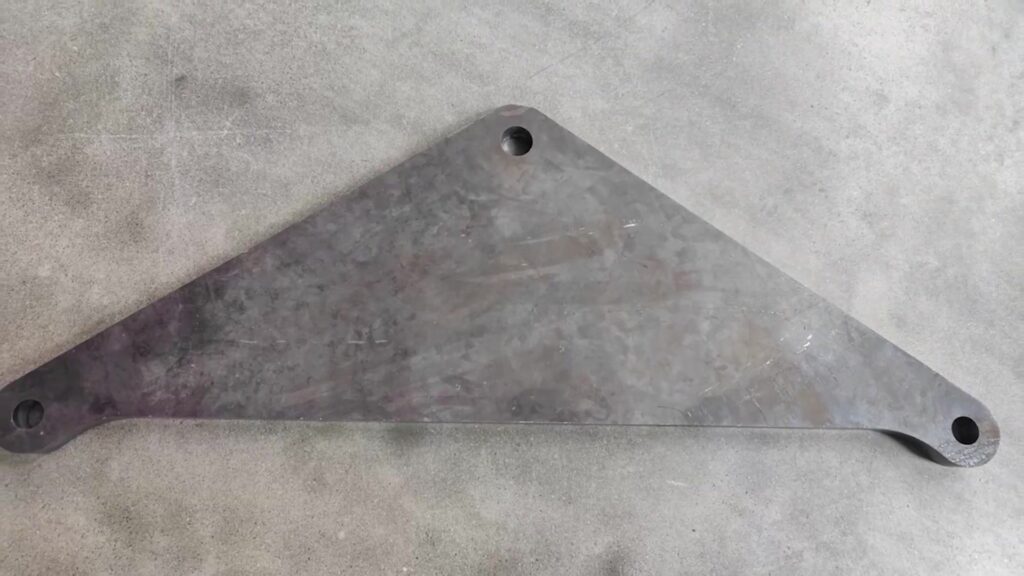
    A yoke plate is a steel connecting component that distributes tension forces in structural and geotechnical anchoring systems. It has a flat, steel plate with several holes for bolts or shackles. It also includes connections for wire ropes, tension rods, and anchor tendons. Yoke plates are essential in energy and mining operations to ensure safer infrastructure, improved dam and slope stability, and speedier construction and equipment deployment. They enable more rapid, safe, and adaptive development across complicated geographies. The functions of yoke plates in the expansion of Argentina’s energy and mining operations are discussed below.

    yoke plates improve dam and slope stability
    • Enabling high-voltage power transmission to mining sites—most of Argentina’s key mining projects need large-scale electrical supply for operations. Using yoke plates helps deliver power from hydroelectric, thermal, or renewable sources to remote mining regions. They help stabilize multi-conductor transmission systems to allow higher voltage levels. For instance, the InterAndes transmission line connects Argentina with Chile to support cross-border power trade.
    • Supporting renewable energy infrastructure for mining—Argentina is integrating solar farms and wind farms into its energy mix to power mining operations sustainably. Yoke plates aid in connecting wind turbines and solar plants to the electrical grid. Using renewables in mining helps reduce the carbon footprint.
    • Enhancing electrical grid stability—mining operations need uninterrupted electricity for processing plants, pumping systems, and heavy machinery. Yoke plates prevent conductor swaying and mechanical stress. This is crucial to reduce the risk of power outages due to extreme weather.

    The importance of innovation in Argentina’s energy and mining expansion

    Argentina’s rapidly expanding energy and mining operations rely heavily on startups and innovations. The country is also expanding its energy mix by incorporating renewables, tech-driven enterprises, and innovative solutions. This is vital as Argentina steps up its ambitions to become a global supplier of critical minerals such as lithium and copper. The following are the roles of innovation in Argentina’s energy and mining sectors.

    1. Efficiency through automation and AI—startups are adopting automation, machine learning, and AI-driven platforms to streamline operations in mining and energy. There are innovations such as predictive maintenance, AI-powered exploration tools, and drones and remote sensing tech. They improve mine mapping, identify mineral deposits, and reduce costly downtimes.
    2. Innovation in lithium extraction technologies—innovation in extraction methods is crucial to increase mining output. Innovations are driving the use of direct lithium extraction (DLE) technologies to reduce water consumption and shorten production cycles.
    3. Decentralized energy and blockchain applications—innovative platforms enable peer-to-peer energy trading and real-time tracking of electricity consumption. For instance, blockchain firms are working with mining exporters to create green mineral certifications.
    4. Environmental monitoring—startups introduce IoT sensors and remote monitoring tools to help mining companies follow strict environmental and safety regulations.
  • Reinforcing Plates Drive Gas Infrastructure in Argentina

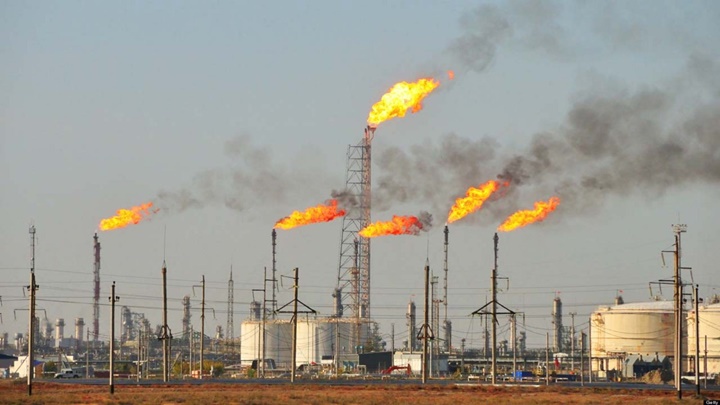
    Natural gas production facility

    The Pampas area in Argentina is located above the Vaca Muerta, the geological structure housing the most abundant oil and gas reserves. It holds natural gas, which is a cost-effective and versatile energy source. The ongoing use and production of natural gas hinders the embrace of renewable energy. Gas accounts for approximately one-fourth of global electricity use and handles around one-fifth of the world’s greenhouse gas emissions related to energy consumption.This raises the question, is natural gas valuable? Natural gas can be utilized to fuel turbines for generating renewable energy. Natural gas and renewables can coexist and be utilized together to maintain low emissions. Reinforcing plates can enhance the durability of pipeline connections, valves, or junctions where mechanical stress may compromise the system’s integrity. This renders it an essential element in the production of natural gas in Argentina’s gas fields.

    High-performance reinforcing plates function in pipeline systems in high-pressure gas transportation and distribution networks. Argentina’s natural gas pipelines operate under high pressure. Reinforcing plates are welded or bolted around weak points to prevent leaks. They mitigate metal fatigue to extend the pipeline’s lifespan. Reinforcing plates ensure compliance with safety requirements for high-stress zones. High-quality reinforcing plates are crucial for maintaining infrastructure reliability in high-pressure transport systems. They are made from carbon steel or stainless steel to match pipeline specifications.

    Reinforcing plates and their components used in Argentina’s natural gas production

    Reinforcing plates are structural components welded around an opening in a pressure vessel or pipeline. They strengthen the area around the opening to withstand internal pressure and mechanical stress. They prevent failures like cracking, buckling, or leakage. Reinforcing plates support shale gas extraction in Vaca Muerta for LNG exports. Here are the key roles of reinforcing plates in natural gas production.

    reinforcing plates support shale gas extraction
    • Pipeline branching and connection support – Argentina uses pipeline networks from Vaca Muerta. The use of reinforcing plates strengthens the connections to prevent rupture. They also allow safer integration of measurement devices and ensure structural integrity in high-pressure zones.
    • Enhancing safety – Reinforcing plates prevent gas leaks, reduce metal fatigue, and extend the lifespan of critical infrastructure. This is due to the nature of natural gas extraction, compression, and transportation.
    • Resilience in harsh environments – the plates are crucial where infrastructure faces temperature fluctuations, seismic activity, and soil movement. Reinforcing plates prevent operational downtime and emergency repairs in challenging conditions.
    • Supporting modernization and expansion projects – reinforcing plates function more in modular skids, compression stations, and metering stations.

    Development of infrastructure for natural gas extraction in Argentina

    Argentina’s natural gas output requires much investments in infrastructure. This encompasses pipelines and facilities for LNG. Natural gas production encompasses the efficient and safe transportation, processing, and storage of gas. Infrastructure advancement is vital for increasing production, minimizing dependence on imports, improving export potential, and drawing in foreign investment. Reinforcing plates improve the formation of the infrastructure required for natural gas extraction. The main infrastructure initiatives consist of:

    1. Nestor Kirchner gas pipeline – this pipeline is essential for transporting natural gas from Vaca Muerta to areas of consumption. This aids in decreasing dependence on expensive LNG imports and enhances domestic distribution.
    2. Reversing the northern gas pipeline – this intends to change the pipeline’s direction to enable gas from Vaca Muerta to flow to the northern provinces. It allows Argentina to substitute imports with local gas in the north to broaden market access.
    3. The nation intends to construct LNG liquefaction facilities close to the Coast for exporting liquefied natural gas. This will enable Argentina to access the worldwide LNG market, focusing on Europe and Asia.
    4. Compressor stations and processing plants – the nation is also allocating funds to enhance compressor facilities and gas processing plants to accommodate higher volumes. The facilities guarantee that gas supplied to homes meets international quality standards.

    Effects of natural gas extraction on Argentina’s energy industry

    The rise in natural gas production is significantly changing Argentina’s energy industry. Natural gas is driving industrial expansion, enhancing exports, generating jobs, and establishing the nation as a regional energy leader. Natural gas is aiding Argentina in its move towards energy independence, lowering energy expenses, enhancing export capabilities, and facilitating energy transition. In spite of these benefits, there are difficulties such as infrastructure deficits, regulatory and political uncertainty, and environmental advocacy. Reinforcing plates are essential elements in increasing Argentina’s natural gas output. It contributes to enhancing energy security, stability, and economic development.

  • Cutout Fuses & Grid Growth in Argentina

    Reliable grid infrastructure

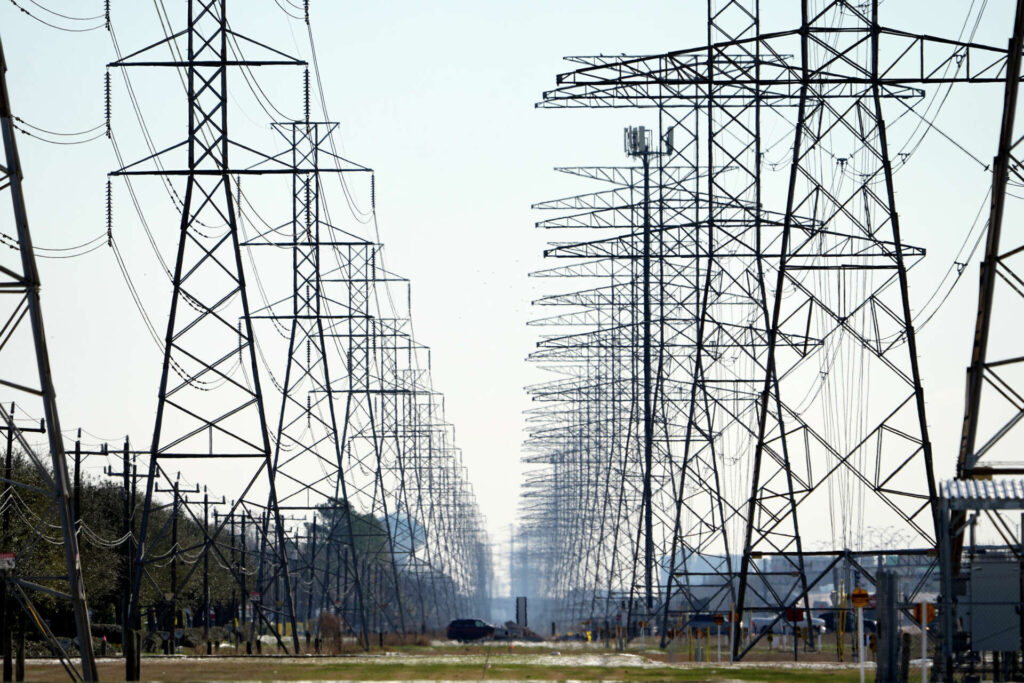
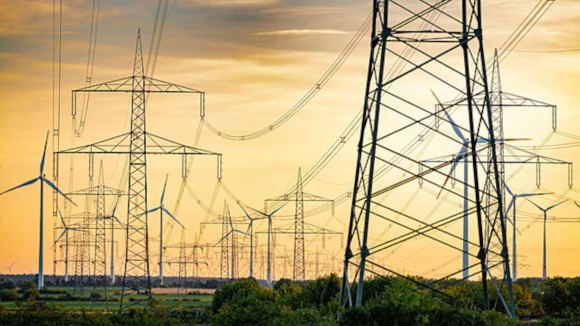
    Argentina’s electrical grid might be stabilized by utilizing copious renewable energy sources and large oil and gas reserves. Natural gas, hydroelectric power, nuclear energy, renewables, and oil production are all used to power the infrastructure. Argentina’s grid infrastructure confronts issues such as aging infrastructure, regional disparities in power access, and subsidy pressures on the national budget. The country plans to diversify its energy mix, update and expand the system, attract foreign investment, and achieve energy self-sufficiency while balancing imports. A balanced grid could help to lower energy costs, increase energy security, and minimize dependency on imported fossil fuels. Modernizing the grid infrastructure positions the country as a potential leader in energy exports. It could also help meet climate goals and increase smart technology adoption. Cutout fuses are crucial in overcurrent protection for medium-voltage distribution networks.

    Drop-out fuses safeguard transformers, feeders, and other electrical equipment from overloads and short circuits. During an excessive current flow, the fuse element burns, disconnecting the damaged part and protecting downstream equipment. Cutout fuses work with reclosers and sectionalizers to achieve selective tripping. This isolates the defective segment while the rest of the network remains operational. Drop-out fuses guarantee the dependability and safety of urban and rural power supply elements. They are simple and efficient, which is critical for utilities.

    Argentina’s grid infrastructure upgrade uses cutout fuses.

    Cutout fuses are critical to the protection and stability of Argentina’s electric grid. A modernized system can handle more renewable energy and fulfill rising demand. Cutout fuses are an important defense device in the energy infrastructure. A cutoff fuse is a fuse combined with a switch that protects transformers and electrical lines from failures. They ensure that Argentina’s electrical grid is resilient, reliable, and safe. Composite cutoff fuses with improved insulation and lifespan are being deployed continuously. Here are the responsibilities that cutout fuses play in Argentina’s grid modernization.

    cutout fuses provide insulation to electrical equipment
    1. Supporting renewable energy expansion—cutout fuses protect the sensitive components of renewable installations. They also allow for safe isolation during maintenance or fault detection. This helps reduce fire hazards in dry, high-wind environments common to wind farms.
    2. Enabling grid resilience and maintenance—Argentina’s aging infrastructure faces challenges such as voltage fluctuations, lightning strikes, and heavy ice and wind loads. Cutout fuses act as automatic safety mechanisms, disconnecting problematic sections without the need for full shutdowns.
    3. Protection for rural distribution networks—installing cutout fuses on poles protects distribution transformers and branch circuits. The fuses reduce outage durations and help maintain grid stability in areas with limited maintenance access.
    4. Integration with smart grid technologies—modern cutout fuses have sensing and communication capabilities. This allows utilities to detect faults, analyze grid performance, and reduce the need for manual inspections.

    Advantages of Modernizing Argentina’s Grid Infrastructure

    Modernizing and improving Argentina’s grid infrastructure is critical to economic growth, energy security, and sustainability. The development of renewable energy is critical to Argentina’s status as a regional energy hub. It is also an important step in ensuring a robust, inclusive, and sustainable energy future. The following are the advantages of updating Argentina’s grid infrastructure.

    • Seamless integration of renewable energy—the abundant natural resources in Argentina need a flexible, smart grid to balance variable generation. Modern infrastructure allows for real-time change to intermittent supply and decentralized power sources like rooftop solar.
    • Enhanced energy efficiency and lower losses—a modernized grid can reduce technical losses through smart metering, optimize power flow, and detect theft. This means more energy reaches end-users by lowering costs.
    • Improved reliability and fewer outages—an upgraded grid reduces blackouts and voltage drops during peak demand. Utilities can detect faults faster, isolate problem areas, and restore power more efficiently. This is with the use of advanced sensors, automation, and real-time monitoring.
    • Economic growth and job creation—grid modernization creates job opportunities in electrical engineering, construction and infrastructure, and software for grid automation. It attracts foreign direct investment in sectors like renewables, electric vehicles, and energy storage.
    • Energy security—new grid infrastructure enhances national security by reducing dependence on energy imports. This allows for greater control over energy flows and supports emergency power management.
    • Enabling a smart energy future—digital tech like AI, blockchain, and IoT determine how electricity is generated, stored, and consumed. It enables real-time pricing models and integration of battery storage and EVs.
  • Energy News Weekly Digest – April 14-17, 2025

    Electrical crossover clamps enhancing energy infrastructure

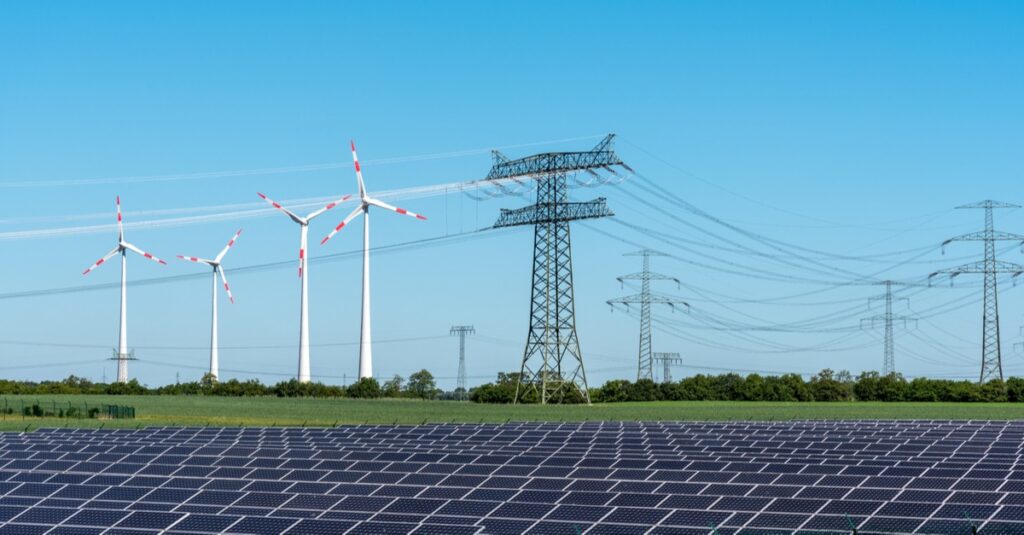
    Renewable energy supporting the electrical grid

    Electrical crossover clamps are crucial components in power transmission to ensure secure connections and maintain the integrity of the electrical grids. 

    The clamps stabilize Argentina’s electrical infrastructure, which is crucial for supporting large-scale energy projects.

    Argentina is investing in floating liquefied natural gas (FLNG) projects to monetize its vast natural gas reserves from the Vaca Muerta shale formation.

    FLNG initiatives are set to position Argentina as a player in the global LNG market, boosting exports and economic growth.

    Electrical components like the crossover clamps are crucial for the seamless operation of FLNG facilities to ensure consistent power supply and safety.

    The integration of robust electrical hardware supports the scalability and sustainability of FLNG projects across Argentina.

    #ArgentinaEnergy #FLNG #ElectricalInfrastructure #NaturalGas #EnergyInnovation

    Read More

    Compression Splices Supporting Argentina’s lithium production

    lithium production facility

    Compression splices are essential for ensuring robust and reliable electrical connections in Argentina’s lithium production facilities.

    The splices ease the seamless integration of renewable energy sources such as solar and wind into lithium extraction and processing operations.

    The compression splices provide durable connections for the resilience of power infrastructure against environmental challenges.

    High compression splices reduce maintenance needs and minimize energy losses. This leads to a more efficient and cost-effective lithium production process.

    The use of advanced lithium extraction methods prioritizes sustainability and develops recycling infrastructure. The methods help ensure an affordable supply of lithium for the global electric vehicle market.

    Key technologies include direct lithium extraction, improved brine evaporation techniques, recycling and reuse, and sustainable mining practices.

    #LithiumProduction #CompressionSplices #RenewableEnergyIntegration #ElectricalInfrastructure #ArgentinaEnergySector

    Read More

    Download clamps enhancing Argentina’s carbon capture infrastructure.

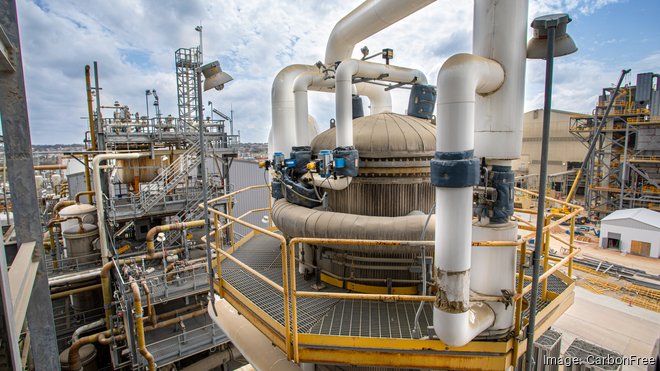
    carbon capture and utilization facility

    Carbon capture and utilization enables the oil and gas from Vaca Muerta and the cement and steel sectors to reduce emissions. The technologies ease carbon-neutral biofuels and support economic and export opportunities.

    The use of carbon capture and utilization technologies allows Argentina to reduce emissions, enable blue hydrogen, decarbonize energy industries, and create carbon-based products.

    Downlead clamps are critical components in securing and managing overhead cables. They ensure the integrity of communication and power lines essential for carbon capture operations.

    The clamps ease the reliable transmission of data and power, which is crucial for monitoring and controlling carbon capture and storage systems.

    Downlead clamps indirectly support Argentina’s shift towards cleaner energy solutions and its commitment to reducing greenhouse gas emissions.

    #CarbonCapture #EnergyInfrastructure #ArgentinaEnergy #DownleadClamps #CleanEnergyTansition

    Read More

  • Distribution arresters: Powering Argentina’s lithium growth

    lithium extraction plant in Salta Argentina

    Argentina is emerging as a global lithium powerhouse with goals to scale up production by 75% by 2025. It aims to reshape the landscape of clean mobility, renewable energy, and energy storage systems. The increased production of lithium will lead to the demand for electric vehicles and grid-scale batteries. Argentina’s lithium could lower battery costs, increase EV adoption, and secure supply chains for the transport industry. With the transition towards clean energy, lithium could aid in wind and solar energy integration. It is crucial in the development of battery energy storage systems due to their intermittent nature. Large-scale energy storage systems stabilize renewable-powered grids that power lithium extraction. Scaling up lithium production enables off-grid renewable projects in remote areas. It also promotes hybrid solar-battery solutions. Using distribution arresters ensures a stable electricity supply to lithium mining and refining operations.

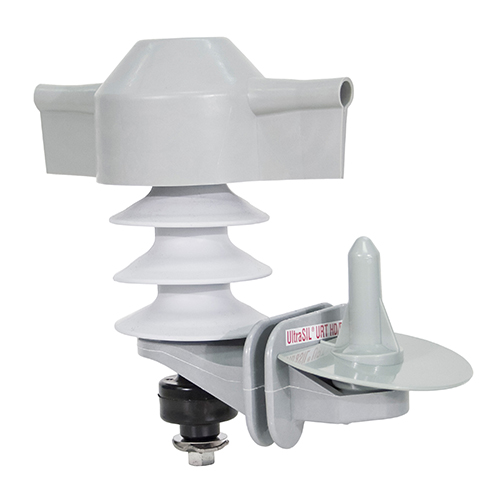
    Lithium mines are often located in arid, high-altitude regions prone to lightning strikes and voltage surges. Distribution arresters prevent damage to transformers, substations, and transmission lines. The arresters suppress voltage spikes caused by switching operations or faults to maintain uninterrupted electricity flow. Remote lithium sites often rely on isolated microgrids. Surge arresters safeguard the systems from transient overvoltages to ensure continuous power for extraction and refining. Lithium plants use corrosive chemicals where electrical faults could trigger hazardous incidents. Surge protection reduces fire and explosion risks. They could also help ensure the sensitive electronics are protected from power disturbances.

    Opportunities for Argentina’s lithium production in the energy sector

    Argentina’s lithium reserves position it as a global leader in energy transition. It provides opportunities to boost renewable energy adoption, electric vehicle production, and grid storage solutions. Argentina can leverage its lithium boom through strengthening the global battery and EV supply chain and enabling grid storage. It is also crucial for advancing energy transition, and expanding job creation and industrial growth. However, this development may face challenges involving environmental risks, social risks, and the need for policy and infrastructure. Argentina’s lithium reserves provide a chance to fuel global energy transition, build a clean domestic clean energy economy, and position itself as a renewable energy leader in South America. Distribution arresters play a crucial role in reliable, efficient lithium production. They do so by preventing power disruptions, protecting renewable energy systems, and reducing downtime.

    Boosting Argentina’s lithium production via distribution arresters

    Distribution arresters are crucial in enhancing the reliability and safety of Argentina’s electrical infrastructure. They are vital components for protecting power distribution systems from voltage surges. Distribution arresters are installed on electrical power systems to divert overvoltage transients safely to the ground. Here are the roles of distribution arresters in boosting Argentina’s lithium production.

    Distribution arresters protect mining equipment
    1. Protecting remote power networks—distribution arresters protect transformers, substations, and equipment powering lithium brine pumps, processing plants, and lab facilities.
    2. Grid reliability—lithium extraction is an energy-intensive and time-sensitive process. It involves brine pumping and evaporation, chemical refining into battery-grade lithium carbonate, and temperature-controlled storage and transport. Distribution arresters ensure consistent energy delivery to keep operations efficient and on schedule.
    3. Renewable energy integration—wind and solar energy help to power most lithium projects in Argentina. Distribution arresters balance intermittent power feeds, shield equipment from inverter-related transients, and ensure clean handoffs between renewable sources.
    4. Reducing maintenance costs—distribution arresters extend the lifespan of electrical infrastructure, reduce unplanned maintenance, and lower operational costs.

    Investments boosting Argentina’s lithium production

    There are major investments aimed at increasing lithium production by 75% in 2025. Most of this funding is from China, which helps develop lithium projects. The success of these projects depends on balancing the speed with sustainability, adding local battery manufacturing, and navigating trade dynamics. The following are the key funding and projects fueling the expansion.

    • Foreign direct investment—there are key players funding the expansion of Argentina’s lithium industry. These include Chinese companies, North American & Australian firms, and European participation.
    • Government incentives—this includes tax stability for 30 years, VAT refunds, and duty-free imports. Argentina is negotiating Inflation Reduction Act compliance to access U.S. EV subsidies.
    • Infrastructure and energy investments—renewable energy for mining powers lithium plants to cut emissions. Desalination plants and pipelines mitigate brine extraction’s environmental impact.
    • Emerging technologies—companies like Lilac Solutions (U.S.) are piloting direct lithium extraction to boost efficiency. There are also talks with CATL and Tesla for local cathode production.
  • Energy News Weekly Digest – April 07-11, 2025

    Guy clamps down on strengthening Argentina’s power grid amid renewable transition.

    guy clamps expanding renewable energy capacity

    The implementation of real-time sensors, automated switching, and smart meters enhances the responsiveness and efficiency of the energy system.

    Investments in large-scale battery storage, including a 500 MW system, bolster grid reliability. This is done by storing excess energy and supplying it during peak demand periods.

    The integration of decentralized energy sources diversifies the energy mix and reduces reliance on centralized power generation. Resources such as solar and wind contribute to a more resilient energy grid.

    Guy clamps aid in stabilizing Argentina’s outdated power grid in regions like Patagonia and the Pampas. They secure poles and prevent collapses during extreme weather events.

    The clamps support the integration of renewable energy sources by ensuring the structural integrity of transmission lines connecting remote generation sites.

    High-performance guy clamps ensure line stability, reduce maintenance needs, and support grid expansion to remote areas.

    Read more

    #ArgentinaEnergy #GridModernization #RenewableIntegration #GuyClamps #SmartGrid #EnergyInfrastructur #PowerStability

    Pole bands supporting Argentina’s energy infrastructure

    grid modernization and expansion

    Argentina’s grid modernization and expansion will reshape the energy sector with impacts on electricity transmission, natural gas production, and renewable energy development.

    Grid modernization could help reduce outages, improve efficiency, and support renewable energy integration. Insufficient transmission capacity hampers the transport of energy from remote renewable sources.

    Pole bands are heavy-duty metal straps designed to secure and support equipment on utility poles, including transformers, insulators, crossarms, and guy wires.

    Argentina is investing in upgrading its power grid to reduce outages, improve efficiency, and support the integration of renewable energy sources.

    Pole bands ease the mounting of distribution components that route renewable power from wind farms in Patagonia and solar plants to urban centers.

    The use of forged pole bands aids in the installation of sensors, switches, and line monitoring devices, which is crucial for modernizing the grid.

    Read More

    #ArgentinaEnergy #GridModernization #PoleBands #RenewableIntegration #InfrastructureChallenges

    Yoke plates fuel Argentina’s LNG expansion.

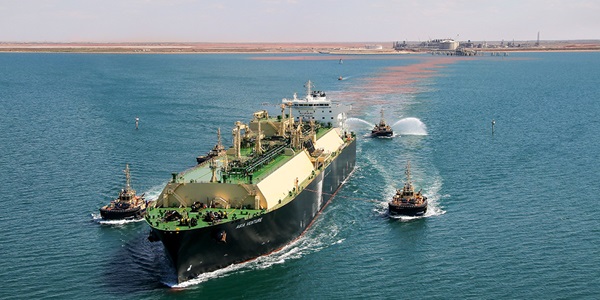
    liquefied natural gas transportation

    Argentina’s Vaca Muerta shale formation in Patagonia holds immense natural gas, which positions the country as a player in the LNG sector.

    Major energy companies, including YPF, Petronas, and Shell, aim to export up to 25 million tons of LNG annually by 2030. They also leverage floating LNG plants for flexible capabilities by 2027.

    Argentina faces technical, financial, and political hurdles, including infrastructure shortages and regulatory uncertainties that may limit LNG growth.

    Cryogenic yoke plates are essential in maintaining the structural integrity and safety of LNG infrastructure. This is including pipelines, storage tanks, and export terminals under extremely low-temperature conditions.

    Yoke plates distribute mechanical loads across supports, preventing leaks and structural failures in LNG operations. Yoke plates connect insulator strings or suspension clamps and ensure stability and prevent power outages at LNG facilities.

    Stainless steel yoke plates withstand brittleness at cryogenic temperatures, which makes them suitable for Argentina’s LNG infrastructure needs.

    Read More

    #ArgentinaLNG #YokePlates #CryogenicEngineering #VacaMuerta #EnergyInfrastructure #LNGInfrastructure

    Guy strains powering Argentina’s energy expansion

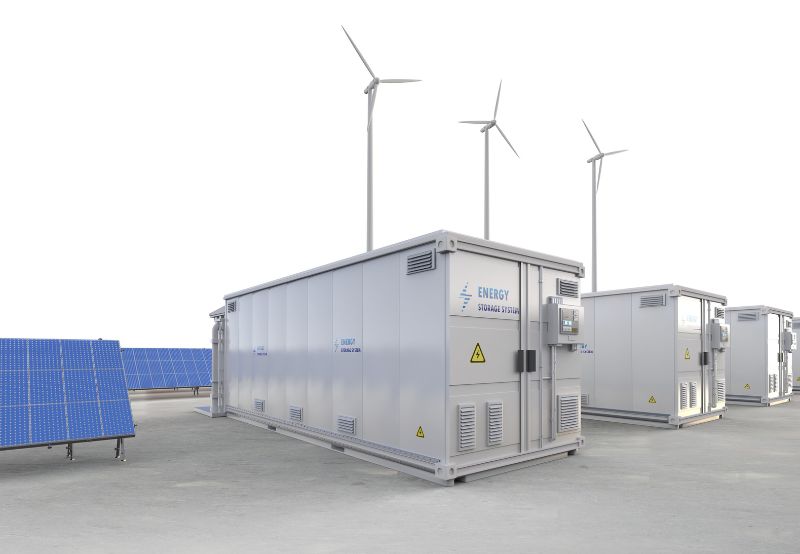
    Wind and solar energy storage facility

    Argentina’s diverse geography and growing demand for electricity need a robust and resilient transmission network. The country aims to expand its gas pipeline capacity and modernize electricity transmission.

    The nation is pursuing the modernization of its power grid to integrate renewable energy sources and enhance energy reliability. It is also working to boost its renewable energy capacity with a target of achieving 20% renewable energy in its electricity mix.

    Guy strains are crucial components used to stabilize high-voltage transmission towers in wind-prone and seismic regions of Argentina.

    The devices aid in absorbing dynamic forces such as wind, ice loads, and thermal expansion, which are common in Argentina’s climate zones.

    Guy strains enable the safe and cost-effective distribution of renewable energy across long distances. They also help strengthen the grid for ongoing investments in wind, solar, and FLNG.

    Read More

    #ArgentinaEnergy #PowerGrid #RenewableEnergy #TransmissionInfrastructure #GuyStrains #CleanEnergy #EnergySecurity

  • Earth anchors power Argentina’s grid upgrade push

    Power grid expansion through renewable energy

    With the rise of renewable energy growth, Argentina’s power grid needs significant upgrades to support the energy needs and ease the transition to a more sustainable energy future. The power grid faces challenges related to infrastructure and investment, especially with the integration of renewable energy sources. Argentina’s power grid often struggles to send electricity from areas with high renewable energy potential like Patagonia and the northern regions. The lack of investment and maintenance results in an aging and strained electrical grid. This results in frequent power outages during periods of high demand. For instance, Buenos Aires experienced power outages in March 2025 that disrupted traffic signals and underscored the vulnerabilities of the electrical infrastructure. Expanding and modernizing the transmission infrastructure is essential for Argentina to achieve its renewable energy goals. High-quality earth anchors provide structural stability and reinforcement for transmission and distribution infrastructure.

    Power grid upgrades and energy transition could help reduce its reliance on fossil fuels and achieve a clean energy future. Earth anchoring systems secure transmission towers and poles to prevent tilting or collapse. The anchors reduce the need for heavy concrete foundations, lower costs, and speed up grid expansion. With Argentina’s renewable energy expansion, earth anchors stabilize wind turbines and solar panel mounting systems. Ground anchors enable quicker and cheaper installation of power lines. They provide secure anchoring without extensive excavation. This is crucial as Argentina invests in high-voltage direct current lines and smart grid tech.

    Upgrading and modernizing Argentina’s power grid using earth anchors

    Earth anchors enable renewable energy growth and improve resilience against environmental challenges. They are devices used to secure structures to the ground, stabilizing utility poles, transmission towers, and guy wires. Galvanized earth anchors help withstand extreme weather by anchoring critical infrastructure. This is crucial to reduce maintenance needs and downtime and improve reliability. The use of these anchors aligns with Argentina’s goals of modernizing infrastructure and expanding clean energy. Discussed below are the functions of earth anchors in expanding the power grid.

    Earth anchors stabilize transmission towers
    • Improving grid stability—earth anchors help stabilize high-voltage transmission towers in diverse terrain. This is crucial to prevent collapse under high wind loads or shifting soil.
    • Renewable energy integration—there is increasing investment in new solar and wind farms in Argentina. Ground anchors enable the fast, secure installation of transmission lines. This allows Argentina to export clean energy to neighboring countries.
    • Supporting smart grid and HVDC upgrades—earth anchors ensure the stability of new and upgraded transmission lines.
    • Enhancing grid resilience—high-tensile earth anchors are able to withstand extreme weather. They anchor critical infrastructure to reduce maintenance needs and downtime.

    Grid modernization and infrastructure projects in Argentina

    Grid modernization and energy infrastructure upgrades are crucial in the clean energy transition. Argentina is investing heavily in strengthening its power transmission and distribution networks. This is crucial with the rising demands from urban centers, increasing renewable energy capacity, and the need for regional integration. Grid modernization is crucial in Argentina due to challenges such as frequent outages, limited connectivity, high transmission losses, and underinvestment in smart grid technologies. Discussed below are the key infrastructure projects and upgrades in Argentina.

    1. 500 MW battery energy storage initiative—this project aims to install 500 MW of battery storage capacity in Buenos Aires. This will improve grid stability, manage peak demand, and support renewable energy integration. It has enhanced energy reliability in Argentina’s most densely populated regions.
    2. High-voltage transmission lines from Patagonia—Patagonia’s wind resources need long-distance transmission to reach consumption centers. The projects include 500 kV lines connecting wind farms to the national grid. It enables Argentina to capitalize on low-cost wind energy exports in the long term.
    3. Solar integration projects—solar mega-parks in Jujuy and Salta—drive energy generation in Argentina. This needs upgrades to substations and distribution networks to bring clean energy into the grid faster.
    4. Cross-border interconnections—Argentina is enhancing energy collaboration with Brazil, Chile, and Bolivia. Such projects, supported by earth anchors, strengthen regional energy security and open doors for clean energy exports.
    5. Smart grid pilots & digitalization—the use of digital control centers and smart metering initiatives could help in outage detection. These projects are being tested in Buenos Aires and Córdoba. They aim to improve real-time monitoring and better demand management.
  • Ball Clevises: Key to Argentina’s Power Growth

    Energy infrastructure expansion in Argentina

    Argentina’s Vaca Muerta shale formation is one of the world’s major gas reserves. The country is developing energy infrastructure projects to bolster its electricity grid. It also plans to boost its gas pipeline capacity and upgrade electrical transmission. Recently, the government announced a $400 million transmission tender. This new grid expansion fund intends to increase energy reliability and promote renewable energy integration. The transmission line will also serve Argentina’s lithium mining plants in Salta province. The project is being constructed by generators YPF Luz and Central Puerto. It will include a 345 kV line spanning 140km and a second 220 kV line spanning 210km, serving up to 1 GW of new renewable capacity. Components such as ball clevises play a crucial role in expanding its power grid to support the growing renewable energy sector.

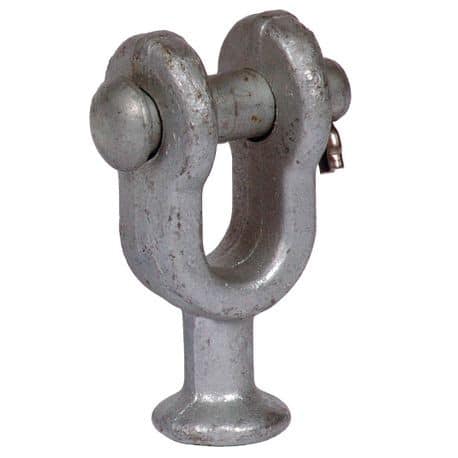
    A ball joint connection is a forged steel hardware attachment that connects insulator strings to tower arms. It creates a secure yet adaptable mechanical interface between components in high-voltage overhead transmission networks. Rod end clevises connect insulators to towers, allowing for the safe and stable transmission of power. This is critical in Argentina’s Patagonia wind farms, as well as solar mega-parks in the Salta region. The clevis pin is used in the building of 500 kV and 132 kV transmission lines to withstand significant mechanical and electrical stresses. Galvanized ball clevises are highly corrosion resistant and mechanically flexible. This allows towers to endure wind, storms, and thermal expansion. It can protect transmission infrastructure, withstand environmental stress, and provide electrical safety.

    Expanding Argentina’s electricity infrastructure with ball clevises.

    Argentina is building out its energy infrastructure, which includes power transmission lines, gas pipelines, and renewable energy projects. A heavy-duty ball clevis provides secure, flexible, and long-lasting links in high-stress applications. Clevises provide flexibility, durability, and safety. The expansion of infrastructure necessitates high-quality clevis connectors. The $400 million transmission tender requires gear such as ball clevises to maintain structural integrity. Ball clevises play the following roles in the expansion of Argentina’s energy infrastructure.

    Ball clevises provide durability and safety of infrastructure
    • Power transmission and grid expansion—Argentina’s investment in high-voltage transmission lines demands the use of clevises. The ball joint clevis connects insulator strings to transmission towers for free movement. They also provide pivot points for tension change in overhead lines to improve grid reliability.
    • Vaca Muerta expansion—ball clevises serve in the expansion of gas pipelines while allowing thermal expansion. Reliable clevis joints reduce failure risks due to vibrations and stress.
    • Renewable energy installations—ball join clevises connect guy wires and support structures to ensure stability. This is crucial for Argentina’s push for wind and solar power. The clevises help in pivoting mechanisms to align panels with the sun. They also aid in gate control systems and loan-bearing structures.
    • Ensuring grid reliability in harsh conditions— Argentina has diverse geographical conditions with environmental challenges. The clevis pins provide high corrosion resistance and mechanical flexibility. This is crucial to help towers withstand storms, winds, and thermal expansion.
    • Industrial and maintenance applications—ball clevises are crucial for crane and rigging systems, towing and recovery operations, and heavy machinery articulation.

    Potential for investments in energy infrastructure expansion in Argentina.

    Argentina is working to modernize its power grid to incorporate renewable energy sources and improve electricity stability. It provides significant prospects for investment in energy infrastructure growth. This is due to Argentina’s enormous resources and dedication to increase energy output exports. Here are the primary areas for prospective investment.

    1. Development of the Vaca Muerta shale formation—this is one of the largest shale oil and gas reserves. However, only a fraction has been developed, which indicates opportunities for exploration and production.
    2. Expansion of midstream infrastructure—there is a need for investments in midstream infrastructure. For instance, major oil companies collaborate to construct a 600km pipeline from Vaca Muerta to the Atlantic Ocean.
    3. Renewable energy projects—the country is working to boost its renewable energy capacity with a target of achieving 20% renewable energy in its electricity mix. Argentina has favorable government policies, financial incentives, and renewable energy goals that attract investments.
    4. Cross-border energy exports—the nation has initiated gas exports to countries such as Brazil through existing pipeline networks. The development shows avenues for investment in enhancing cross-border energy trade infrastructure.