Tag: Argentina

  • Shackle insulators boost refinery energy delivery

    Renewable energy decarbonizes the industrial sector

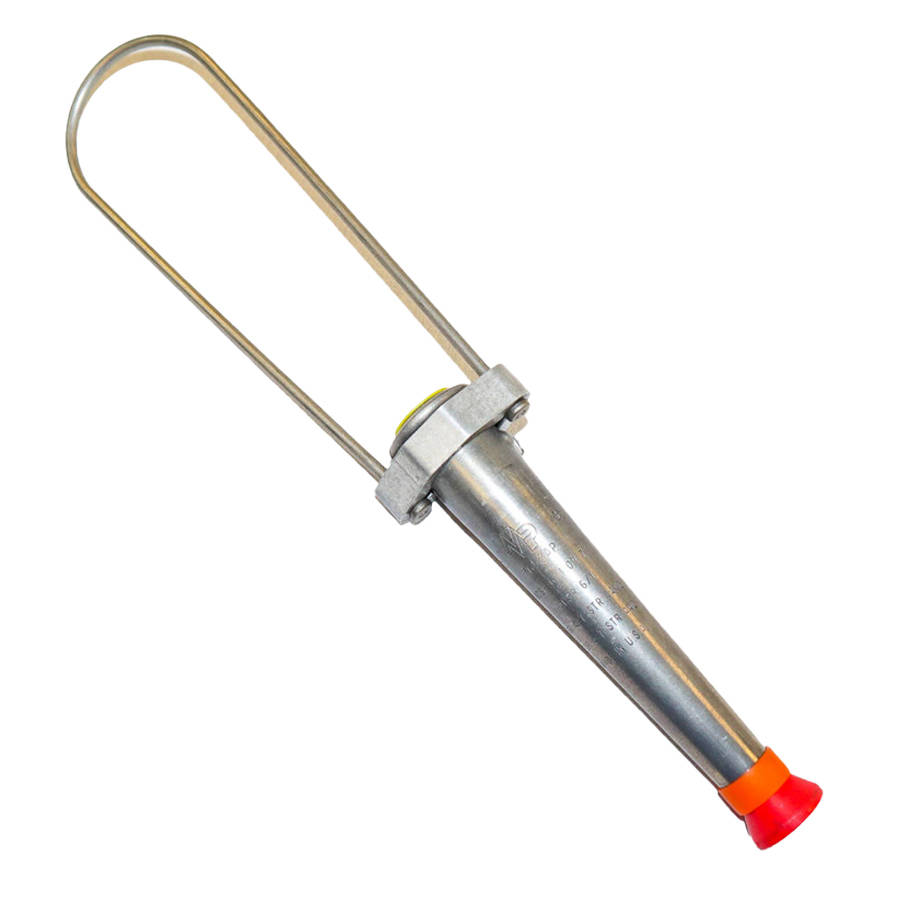
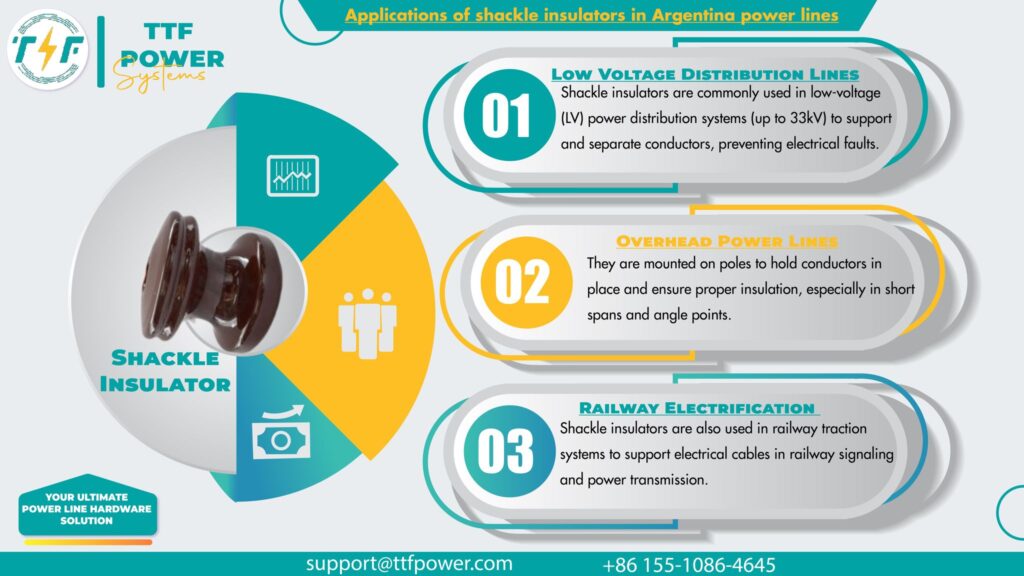
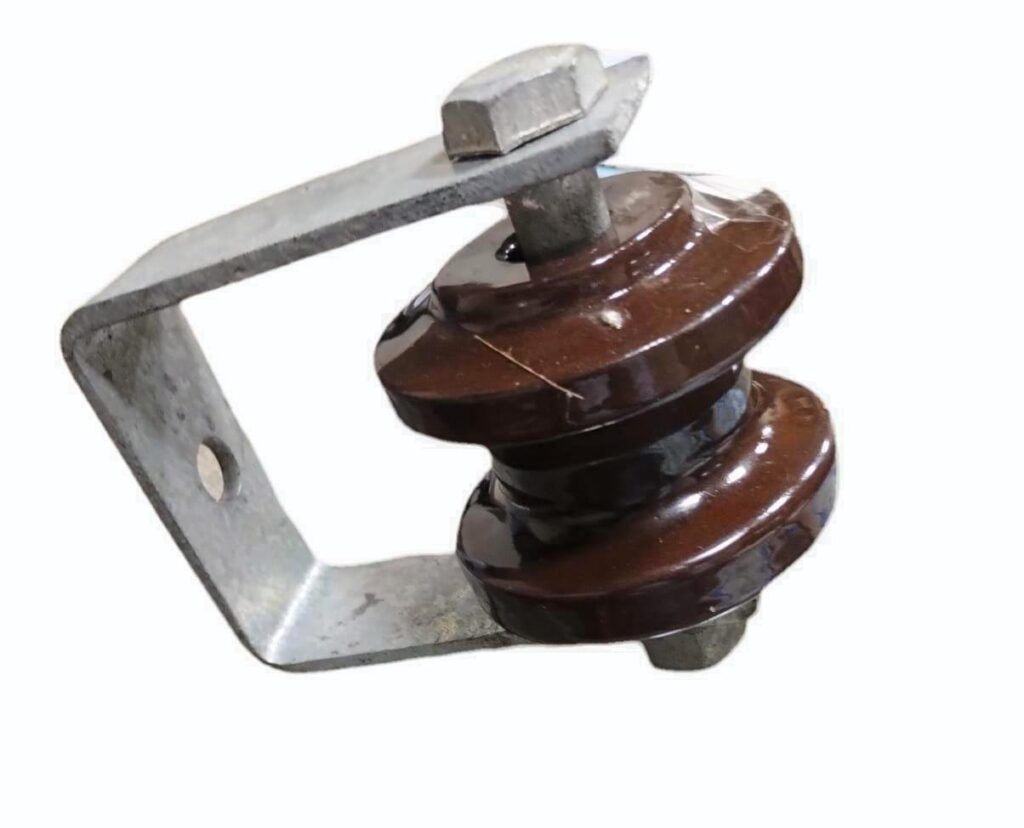
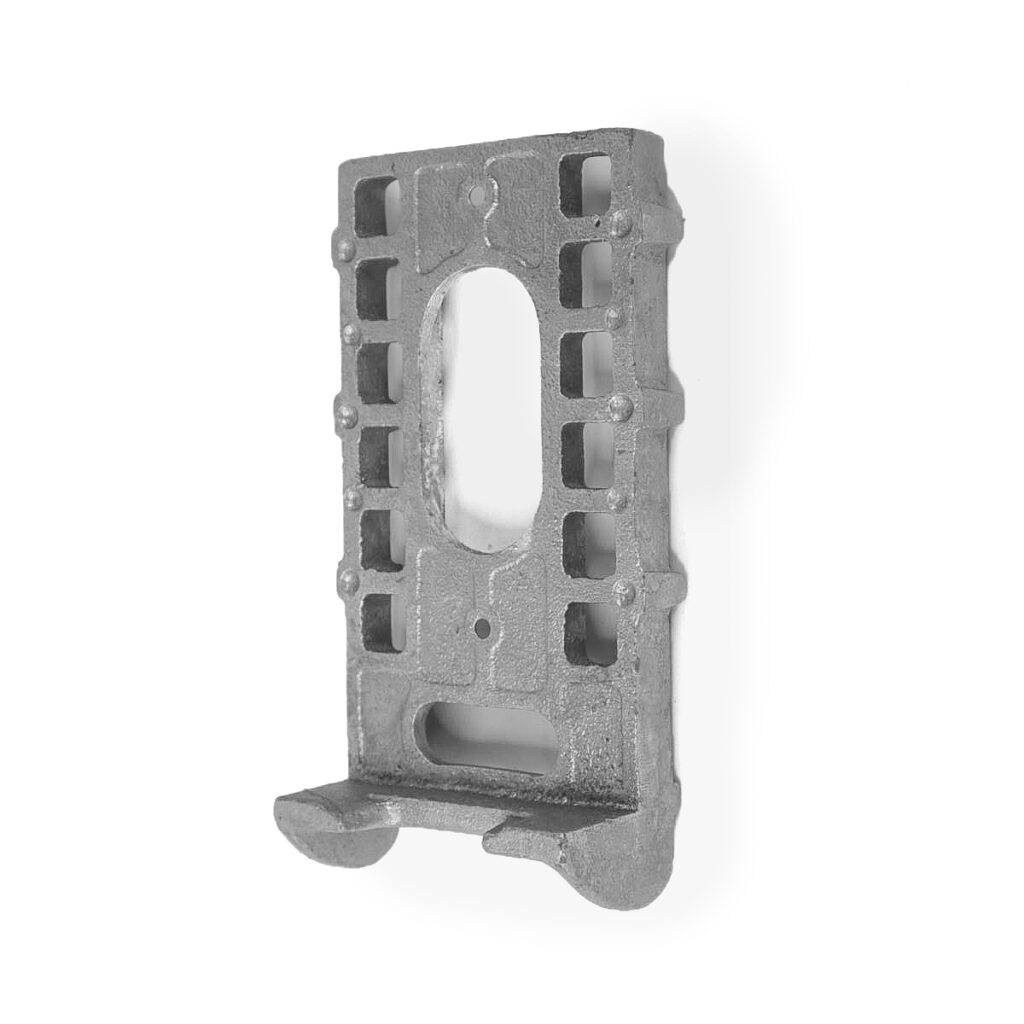
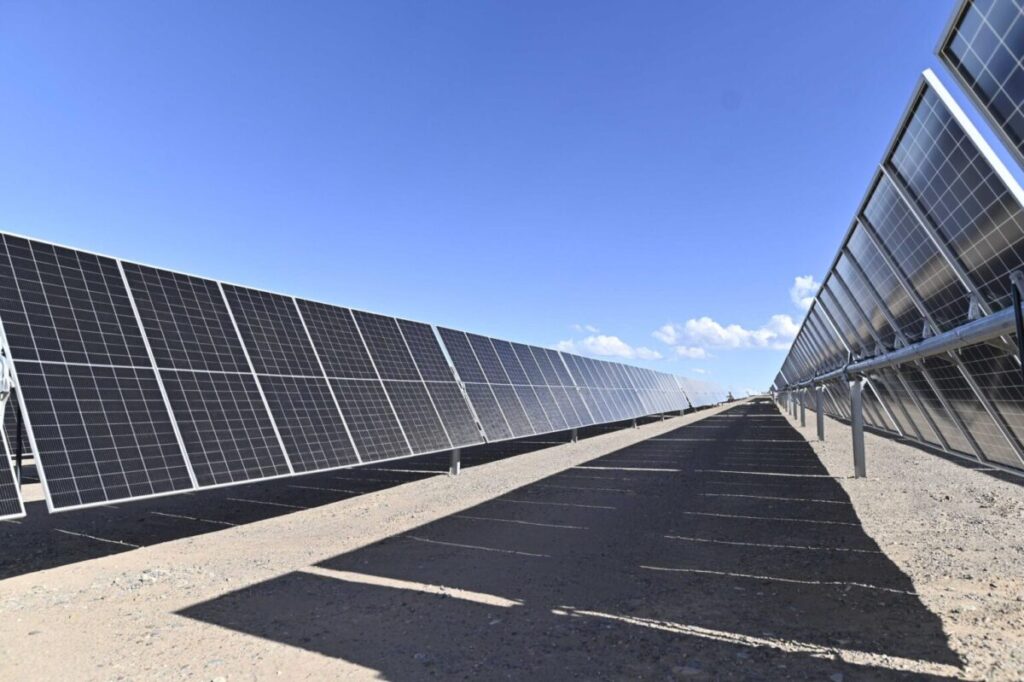
    Axion Energy of Argentina has inked a five-year agreement to deliver wind and solar energy to Campana’s refinery. The annual production volume of renewable electricity is approximately 60 GWh. Securing 25% of their electricity from renewables lowers indirect emissions and boosts its sustainability profile. This arrangement sends a signal to Argentina’s energy market that large industrial customers should commit to PPAs with renewables. This enables renewable developers to get long-term off-take and funding. Furthermore, the agreement adds to Argentina’s broader goals of growing renewable energy and reducing carbon intensity. Shackle insulators provide a safe, insulated, and grounded anchoring point for electrical cables on distribution poles.

    Power from huge wind and solar farms is converted to extra-high voltage for efficient long-distance transmission. Shackle insulators are used in substations, medium-voltage distribution networks, and refineries. Shackle insulators provide mechanical support to keep the current-carrying conductor in place. This helps it withstand strains induced by its own weight, wind, and ice loading. It also keeps the lines from drooping or becoming loose.

    The insulator body consists of a non-conductive substance, which prevents the live conductor from making electrical contact with the grounded pole or crossarm. Shackle insulators are best suited for dead-end poles, corner poles, and section poles. Shackle insulators withstand significant mechanical tension, ensuring the structural integrity of the distribution line that delivers power to the connecting point. This makes it a key link that provides both mechanical strength to hold the wires and electrical safety against ground faults. This ensures that power from distant wind and solar farms is delivered dependably to Axion Energy’s refining activities.

    Measures to counter any challenges to the five-year pact.

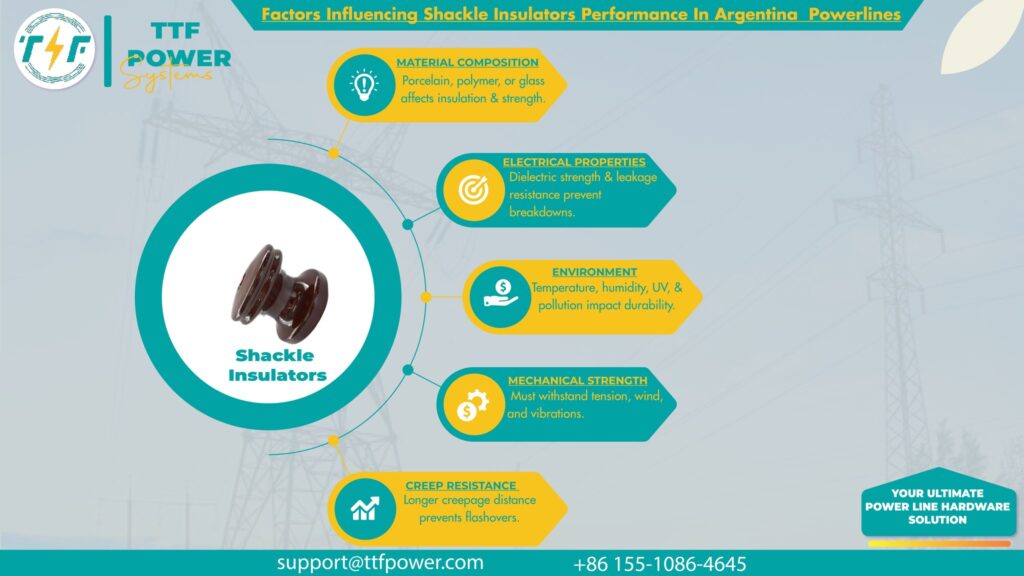
    Shackle insulators influence Argentina's power lines performance

    Argentina’s five-year renewable energy agreement between Central Puerto SA and Axion Energy is an important step toward industrial decarbonization. However, it confronts operational, financial, and infrastructure constraints. To address this issue, the government has implemented strategic strategies and policy frameworks. These approaches include employing shackle insulators to enhance transmission infrastructure, avoiding economic and monetary risks, balancing grid stability with fluctuating renewables, and improving renewables’ industrial integration. This will help to lower Axion Energy’s refinery emissions and act as a model for future industrial renewable PPAs. This will pave the road for a cleaner, more resilient energy economy in Argentina.

    The role of shackle insulators in bringing renewable energy to refineries

    The move to renewable energy in Argentina is dependent on reliable transmission infrastructure. Shackle insulators provide safe and efficient electricity supply. They also provide mechanical support, electrical insulation, and system stability for power distribution cables. The shackle insulators’ functions in powering refineries are as follows.

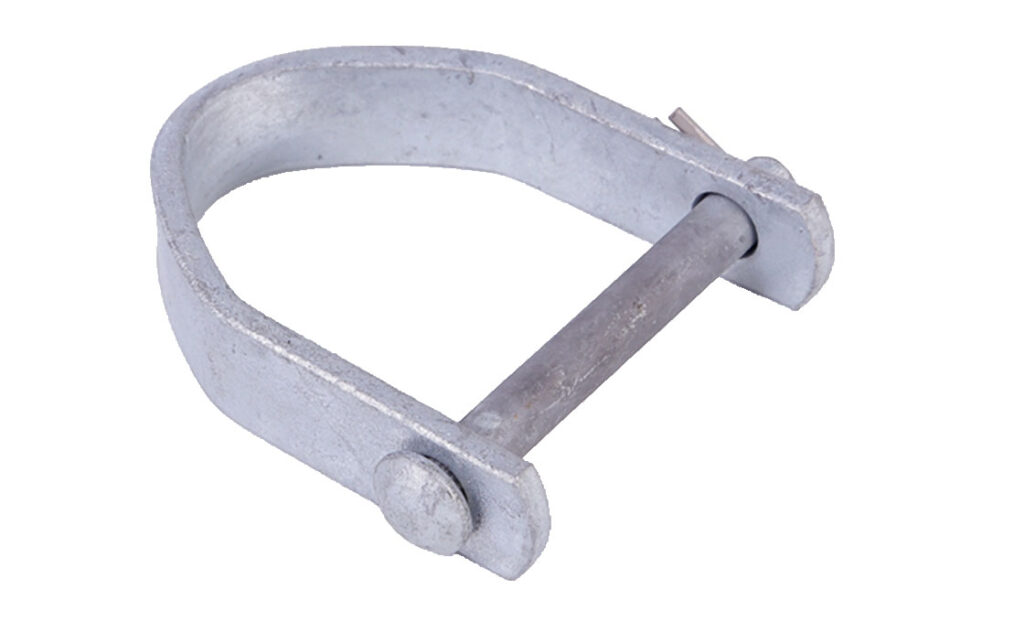
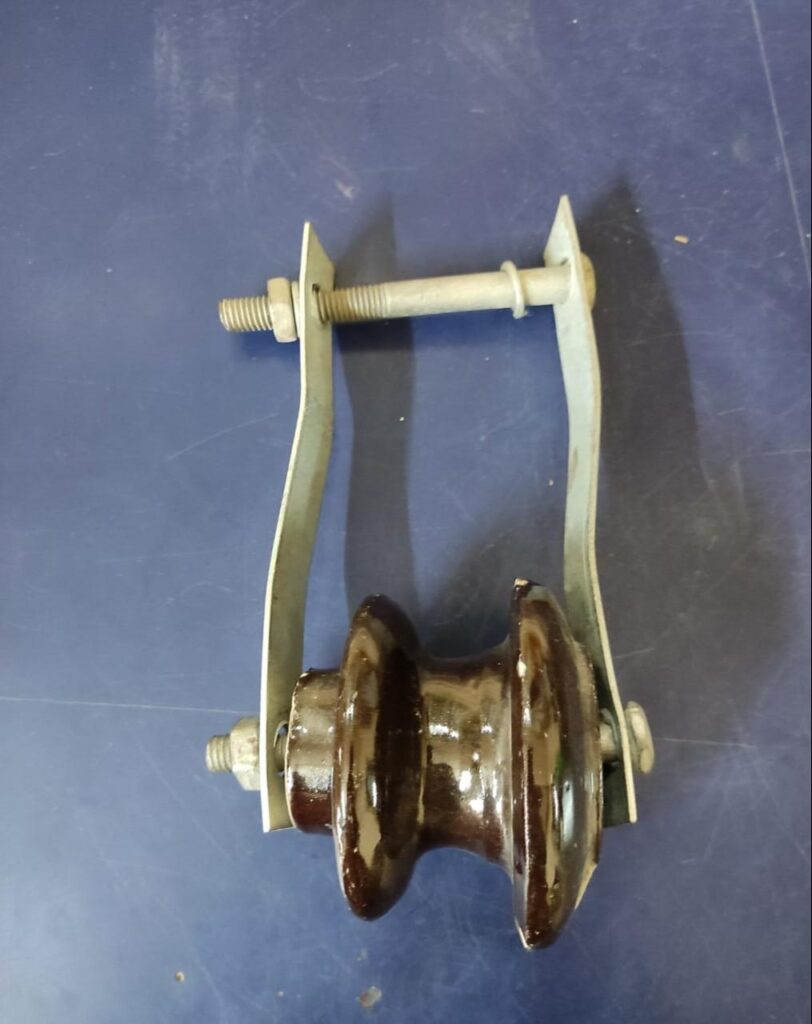
    Low-voltage shackle insulator
    1. Electrical insulation in renewable energy distribution – shackle insulators are crucial for isolating energized conductors from grounded supporting structures like poles. The insulators prevent current leakage and flashover to maintain system efficiency.
    2. Mechanical support and load bearing – renewable energy transmission lines face mechanical stresses from wind, cable tension, and pole movement. Shackle insulators provide mechanical support by withstanding vertical and horizontal loads on conductors.
    3. Securing conductors in low and medium-voltage lines – shackle insulators function at dead-end points, pole terminals, and angle locations where conductor tension changes.
    4. Enhancing grid safety and durability – the integration of renewable power into Argentina’s industrial grid needs safety against fault currents, mechanical failures, and lightning discharges. Shackle insulators isolate fault zones and reduce damage risks to nearby components.

    Technologies utilized to supply renewable electricity to Axion Energy’s refinery

    To deliver renewable electricity to Axion Energy’s refinery in Argentina, unique transmission, grid integration, and protection technologies are necessary. These innovations provide an efficient, steady, and continuous power supply from wind and solar farms to the industrial site. This includes:

    • Substation and grid interconnection technologies – the technologies ensure renewable power blends seamlessly into the national grid before reaching the refinery.
    • Power distribution components – these components include parallel groove clamps, insulation piercing connectors, shackle insulators, and lightning arresters.
    • Smart grid and energy management systems – these platforms help balance supply and demand.
    • High-voltage transmission infrastructure – high-voltage and extra high-voltage transmission lines reduce energy losses.
  • Crossarm gain support upgrades in Argentina’s power grid

    Electricity transmission network upgrades

    Argentina has implemented a variety of activities and steps to improve its energy network, motivated by necessity and desire. The current grid suffers from underinvestment, old infrastructure, and a lack of long-term planning. This causes blackouts, power swings, and significant technical losses. Argentina is in the forefront of clean energy adoption in the region, having developed many renewable energy projects. Electrical network renovations strike a compromise between short- and long-term benefits, economic efficiency, and legacy infrastructure. The upgrade’s success will be determined by its ability to supply inexpensive, dependable, and sustainable power, which serves as the cornerstone for Argentina’s economic progress and better quality of life. Grid automation and smart grid technology, replacing aged infrastructure, integrating renewable energy, and promoting distributed generation are all important strategies. The crossarm gain is crucial for the capacity, safety, and resilience that new crossarm designs offer to the overhead grid.

    Crossarm gains are from materials such as steel, composites, or reinforced concrete, which give structural integrity. The crossarm supports the weight of the cables and associated hardware, transferring the mechanical load to the pole. It also ensures a safe and uniform physical distance between phase conductors. Insulators, lightning arresters, line switches, fuses, and communication antennae can all be mounted on the crossarms due to their strong structure. The crossarm gain might have integrated mounts for smart grid devices. They provide physical space and structural support for deployment across the network. Proper bracing keeps the structure stable and level, ensuring that newly installed equipment runs safely. Crossarms cut flexing, vibration, and stress concentrations. They reduce metal fatigue and wood fiber fatigue to extend the operational life of the crossarm and the pole.

    Importance of the crossarm gain in electrical network upgrades

    Crossarm gain securely attaches wooden or composite crossarms to utility poles. They offer a solid, stable connection that enables crossarms to transport conductors, insulators, and other pole-top equipment. Crossarm gain enables Argentina’s power network to be modernized, poles strengthened, conductors updated, and grid safety and reliability ensured. The following are the responsibilities of crossarm gains in Argentina’s power network upgrades.

    Electrical crossarm gain supporting overhead fitting installation
    1. Structural reinforcement of crossarms—crossarm gain gives mechanical strength and stability by fastening crossarms to poles. Gains ensure poles can handle the added loads without shifting.
    2. Support for conductor configuration—the gain allows proper spacing of the conductor on overhead lines. It supports Argentina’s push for higher voltage transmission and distribution upgrades.
    3. Improving network reliability—properly installed gain prevents crossarm rotation, loosening, or collapse under stress. Crossarm gains help maintain power reliability by keeping lines intact.
    4. Upgrades to modern standards—new steel crossarm gains allow retrofitting and upgrading without replacing entire structures.
    5. Safety enhancement—crossarm gain reduces the risk of sagging or falling conductors. This is crucial in densely populated areas where low clearances could pose safety hazards.
    6. Flexibility for multi-circuit configurations—the gain supports double crossarms or multi-circuit lines. They allow the expansion of distribution feeders and renewable interconnections.

    Barriers to upgrading Argentina’s electricity network

    Argentina’s power network renovations are critical for ensuring reliability, integrating renewable energy, and driving economic growth. The modifications, however, confront financial, technological, and regulatory challenges. To solve these issues, Argentina requires long-term policy stability, private and foreign investment, the implementation of smart grid technology, and the strategic extension of high-voltage transmission lines. The following are the major problems facing Argentina’s power network modernization.

    • Integration of renewables—renewable energy is variable and intermittent, which requires upgrades in grid flexibility, storage, and smart balancing systems. The grid needs modernization to absorb the new renewable projects.
    • High technical and non-technical losses—modernizing distribution with better conductors, secondary racks, and smart meters is crucial but costly. Long distribution lines, under-dimensioned conductors, and electricity theft lead to losses in Argentina’s network.
    • Transmission challenges—renewable-rich regions are far from demand centers, which need long transmission lines. This may slow renewable energy integration.
    • Aging infrastructure—old poles, transformers, substations, and conductors—increases the risk of outages and technical losses. Upgrading needs large-scale replacements, which is logistically complex.
    • Technological gaps—smart grids, SCADA, and smart meters are being adopted but not yet at scale. Limited data analytics, automation, and monitoring make fault detection and recovery slower than advanced grids.
    • egulatory hurdles—Argentina needs to stabilize its policies on subsidies, tariffs, and tenders. The long approval times slow expansion projects and investments.
  • Guy rod clamps boost CAREM SMR tech in Argentina

    Nuclear energy infrastructure development

    Argentina has worked to be the first Latin American nation to engage in the Small Modular Reactor Technology (FIRST) initiative, backed by the United States. This illustrates the shared dedication to enhancing the civil nuclear energy collaboration, promoting global energy security, and accelerating the responsible implementation of advanced nuclear energy in South America. The initiative assists nations in implementing small modular reactors (SMRs) while adhering to safety, security, and environmental criteria. It additionally promotes collaboration, sharing knowledge, enhancing capacity, and reinforcing frameworks. Argentina’s robust nuclear industry, featuring the CAREM reactor initiative, strengthens its progress. The nation aims to enhance uranium extraction, small modular reactor (SMR) development, and regulatory capabilities. This advancement provides the nation with technology transfer, training, and assistance with feasibility assessments. SMRs offer a minimal carbon footprint while delivering base-load power. Guy rod clamps offer a reliable, sturdy, and adaptable connection point for guy wires

    Guy wires stabilize tall structures during the construction and maintenance of the SMR projects. The clamps are critical components in building a modern, robust electrical infrastructure needed to support SMR deployment. Guy rod clamps create the strong, reliable connection at the crane end. They allow the crew to tension the wires and ensure the crane remains vertical and stable during lifts. The clamps offer the necessary stability and allow for adjustments as the structure settles. Guy rod clamps fasten the guy wires to the mast at various heights. They are designed for long-term exposure to the elements and are critical for the masts’ ability to withstand wind and weather. SMRs generate large amounts of power transmitted through high-voltage cables. Guy rod clamps enable the safe erection of the complex and heavy components that make up a nuclear reactor.

    Significance of the guy rod clamps on the SMR project development in Argentina

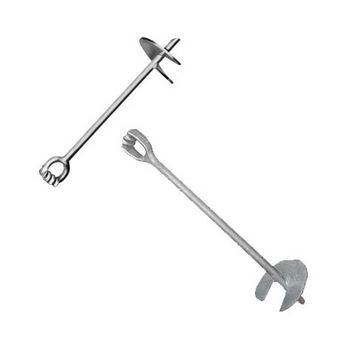
    Guy rod clamps provide support and safety for electrical, mechanical, and structural stability. Guy rod clamps are mechanical fastening devices used to secure and adjust guy rods that stabilize tall structures. They are made from high-strength steel designed to grip the rod, prevent slippage, and transfer loads into anchors. High-quality guy clamps ensure grid connectivity, cooling structures, stability, and safe operations. They secure auxiliary structures, enable safe power transmission, and reinforce Argentina’s push for advanced resilient nuclear infrastructure. Here are the roles of the guy rod clamps in the CAREM SMR development infrastructure in Argentina.

    Guy rod clamps secure the guy rods in vertical structures
    • Structural stability of auxiliary infrastructure—SMR sites involve tall stacks, cooling towers, exhaust ducts, and communication masts. Guy rod clamps secure the guy rods that stabilize vertical structures and ensure they withstand wind, seismic activity, and operational vibrations.
    • Support for transmission and distribution lines—guy rod clamps hold guy rods in place for poles and lattice towers. They ensure reliable evacuation of generated electricity into Argentina’s grid.
    • Load distribution and stress relief—guy clamps distribute tensile loads to prevent localized stress on poles.
    • Alignment and operational integrity—proper installation of guy rod clamps maintains alignment of supported structures. Misalignment could disrupt monitoring systems.
    • Environmental resilience—SMRs in Argentina need infrastructure that can withstand seismic zones and variable weather. Guy rod clamps improve resilience of structural supports and electrical lines against strong winds.

    Innovative technologies aiding the development of the CAREM SMR in Argentina.

    SMR advancement in Argentina employs many innovations and infrastructure for safety at both the site and grid levels. The nation leverages established reactor design knowledge, fuel-cycle capabilities, domestic manufacturing, and current nuclear locations for SMR advancement. This project features designs for operator training centers and simulators next to the location, encouraging knowledge sharing and workforce advancement. These advancements encompass

    1. Core reactor technology encompasses an integrated PWR system, natural circulation cooling, and passive safety mechanisms.
    2. Instrumentation, control, and digital systems—CAREM employs digital instrumentation and controls along with human-machine interfaces and operator training simulators to confirm operations. It also comprises extensive sensor networks for neutron flux, temperatures, pressures, containment metrics, and environmental surveillance.
    3. Fuel cycle and back-end infrastructure—Argentina’s uranium assets and industrial framework ease fuel production and potential export networks.
    4. Construction, manufacturing, and the industrial ecosystem—SMRs within the nation seek to enhance off-site modular production. Modular production and current site facilities decrease construction duration and expenses when implementing FOAK SMRs.
    5. Digital systems, instrumentation, and control—the deployment of SMRs requires sophisticated control systems, cyber-secure digital instruments, and model-based verification to ease factory acceptance testing and remote diagnostics
  • Hotline tap clamps secure Argentina’s LPG network

    LPG storage infrastructure

    The Vaca Muerta shale formation in Argentina facilitates the manufacturing of liquefied petroleum gas. Argentina’s growing production has positioned it as a global energy exporter in Latin America. LPG production boosts energy security, improves trade balance, promotes industrial development, and puts Argentina as a major player in the global LPG industry. This results in increasing expenditures in related infrastructure, such as gas processing plants, pipelines, and port facilities. LPG burns cleaner than coal and oil. Its availability promotes a shift to lower-carbon energy sources. It is used for household heating, cooking, transportation, and in businesses that are difficult to electrify. LPG also serves as a reliable backup for intermittent renewable energy sources like wind and solar to provide grid stability. Hotline tap clamps are fittings that allow a new pipeline branch to be connected to an existing pressurized pipeline.

    Hot tap connections are crucial components of Argentina’s increasing LPG production and infrastructure. Hot taps connect drilling and new gas processing units to new pipelines. They enable the network to expand with production. Hotline tap clamps establish a temporary bypass line, allowing LPG to continue flowing. Advanced hot tap devices can insert plugs into pipelines to separate sections for maintenance without disrupting the system. This is critical for the integrity management of Argentina’s old pipeline network as it transitions to new infrastructure. They also enable linking to the main supply lines while maintaining service to existing customers. Hotline tap clamps offer the flexibility required to quickly respond to changing production patterns and integrate new infrastructure with old, and reduce economic disruptions.

    The role of hotline tap clamps in LPG production infrastructure

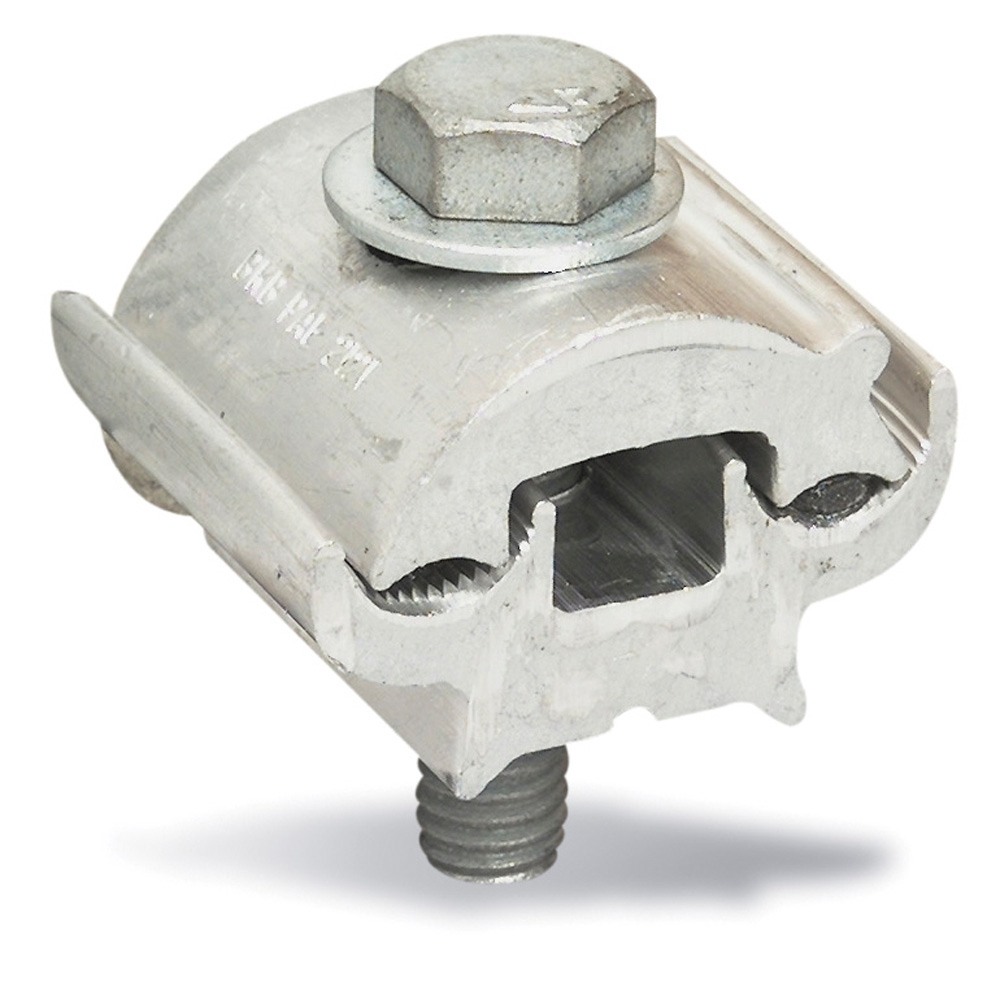
    Hotline tap clamps connect a tap conductor to a main-energized line without disrupting service. It supports live-line operation, which implies that connections and disconnections stay active. The clamps play an important role in the distribution networks that feed electricity to LPG processing and storage facilities. They serve to feed fractionation factories, storage terminals, cylinder filling stations, and transportation hubs. Here are the applications of hotline tap clamps in LPG infrastructure.

    Hotline tap clamps ease connections of feeders to transformers
    • Maintain continuous power supply—LPG plants like compressors and storage terminals need a consistent power supply. Hotline tap clamps allow utility crews to make new service taps, bypass connections, or load transfers without disrupting power to LPG equipment.
    • Enable flexible plant expansion—hotline tap clamps ease the connection of new feeders to transformers while the system stays energized. This is crucial as new electrical loads like motors, pumps, and compressors are added.
    • Support reliability—most LPG facilities are in remote areas without redundant power feeds. Hot taps allow quick installation of bypass lines to ensure production does not stall.
    • Ease load balancing—motors and heaters create variable loads in LPG plants. Hotline tap clamps keep the system stable.
    • Reduce maintenance downtime—hotline tap clamps allow maintenance and expansions without stopping fractionation to maximize plant uptime.
    • Worker safety—proper use of the clamps provides secure, low-resistance contact and reduces the risk of arcing during live maintenance near LPG sites.

    Infrastructure for LPG production, processing, and transportation in Argentina

    Argentina’s LPG infrastructure includes upstream shale wells, fractionation factories, pressurized storage tanks, pipelines, rail networks, and retail cylinder systems. The current deregulation of pricing provides chances for surplus production, export expansion, and investment in modern storage. Key infrastructure includes:

    1. Upstream production infrastructure—rising shale production boosts the supply of natural gas liquids. The infrastructure used includes gas wells and shale rigs, gathering systems, and separation units.
    2. Gas processing and fractionation plants—fractionation infrastructure allows the separation of components to propane and butane. It involves cryogenic gas processing plants, fractionators, depropanizers, and compression units.
    3. Storage infrastructure—Argentina’s infrastructure includes spherical pressure tanks, cylindrical horizontal tanks, underground storage, and cylinder depots.
    4. Transportation infrastructure—this includes pipeline networks, rail transport, road tankers, and export terminals. This is crucial as Argentina moves LPG across vast distances to export hubs.
    5. Distribution and end-user infrastructure—LPG is distributed to consumers and industries through cylinder filling plants, bulk distribution, rail networks, and metering systems.
    6. Supporting infrastructure—LPG operations rely on energy and safety systems like electrical distribution systems, safety systems, logistics hubs, and regulatory infrastructure. Hotline tap clamps support the LPG infrastructure for safety.
  • B-strand connectors in Argentina’s LNG opportunity

    FLNG and SSY systems

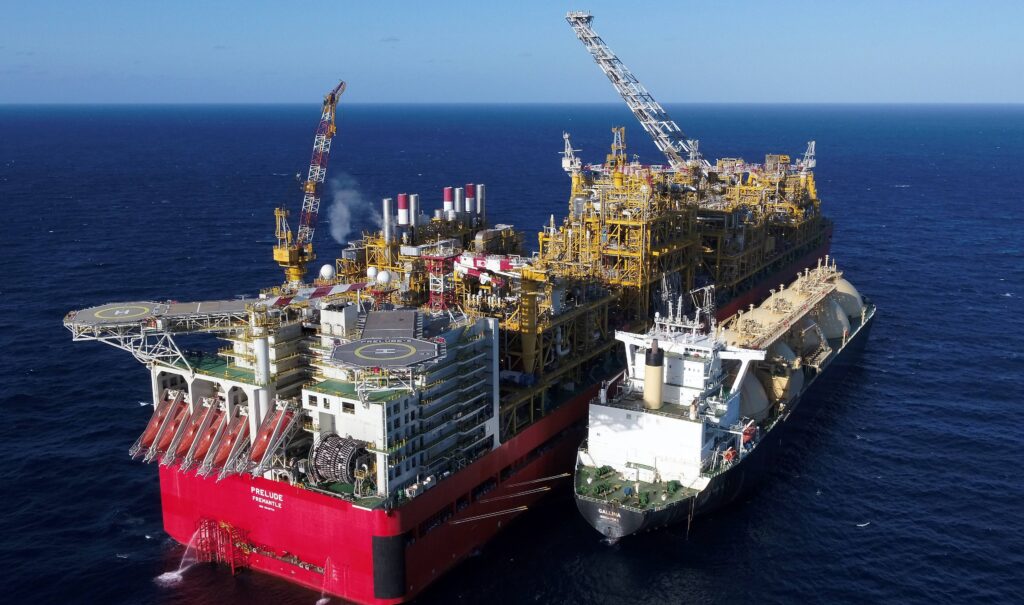
    Argentina is building its first floating liquefied natural gas factory, powered by gas from the Vaca Muerta shale seam. National Oilwell Varco (NOV) provides the submerged swivel and yoke (SSY) system. This technique enables the FLNG to securely rotate with the wind and currents while delivering gas via subsea pipelines. It also lowers the requirement for huge fixed jetties and onshore LNG plants. This concept incorporates a variety of technologies, including subsea pipeline tie-in, mooring durability, and digital monitoring. FLNG and SSY infrastructure provide a direct channel for monetizing gas reserves in global markets. This opens up work prospects in engineering, logistics, shipping, and offshore services. Supporting such areas lowers Argentina’s trade imbalance and invites foreign direct investment. FLNG production also helps improve energy security for importing countries. B-strand connectors connect the high-strength spiral strand mooring line to the chain on the seabed or directly to the turret.

    The strand maintains the integrity of the entire mooring system in the severe environment off Argentina. B-strand connectors connect the wire rope to other components. The connector terminates the wire rope and transmits the huge tensile force from the rope to the connector body without failure. It reduces stress concentrations at the wire’s end. B-strand connections are built to last and feature a sealed termination that protects the wire end from corrosion. It offers a standardized, sturdy interface for connecting to other mooring components. B-strand connectors are compatible with high-performance spiral strand applications. It guarantees a precisely matched system with a shown fatigue life.

    The relevance of B-strand connectors in the FLNG and SSY infrastructure

    B-strand connectors are critical to ensure the safety, dependability, and structural integrity of FLNG and SSY infrastructure. The connectors ensure that the FLNG operates continuously, allowing Argentina to export gas efficiently. B-strand connectors reduce the number of offshore interventions while increasing durability and reliability. The link from the connection ensures load bearing stability, flexibility, and electrical and structural continuity. B-strand connectors play the following roles in Argentina’s FLNG and SSY infrastructure.

    B-strand connectors provide flexibility to infrastructure
    • Structural load transfer in mooring systems—B-strand connectors link individual steel strands that make up the mooring cables. They ensure uniform load transfer across all strands to distribute tension and prevent weak points.
    • Flexibility and adaptability in offshore conditions—the B-strand connectors provide flexibility to infrastructure. This allows mooring lines and subsea cables to adjust to vessel movement without overstressing the infrastructure.
    • Electrical and signal continuity—the connectors work with subsea power and control cables that support SSY operations. They ensure the continuous transmission of electrical signals and monitoring data.
    • Integration with SSY and pipeline systems—B-strand connector ensures secure attachment points for subsea pipelines, swivels, and yokes. It supports the stability of the gas transfer line to maintain both mechanical strength and alignment.
    • Corrosion resistance in marine environments—the connectors can withstand saltwater exposure, pressure variations, and subsea chemical interactions. The durability extends the operational lifespan of mooring and subsea systems.
    • Safety and redundancy—B-strand connectors create redundant pathways to ensure the connection remains intact. This prevents equipment failure that can lead to production halts or environmental risks.

    Opportunities for FLNG Development in Argentina’s Energy sector

    Despite the presence of Vaca Muerta’s shale, Argentina’s capacity to commercialize the resource faces infrastructural and export constraints. The development of FLNG technology opens up new opportunities for growth, investment, and global energy integration. Successful FLNG management might propel the country to the forefront of LNG exports. The main opportunities in Argentina include

    1. Unlocking LNG exports without onshore terminals—FLNG bypasses traditional LNG development by liquefying gas directly offshore. Anchoring to the SSY allows Argentina to track exports.
    2. Monetizing Vaca Muerta gas at scale—Argentina can export gas directly from pipelines to global LNG carriers.
    3. Global energy markets—the FLNG exports provide flexibility and mobility to allow exports to reach many regions, depending on demand.
    4. Supporting energy transition—Argentina can leverage LNG revenues to fund renewable energy projects such as solar and wind. FLNG has a smaller carbon footprint compared to onshore LNG plants.
    5. Infrastructure flexibility and risk reduction—FLNG is scalable and relocatable to reduce investment risks compared to fixed terminals. Argentina can adapt capacity without locking into massive costs.
  • Y-clevis eye in Argentina’s EV lithium infrastructure

    Utility-scale battery energy storage systems

    The energy market in Argentina is led by hybrid vehicles along with fully electric vehicles. Its potential is considerable, motivated by the necessity to decrease reliance on foreign fossil fuels, reduce city pollution, and use the benefits of energy. Moreover, the heightened investments in renewable energy sources such as solar and wind could result in the country’s acceptance of EVs. Sustainable energy can offer dependable, cost-effective, and eco-friendly power to the electric vehicle charging network. Incorporating into the grid also enhances energy accessibility and dependability. This also requires updating the grid to manage the higher and more concentrated demand from EV charging stations. This could involve enhancing transmission lines, implementing smart grid technology, and upgrading local grids. Argentina requires the upgrade and establishment of charging facilities in key regions. The Y-clevis eye is essential in the distribution grid and the EV charging station

    Widespread adoption of EVs represents a new electrical load for the energy sector (usually 50 kW, 150 kW, and 350 kW). Existing distribution lines in rural areas are often not designed for such a load. The clevis eye is a mechanical fastener used to connect electrical conductors to insulators, poles, or crossarms on utility poles and substations. It allows a strong, reliable, and pivotable connection. Y-clevis eyes within the substations make secure connections on busbars, disconnect switches, and other apparatus. It ensures a reliable and stable power supply to the charging station. Y-clevis eyes provide a low-resistance path to earth for fault currents. The clevis eye helps secure heavy cable runs to structures and helps support the weight of the charging dispenser cable on a bracket. The Y-clevis eye contributes to grid resilience, safety, and standards.

    Functions of the Y-clevis eye in EV infrastructure

    Reliable power distribution networks are crucial as Argentina scales up its electric vehicle market. A Y-clevis eye serves in transmission and distribution networks to connect insulators, line fittings, or conductors. EV infrastructure functions with distribution feeders, transformers, and service lines to support charging stations. Y-clevis eyes offer strength, alignment, and reliability. The clevis eye secures insulators, transfers mechanical loads, maintains conductor alignment, and ensures safe, reliable power delivery to charging stations. Here are the functions of the Y-clevis eye in EV infrastructure development in Argentina.

    Y-clevis eye connects suspension insulators
    1. Connecting insulators to hardware—Y-clevis eye link suspension or strain insulators to crossarms and poles. They ensure secure support for conductors feeding EV charging points.
    2. Maintaining mechanical strength—the clevis eye transfers conductor weight, tension, and wind forces to the pole. They prevent mechanical failures that disrupt EV charging supply.
    3. Providing flexibility in line angles—the U configuration allows for proper alignment of insulators and conductors. This makes it a crucial component where distribution lines navigate tight street layouts.
    4. Durability in harsh environments – Galvanized steel Y-clevis eyes resist corrosion and mechanical wear. This durability supports long-term EV grid reliability.
    5. Supporting grid upgrades for EV demand—Y-clevis eyes enable strong and flexible connections in upgraded distribution lines. This supports urban fast-charging hubs and rural highway EV corridors. Upgrades are essential as Argentina scales up fast-charging stations and highway corridors.

    Importance of lithium for electric vehicles and their infrastructure in Argentina.

    Argentina ranks among the leading producers of lithium, an essential mineral for electric vehicle batteries. Lithium is essential for fueling electric vehicles and developing the infrastructure that facilitates their use. Lithium-ion batteries lead the EV market because of their high energy density and quick charging features. It allows electric vehicles to reach greater distances, quicker velocities, and enhanced reliability. Lithium batteries play a vital role in charging stations and grid storage systems to maintain a steady electricity supply. Its significance is as explained in the following sections.

    • Battery production and domestic industry growth—Argentina may lessen dependence on imports and bolster its own electric vehicle market expansion.
    • Combining renewable energy—wind and solar power, can work with lithium battery storage to establish sustainable EV charging stations and enhance grid stability.
    • Modernizing infrastructure—investing in renewable-powered charging networks, battery recycling plants, and intelligent grids—can maximize lithium’s potential. This is vital for maintaining equilibrium between supply and demand in the nation.
    • Argentina’s lithium reserves offer geopolitical and economic influence in global markets. This renders lithium essential for electric vehicles and renewable energy storage.
  • Pole top pins in Argentina’s renewable grid growth

    Distributed solar energy generation

    Argentina’s energy sector is evolving through distributed energy generation. It has 73.7 MW of installed capacity and 38.4 MW in the pipeline, with over 1000 projects. This reflects the increased interest of consumers, businesses, and politicians in small-scale renewable energy solutions. Distributed generation is the production of electricity on a small scale near where it is consumed. This includes the installation of rooftop solar panels, biomass facilities, and tiny wind turbines. Distributed energy generation promotes energy democracy, grid support, and energy security. The majority of projects are residential and commercial solar PV, with industrial facilities beginning to use self-generation to combat rising electricity bills. However, this generation confronts some problems, including financial constraints, policy continuity, grid integration, and a lack of technical capacity. Pole top pins enhances safety and grid stability in distributed energy generation.

    Legislative frameworks, economic incentives, environmental aims, and technical advances all contribute to increased energy generation. The pole top pin connects the distributed grid’s neutral conductor sturdily and dependably. It creates a low-resistance conduit for the fault current to return to the source. The top pin allows substation safety devices, such as fuses or circuit breakers, to detect defects. This reduces the risk of electrocution by lowering harmful voltage gradients on the ground around the fault. It inhibits extended current flow along unwanted routes. Pole top pins ensure that the system’s neutral point remains at Earth potential. It also aids in dissipating high-voltage surges induced by lightning strikes on or near electrical lines into the ground. This protects distribution transformers, switches, and other line equipment from damage.

    The role of pole top pins in distributed energy generating

    Pole top pins secure and support the line insulators located at the top of utility poles. It provides safe and dependable energy in overhead distribution networks. The top pins support insulators, keep conductors aligned, provide clearance, and handle two-way power flows. It also increases grid safety and reliability. Technical feasibility necessitates the use of pole-top pins when integrating rooftop solar systems and small renewable energy plants. Here are the uses of the pole top pins in distributed energy generation.

    Pole top pins ensure interconnection between generators and distribution networks
    • Insulator support for distributed networks—pole top pins hold pin-type insulators in place at the top of poles. The insulators are crucial for attaching conductors while preventing leakage currents. Pole top pins in DERs ensure safe interconnection between local generators and the distribution network.
    • Maintaining electrical clearance—pole top pins position insulators at the correct height and spacing to ensure proper clearance between conductors, poles, and grounded structures.
    • Facilitating two-way power flows—DERs allow power to flow from the grid to consumers or from consumers to the grid. Using pole top pins in the infrastructure helps stabilize these flows by holding insulators in place. They help reduce the risk of mechanical failure under dynamic load conditions.
    • Withstanding environmental stress—pole top pins consist of steel, ductile iron, or polymer materials to resist wind, EV exposure, salt, and pollution. This ensures DEG-fed distribution lines remain reliable under harsh weather.
    • Integration of renewables into rural grids—pole-top pins help extend distribution networks into rural areas. This allows the connections of renewable projects to the grid.

    Innovations that promote dispersed energy generation in Argentina

    Various technology and policy breakthroughs influence dispersed energy generation. The advances enable homes, businesses, and industries to become energy producers and consumers. These innovations include:

    1. Solar PV expansion—rooftop solar PV systems enjoy newer, high-efficiency solar panels, and microinverters make installation more effective.
    2. Smart grid and digital technologies—these include smart meters, digital platforms, and grid modernization. These allow tracking consumption and generation, optimizing usage, and handling variable electricity flows.
    3. Energy storage solutions—there is increasing use of lithium-ion batteries to pair with distributed solar systems. Argentina’s lithium reserves position it to scale domestic storage production to reduce costs over time. Hybrid systems improve reliability in rural areas.
    4. Decentralized financing models—DERs are enjoying leasing and power purchase agreements, green bonds, climate funds, and blockchain-based energy trading.
    5. Hybrid distributed energy systems—combining solar, small wind, and biomass generation—provide a stable and resilient local energy supply. Hybrid DEG systems support off-grid agricultural operations to reduce reliance on diesel generators.
  • Spool insulators in Argentina’s wind energy future

    Wind farm energy integrating into the grid

    Argentina has abundant natural resources to assist renewable energy growth and the green transition. Vestas Wind Systems’ recent announcement of two new turbine orders totaling 217 MW represents another step toward harnessing wind energy potential. The wind turbines are intended to work optimally in a variety of wind conditions. Their implementation demonstrates Argentina’s ability to attract investment, put in place cutting-edge technologies, and broaden its renewable energy portfolio. The country’s high wind speeds allow turbines to operate at higher capacity factors than the global average. The country intends to expand renewable energy penetration and cut reliance on fossil resources. Wind energy’s potential stimulates extra investment in generation capacity, infrastructure upgrades, and local workforce development. New projects bring investments in grid stability and expansion in the country. Spool insulators play a crucial role in the medium-voltage collection system within the wind farm.

    Spool insulators play an important role in mechanically supporting the medium-voltage electrical wires that connect the wind turbines to the substation. The electrical wires stretched between turbines are heavy, putting them under mechanical tension and continual stress from wind and temperature variations. Spool insulators have a high tensile strength, which allows them to withstand mechanical loads while keeping the cable securely in place. The cables create a high-resistance path that ensures current passes along the designated conductor to the substation. It safeguards the infrastructure and is critical for operational safety by preventing electrocution and short circuits. The spool insulators have a unique profile that increases the creepage distance. Polymer insulators are lightweight, vandal-resistant, and hydrophobic, which keeps a continuous conductive water film from developing. The spool insulators are often connected in a string to form an insulator assembly. The number of units in a string increases the electrical insulation strength and mechanical capacity.

    The use of spool insulators in wind farm development in Argentina

    Projects such as Vestas’ 217 MW turbine are helping Argentina’s renewable energy goals. Spool insulators are critical components in turbines, transmission lines, and substations. They ensure that wind energy is safely and efficiently integrated into the grid. A spool insulator is a small ceramic device that supports and insulates wires at low and medium voltages. They avoid electrical leaks and mechanical stress on power cables. Spool insulators ensure that electricity from wind farms is securely and reliably fed into the grid. The following are the functions of spool insulators in wind farm development.

    Spool insulators help absorb tension and stress from winds
    1. Electrical insulation—spool insulators prevent unwanted current leakage between conductors and poles. The insulation is crucial for wind farms where clean electricity generated must travel long distances without loss.
    2. Mechanical support—they provide firm anchoring for conductors at dead-end poles. This helps absorb tension and stress from strong winds.
    3. Flexibility in line design—spool insulators can be installed both horizontally and vertically, which makes them versatile for the complex distribution networks that connect wind farms to substations.
    4. Durability in harsh conditions—Argentina’s wind lines face high winds, dust, and temperature variations. Spool insulators are made from ceramic or polymer materials that resist environmental stress and ensure long service life.
    5. Cost-effective grid reliability—compared to larger and more advanced insulators. Spool insulators are inexpensive but highly effective. Their use in distribution networks keeps project costs manageable while maintaining operational safety and efficiency.

    Potential for wind power development in Argentina’s energy sector

    Argentina is emerging as a renewable energy powerhouse in South America, with wind power key to its energy revolution. Argentina is a suitable location for wind power due to its vast wind resources, high renewable targets, and worldwide investor appeal. The possibility includes the following:

    • Reduced fossil fuel dependence—wind power can reduce Argentina’s reliance on natural gas and oil. This helps stabilize energy costs and improve energy security.
    • Carbon emission’s reduction—wind projects contribute to Argentina’s climate commitments under the Paris Agreement.
    • Grid modernization—Argentina must invest in transmission infrastructure and smart grid technologies. This creates opportunities for long-term modernization of the energy sector.
    • Economic growth and jobs—wind farm construction and maintenance generate local employment, build technical expertise, and create opportunities in supply chain industries.
    • Regional energy leadership—Argentina could eventually export clean energy to neighboring countries. It could position itself as a regional renewable energy hub.
  • B strand connectors and lithium extraction hurdles

    Lithium mining facility

    Argentina’s lithium resources are concentrated mostly in the high-altitude salt flats of Jujuy, Salta, and Catamarca. Lithium is an essential component of battery energy storage devices that help Argentina’s expanding solar and wind power. It also plays an important role in the deployment of electric vehicles. Lithium production enables renewables to offer steady power while reducing emissions in the sector. The manufacturing of lithium is critical for renewable energy integration, grid stability, and transportation electrification. These projects provide infrastructure, jobs, and export earnings to help Argentina’s energy economy. Argentina must put in place appropriate extraction practices, rigorous environmental regulations, and fair revenue sharing with local communities. Moving beyond extraction to processing, refining, and possibly battery production might establish Argentina as a raw lithium supplier. B strand connectors create a secure, low-resistance, and permanent electrical connection between large-gauge stranded cables.

    Argentina’s lithium-rich brine corrodes and damages metal well casings, pipes, tanks, and other equipment. This leads to well failure, leaks, and high replacement costs. B-strand connectors are hardware components used to join portions of large, high-current anode cables. The connectors can withstand high continuous DC current by supplying a steady current. The connector can carry the load without overheating. It prevents improper connections that would cause system failure and allow corrosion to occur unchecked. The stranded cable is inserted into either end, and a hydraulic compression tool is used to crimp the sleeve onto the cable to form a secure bond. B-strand connectors are electrical components used in hidden cathodic protection systems that protect the entire extraction infrastructure from the corrosive environment.

    The role of B-strand connections in lithium extraction and production in Argentina

    B strand connectors are essential for mechanical splicing, electrical grounding, power distribution support, project scalability, and long-term durability. They maintain the stability and safety of the infrastructure that enables large-scale lithium production. The following are the functions of B-strand connections in lithium extraction and production in Argentina.

    B strand connector for poles in lithium mining operations
    1. Mechanical splicing of guy and messenger wires—brine pumping stations, monitoring towers, and power distribution poles depend on messenger or guy wires for support. B strand connectors splice two ends of a steel strand to ensure continuity of tensile strength.
    2. Electrical continuity for grounding systems—B-strand connectors are able to maintain electrical conductivity across joined wires. This ensures messenger wires or guy wires double as grounding paths for poles, transformers, and monitoring equipment in lithium processing facilities.
    3. Supporting transmission and distribution networks—lithium production facilities need a steady power supply for pumps, evaporation ponds, and chemical processing plants. B strand connectors serve in overhead power line infrastructure that delivers electricity from local substations or renewable sources.
    4. Facilitating expansion and modular growth—B-strand connectors allow for quick and reliable extension of existing guy wires or messenger systems during construction. The flexibility makes them valuable in scaling up brine fields, building extra evaporation ponds, or connecting new processing modules.

    Challenges of lithium extraction and processing in Argentina

    Despite having the world’s greatest lithium reserves, Argentina’s energy transformation confronts several challenges. Extraction of high-altitude salt flats and processing into battery-grade lithium presents environmental, technological, economic, and social issues. These challenges are as described below.

    • Water scarcity and environmental stress—brine extraction depends on pumping underground saline water into evaporation ponds. The process consumes large amounts of water in arid areas like Jujuy, Salta, and Catamarca. Excessive water use can lower groundwater levels, affect wetlands, and stress fragile ecosystems.
    • Technological and processing limitations—solar evaporation is slow and heavily dependent on climate conditions. Producing battery-grade lithium carbonate needs tight control of impurities, which can be difficult in brine systems.
    • Infrastructure and energy challenges—lithium operations are in remote high-altitude regions with limited roads, grid access, and water supply networks. Some of the projects depend on diesel generators, which undermines the environmental benefits of lithium.
    • Economic and market volatility—global lithium prices are highly volatile, driven by EV demand, overproduction cycles, and competition. Argentina mostly exports lithium carbonate rather than finished batteries.
    • Social and community concerns—local communities often report limited consultation, inadequate benefit-sharing, and fears of cultural and environmental displacement. This leads to social conflicts, protests, and legal disputes, which can delay projects and damage investor confidence.

  • Y-clevis eye in Vaca Muerta: Driving renewable synergy

    Shale oil and gas infrastructure in Argentina

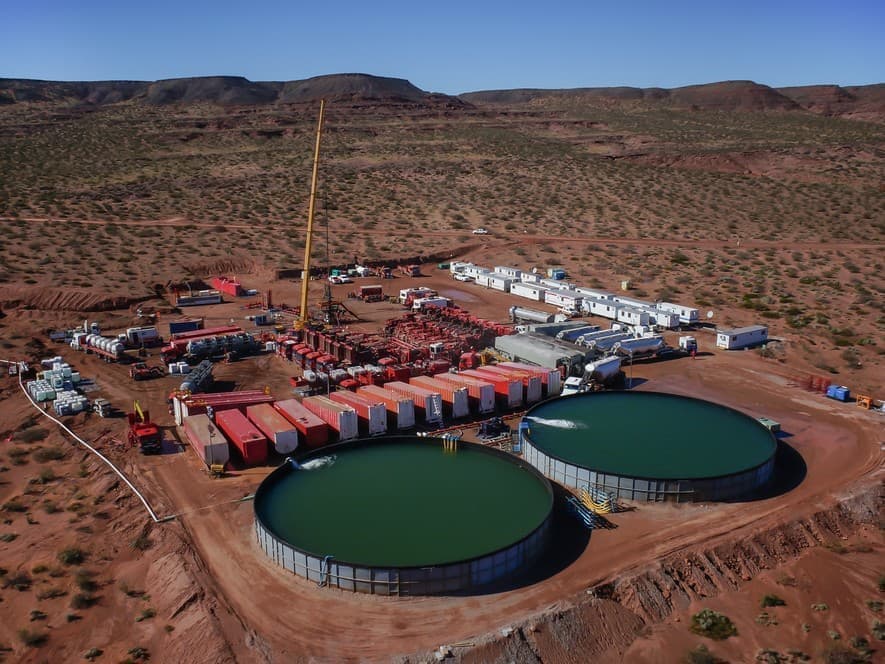
    Argentina’s Vaca Muerta shale formation is expected to contain 16 billion barrels of shale oil and 308 trillion cubic feet of shale gas. The resource’s development is being driven by developments in horizontal drilling and hydraulic fracturing technology. Vaca Muerta has helped Argentina meet natural gas self-sufficiency. Argentina no longer need LNG imports and has begun exporting gas via pipeline to Chile and Brazil. Furthermore, shale oil lessens the demand for imported crude oil and processed goods. Argentina’s YPF formed joint ventures with major multinational energy corporations including Chevron, Shell, TotalEnergies, and Equinor. These collaborations are critical for providing the technical skills required for complex shale operations in the region. The development will also need the construction of new pipelines, LNG export facilities, and refining and petrochemicals. It will also need upgraded transmission lines supported by Y-clevis eyes. The Y-clevis eye ensures the safe handling and installation of heavy equipment.

    The lifting and rigging components are critical throughout the drilling, completion, and production stages. Unlike a single-point connection, the Y-clevis eye provides stability and prevents slings from slipping. Y-clevises connect lifting slings to the wellheads’ specialized lifting points. Their design ensures that the lift remains balanced and secure during installation and maintenance operations. Y-clevises connect lugs to the crane’s rigging, enabling safe and controlled lifting. Blowout preventer stacks have valves put on top of the wellhead during drilling to control pressure and prevent blowouts. The Y-clevis eye is necessary for the rig’s lifting system to connect to the blowout preventer. This ensures a safe and steady lift during installation and removal. Y-clevises act as primary, high-strength connectors that enable the safe, stable, and efficient lifting of the equipment that drives the production process.

    Functions of the Y-clevis eye in Vaca Muerta’s energy infrastructure

    A Y-clevis eye is a forged steel hardware fitting found in transmission and distribution lines. It links insulators, conductors, and line hardware while also supporting mechanical and electrical loads. Y-clevis eyes are critical components in Vaca Muerta shale oil and gas operations because they ensure reliable energy transmission. The Y-clevis eye serves several functions in Argentina’s oil and gas production.

    Y-clevis eye linking yoke plates and sockect clevis
    1. Mechanical connection in high-voltage lines—Y-clevis eye links suspension or strain insulators to other fittings like clevis sockets or yoke plates. These connections are crucial in delivering electricity to drilling rigs, pumping stations, compressor units, and processing facilities.
    2. Load distribution and stress resistance—oil and gas fields need resilient transmission systems to endure harsh conditions. A Y-clevis eye distributes mechanical tension across the line to reduce stress on insulators and prevent equipment failure. This ensures continuous supply for energy-intensive processes like hydraulic fracturing.
    3. Flexibility in transmission design—shale infrastructure needs extensive temporary and permanent power setups. Y-clevis eyes allow engineers to configure different line designs efficiently.
    4. Durability in harsh environments—the clevises consist of galvanized steel that provides corrosion resistance and high tensile strength. This ensures long service life in outdoor installations like the Vaca Muerta region.
    5. Safety and reliability—the Y-clevis eye provides secure, low-failure connections to reduce the risk of conductor drops. This enhances worker safety and protects expensive equipment from electrical faults.

    Renewable energy integration into the Vaca Muerta shale deposit in Argentina

    Integrating renewable energy into the Vaca shale formation is critical for sustainability, efficiency, and global competitiveness. Renewable energy helps to meet increased energy demand, cut fossil fuel consumption, and meet investor expectations. Transmission expansion, energy storage, hybrid power plants, and regulatory incentives will all be required to complete integration. Renewable energy reduces the Vaca Muerta shale formation’s carbon footprint, increases operational resilience, boosts economic competitiveness, and improves reputation and market access. This development ensures that renewables and shale may work together in Argentina’s energy market. Supporting renewables includes:

    • Wind power—wind farms feed into regional transmission lines to power shale infrastructure. The Patagonia region has a capacity exceeding 50%.
    • Solar power—energy from solar farms—provides energy sustainability and complements wind generation. Northern Patagonia and western Argentina receive high solar irradiation.
    • Hybrid systems—combining solar, wind, and storage—can deliver a stable supply of electricity to shale operations. This reduces reliance on diesel generators and gas-fired plants.
    • Distributed renewable solutions—on-site microgrids using solar PV and battery storage can power remote well pads and clamps to reduce fuel transportation needs.