Tag: Argentina

  • Energy News Weekly Digest – April 01-04, 2025

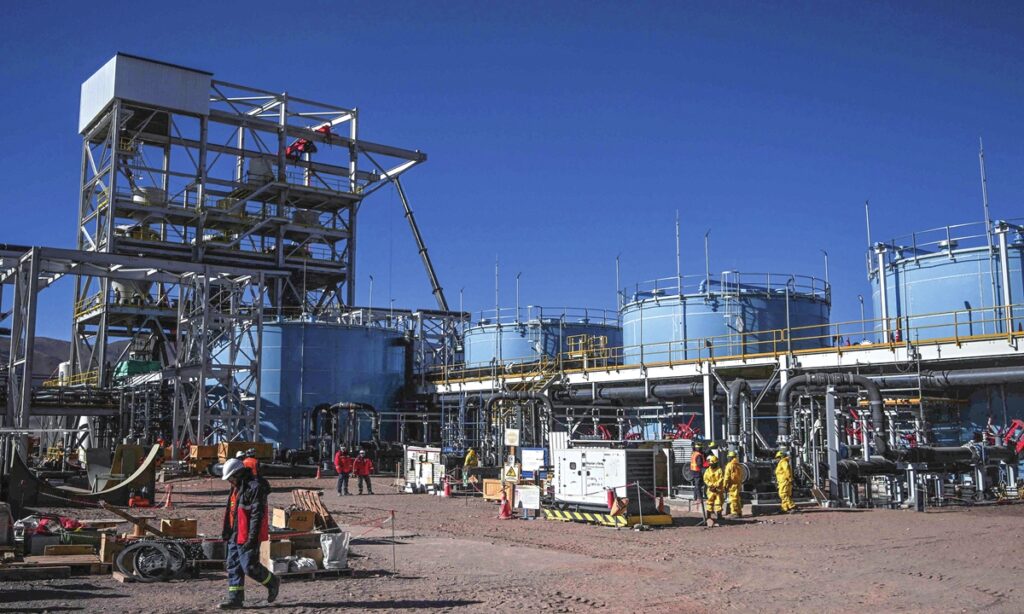
    Compression splice enhances Argentina’s lithium industry.

    Lithium increasing demand for electric vehicles

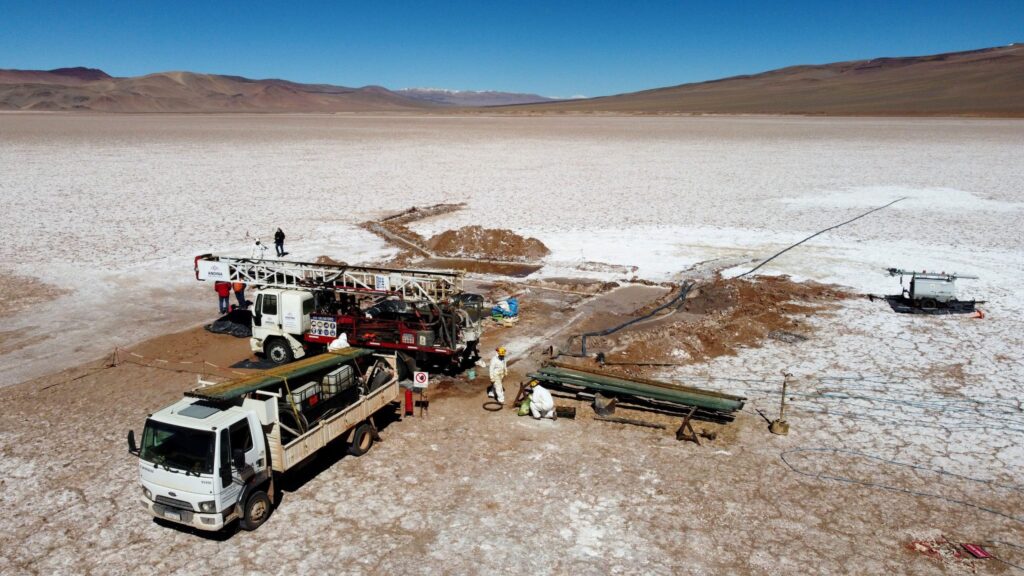
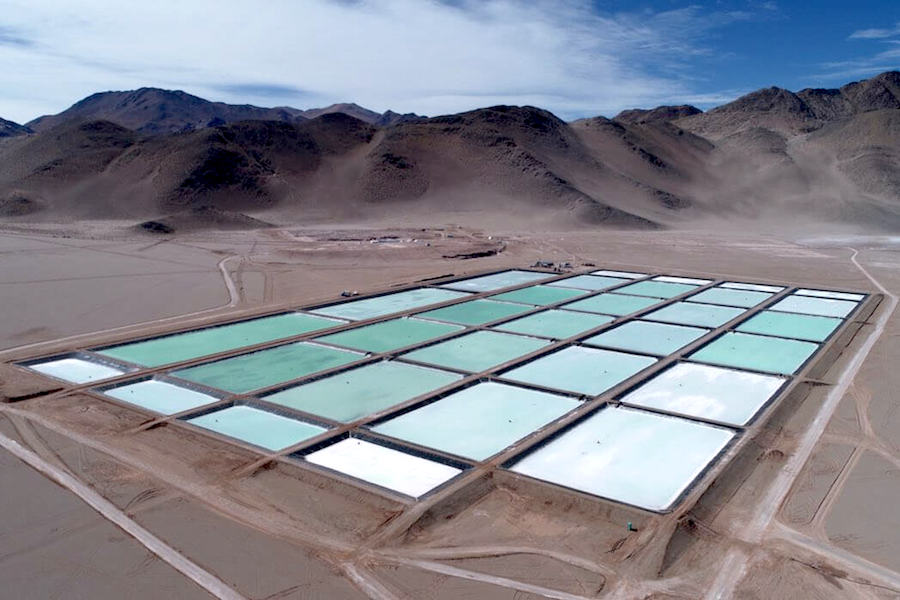
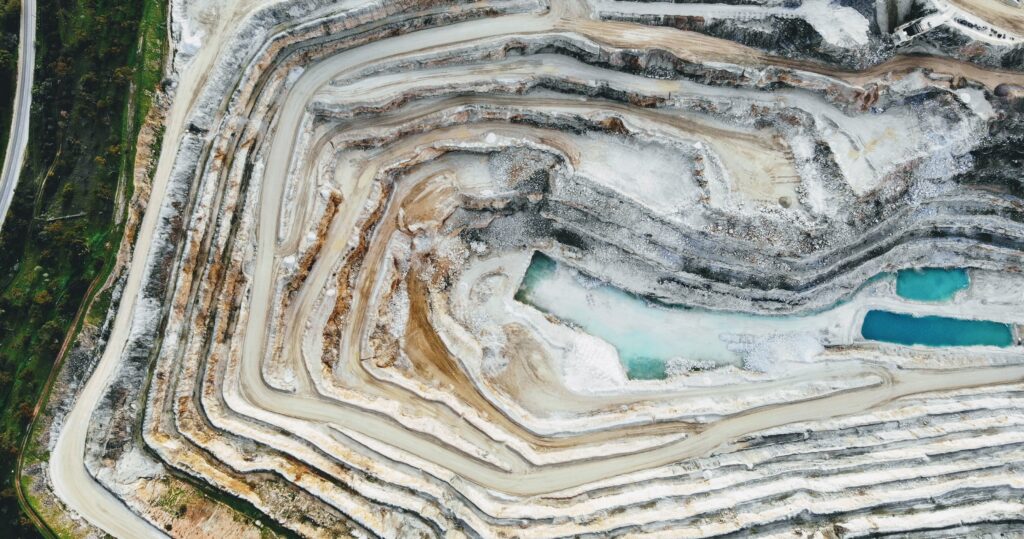
    Argentina has some of the world’s largest lithium reserves located in salt flats such as Salar del Hombre Muerto, Salar de Olaroz-Cauchari, and Salar de Atacama.

    The increasing demand for electric vehicles, energy storage systems, and renewable technologies increases the need for Argentina’s lithium.

    Companies like Vale S.A. are exploring joint ventures in Argentina to boost the EV supply chain. This leverages their financial and technological capabilities.

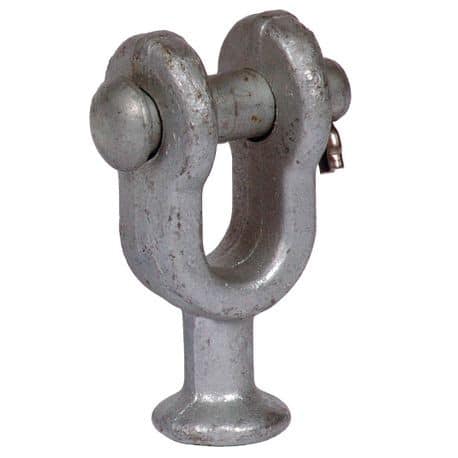
    Compression splices ensure consistent electrical connections in high-voltage environments. They are crucial for operating pumps and processing equipment in lithium extraction.

    The splices are designed to withstand extreme UV exposure, temperature fluctuations, and corrosive environments.

    Compression splices enhance the mechanical integrity of electrical systems, reduce the risk of failures, and optimize automated processes in lithium production.

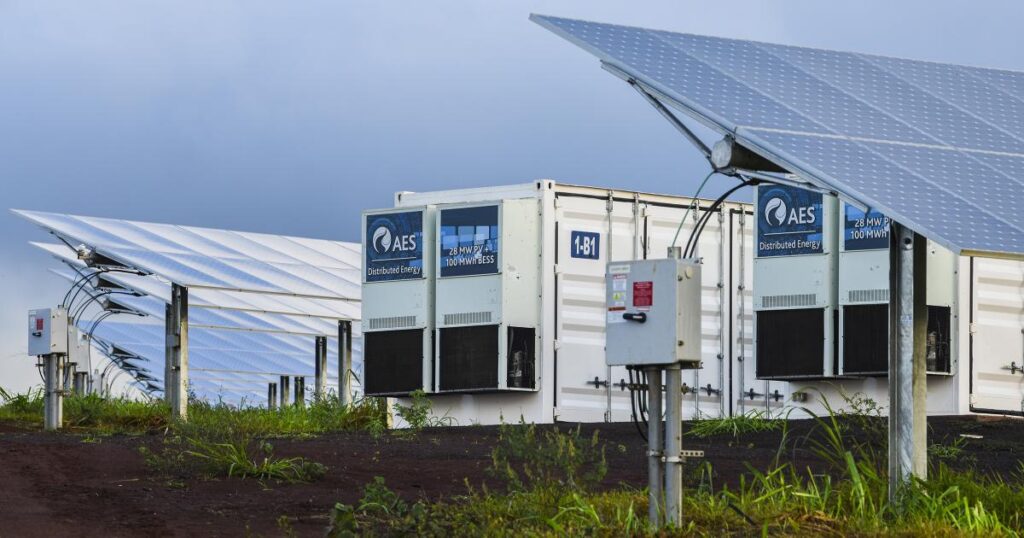
    Efficient lithium extraction supports the production of lithium-ion batteries essential for energy storage solutions in renewable energy systems.

    Read More

    #Argentina #LithiumIndustry #CompressionSplice #RenewableEnergy #EnergyStorage #ElectricVehicles #MiningTechnology

    Guy wires strengthening Argentina’s renewable energy grid

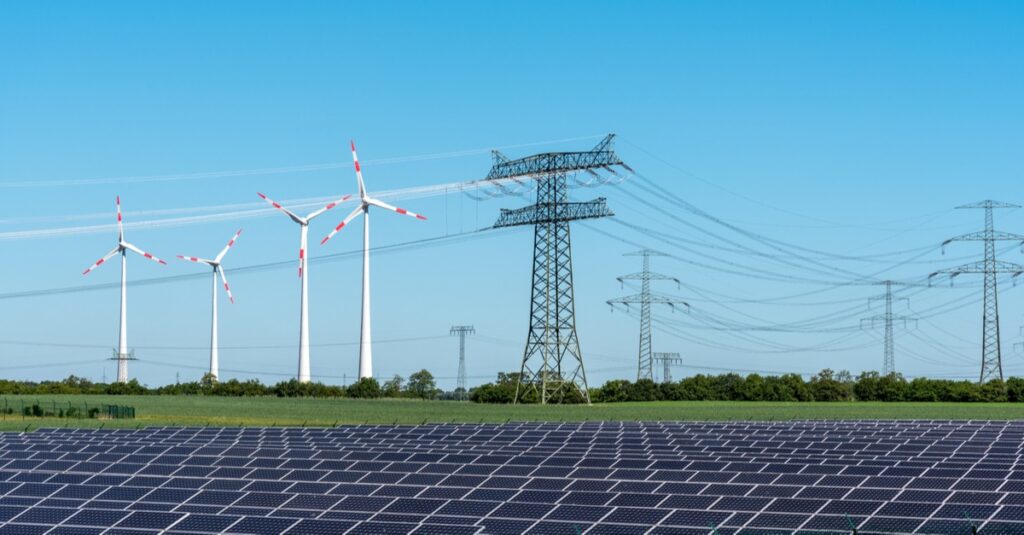
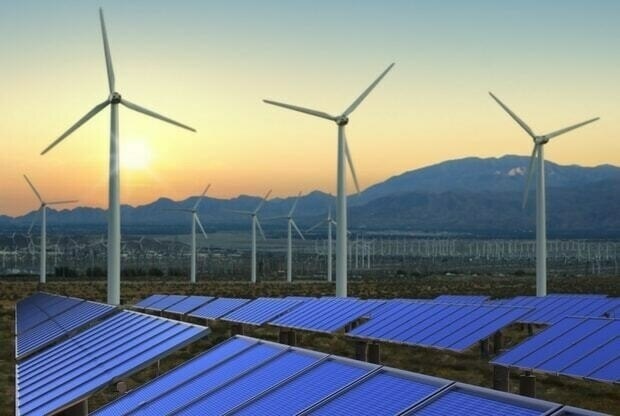
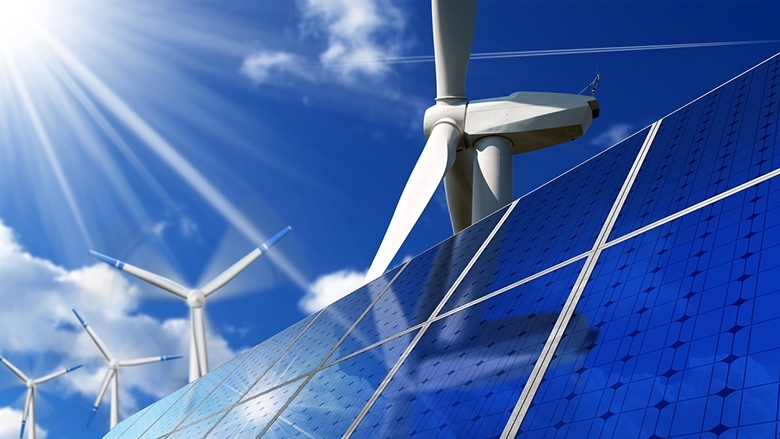
    solar panels and wind turbines for renewable energy growth

    Argentina’s renewable energy accounts for 15% of Argentina’s electricity generation, despite having wind and solar resources. The RenovAr program aims to increase this to 20% by 2025.

    The intermittent nature of wind and solar energy constitutes 65% of the energy mix alongside fossil fuels. This presents challenges to renewable energy adoption in Argentina.

    Guy wires are tensioned cables that provide structural support to tall structures such as wind turbines and transmission towers.

    Guy wires are crucial for stabilizing wind turbines, supporting transmission towers, reducing material costs, and enabling taller structures. This ensures structural integrity, ease of expansion of high-voltage lines, allows for the construction of lighter structures, and permits the erection of taller wind turbines.

    Incorporation of renewable energy into Argentina’s main grid is crucial for enhancing energy security, reducing reliance on fossil fuels, and promoting economic growth. Upgrading infrastructure and implementing smart technologies are crucial strategies in the process.

    Read more

    #RenewableEnergy #GuyWires #ArgentinaEnergy #WindEnergy #SolarEnergy #EnergyInfrastructure #GridStability

    Shackle insulators powering Argentina’s lithium boom

    lithium production promotes renewable energy technologies

    Argentina holds substantial lithium reserves in salt flats, which is crucial for electric vehicles and renewable technologies.

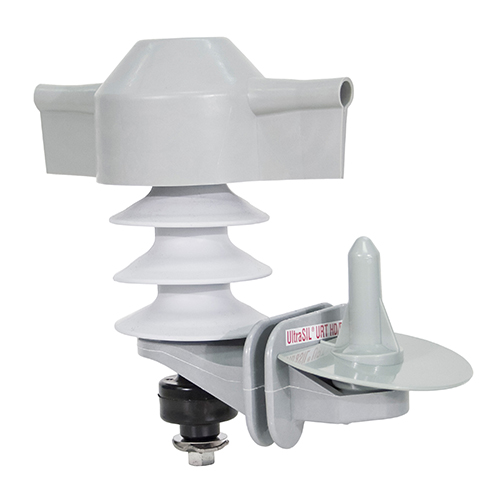
    Shackle insulators support and insulate overhead power lines and ensure a stable electricity supply to remote lithium extraction sites.

    The insulators are made from corrosion-resistant materials that make them able to withstand the challenging conditions of salt-rich areas. This is crucial for maintaining infrastructure integrity in Argentina’s lithium extraction.

    They ease the connection of renewable energy sources, like solar and wind, to lithium processing facilities to promote sustainable operations.

    Shackle insulators prevent electrical leakage and help endure environmental stress. This contributes to the safety and reliability of Argentina’s lithium production infrastructure.

    Read More

    #Argentina #LithiumExtraction #ShackleInsulators #RenewableEnergy #EnerguInfrastructure

  • Shackle Insulators: Powering Argentina’s Lithium Boom

    lithium supports the advancements of electric vehicles and energy storage

    Argentina plays a crucial role in the lithium market, possessing some of the largest lithium reserves globally. There is growing demand stemming from electric vehicles, energy storage, and renewable technologies. Lithium in Argentina is primarily sourced from salt flats found in Salar del Hombre Muerto, Salar de Olaroz-Cauchari, and Salar de Atacama. Vale S.A. has been investigating lithium prospects to aid the EV supply chain. It could use its financial resources and technical knowledge to penetrate Argentina’s lithium market via joint ventures. However, Lithium Argentina is concentrating on lithium extraction and production from brine sources. The nation has been promoting overseas investments to enhance lithium production. The firm provides lithium carbonate to worldwide markets for electric vehicle producers. Employing shackle insulators enables power distribution cables to traverse the landscape.

    Shackle insulators offer both mechanical strength and electrical insulation for poles and towers. This aids in avoiding short circuits or energy loss from contact with grounded structures. Shackle insulators are constructed from porcelain or polymer materials that offer excellent corrosion resistance. These resources assist in guaranteeing a constant power supply to extraction machinery and reduced upkeep in remote locations. Premium shackle insulators offer tough, corrosion-proof insulation that endures severe environmental conditions. This guarantees a continuous energy supply for lithium projects powered by both traditional and renewable sources. Lithium initiatives are utilizing renewable energies such as solar power to cut ecological effects. Shackle insulators help maintain grid stability in hybrid energy systems.

    The roles of shackle insulators in Argentina’s lithium extraction and production

    Shackle insulators ensure the reliability and safety of electrical infrastructure in harsh environments. The use of shackle insulators helps maintain an uninterrupted power supply and efficiency in Argentina’s lithium mining and processing operations. Their durability and design make them ideal for the challenging environments of lithium-rich salt flats. Here are the functions of shackle insulators in lithium extraction and production in Argentina.

    Shackle insulator ensures safety of electrical infrastructure
    1. Supporting overhead power lines—Argentina’s lithium extraction sites are mostly located in remote regions. High-performing shackle insulators secure and insulate overhead power lines. These lines supply electricity to mining facilities, processing plants, and pumping systems.
    2. Electrical insulation in high-voltage applications—shackle insulators prevent electrical leakage and short circuits. This is done by providing insulation between conductors and support structures. This makes them ideal for lithium production, which involves electrically powered machinery, pumps for brine extraction, and electrolysis processes.
    3. Corrosion resistance—porcelain shackle insulators are resistant to salt corrosion to ensure durability. This is vital as Argentina’s lithium operations use brine methods that expose infrastructure to highly corrosive salt environments.
    4. Renewable energy integration—shackle insulators serve in transmission lines connecting renewable energy plants to lithium processing facilities. The increased adoption of solar and wind power helps reduce carbon emission footprints.
    5. Safety and reliability—high-quality shackle insulators withstand dust, storms, UV radiation, and thermal stress. They help reduce power disruptions that could halt lithium production.

    Extraction and production of lithium in Argentina’s energy industry

    Argentina is essential to the global clean energy transition via lithium production and extraction. Lithium plays an essential role in battery storage technology, affecting the energy industry, the economy, and renewable energy goals. Argentina needs to build local refining skills, guarantee environmental sustainability, and draw in strategic alliances in battery and energy storage. The extraction of lithium encounters difficulties like issues of sustainability and regulation as well as political instability. Utilizing shackle insulators guarantees effectiveness in lithium mining and processing activities. The roles of lithium extraction and production in Argentina’s energy sector are as follows.

    • Assisting renewable energy storage—lithium-ion batteries keep energy produced by solar and wind energy. Domestic lithium production may assist Argentina in creating grid-scale battery storage systems to incorporate renewable energy.
    • Bolstering Argentina’s electric vehicle sector—lithium extraction enables Argentina to enhance EV manufacturing and usage. The lithium sector has the potential to reduce battery prices, thereby making electric vehicles more accessible for the local market.
    • Export earnings and economic expansion—lithium extraction has emerged as a key export industry promoting foreign direct investment. This may additionally aid in increasing production and drawing in international battery producers.
    • Industrial advancement—lithium extraction and processing—creates employment opportunities across different provinces. This promotes technological advancements resulting in the emergence of new sectors in battery production.
    • Strategic placement in the worldwide energy market—Argentina is establishing itself as a crucial provider of energy transition technologies. Nations that invest in clean energy are ensuring lithium supply chains.
  • Compression Splices Boost Argentina’s Energy Future

    Renewable energy supports grid stability in Argentina

     Argentina’s extensive natural resources have contributed to the expansion of its renewable energy potential as part of the worldwide clean energy transition. The country has plenty of wind, solar, hydro, and biofuel resources to suit its energy needs. Argentina’s renewable energy sector has achieved great progress thanks to the RenovAr initiative. The country has attracted investment and accelerated project development. Patagonia and the northwestern provinces have high wind and solar radiation levels. Argentina has integrated into the South American energy market, allowing it to export surplus electricity to Brazil, Chile, and Uruguay. This improves regional transmission infrastructure, allowing Argentina to supply renewable energy to energy-intensive economies. This might establish Argentina as a regional clean energy leader as well as a global source of green hydrogen and electricity. Compression splices provide efficient, dependable, and scalable grid connections for wind, solar, and transmission applications.

    Compression splices help to reduce grid bottlenecks, downtime, and expenses, hence contributing to the 20% renewable energy aim. The splices connect high-voltage conductors in long-distance transmission lines to reduce resistance and power loss. They also guarantee waterproof, corrosion-resistant couplings in aerial lines and subterranean wires. This is critical for coastal wind farms to avoid degradation. Compression splices are essential in DC collector lines and AC grid feeders. This is critical for a speedier installation and shorter project timelines. For example, they allow for the upgrade of 132 kV lines to handle RenovAr project injectors.

    The roles of compression splices in increasing renewable energy in Argentina

    With Argentina’s growing renewable energy generation, compression splices ensure dependable, efficient, and long-lasting electrical transmission lines. Compression splices connect electrical wires to transmission cables. They promote renewable energy development by increasing grid dependability, efficiency, and cost-effectiveness. The splices are used in high-voltage transmission lines, wind farms, and solar power plants to ensure strong and reliable electrical connections. Compression splices provide the following functions in expanding renewable energy capacity.

    compression splices help reduce power losses
    • Enhancing transmission infrastructure—the splices reduce power losses and improve transmission efficiency. They ensure that energy generated from renewables reaches urban centers.
    • Increasing grid reliability—compression splices create a low-resistance electrical path to reduce line losses and voltage drops. This is crucial for integrating intermittent energy sources like wind and solar.
    • Easing wind and solar farm construction—the splices allow for faster and more secure electrical connections in renewable plants. They also reduce maintenance needs due to their strong mechanical connection.
    • Supporting grid modernization and expansion—compression splices make it easier to extend and upgrade existing transmission lines. They help integrate new renewable projects without the need for complete infrastructure. They serve in substations, power lines, and distribution networks to improve energy transmission efficiency.

    Renewable energy’s impact on Argentina’s energy future

    Renewable energy expansion is changing the country’s energy future with substantial wind, solar, hydro, and bioenergy resources. Argentina has the potential to become the region’s clean energy leader. This is all while reducing reliance on fossil fuels, increasing energy security, and promoting economic growth. Argentina can become a regional leader in sustainable energy by improving its grid, investing in energy storage and hydrogen technology, and utilizing renewable resources. Here are the roles that renewable energy will play in shaping Argentina’s energy future.

    1. Reducing dependence on fossil fuels—expanding wind and solar energy reduces reliance on fossil fuels. Also, the government aims for renewables to supply 20% of electricity by 2025.
    2. Energy security and grid stability—investments in grid modernization and energy storage solutions help integrate intermittent renewables like wind and solar. Diversifying energy sources with renewables reduces Argentina’s vulnerability to fossil fuel price fluctuations.
    3. Economic growth and job creation—the renewable energy sector creates jobs in construction, manufacturing, engineering, and maintenance. The country is attracting foreign investment in renewables like wind, solar, and hydrogen production.
    4. Reducing emissions—transitioning to renewables helps meet the Paris Agreement targets and reduce greenhouse gas emissions.

    Implications of infrastructure and grid constraints for Argentina’s energy expansion

    Argentina has world-class wind and solar resources that need reliable infrastructure and grid stability. However, its grid infrastructure is antiquated and inadequate, limiting energy expansion. Transmission constraints, regulatory impediments, and technical limits impede growth development. To meet a sustainable energy future, Argentina should plan transmission expansions, put in place grid upgrading measures, and recruit private transmission investors.