Tag: #EnergySolutions

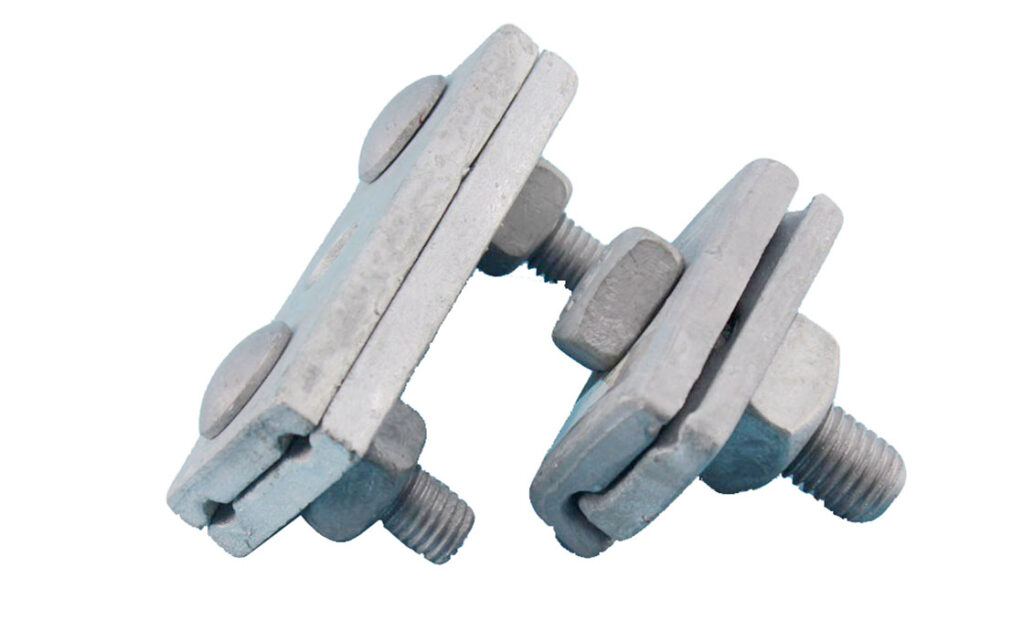
  • Suspension clamps key in Peru’s solar PV rollout

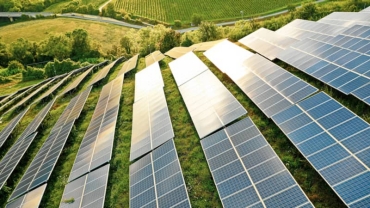
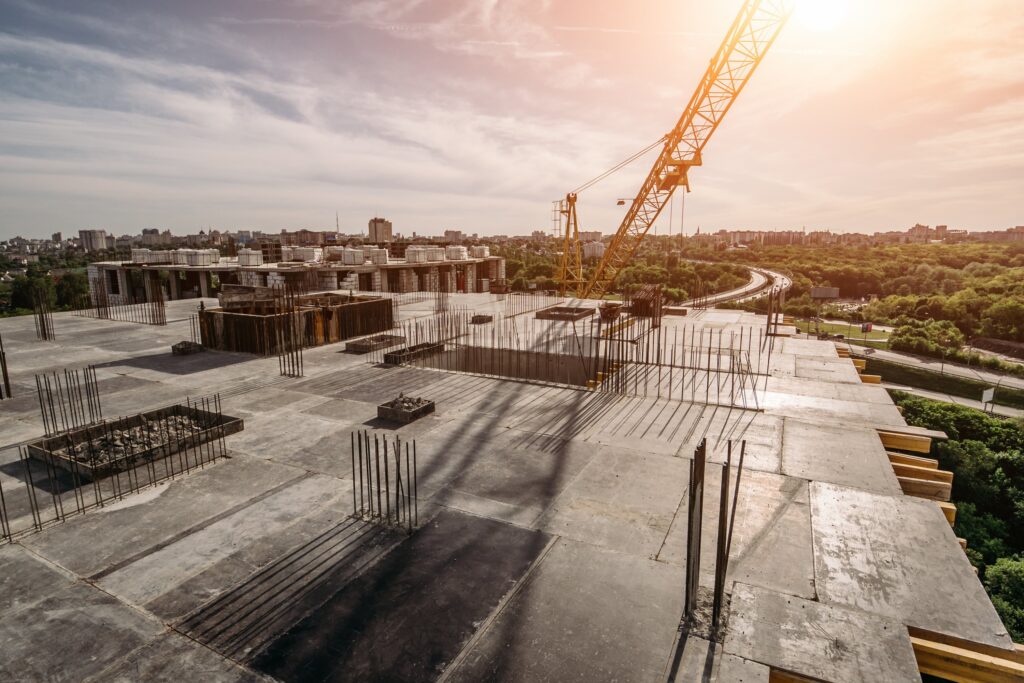
    San Martín solar PV farm development

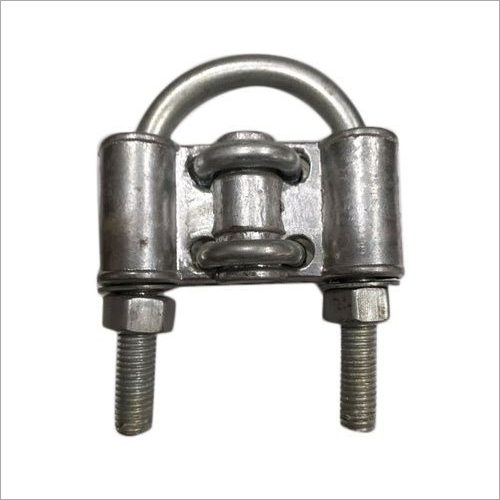
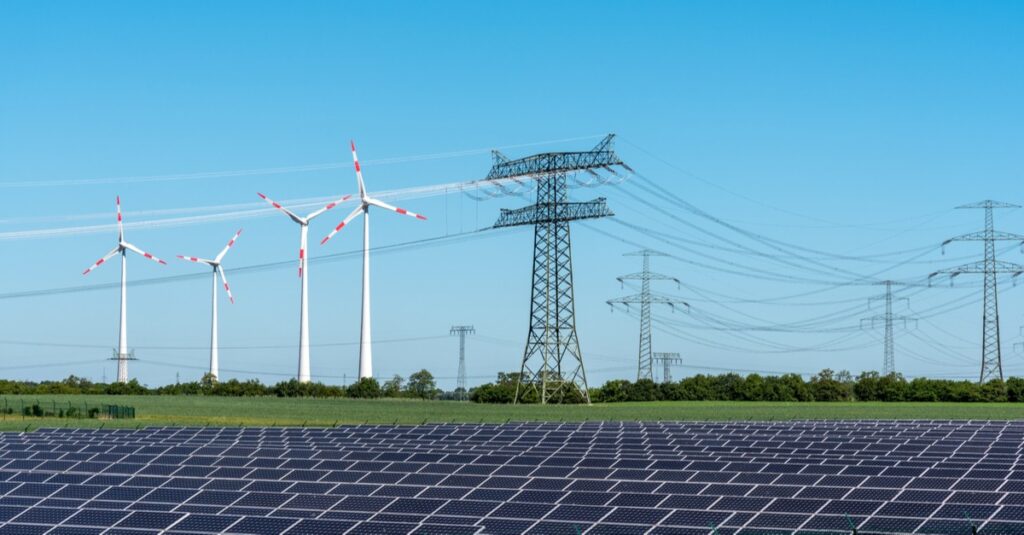
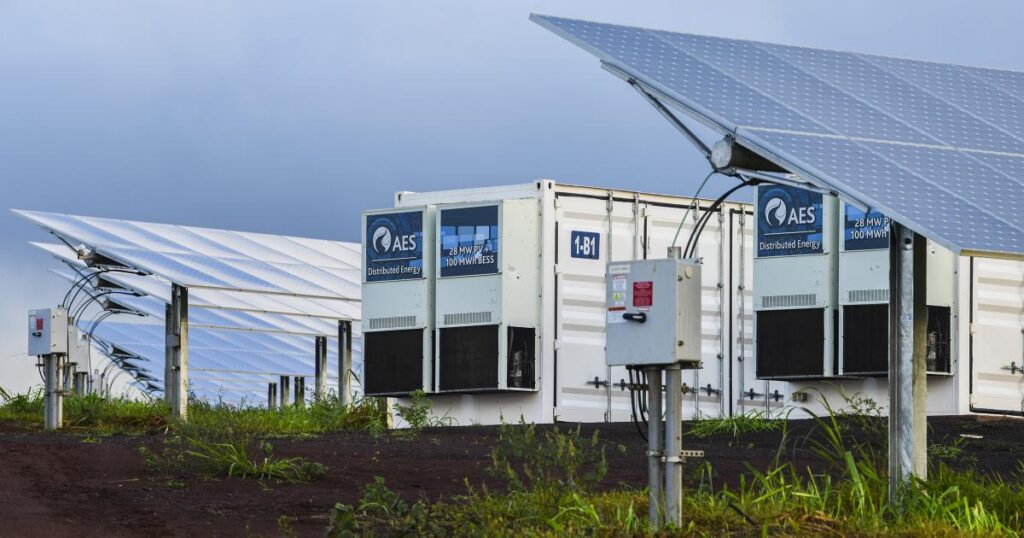
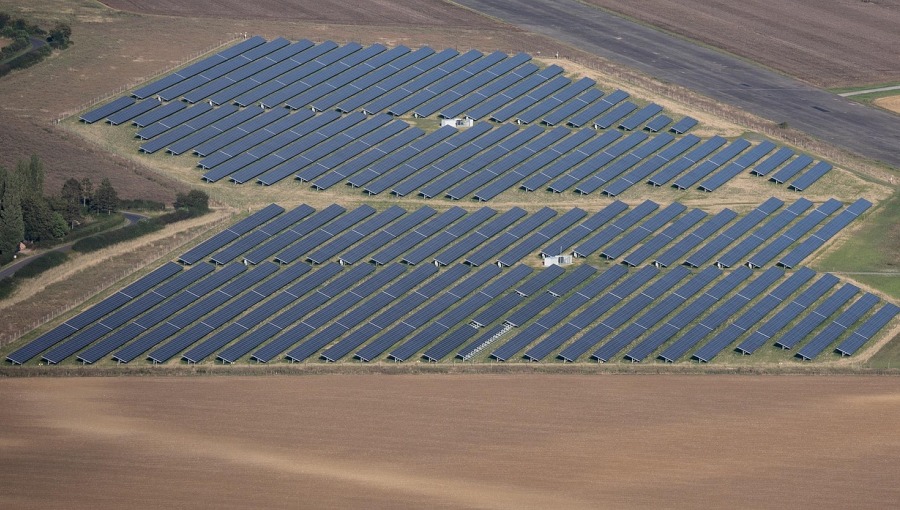
    Zelestra, a Spanish renewable energy firm, is extending its solar portfolio in South America. The San Martín solar PV farm is an important project for Peru’s renewable energy transition and industrial growth. The solar project, with a capacity ranging from 40 to 100 MW, is expected to power industries and replace fossil fuel-powered electricity. Zelestra utilized cutting-edge technology and creativity to maximize solar power generation. These include bifacial solar panels, single-axis trackers, smart inverters, and grid stabilization. It also links to the main grid, lowering carbon emissions, creating jobs, and providing energy security. Solar electricity is critical to Peru’s industrial, mining, and solar sectors. It also offers local fabrication of products such as suspension clamps sourced from Peruvian metalworks. Such companies can showcase their solar innovations at the upcoming Expo Peru Industrial trade show.

    Using high-quality clamps in solar PV installations helps to secure cables, conductors, and mounting systems. Suspension clamps help to ensure the structural integrity and efficiency of solar power plants such as Zelestra’s San Martín solar PV farm. Suspension clamps secure wiring along mounting structures, preventing sagging and damage from wind and wildlife. In Peru’s high-UV and dusty settings, proper cable suspension saves wear and tear as well as the risk of fire. Adjustable clamps can suit Peru’s mix of utility-scale ground installs and industrial rooftop solar. Galvanized steel or aluminum clamps serve in Peruvian solar farms to protect against sea salt corrosion and Andean UV degradation. Suspension clamps coordinate enormous cabling across large areas. They can also withstand dust and mechanical stress near mining operations. Using smart clamps with sensors helps track tension and wear for predictive maintenance.

    The functions of suspension clamps in solar PV plant development in Peru

    Suspension clamps are electromechanical devices that provide the safe, efficient, and dependable transmission of solar-generated electricity from PV fields to substations and the grid. Clamps are metallic fittings that secure conductors to transmission towers or poles. They do this without squeezing or harming the cables. Suspension clamps relieve stress caused by temperature expansion or contraction, as well as line vibration from long-distance transmissions. Here are the uses of suspension clamps in solar PV projects.
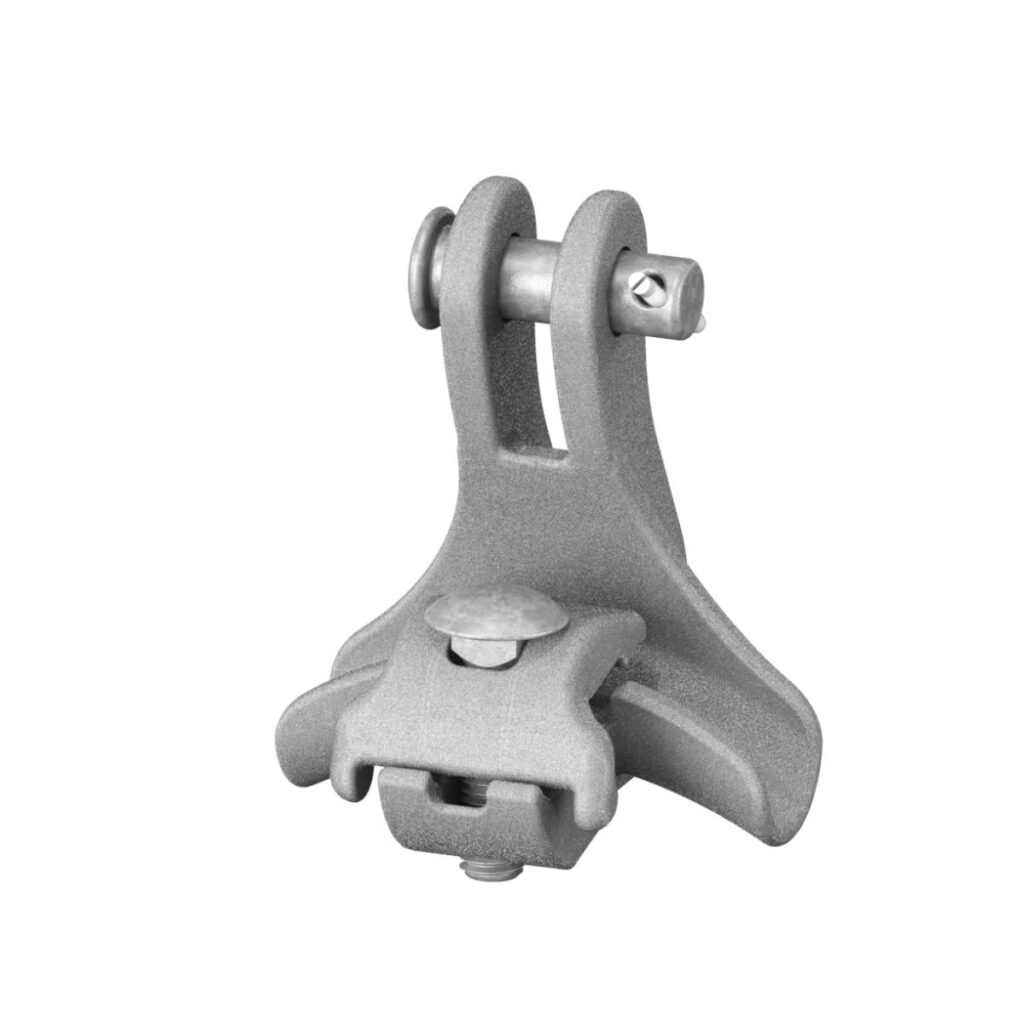
    Suspension clamps reduce wear at conductor points
    1. Secure transmission of solar energy—the solar project includes overhead transmission infrastructure connecting the 300 MW solar farm to local substations. Suspension clamps hold high-voltage conductors in place, allow for vertical suspension of conductors, and reduce wear at conductor-hardware contact points.
    2. Vibration and wind stress reduction—suspension clamps reduce aeolian vibration that could fatigue conductors. They also absorb minor shocks and mechanical oscillations.
    3. Thermal expansion flexibility—intense sunlight causes thermal expansion in aluminum and copper conductors. Suspension clamps allow limited longitudinal movement of cables due to heat and prevent sagging, excessive tension, or cable snapping.
    4. Support for future upgrades—suspension clamps provide modular, reusable support for expanding transmission lines. This ensures the project connects to larger industrial hubs for other industries like mining. They also ensure the projects meet grid reliability and safety regulations.

    Decentralization targets for a solar PV project in Peru.

    Energy decentralization is the distribution of power generation over many locations, away from centralized systems. It promotes regional energy autonomy by bringing generation closer to demand centers, reducing transmission bottlenecks, and empowering local governments. The following are the responsibilities of solar PV plants in decentralization.
    • Shifting generation—the San Martín solar project reduces reliance on centralized fossil and hydro assets. It also supplies clean electricity to regional grids and mining corridors.
    • Supporting industrial hubs—the solar project provides reliable energy for industrial consumption. It makes up the backbone infrastructure for clean mining supply chains in the country.
    • Reducing grid congestion and transmission losses—decentralized power generation close to load centers lowers transmission losses and reduces pressure on overburdened central corridors. The plant also adds battery storage and integrates with microgrids for enhanced regional grid independence.
    • Enhancing energy security—solar PV plants reduce blackouts and voltage drops in remote regions. The project improves energy access for rural communities, system resilience, and energy reliability for critical infrastructure.
    • Local renewable ecosystems—the project encourages regional investment in new solar, wind, and hydro. It also provides training for local workers in PV installation and grid management. This creates regional energy clusters, advancing the decentralization pillar of Peru’s national energy policy.
  • Guy clamps in Venezuela’s oil energy overhaul

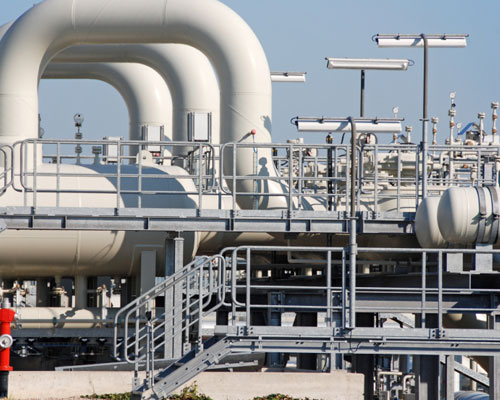
    Oil infrastructure resuming operations

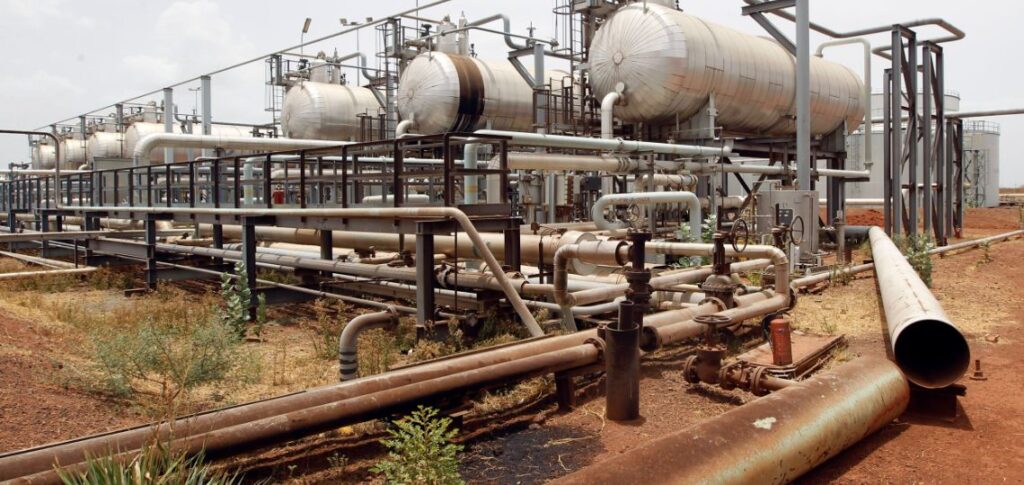
    Venezuela’s PDVSA is ready to begin operations at its joint ventures on terms similar to Biden-era permits. In recent years, the OPEC nation has maintained production at around 1 million barrels per day. Foreign partners, such as Chevron, may shortly begin production, trade using a swap system, and import critical supplies under terms similar to those granted by the Biden administration. The restoration could have an impact on Venezuela’s struggling energy sector. The return of international partners indicates the availability of maintenance equipment, solvents, and a skilled personnel. These are critical for improving pipelines, refineries, and storage facilities. Swap agreements would allow Venezuela to bring in refined fuels, reducing blackouts and fuel shortages in isolated areas. PDVSA and its associates can compensate suppliers, contractors, and finance operations to assist in stabilizing the sector economically. Guy clamps are essential for ensuring the stability and structural strength of power transmission towers.

    Tall transmission towers are critical to Venezuela’s power infrastructures and oilfield electrical systems. These towers need guy wires to prevent collapse due to wind, soil instability, or mechanical load. Guy clamps secure these support cables to anchors or the tower, ensuring their functionality. PDVSA’s energy recovery operations include strengthening transmission lines. Guy clamps prevent tower collapses, which might cut power to oil fields, refineries, and pumping facilities. Power outages can disrupt extraction and pumping operations. Quick deployment of guy clamps helps support damaged towers, allowing for faster restoration of power to oil infrastructure. Guy clamps that are properly fitted help to spread tension loads, reducing the danger of failure.

    The function of guy clamps in PDVSA’s energy operations

    Guy clamps ensure the stability, safety, and performance of energy infrastructure. PDVSA rely on massive overhead transmission, drilling rigs, and pipeline network infrastructure. These systems need secure anchoring and tensioning solutions in harsh situations. Guy clamps improve mechanical reliability in energy infrastructure, guarantee tension safety, and assure operational continuity. Their use enables PDVSA to sustain Venezuela’s power and petroleum networks despite outdated infrastructure. Guy clamps are commonly used in the resumption of oil activities in Venezuela.

    Guy clamps reduce vibrations and fatigue
    • Structural stabilization of transmission lines – high-voltage transmission lines distribute electricity from oil refineries, power stations, and pumping facilities. Guy clamps secure guy wires, maintain mechanical balance and vertical alignment of poles and towers under stress. They also reduce vibration-induced fatigue in metal structures.
    • Anchoring for drilling and pumping rigs – guy clamps secures masts and structures of drilling rigs. They help prevent collapse due to drilling-induced vibrations. Guy clamps provide lateral support for pumping units and pipeline supports in loose soils.
    • Pipeline infrastructure support – guy clamps aid in bracing pipeline markers and aerial sections of pipelines crossing rivers. They hold warning signage poles and monitoring instruments upright in areas with environmental forces.
    • Support during emergency maintenance – guy clamps enable temporary stabilization of emergency structures. They also allow quick deployment of mobile anchoring systems in remote areas.
    • Corrosion-resistant safety – guy clamps are often made from galvanized steel. This allows them to resist corrosion from salt, rain, and industrial pollutants. They extend the lifespan of structural supports and reduce maintenance costs.

    Common impacts on oil output in Venezuela’s energy sector

    The resumption of oil extraction and refining activities in Venezuela through PDVSA’s collaboration with worldwide partners. The breakthrough marks a watershed moment for a country whose energy sector has suffered years of neglect, restrictions, and poor management. The following points summarize the main implications in the country.

    1. Reviving crude oil production – Venezuela possesses the largest proven oil reserves globally but has been functioning under capacity. Rising oil production reestablishes Venezuela’s position in global supply chains and enhances its impact on OPEC+ interactions.
    2. Reactivating idle refineries leads to enhanced availability of fuel domestically. It alleviates severe shortages that hinder public transport, farming, and everyday activities. They decrease the reliance on costly fuel imports and enhance trade balances.
    3. The reopening of wells and refining facilities generates employment opportunities in oil-rich states, leading to job creation and industrial recovery. It additionally rejuvenates auxiliary sectors like transportation, maintenance, electrical supply, and equipment production.
    4. Stabilization of the energy sector – refineries and oil-powered power plants will get refined fuel products. This aids in stabilizing Venezuela’s thermoelectric production, which supports hydroelectric facilities during periods of drought
  • Energy News Weekly Digest – July 21-25, 2025

    Suspension clamps enhance grid efficiency to support renewables

    Solar energy production reduces carbon emissions

    Venezuela’s decline in oil production is mainly driven by economic, political, and environmental pressures. This decline helps reduce carbon and sulfur emissions through reduced refining, transport, and industrial activity.

    Reduce demand on thermoelectric power reduces the grid reliance on expensive oil and gas-fired plants. This helps enable cleaner energy strategies in the country.

    Suspension clamps are crucial hardware that secure overhead transmission cables, maintain proper alignment and tension to reduce electricity wastage.

    The clamps reduce reliance on backup fossil-fueled generators and streamlines integration of solar, wind, and battery energy storage systems.

    Corrosion-resistant and sensor-enabled suspension clamp systems extend asset lifespan and allow real-time monitoring to make the grid smarter and efficient.

    The clamps also speed up maintenance and emergency repairs to reduce blackout risks in Venezuela’s aging infrastructure.

    #lowerCarbonGrid #GridEfficiency #SuspensionClamps #VenezuelaEnergy #SmartGrid #BESS

    Read More

    Parallel groove clamps enhance safety in Venezuela’s gas infrastructure

    Natural gas infrastructure support for delivery

    Venezuela holds the largest proven natural gas reserves that struggle with underutilized development. Natural gas is produced with oil and infrastructure gaps limit its use beyond oilfield recovery.

    Using a parallel groove clamp secures grounding wires to pipelines, compressor stations, storage tanks, and instrumentation to prevent static hazards.

    The clamps provide reliable electrical connections for cathodic protection systems and link sacrificial anodes to pipelines.

    Their mechanical reliability ensure stability under vibration and pressure variations in compressor and processing facilities.

    Proper clamps use reduced risks of sparking, electrical failure, and gas systems leaks. High-impact hardware increase system dependability across critical energy infrastructure.

    Gas offers a cleaner alternative to diesel and heavy fuel oil to improve reliability and reduce carbon intensity.

    #VenezuelaGas #ParallelGrooveclamps #EnergyInfrastructure #GasSafety #CathodicProtection

    Read More

    Plate rod anchors strengthen power infrastructure during floods in Venezuela

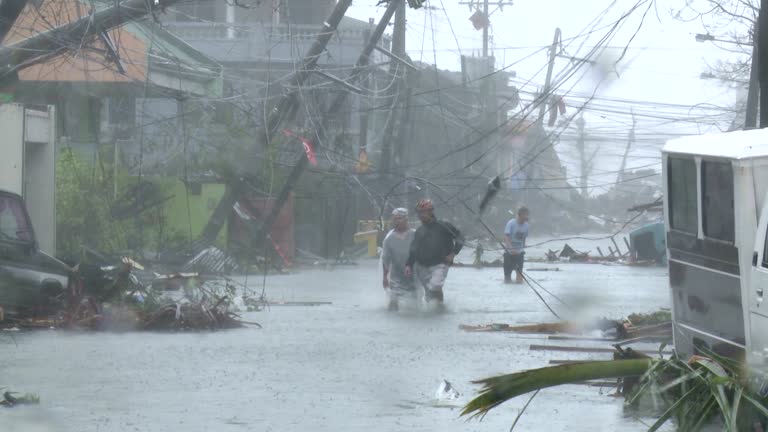
    Flood storm disrupting power infrastructure

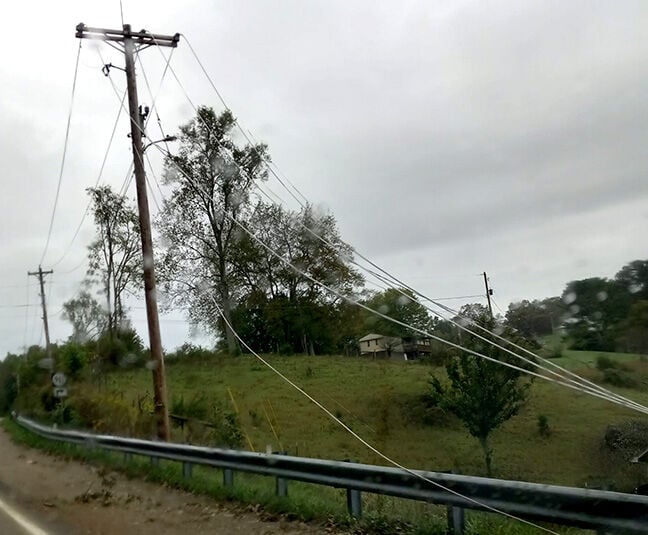
    Severe flooding and landslides in Venezuela’s Andes disrupt power systems, isolate regions, and damage grid infrastructure.

    Flood waters erode soil, destabilize foundations of poles and towers and increase blackout risks. High winds and storms worsen structural stability.

    Plate rod anchors are steel rods with plates that anchor deep into subsoil, resist uplift and lateral forces from wind, flood, and erosion.

    The anchors help anchoring transmission towers and utility poles, securing flood defense barriers, enabling stabilization during emergency recovery efforts.

    They prevent collapse of infrastructure, maintain system stability, reduce downtime by speeding up emergency grid restoration, and enhanced flood resilience of electricity transmission networks.

    #FloodResilience #PowerLineAnchors #GridStaility #EnergyInfrastructure #VenezuelaPowerCrisis

    Read More

    How shackle insulators add resilience against harsh weather

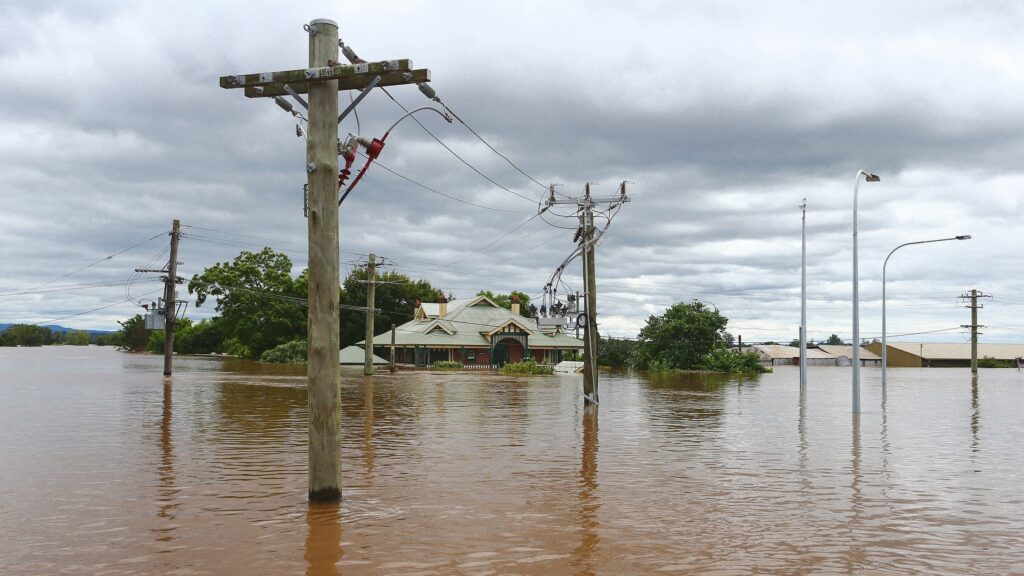
    Floodwaters damaging power line infrastructure

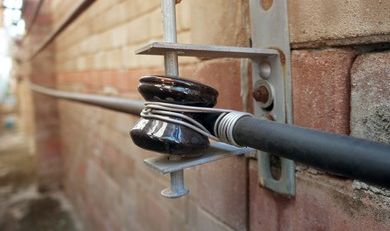
    Shackle insulators support and electrically isolate overhead conductors from poles and structures in low-voltage distribution networks. Using the insulators helps secure lines against storms and extreme weather impacts.

    They are designed to withstand wind, vibration, moisture, pollution and UV exposure in tropical storm systems. The insulators are from porcelain, glass or polymer composite materials that provide hydrophobic, corrosion-resistant, and lightweight structural advantages.

    They have high mechanical strength, proven long-term reliability, lightweight, easy to install, and excellent contamination resistance.

    Shackle insulators work with bolts, nuts, washers, crossarms, clamps, vibration dampers, spacer dampers, insulator covers, and corona rings to improve performance and lifespan.

    Routing visual inspections, mechanical checks, electrical insulation testing, corona, vibration testing help uphold operational safety and reduce failure risks.

    #VenezuelaPower #ShackleInsulators #StormResilience #PowerGridSecurity #DistributionNetwotkReliability

    Read More

  • Line guards power Venezuela’s carbon cut mission

    Carbon-reduction infrastructure

    Venezuela’s oil output has declined in recent years, contributing to lower carbon emissions in the nation. The decrease in carbon emissions results from economic, political, and environmental influences. Venezuela possesses some of the largest oil reserves globally, and the processes of extraction, refining, and flaring emit carbon and methane gases. Moreover, the ongoing utilization of gasoline and diesel vehicles driven by low fuel subsidies and deforestation heightens greenhouse gas emissions. The drop in oil output has greatly lowered carbon emission production. Decreased refining operations lower carbon and sulfur dioxide emissions. A decrease in oil tankers and trucks carrying crude also lowers emissions. The decline in the economic crisis has also reduced industrial operations that lower electricity consumption. This results in a decreased demand for oil-fueled thermoelectric plants. Employing line guards in power line systems offers upkeep and safeguards against harm.

    High-quality guards help reduce energy losses during electricity distribution. Less energy waste means power plants done need to generate excess electricity, which reduces carbon emissions. A well-maintained grid prevents blackouts and inefficient backup power use. Venezuela faces frequent power outages that increase use of polluting generators. Line guards ensure efficient transmission of clean energy. It ensures the grid reliability to enable renewable energy integration. Line guards inspect and repair lines to prevent faulty power lines that spark wildfires. They ensure a stable electricity grid that can reduce gas flaring by cutting methane emissions. The use of a line guard helps lower its carbon footprint by reducing energy waste, preventing blackouts, and supporting cleaner energy use.

    Line guards reducing carbon emissions in Venezuela

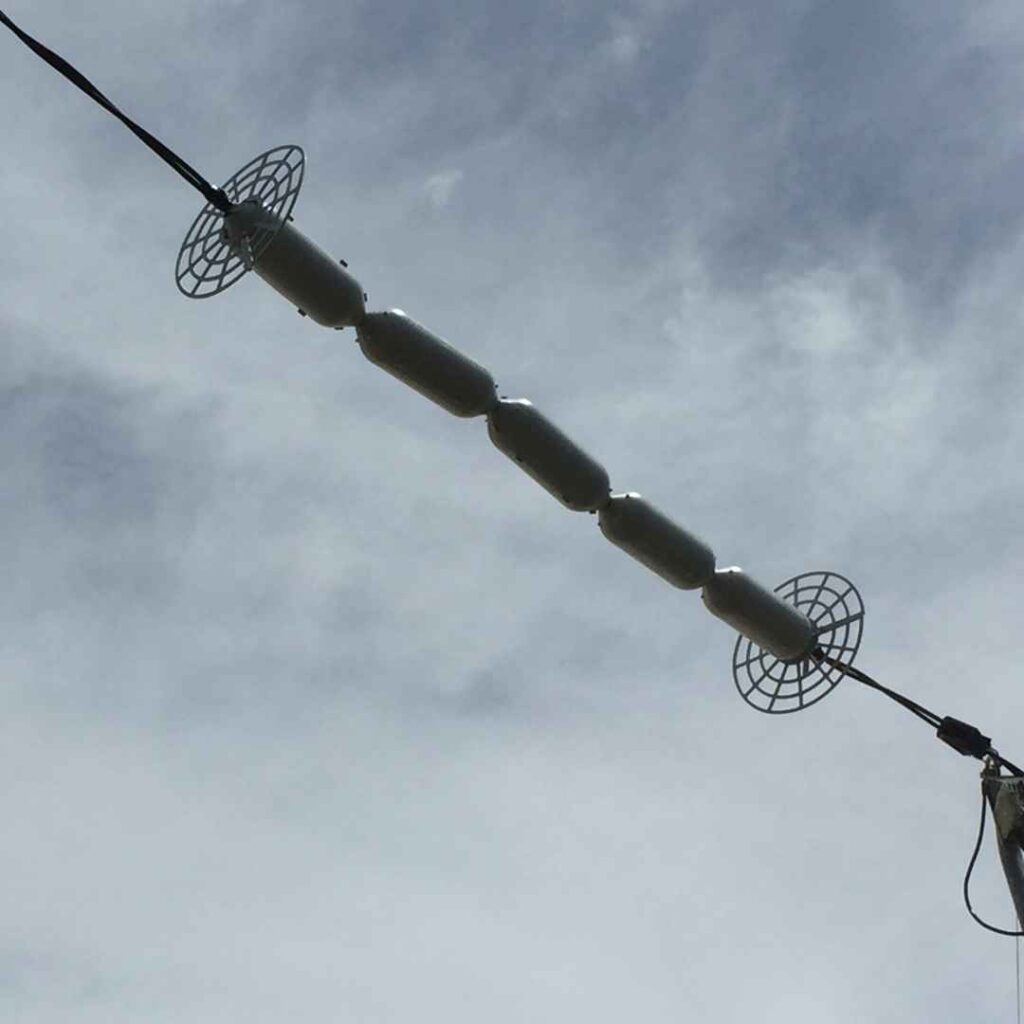
    Hardware components like line guards help build efficient, low-emission infrastructure in Venezuela. Line guards protect the reliability and sustainability of transmission infrastructure supporting renewable energy. A line guard is a type of protective hardware used on overhead power lines. It consists of materials like aluminum and galvanized steel. Line guards prevent abrasion damage from conductors, protect conductors from wear and vibration. They reduce the likelihood of line faults due to bird activity. Line guards reduce dependence on carbon-intensive emergency power. Its functions include:

    Line guards protect overhead conductors
    1. Protecting renewable energy transmission – Venezuela is integrating solar, wind, and hydroelectric power into the grid. Line guards protect overhead conductors carrying clean energy from the sites to urban centers. They also reduce maintenance needs and ensure uninterrupted clean power delivery.
    2. Reducing outages and emissions – power outages lead to the use of backup diesel generators. Line guards prevent line faults caused by conductor damage and maintain continuous energy flow.
    3. Supporting smart grid infrastructure – modern grids aim for low-emission operations using fiber optic cables for real-time monitoring. Line guards shield the cables from mechanical damage. They ensure reliable communication essential for load balancing and energy efficiency.
    4. Extending infrastructure lifespan – durable infrastructure reduces the need for repairs and replacements. Line guards reduce friction and mechanical stress. By doing so, they extend the life of existing transmission lines and lower the carbon footprint of grid maintenance.

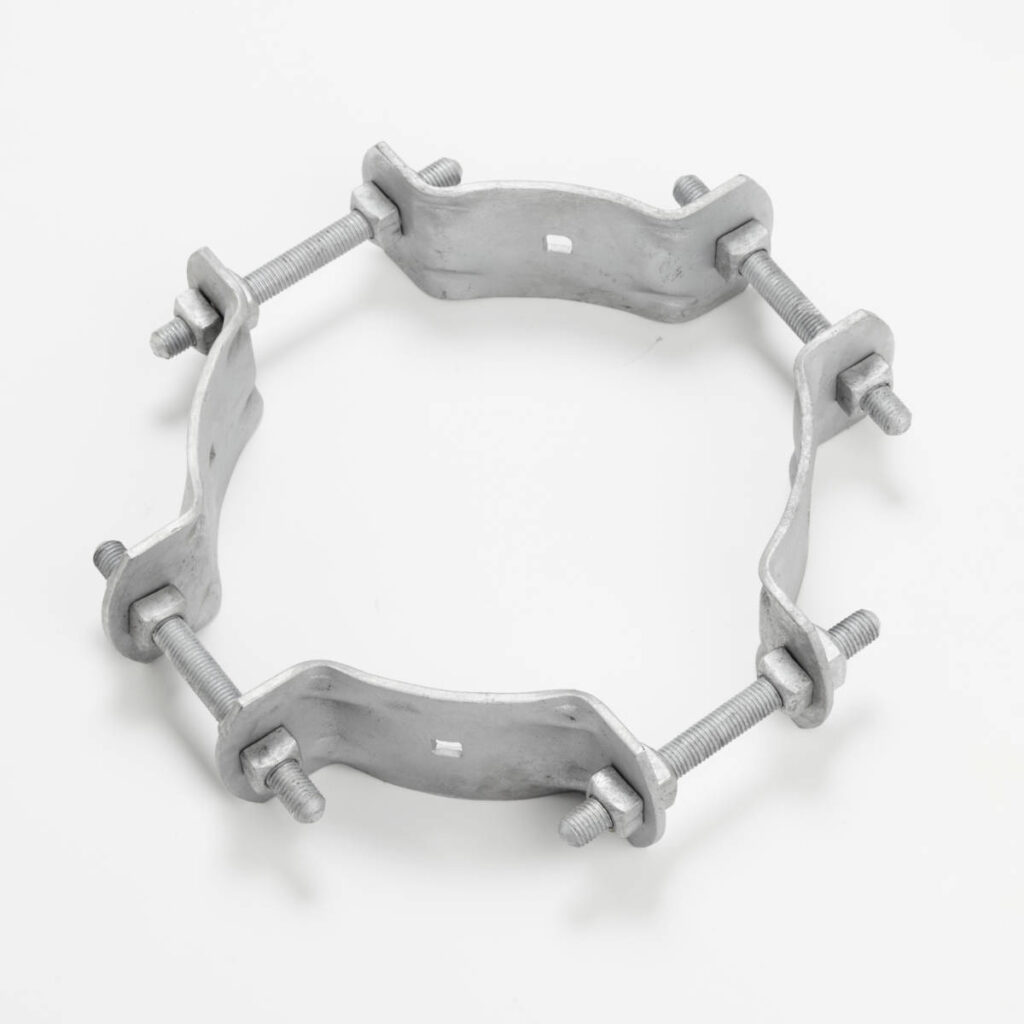
    Infrastructure employed to lower carbon emissions in Venezuela

    Venezuela must improve its energy infrastructure and reduce carbon emissions. The shift has encountered influences from economic, political, and technological obstacles. Infrastructure advancements aid in decreasing dependence on fossil fuels and enhancing energy efficiency. This is the infrastructure that might lower carbon emissions in Venezuela.

    • Hydropower plants and improvements to current facilities – enhancements and upkeep of existing hydroelectric stations focus on boosting generation efficiency while minimizing fossil fuel reliance.
    • Solar and wind energy initiatives – the infrastructure utilized comprises photovoltaic panels, wind turbines, and off-grid microgrids in countryside locations. Renewable energy options aid in decreasing reliance on diesel generators.
    • Battery energy storage systems – BESS units combine with renewable energy sources to accumulate surplus energy and distribute it during high demand periods. It enables improved load distribution, decreases the need for backup power plants, and prevents outages.
    • Modernization of smart grid and transmission lines involves installing automatic voltage regulators, deploying remote monitoring tools, and utilizing line guards, suspension clamps, and insulators to cut energy losses. These improvements enable more effective power distribution while reducing energy waste and emissions.
    • Transnational energy infrastructure – enhancing transmission systems guarantees that cleaner energy is transmitted efficiently across borders. This improves regional energy safety and lessens the demand for domestic fossil-fuel production.
  • Plate rod anchors protect power lines from floods

    Power line infrastructure affected by floods and storms

    Heavy rainfall from tropical waves 8 and 9 has caused serious flooding and landslides throughout Venezuela. The Andean states of Mérida, Trujillo, and Táchira were among the hardest hit. Storms and floods have an impact on the country’s power transmission and distribution systems. This exacerbates a power crisis in a country that already has structural vulnerabilities in its energy infrastructure. Strong winds and lightning during storms can snap conductors, topple towers, and destroy insulators. Floodwaters can erode the foundations of pylons and poles, causing structural instability and collapse. For example, landslides in the Andes and central-western regions isolate transmission routes, cutting off significant areas from the national grid. Floods also pose severe risks to the electrical substations and distribution networks that deliver electricity to homes and businesses. Using plate rod anchors helps stabilize structures, including power grids, transmission towers, and flood barriers, during storms and floods.

    Earth anchors are embedded deep in the ground and connected to structures by cables and rods. The anchors can withstand uplift forces caused by strong winds as well as lateral forces caused by floodwaters or erosion. Strong winds can destabilize power transmission towers or poles. The plate rod anchor acts as a counterweight, preventing them from being uprooted. The anchor holds the structure together by transferring loads to deeper soil layers. Floods can sweep away loose soil, weakening the basis of grid infrastructure. Plate rod anchors extend deep enough to keep the grid in place even when the surface soil erodes. Plate anchors can be used in some flood defense systems to secure sandbags, barriers, or geotextile tubes and prevent them from shifting under underwater pressure.

    High-quality plate rod anchors for electricity infrastructure stability

    These anchors help to stabilize Venezuela’s electrical grid during storms and floods. An anchor is consists of a steel rod with a connected plate or helix that is buried below. When stress is applied, the plate prevents movement by pressing on the surrounding dirt. Plate rod anchors have applications in power transmission towers, utility poles, flood walls, and retaining walls. Rod anchors improve essential infrastructure resilience by resisting uplift and sliding. This is critical for ensuring stability during storms and floods. Here are the roles of plate rod anchors in power infrastructure stability.

    Plate rod anchor stabilizing towers and poles
    • Structural stability—plate rod anchors embed deep into the ground and connect to utility poles, flood walls, or retaining systems through cables or rods. They are able to resist uplift forces from high winds and lateral forces from floodwaters or soil erosion. Plate rod anchors distribute the load, provide deep anchorage in unstable soils, and prevent foundation failure.
    • Preventing tilting—strong winds can destabilize power transmission towers or poles. The anchors hold the structure in place by transferring loads to deeper and stable soil layers.
    • Reducing soil erosion impacts—floods can wash away loose soils, weakening the foundation of grid infrastructure. The anchors extend deep enough to maintain grip even if the surface is eroded. The anchors remain anchored into subsoil layers and provide long-term anchorage in areas prone to flooding.
    • Support during emergency grid recovery—rapid restoration of power lines is crucial after floods. Using plate rod anchors allows for quick installation using minimal machinery, enables temporary or permanent stabilization of emergency poles, and reduces downtime by securing rebuilt lines.
    • Lower maintenance—plate rod anchors are from galvanized steel to resist corrosion and ensure a long service life.

    The impact of floods and storms on Venezuela’s power infrastructure

    Storms and floods pose serious hazards to Venezuela’s power transmission and distribution systems. These occurrences can cause widespread blackouts, physical damage, and lengthy recovery times in areas with antiquated or poorly maintained grid components. To reduce these effects, Venezuela requires flood-resistant substation architecture, improved anchorage systems, decentralized energy networks, and early warning systems. These impacts include:

    1. Power outages—floods and storms result in transmission lines collapsing, flooded substations, and short-circuited transformers, causing cascading failures.
    2. Structural damage to grid infrastructure—these weather events compromise components of the poles such as power poles, guy wires, and substations.
    3. Increased grid instability—frequent exposure to weather extremes weakens the reliability of the power grid.
    4. Delayed maintenance and emergency response—floods worsen existing logical and operational weaknesses. This results in blocked roads, limited spare parts and fuel shortages, and understaffed repair crews.
    5. Socioeconomic impacts—power disruptions from storms and floods ripple into daily life and economic activity. This impacts hospitals and clinics, businesses, and households.
  • Parallel groove clamps boost gas energy impact

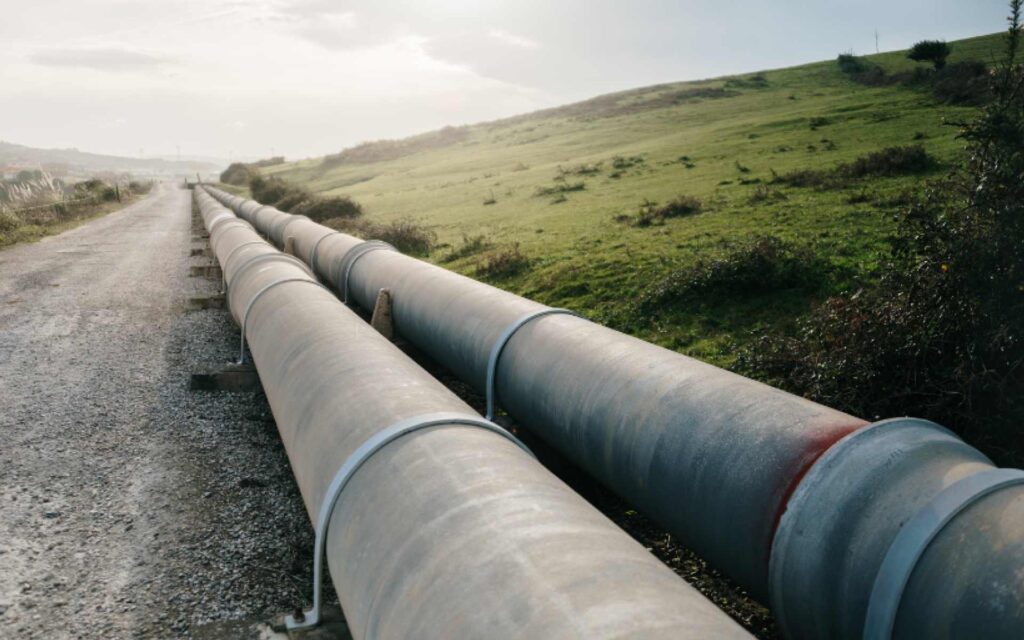
    Natural gas distribution through pipelines

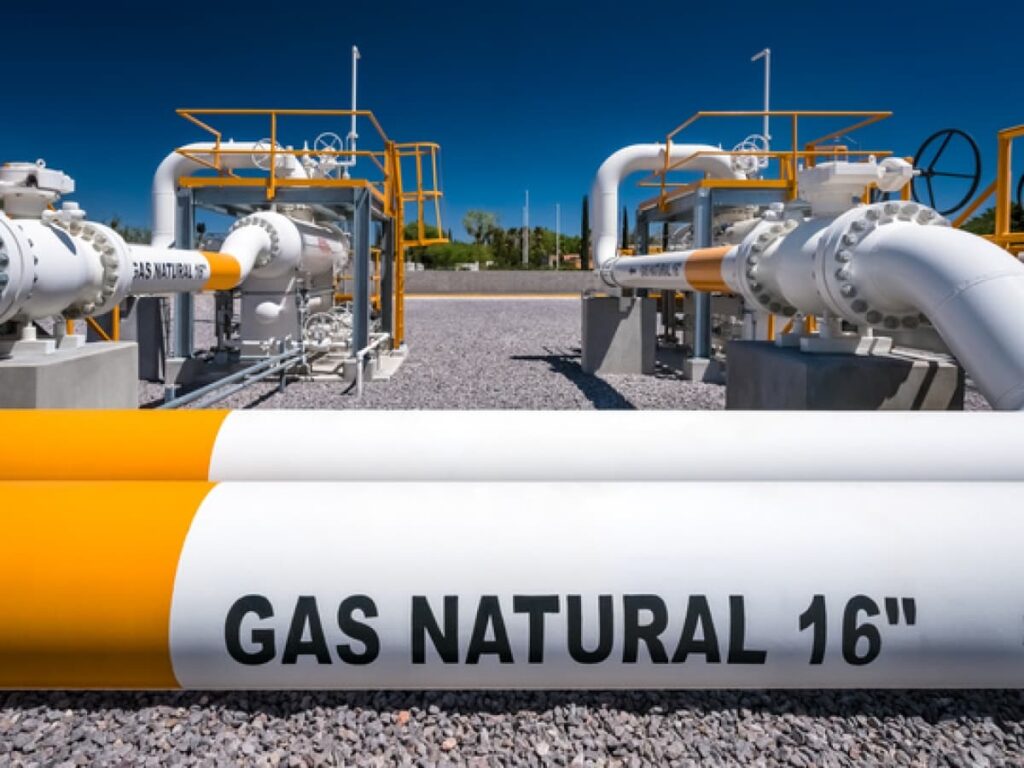
    Venezuela has significant and unexplored natural gas resources, and it has taken preliminary moves toward exploiting and exporting natural gas. The use of natural gas contributes to energy mix diversification and strengthens global markets, hence improving supply security. However, natural gas remains underdeveloped and inefficient due to infrastructure issues and underinvestment. Furthermore, approximately 90% of Venezuela’s natural gas is produced alongside crude oil, making it reliant on oilfield activity. The country’s main gas basins are the Anaco Basin, Mariscal Sucre, and Plataforma Deltana. Natural gas helps generate electricity in thermoelectric plants, as well as in industry, oil recovery, and flaring. Infrastructure for natural gas production includes processing plants, pipeline networks, SCADA systems, and compression and storage facilities. Parallel groove clamps (PGCs) secure grounding wires to gas infrastructure.

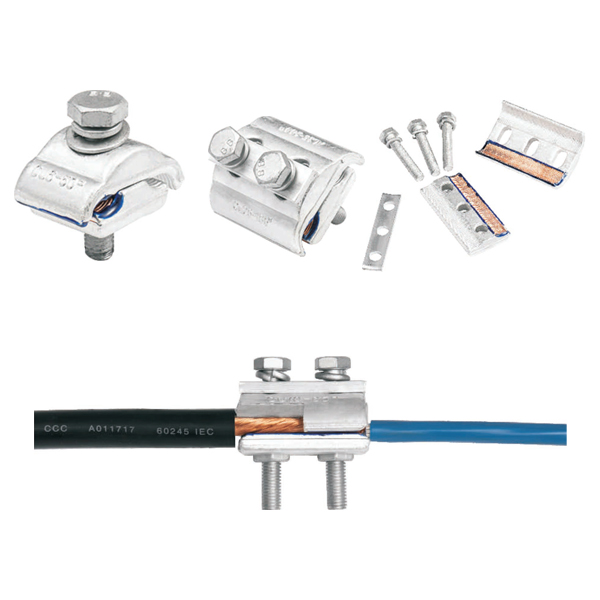
    Parallel groove clamps fasten and stabilize grounding wires to gas pipelines, storage tanks, and compressor stations, preventing static or lightning-induced sparks. They are also used in cathodic protection systems to connect sacrificial anodes to pipes, preventing corrosion. PGCs protect auxiliary lines including instrumentation, venting, and low-pressure domestic gas lines. They also secure electrical conduits or communication wires that run beside gas pipelines. Higher-pressure pipelines and vital infrastructure rely on more robust solutions. Proper clamp use could assist prevent leaks and increase safety in Venezuela’s natural gas production and distribution systems. The majority of the produced gas is consumed locally, though Trinidad and Tobago are discussing cross-border pipeline exports.

    The roles of parallel groove clamps in natural gas production and distribution

    PGCs ensure mechanical stability, electrical continuity, and system integrity throughout the production and distribution networks. The clamps provide support for instrumentation, cathodic protection systems, and compressor station controls. Parallel groove clamps are mechanical fittings that connect two parallel conductors and provide stable electrical and mechanical contact. They consist of two grooved metal bodies, a bolt for tightening, and insulation or coating. PGCs are from materials that can withstand extreme environments such onshore gas fields, coastal installations, and offshore platforms. Parallel groove clamps are a low-cost, high-impact solution for increasing dependability in electrical and control systems supporting natural gas operations. The following are the functions of PGCs in natural gas infrastructure.

    Parallel groove clamps serve in compressor and procesing plants
    • Bonding and grounding of metallic structures—natural gas pipelines, compressor stations, and processing facilities—include electrical grounding systems to prevent stray voltage. PGCs securely bond grounding conductors to pipelines, valves, and control equipment. Parallel groove clamps help protect sensitive instrumentation from electrical faults and lightning strikes.
    • Cathodic protection connections—cathodic protection helps prevent corrosion in underground and submerged pipelines. PGCs provide low-resistance connections between cathodic protection leads and pipelines. They also ensure consistent flow to the pipeline’s surface for effective corrosion control.
    • Signal transmission in control and monitoring systems—sensors, pressure gauges, leak detection systems, and SCADA systems depend on reliable signal writing. Parallel groove clamps connect control cables with minimal voltage drop. They also provide robust physical connections that can withstand vibrations from compressors.
    • Supporting electrical circuits in hybrid facilities—PGCs secure neutral conductors in motor control centers. They also support backup power routing during outages or equipment failures.

    Natural gas use and influence on Venezuela’s energy sector

    Venezuela has the greatest proven natural gas reserves, with an estimated 200 trillion cubic feet. However, natural gas is underutilized in comparison to oil’s potential and availability. Its applications include electricity generation, petrochemicals, and enhanced oil recovery. Its applications and impacts in the energy sector are as described below.

    1. Electricity generation—natural gas is the primary fuel for Venezuela’s thermoelectric power plants. Using natural gas improves reliability in areas with blackouts, reduces dependence on hydroelectric power, and is a cleaner energy than diesel.
    2. Petrochemical and industrial use—natural gas is crucial for the production of fertilizers, methanol, and urea. Its use helps sustain domestic fertilizer supply, boost industrial output, and reduce disruptions of operations.
    3. Enhanced oil recovery—the gas is re-injected into oil reservoirs to maintain reservoir pressure and boost crude oil extraction. This improves crude oil recovery rates and maximizes value from existing oil fields without drilling new wells.
    4. Transition fuel role—natural gas is a cleaner fossil fuel producing less carbon and sulfur emissions. It can support energy transition if used to replace more polluting fuels. It also has the potential to reduce carbon footprint and align with global decarbonization goals.
  • Shackle insulators power safer TEG shifts in Venezuela

    Thermoelectric generation technology

    The usage of thermoelectric generators is critical as Venezuela deals with a long-term and complex energy issue. Thermoelectric generators are commonly fuelled by fossil fuels such as diesel or gasoline. They fill the gap between frequent power failures and the increasing demand for dependable electricity in both urban and rural areas. Venezuela experiences regular power outages due to outdated infrastructure, a lack of maintenance, and an overreliance on hydropower. TEGs provide backup power to reduce safety hazards and economic costs. TEGs serve to keep operations running when the main grid fails. This is critical for income stability and avoiding product loss. These generators serve as a vital link, providing localized energy where the grid cannot reach. They open opportunities for hybridization with renewable energy sources such as solar panels and microgrids. Shackle insulators ensure safe and reliable electricity transmission in decentralized and improvised power networks.

    High-quality insulators protect against short circuits by isolating live wires from supporting structures. They are critical in high-humidity and corrosive situations, where moisture and salt can destroy exposed conductors. Shackle insulators are used in low-voltage distribution lines to anchor and align wires. They help to maintain tension and avoid drooping or violating caused by wind, heat, or load fluctuations. The insulators lessen the risk of electrical fires, which are a serious issue in Venezuela’s informal power networks. Shackle insulators prevent accidental contact with live wires. They function in overhead wires that connect TEGs to residences and businesses when the national grid fails. Shackle insulators are less expensive and easier to install, making them useful in an economy experiencing hyperinflation and supply shortages.

    Functions of shackle insulators in Venezuelan TEG use

    TEGs are increasingly used in homes, businesses, and institutions that assist the energy sector. Shackle insulators guarantee that thermoelectric generators in Venezuela’s energy sector operate safely and efficiently. Shackle insulators are electrical insulators used in low-voltage power distribution systems. They can secure and insulate power lines, support them, and endure mechanical force. Shackle insulators serve in TEG configurations to provide low-voltage distribution. Here are the functions of shackle insulators in TEG infrastructure.

    Shackle insulators prevent faulty currents
    • Electrical insulation and safety—shackle insulators prevent direct electrical contact between the power conductors and supporting structures. This reduces the risk of short circuits, protects users, and prevents ground faults.
    • Securing conductors in confined spaces—shackle insulators allow tight turns and mounting flexibility. They enable conductors to be safely routed around corners, anchored, and suspended.
    • Withstanding harsh environmental conditions—shackle insulators are from porcelain, polymer, or ceramic materials. This helps them resist high humidity and rain, dust, salt, and frequent power cycling.
    • Maintaining low-voltage distribution—shackle insulators are ideal for low-voltage power lines. This makes them ideal for connecting TEGs to homes, small generator-powered microgrids, and local lighting. They help keep power lines stable and organized in informal systems.
    • Enabling quick installation and repairs—shackle insulators are easy to install on wood, metal, and concrete. They allow reliable cable anchoring without specialized equipment and support quick restoration of power during blackouts.

    Measures and attempts to mitigate the use of TEGs in Venezuela

    Mitigating the continuous usage of thermoelectric generators in Venezuela could help to prevent serious concerns. These risks encompass economic, environmental, and health concerns. The country intends to phase them out responsibly, providing sustainable and cheap alternatives. Mitigation is necessary due to excessive fuel use, noise and air pollution, rising energy disparity, slow progress toward renewables, and strain on oil infrastructure. The main measures and initiatives for this are:

    1. Expanding solar energy access—promoting solar PV kits and community solar systems helps reduce reliance on TEGs and provides a clean power source. This can be through tax exemptions, PPAs, and training local technicians for solar maintenance.
    2. Deploying microgrids and hybrid energy systems—this includes investing in solar-diesel hybrid microgrids that can reduce TEG dependence. It helps balance reliability with sustainability and serves in small towns. The strategy includes targeting blackout-prone zones, using smart meters, and using load management systems.
    3. Subsidize BESS—introducing incentive programs for home-scale or community-scale BESS helps store solar energy. This reduces the need for constant generator runtime, improves energy reliability, and encourages off-peak load balancing.
    4. Regulate fuel use and generator sales—tightening fuel distribution controls and regulating TEG imports and sales reduces overuse and abuse. This helps reduce smuggling and encourage users to shift toward sustainable solutions.
  • Plate anchor rods in cross-border energy systems

    Gas pipelines transporting energy across countries

    Venezuela and Brazil have enormous energy resources, including oil reserves, hydroelectric, solar, wind, and biofuels. Brazil has resumed imports of electricians from Venezuela to service the northern state of Roraima, after six years. This initiative was intended to lower costs and diversify energy supply for customers. There is currently no major electricity grid link or long-term energy sharing arrangement between Venezuela and Brazil. However, the 230 kV transmission line connecting Venezuela’s Guri Dam to Brazil’s Roraima state was critical for energy sharing. Energy cooperation between countries could assist to reduce carbon emissions and stabilize their energy systems. For example, Brazil may invest in solar or wind installations in Venezuela’s Guayana region. The combination development of BESS and microgrids could help to stabilize border energy supply. Rebuilding and modernizing the Guri-Boa Vista interconnection could supply cheaper, cleaner energy to Roraima. Using plate anchor rods in the infrastructure enables energy sharing.

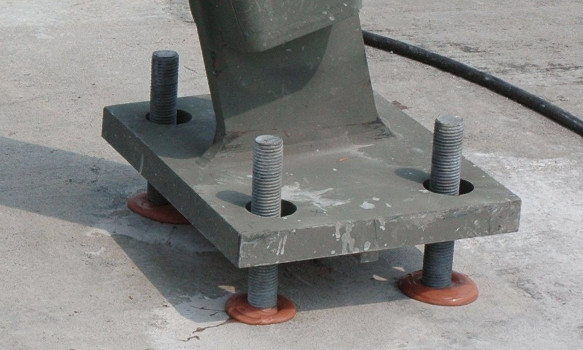
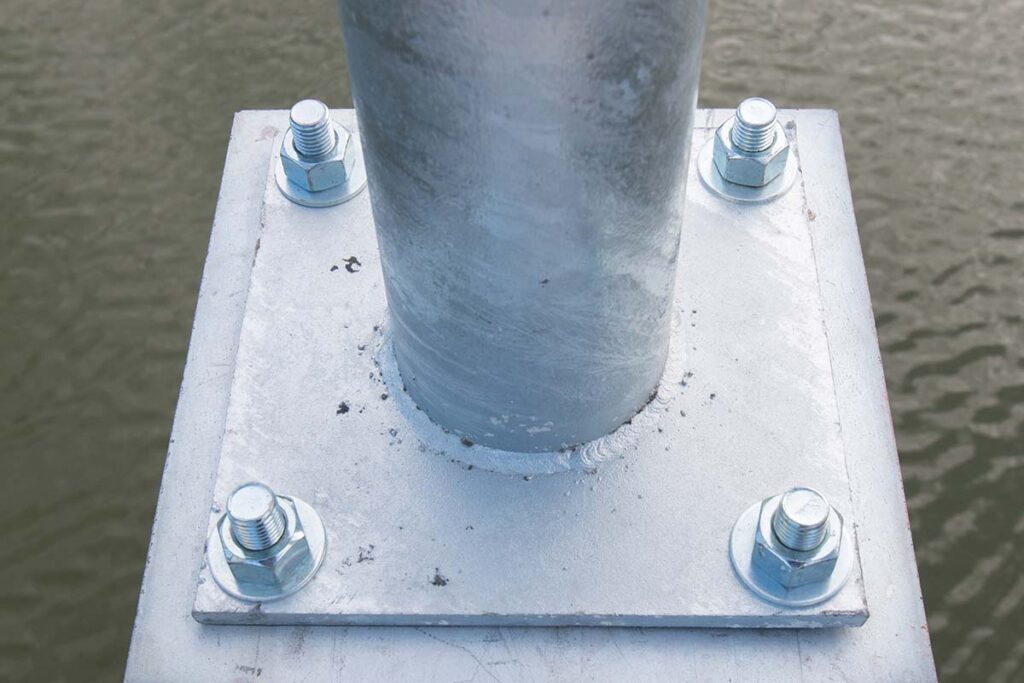
    Plate anchor rods are used in transmission towers to sustain high-voltage power lines. They provide the stability and structural integrity of the towers in difficult terrains. Transmission towers need sturdy foundations to handle enormous weights, winds, and environmental challenges. Plate anchor rods are placed in concrete foundations and attached to the tower legs to prevent lifting or overturning. Their base plate distributes stresses across the foundation, preventing the tower from being pushed out of the earth. This is critical because high-voltage transmission lines generate considerable tensile strains due to conductor weight and wind loads. Properly built anchor rods improve transmission towers’ earthquake and storm resilience.

    Plate anchor rods for cross-border energy infrastructure between Venezuela and Brazil

    Anchor rods ease energy sharing between Venezuela and Brazil in high-voltage transmission systems. Plate anchor rods are steel rods that are attached to a steel baseplate and buried deep in the ground. It supports transmission towers, utility poles, and substations. Plate anchor rods secure guy wires and maintain structural integrity in soft or unstable soils. Using the anchor rod will help to ensure a seamless connection between Brazil and Venezuela. Its functions within the infrastructure include:

    Plate anchor rods supporting mordernization
    1. Stabilizing transmission towers—the 230 kV transmission line mostly runs through dense forests and river valleys. Plate anchor rods anchor towers and ensure resilience against high winds, landslides, and soil erosion.
    2. Supporting grid interconnection projects—reintegration and modernization of the grid is crucial for new transmission tower foundations, reinforcement of old tower bases, and temporary and mobile towers used during construction.
    3. Renewable energy integration—plate anchor rods are crucial for ground-mounting solar panels, anchoring wind turbines, and supporting microgrid infrastructure. This helps send clean energy across the countries.
    4. Enhancing grid resilience—plate anchor rods provide long-term structural stability to reduce the risk of tower collapse and ensure uninterrupted energy flow. They also serve in emergency restoration during storms. They provide quick deployment and anchoring for temporary towers.

    Infrastructure to ease energy cooperation between Brazil and Venezuela

    Energy cooperation between Brazil and Venezuela frequently relied on limited infrastructure aimed at transporting hydroelectric power from Venezuela into Brazil. The infrastructure serves as a platform for future regional energy integration. Regardless of political or technical constraints, it is critical to optimize infrastructure. Here is the infrastructure that enables energy sharing.

    • High-voltage transmission line—the 230 kV transmission line connects the Guri hydroelectric dam to Boa Vista in Brazil. It delivers up to 50-60 MW of hydroelectric power from Venezuela. However, it was inactive since 2019 due to grid instability and was recently revived.
    • Transmission towers and line components—the transmission line depends on heavy-duty infrastructure, including steel lattice towers, plate anchor rods, deadend clamps, spiral vibration dampers, and insulators. These components ensure reliability and resilience in extreme environmental conditions.
    • Substations and interconnection nodes—the Guri substation in Venezuela steps up hydroelectric power for long-distance transmission. The Boa Vista substation is the node that steps down voltage and integrates Venezuelan power into Roraima’s local grid.
    • Support infrastructure—this includes the construction of access roads and maintenance paths, remote sensing and SCADA systems, and service camps.
    • Renewable energy expansion—both countries are exploring solar farms near the border, wind corridors, and battery energy storage systems. This would demand new infrastructure, including underground cables, smart grid interfaces, modular substations, and flexible AC transmission systems for grid balancing.
  • Energy News Weekly Digest – July 01-04, 2025

    Reducing outages in Venezuela with smart suspension clamp solutions.

    Suspension clamps, distributing mechanical loads on conductors

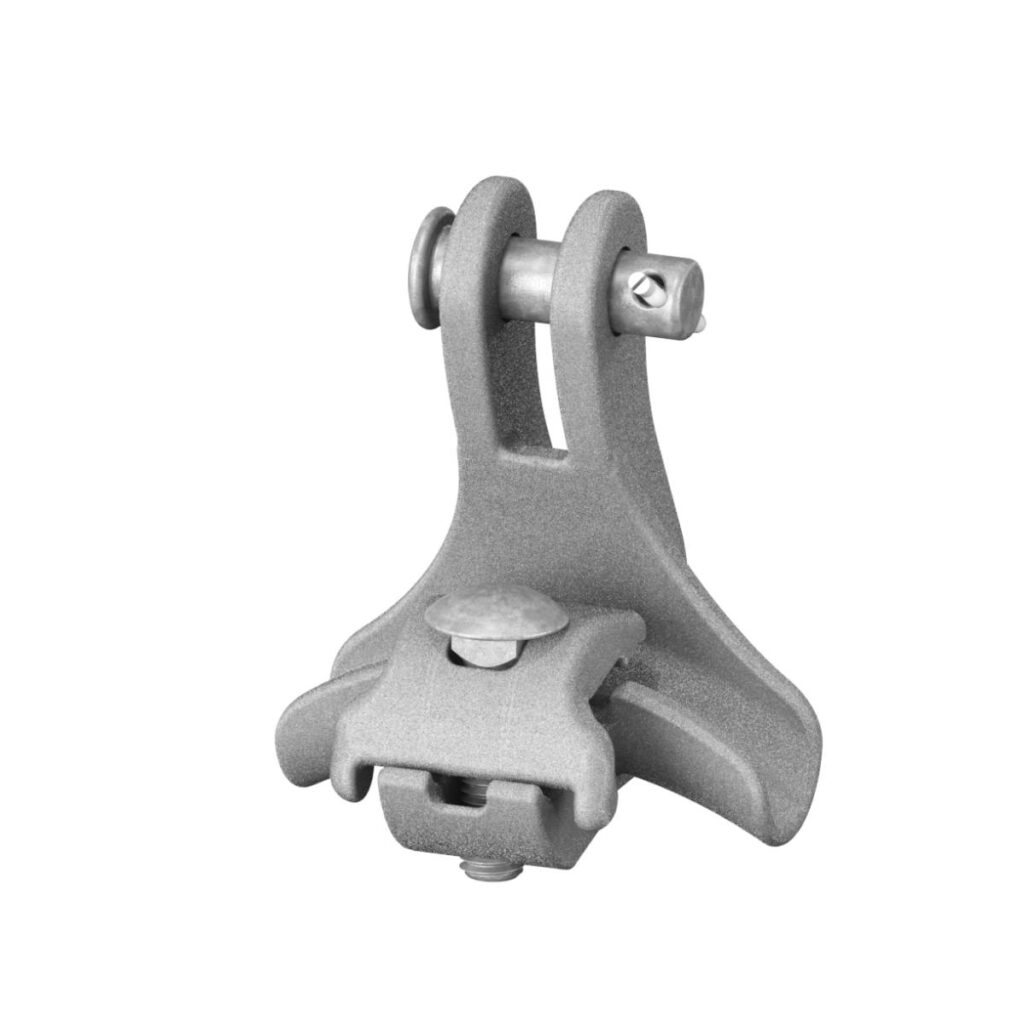
    Suspension clamps are components designed to securely hold overhead power cables. They help distribute mechanical loads and reduce stress on both conductors and poles. They have a smart design that reduces sagging and prevents outages by maintaining consistent tension and spacing.

    It is crucial in Venezuela’s energy grid that suffers from chronic blackouts stemming from aging infrastructure and poor maintenance. Using robust suspension clamps can cut the risk of cable failures, reduce connection faults, and drive enhanced grid resilience.

    Their durability ensures more uptime and lower repair costs in remote or hard-to-reach areas. This makes them cost-effective in ensuring long-term grid reliability.

    Suspension clamps support flexibility in grid design and simplify the integration of distributed energy resources. They help the integration of community solar, wind, and microgrids by providing adaptable cable attachment points.

    The clamps improve grid modularity as energy systems evolve in Venezuela and across South America.

    #EnergyInfrastructure #VenezuelaPowerOutages #SuspensionClamps #GridReliability #TTFForgingInsights

    Read More

    Deadend clamps boosting grid stability in Venezuela

    Deadend clamps anchoring cables at end poles

    Deadend clamps are cost-effective, low-tech solutions to strengthen aging power grids in Venezuela. They anchor cables at end poles to combat slippage, sagging, and vibration, which cause grid failures.

    This reinforcement directly supports power reliability, reduces maintenance costs, and aids broader energy crisis strategies like source diversification and mini-grid roll-outs.

    Venezuela faces up to 12-hour daily blackouts due to drought, aging equipment, and neglect. Deadend clamps prevent conductor slippage, sagging, and vibration, which cause outages.

    The clamps fit within energy diversification, smart maintenance, and international collaborations. They are an excellent tie-in for policy and tech content from renewables and hybrid microgrids to global energy aid.

    #DeadendClamps #GridReliability #BlackoutPreventionHardware #RenewableEnergyInfrastructure #CableTensionClamps

    Read More

    Pole bands boosting Venezuela’s oil export potential

    Pole bands strengthening Venezuela's oil export

    Recently, the U.S. revoked Chevron’s license, which resulted in PDVSA pivoting to Blend22, targeting Europe and Asia. The country has since shifted to China and other Asian markets.

    Pole bands are metal clamps used in oil storage and hydrocarbon infrastructure that play a role in strengthening Venezuela’s oil export chain.

    They enhance structural integrity, streamline electrical supply, and support monitoring systems in storage facilities. This enables more reliable and efficient operations.

    Pole bands secure pipelines, conductors, and power lines against environmental wear and tear. They are crucial for uninterrupted electricity to remote drills, storage terminals, and processing plants.

    Venezuela can integrate smart asset monitoring like support sensors, cameras, and gauges, which is key for leak detection and pressure monitoring.

    #PoleBands #OilExport #Venezuela #Blend22 #PDVSA #Infrastructure #IoTMonitoring #EnergyResilience

    Read More

  • Energy News Weekly Digest – April 07-11, 2025

    Guy clamps down on strengthening Argentina’s power grid amid renewable transition.

    guy clamps expanding renewable energy capacity

    The implementation of real-time sensors, automated switching, and smart meters enhances the responsiveness and efficiency of the energy system.

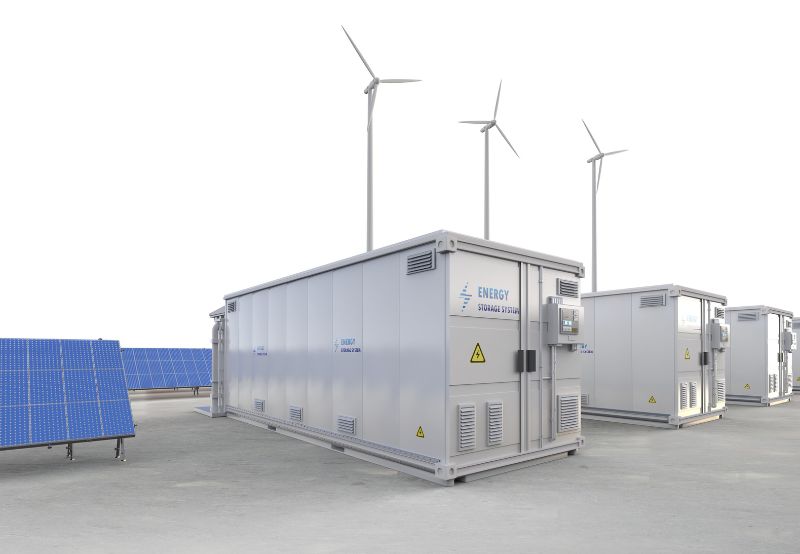
    Investments in large-scale battery storage, including a 500 MW system, bolster grid reliability. This is done by storing excess energy and supplying it during peak demand periods.

    The integration of decentralized energy sources diversifies the energy mix and reduces reliance on centralized power generation. Resources such as solar and wind contribute to a more resilient energy grid.

    Guy clamps aid in stabilizing Argentina’s outdated power grid in regions like Patagonia and the Pampas. They secure poles and prevent collapses during extreme weather events.

    The clamps support the integration of renewable energy sources by ensuring the structural integrity of transmission lines connecting remote generation sites.

    High-performance guy clamps ensure line stability, reduce maintenance needs, and support grid expansion to remote areas.

    Read more

    #ArgentinaEnergy #GridModernization #RenewableIntegration #GuyClamps #SmartGrid #EnergyInfrastructur #PowerStability

    Pole bands supporting Argentina’s energy infrastructure

    grid modernization and expansion

    Argentina’s grid modernization and expansion will reshape the energy sector with impacts on electricity transmission, natural gas production, and renewable energy development.

    Grid modernization could help reduce outages, improve efficiency, and support renewable energy integration. Insufficient transmission capacity hampers the transport of energy from remote renewable sources.

    Pole bands are heavy-duty metal straps designed to secure and support equipment on utility poles, including transformers, insulators, crossarms, and guy wires.

    Argentina is investing in upgrading its power grid to reduce outages, improve efficiency, and support the integration of renewable energy sources.

    Pole bands ease the mounting of distribution components that route renewable power from wind farms in Patagonia and solar plants to urban centers.

    The use of forged pole bands aids in the installation of sensors, switches, and line monitoring devices, which is crucial for modernizing the grid.

    Read More

    #ArgentinaEnergy #GridModernization #PoleBands #RenewableIntegration #InfrastructureChallenges

    Yoke plates fuel Argentina’s LNG expansion.

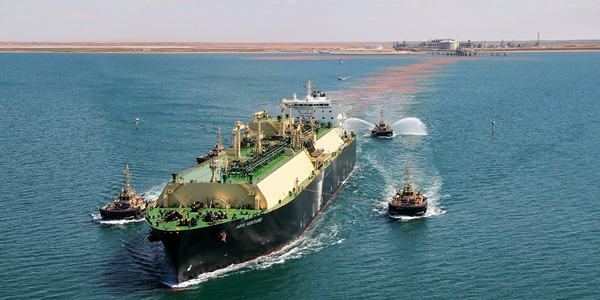
    liquefied natural gas transportation

    Argentina’s Vaca Muerta shale formation in Patagonia holds immense natural gas, which positions the country as a player in the LNG sector.

    Major energy companies, including YPF, Petronas, and Shell, aim to export up to 25 million tons of LNG annually by 2030. They also leverage floating LNG plants for flexible capabilities by 2027.

    Argentina faces technical, financial, and political hurdles, including infrastructure shortages and regulatory uncertainties that may limit LNG growth.

    Cryogenic yoke plates are essential in maintaining the structural integrity and safety of LNG infrastructure. This is including pipelines, storage tanks, and export terminals under extremely low-temperature conditions.

    Yoke plates distribute mechanical loads across supports, preventing leaks and structural failures in LNG operations. Yoke plates connect insulator strings or suspension clamps and ensure stability and prevent power outages at LNG facilities.

    Stainless steel yoke plates withstand brittleness at cryogenic temperatures, which makes them suitable for Argentina’s LNG infrastructure needs.

    Read More

    #ArgentinaLNG #YokePlates #CryogenicEngineering #VacaMuerta #EnergyInfrastructure #LNGInfrastructure

    Guy strains powering Argentina’s energy expansion

    Wind and solar energy storage facility

    Argentina’s diverse geography and growing demand for electricity need a robust and resilient transmission network. The country aims to expand its gas pipeline capacity and modernize electricity transmission.

    The nation is pursuing the modernization of its power grid to integrate renewable energy sources and enhance energy reliability. It is also working to boost its renewable energy capacity with a target of achieving 20% renewable energy in its electricity mix.

    Guy strains are crucial components used to stabilize high-voltage transmission towers in wind-prone and seismic regions of Argentina.

    The devices aid in absorbing dynamic forces such as wind, ice loads, and thermal expansion, which are common in Argentina’s climate zones.

    Guy strains enable the safe and cost-effective distribution of renewable energy across long distances. They also help strengthen the grid for ongoing investments in wind, solar, and FLNG.

    Read More

    #ArgentinaEnergy #PowerGrid #RenewableEnergy #TransmissionInfrastructure #GuyStrains #CleanEnergy #EnergySecurity