Tag: power line hardware

  • Plate rod anchors protect power lines from floods

    Power line infrastructure affected by floods and storms

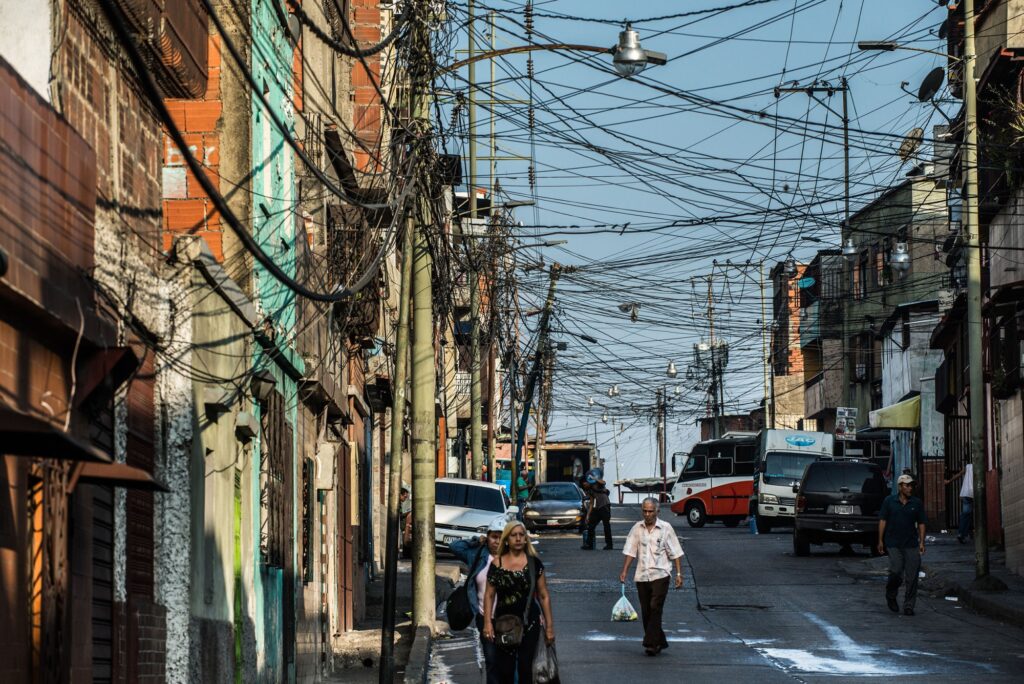
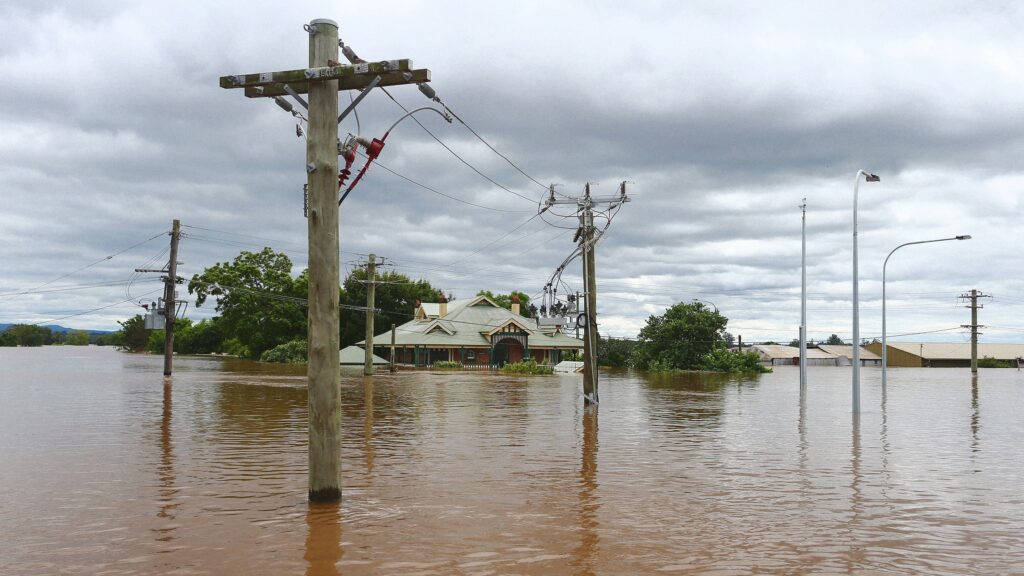
    Heavy rainfall from tropical waves 8 and 9 has caused serious flooding and landslides throughout Venezuela. The Andean states of Mérida, Trujillo, and Táchira were among the hardest hit. Storms and floods have an impact on the country’s power transmission and distribution systems. This exacerbates a power crisis in a country that already has structural vulnerabilities in its energy infrastructure. Strong winds and lightning during storms can snap conductors, topple towers, and destroy insulators. Floodwaters can erode the foundations of pylons and poles, causing structural instability and collapse. For example, landslides in the Andes and central-western regions isolate transmission routes, cutting off significant areas from the national grid. Floods also pose severe risks to the electrical substations and distribution networks that deliver electricity to homes and businesses. Using plate rod anchors helps stabilize structures, including power grids, transmission towers, and flood barriers, during storms and floods.

    Earth anchors are embedded deep in the ground and connected to structures by cables and rods. The anchors can withstand uplift forces caused by strong winds as well as lateral forces caused by floodwaters or erosion. Strong winds can destabilize power transmission towers or poles. The plate rod anchor acts as a counterweight, preventing them from being uprooted. The anchor holds the structure together by transferring loads to deeper soil layers. Floods can sweep away loose soil, weakening the basis of grid infrastructure. Plate rod anchors extend deep enough to keep the grid in place even when the surface soil erodes. Plate anchors can be used in some flood defense systems to secure sandbags, barriers, or geotextile tubes and prevent them from shifting under underwater pressure.

    High-quality plate rod anchors for electricity infrastructure stability

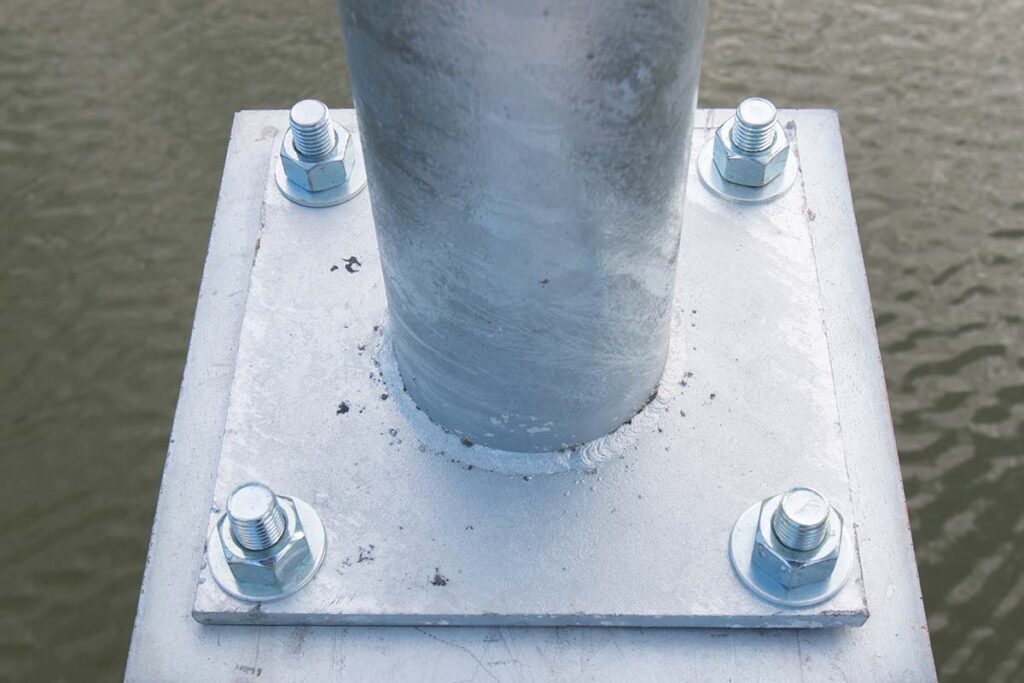
    These anchors help to stabilize Venezuela’s electrical grid during storms and floods. An anchor is consists of a steel rod with a connected plate or helix that is buried below. When stress is applied, the plate prevents movement by pressing on the surrounding dirt. Plate rod anchors have applications in power transmission towers, utility poles, flood walls, and retaining walls. Rod anchors improve essential infrastructure resilience by resisting uplift and sliding. This is critical for ensuring stability during storms and floods. Here are the roles of plate rod anchors in power infrastructure stability.
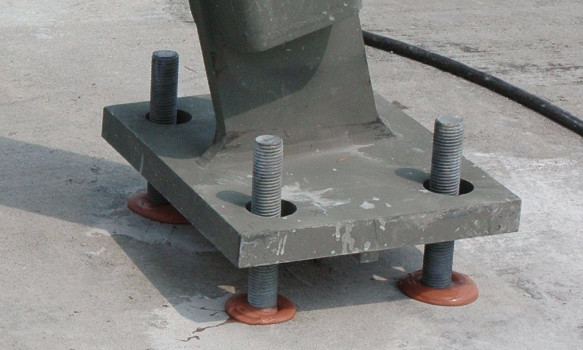
    Plate rod anchor stabilizing towers and poles
    • Structural stability—plate rod anchors embed deep into the ground and connect to utility poles, flood walls, or retaining systems through cables or rods. They are able to resist uplift forces from high winds and lateral forces from floodwaters or soil erosion. Plate rod anchors distribute the load, provide deep anchorage in unstable soils, and prevent foundation failure.
    • Preventing tilting—strong winds can destabilize power transmission towers or poles. The anchors hold the structure in place by transferring loads to deeper and stable soil layers.
    • Reducing soil erosion impacts—floods can wash away loose soils, weakening the foundation of grid infrastructure. The anchors extend deep enough to maintain grip even if the surface is eroded. The anchors remain anchored into subsoil layers and provide long-term anchorage in areas prone to flooding.
    • Support during emergency grid recovery—rapid restoration of power lines is crucial after floods. Using plate rod anchors allows for quick installation using minimal machinery, enables temporary or permanent stabilization of emergency poles, and reduces downtime by securing rebuilt lines.
    • Lower maintenance—plate rod anchors are from galvanized steel to resist corrosion and ensure a long service life.

    The impact of floods and storms on Venezuela’s power infrastructure

    Storms and floods pose serious hazards to Venezuela’s power transmission and distribution systems. These occurrences can cause widespread blackouts, physical damage, and lengthy recovery times in areas with antiquated or poorly maintained grid components. To reduce these effects, Venezuela requires flood-resistant substation architecture, improved anchorage systems, decentralized energy networks, and early warning systems. These impacts include:
    1. Power outages—floods and storms result in transmission lines collapsing, flooded substations, and short-circuited transformers, causing cascading failures.
    2. Structural damage to grid infrastructure—these weather events compromise components of the poles such as power poles, guy wires, and substations.
    3. Increased grid instability—frequent exposure to weather extremes weakens the reliability of the power grid.
    4. Delayed maintenance and emergency response—floods worsen existing logical and operational weaknesses. This results in blocked roads, limited spare parts and fuel shortages, and understaffed repair crews.
    5. Socioeconomic impacts—power disruptions from storms and floods ripple into daily life and economic activity. This impacts hospitals and clinics, businesses, and households.
  • Parallel groove clamps boost gas energy impact

    Natural gas distribution through pipelines

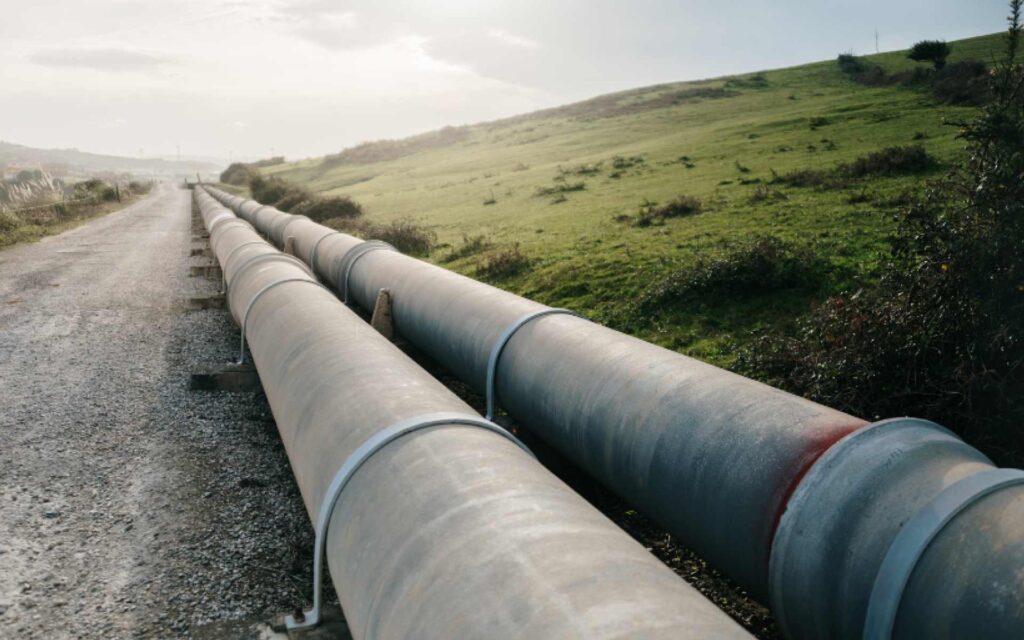
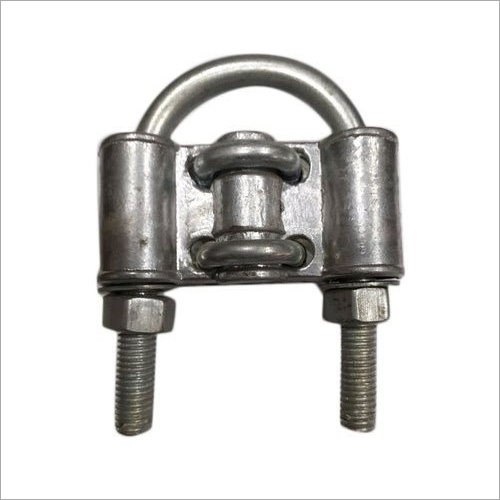
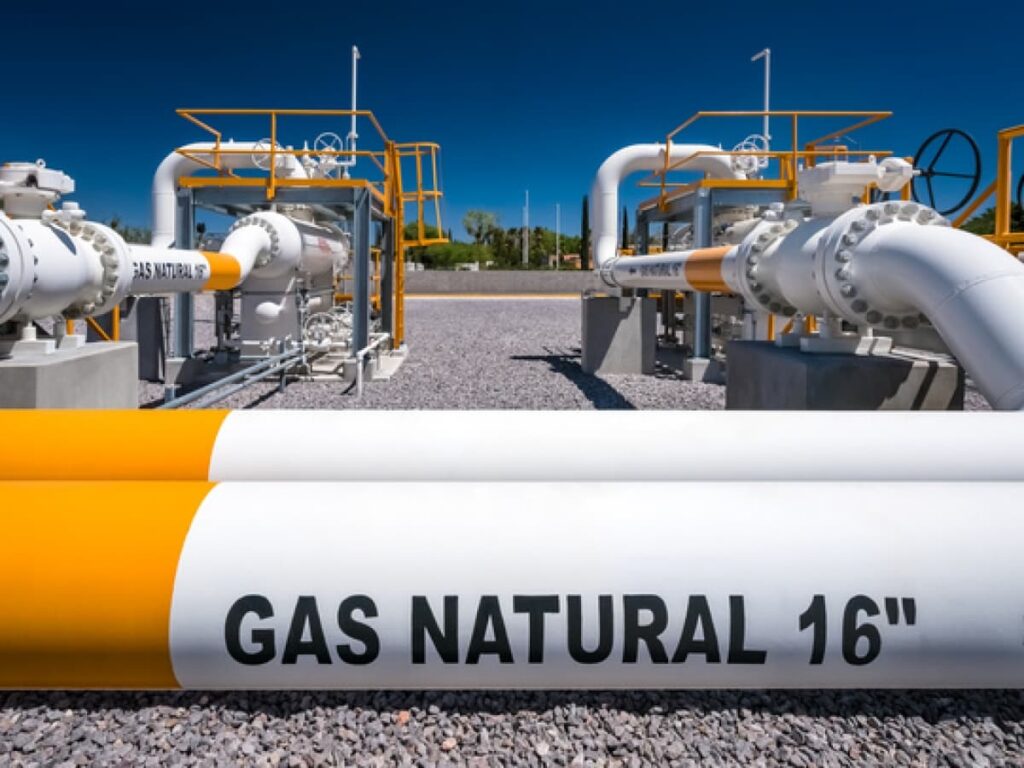
    Venezuela has significant and unexplored natural gas resources, and it has taken preliminary moves toward exploiting and exporting natural gas. The use of natural gas contributes to energy mix diversification and strengthens global markets, hence improving supply security. However, natural gas remains underdeveloped and inefficient due to infrastructure issues and underinvestment. Furthermore, approximately 90% of Venezuela’s natural gas is produced alongside crude oil, making it reliant on oilfield activity. The country’s main gas basins are the Anaco Basin, Mariscal Sucre, and Plataforma Deltana. Natural gas helps generate electricity in thermoelectric plants, as well as in industry, oil recovery, and flaring. Infrastructure for natural gas production includes processing plants, pipeline networks, SCADA systems, and compression and storage facilities. Parallel groove clamps (PGCs) secure grounding wires to gas infrastructure.

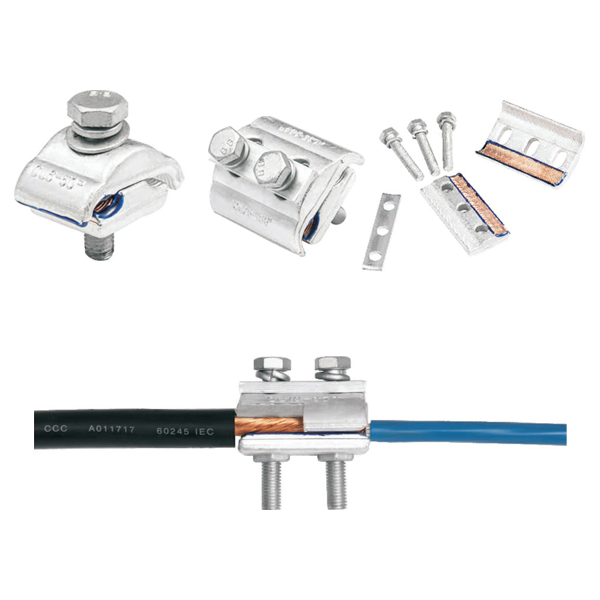
    Parallel groove clamps fasten and stabilize grounding wires to gas pipelines, storage tanks, and compressor stations, preventing static or lightning-induced sparks. They are also used in cathodic protection systems to connect sacrificial anodes to pipes, preventing corrosion. PGCs protect auxiliary lines including instrumentation, venting, and low-pressure domestic gas lines. They also secure electrical conduits or communication wires that run beside gas pipelines. Higher-pressure pipelines and vital infrastructure rely on more robust solutions. Proper clamp use could assist prevent leaks and increase safety in Venezuela’s natural gas production and distribution systems. The majority of the produced gas is consumed locally, though Trinidad and Tobago are discussing cross-border pipeline exports.

    The roles of parallel groove clamps in natural gas production and distribution

    PGCs ensure mechanical stability, electrical continuity, and system integrity throughout the production and distribution networks. The clamps provide support for instrumentation, cathodic protection systems, and compressor station controls. Parallel groove clamps are mechanical fittings that connect two parallel conductors and provide stable electrical and mechanical contact. They consist of two grooved metal bodies, a bolt for tightening, and insulation or coating. PGCs are from materials that can withstand extreme environments such onshore gas fields, coastal installations, and offshore platforms. Parallel groove clamps are a low-cost, high-impact solution for increasing dependability in electrical and control systems supporting natural gas operations. The following are the functions of PGCs in natural gas infrastructure.

    Parallel groove clamps serve in compressor and procesing plants
    • Bonding and grounding of metallic structures—natural gas pipelines, compressor stations, and processing facilities—include electrical grounding systems to prevent stray voltage. PGCs securely bond grounding conductors to pipelines, valves, and control equipment. Parallel groove clamps help protect sensitive instrumentation from electrical faults and lightning strikes.
    • Cathodic protection connections—cathodic protection helps prevent corrosion in underground and submerged pipelines. PGCs provide low-resistance connections between cathodic protection leads and pipelines. They also ensure consistent flow to the pipeline’s surface for effective corrosion control.
    • Signal transmission in control and monitoring systems—sensors, pressure gauges, leak detection systems, and SCADA systems depend on reliable signal writing. Parallel groove clamps connect control cables with minimal voltage drop. They also provide robust physical connections that can withstand vibrations from compressors.
    • Supporting electrical circuits in hybrid facilities—PGCs secure neutral conductors in motor control centers. They also support backup power routing during outages or equipment failures.

    Natural gas use and influence on Venezuela’s energy sector

    Venezuela has the greatest proven natural gas reserves, with an estimated 200 trillion cubic feet. However, natural gas is underutilized in comparison to oil’s potential and availability. Its applications include electricity generation, petrochemicals, and enhanced oil recovery. Its applications and impacts in the energy sector are as described below.

    1. Electricity generation—natural gas is the primary fuel for Venezuela’s thermoelectric power plants. Using natural gas improves reliability in areas with blackouts, reduces dependence on hydroelectric power, and is a cleaner energy than diesel.
    2. Petrochemical and industrial use—natural gas is crucial for the production of fertilizers, methanol, and urea. Its use helps sustain domestic fertilizer supply, boost industrial output, and reduce disruptions of operations.
    3. Enhanced oil recovery—the gas is re-injected into oil reservoirs to maintain reservoir pressure and boost crude oil extraction. This improves crude oil recovery rates and maximizes value from existing oil fields without drilling new wells.
    4. Transition fuel role—natural gas is a cleaner fossil fuel producing less carbon and sulfur emissions. It can support energy transition if used to replace more polluting fuels. It also has the potential to reduce carbon footprint and align with global decarbonization goals.
  • Guy thimbles in Venezuela’s hydro energy setup

    Hydroelectric power generation in Venezuela

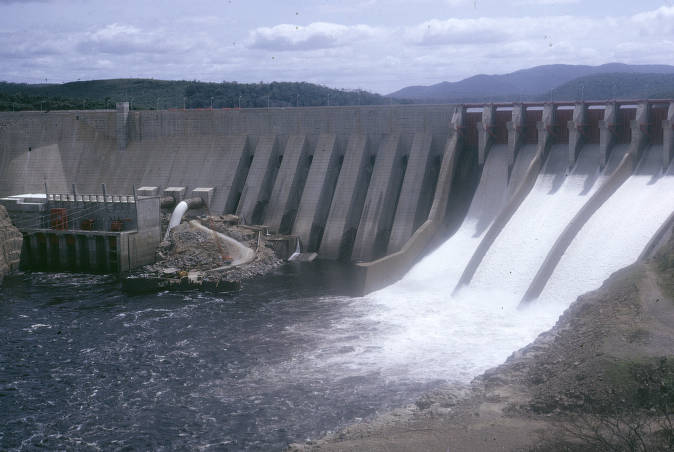
    Venezuela is primarily recognized for its oil output, which sustains the global energy industry. Nonetheless, many challenges have arisen from global sanctions and market volatility. The nation has taken various steps to address these challenges, including the Guri Hydroelectric power station. The Dam sits on the Caroni River, featuring an installed capacity of 10,200 MW, producing 50,000 GWh. This facility includes three high-voltage switchyards and has experienced considerable modernization initiatives. Leveraging the Guri Hydroelectric dam aids in decreasing dependence on fossil fuels, offering a more sustainable energy option. Hydroelectric power from Guri offers an affordable energy option for aiding household usage and major industries. Hydropower aligns with worldwide shifts toward cleaner energy and creates chances for integration with solar and wind. Employing guy thimbles is crucial for the structure and upkeep of the Guri Dam.

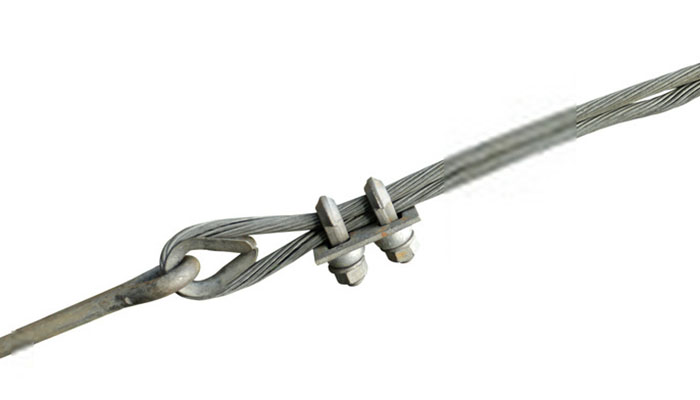
    The Guri Dam is crucial for Venezuela’s power grid, requiring ongoing maintenance to avoid power outages. The guy thimble is essential in crane operations, supporting transmission lines, and in lifting systems. Guy thimbles serve in guy wires that secure transmission towers. They guarantee they stay vertical during strong winds and heavy load scenarios. The thimble safeguards the wire ropes from deterioration by offering a sturdy, smooth loop for connection. Thimbles function in slings, cables, and rigging systems to securely hoist heavy parts without causing harm. They aid in distributing load forces uniformly in anchoring and mooring applications.

    Guy thimbles in hydroelectric energy production

    Hydroelectric energy supplies over 60% of Venezuela’s electricity. Using high-quality components help ensure the stability and longevity of the infrastructure. A guy thimble is a protective hardware fitting used in guy wire systems. It is able to prevent bending, distribute tension forces, and maintain cable integrity. Guy thimbles are essential in transmission line structures, switchyards, and support towers. They help connect power generates at hydro plants to the main grid. Additionally, they help prevent wire damage, distribute mechanical stress, and resist corrosion in wet and humid conditions. Here are the roles of guy thimbles in hydroelectric power.

    Guy thimbles supporting guy wires for transmission lines
    1. Structural support and stability – hydropower stations need tall transmission towers and poles to move electricity. Guy thimbles help anchor guy wires that stabilize the towers in high-stress zones.
    2. Preservation of guy wire integrity – Guy wires in hydro facilities face mechanical tension due to conductor weight and environmental factors. Guy thimbles reduce friction and sharp bends that prevent premature breakage.
    3. Enhanced safety for grid infrastructure – thimbles ensure that guy wires maintain firm and secure loops. They reduce the risk of snapping which could cause tower collapse, live wire exposure, and power interruptions.
    4. Corrosion resistance and longevity – guy thimbles are from galvanized steel or corrosion resistant alloys. These materials withstand the humid and wet conditions around hydroelectric dams. The durability contribute to longer service life of infrastructure with minimal maintenance.
    5. Support for energy integration – guy thimbles help stabilize new poles used in interconnection lines.

    Significance of incorporating hydroelectric energy generation into Venezuela’s power industry

    Incorporating hydropower into the energy sector is vital for ensuring energy stability, promoting economic sustainability, and achieving environmental objectives. Venezuela can use hydro as the core of its energy production. This integration requires updated turbines, control systems, power lines, battery energy storage systems, and suitable maintenance equipment such as hotline tap clamps. Venezuela can realize the complete advantages by means of appropriate investments, upgrades, and policy assistance. Its significance in Venezuela’s energy sector includes:

    • National electricity production – hydropower makes up more than 60% of Venezuela’s power supply. Hydroelectric energy provides a consistent base load that the nation can depend on amid variations in thermal power generation.
    • Lowers dependence on fossil fuels – hydroelectric integration lessens reliance on fuel-heavy thermal plants. This aids in lowering operational expenses, carbon emissions, and susceptibility to changes in the global oil market.
    • Economic resilience via energy independence – hydropower delivers affordable electricity in a context of significant government energy subsidies. This integration stabilizes utility rates and fosters economic resilience.
    • Hydro integration can enhance grid reliability and resilience during times of peak demand. This is primarily achieved via contemporary control systems, battery energy storage, and upgraded transmission infrastructure.
    • Environmental sustainability – hydroelectric power is a clean, renewable energy option that supports worldwide climate objectives. Enhanced integration aids Venezuela’s environmental obligations, decreases greenhouse gas emissions, and safeguards natural ecosystems.
  • Shackle insulators power safer TEG shifts in Venezuela

    Thermoelectric generation technology

    The usage of thermoelectric generators is critical as Venezuela deals with a long-term and complex energy issue. Thermoelectric generators are commonly fuelled by fossil fuels such as diesel or gasoline. They fill the gap between frequent power failures and the increasing demand for dependable electricity in both urban and rural areas. Venezuela experiences regular power outages due to outdated infrastructure, a lack of maintenance, and an overreliance on hydropower. TEGs provide backup power to reduce safety hazards and economic costs. TEGs serve to keep operations running when the main grid fails. This is critical for income stability and avoiding product loss. These generators serve as a vital link, providing localized energy where the grid cannot reach. They open opportunities for hybridization with renewable energy sources such as solar panels and microgrids. Shackle insulators ensure safe and reliable electricity transmission in decentralized and improvised power networks.

    High-quality insulators protect against short circuits by isolating live wires from supporting structures. They are critical in high-humidity and corrosive situations, where moisture and salt can destroy exposed conductors. Shackle insulators are used in low-voltage distribution lines to anchor and align wires. They help to maintain tension and avoid drooping or violating caused by wind, heat, or load fluctuations. The insulators lessen the risk of electrical fires, which are a serious issue in Venezuela’s informal power networks. Shackle insulators prevent accidental contact with live wires. They function in overhead wires that connect TEGs to residences and businesses when the national grid fails. Shackle insulators are less expensive and easier to install, making them useful in an economy experiencing hyperinflation and supply shortages.

    Functions of shackle insulators in Venezuelan TEG use

    TEGs are increasingly used in homes, businesses, and institutions that assist the energy sector. Shackle insulators guarantee that thermoelectric generators in Venezuela’s energy sector operate safely and efficiently. Shackle insulators are electrical insulators used in low-voltage power distribution systems. They can secure and insulate power lines, support them, and endure mechanical force. Shackle insulators serve in TEG configurations to provide low-voltage distribution. Here are the functions of shackle insulators in TEG infrastructure.

    Shackle insulators prevent faulty currents
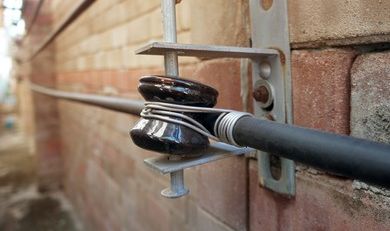
    • Electrical insulation and safety—shackle insulators prevent direct electrical contact between the power conductors and supporting structures. This reduces the risk of short circuits, protects users, and prevents ground faults.
    • Securing conductors in confined spaces—shackle insulators allow tight turns and mounting flexibility. They enable conductors to be safely routed around corners, anchored, and suspended.
    • Withstanding harsh environmental conditions—shackle insulators are from porcelain, polymer, or ceramic materials. This helps them resist high humidity and rain, dust, salt, and frequent power cycling.
    • Maintaining low-voltage distribution—shackle insulators are ideal for low-voltage power lines. This makes them ideal for connecting TEGs to homes, small generator-powered microgrids, and local lighting. They help keep power lines stable and organized in informal systems.
    • Enabling quick installation and repairs—shackle insulators are easy to install on wood, metal, and concrete. They allow reliable cable anchoring without specialized equipment and support quick restoration of power during blackouts.

    Measures and attempts to mitigate the use of TEGs in Venezuela

    Mitigating the continuous usage of thermoelectric generators in Venezuela could help to prevent serious concerns. These risks encompass economic, environmental, and health concerns. The country intends to phase them out responsibly, providing sustainable and cheap alternatives. Mitigation is necessary due to excessive fuel use, noise and air pollution, rising energy disparity, slow progress toward renewables, and strain on oil infrastructure. The main measures and initiatives for this are:

    1. Expanding solar energy access—promoting solar PV kits and community solar systems helps reduce reliance on TEGs and provides a clean power source. This can be through tax exemptions, PPAs, and training local technicians for solar maintenance.
    2. Deploying microgrids and hybrid energy systems—this includes investing in solar-diesel hybrid microgrids that can reduce TEG dependence. It helps balance reliability with sustainability and serves in small towns. The strategy includes targeting blackout-prone zones, using smart meters, and using load management systems.
    3. Subsidize BESS—introducing incentive programs for home-scale or community-scale BESS helps store solar energy. This reduces the need for constant generator runtime, improves energy reliability, and encourages off-peak load balancing.
    4. Regulate fuel use and generator sales—tightening fuel distribution controls and regulating TEG imports and sales reduces overuse and abuse. This helps reduce smuggling and encourage users to shift toward sustainable solutions.
  • Plate anchor rods in cross-border energy systems

    Gas pipelines transporting energy across countries

    Venezuela and Brazil have enormous energy resources, including oil reserves, hydroelectric, solar, wind, and biofuels. Brazil has resumed imports of electricians from Venezuela to service the northern state of Roraima, after six years. This initiative was intended to lower costs and diversify energy supply for customers. There is currently no major electricity grid link or long-term energy sharing arrangement between Venezuela and Brazil. However, the 230 kV transmission line connecting Venezuela’s Guri Dam to Brazil’s Roraima state was critical for energy sharing. Energy cooperation between countries could assist to reduce carbon emissions and stabilize their energy systems. For example, Brazil may invest in solar or wind installations in Venezuela’s Guayana region. The combination development of BESS and microgrids could help to stabilize border energy supply. Rebuilding and modernizing the Guri-Boa Vista interconnection could supply cheaper, cleaner energy to Roraima. Using plate anchor rods in the infrastructure enables energy sharing.

    Plate anchor rods are used in transmission towers to sustain high-voltage power lines. They provide the stability and structural integrity of the towers in difficult terrains. Transmission towers need sturdy foundations to handle enormous weights, winds, and environmental challenges. Plate anchor rods are placed in concrete foundations and attached to the tower legs to prevent lifting or overturning. Their base plate distributes stresses across the foundation, preventing the tower from being pushed out of the earth. This is critical because high-voltage transmission lines generate considerable tensile strains due to conductor weight and wind loads. Properly built anchor rods improve transmission towers’ earthquake and storm resilience.

    Plate anchor rods for cross-border energy infrastructure between Venezuela and Brazil

    Anchor rods ease energy sharing between Venezuela and Brazil in high-voltage transmission systems. Plate anchor rods are steel rods that are attached to a steel baseplate and buried deep in the ground. It supports transmission towers, utility poles, and substations. Plate anchor rods secure guy wires and maintain structural integrity in soft or unstable soils. Using the anchor rod will help to ensure a seamless connection between Brazil and Venezuela. Its functions within the infrastructure include:

    Plate anchor rods supporting mordernization
    1. Stabilizing transmission towers—the 230 kV transmission line mostly runs through dense forests and river valleys. Plate anchor rods anchor towers and ensure resilience against high winds, landslides, and soil erosion.
    2. Supporting grid interconnection projects—reintegration and modernization of the grid is crucial for new transmission tower foundations, reinforcement of old tower bases, and temporary and mobile towers used during construction.
    3. Renewable energy integration—plate anchor rods are crucial for ground-mounting solar panels, anchoring wind turbines, and supporting microgrid infrastructure. This helps send clean energy across the countries.
    4. Enhancing grid resilience—plate anchor rods provide long-term structural stability to reduce the risk of tower collapse and ensure uninterrupted energy flow. They also serve in emergency restoration during storms. They provide quick deployment and anchoring for temporary towers.

    Infrastructure to ease energy cooperation between Brazil and Venezuela

    Energy cooperation between Brazil and Venezuela frequently relied on limited infrastructure aimed at transporting hydroelectric power from Venezuela into Brazil. The infrastructure serves as a platform for future regional energy integration. Regardless of political or technical constraints, it is critical to optimize infrastructure. Here is the infrastructure that enables energy sharing.

    • High-voltage transmission line—the 230 kV transmission line connects the Guri hydroelectric dam to Boa Vista in Brazil. It delivers up to 50-60 MW of hydroelectric power from Venezuela. However, it was inactive since 2019 due to grid instability and was recently revived.
    • Transmission towers and line components—the transmission line depends on heavy-duty infrastructure, including steel lattice towers, plate anchor rods, deadend clamps, spiral vibration dampers, and insulators. These components ensure reliability and resilience in extreme environmental conditions.
    • Substations and interconnection nodes—the Guri substation in Venezuela steps up hydroelectric power for long-distance transmission. The Boa Vista substation is the node that steps down voltage and integrates Venezuelan power into Roraima’s local grid.
    • Support infrastructure—this includes the construction of access roads and maintenance paths, remote sensing and SCADA systems, and service camps.
    • Renewable energy expansion—both countries are exploring solar farms near the border, wind corridors, and battery energy storage systems. This would demand new infrastructure, including underground cables, smart grid interfaces, modular substations, and flexible AC transmission systems for grid balancing.
  • Spiral vibration dampers face solar grid hurdles

    Solar energy and battery storage integration

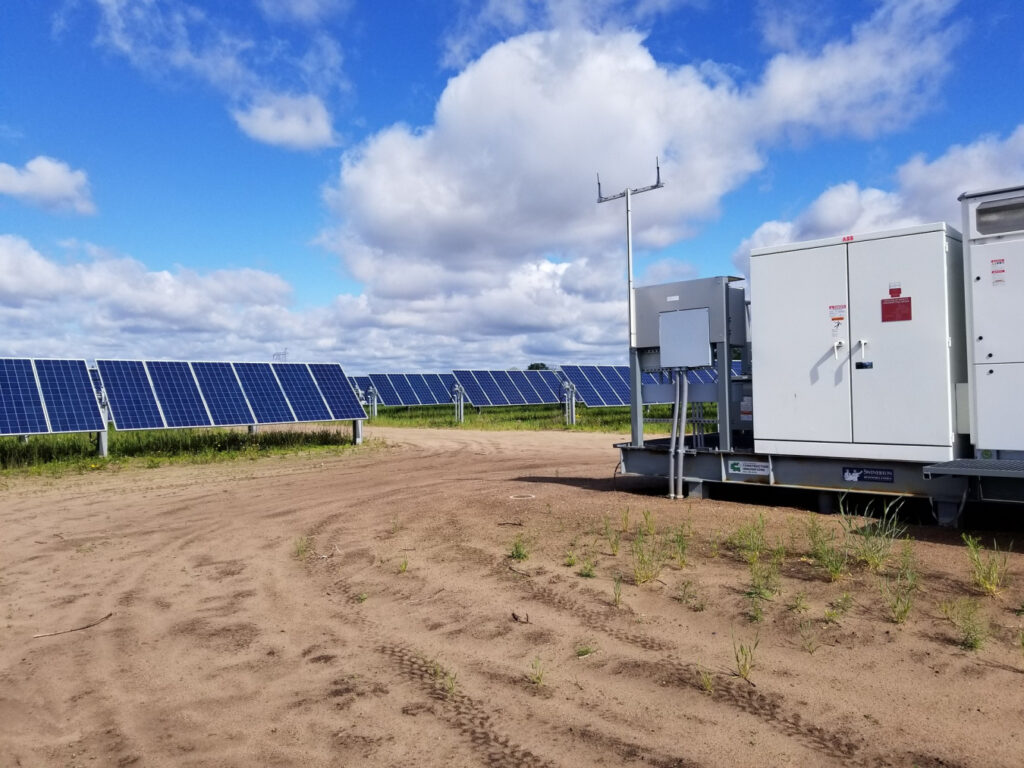
    Venezuela’s energy economy relies on hydropower from the Guri Dam, which provides more than 70% of the country’s electricity. This results in power outages amid recurring droughts, old infrastructure, and a lack of maintenance. Adopting solar energy offers a clean, scalable, and decentralized response to the crisis. Small-scale home and community solar systems, pilot solar farm projects, international aid-backed solar installations, and microgrids are all contributing to the country’s growing solar capacity. The present grid-connected solar capacity is 20-30 MW, with off-grid and micro-installations ranging from 10 to 15 MW. The country’s potential solar capacity exceeds 200,000 megawatts. This can help to stabilize the grid and improve the country’s reliability. Solar energy decreases the burden on transformers and substations, which are regularly overloaded. Spiral vibration dampers help mitigate mechanical vibrations in electrical conductors. They stabilize the grid that connects solar power to the electrical infrastructure.

    Wind-induced vibrations and galloping are common problems for older transmission lines. The vibrations induce metal fatigue, which results in broken conductors, short circuits, and blackouts. Spiral vibration dampers absorb and distribute energy, reducing stress on power lines. They mitigate malfunctions that could affect solar farm connectivity. Unchecked vibrations increase electrical resistance, decreasing power delivery efficiency. Spiral vibration dampers limit line movement, resulting in more consistent electricity transmission from solar farms to towns. They make transmission infrastructure last longer, reducing the need for costly repairs and downtime. They also reduce mechanical stress caused by power surges or load variations, allowing the system to cope with solar unpredictability.

    Spiral vibration dampers stabilize the solar farm infrastructure in Venezuela

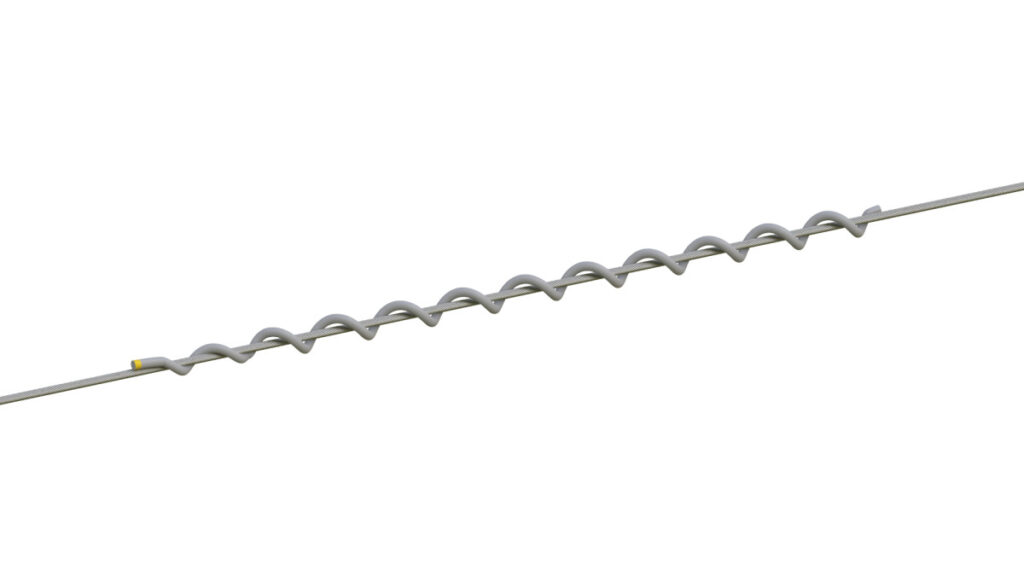
    Venezuela is expanding and utilizing solar farms as a clean, decentralized energy source. More than only solar panels and inverters are required to ensure the reliability of these solar systems. It also depends on mechanical components such as spiral vibration dampers, which prevent overhead transmission lines from failing. Spiral vibration dampers (SVDs) are spiral rods composed of PVC, aluminum, or galvanized steel. They attach to above wires or cables to dampen aeolian vibrations. Using SVDs enhances system durability, increases trust in renewables, and reinforces the reliability of new solar assets. The following are the roles of SVDs in stabilizing solar infrastructure.

    Spiral vibration dampers reduce vibrations from winds
    1. Protecting overhead transmission lines—solar farms depend on overhead transmission lines to send power. The lines are susceptible to wind-induced vibrations in rural, open environments. The dampers absorb and dissipate vibration energy and prevent outages caused by mechanical failures.
    2. Enhancing power stability—vibrations cause voltage fluctuations and line noise in long spans of cable. Spiral vibration dampers help maintain voltage stability, power quality, and reliable frequency control.
    3. Reducing maintenance needs—reducing mechanical wear and conductor fatigue reduces maintenance costs. SVDs reduce inspection frequency, prevent costly emergency repairs, and improve reliability of solar transmission lines.
    4. Supporting microgrid expansion—spiral vibration dampers are crucial in securing short-span aerial lines, withstanding local wind patterns, and maintaining reliable power. This supports decentralized energy access in areas neglected by the national grid.

    Challenges of solar integration into Venezuela’s main grid

    Solar energy is a clean and sustainable way to help stabilize the system and increase energy access. To realize Venezuela’s solar potential, the grid must be updated with smart infrastructure, policy reforms, public-private partnerships, and workforce training investments. Addressing these issues will assist to mitigate grid instability and power shortages. These challenges include:

    • Outdated grid infrastructure—aging infrastructure in the country is prone to frequent equipment failure and power losses. Modernization helps increase flexibility by integrating solar energy.
    • Lack of modern grid management technologies—solar integration demands smart grids for real-time data and control, SCADA systems for automation, and load forecasting tools to balance supply and demand.
    • Weak interconnection standards and regulations—there is a lack of clear policies on how solar systems should connect to the grid. The uncertainty discourages investment and delays project approvals.
    • Limited investment and financing—economic instability, sanctions, and political risks restrict foreign direct investment, access to international financing, and availability of affordable credit for local solar developers.
    • Insufficient energy storage infrastructure—battery storage systems are necessary to stabilize solar output. Venezuela faces high costs for lithium-ion batteries, a lack of domestic manufacturing capacity, and import restrictions due to sanctions.
    • Shortage of skilled workforce—integrating solar into the grid demands expertise in power electronics, grid synchronization, renewable energy engineering, and operations and maintenance.
  • Energy News Weekly Digest – July 01-04, 2025

    Reducing outages in Venezuela with smart suspension clamp solutions.

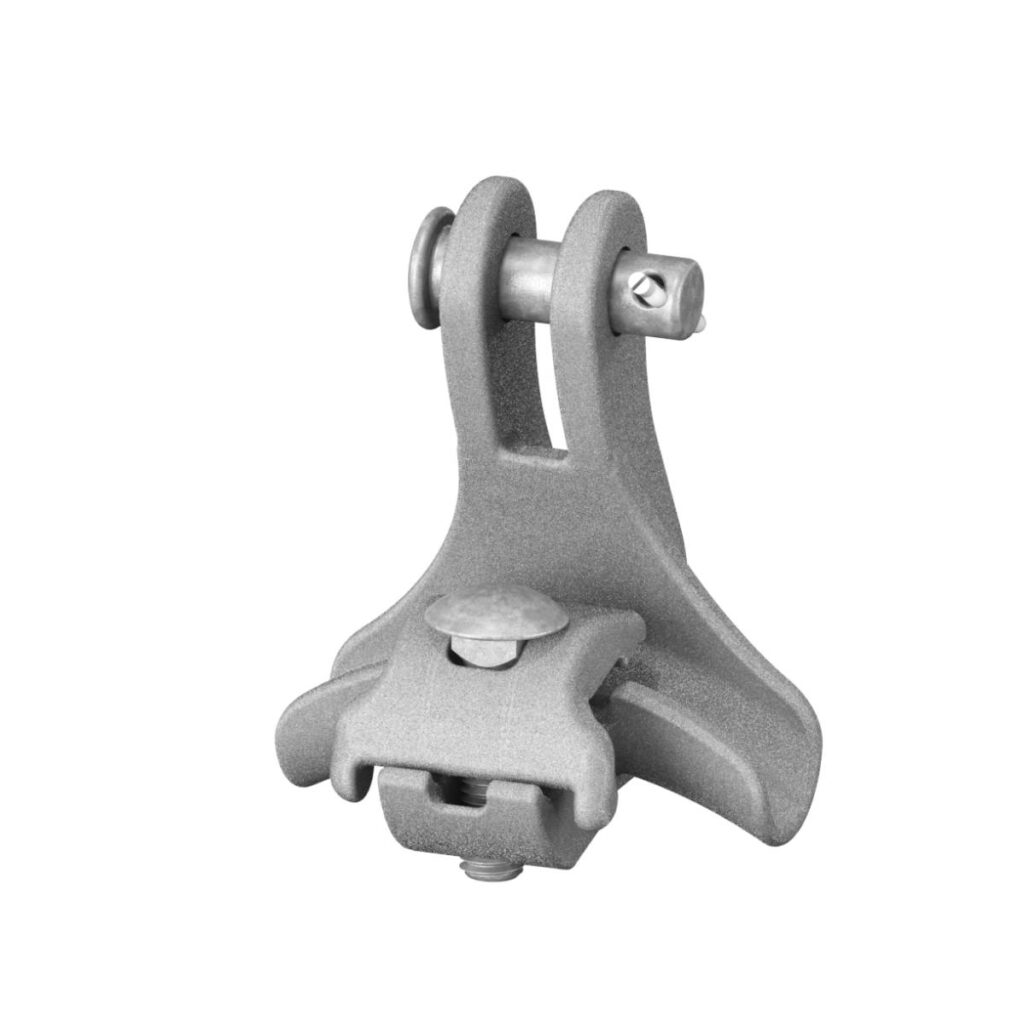
    Suspension clamps, distributing mechanical loads on conductors

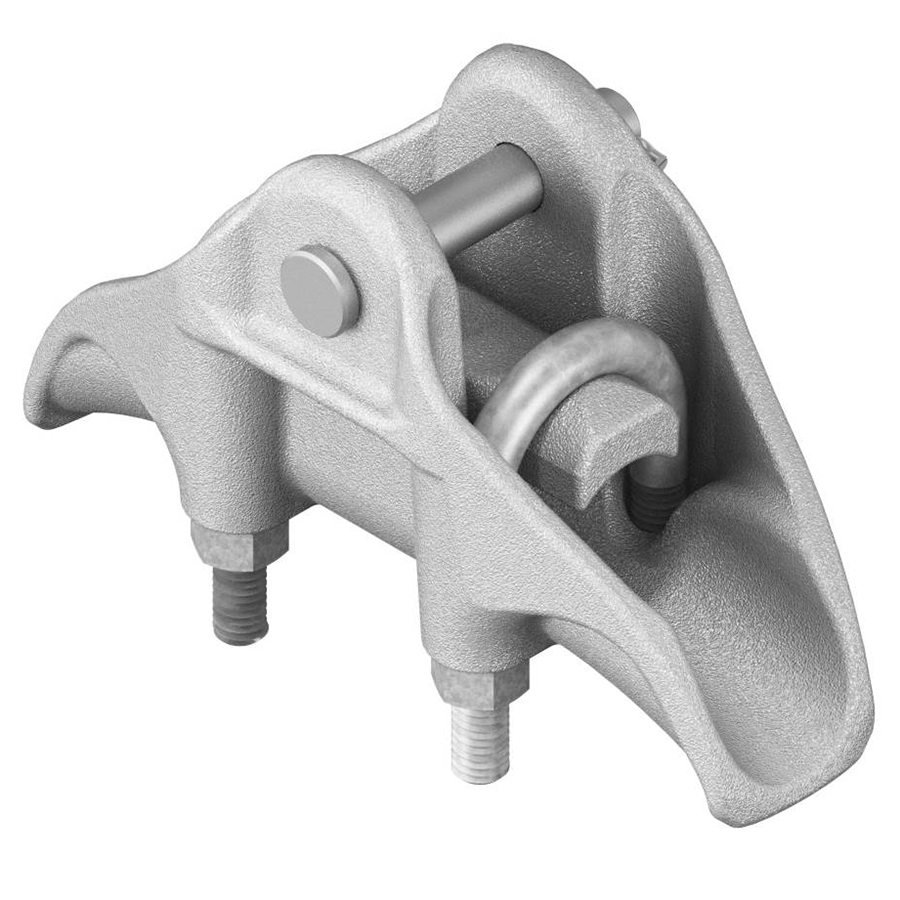
    Suspension clamps are components designed to securely hold overhead power cables. They help distribute mechanical loads and reduce stress on both conductors and poles. They have a smart design that reduces sagging and prevents outages by maintaining consistent tension and spacing.

    It is crucial in Venezuela’s energy grid that suffers from chronic blackouts stemming from aging infrastructure and poor maintenance. Using robust suspension clamps can cut the risk of cable failures, reduce connection faults, and drive enhanced grid resilience.

    Their durability ensures more uptime and lower repair costs in remote or hard-to-reach areas. This makes them cost-effective in ensuring long-term grid reliability.

    Suspension clamps support flexibility in grid design and simplify the integration of distributed energy resources. They help the integration of community solar, wind, and microgrids by providing adaptable cable attachment points.

    The clamps improve grid modularity as energy systems evolve in Venezuela and across South America.

    #EnergyInfrastructure #VenezuelaPowerOutages #SuspensionClamps #GridReliability #TTFForgingInsights

    Read More

    Deadend clamps boosting grid stability in Venezuela

    Deadend clamps anchoring cables at end poles

    Deadend clamps are cost-effective, low-tech solutions to strengthen aging power grids in Venezuela. They anchor cables at end poles to combat slippage, sagging, and vibration, which cause grid failures.

    This reinforcement directly supports power reliability, reduces maintenance costs, and aids broader energy crisis strategies like source diversification and mini-grid roll-outs.

    Venezuela faces up to 12-hour daily blackouts due to drought, aging equipment, and neglect. Deadend clamps prevent conductor slippage, sagging, and vibration, which cause outages.

    The clamps fit within energy diversification, smart maintenance, and international collaborations. They are an excellent tie-in for policy and tech content from renewables and hybrid microgrids to global energy aid.

    #DeadendClamps #GridReliability #BlackoutPreventionHardware #RenewableEnergyInfrastructure #CableTensionClamps

    Read More

    Pole bands boosting Venezuela’s oil export potential

    Pole bands strengthening Venezuela's oil export

    Recently, the U.S. revoked Chevron’s license, which resulted in PDVSA pivoting to Blend22, targeting Europe and Asia. The country has since shifted to China and other Asian markets.

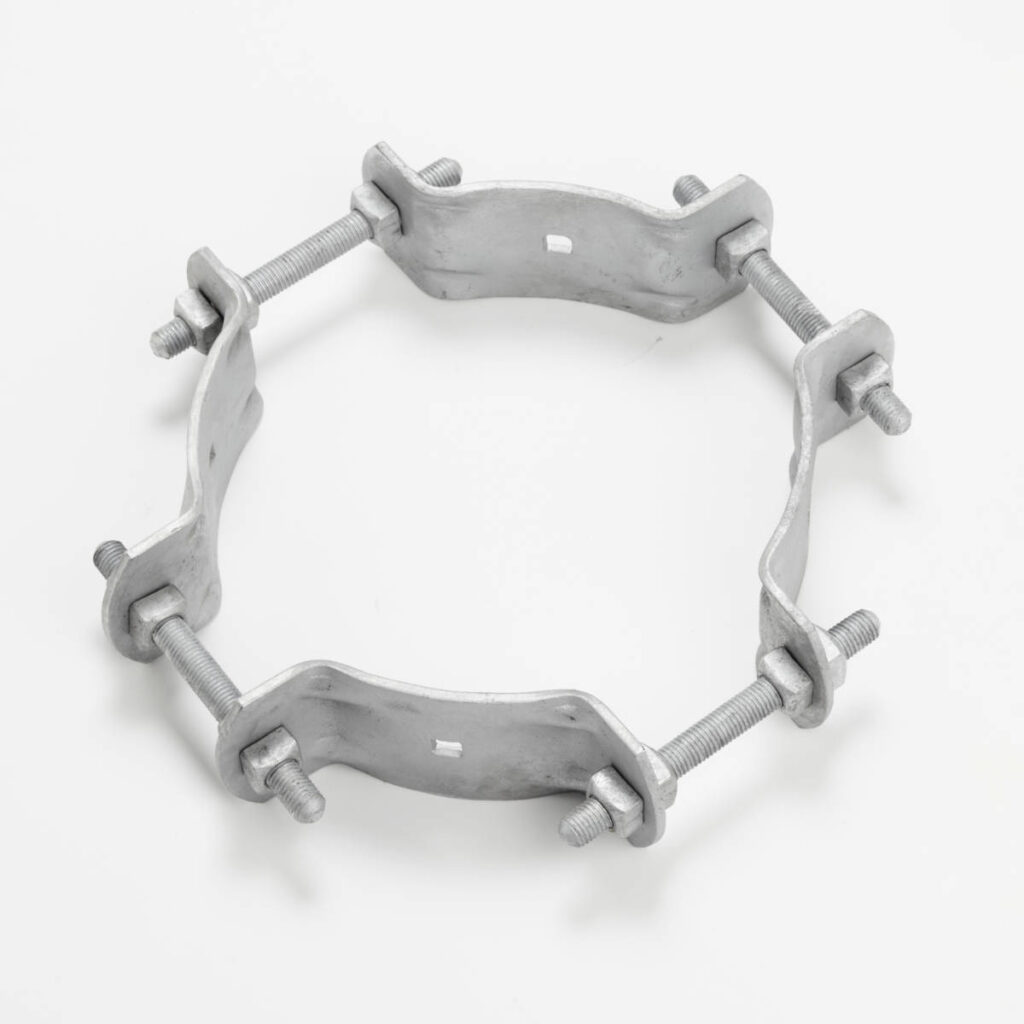
    Pole bands are metal clamps used in oil storage and hydrocarbon infrastructure that play a role in strengthening Venezuela’s oil export chain.

    They enhance structural integrity, streamline electrical supply, and support monitoring systems in storage facilities. This enables more reliable and efficient operations.

    Pole bands secure pipelines, conductors, and power lines against environmental wear and tear. They are crucial for uninterrupted electricity to remote drills, storage terminals, and processing plants.

    Venezuela can integrate smart asset monitoring like support sensors, cameras, and gauges, which is key for leak detection and pressure monitoring.

    #PoleBands #OilExport #Venezuela #Blend22 #PDVSA #Infrastructure #IoTMonitoring #EnergyResilience

    Read More

  • Yoke plates in oil trade power Venezuela’s grid

    Hydrocarbon and oil production facility

    Venezuela depends on oil income to get fuel and diluents essential for refining heavy crude. In June, the nation exported approximately 844,000 barrels daily of crude oil, marking an 8% rise compared to the month before. Nonetheless, the cancellation of U.S. licenses permits partners such as Chevron and Repsol to engage in trading Venezuelan crude. This leads to notable long-term and short-term effects on Venezuela’s energy industry. With these markets limited, Venezuela has shifted crude exports to China. Sales to China include discounts, barter agreements, or debt settlements instead of cash payments. This lowers the real income Venezuela generates in relation to other sales. The income earned from exports is essential for maintaining power production in the nation. Ensuring the grid remains functional is essential for avoiding power outages caused by aging infrastructure elements such as transformers, transmission lines, and power stations. Pin insulators uphold the electrical framework that supports Venezuela’s oil production and export activities. Yoke plates spread mechanical stress over insulator strings to avoid structural collapse.

    Oil production demands high-power transmission lines to run pumps, refineries, and export terminals. Yoke plates help distribute mechanical stress across insulator strings to prevent structural failure. They also help reduce the risk of line failures to maintain continuous power flow. The plates are from durable materials to prevent rust and degradation to extend infrastructure lifespan. Standardized yoke plates allow for faster replacement of damaged insulators or conductors. Venezuela’s national grid suffers from chronic blackouts due to underinvestment and poor maintenance. Most of the oil facilities rely on diesel generators when the grid fails. The generators still depend on transmission lines to distribute power within facilities.

    Roles of yoke plates in maintaining electrical infrastructure for oil production and export

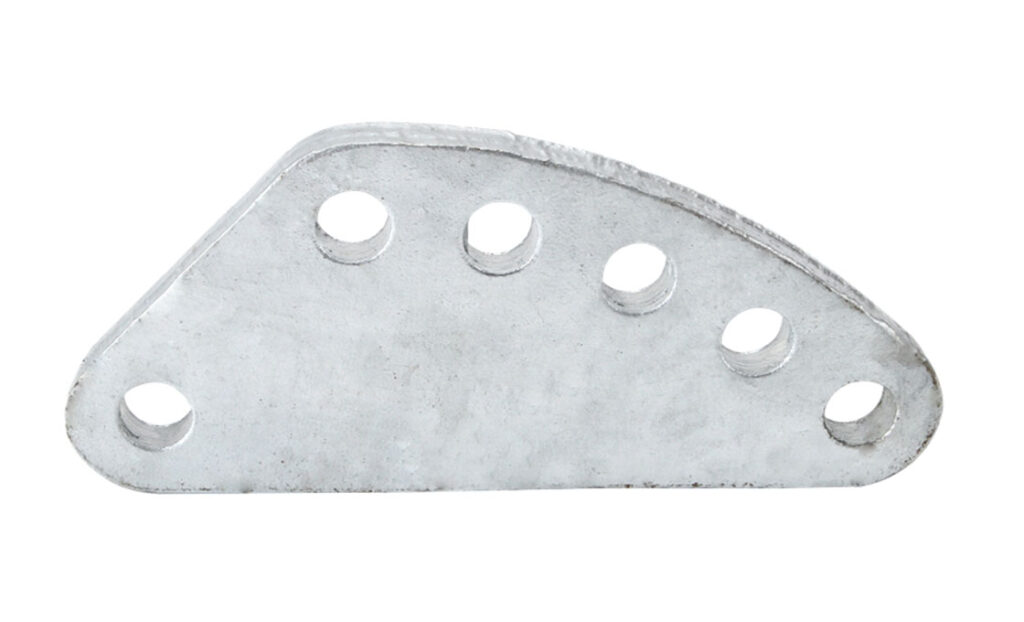
    A yoke plate is a hardware component used in electrical transmission and distribution systems. It serves as a connector between insulators, crossarms, and conductors. It ensures mechanical stability and electrical continuity in power lines that supply electricity to oil fields, refineries, and export terminals. Yoke plates play a crucial role in maintaining electrical infrastructure powering oil production and export. The plates help ensure that transmission systems supporting oil operations remain stable, safe, and efficient. They play a crucial role in ensuring mechanical stability and electrical safety in power lines serving oil production and export. Here are the roles of yoke plates in the electrical infrastructure.

    Yoke plates connect insulators in suspension strings
    • Securing insulators in high-voltage transmission lines—yoke plates help connect many insulators in suspension of tension strings. Stable power delivery is crucial for pumping, refining, and transporting oil in oil-rich regions. The plates ensure the insulators remain aligned and balanced to reduce mechanical stress and reduce the risk of power failure.
    • Maintaining structural integrity under high loads—oil production facilities need a high and continuous power supply. Yoke plates distribute mechanical load evenly across insulators. This helps withstand heavy conductor tension and wind forces.
    • Reducing electrical faults in harsh environments—yoke plates help maintain consistent insulator spacing and mechanical support. It reduces the chances of flashovers, arcing, or phase contact.
    • Enabling infrastructure resilience—yoke plates are often galvanized to provide long-term durability and low maintenance. This helps prevent power-related disruptions to critical oil export operations.
    • Facilitating grid maintenance—yoke plates enable safe retrofitting of insulator strings without dismantling entire tower structures.

    Effects of oil exports and imports on Venezuela’s energy industry

    Venezuela’s economy and energy industry rely on oil exports for income and the importation of oil. Oil extraction is essential to maintain output and local fuel availability. Oil trading influences the nation’s energy security, economic vitality, and global position. Companies such as Chevron and Repsol might increase output, resulting in extra funds for fuel imports and grid maintenance. Moreover, the easing of sanctions could assist in alleviating Venezuela’s electricity crisis. The effects are as outlined in the following sections.

    1. Revenue source – oil sales comprise 90% of Venezuela’s export income and finance social initiatives, infrastructure development, and military expenditures.
    2. Foreign currency for imports – oil sales generate the foreign currency required to buy food, medicine, and industrial machinery.
    3. Grid instability – fuel shortages impact thermoelectric plants, exacerbating blackouts. Industries halt operations because of power outages, leading to a decline in non-oil exports.
    4. Reliance on discounted and shadow markets – shadow fleets and intermediaries diminish transparency and income.
    5. Domestic fuel shortages – illicit fuel prices surge when imports delay. Power plants also experience issues from diesel shortages that exacerbate blackouts.
  • Cable suspension bolts boost grid strength in crisis

    Power crisis causes in Venezuela

    Venezuela is currently experiencing a power outage, which is straining the country’s infrastructure. The situation is caused by a sharp drop in hydroelectric generation capacity. Hydroelectric power produces 60% of the country’s electricity. The country’s failure to deliver adequate fuel to thermoelectric plants exacerbates the issue. As a result, many regions are experiencing long power outages. Without foreign investment in turbine upgrading, the Guri Dam’s output will inevitably decline. Venezuela should so develop an atmosphere conducive to private and state investment. This will be critical for furthering the development of these technologies. This will be critical for stabilizing the electricity grid and reducing power outages. The national grid depends on obsolete transmission infrastructure that limits power generation. Cable suspension bolts help improve electrical transmission and distribution systems.

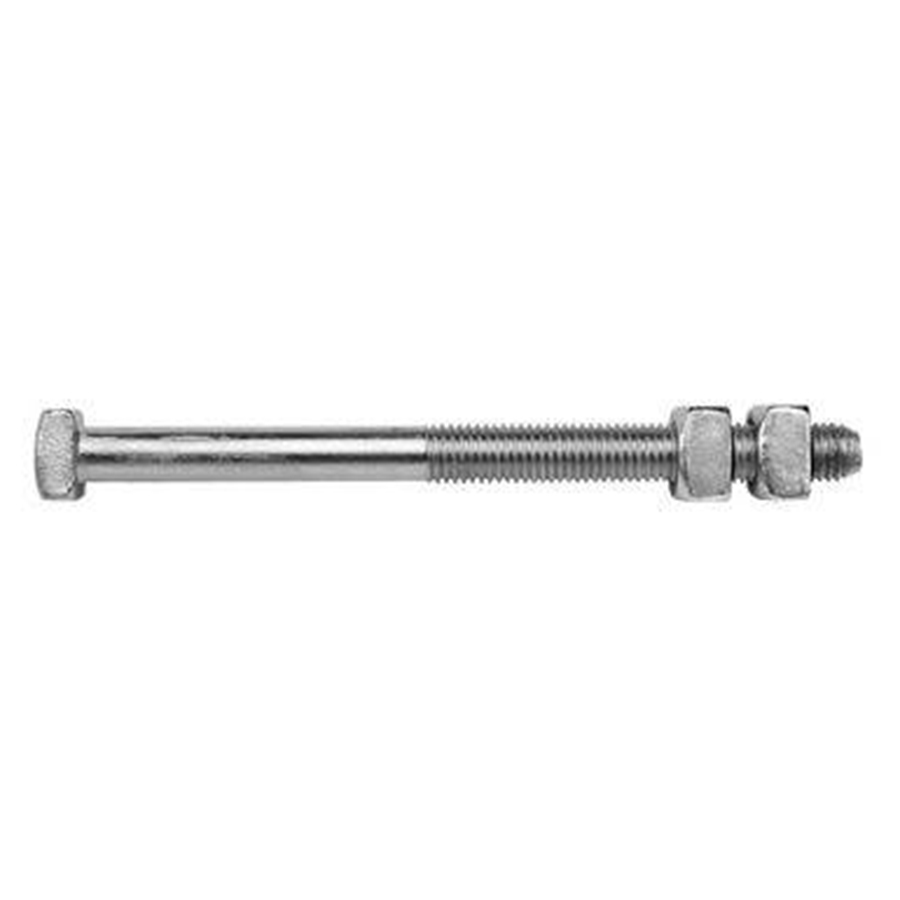
    Cable suspension bolts attach conductors to transmission towers and poles. This helps to avoid drooping and line failures due by wind, storms, or old infrastructure. They help to lessen the frequency of power outages caused by broken lines, which are a key problem in Venezuela’s crumbling grid. These bolts maintain greatest tension in overhead cables, preventing short circuits and line problems. Venezuela’s grid suffers from voltage oscillations, necessitating the correct placement of cables to stabilize transmission. High-quality suspension bolts allow broken transmission lines to withstand environmental conditions. They are critical in increasing the life of electrical cables and lowering maintenance expenses. Cable suspension bolts offer the potential to provide reliable power distribution, reducing dependency on unpredictable local generation. Proper use of suspension bolts reduces blackouts. It also supports Venezuela’s efforts to modernize its failing electricity infrastructure.

    Cable suspension bolts can help ease Venezuela’s power crisis

    Cable suspension bolts help to improve power line infrastructure in areas prone to outages and crises. They are crucial to decreasing power outages and increasing grid resilience. A cable suspension bolt is a fastener used to secure electrical cables to supporting structures. It is critical for maintaining power lines’ structural integrity and reliability. Investing in high-performance suspension hardware is a highly effective technique for reducing outages, protecting transmission lines, and restoring faith in the power system. Here are the responsibilities of cables in technological infrastructure that help to reduce Venezuela’s power issues.

    Cable suspension bolt maintain cable tension
    1. Structural integrity and vibration control—cable suspension bolts are able to anchor and support overhead conductors. They help maintain cable tension, reduce sag, and dampen vibrations that could lead to mechanical fatigue.
    2. Protection against harsh environmental conditions—the country faces conditions like high humidity, tropical storms, and extreme weather fluctuations. Cable suspension bolts are from corrosion-resistant materials that help extend the lifespan of towers and conductors. They provide robust support and reduce weather-related damage.
    3. Reducing outages through resilient design—Venezuela faces blackouts due to the fragile electrical grid. Suspension bolts integrate into modern power infrastructure to provide resilience. This is through maintaining conductor alignment, preventing conductor galloping, and reducing the likelihood of mechanical failures.
    4. Enhancing maintenance—suspension bolts speed up post-disaster repairs, lower the risk of theft, and support grid-hardening initiatives.
    5. Supporting grid modernization—cable suspension bolts are crucial in upgrading transmission towers for smart grid technologies.

    Improved infrastructure to reduce power shortages and crises in Venezuela

    Venezuela faces widespread power outages, aged grid infrastructure, and political instability. Energy crises can interrupt homes, hospitals, industries, and communications for days at a time. However, there is a slow and steady transition to modern technology infrastructure. This includes:

    • Grid stabilization—the country is adopting smart grid technologies that allow for real-time monitoring, load balancing, and predictive maintenance. This includes smart sensors, advanced metering infrastructure, and automated switchgear.
    • Upgrading transmission and distribution lines—outdated power lines are being gradually replaced with high-capacity conductors, cable suspension bolts, and insulators to maintain line integrity. This helps reduce the chance of mechanical failure in remote areas.
    • Decentralized energy and microgrids—there is continued development of decentralized energy systems. This includes microgrids in rural areas, battery energy storage systems to store surplus electricity, and solar-diesel hybrid systems.
    • Renewable energy integration—Venezuela is exploring solar and wind energy as sustainable solutions. The key efforts include installing solar panels, exploring wind corridors, and partnering with international donors to fund off-grid renewable projects.
    • Cybersecurity infrastructure—this helps safeguard infrastructure from internal and external threats. It includes tamper-proof transformers and metering systems, surveillance and drone monitoring, and cybersecurity protocols.
  • Suspension clamps support Colombia’s EV grid gaps

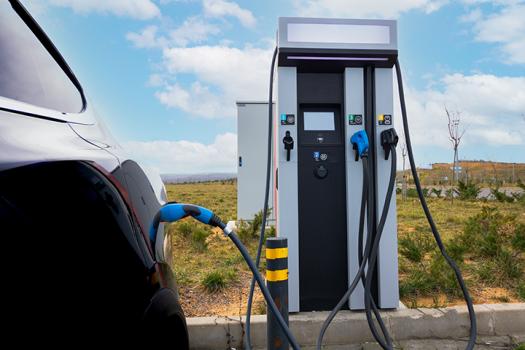
    Electric vehicle charging network development

    Colombia is experiencing multiple changes, propelled by the introduction of new models and consistent sales increases. Additional elements like charging facilities, technological disparities, and the necessity for consumer awareness are influencing the trajectory of electromobility in Colombia. Companies such as BYD hold a leading role in public transportation, reaching significant cities like Cali, Medellín, Manizales, Pereira, and areas showing increasing interest in electric options. BYD aims to integrate over 2,000 new electric buses into the public transportation network. The units will feature cutting-edge technologies like blade battery, aimed at enhancing the range and durability of the buses. Moreover, the Chinese brand JAC has shown a solid dedication to local electromobility by introducing three new electric models. Suspension clamps provide safety, stability, and effectiveness for electrical setups.

    Suspension clamps hold and support power cables in overhead installations to prevent damage due to wind and mechanical stress. Some public EV chargers install on utility poles or streetlight poles. Suspension clamps help anchor charging cables safely. They ensure stable connections between distribution lines and charging stations. Suspension clamps keep conductors in place and ensure reliable electricity supply to charging hubs. The clamps help reduce the need for underground cabling to lower infrastructure costs. The clamps ensure secure power transmission for both charging stations and grid stability. Suspension clamps allow easy upgrades of charging networks by adjusting overhead lines. This will be crucial in speeding up EV adoption in Colombia.

    Suspension clamps in Colombian EV and charging infrastructure

    Suspension clamps ensure the secure support of overhead conductors that deliver power to charging stations. The clamps are mechanical devices used to suspend and support electrical conductors on utility poles. They allow the conductor to hang freely and move slightly to reduce mechanical stress caused by environmental forces. Suspension clamps are crucial for creating durable, safe, and efficient power delivery systems. They are crucial in deploying EV power lines, reinforce grid components, and maintain grid reliability and safety. Here are the key functions of suspension clamps in EV and charging infrastructure.

    suspension clamps support the infrastructure needed for EV charging
    1. Supporting overhead power lines to charging stations – EV chargers are powered by overhead distribution lines. Suspension clamps hold these conductors in place as they extend from poles to transformers.
    2. Reducing mechanical stress – EV charging stations need stable power delivery. Suspension clamps help absorb mechanical loads such as line tension, wind-induced vibrations, and pole sway. They extend the lifespan of conductors and poles to reduce maintenance costs and improve system reliability.
    3. Enabling flexible EV infrastructure deployment – suspension clamps provide the flexibility to quickly mount and reconfigure power lines.
    4. Protecting electrical integrity – suspension clamps preserve the electrical characteristics of power lines. This ensures that charging stations receive consistent voltage and current for battery health and user safety.
    5. Integrating with smart grid systems – modern suspension clamps are able to accommodate sensors or insulation fittings. They help integrate real-time monitoring tools that are crucial to smart grid and EV energy management.

    Difficulties with charging facilities in Colombia

    Colombia is undergoing one of the quickest shifts to electric mobility in South America. Nonetheless, the progress encounters obstacles like the charging infrastructure, which remains inadequate and inconsistently distributed. Many initiatives aim to tackle these issues. These consist of a national electric mobility plan to promote public-private collaborations for the deployment of fast chargers. A list of challenges confronting charging infrastructure in Colombia follows.

    • Charger-to-vehicle disparity – Colombia has one public charger for every 33 electric vehicles, which is significantly lower than international best practices. EV owners encounter lengthy waits or must depend on sluggish home chargers, which restrict long-distance journeys.
    • Disparate charging standards – the market presently employs various connector types, leading to compatibility and interoperability challenges. EV drivers encounter uncertainty and restricted access to chargers, while infrastructure providers are reluctant to invest without definitive regulations.
    • The expense of fast charging infrastructure is significant – the installation of DC fast chargers is costly because of the necessary grid enhancements for increased load capacity, import duties, and construction expenses in challenging landscapes. Level 2 charging stations take 6–8 hours for a complete charge, which is impractical for logistics fleets.
    • Limited connection with renewable energy – only a few EV chargers are compatible with solar or wind energy systems. Solar-powered stations are present in pilot projects, but have not yet become widespread or connected to the grid on a large scale.