Tag: power line hardware

  • Disc insulators in Argentina’s Solar Industrial Growth

    Solar energy for rural electrification

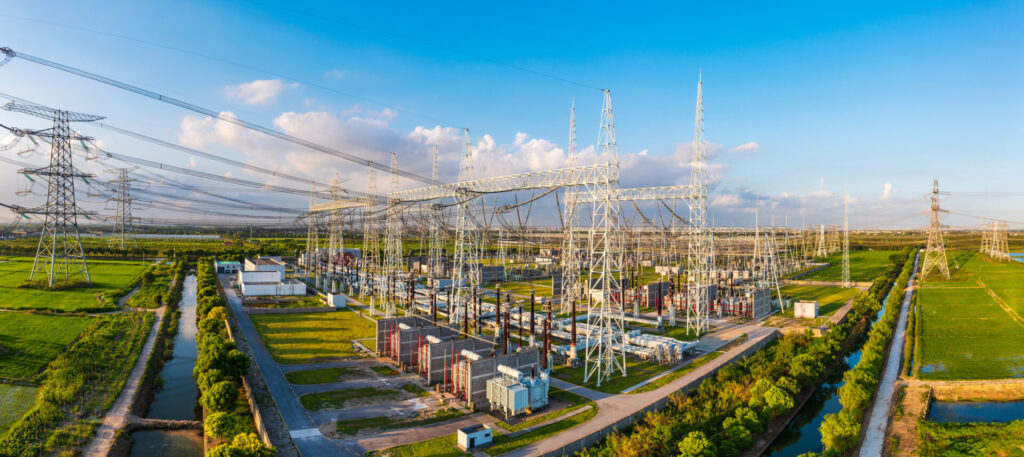
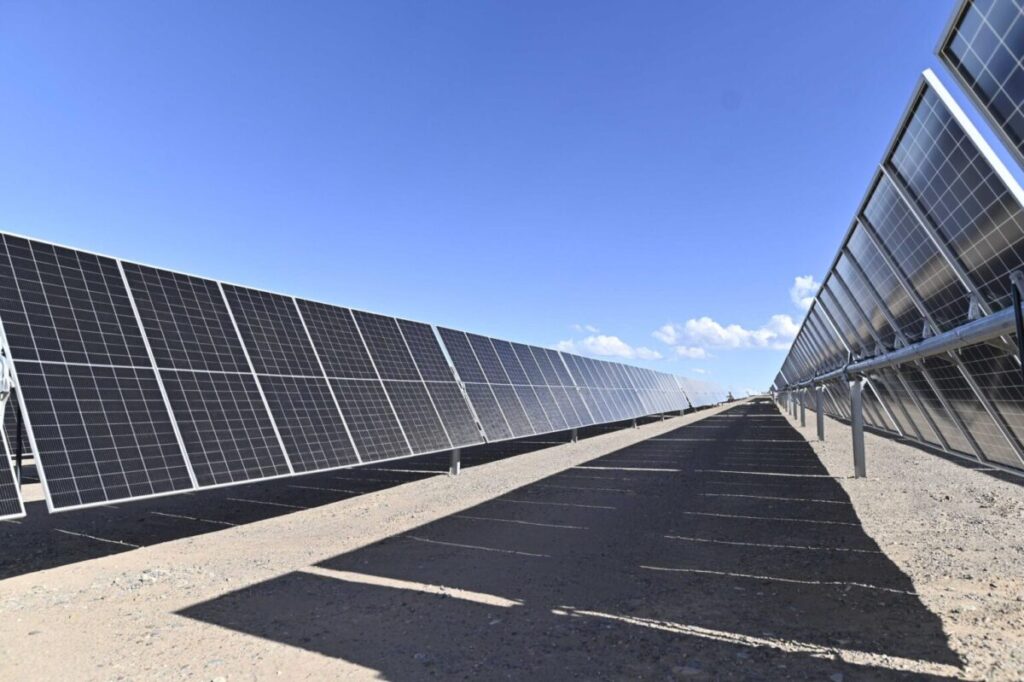
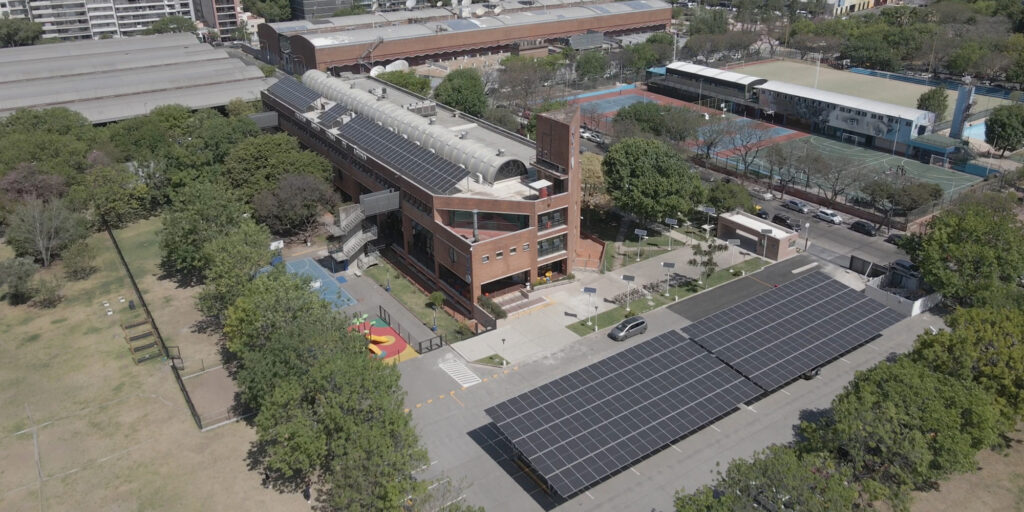
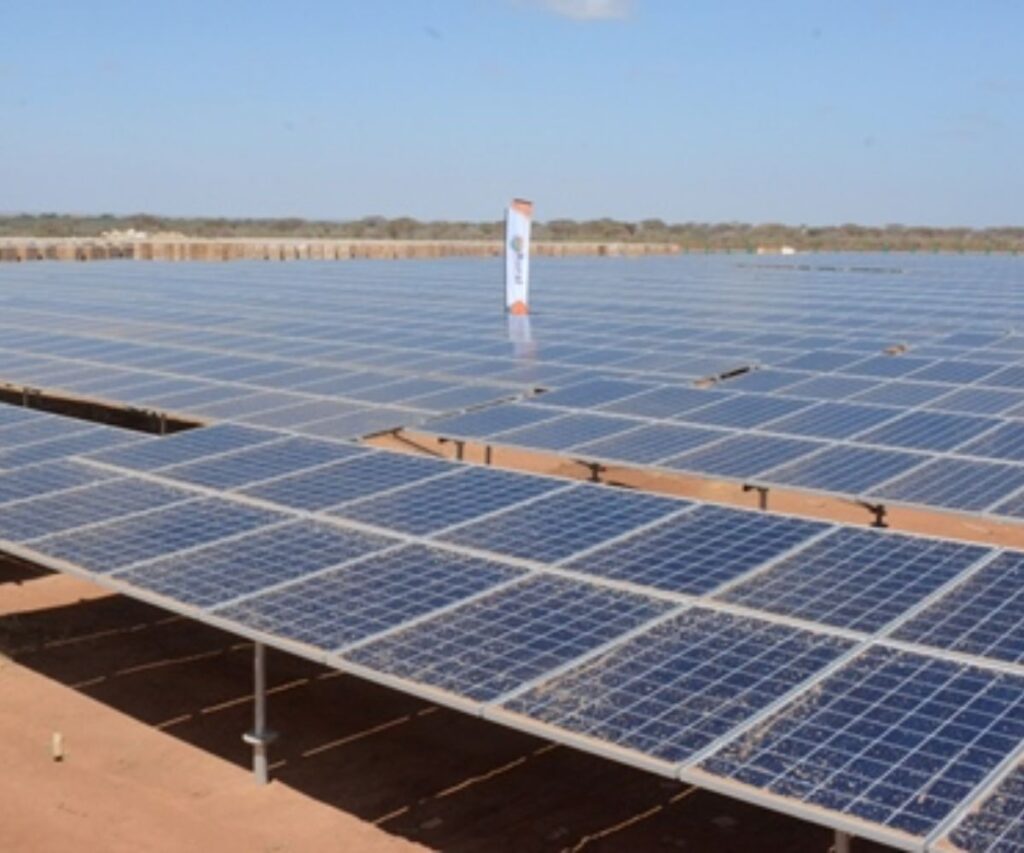
    Genneia, an Argentina-based renewable energy firm, announced the start-up of 140 MW at the San Rafael solar power facility. It also plans a 180 MW connection to the national grid. Approximately 400,000 solar panels have been placed across 500 hectares in San Rafael. It also has a USD 180 million investment in the project, which brings Genneia’s total renewable assets in Mendoza to more than $400 million. The San Rafael facility helps to Argentina’s electricity grid by addressing outdated thermal infrastructure and fuel supply constraints. The expanded capacity minimizes reliance on foreign fuels for electricity generation and helps to protect the grid from supply shocks during peak demand. The San Rafael solar facility helps to promote grid diversity by regulating grid frequency and voltage levels. This is crucial when paired with modern inverters and grid-support functions. Disc insulators serve in the high-voltage transmission infrastructure connecting the plant to the grid.

    The disc insulator bears the weight of the hefty high-voltage transmission line conductors from the transmission towers. After expanding the solar facility, the switchyard and transmission lines must be upgraded to handle the extra electricity flow. This results in new transmission towers and existing ones requiring extensive strings of disc insulators to suspend the cables. Solar energy shields Argentina from global fuel markets. This contributes to cheaper electricity rates and more consistent power pricing.

    Disc insulators provide a high-resistance route, preventing high-voltage current in the circuit from passing to grounded transmission towers. They ensure that the greater power from the new plant is kept apart from the steel buildings. They help to protect the equipment and avoid ground faults. The set of discs provides a creepage distance, causing any electrical current to travel over the insulating surfaces.

    Functions of disc insulators in solar plant expansion infrastructure

    Disc insulators guarantee stability, grid compatibility, and long-term asset performance. They are critical components for utility-scale solar installations that connect to medium and high voltage networks. The discs offer consistent power transmission, which improves grid resilience and long-term system performance. Disc insulators convert large-scale solar investments into reliable, dispatchable electricity. Here are the primary purposes of the disc insulator in solar plant infrastructure.

    Porcelain disc insulators in overhead transmission lines
    1. Electrical insulation for grid interconnection—disc insulators serve in overhead transmission and sub-transmission lines that evacuate power from large solar plants to substations. The insulators isolate live conductors from towers and crossarms to prevent flashovers.
    2. Support for high-voltage power evacuation—disc insulators in suspension or tension strings withstand elevated electrical stresses while maintaining mechanical strength. This is crucial for transmitting large volumes of solar power from remote and high-irradiance regions.
    3. Mechanical load management—disc insulators carry mechanical loads and support conductor weight, tension, and dynamic forces. The insulators help maintain line geometry and stability to contribute to transmission reliability.
    4. Grid stability and operational reliability—disc insulators reduce the risk of outages caused by electrical faults, flashovers, and mechanical failure. They support voltage stability and reduce the forced decrease of renewable generation.

    Economic and industrial implications of solar capacity increase in Argentina

    Solar capacity increase has economic and industrial implications in Argentina that go beyond energy generation. Solar energy is an important driver of investment, industrial competitiveness, and long-term economic stability. These impacts include:
    • Capital investment and economic growth—large-scale solar projects attract domestic and foreign investments. The capital inflows stimulate regional economies through construction activity, engineering services, logistics, and supporting infrastructure.
    • Enabling industrial decarbonization—solar capacity expansion supports industries aiming to decarbonize operations and follow international environmental standards. This is crucial for export-oriented sectors facing carbon disclosure needs and sustainability-linked financing conditions.
    • Regional development and infrastructure modernization—solar projects lead to the development of new transmission lines, substations, and access roads. The infrastructure upgrades improve connectivity, attract investments, and promote balanced regional development. These upgrades rely on robust components such as disc insulators to protect the solar infrastructure and equipment.
    • Reduced energy costs for industry—solar power’s low marginal costs help stabilize electricity prices for energy-intensive sectors. Key sectors include mining, agriculture, food processing, and manufacturing. Access to priced renewable power improves industrial planning, enhances export competitiveness, and reduces exposure to fuel price volatility.
  • Drop wire clamps driving Argentina liberalization

    Liquefied petroleum gas production and storage

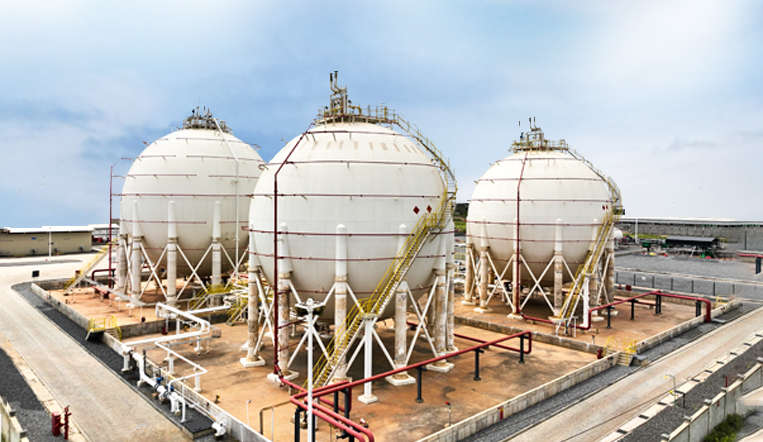
    Argentina’s liquefied petroleum gas (LPG) production and processing facility helps to position the country in the national energy industry. It helps to connect upstream hydrocarbon development with domestic energy security and export-led growth. Increased LPG production in Argentina results in increased volumes of propane and butane recovered from raw gas streams. This relates LPG growth to upstream drilling activity and productivity increases. Recent market-oriented changes have enhanced price signals, allowing producers to maximize output and engage in capacity growth. This leads to the modernization of processing facilities, which improves recovery efficiency, product quality, and reduces operational losses. There is also more investment in fractionation capacity, which ensures that incremental volumes may be monetized rather than limited. It also leads to infrastructure for integrating with refining operations to enhance supply resilience and allows operators to respond to market fluctuations. This demands the use of components such as drop wire clamps.

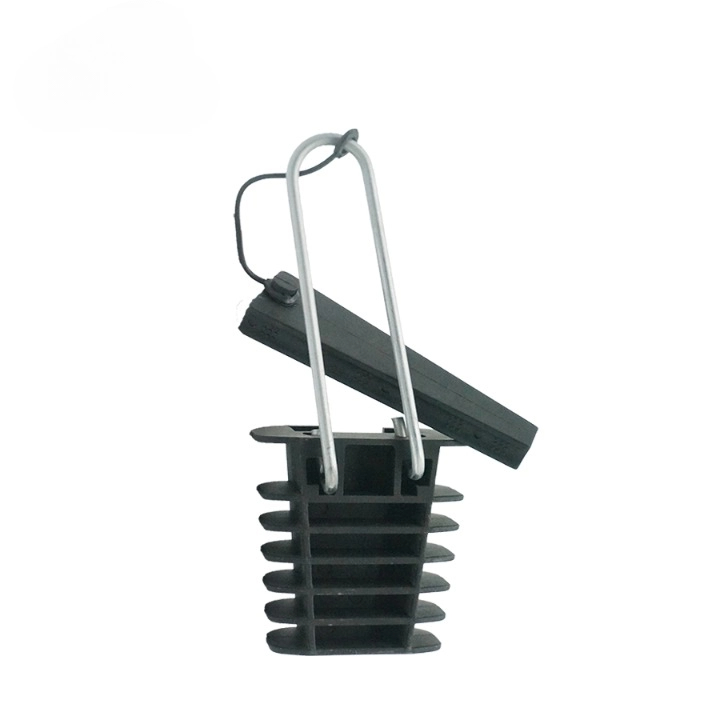
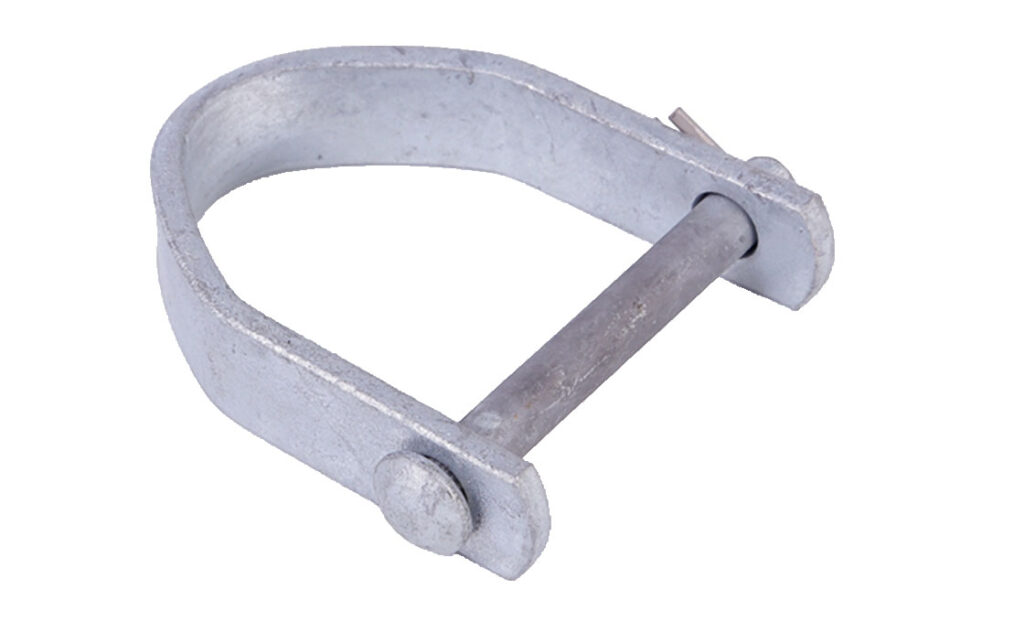
    Quality drop wire clamps contribute to the safe and reliable distribution of electrical power in Argentina’s LPG infrastructure. The clamp mechanically supports, connects, and terminates electrical cables that run between poles, structures, and buildings. LPG facilities need electrical power, which must be routed from main substations to pump stations, compressor stations, control buildings, and lighting poles. Drop wire clamps provide tight and shielded connections for the cables that power the remote loads.

    The clamps also protect instrumentation bundles and communication cables that carry signals for process control, safety systems, and communications. They can relieve mechanical tension at the electrical termination points. This prevents wires from becoming loose, which could result in shorts, arcs, and power loss. Compressors and pumps cause vibration, and the clamp isolates the cable to prevent fatigue failure at the connection.

    Drop wire clamps in Argentina’s LPG manufacturing and processing facilities

    Drop wire clamps serve mechanical and safety purposes in electrical and control systems. They assist with production, processing, storage, and export processes. The clamps are critical to ensuring consistent power distribution and instrumentation integrity across energy facilities. Drop wire clamps secure electrical and control lines, increasing safety in difficult settings. They help to ensure electrical dependability and operational integrity for effective LPG production, processing, and export activities. The following are the purposes of drop wire clamps in LPG infrastructure.

    Drop wire clamps control lines supplying the LPG
    • Securing service and control conductors – drop wire clamps anchor and strain low-voltage service wires, control cables, and auxiliary conductors to structural elements. They ensure that electrical and control lines supply compressors, pumps, metering systems, and safety devices remain tensioned and positioned.
    • Strain relief and mechanical load management – drop wire clamps provide effective strain relief by transferring tensile loads from conductors to structural supports. They prevent excessive stress on cable terminations and connectors to reduce risk of conductor fatigue and breakage.
    • Support for infrastructure expansion and modular construction – modular plant design and rapid deployment are common as Argentina expands LPG processing capacity. Drop wire clamps enable quick, secure installation of temporary and permanent service connections during construction and expansion phases.
    • Protection of electrical and instrumentation systems – drop wire clamps help maintain consistent cable alignment and spacing to reduce movement that could lead to signal interference.

    The role of liberalization in altering Argentina’s energy economy

    Liberalization is affecting Argentina’s energy economics by altering price formation, investment behavior, and energy market structure. The shift to market-based processes aligns incentives throughout the oil, gas, electricity, and fuels industries. Drop wire clamps ease the transition by securing service and control conductors that power pumps, compressors, and metering equipment. Here’s how liberalization affects Argentina’s energy economy.

    1. Transition from controlled pricing to market signals – liberalization has reduced price controls and subsidies to allow prices to better reflect production costs and exchange rates. It enables energy companies to justify investments in upstream development, processing, and infrastructure.
    2. Interaction with the energy transition – liberalization is also reshaping how Argentina approaches the energy transition. Market frameworks bring about investment tin renewable energy where private financing drives cost reductions.
    3. Impact on energy efficiency and demand behavior – cost-reflective pricing influences consumer and industrial behavior by promoting energy efficiency and rational demand. Price transparency encourages investment in efficiency upgrades, fuel switching, and demand management across industrial sectors.
    4. Strengthening export-led growth – liberalization of exports allows producers to monetize surplus output and respond to international demand.
  • Clevis Eye in AI-Driven Lithium Infrastructure in Argentina

    AI supporting lithium exploration

    According to a JP Morgan analysis, lithium prices are likely to climb due to the development of artificial intelligence (AI), global vehicle electrification, and energy security concerns. The current price is approximately US$13,500 per ton, with traders expecting US$17,500 per ton. According to the Argentine Chamber of Mining Companies (CAEM), Argentina is well-positioned to become a leading global supplier. It aims to produce 131,000 tons of lithium by 2025. Artificial intelligence is becoming a non-traditional and more important source of lithium demand. The hyperscale data centers that run AI models need huge, uninterrupted energy supplies, which drives investment in battery energy storage technologies. Lithium-ion batteries are required for grid-scale and storage applications, which connects AI growth to lithium usage. This integration relies on solid infrastructure to secure and reliable connections. Using components like the clevis eye creates secure, adjustable, and strong linkages in structural and tension systems.

    Lithium is also an important component in worldwide car electrification, helping to phase out internal combustion engines. Renewable energy is increasingly being accepted across the country as battery storage systems are integrated. Lithium contributes to the country’s energy security and grid resiliency. The use of the clevis eye in lithium production and transportation infrastructure assures that the lithium supply chain is secure, efficient, and scalable. The evaporation ponds have heavy-duty geomembrane secured to the surrounding trenches using cable anchor systems. The anchor cables’ ends are terminated by the clevis eyes.

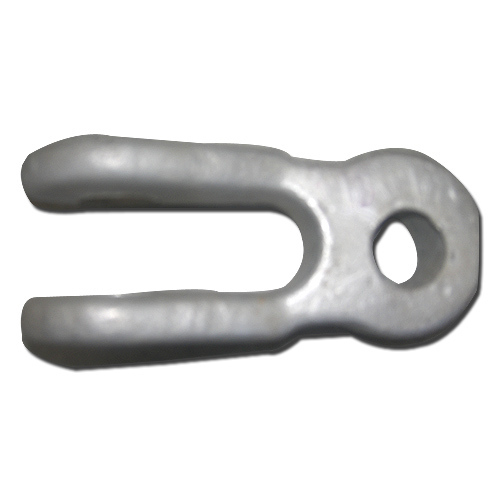
    Clevises create a strong and dependable loop that links to a ground anchor, ensuring the pond liner is stable against severe winds. It also connects to a rod or cable that supports transportation pipes. The clevis has a pivoting motion that allows for small movement and facilitates installation. They also keep the pipes from shifting in the event of movement.

    The role of the clevis eye in lithium infrastructure

    The clevis eye facilitates the safe, efficient, and dependable transportation of commodities and equipment between sites, processing facilities, and logistical lines. It enables operational continuity in the most critical resource sectors. It allows for strong connections, safe lifting, and modular construction. Its main functions include:

    Clevis eye enables movement in lithium infrastructure
    • Vibration and movement resistance—clevis eyes allow for limited articulation between connected parts to accommodate movement without inducing fatigue. It is essential in conveyor systems, mobile pumping units, and transport frames.
    • Modular and scalable infrastructure—the clevis eye enables rapid assembly and disassembly of structural and mechanical systems. Their design improves compatibility across different suppliers and project phases.
    • Secure connection and load transfer—the clevis eye functions as a connection point between chains, rods, cables, and lifting. The clevis eyes help transfer loads in pumping systems, evaporation pond infrastructure, and modular processing units.
    • Support for lifting and handling operations—lithium production depends on the movement of heavy equipment, piping, tanks, and prefabricated modules. The clevis provides reliable attachment points for cranes and winches during installation, maintenance, and equipment relocation.

    Artificial intelligence in Argentina’s lithium production

    Artificial intelligence (AI) is a strategic enabler in Argentina’s lithium business, improving efficiency, sustainability, and competitiveness along the value chain. It facilitates lithium processing, logistics, and market optimization. AI adoption is critical for increasing production while minimizing costs and environmental effect. It affects the lithium business in the following ways:

    • Resource exploration and brine characterization—AI-driven geological modeling and data analytics are essential in Argentina’s high-altitude salt flats. Using machine learning algorithms, satellite imagery, and drilling reduces exploration risks and shortens project timelines.
    • Optimization of brine extraction and processing—AI systems help optimize pumping rates, evaporation cycles, and chemical processing parameters. The models help maximize lithium recovery while reducing reagent use and processing losses.
    • Water and environmental management—AI-enabled monitoring systems track water levels, salinity, and ecosystem indicators to support responsible resource management. The models help operators balance production targets with environmental constraints and reduce the risk of overextraction.
    • Predictive maintenance and asset reliability—AI-powered predictive maintenance systems analyze sensor data from pumps, pipelines, processing units, and transport equipment to report failures before they happen. They clevis-eye form part of tie-down and restraint systems on trucks, rail wagons, and port handling equipment.
    • Supply chain and logistics optimization—AI enhances the efficiency of lithium transportation from production sites to processing plants and export terminals. Advanced analytics optimize routing, inventory management, and shipment scheduling.
  • Thimble eye bolt Supporting Solar-Powered Highways

    solar energy powering road infrastructure

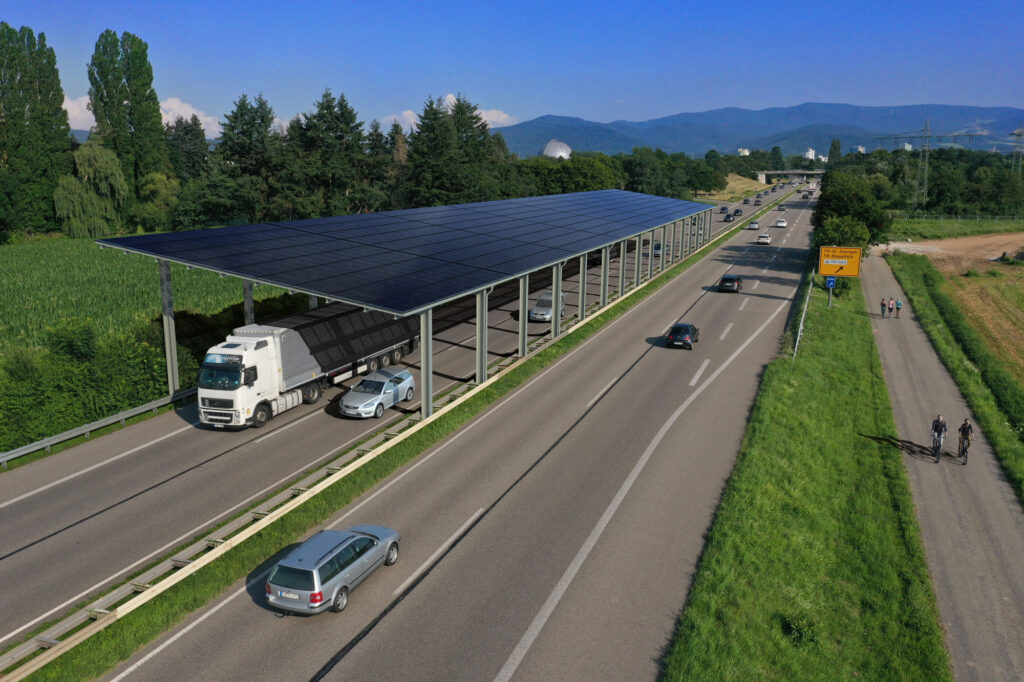
    The province of San Juan in Argentina opened its first solar-powered highway, complete with solar-powered lighting installations. This technique enables to replace traditional grid-connected lights with solar-powered options. It reduces greenhouse gas emissions and the reliance on fossil fuels. This is critical for Argentina’s decarbonization aims and pledges to climate action. The rising usage of LED technology decreases light pollution and enhances road safety by providing consistent and high-quality lighting. The San Juan highway project serves as a model for other areas in Argentina. It also demonstrates that renewable energy solutions are applicable to transportation and urban infrastructure. This technology is extremely important as Argentina seeks to update its road networks. It establishes a scalable and replicable paradigm for sustainable development. The thimble eye bolt plays a critical mechanical and structural support role in the construction and maintenance of solar-powered highways.

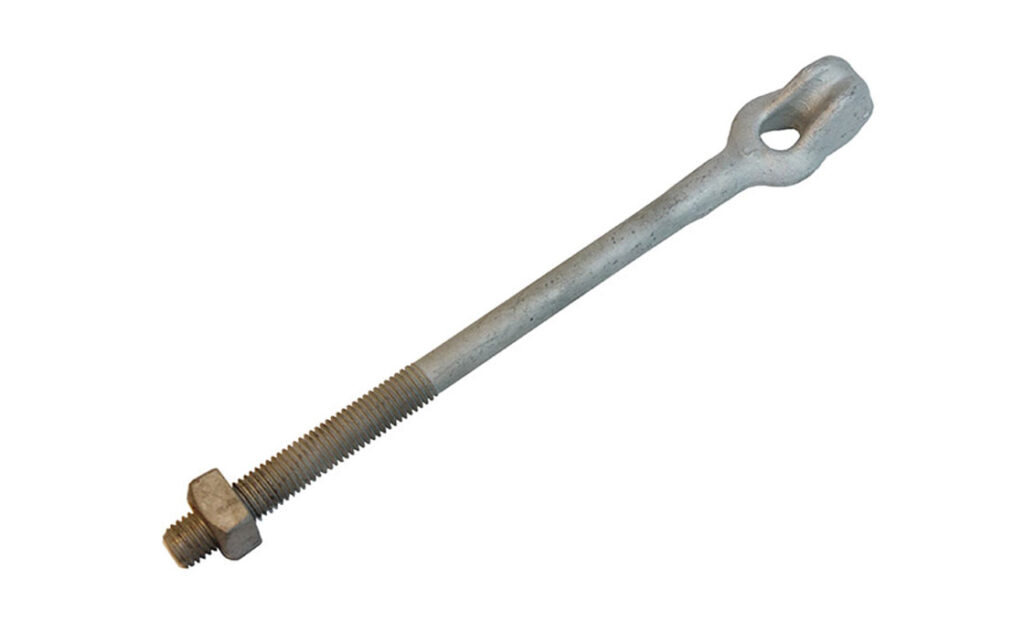
    The thimble eye bolt is a forged fastener with a grooved metal sleeve that forms a strong anchor loop and equally distributes the strain. Thimble eye bolts feature a termination point where high-tension steel cables connect to anchor points in large concrete foundations. They fit into bespoke bracketing systems that secure the solar panel frames to the support framework. The eye bolts hold points to raise panels, structural beams, or equipment with cranes and winches.

    Thimble eye bolts are used on utility poles and towers to anchor down people and keep them upright. They also install tight, safe loops and tension places for heavy electrical wire trays throughout the highway corridor. Thimble eye bolts are critical in the systems’ end terminals, where the cable is fixed and allowed to deform safely during impact. Their galvanized or stainless steel construction resists corrosion and ensures long-term operation.

    Thimble eye bolts on solar-powered roadways in Argentina

    Thimble eye bolts are vital mechanical fastening components that assure structural integrity and safety. The use of eye bolts ensures the reliability of the solar lighting and electrical support systems. They contribute to the stability and durability of facilities in traffic corridors that are subject to environmental and mechanical stress. The following are the purposes of thimble eye bolts in solar-powered roadways.

    Thimble eye bolt stabilizes poles carrying PV panels
    • Secure anchorage of support structures—thimble eye bolts serve as anchoring points for guy wires, suspension cables, and tension assemblies on lighting poles. They help stabilize poles carrying photovoltaic panels, LED luminaires, and related wiring.
    • Protection of guy wires and cables—the thimble within the eye bolt protects guy wires, steel strands, or fiber-reinforced cables from abrasion. They reduce the wear that extends cable life and reduces the risk of mechanical failure.
    • Enhancing structural stability—thimble eye bolts improve resistance to Argentina’s diverse conditions by maintaining tension in support cables. They also prevent loosening or misalignment of solar panels and lighting equipment.
    • Supporting off-grid solar installations—thimble eye bolts reduce the risk of pole failure, cable snapping, or component detachment. They support compliance with engineering standards for roadside electrical and renewable energy installations.

    Importance of solar-powered highways in the transportation industry and decarbonization objectives

    Solar-powered highways in Argentina provide measurable benefits for transportation infrastructure, decarbonization efforts, and environmental goals. They serve in road lights and transportation lines to help achieve national climate and energy targets. Using thimble eye bolts ensures anchorage, protects tensioned cables, and improves structural stability. Their importance to Argentina’s ambitions is as discussed below.

    1. Modernization of the transport sector—the solar-powered highways enhance safety, reliability, and operational efficiency. Solar lighting also improves nighttime visibility and reduces accidental risks.
    2. Decarbonization of public infrastructure—the transport infrastructure depends on grid electricity generated from fossil fuels. Adopting solar energy reduces direct and indirect carbon emissions related to road operations.
    3. Reduction of energy demand on the grid—solar-powered highways reduce the transport sector’s demand for grid-supplied electricity. This reduces pressure on transmission and distribution networks.
    4. Advancing sustainability and energy efficiency—the highways show sustainable infrastructure by combining renewable generation, high-efficiency LED lighting, and smart energy management systems.
    5. Innovation and green investment—solar-powered highways show how renewable energy and smart technologies integrate into the transport systems. Their use attracts investments in clean infrastructure, stimulates local supply chains, and speeds up adoption of intelligent transport and energy solutions.
  • Parallel groove clamps driving Argentina grid upgrades

    Transmission and distribution upgrades

    Argentina’s Central Puerto, the top power generator by installed capacity, revealed a financing arrangement with IFC. The International Funding Corporation provides US$ 300 million to set up 150MW of energy storage capacity in the Buenos Aires region. The financing will additionally assist the business unit that holds the concession for the 1.44GW Piedra del Aguilla hydropower facility. This funding will improve the reliability and adaptability of the national power system, ease increased integration of renewable energy, and strengthen energy competitiveness. The investment contributes to stabilizing systems with significant renewable integration and maintaining voltage stability. Central Puerto can address changes in demand, cut congestion risks, and stabilize supply. This involves facilitating enhancements and updates of generation resources. These connections need the use of parallel groove clamps to improve the reliability, safety, and efficiency of the power grid

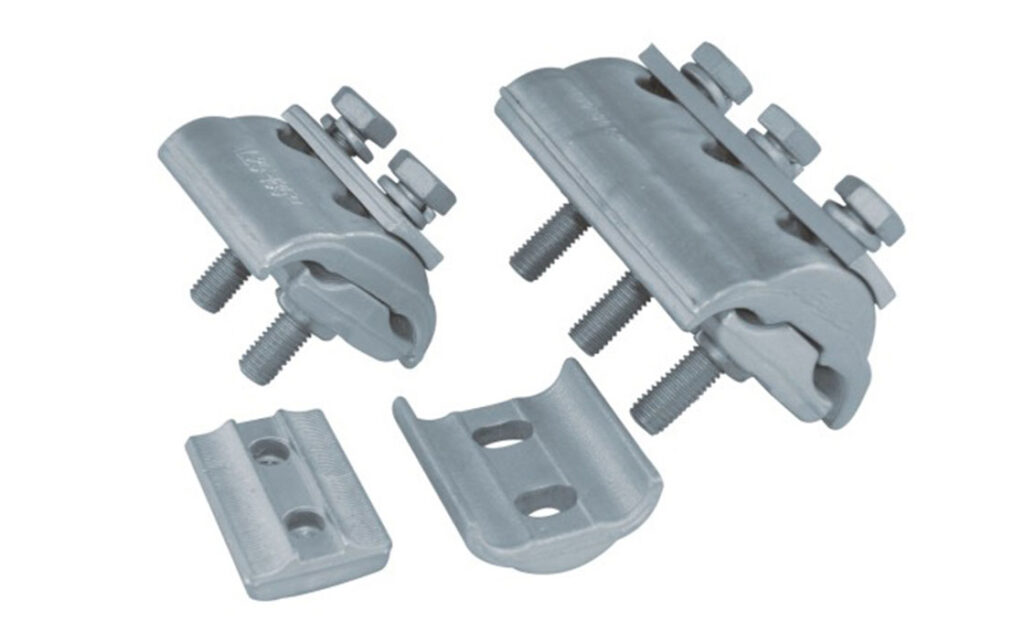
    Parallel groove clamps splice or tap overhead distribution lines without cutting the conductor. This is essential for adding new branches, making repairs, and connecting renewable energy sources. The clamps are from high-quality and corrosion resistant materials that enables them to withstand diverse climates. The use of the parallel groove clamp is crucial for reducing technical losses in modernization.

    The modernization includes smaller assets like connecting distributed generation for smaller generation. Modern parallel groove clamps provide a uniform and high-pressure connection over a large surface area. It ensures efficient current flow, reduces hotspots, and contributes to energy savings. The clamps are critical components in connecting residential and commercial solar PV systems to the overhead grid. it also helps link small-scale generators in rural electrification projects. Their reliability prevents faults that could destabilize the grid. Parallel groove clamps are able to withstand thermal cycling and mechanical stress. This prevents loosening and improves grid resilience.

    Functions of the parallel groove clamps in upgrades and modernization infrastructure

    Parallel groove clamps are components that provide electrical reliability, integration of renewable energy, and resilience the the power grid. They are mechanical connectors designed to join two parallel electrical conductors. They consists of upper and lower grooved plated that cradle each conductor. The clamps tighten together using bolts to create a secure mechanical hold and a low-resistance connection. Here are the functions of the parallel groove clamp in the infrastructure.

    Parallel groove clamps for flexible connections
    1. Reliable electrical connection for power transmission – parallel groove clamps create a stable electrical pathway between conductors. The clamps provide a low resistance electrical interface.
    2. Renewable energy integration – parallel groove clamps enable flexible and efficient connections between renewable generation sites and trunk transmission circuits.
    3. Mechanical support – the clamps provide a mechanical grip and stability to conductors under operational stresses. Their quality materials offer long-term performance in Argentina’s diverse climate conditions.
    4. Branching and tap connections – the parallel groove clamps offer the ability to tap or branch off a main conductor to secondary circuits. This helps speed up the deployment of new connections and reduces downtime during upgrades.
    5. Enhanced grid flexibility and maintenance efficiency – the clamps enable the flexibility of grid operations due to their ease of installation and removal.

    Essential infrastructure aiding Argentina’s enhancement and modernization of energy systems

    The IFC’s financing aids in the development of generation, storage, and grid-balancing facilities that enhance reliability, flexibility, and renewable integration throughout the systems. The infrastructure represents a strategy for modernization via hydropower, energy storage, expansion of transmission, and mobilization of private capital. This allows the nation to incorporate renewables and lessen the grid’s susceptibility to disruptions. The main infrastructure consists of:

    • Transmission and grid development projects – IFC and Central Puerto have partnered on feasibility assessments for high-voltage transmission lines. The transmission initiatives seek to enhance interconnection capacity with the Argentine interconnection network. These connections need parallel groove clamps for safety and dependability.
    • Facilitating renewable integration – the funding corresponds with regulatory changes and policies favorable to renewables in Argentina’s electricity sector. It enables storage and hydropower also to renewable generation while lowering system costs.
    • Integration of energy storage at grid scale – BESS units play a vital role in grid balancing systems that capture surplus energy during low demand and release it during high demand. This enhances flexibility, decreases dependence on fossil peaker plants, and allows for greater integration of renewables.
    • Hydropower capacity for grid stability – hydropower offers baseload and adjustable generation for maintaining grid stability. This is essential as renewable sources such as variable wind and solar are incorporated
  • Distribution arresters in Argentina’s renewable build

    Solar and wind systems supporting energy sustainability

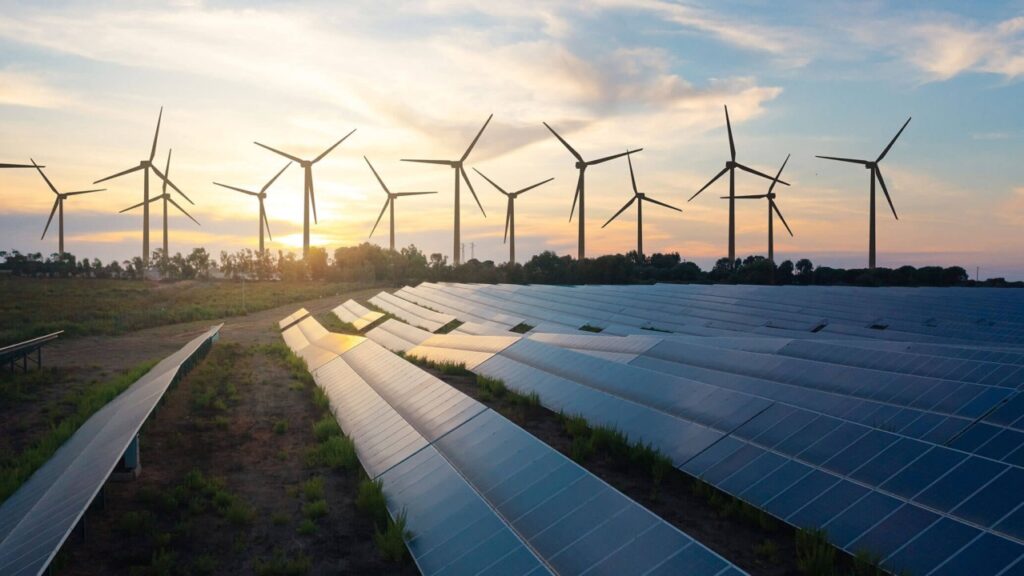
    Argentina wants to generate 30% of its electricity from renewable sources by 2030, as renewable energy sources rise in popularity. The Future Energy Summit Argentina seeks to transform power generation, infrastructure investment, and market dynamics throughout the country. The renewable aim is reducing the country’s dependency on thermal power, such as natural gas and fuels. The country has large-scale wind and solar projects, as well as hydroelectric asset optimization. These contribute to diversifying the generation mix, reducing susceptibility to fuel price volatility, and enhancing long-term energy security. Diversification improves system resilience while lowering the carbon intensity of power generation. Achieving the targets necessitates modifications to transmission and distribution networks. This comprises the installation of grid strengthening technologies, high-voltage transmission lines, and substations. Using distribution arresters helps protect the equipment from faults and lightning strikes.

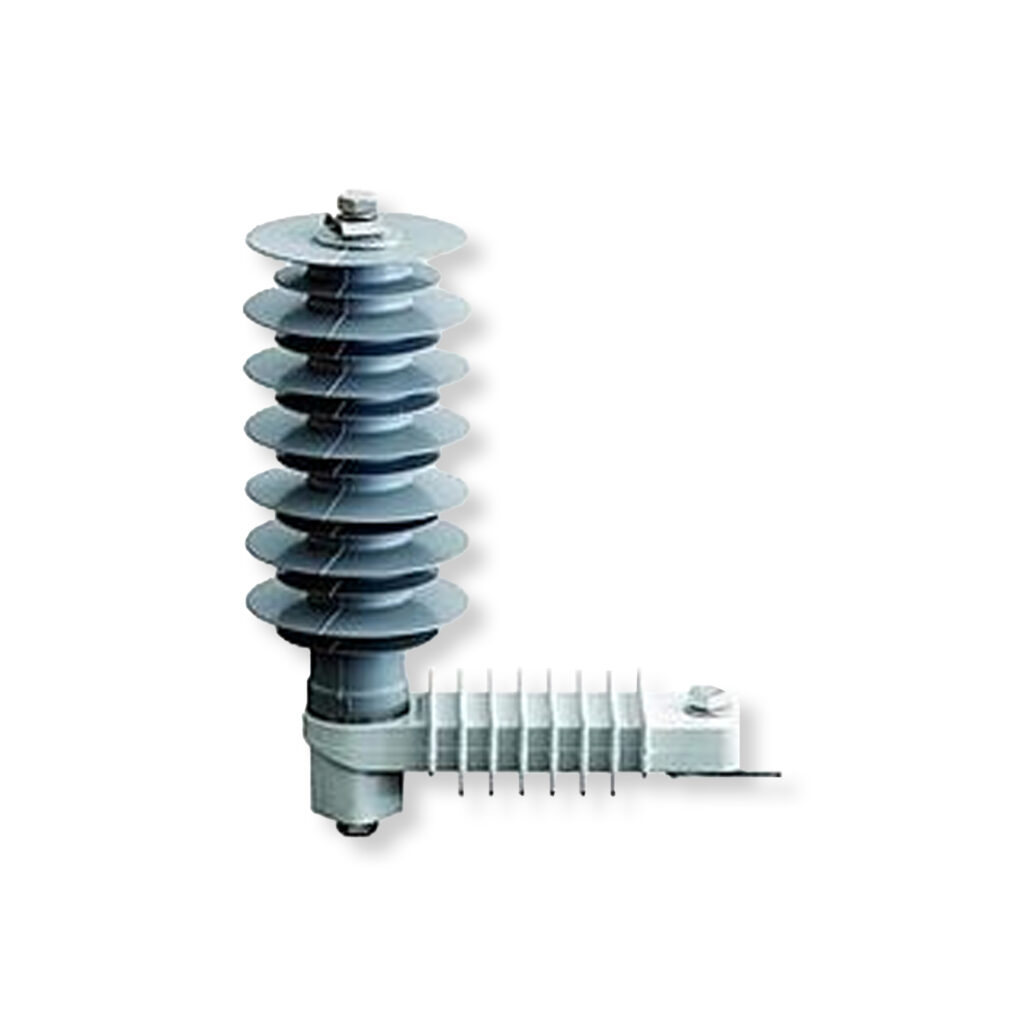
    Distribution arresters guarantee the dependability and durability of renewable energy and decarbonization infrastructure. Using the arrester allows for growth and lowers lifecycle carbon costs. The arresters safeguard delicate and expensive equipment from transient voltage spikes. These could be caused by lightning strikes, switching processes, or failures. These conditions can lead to breakdowns in inverters, step-up transformers, SCADA systems, and battery energy storage systems.

    The arresters contribute to the integrity of the local distribution grid, which connects decentralized renewable resources. They avoid surge-related breakdowns in transformers and other grid equipment. Arresters also lessen the number and duration of outages and voltage sags. Grid disturbances caused by faults may compel inverters to go offline, reducing the amount of clean energy delivered into the grid. Distribution arresters help to ensure reliability, financial feasibility, grid integration, and lifespan.

    Investments in renewable expansion and decarbonization targets in Argentina

    solar energy installation

    Investment in this area contributes to the transformation of policy objectives into operational capability. Sustainable investments influence the structure, resilience, and competitiveness of the energy sector. Domestic and foreign investments help fund project development, equipment procurement, construction, and grid connections. Transmission lines, substations, and distribution networks need significant investment as well. This facilitates the connection of renewable areas to demand centers. Modernization increases renewable penetration while maintaining system stability and lowering congestion losses.

    Functions of distribution arresters in renewable energy expansion in Argentina

    Distribution arresters ensure the dependability of the distribution networks that connect wind, solar, and hydroelectric power plants to end users. Distribution arresters safeguard grid assets as renewable penetration rises. The arresters are thus critical to the durability and scalability of Argentina’s renewable energy grid. The following are its functions in renewable energy infrastructure.

    Distribution arresters reducing equipment damage
    1. Protection against lightning and switching surges—distribution arresters protect transformers, insulators, conductors, and switchgear from lightning strikes and switching overvoltages. They reduce equipment damage and unplanned outages.
    2. Enhancing grid reliability for variable renewables—renewable generation introduces frequent changes in voltage and power flow direction. The arresters help maintain voltage stability by reducing transient overvoltage that occurs during rapid load changes.
    3. Asset protection and lifecycle cost reduction—distribution arresters extend equipment lifespan and lower maintenance and replacement costs. This contributes to improved project economics and enhances the likeability of renewable energy development.
    4. Supporting grid expansion in remote renewable areas—distribution arresters allow safe operation of long rural feeders and weak grids. Their deployment supports network expansion into remote areas without compromising reliability.

    Effects of renewable expansion on Argentina’s energy sustainability.

    The increase of renewable energy has an impact on Argentina’s energy sustainability by changing the way electricity is generated, transmitted, and consumed. The effects extend beyond emissions reduction to include economic resilience, system reliability, and long-term energy security. The following are the effects of renewable expansion in Argentina.

    • Reduced carbon emissions—increased deployment of wind and solar generation displaces fossil-fuel-based electricity. It reduces the use of gas-fired thermal plants and reduces the carbon intensity of the grid.
    • Enhanced energy security and reduced fuel dependence—renewable energy strengthens energy security and stabilizes long-term electricity costs. This helps Argentina reduce its exposure to fuel imports and price volatility.
    • Improved grid resilience and system flexibility—renewable expansion drives investments in modern transmission infrastructure, energy storage, and digital grid technologies. Distribution arresters protect the grid to enhance the ability to integrate variable generation.
    • Support for long-term infrastructure sustainability—renewable expansion encourages the deployment of durable and low-maintenance infrastructure. It leads to investments in corrosion-resistant hardware, smart substations, and predictive maintenance systems. This reduces long-term operational risks and enhances infrastructure reliability.
  • Ball clevis impact on Argentina’s on-site generation

    On-site power generation infrastructure

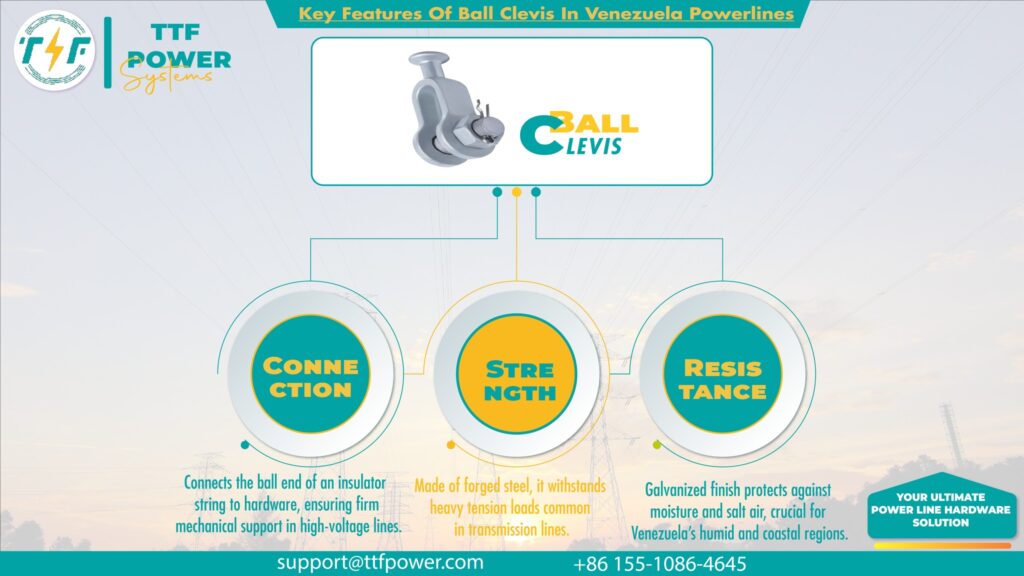
    Argentine firm SECCO is leading in energy solutions by developing on-site power generation initiatives. On-site generation serves as an option for industries seeking to lower expenses, enhance efficiency, and maintain the continuity of their operations. SECCO offers customized solutions that lower the cost per kWh. This aids in avoiding disruptions in production operations and promotes more sustainable energy management. The firm creates and manufactures medium- and high-power devices for the customers. SECCO has set up over 1,500 MW at 160 power generation facilities functioning in isolated systems or linked to Argentina’s grid. Its technology facilitates the incorporation of renewable energy, such as solar PV and hybrid systems. The framework relies on hardware elements like a ball clevis. The clevis ensures dependability, safety, and functional adaptability throughout the facility.

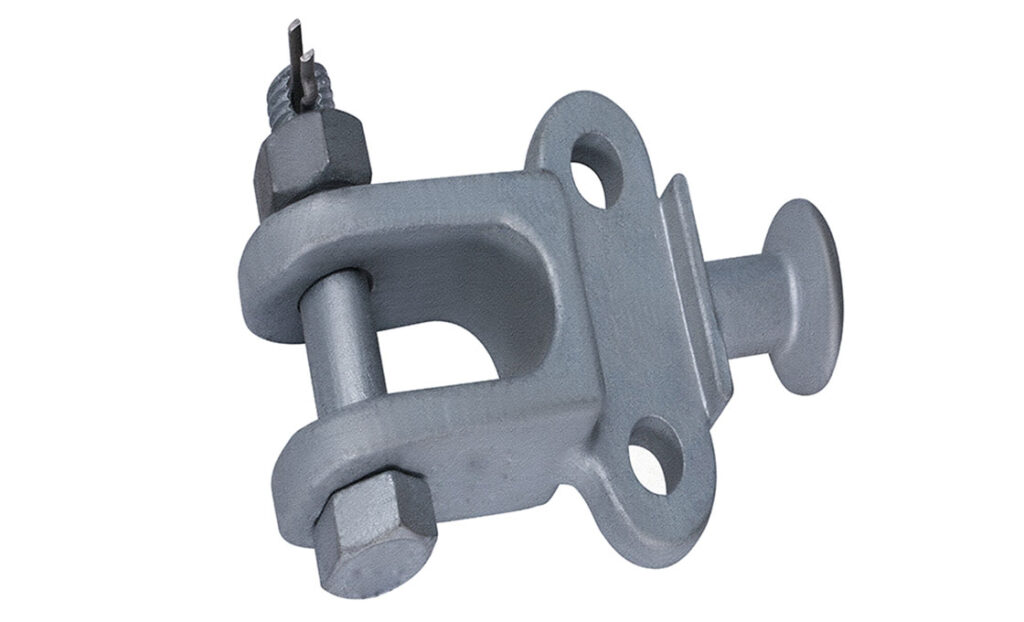
    High-quality clevises connect a rod to an anchor point or another component. It consists of a clevis and a ball on the connecting rod. A pin passes through the clevis and the ball to create a pivot point. This design allows for angular movement while under tensile load. Overhead conductors at the generation site face wind-induced vibrations that can cause conductor fatigue at hard clamping points. The clevis serves in on-site generation equipment like gensets, turbines, and solar trackers.

    The ball clevis pivot joint accommodates movement from thermal expansion and contraction of conductors. They do so without bending the rod or transferring undue stress to the structure. The clevis allows the connected system to adjust and maintain tension and integrity. The ball clevis acts as a flexible joint to dampen vibration and prevent metal fatigue in support rods and structures. The clevises also support the guy wire and stay rod systems that stabilize the infrastructure.

    Effects of on-site electricity generation in Argentina’s energy industry

    Key features of the ball clevis

    On-site energy generation is expanding and impacting Argentina’s energy industry, transforming the production, distribution, and consumption of electricity. An increasing number of industrial users, commercial establishments, and significant infrastructure projects are embracing decentralized generation systems. These affect costs, structural, economic, and environmental results for the national energy system. On-site production encourages decentralization, effectiveness, and sustainability. This is essential for creating a more robust, competitive, and national energy infrastructure.

    Functions of the ball clevis in on-site generation infrastructure

    The ball clevis is a specialized mechanical connector used in overhead transmission systems, substation hardware, and support structures. It provides structural, mechanical, and reliability. This ensures that high-voltage power lines and insulator assemblies perform reliably under operational stresses. Here are the functions of the ball clevis in Argentina’s on-site generation infrastructure.

    The ball clevis allows movement on on-site generation infrastructure
    1. Load-bearing connections in high-voltage lines—the ball clevis connects insulator strings to tower fittings. Their designs provide a secure connection while allowing controlled angular movement between components.
    2. Absorbing dynamic mechanical stresses—the clevis accommodates dynamic forces by providing a pivot point that absorbs motion. It reduces fatigue at connection points, reduces the risk of mechanical failure, and improves the longevity of the hardware.
    3. Ensuring structural stability—ball clevises withstand corrosion, harsh environments, and high mechanical loads. They protect overhead line assemblies, provide a robust mechanical link, and support grid reliability.
    4. Supporting transmission towers and substations—the clevis links insulators to yoke plates or suspension fittings. They enable controlled movement while maintaining secure attachment.

    Benefits of on-site generation in Argentina

    On-site production enables industries and energy users to address increasing electricity prices, grid limitations, and the necessity for enhanced operational durability. Generating electricity close to or on-site where it is used can tackle economic, technical, and sustainability issues. Main advantages consist of

    • Lowered energy expenses—network fees are influenced by fluctuations in fuel prices, transmission costs, and regulatory changes. On-site generation utilizes natural gas, solar PV, or hybrid systems, enabling industries to reduce their expenses.
    • Enhanced grid reliability—grid fluctuations and local power failures present dangers for industrial operations. On-site power production improves energy security by providing a reliable and uninterrupted electricity source independent of grid efficiency.
    • Reduced transmission losses and infrastructure limitations—on-site generation is essential for remote and industrial areas where upgrading grid infrastructure is expensive. The ball clevis ensures correct conductor alignment during angle adjustments.
    • Backing for sustainability and decarbonization objectives—on-site energy production facilitates the adoption of renewable energy and advanced efficiency technologies. Combined heat and power systems lower greenhouse gas emissions, enhance fuel efficiency, and assist businesses in fulfilling environmental, social, and governance obligations.
  • Double arming plates: 500km Grid Tech in Argentina

    500kV transmission line infrastructure

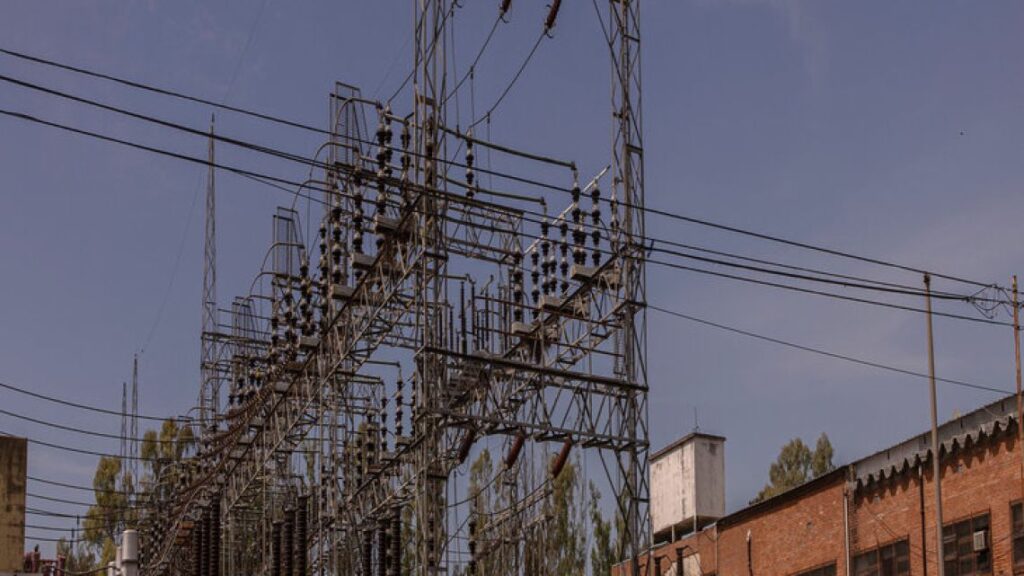
    Argentina is upgrading and modernizing its transmission lines to cut infrastructure gaps and enable future expansion in electricity generation and regional integration. Argentina’s transmission network has frequently caused congestion, limiting the efficient transport of electricity. The new 500-kilometer transmission lines will reduce bottlenecks in major transmission channels, boost power transfer capacity between areas, and improve voltage stability and operating flexibility. The improved infrastructure allows for full evacuation of renewable generation and helps to balance variable power across the region. It contributes to the reliable supply of power for energy-intensive industries such as mining, lithium processing, LNG infrastructure, and manufacturing. The transmission network lowers reliance on localized power generation and fuel supply lines. The double arming plates are important part of transmission line construction and extension.

    A double arming plate is a load-distributing component used to modernize Argentina’s transmission lines. It enables two insulator strings to be strung from a single location on the tower’s crossarm. The plate converts a single suspension point into two suspension points. Engineers can use the double arming plate to increase the suspension capacity without changing the tower structure. It also permits two insulator strings to be hung in parallel, which spreads the conductor out.

    The double arming plate is critical when upgrading existing lines to higher voltages. It offers a compact, designed method to hang more. It also provides redundant load pathways and vibration-damping arrangements to ensure the line’s structural robustness against environmental conditions. The twin arming plate provides a secure and robust platform for suspending several insulator threads.

    Impact of transmission lines on BESS project development in Argentina

    500kV transmission line construction

    The 500-kilometer transmission line expansion in Argentina supports the development and implementation of BESS projects. It establishes the technical and commercial framework for storage to operate at scale and provide system-wide value. Transmission lines provide high-capacity connecting locations for utility-scale BESS. It also enables storage projects to be located near renewable energy facilities, reducing the geographic constraints that limit storage implementation. Improved transmission capacity enables battery systems to store excess renewable energy during times of low demand. The project allows batteries to be dispatched at peak demand. This decreases dependency on thermal peaking plants, increases system resilience, and boosts energy security. Battery energy storage solutions connect to a reliable transmission backbone to create a flexible grid.

    Double-arming plates modernize the transmission network

    Double arming plates improve the mechanical strength, load distribution, and long-term reliability of high-voltage lines. It promotes the integration of renewable energy and strengthens national interconnection. This makes it an essential component in large-scale developments, like as Argentina’s 500-kilometer transmission lines. The following are the functions of the double arming plate in transmission lines.

    Double arming bolts secure components on transmission towers
    1. Structural load distribution—double arming plates connect and reinforce two crossarms on transmission towers. It distributes mechanical loads from conductors and insulators to reduce localized stress concentrations on towers.
    2. Support insulator assemblies—double arming plates provide a secure mounting interface for insulator strings and line hardware. They maintain correct phase spacing and ensure proper alignment of insulators.
    3. Improved resistance to environmental forces—the plates enhance resistance to wind-induced load and dynamic forces from conductor galloping and vibration.
    4. Grid expansion and reliability—double arming plates enable higher-capacity and double-circuit line designs. They also support mechanical integrity over long distances, contributing to grid reliability and safety.

    Technologies that improve the building of the 500 km transmission line

    There are several technologies enabling Argentina’s 500-kilometer transmission line construction. These are intended to enhance efficiency, dependability, safety, and long-term grid performance. The innovations help the country overcome geographical, climatic, and capacity obstacles. They do so while remaining consistent with transmission development. These technologies include:

    • Advanced transmission tower and pole engineering—modern transmission projects depend on high-strength lattice towers and engineered steel poles through modeling software. The technologies reduce material usage while maintaining mechanical integrity.
    • High-performance conductors—advanced conductors increase transmission efficiency by allowing higher current-carrying capacity. They are crucial for delivering renewable energy from remote areas.
    • Insulation and line hardware technologies—modern transmission lines integrate high-quality fittings such as double arming plates. These components contribute to operational reliability and reduce maintenance.
    • Smart monitoring and protection systems—new transmission lines incorporate digital monitoring technologies. These include fiber-optic temperature and strain sensing and advanced protection and control relays.
  • Insulated secondary clevis drives new solar upgrades

    Solar PV facility in Argentina

    Argentina’s energy transformation is accelerating as a result of the country’s increased access to solar electricity. The shift focuses on grid modernization, utility-scale capacity increase, and indigenous manufacturing. By modernizing transmission lines and increasing generation capacity, the government may cut energy imports, stabilize electricity costs, and improve long-term energy security. Argentina is developing a new transmission line that will provide 180 MW of transport capacity. It also plans to open its own module plant, which is projected to produce between 450 and 500 MW each year. Such growth necessitates the expansion of supporting infrastructure, such as the 132 kV double-circuit transmission line under construction. It will contribute 180 MW of extra capacity to the grid and enable the interconnection of substations. This expansion will lead to the increased use of power line hardware components such as an insulated secondary clevis.

    Secondary clevises are used to attach hardware to insulators or structures. It employs a dielectric barrier or coating for usage in the high-voltage and sensitive conditions of utility-scale solar. The insulated secondary clevis makes a mechanical connection while eliminating unwanted electrical currents. The insulation establishes a specified creepage distance, increasing resistance to flashover. An insulated secondary clevis also allows the OPGW cable to be grounded at the substation end, providing lightning protection. This serves to limit the passage of induced current across the span, lowering losses and preventing heating.

    Solar plant switchyards and grid connecting points use substations with flexible bus jumpers to reduce the effective air gap between grounded structures. An insulated secondary clevis links jumpers to dead-end insulators, providing an extra layer of surface insulation. They aid to prevent flashover and leakage current, which can cause heating, radio interference, and outages. The clevis provides a protected surface that resists tracking and degradation in a variety of circumstances.

    Strategic implications of solar technologies in Argentina’s energy sector

    solar power influences Argentina's energy sector

    The implementation of modern solar technology in Argentina provides benefits that go beyond generation capacity. Solar expansion improves grid stability and resilience, reduces reliance on fossil fuels, increases energy security, encourages investment, and promotes industrial development. Emerging technologies contribute to Argentina’s energy sector transitioning to a technology-driven power system, hence increasing national competitiveness.

    Insulated secondary clevis in photovoltaic expansion architecture

    The insulated secondary clevis is a mechanical and electrical component of the solar expansion infrastructure. It is used in utility-scale photovoltaic (PV) systems and medium- and low-voltage distribution networks. Its function is to ensure stable mechanical articulation and electrical separation between electrified cables and structural support gear in demanding outdoor settings. The following are the purposes of the secondary clevis in solar infrastructure.

    Insulated secondary clevis for mechanical linkage
    • Mechanical load transfer and line stabilization—the insulated secondary clevis serves as a mechanical linkage between insulators, conductors, and crossarms. It absorbs and transfers axial and transverse mechanical loads generated by tension, wind pressure, and thermal expansion.
    • Electrical insulation and fault risk reduction—the clevis maintains electrical isolation between energized secondary conductors and grounded metallic structures. The insulation layer prevents leakage currents along metallic hardware paths. It also reduces the probability of flashovers during humidity, dust, or salt exposure.
    • Vibration damping and fatigue protection—the insulated secondary clevis contributes to damping micro-vibrations transmitted through insulated conductors. It also reduces metal-to-metal fatigue and insulation cracking.
    • Corrosion resistance—the clevis units used in solar infrastructure are from polymer-coated, fiberglass-reinforced, or epoxy-encapsulated designs. These materials provide resistance to UV degradation, corrosion protection, and improved performance under temperature cycling.

    New innovations support Argentina’s solar power expansion

    Argentina is implementing next-generation technologies for generating, grid integration, storage, and manufacturing. The advancements allow for speedier project implementation, increased system efficiency, and greater grid stability. These technologies include:

    1. High-efficiency photovoltaic module technologies—the country is shifting toward advanced PV cell architectures that maximize output. They include bifacial PV modules, PERC (passivated emitter and rear cell), and hydrophobic coatings.
    2. Single and dual-axis solar tracking systems – single axis trackers rotate panels to increase energy harvest by up to 25%. The dual-axis trackers optimize tilt and orientation for maximum irradiance capture. It also includes AI-driven control algorithms that adjust positioning in real-time based on weather forecasts.
    3. Grid-forming inverters and power electronics—modern power electronics are changing how solar plants interact with the national grid. The technologies include grid-forming inverters, advanced reactive power control, and fault ride-through capabilities.
    4. Battery energy storage systems—this includes the use of lithium-ion BESS, hybrid PV and storage plants, and AI-based dispatch systems that optimize charge and discharge cycles.
  • Cable Suspension Bolts: Strengthening LNG Infrastructure

    Liquefied natural gas export facility

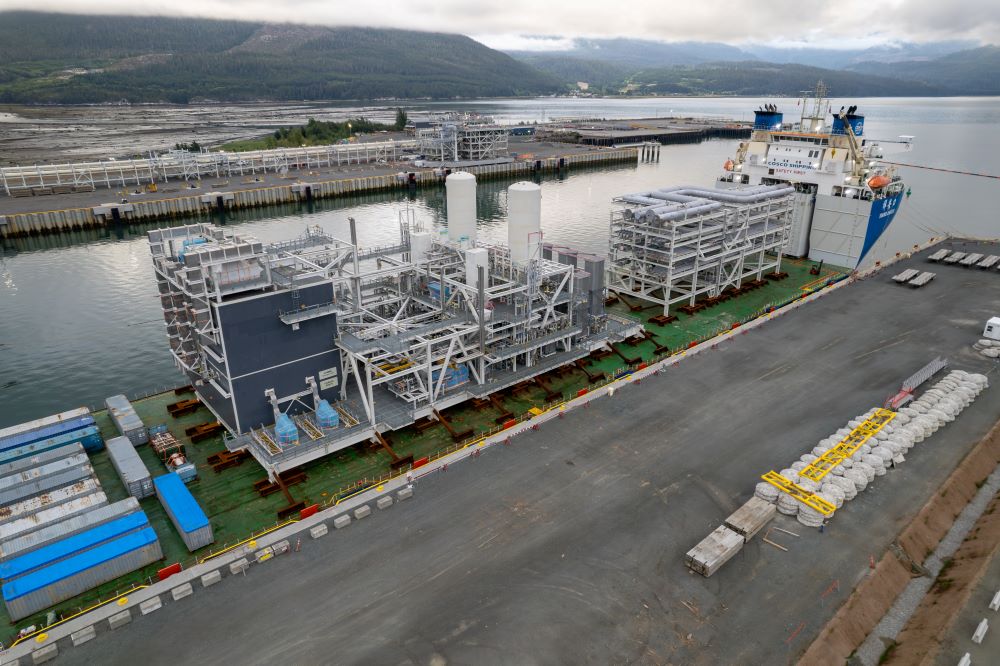
    Argentina is expanding its LNG exports thanks to unconventional gas resources and fresh foreign investment. Argentina’s LNG industry focuses on transforming inland shale gas production into traded liquefied natural gas. This might position the country as a competitive supplier in Asia and Europe. Argentina’s Vaca Muerta shale formation provides a long-term gas supply capable of sustaining LNG projects. Floating LNG units are also becoming more popular because they need less upfront investments and prevent social and environmental issues. FLNGs are placed offshore and connected to coastal gas receipt stations via subsea pipes. This leads to the building of infrastructure for LNG export. This comprises gas pipelines, compressor stations, mooring systems, and high-voltage power grids. Such developments need the usage of sturdy components such as cable suspension bolts.

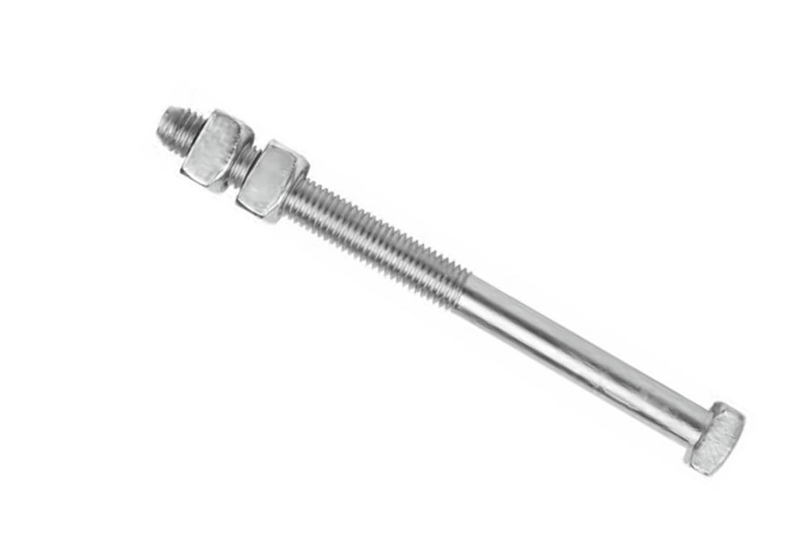
    Suspension bolts perform mechanical, electrical, and safety roles in the power transmission systems that power the LNG chain. The bolts connect the suspension clamps to the insulator string, and the insulator string to the transmission tower arm. They assist in transferring all mechanical loads from the heavy conductor to the insulator and then to the transmission tower’s steel frame. The proper configuration of the fasteners allows for regulated swing and movement of the insulator string. This is critical for both thermal expansion and contraction of the conductor, as well as wind-induced motion. This reduces the transfer of unnecessary stress to the tower.

    Cable suspension bolts are necessary for the clevis and ball-and-socket connections between metal tower components and insulator hardware. Their design ensures a defined and adequate creepage distance to prevent electrical arcing. Cable suspension bolts serve to create a controlled grounding channel for leakage currents. This is also critical for system protection and lightning arrester effectiveness.

    Key efforts taken to address LNG export issues in Argentina

    Key features of the suspension bolts

    Argentina’s LNG business could put in place some actions to remove the main impediments to export prospects. These solutions could include pipeline and midstream expansion, an FLNG-based development plan, and regulatory and fiscal reforms. It also covers the building and extension of grid and power infrastructure enhancements. This is critical to maintaining a consistent electrical supply. The sector must also secure environmental and social safeguards, as well as international collaboration, to have better access to financing markets.

    Cable suspension bolts in Argentina’s LNG export system

    Cable suspension bolts ensure mechanical, electrical, and operational safety for control networks supporting LNG export operations. The bolts maintain the stability, load transfer, and long-term integrity of the hung conductors. Suspension bolts hold electrical and control cables. This facilitates the delivery of power to liquefaction, compression, storage, and export systems. The following are the functions of cable suspension bolts in Argentina’s LNG export infrastructure.

    Cable suspension bolts help supply LNG
    • Structural anchoring of overhead conductors—cable suspension bolts secure suspension clamps, brackets, and insulator strings. This is crucial for transmission towers supplying LNG terminals. Utility poles feeding compressor stations and cable trays within gas processing plants.
    • Load-bearing stability—suspension bolts sustain cyclic loads and dynamic tension variations. They also prevent fatigue cracking and hardware loosening that could destabilize live conductors.
    • Maintaining electrical clearance—the bolts maintain precise positioning of conductors. They ensure enough ground and structure clearances in the infrastructure. This is crucial to reduce the risk of arcing, flashover, and ignition in flammable atmospheres.
    • Integration with vibration and stress management systems—cable suspension bolts act as connection points for dampers, spacers, and helical rods. These connections suppress aeolian vibration and galloping in overhead lines supplying power to LNG plants.

    Challenges limiting LNG exports in Argentina

    Argentina’s LNG export plans face a complicated set of technical, financial, regulatory, and geopolitical obstacles. These impediments cause delays and increase project execution risks in Argentina. To ensure the success of LNG exports, Argentina should focus on infrastructure synchronization, regulatory stability, competitive finance, and strict environmental stewardship. Using cable suspension bolts allows for tailored technical solutions that address infrastructure and operational concerns. These barriers include:

    1. Infrastructure limitations—there is a mismatch in gas production and export infrastructure in the country. This creates scheduling risk between upstream gas availability and export readiness.
    2. Capital intensity and financing risk—LNG export projects need capital commitments for floating LNG units, subsea pipelines, and marine infrastructure demand.
    3. Domestic gas supply and export demand—the industry shouldbalance internal energy security with export. Policymakers should ensure that export commitments do not undermine domestic supply.
    4. Global LNG market competition—there are already established exporters with mature infrastructure and lower financing costs.