Tag: energy efficiency

  • Ball clevis impact on Argentina’s on-site generation

    On-site power generation infrastructure

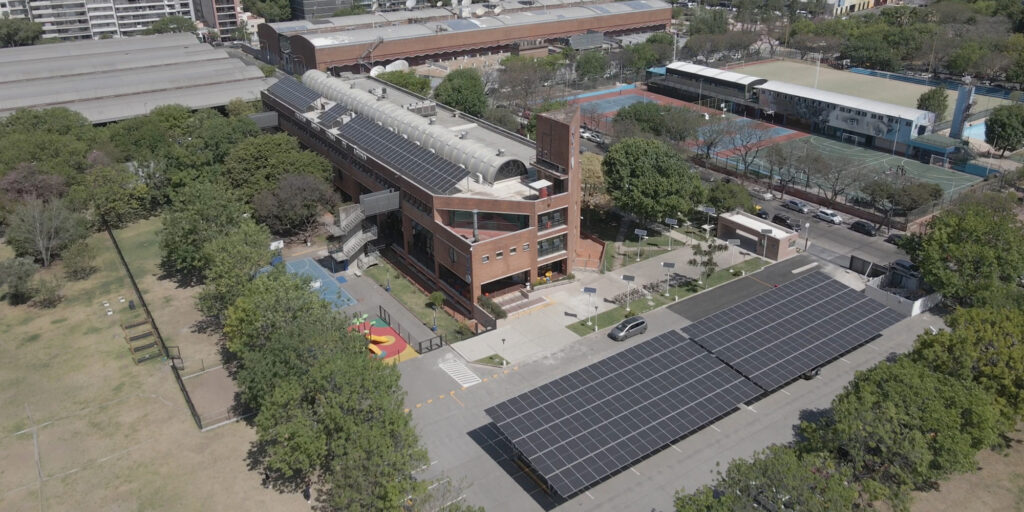
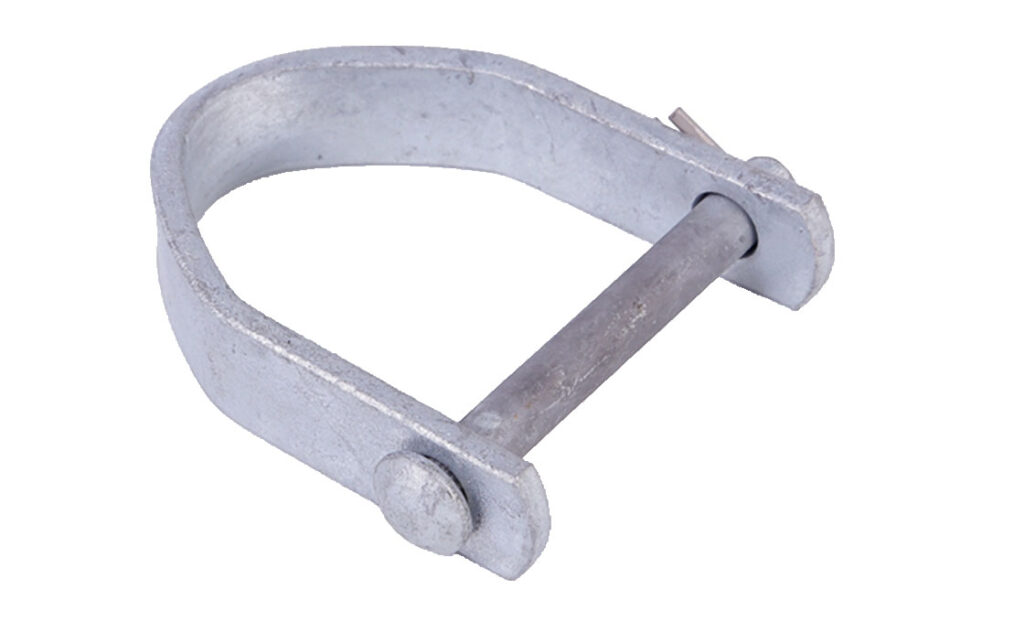
    Argentine firm SECCO is leading in energy solutions by developing on-site power generation initiatives. On-site generation serves as an option for industries seeking to lower expenses, enhance efficiency, and maintain the continuity of their operations. SECCO offers customized solutions that lower the cost per kWh. This aids in avoiding disruptions in production operations and promotes more sustainable energy management. The firm creates and manufactures medium- and high-power devices for the customers. SECCO has set up over 1,500 MW at 160 power generation facilities functioning in isolated systems or linked to Argentina’s grid. Its technology facilitates the incorporation of renewable energy, such as solar PV and hybrid systems. The framework relies on hardware elements like a ball clevis. The clevis ensures dependability, safety, and functional adaptability throughout the facility.

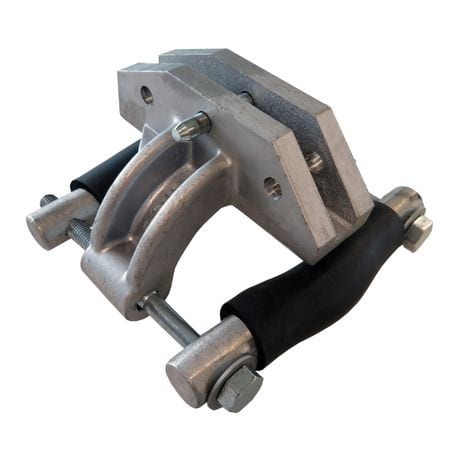
    High-quality clevises connect a rod to an anchor point or another component. It consists of a clevis and a ball on the connecting rod. A pin passes through the clevis and the ball to create a pivot point. This design allows for angular movement while under tensile load. Overhead conductors at the generation site face wind-induced vibrations that can cause conductor fatigue at hard clamping points. The clevis serves in on-site generation equipment like gensets, turbines, and solar trackers.

    The ball clevis pivot joint accommodates movement from thermal expansion and contraction of conductors. They do so without bending the rod or transferring undue stress to the structure. The clevis allows the connected system to adjust and maintain tension and integrity. The ball clevis acts as a flexible joint to dampen vibration and prevent metal fatigue in support rods and structures. The clevises also support the guy wire and stay rod systems that stabilize the infrastructure.

    Effects of on-site electricity generation in Argentina’s energy industry
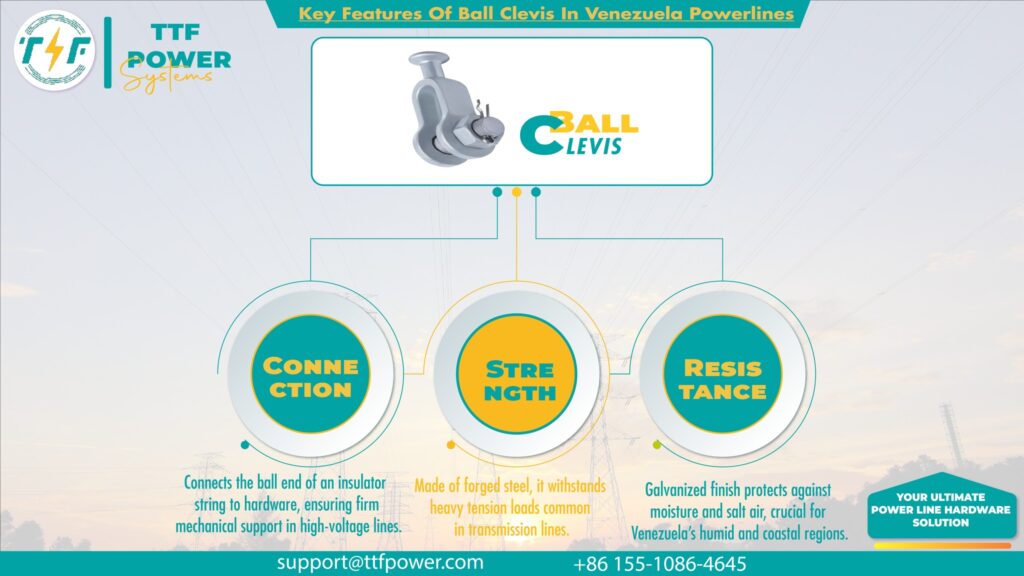
    Key features of the ball clevis

    On-site energy generation is expanding and impacting Argentina’s energy industry, transforming the production, distribution, and consumption of electricity. An increasing number of industrial users, commercial establishments, and significant infrastructure projects are embracing decentralized generation systems. These affect costs, structural, economic, and environmental results for the national energy system. On-site production encourages decentralization, effectiveness, and sustainability. This is essential for creating a more robust, competitive, and national energy infrastructure.

    Functions of the ball clevis in on-site generation infrastructure

    The ball clevis is a specialized mechanical connector used in overhead transmission systems, substation hardware, and support structures. It provides structural, mechanical, and reliability. This ensures that high-voltage power lines and insulator assemblies perform reliably under operational stresses. Here are the functions of the ball clevis in Argentina’s on-site generation infrastructure.
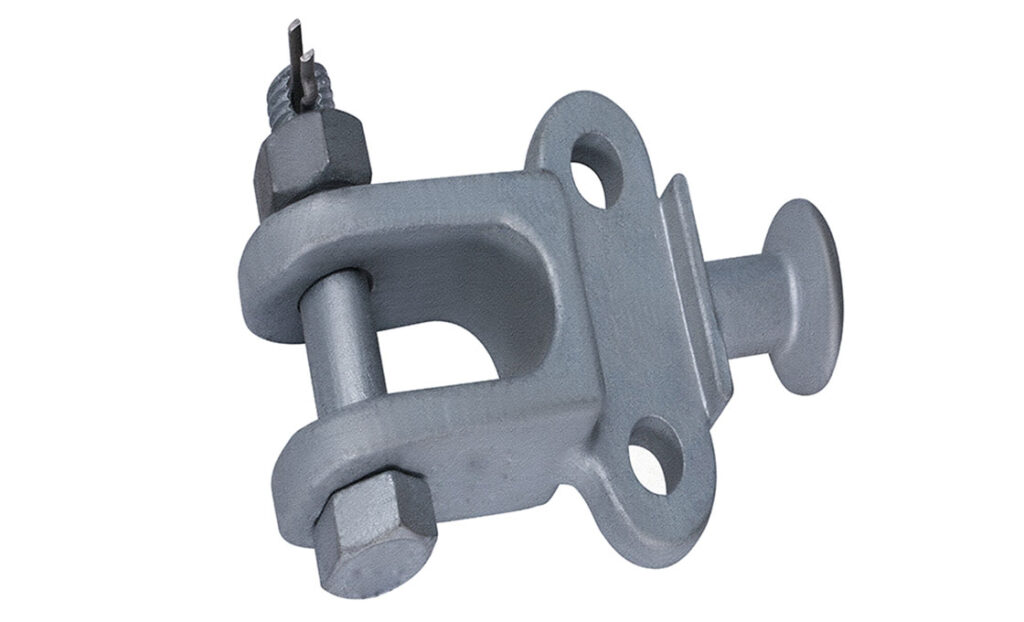
    The ball clevis allows movement on on-site generation infrastructure
    1. Load-bearing connections in high-voltage lines—the ball clevis connects insulator strings to tower fittings. Their designs provide a secure connection while allowing controlled angular movement between components.
    2. Absorbing dynamic mechanical stresses—the clevis accommodates dynamic forces by providing a pivot point that absorbs motion. It reduces fatigue at connection points, reduces the risk of mechanical failure, and improves the longevity of the hardware.
    3. Ensuring structural stability—ball clevises withstand corrosion, harsh environments, and high mechanical loads. They protect overhead line assemblies, provide a robust mechanical link, and support grid reliability.
    4. Supporting transmission towers and substations—the clevis links insulators to yoke plates or suspension fittings. They enable controlled movement while maintaining secure attachment.

    Benefits of on-site generation in Argentina

    On-site production enables industries and energy users to address increasing electricity prices, grid limitations, and the necessity for enhanced operational durability. Generating electricity close to or on-site where it is used can tackle economic, technical, and sustainability issues. Main advantages consist of
    • Lowered energy expenses—network fees are influenced by fluctuations in fuel prices, transmission costs, and regulatory changes. On-site generation utilizes natural gas, solar PV, or hybrid systems, enabling industries to reduce their expenses.
    • Enhanced grid reliability—grid fluctuations and local power failures present dangers for industrial operations. On-site power production improves energy security by providing a reliable and uninterrupted electricity source independent of grid efficiency.
    • Reduced transmission losses and infrastructure limitations—on-site generation is essential for remote and industrial areas where upgrading grid infrastructure is expensive. The ball clevis ensures correct conductor alignment during angle adjustments.
    • Backing for sustainability and decarbonization objectives—on-site energy production facilitates the adoption of renewable energy and advanced efficiency technologies. Combined heat and power systems lower greenhouse gas emissions, enhance fuel efficiency, and assist businesses in fulfilling environmental, social, and governance obligations.
  • Double arming plates: 500km Grid Tech in Argentina

    500kV transmission line infrastructure

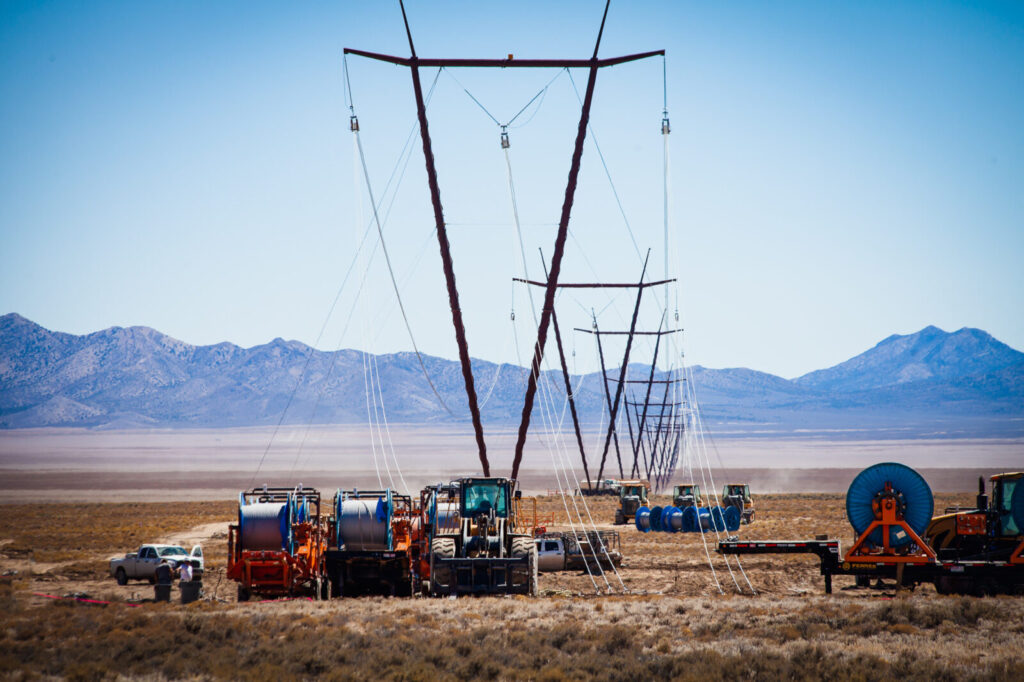
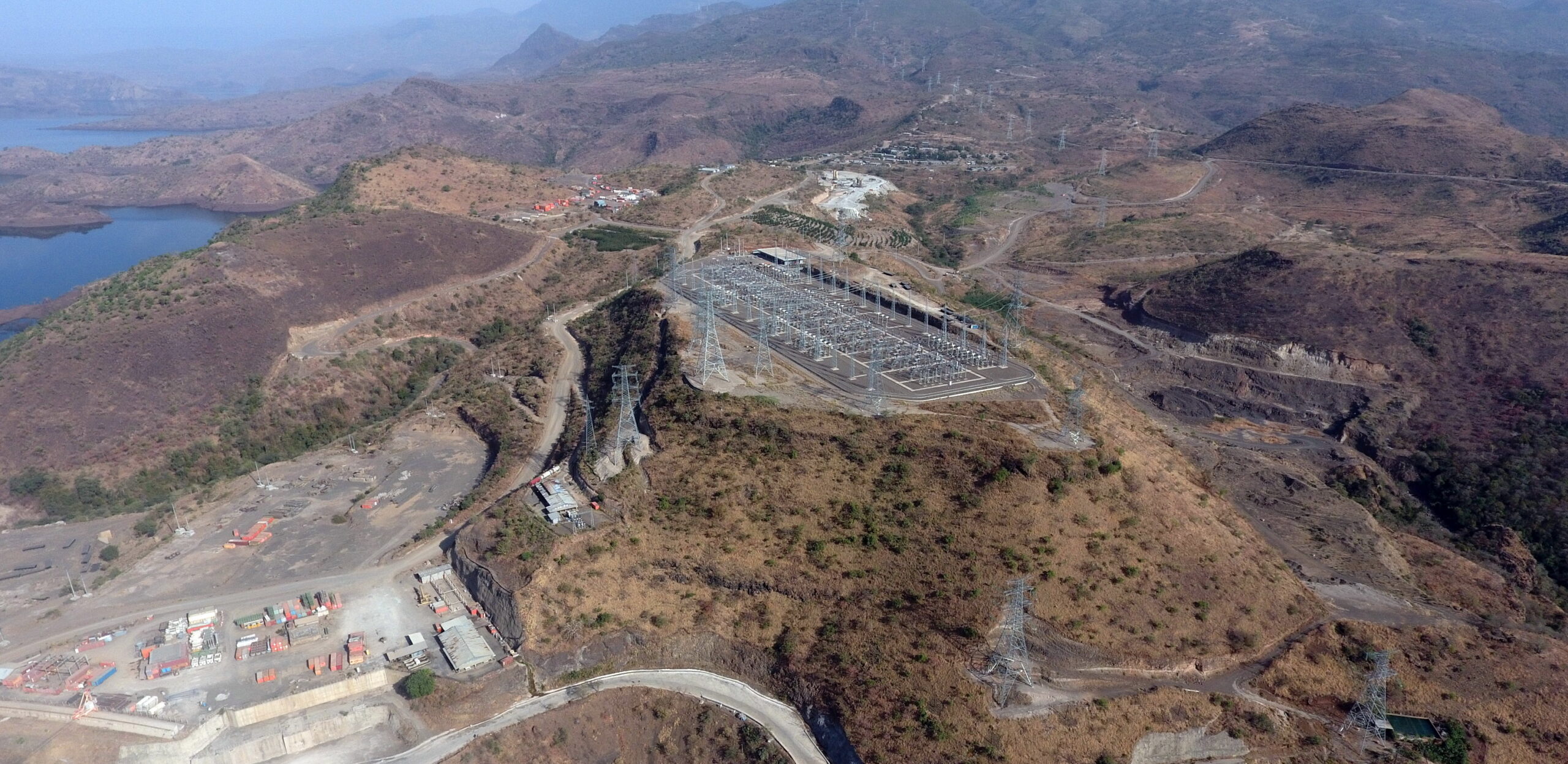
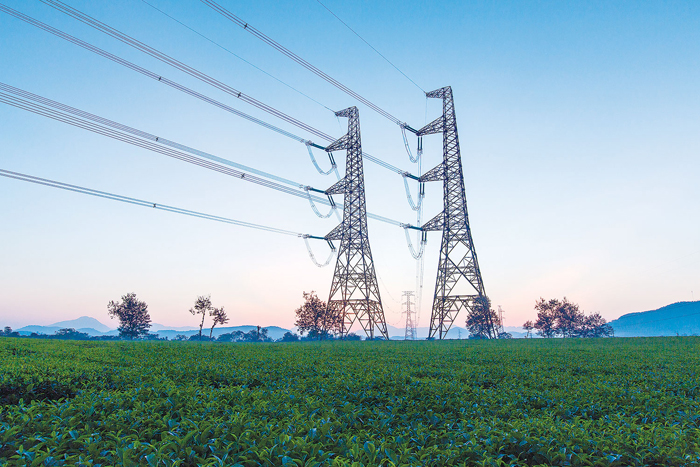
    Argentina is upgrading and modernizing its transmission lines to cut infrastructure gaps and enable future expansion in electricity generation and regional integration. Argentina’s transmission network has frequently caused congestion, limiting the efficient transport of electricity. The new 500-kilometer transmission lines will reduce bottlenecks in major transmission channels, boost power transfer capacity between areas, and improve voltage stability and operating flexibility. The improved infrastructure allows for full evacuation of renewable generation and helps to balance variable power across the region. It contributes to the reliable supply of power for energy-intensive industries such as mining, lithium processing, LNG infrastructure, and manufacturing. The transmission network lowers reliance on localized power generation and fuel supply lines. The double arming plates are important part of transmission line construction and extension.

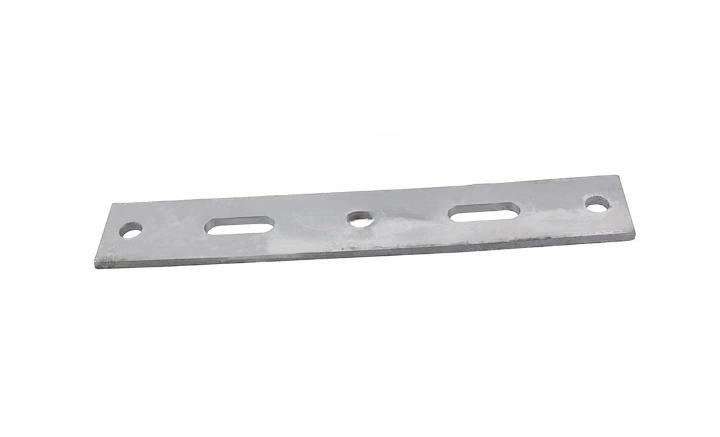
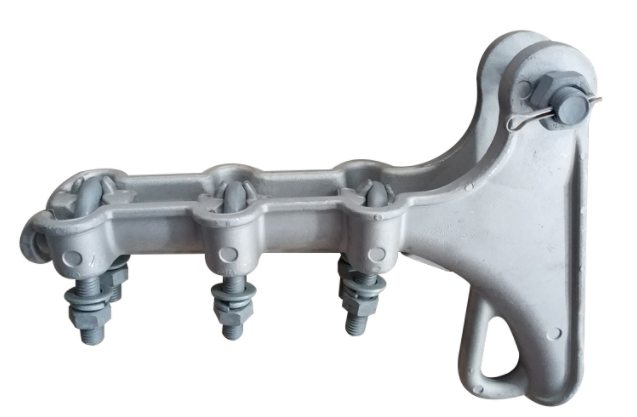
    A double arming plate is a load-distributing component used to modernize Argentina’s transmission lines. It enables two insulator strings to be strung from a single location on the tower’s crossarm. The plate converts a single suspension point into two suspension points. Engineers can use the double arming plate to increase the suspension capacity without changing the tower structure. It also permits two insulator strings to be hung in parallel, which spreads the conductor out.

    The double arming plate is critical when upgrading existing lines to higher voltages. It offers a compact, designed method to hang more. It also provides redundant load pathways and vibration-damping arrangements to ensure the line’s structural robustness against environmental conditions. The twin arming plate provides a secure and robust platform for suspending several insulator threads.

    Impact of transmission lines on BESS project development in Argentina

    500kV transmission line construction

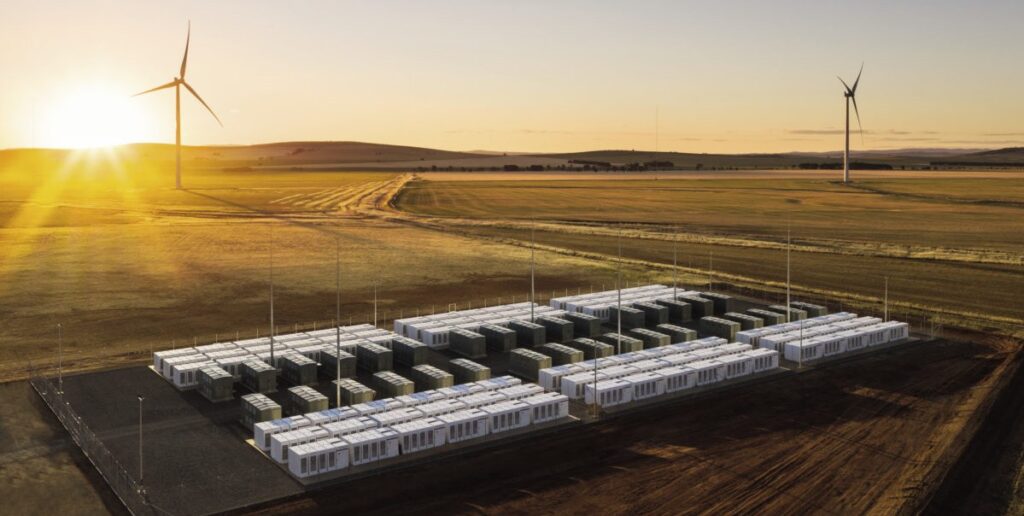
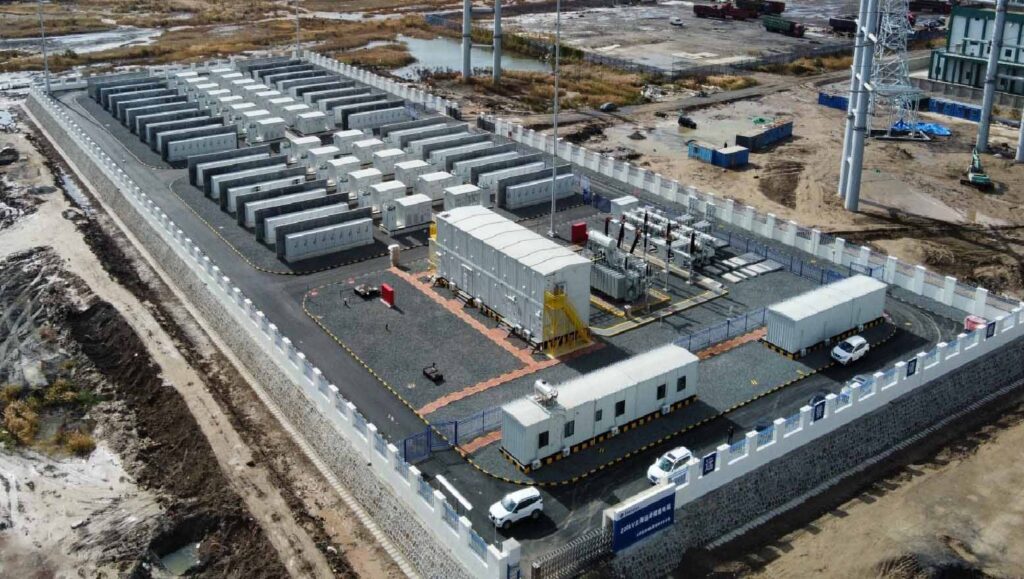
    The 500-kilometer transmission line expansion in Argentina supports the development and implementation of BESS projects. It establishes the technical and commercial framework for storage to operate at scale and provide system-wide value. Transmission lines provide high-capacity connecting locations for utility-scale BESS. It also enables storage projects to be located near renewable energy facilities, reducing the geographic constraints that limit storage implementation. Improved transmission capacity enables battery systems to store excess renewable energy during times of low demand. The project allows batteries to be dispatched at peak demand. This decreases dependency on thermal peaking plants, increases system resilience, and boosts energy security. Battery energy storage solutions connect to a reliable transmission backbone to create a flexible grid.

    Double-arming plates modernize the transmission network

    Double arming plates improve the mechanical strength, load distribution, and long-term reliability of high-voltage lines. It promotes the integration of renewable energy and strengthens national interconnection. This makes it an essential component in large-scale developments, like as Argentina’s 500-kilometer transmission lines. The following are the functions of the double arming plate in transmission lines.

    Double arming bolts secure components on transmission towers
    1. Structural load distribution—double arming plates connect and reinforce two crossarms on transmission towers. It distributes mechanical loads from conductors and insulators to reduce localized stress concentrations on towers.
    2. Support insulator assemblies—double arming plates provide a secure mounting interface for insulator strings and line hardware. They maintain correct phase spacing and ensure proper alignment of insulators.
    3. Improved resistance to environmental forces—the plates enhance resistance to wind-induced load and dynamic forces from conductor galloping and vibration.
    4. Grid expansion and reliability—double arming plates enable higher-capacity and double-circuit line designs. They also support mechanical integrity over long distances, contributing to grid reliability and safety.

    Technologies that improve the building of the 500 km transmission line

    There are several technologies enabling Argentina’s 500-kilometer transmission line construction. These are intended to enhance efficiency, dependability, safety, and long-term grid performance. The innovations help the country overcome geographical, climatic, and capacity obstacles. They do so while remaining consistent with transmission development. These technologies include:

    • Advanced transmission tower and pole engineering—modern transmission projects depend on high-strength lattice towers and engineered steel poles through modeling software. The technologies reduce material usage while maintaining mechanical integrity.
    • High-performance conductors—advanced conductors increase transmission efficiency by allowing higher current-carrying capacity. They are crucial for delivering renewable energy from remote areas.
    • Insulation and line hardware technologies—modern transmission lines integrate high-quality fittings such as double arming plates. These components contribute to operational reliability and reduce maintenance.
    • Smart monitoring and protection systems—new transmission lines incorporate digital monitoring technologies. These include fiber-optic temperature and strain sensing and advanced protection and control relays.
  • Insulated secondary clevis drives new solar upgrades

    Solar PV facility in Argentina

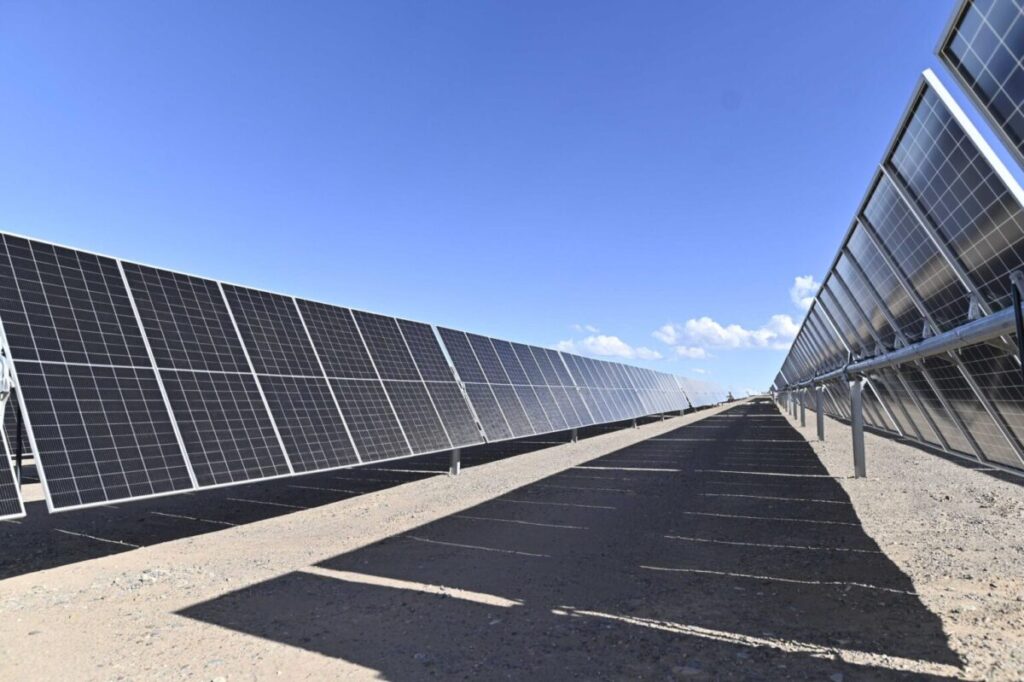
    Argentina’s energy transformation is accelerating as a result of the country’s increased access to solar electricity. The shift focuses on grid modernization, utility-scale capacity increase, and indigenous manufacturing. By modernizing transmission lines and increasing generation capacity, the government may cut energy imports, stabilize electricity costs, and improve long-term energy security. Argentina is developing a new transmission line that will provide 180 MW of transport capacity. It also plans to open its own module plant, which is projected to produce between 450 and 500 MW each year. Such growth necessitates the expansion of supporting infrastructure, such as the 132 kV double-circuit transmission line under construction. It will contribute 180 MW of extra capacity to the grid and enable the interconnection of substations. This expansion will lead to the increased use of power line hardware components such as an insulated secondary clevis.

    Secondary clevises are used to attach hardware to insulators or structures. It employs a dielectric barrier or coating for usage in the high-voltage and sensitive conditions of utility-scale solar. The insulated secondary clevis makes a mechanical connection while eliminating unwanted electrical currents. The insulation establishes a specified creepage distance, increasing resistance to flashover. An insulated secondary clevis also allows the OPGW cable to be grounded at the substation end, providing lightning protection. This serves to limit the passage of induced current across the span, lowering losses and preventing heating.

    Solar plant switchyards and grid connecting points use substations with flexible bus jumpers to reduce the effective air gap between grounded structures. An insulated secondary clevis links jumpers to dead-end insulators, providing an extra layer of surface insulation. They aid to prevent flashover and leakage current, which can cause heating, radio interference, and outages. The clevis provides a protected surface that resists tracking and degradation in a variety of circumstances.

    Strategic implications of solar technologies in Argentina’s energy sector

    solar power influences Argentina's energy sector

    The implementation of modern solar technology in Argentina provides benefits that go beyond generation capacity. Solar expansion improves grid stability and resilience, reduces reliance on fossil fuels, increases energy security, encourages investment, and promotes industrial development. Emerging technologies contribute to Argentina’s energy sector transitioning to a technology-driven power system, hence increasing national competitiveness.

    Insulated secondary clevis in photovoltaic expansion architecture

    The insulated secondary clevis is a mechanical and electrical component of the solar expansion infrastructure. It is used in utility-scale photovoltaic (PV) systems and medium- and low-voltage distribution networks. Its function is to ensure stable mechanical articulation and electrical separation between electrified cables and structural support gear in demanding outdoor settings. The following are the purposes of the secondary clevis in solar infrastructure.

    Insulated secondary clevis for mechanical linkage
    • Mechanical load transfer and line stabilization—the insulated secondary clevis serves as a mechanical linkage between insulators, conductors, and crossarms. It absorbs and transfers axial and transverse mechanical loads generated by tension, wind pressure, and thermal expansion.
    • Electrical insulation and fault risk reduction—the clevis maintains electrical isolation between energized secondary conductors and grounded metallic structures. The insulation layer prevents leakage currents along metallic hardware paths. It also reduces the probability of flashovers during humidity, dust, or salt exposure.
    • Vibration damping and fatigue protection—the insulated secondary clevis contributes to damping micro-vibrations transmitted through insulated conductors. It also reduces metal-to-metal fatigue and insulation cracking.
    • Corrosion resistance—the clevis units used in solar infrastructure are from polymer-coated, fiberglass-reinforced, or epoxy-encapsulated designs. These materials provide resistance to UV degradation, corrosion protection, and improved performance under temperature cycling.

    New innovations support Argentina’s solar power expansion

    Argentina is implementing next-generation technologies for generating, grid integration, storage, and manufacturing. The advancements allow for speedier project implementation, increased system efficiency, and greater grid stability. These technologies include:

    1. High-efficiency photovoltaic module technologies—the country is shifting toward advanced PV cell architectures that maximize output. They include bifacial PV modules, PERC (passivated emitter and rear cell), and hydrophobic coatings.
    2. Single and dual-axis solar tracking systems – single axis trackers rotate panels to increase energy harvest by up to 25%. The dual-axis trackers optimize tilt and orientation for maximum irradiance capture. It also includes AI-driven control algorithms that adjust positioning in real-time based on weather forecasts.
    3. Grid-forming inverters and power electronics—modern power electronics are changing how solar plants interact with the national grid. The technologies include grid-forming inverters, advanced reactive power control, and fault ride-through capabilities.
    4. Battery energy storage systems—this includes the use of lithium-ion BESS, hybrid PV and storage plants, and AI-based dispatch systems that optimize charge and discharge cycles.
  • Automatic deadends driving innovations in Argentina LNG

    Floating liquefied natural gas infrastructure

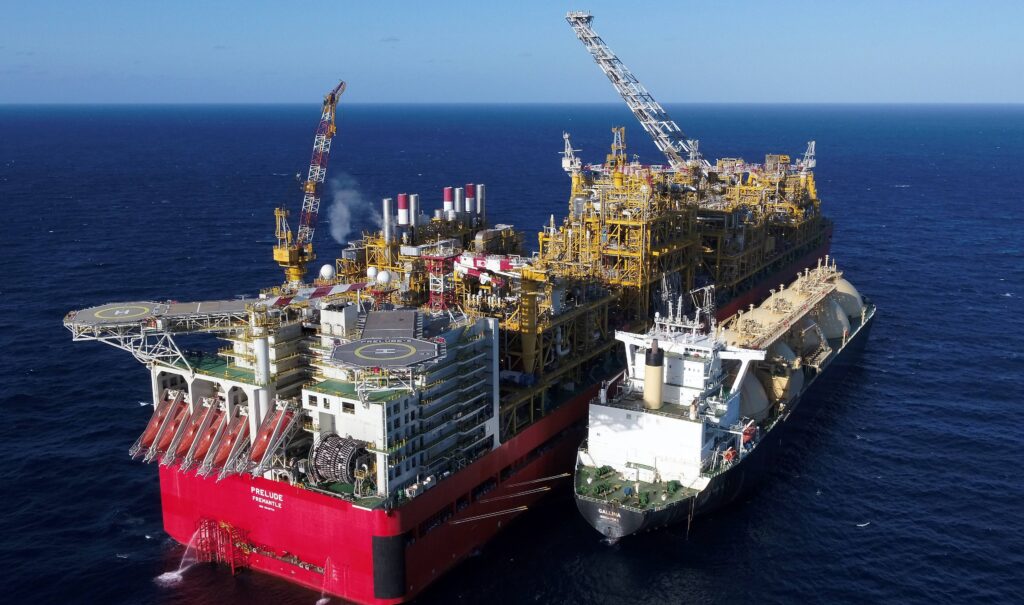
    Argentina has joined the global LNG market, marking a change in South America’s energy export approach. The contract between Argentina GNL and Switzerland’s SEFE indicates more than just a business arrangement. It signifies Argentina’s emergence as a nation exporting LNG. Argentina possesses abundant resources from the Vaca Muerta shale deposit. Finalizing the export deal enables the nation to show its capability to produce, transport, and market gas according to global standards. The formation provides dependable gas supply and cost-effective production expenses. By means of investment, clear regulations, and optimized infrastructure, the nation has the opportunity to emerge as a significant LNG supplier in the Southern area. The pact will result in enhanced growth of infrastructure like floating liquefaction ships. Automatic deadends are placed between pipe flanges and can be used remotely to insert a solid blind plate

    The development of floating LNG technology allows the country to serve new market opportunities. The project also speeds up project timelines and reduces capital expenditure. Such developments lead to the adoption of robust power line hardware components to secure and protect the connections. Automatic deadends are tensioning and anchoring devices used in the electrical infrastructure for LNG transfer. Automatic deadends secure and maintain tension in guy wires or structures supporting electrical, communication, or other FLNG utilities.

    The deadends serve as mechanical terminations to fasten the end of a guy wire to a pole. They hold the conductor at the least percentage of its rated breaking strength without slippage. Automatic dead ends ensure the reliability of power distribution poles, lighting towers, and substations that feed electricity to the LNG equipment. These components make it easier to produce and supply LNG from the Argentine formations. Additionally, they encourage the investment in pipelines, processing, and liquefaction facilities.

    Economic impact and revenue generation for Argentina

    Floating LNG facility

    Argentina getting into the global LNG market carries economic implications. It has the potential to reshape national revenue streams, strengthen the macroeconomic look, and catalyze long-term investment. LNG provides Argentina with a new source of currency during tough economic times. Its growth raises fiscal inflows through hydrocarbon royalties, export taxes, corporate taxes, and employment-related tax contributions. This increased demand will lead to expansion of LNG infrastructure. This in turn stimulates job creation in drilling, pipeline construction, coastal liquefaction plants, FLNG vessels, and port upgrades. LNG expansion supports manufacturing, metalworks, engineering firms, and transport companies.

    Functions of automatic deadends in floating LNG vessels in Argentina

    Automatic dead ends allow for faster and easier installation compared to traditional compression. They allow quick installation, which reduces maintenance time and reduces operational downtime. Automatic deadends provide a secure and full-tension termination, which is vital for maintaining the structural integrity of the supported systems. Here are the functions of the automatic dead ends in LNG infrastructure in Argentina.

    Automatic deadends hold the FLNG unit steady
    1. Securing mooring under dynamic conditions—automatic deadends anchor the vessel’s mooring lines in a controlled way. They help hold the FLNG unit steady against waves, wind, and currents to maintain safe LNG transfer operations.
    2. Remote release during emergencies—the deadends allow rapid disconnection of mooring lines such as sudden weather shifts.
    3. Tension and load control—most systems integrate sensors that track mooring-line loads. They prevent automatic release of tensions that exceed safe limits.
    4. Enhanced stability for LNG loading and offloading—stable mooring ensures the cryogenic hoses and loading arms remain aligned. They help ensure safe pressure, flow, and structural balance during transfer operations.
    5. Integration with vessel safety systems—Automatic dead-end link with control systems to enable coordinated line release.

    Innovations in technology backing Argentina’s LNG industry

    Argentina is embracing technological advancements to boost efficiency, reduce expenses, and increase reliability. These technologies position Argentina as a developing global supplier of LNG. These technologies comprise:

    • Sophisticated shale extraction methods—the implementation of drilling practices—enable consistent production. These consist of extended horizontal wells, multi-phase hydraulic fracturing, and automated drilling equipment.
    • Contemporary gas collection and compression methods—innovative midstream systems enhance flow dependability. They comprise efficient compressors, intelligent pipeline monitoring, and sensors for predictive maintenance.
    • Technologies for liquefaction in the next generation—these consist of modular liquefaction systems, enhanced mixed-refrigerant cycles, and electrically driven compressors. They render export projects both technically and financially workable.
    • Floating LNG—floating storage units offer capacity for buffering and flexible scheduling options. It also features high-integrity LNG transfer systems that ease secure ship-to-ship loading.
    • Sophisticated power and safety technologies—the LNG chain requires electrical and safety systems, comprising automatic deadends and power distribution equipment. These systems ensure secure, continuous operations for export obligations.
  • Cable Suspension Bolts in Argentina’s Lithium Infrastructure

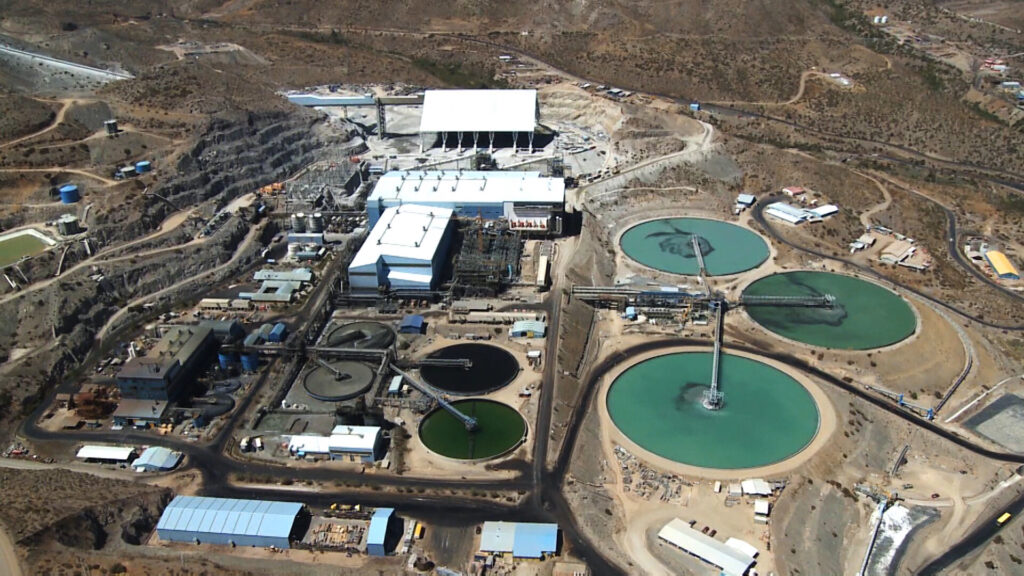
    Lithium extraction and processing facility

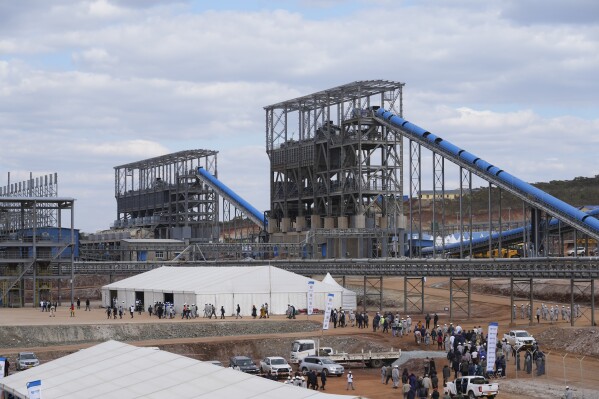
    Argentina expects to gain from increased lithium production from its Rincon West lithium brine project in Salta Province. The development highlights the project’s potential resources, such as lithium and potassium for battery manufacture. Argentina aims to become a global supplier of battery-grade lithium. Increased lithium output will drive up investment in refining, battery-grade chemical synthesis, and battery manufacturing. Given its brine-based lithium reserves, the growing output might assist meet global lithium demand while maintaining competitive supply costs. This calls for the usage of power transmission and distribution networks. These ensure every stage of lithium production, from brine pumping to chemical processing. Using cable suspension bolts ensures that electricity reaches the extraction wells.

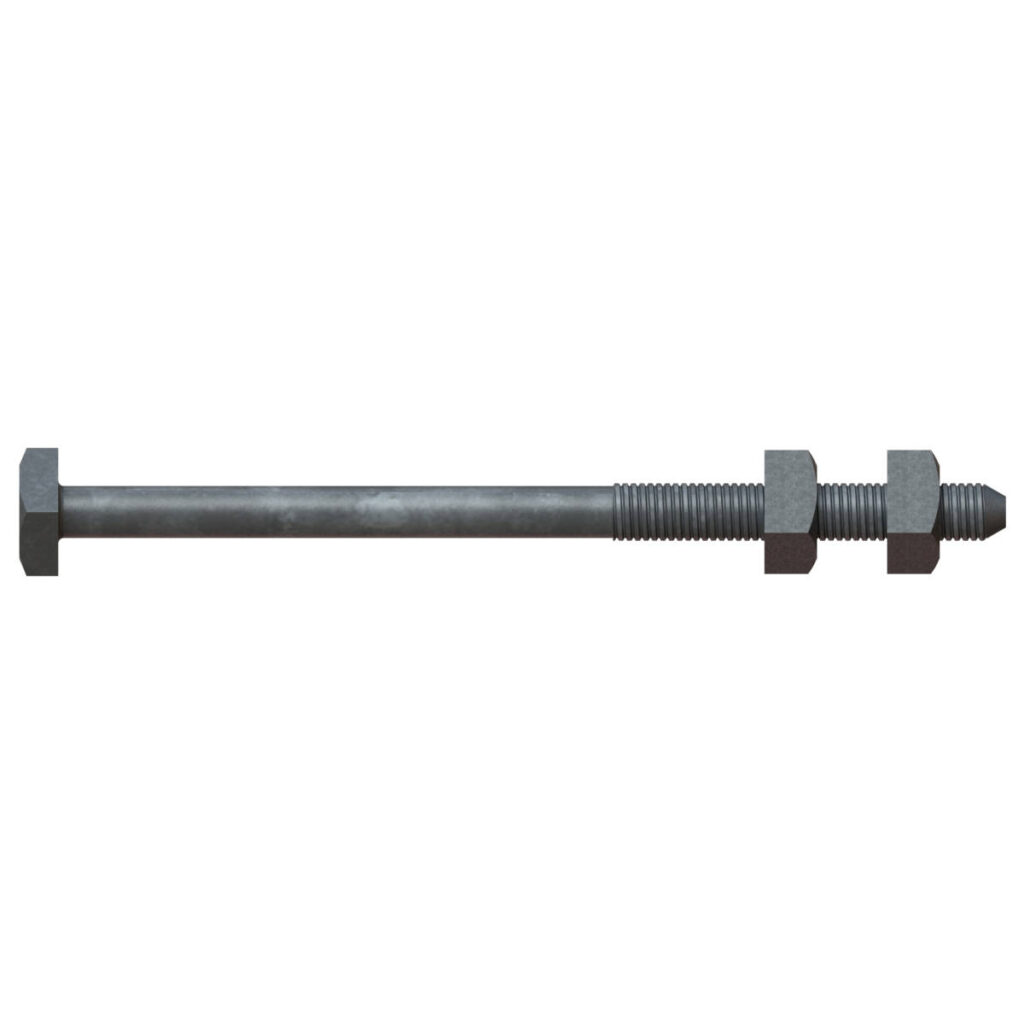
    Cable bolts are essential components in underground mining for rock support and to secure electricity lines to utility poles. Lithium brine extraction necessitates a vast network of medium-voltage power lines connecting a generator to individual brine pumps around the Salar. The cable suspension bolt goes through the utility pole. It holds the suspension clamps, which secure the electrical conductor. The bolt features a shoulder design that allows the clamp to articulate. This keeps the wire from snapping against the pole during heavy winds in the Andes.

    The suspension bolt supports the weight and tension of the power line at a certain pole. It secures the suspension clamps while allowing for articulation. The bolt helps to attenuate aeolian vibrations, which can induce fatigue in metal conductors over time. By preventing line galloping and mechanical failure, the cable bolt guarantees that the processing facility has a consistent power supply.

    The role of lithium in the global supply chain and the energy revolution in Argentina

    Features of the utility bolts

    Argentina is well-positioned to influence global supply chains as well as its local energy reform. It has an impact on economics, industry, and the environment. Lithium is the primary component in lithium-ion batteries, which power electric vehicles, grid storage, and portable gadgets. Its growing production ensures that the country supplies lithium to Asian, European, and North American battery producers. It also increases the country’s bargaining power in global supply agreements as demand for EVs rises. It also promotes electrification of mining, manufacturing, and transportation. This is critical to reducing carbon intensity across all industries.

    The role of the cable suspension bolt in lithium mining and processing infrastructure

    Cable suspension bolts provide steady, safe, and efficient power delivery in lithium extraction and processing infrastructure. The bolts hold the conductor in place, lowering the possibility of electrical failures, short circuits, and unintentional grounding. This is especially important in industrial settings with constant brine pumping and processing operations. The following are the functions of cable suspension bolts in lithium equipment.

    Cable suspension bolts reduce mechanical stress on conductors
    1. Supporting overhead power cables—cable suspension bolts secure and support conductors on poles. They ensure stable alignment under harsh environmental conditions.
    2. Maintaining mechanical stability—the bolts help distribute mechanical loads from cables to the supporting structure. They prevent tension forces that could cause cable sag, misalignment, or hardware failure in remote fields.
    3. Ensuring electrical reliability—suspension bolts reduce vibration and mechanical stress on conductors. This improves current flow to pumps, brine extraction equipment, and processing systems.
    4. Safe power delivery—using the cables in lithium processing equipment ensures cables remain fixed to insulator strings and reduces the risk of outages.
    5. Supporting grid expansion—cable suspension bolts work in overhead lines feeding exploration camps and processing facilities.

    Equipment and technology for lithium extraction and processing in Argentina

    Lithium extraction and processing need specialized equipment and methods that improve brine recovery. They also speed up evaporation, increase purification, and assure grid reliability. This includes:

    • Brine extraction techniques—the extraction components include brine pumps, submersible electric pumps, monitoring sensors, and well casings.
    • Evaporation pond infrastructure—this depends on solar evaporation for traditional brine processing. These include geomembrane liners, brine transfer pipelines, and concentrated sensors.
    • Direct lithium extraction tech—these technologies help to improve yield and reduce environmental impact. Key methods include ion-exchange units, adsorption columns, solvent extraction systems, and modular skids.
    • Power transmission and electrical infrastructure—lithium extraction and processing depend on overhead transmission lines, transformers, protection relays, and hardware such as cable suspension bolts and clevis fittings.
  • Shackle Insulators Supports Cross-Border Energy Trade

    Hydropower development and modernization

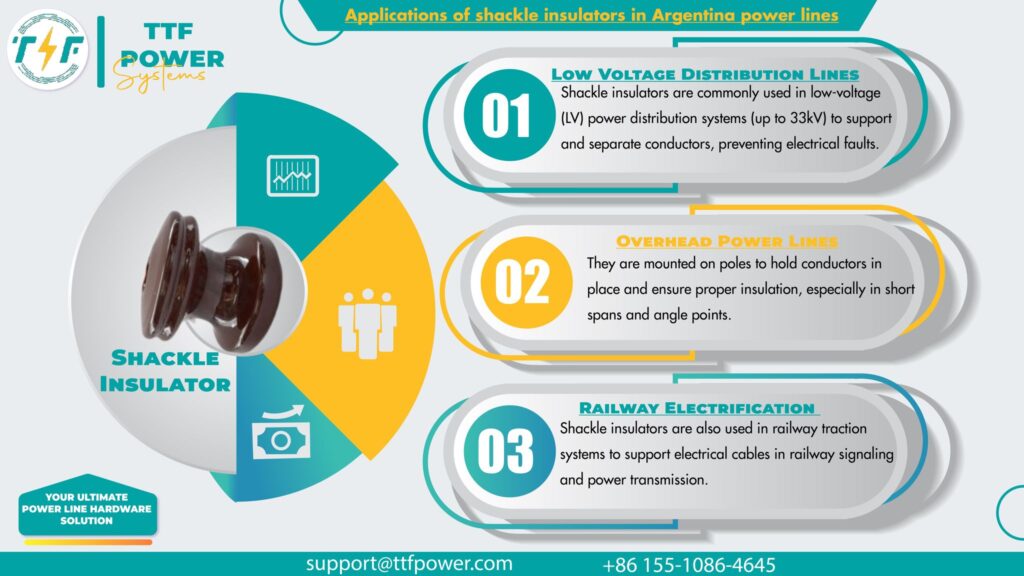
    Argentina recently decided to transfer four main hydropower business divisions to indigenous enterprises. The units have a total capacity of 4 GW. The 4 GW capacity necessitates modernization, investment, and upgrades throughout the transmission networks. Additionally, as the country continues to integrate wind and solar, hydropower will serve as a balancing anchor for renewable expansion. Modernization and upgrades will enable operators to deliver faster load balancing, frequency regulation, and voltage support, as well as transfer more clean electricity throughout the region. This will also benefit the renewable ecology by reducing reliance on thermal plants. A modern hydro-powered grid reduces the risk of blackouts, lowers operating costs, and allows for better preparation for extreme weather events. Using shackle insulators helps to modernize the grid. This is to ensure reliability, smart monitoring, and efficient power delivery.

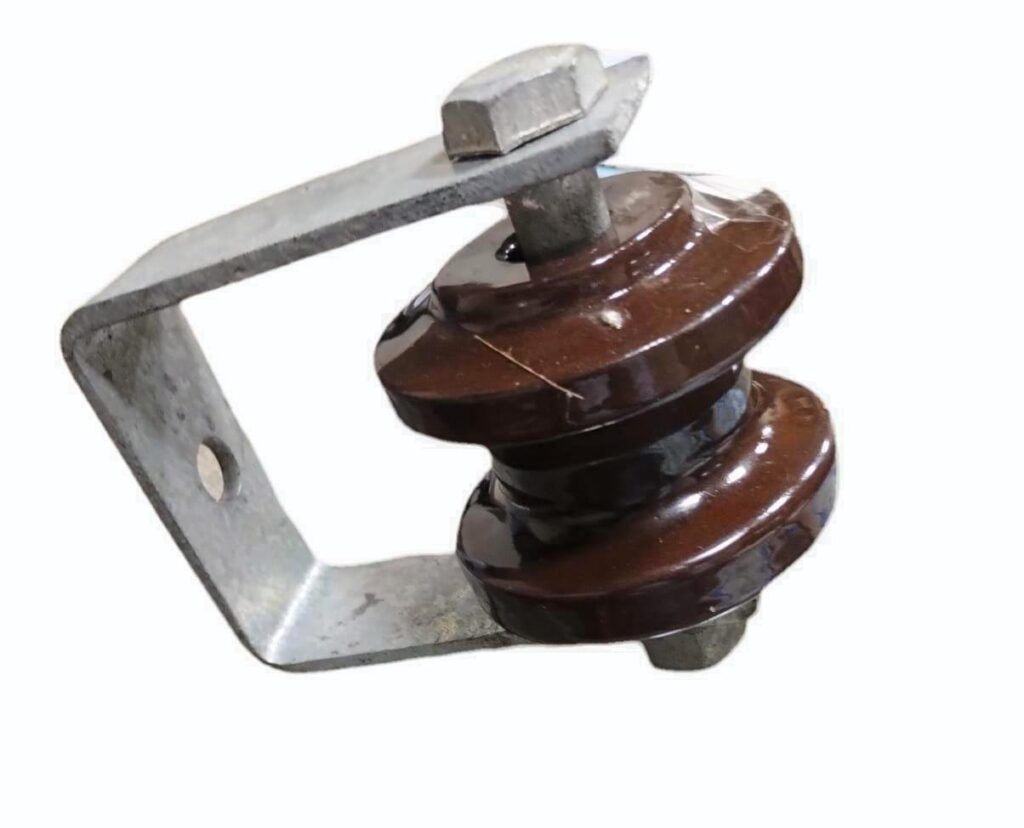
    Electrical insulators provide power to plant systems such as lighting, cranes, cooling, and control systems. The insulators provide excellent insulating for interior circuits. Shackle insulators provide grid robustness because to their high-quality materials. Polymeric insulators offer isolated mounting sites for data collection networks. These networks contain sensors and Internet of Things (IoT) devices. They serve as the basic insulation for systems that support voltage, regulate frequency, and enable black-start capability.

    Shackle insulators are critical, cost-effective insulation for auxiliary and distribution circuits in plant operation. Insulators help the plant be more resilient, safe, and need less upkeep. This is primarily owing to the use of polymeric materials. The insulators ensure secure, separated installation and wiring for sensor networks and control systems.

    Hydropower presents prospects for system expansion and cross-border power exchange

    uses of the insulators

    Local hydropower management in Argentina opens up potential for national grid expansion and cross-border power exchange. With 4 GW of hydro capacity, Argentina can coordinate its generation, transmission, and regional power strategy. This creates prospects for a more diverse energy landscape in which local operators can collaborate with national authorities to plan long-term grid development. This necessitates the installation of extra transmission lines connecting hydropower regions to high-demand areas. Proper hydropower management enables Argentina to export clean power, reduce its dependency on foreign fuel imports, and form strategic alliances to strengthen economic connections. By harmonizing with national objectives, Argentina presents itself as a regional clean energy hub. This improves export stability, flexibility, and renewable electricity in South America.

    Shackle insulators for hydropower upgrade and integration in Argentina

    Shackle insulators are critical as Argentina modernizes its plants and upgrades transmission lines. The insulators ensure that generated power from hydroelectric plants is supplied safely and dependably. This is critical as the country incorporates more wind and solar into hydropower. Insulators provide the following functions in Argentina’s modernization and integration.

    Shackle insulators protect equipment within the hydropower plant
    1. Electrical isolation—shackle insulators prevent unintended current flow between energized conductors and supporting structures. They serve in low- and medium-voltage distribution lines, switchyards and power systems, and plant service lines.
    2. Supporting mechanical loads—the insulators carry mechanical tension and electrical insulation functions. They keep conductors supported in areas that limit other insulator types.
    3. Integration with smart grid monitoring systems—the insulators ensure stable conductor positioning and maintain clean power flow. They also support auxiliary circuits used for monitoring, metering, and communication equipment.
    4. Improving grid stability in renewable integration—shackle insulators ensure dependable connections inside hydro plants. They maintain conductor alignment and insulation for stable auxiliary power and control circuits.  

    Strengthening Argentina’s transmission network with hydropower

    Argentina can use hydropower to improve its transmission network. It provides stability, flexibility, and capacity to allow Argentina to modernize lines, incorporate renewables, and reduce outages. Here’s how hydropower improves the transmission system.

    • Stable power—hydropower delivers continuous and controllable electricity in Argentina. This helps operators to expand the network to remote regions.
    • Enabling peak load and frequency regulation—modern hydropower provides spinning reserves, regulating grid frequency to prevent instability, and ensuring reliable delivery.
    • Enabling upgraded and higher-capacity lines – modernizing the transmission hardware leads to the installation of advanced line supports such as clamps and shackle insulators. It enhances substations and protective relays for long-distance connectivity.
    • Renewable integration—by stabilizing transmission flows, hydro allows greater penetration of variable renewables and smooth integration of distributed energy resources into the grid.
    • Improving grid reliability—hydro plants maintain stable flows, reduce line faults, and enable fast recovery from outages through coordinated control.
  • Aluminum cable spacers supporting Chile’s grid-forming

    Grid forming technology ensuring reliability

    Chile is entering the era of grid-forming technology as it transitions to significant proportions of solar, wind, and battery storage. Employing grid-forming inverters (GFM) enables renewable and storage resources to function more similarly to traditional synchronous machines, enhancing grid stability. Grid-forming inverters provide inertia, aiding the grid in managing abrupt disruptions. Higher solar output lessens fossil fuel consumption, thus decreasing inertia. The grid technologies allow BESS and renewables to control frequency instead of merely responding to it. This aids in preserving stability during swift shifts in load or generation. Power line hardware elements such as aluminum cable spacers assist in preserving the system’s electrical integrity.

    Grid-forming inverters improve operational flexibility to allow the grid to accept more renewable variables. It does so by offering voltage regulation, black-start capability, and fast frequency response. This increases renewable use and improves investment returns for solar and wind developers. Cable spacers allow grid-forming technologies to perform effectively across the complex network. They do so by ensuring line stability, efficiency, and reliability. They function in high-voltage overhead transmission lines and bundled conductor configurations.

    Grid-forming inverters in BESS, solar, and wind plants create their own stable voltage and frequency waveform. This provides inertia and stability in grids with high renewable penetration in Chile. Aluminum cable spacers have damping features to protect the conductors from low-amplitude oscillations. This helps prevent conductor fatigue and failure. The spacers change the mechanical dynamics and help control oscillations. This helps GFM inverters to work efficiently and reliably.

    Grid-forming Technologies decarbonizing the energy network in Chile

    Grid-forming technologies allow the nation to incorporate larger amounts of renewable energy without sacrificing reliability. The sophisticated inverter-based features address structural issues arising from decommissioning thermal plants and enhance variable renewable energy production. Implementing grid-forming technologies lowers carbon emissions while maintaining system security.

    BESS technology decarbonizing the energy sector

    These technologies enhance power flow stability, reduce oscillations, assist weak-grid areas, and decrease congestion on 500 kV lines. This guarantees the distribution of renewable energy throughout the nation, accelerating the transition away from fossil fuels. Grid-forming technologies ease stable microgrids with high renewable energy, replace diesel generators, and provide dependable power for off-grid mining locations.

    Functions of aluminum cable spacers in Chile’s grid-forming technologies

    Aluminum cable spacers maintain the stability, safety, and performance of overhead conductor bundles. This is crucial for lines feeding renewable plants, storage systems, and GFM-enabled codes. Grid-forming technologies include advanced inverters and control systems that provide synthetic inertia, fast frequency response, and stable voltage regulation. Aluminum cable spacers provide the reliability to this equipment. Here are the functions of the aluminum cable spacers in Chile’s grid advancements.

    Aluminum cable spacers support grid-forming inverters
    1. Maintain conductor separation for stable power flow—aluminum cable spacers ensure each conductor in a bundle remains spaced. This prevents imbalance, reduces circulating currents, and supports the voltage waveform control needed for grid-forming inverters to operate at high performance.
    2. Prevent conductor clashing—cable spacers reduce cable clashing that causes arcing and outages. They keep conductors at fixed distances to prevent contact during wind events, seismic activity, or sudden load changes.
    3. Reduce aeolian vibrations—aluminum cable spacers absorb and dampen vibrations to reduce fatigue on conductor strands. This protects circuits feeding solar, wind, and BESS facilities.
    4. Ensure thermal performance—aluminum cable spacers maintain consistent spacing that improves heat dissipation across conductor bundles.
    5. Enhance safety and line integrity—cable spacers provide high corrosion resistance and durability in extreme environments.

    Grid-forming technologies implemented in Chile’s power grid.

    Implementing grid-forming technologies in Chile bolsters its electrical system as the nation moves towards increased renewable integration. These technologies are being utilized in extensive solar power plants, wind energy farms, energy storage battery systems, and upgraded substations. The technologies need high-quality power line equipment such as aluminum cable spacers. These advancements consist of:

    • Grid-forming battery energy storage systems—grid-forming inverter controls allow the battery to deliver quick inertia, uphold voltage stability, and aid in grid recovery following faults.
    • Modern solar PV installations and wind farms in Chile use advanced grid-forming inverters. These assist in stabilizing the grid when traditional generators are decommissioned.
    • Hybrid solar and storage facilities featuring GFM controls—these hybrid locations use GFM-capable control frameworks that combine PV inverter management, storage inverter management, and onsite protection.
    • Microgrid and grid-forming systems in the mining sector—mining operations are progressively utilizing GFM technologies in isolated areas. These applications ease decarbonization in the mining industry while improving energy reliability.
  • Insulator brackets Boost Efficiency in Wind Farm Systems

    Wind energy development infrastructure

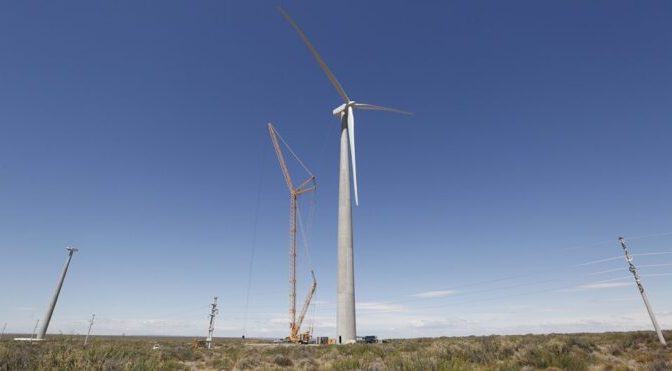
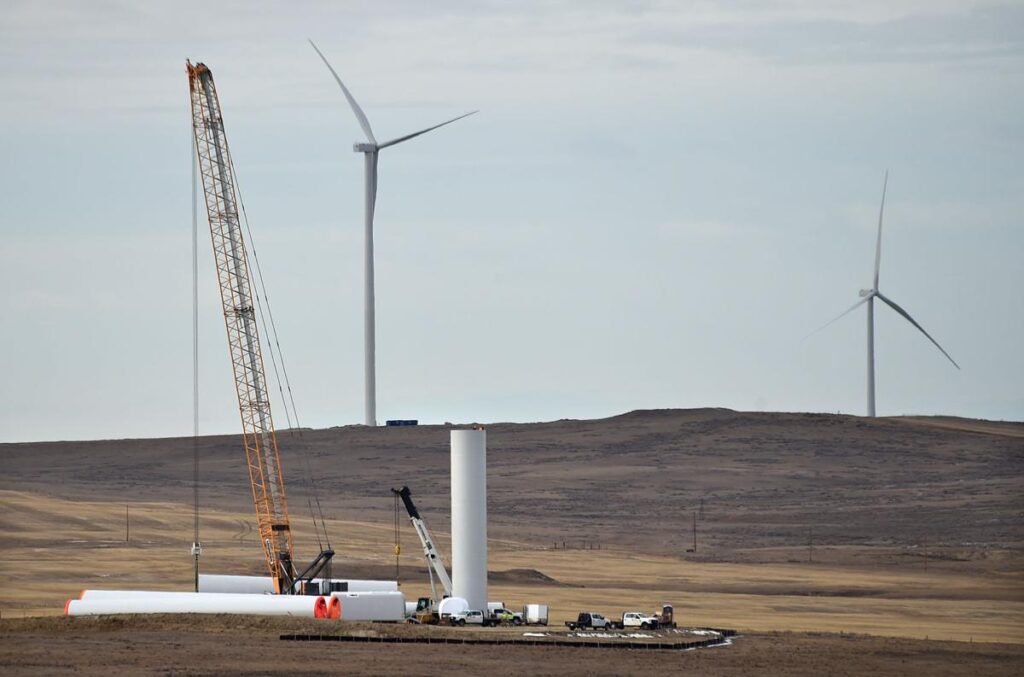
    Engie Chile’s most recent wind farm development is a watershed moment in Chile’s renewable energy boom. The company is now installing the first two turbines for two significant projects. This demonstrates technical capacity and a solid alignment with Chile’s long-term decarbonization objectives. Engie Chile is seeking to install 471 MW of new wind capacity in the northern and central regions. This leads to clean energy advancement, which increases the national renewable supply and accelerates Chile’s coal phase-out. This advancement demonstrates effective supply chain coordination and the optimal deployment of heavy-lift equipment. Large wind development pushes investments in substation upgrades, medium-voltage collection systems, long-distance transmission lines, and grid stabilization technologies. These interconnections use insulator brackets to ensure reliability, safety, and efficiency of the electrical collection systems in the wind farm.

    Insulator fittings physically sustain and electrically isolate live electrical conductors from their supporting structure. This prevents short circuits and provides a steady flow of electricity from the turbines to the grid. Insulator brackets secure the insulator to the transformer platform and keep the electrical conductor in place. Insulator fittings give enough mechanical strength to handle the weight of heavy electrical cables and busbars. These forces include wind load, ice load, and vital cable tension. This helps to survive vibrations and strong gusts, which could lead to hardware failure.

    The bracket supports the insulator, which creates a physical and electrical space between the high-voltage conductor and the grounded metal framework. It stops current from flowing to the ground, ensuring the safety of both equipment and personnel. They also avoid failures by retaining the insulators and conductors. This increases the availability factor for Engie’s wind farm. Insulator brackets are made of high-quality materials that are resistant to corrosion, UV radiation, and wind temperature variations.

    Engie Chile’s wind farms contribute to sustainability and the environment, social, and governance

    Wind turbine installation

    Engie Chile’s wind farm construction strengthens the country’s sustainability strategy while also advancing environmental, social, and governance priorities. These projects represent a transition toward responsible energy generation, community value creation, and transparent corporate governance. Wind farms reduce carbon emissions, conserve natural resources, create jobs, and improve electricity access and cost. By combining technology and development strategies, we can help design a cleaner, more equitable, and resilient energy future for Chile.

    Insulator brackets in Chilean wind farm infrastructure

    Insulator brackets support the electrical system that connects turbines to substations and the grid. It guarantees that power flows safely, reliably, and efficiently across the system. Engie Chile use insulator brackets to protect cables, maintain structural integrity, and safeguard equipment in harsh conditions. Here are the uses of insulator brackets in wind infrastructure.

    Insulator brackets protects insulators
    1. Supporting insulators—Insulator brackets position insulators to prevent electrical flashovers, maintain safe clearances, and ensure reliable power transfer.
    2. Providing mechanical strength—the brackets anchor insulators against tension from conductor cables. They also absorb mechanical stress caused by wind, vibration, and cable movement.
    3. Ensuring electrical insulation—insulators prevent electricity from arcing to grounded structures. The brackets must withstand electrical stresses, maintain creepage distances, and resist corrosion.
    4. Facilitating proper cable management in medium networks—insulator brackets help secure medium-voltage overhead segments and cable terminations and connections.
    5. Enabling scalability and hybrid integration—the brackets help support extra switching lines, auxiliary feeders, and control cabling. This makes it easier to expand and reconfigure electrical layouts.

    Infrastructure for Engie Chile’s wind farm development

    Renewable projects are supported by an extensive network of electrical, civil, digital, and logistical infrastructure. These support systems comprise the structure that connects each turbine to the national grid. It maintains the process functioning at peak performance levels. Here is the infrastructure that enables Engie’s wind farm expansion.

    • Medium-voltage collection networks—medium-voltage collector systems channel the power toward on-site substations. The network includes underground MV cables, secondary racks for organized cables, and insulator brackets.
    • Step-up substations—Engie’s project includes modern substations that transform medium-voltage output to high-voltage levels suitable for long-distance transmission.
    • High-voltage transmission links—Engie depends on transmission line extensions, integration with regional high-voltage lines, and substation interconnections.
    • Digital monitoring systems—the SCADA networks support real-time turbine monitoring, remote control of generation assets, and performance analytics.
    • Grid-forming and stability support equipment—supporting infrastructure includes grid support firmware in turbine converters to stabilize frequency and voltage.
  • Deadend clamps powering Chile’s copper transition

    Chile's copper mining infrastructure

    Codelco, Chile’s state-owned mining company, and Kutch Copper Ltd., a subsidiary of Adani Enterprises, recently signed a copper exploration deal. The agreement focuses on the changing dynamics of resource security, supply chain integration, and investment flows that influence the copper industry. Chile’s copper output growth is dependent on finding new resources, prolonging the lives of current mines, and accelerating exploration. The arrangement provides Codelco with more finance, technical collaboration, and shared risk in investigating three copper opportunities. This collaboration will allow Codelco to progress projects more rapidly, cut exploration expenses, and broaden its resource base for future production. Copper demand is driven by renewable energy systems, electric vehicle manufacture, grid upgrades, and energy storage technologies. Integration of copper into these systems demands the use of deadend clamps. The clamps terminate and tension the electrical conductors running from diesel generators to drill rigs and exploration camps.

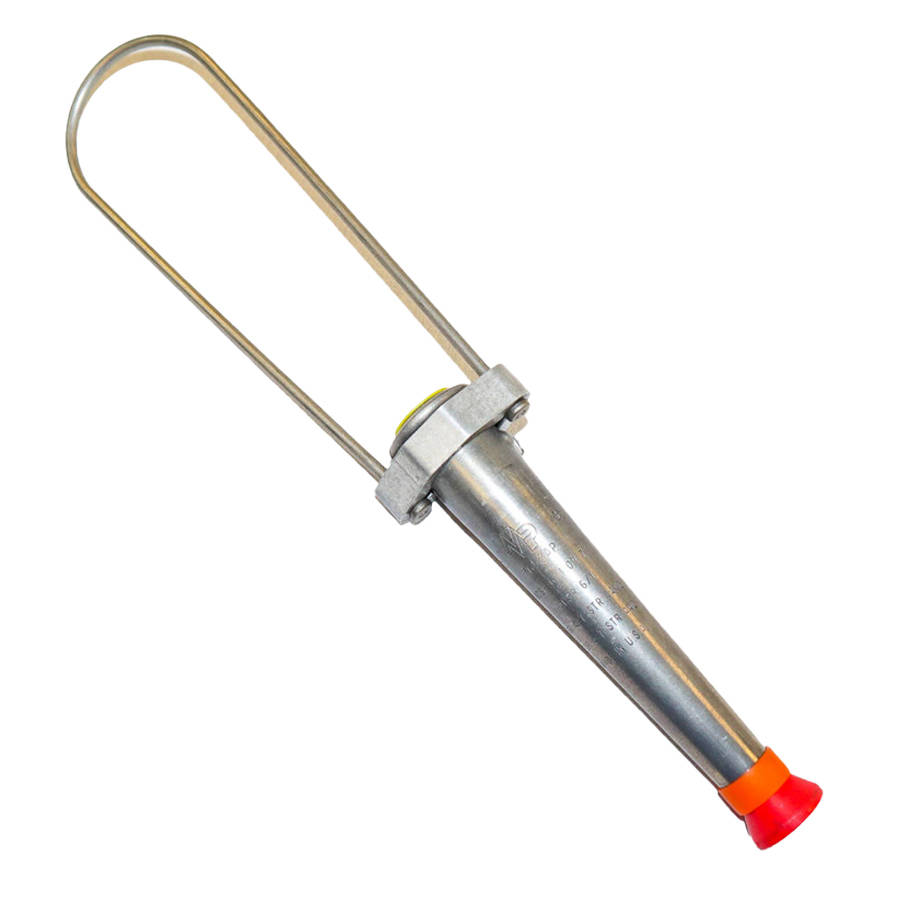
    In windy and vibration-filled conditions, high-performance clamps keep transmission lines from sagging. Deadend clamps power the systems that collect it, such as drill rig data logging and camp operations. Reliable power is critical for the infrastructure that supports Chile’s exploration and assessment technologies. A deadend clamp connects electrical lines to a single location. It handles the mechanical tension of the wire while allowing the electrical current to flow undisturbed.

    Exploration camps and drill pads are frequently isolated from the electricity grid. Deadend clamps contribute to the construction of temporary overhead power cables that distribute power. They secure the electrical lines that connect the central generator to the lights, communication devices, and core shacks. Deadend clamps prevent power outages and electrical lines from breaking. Properly installed deadend clamps keep overhead cables from snapping, which could result in electrocution.

    The role of copper in Chile’s energy transition

    Chile’s copper influences power generation, transmission, clean technology manufacturing, the mining industry, and decarbonization. Copper is critical for the construction of renewable energy sources, which Chile relies on to achieve carbon neutrality by 2050. Solar PV panels, for example, make use of copper in cell interconnections, cabling, and solar inverters. Wind turbines need a considerable amount of copper for generators, electrical cables, grounding, and grid connections. Concentrated solar power facilities also use copper in heat exchangers, thermal storage systems, and electrical networks.

    Features of the deadend clamps

    Copper also permits high-voltage cables connecting isolated deserts to urban areas, smart grids that support dispersed energy resources, and increased grid resilience for unpredictable wind and solar output. Deadend clamps allow connections in the infrastructure to enhance secure connections and anchoring. Copper also functions in BESS, pumped hydro storage, and green hydrogen infrastructure.

    The use of deadend clamps in copper exploration and production infrastructure

    Deadend clamps improve the mechanical and electrical reliability of Chile’s copper exploration and production infrastructure. The clamps contribute to reliable power transmission, structural safety, and continuous operation in a variety of settings. Deadend clamps hold conductors at the terminus of a power line. It ensures that drilling rigs, processing facilities, haulage systems, ventilation, and remote monitoring technologies run continuously. Here are the uses of deadend clamps in copper manufacturing.

    Deadend clamps secure endpoints for overhead conductors
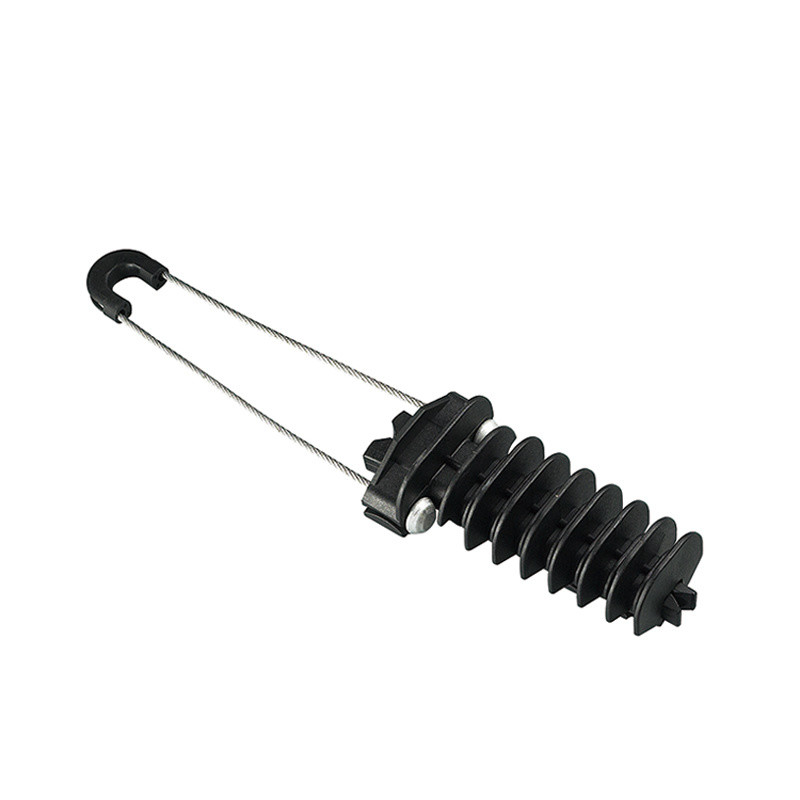
    • Mechanical termination of conductors—deadend clamps create secure endpoints for overhead conductors supplying power to the exploration systems. They hold the conductors under high mechanical tension to ensure the lines remain stable.
    • Load transfer and stress distribution—the clamps distribute mechanical load across transmission and distribution poles, substation output lines, and field electrical networks.
    • Electrical reliability—deadend clamps are from galvanized steel or aluminum alloy. These materials provide corrosion resistance to prevent power loss, overheating, or failure at termination points.
    • Securing power lines feeding processing facilities—deadend clamps work at primary substations, leaching and solvent extraction facilities, and pumping stations supporting water management.

    Potential hurdles to successful copper exploration and assessment in Chile

    The Codelco-Kuch agreement should cut potential hurdles to successful copper exploration and assessment in Chile. Technical uncertainties, environmental compliance, water scarcity, infrastructure limits, supply chain constraints, and talent deficits are all major issues that must be addressed. They should also strive to improve energy reliability for remote excursions, adhere to investment cycles, and maintain community trust. Companies can overcome these difficulties by implementing current technologies, robust logistics, and transparent governance. This will assist to access extra copper resources, bolstering Chile’s leadership in the global energy revolution. Deadend clamps can assist address this by improving the dependability, safety, and efficiency of field equipment.

  • Strain clamps boosting copper output for Chile’s transition

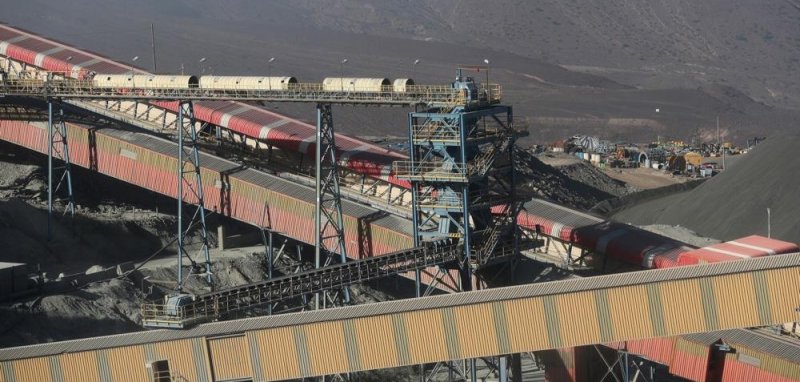
    Copper mining infrastructure and components

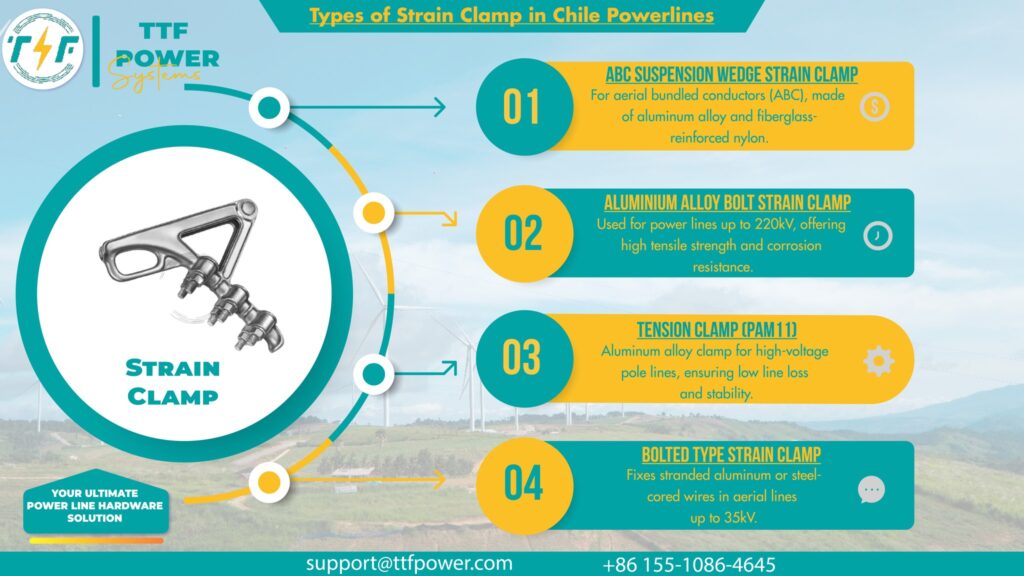
    As demand for green technology grows, so does demand for metals like copper and lithium. Major global institutions have dramatically increased their copper price projections for 2025-2026 to record highs. Chile’s state copper commission, Cochilco, has released its highest-ever average price forecast. Chile copper production is facing issues such as mine operating disruptions, poor performance, and decreased output from Anglo American Sur. These disruptions forced analysts to revise their 2025 market forecast from a surplus of 40,000 metric tons to a deficit of 124,000 tons. Copper is an essential component in power networks, electric vehicles, and renewable energy sources. It has use in transmission lines, transformers, substations, inverters, and grid stabilization technology. In copper production, strain clamps are used to anchor and support electrical cables at termination and suspension points.

    High-quality clamps ensure the stability of electrical infrastructure used in copper mining and the production of renewable energy and electric vehicles. Strain clamps can sustain the mechanical force on the circuit. It also provides a dependable, low-resistance electrical connection from the conductor to the supporting structure. Strain clamps are made of strong, corrosion-resistant materials such as aluminum alloy or forged aluminum. The design incorporates a grasping mechanism that secures the conductor without harming it.

    Large-scale copper mining and processing necessitates the installation of high-voltage transmission lines throughout Chile’s mining regions. These lines rely on strain clamps to stay operational and functional. Strain clamps protect the mechanical integrity of power lines, saving downtime and providing a stable power supply for copper extraction and processing. Strain clamps speed up Chile’s renewable energy transformation and economic future by allowing for reliable power transmission to copper mines.

    The role of copper in Chile’s energy transition and supply

    Strain clamps used in power lines

    Copper influences the internal power evolution and clean energy supply in Chile’s energy transition. Chile’s copper industry is critical for renewable energy expansion, grid modernization, electrified transportation, and hydrogen innovation. Chile’s wind and solar resources rely on copper-based technologies. Copper is an essential component in solar wiring, inverter systems, wind turbine generators, and transmission lines. Integrating these intermittent renewable energy into the grid requires copper-intensive circuitry. These include high-voltage transformers and substations, switchgear, protection systems, and busbars.

    Strain clamps are essential for securing and anchoring equipment used to develop these technologies. As a result, copper is essential for increasing the grid’s flexibility and resilience. Additionally, with increased renewable energy, there is demand for battery storage systems to stabilize the grid. Copper functions in power conversion systems, battery interconnects and cabling, and high-capacity charging. There are also other innovations integrating renewable power and electrified equipment into copper mining to reduce carbon emissions.

    Strain clamps in Chilean copper mining for energy transition

    Strain clamps are critical for Chile’s copper mining activities as the energy industry upgrades its power infrastructure. Modernized infrastructure facilitates the worldwide energy transition. Strain clamps ensure the dependability, safety, and efficiency of the electrical transmission networks that power copper mines, processing plants, and desalination units. The strain clamps serve the following tasks in Chilean copper mining.

    Strain clamps ensure low-resistance electrical contact
    1. Secure mechanical anchoring for high-tension conductors—copper mining operations depend on extensive high-voltage transmission networks. Strain clamps provide the mechanical anchoring that holds conductors under high tension.
    2. Ensuring electrical continuity in power distribution systems—strain clamps ensure low-resistance electrical contact between the conductor and the clamp body.
    3. Stabilizing renewable-powered mining operations—strain clamps stabilize overhead power and interconnection lines. They ensure secure transmission of intermittent renewable power to mining operations.
    4. Strengthening power infrastructure—the clamps ensure the mechanical integrity of transmission lines supplying desalination pumps, secure anchoring, and stable energy delivery.

    Challenges for Chile’s copper industry

    Chile’s copper sector faces difficulties that pose dangers to production stability. These issues stem from structural, environmental, and operational causes. This might jeopardize copper supplies for EVs, power grids, and renewable energy. Key challenges include:

    • Increasing energy demand and grid constraints—copper mining and processing are energy-intensive. Key challenges include higher electricity prices, grid congestion, intermittency from solar and wind. These causes the need for more transmission to integrate clean energy.
    • Project delays—there are strict environmental regulations and slow permitting processes that slow the development of new projects, expansion, and desalination facilities.
    • Infrastructure challenges—large new projects depend on high-voltage transmission capacity supported by strain clamps.
    • Competition from emerging producers—other countries such as Peru, the DRC, and Zambia are expanding copper production. The lower operating costs and new high-grade discoveries put pressure on Chile’s competitiveness.