Tag: energy efficiency

  • Spool ties driving AI and energy efficiency in Chile

    Data center under development for energy sustainability

    Chile is currently undergoing a rapid digital transformation, with data centers serving as the foundation for the transition. This advancement shows the convergence of high-performance computing, energy efficiency, and durable infrastructure. The infrastructure aims to sustain modern digital economies. The emergence of smart cities and the proliferation of AI-driven sectors are propelling Chile’s digitalization forward. One of the most notable developments is the use of high-density modular data center architectures. These data centers provide scalable capacity, allowing operators to add more modules as demand develops. These designs are excellent for emerging markets in South America. Artificial intelligence, cloud hyperscaling, and high-performance computing workloads are all required for digital infrastructure. Using spool ties ensures the continuity, resilience, and speed of construction of the critical utility networks for data centers.

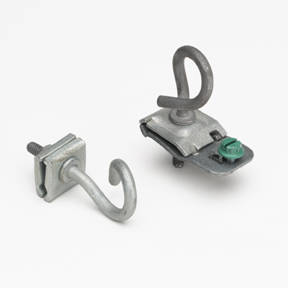
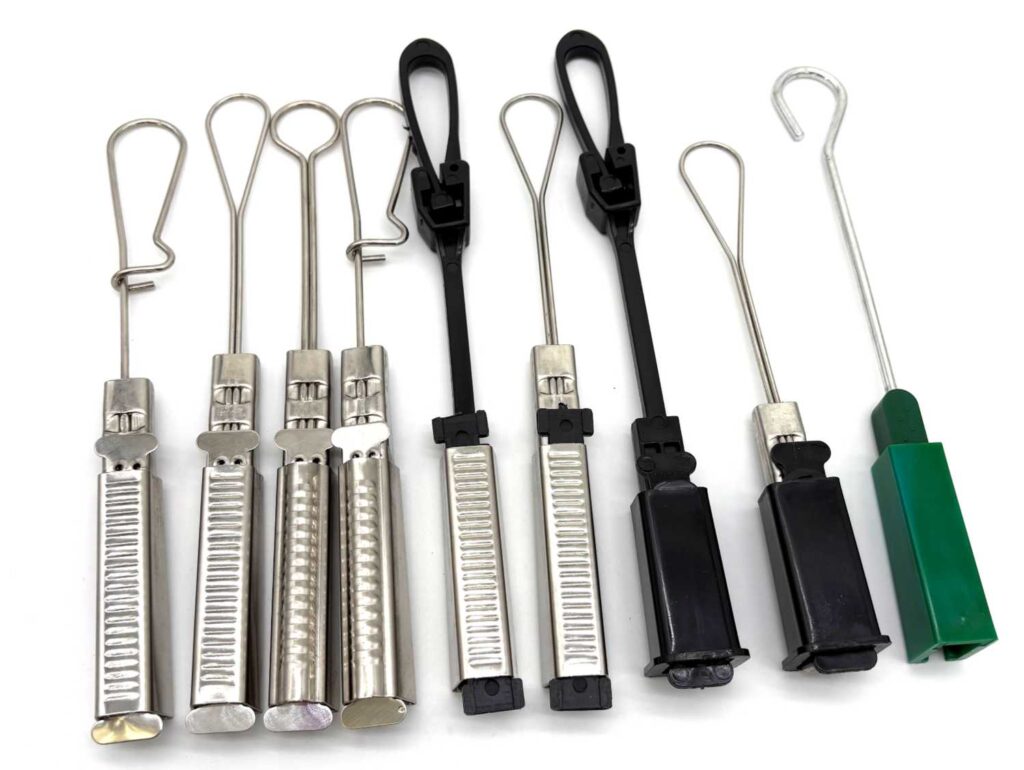
    Spool ties are critical to the building and protection of the core telecommunications network. It is based on the deployment of aerial fiber optic lines. Insulator ties are high-tensile steel wires that connect a new fiber optic cable to an existing, load-bearing messenger wire. The insulator ties keep fiber cables from swinging or contacting the messenger wire. By doing so, they reduce mechanical stress, avoid degradation, and lessen the likelihood of service disruptions. Spool ties provide tension and grip to the cable span, allowing it to resist continual vibrations while maintaining the physical integrity of the data link.

    Spool ties secure the fiber cable in a fixed, ideal position, preventing bends that exceed the cable’s least bend radius. Securing the cable reduces movement, which can cause the cable sheath to wear away over time. Spool ties provide for quick deployment and secure couplings of data wires. This encourages the creation of high-speed, dependable, and widespread digital infrastructure. The infrastructure is critical for smart industries, digital lifestyles, and data centers.

    High-density modular infrastructure in Chile’s energy sector
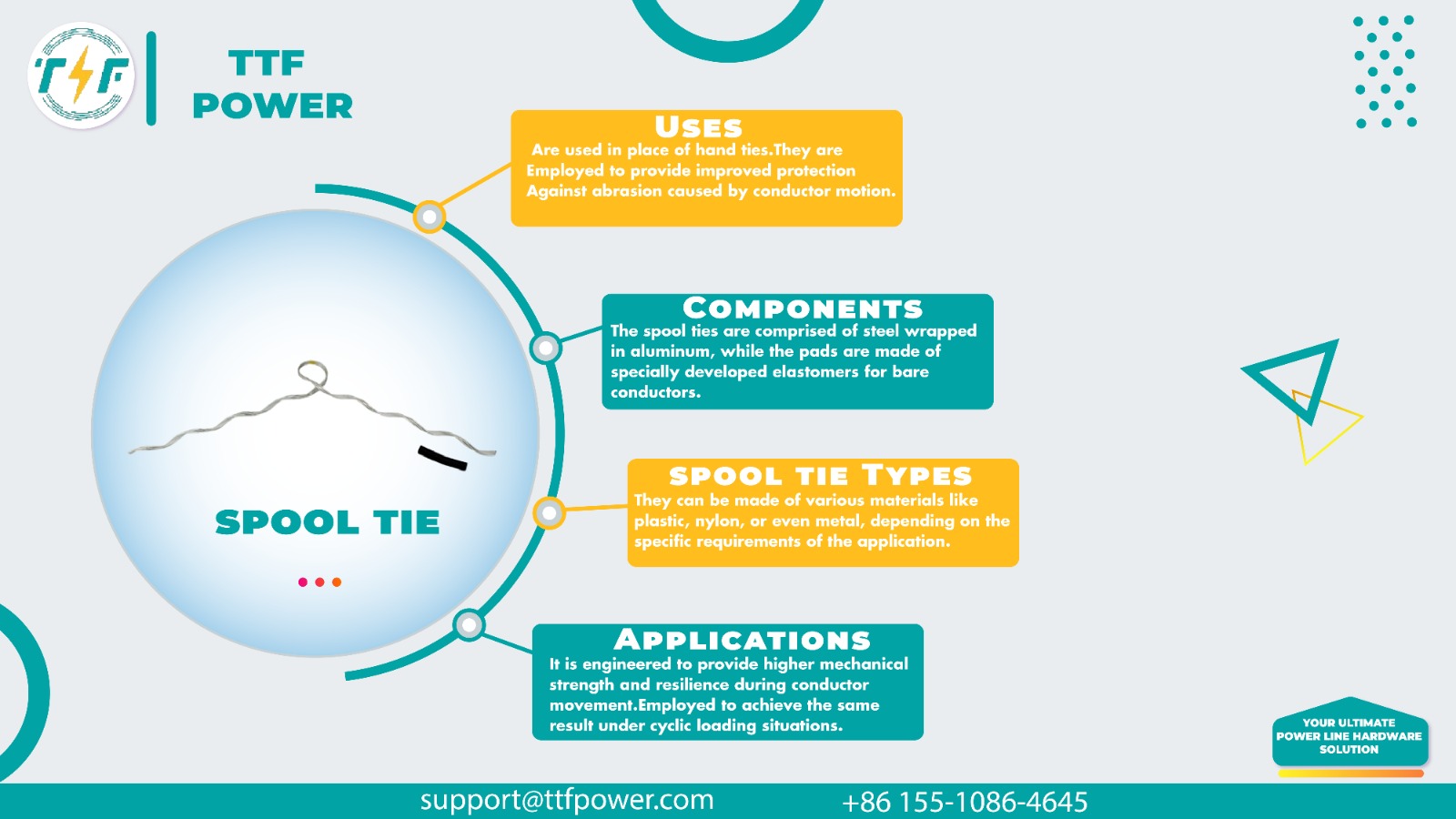
    Spool ties components and application areas

    This infrastructure makes use of cloud computing, artificial intelligence, renewable energy, and hyperconnected businesses. Modular data center designs provide the flexibility, speed, and efficiency required to meet the growing digital demand. Modular infrastructure allows for faster implementation, scalability, and lower latency for regional users. This attracts more investments from fintech companies, smart city developers, and global content providers. In this setting, there is a growth in AI training clusters, machine learning interference, and high-performance computing, all which need great power density. Data centers harness the benefits of the renewable ecosystem by implementing efficient cooling paths that reduce energy waste. It also benefits the ecosystem by integrating with solar, wind, and battery energy storage systems.

    The role of spool ties in Chile’s digital infrastructure development

    Spool ties help to assure the stability, safety, and efficiency of electrical networks that support high-density modular architecture. They protect systems including data centers, AI clusters, and renewable energy projects. The spool ties provide the following functions in Chile’s digital infrastructure development.
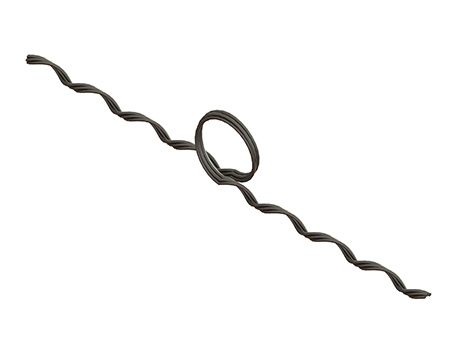
    Spool ties ensure conductors remain anchored on insulators
    • Securing conductors in high-density power distribution—highdensity modular data centers depend on stable, high-capacity electrical feeds to power AI servers. Spool ties ensure that conductors remain anchored on insulators.
    • Enhancing electrical reliability for AI and digital infrastructure—the digital ecosystem depends on stable voltage and uninterrupted energy delivery. Spool ties support reliability by maintaining conductor alignment and preventing faults.
    • Ensuring stability in renewable energy power integration—the renewable energy sector demands overhead distribution networks. This is crucial to deliver power to substations and digital facilities. Spool ties secure conductors, maintain electrical stability, and reduce the risk of conductor galloping.
    • Protecting AI-driven cooling and power management systems—spool ties maintain a stable overhead network that reduces voltage sags, supports continuous power supply, and enhances the reliability of feeds connected to predictive maintenance.

    AI transforming energy-efficient operations in Chile’s digital infrastructure
    AI is altering Chile’s digital infrastructure by promoting the development of intelligent, energy-efficient systems. Digital infrastructure is the fundamental engine that optimizes power consumption, improves system resilience, and lowers operating expenses. This is critical as data centers, renewable energy systems, and hyper-connected businesses grow. The combination of AI and energy efficiency is hastening Chile’s rise to the status of South America’s greenest technology powerhouse. AI integration enables real-time energy management, load forecasting, and lower power use effectiveness. It improves how clean energy supports digital infrastructure. This is accomplished by dynamic switching among solar, wind, grid power, and battery systems. This allows data centers and digital facilities to use more renewable energy and rely less on fossil fuels.
  • Fiberglass secondary connectors roles in 2GW project

    Solar PV technologies in Chile

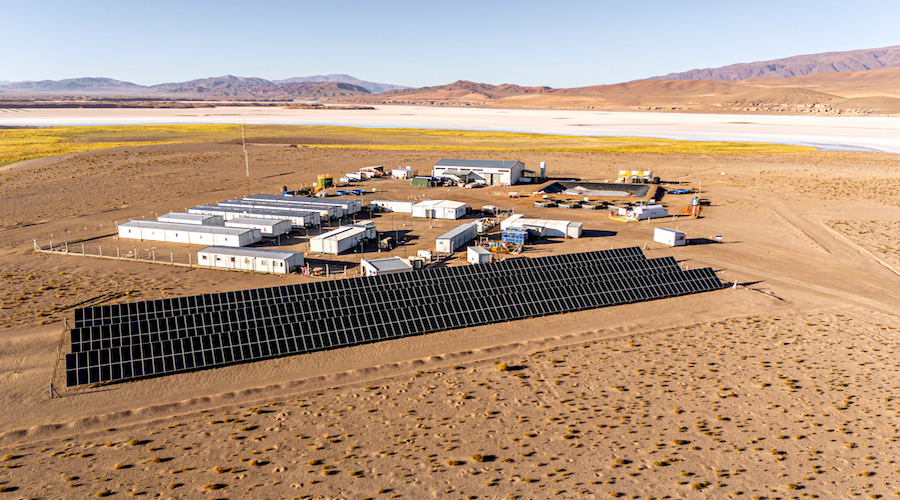
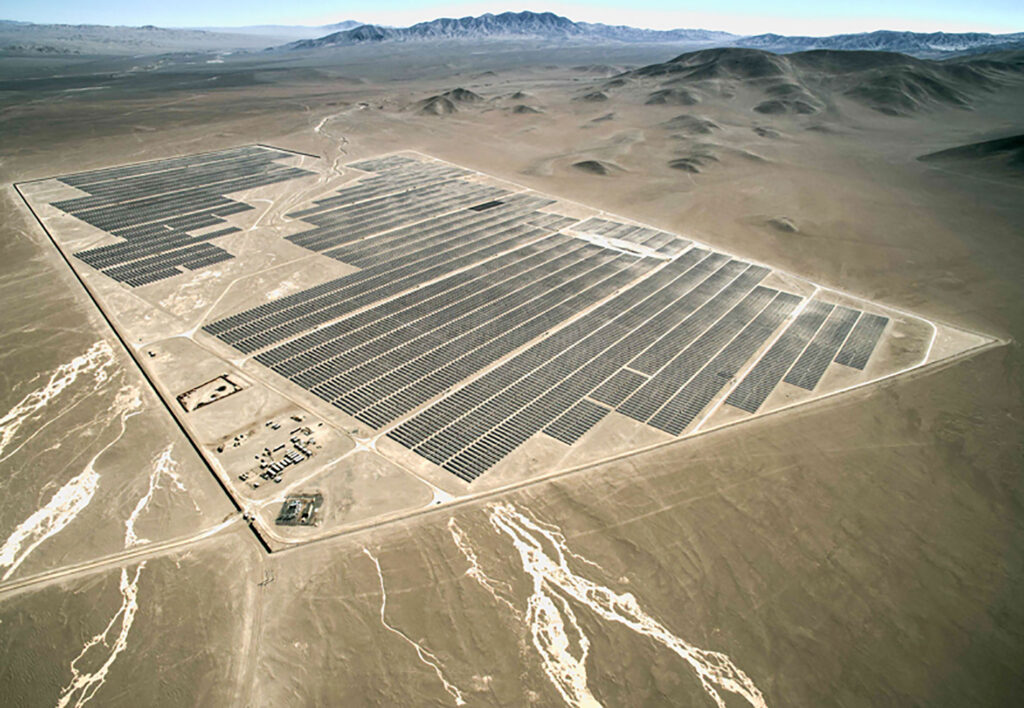
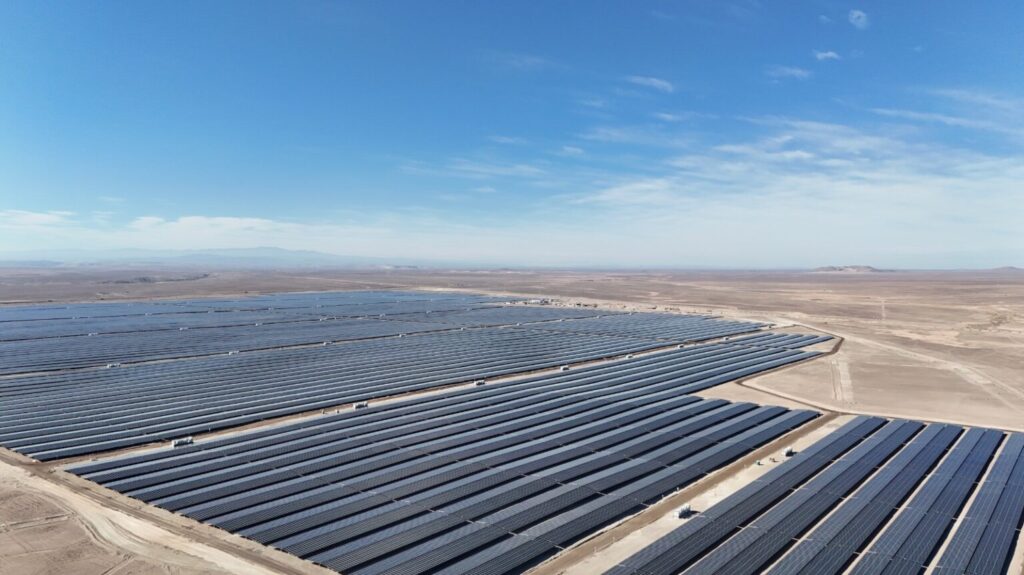
    Chile has recently initiated a 2 GW solar project in the Atacama Desert, marking an important achievement in solar renewable energy. The initiative will use the significant solar irradiation capabilities of the Atacama Desert. This renders the area a perfect site for extensive photovoltaic setups. This project is essential for achieving Chile’s goal of an 80% renewable energy mix by 2030. Furthermore, the strategy will incorporate sophisticated battery energy storage solutions to guarantee grid stability and optimize the use of the produced energy. BESS is a crucial technology for handling the variability of renewable energy sources. Fiberglass secondary connectors are essential for the control, monitoring, and safety systems that enable the plant to function.

    The 2 GW in the Atacama Desert can experience thunderstorms and other environmental factors. The secondary connector links solar combiner boxes and inverters to the SCADA, weather stations, transformers, and switchgears. Fiberglass housings are UV-resistant to ensure long-term structural integrity in the Atacama Desert’s heat. The connectors have gaskets and seals to achieve high ingress protection ratings. This makes them dust-tight and protected against water jets or temporary immersion.

    Fiberglass secondary connectors carry signals from current transformers and voltage transformers installed in combiner boxes and inverters. The data monitors the power output of each string of panels to allow operators to pinpoint failures. The connectors transmit control signals from the central SCADA system to the inverters. It commands them to adjust power output, power factor, or disconnect in case of a grid fault. Reliable connectors ensure the grid operator commands are received and executed without delay. This is crucial for maintaining grid stability and complying with grid codes.

    Elements of the 2 GW solar project in Chile

    Chile solar PV

    The project’s success relies on advanced manufacturing techniques and crucial raw materials such as silicon, silver, and aluminum. This guarantees longevity and peak performance in the tough desert conditions. Key elements of this project show Chile’s dedication to integrating solar power, storage, and grid stability into a cohesive system that can aid in achieving decarbonization objectives. The components feature the PV solar panels, battery energy storage systems, power transmission infrastructure, inverter and control systems, energy management, and digital frameworks. Fiberglass secondary connectors are used to secure and connect components of power lines. The elements showcase the integration of technology, sustainability, and national policy. This is vital for Chile’s position as a clean energy leader in South America

    Functions of the fiberglass secondary connectors in the 2GW Chile solar project

    Fiberglass secondary connectors strengthen electrical reliability and mechanical stability across the 2 GW solar project. They support safe current distribution, structural resilience, and long-term system durability. Fiberglass secondary connectors are multi-pin electrical connectors where the housing consists of fiberglass-reinforced plastic. The housing contains many pins and sockets for electrical signals with robust sealing. This makes it water and dust resistant. Here are the roles of the fiberglass secondary connectors in the solar projects.

    Fiberglass secondary connectors
    • Provide electrical isolation and high dielectric strength—fiberglass components offer excellent insulating properties. They prevent unintended current leakage between conductors to support safe operation of DC and AC circuits.
    • Enhancing mechanical support for conductor systems—the connectors support cables, secondary conductors, and control wiring. They stabilize wiring pathways across structures, inverters, and switchgear.
    • Resist corrosion—solar plants in Chile face extreme UV exposure, desert dust, and variable temperatures. The secondary connectors resist corrosion, rust, and chemical degradation. This helps maintain consistent performance and reduce long-term maintenance demands.
    • Support secondary control and monitoring circuits—the connectors hold low-voltage wiring used for monitoring, data acquisition, string-level checking, and protection relays.
    • Maintain stability under thermal expansion—solar plants face heat and cooling. The fiberglass dimensional stability prevents warping or loosening of connectors.

    Advantages of the solar initiative in Chile’s energy industry

    The 2 GW solar and renewable energy initiative started in Chile’s Atacama Desert signifies the most groundbreaking clean energy project in South America. The initiative provides economic, environmental, and technological advantages that will transform Chile’s energy outlook. The initiative will enhance its status as a local leader in sustainable development. To manage 2 GW of extra capacity, the initiative comprises investments in high-voltage substations, transmission infrastructure, and digital control systems. The improvements strengthen the stability of the national grid and cut transmission bottlenecks in northern Chile. Contemporary infrastructure facilitates future renewable growth and simplifies energy exports to adjacent nations

  • Cutout fuse securing the Tocopilla BESS project

    BESS project stabilizing the grid
    default

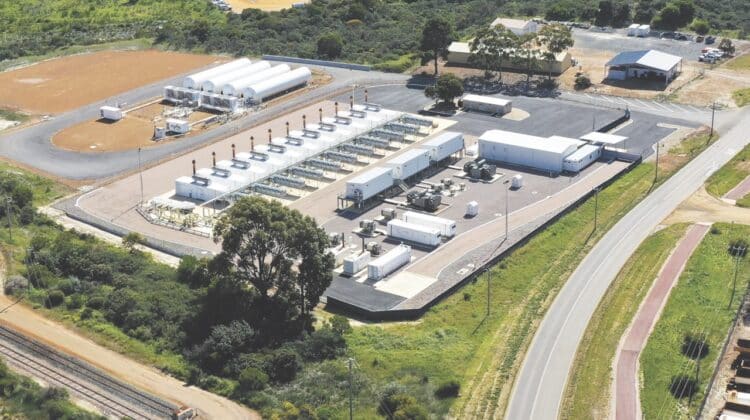
    Engie Chile has energized the 116 MW Tocopilla battery energy storage systems as part of its ongoing efforts to reduce carbon emissions and increase energy sustainability. This system has been installed at its former coal-fired unit in northern Chile as part of an initiative to convert outdated fossil-fuel generators to renewable energy. The project is a prime example of repurposing decommissioned coal assets for renewable infrastructure. The new storage facility has 240 lithium-ion batteries and 30 power conversion systems. By connecting to Chile’s national grid, it allows the country to store electricity during low-demand periods and supply it at peak times. This enhances grid flexibility and stability. This project showcases a sustainable pathway for decarbonizing existing infrastructure while reducing stranded assets. Using the cutout fuse in the BESS reduces faults that damage the cable in the power conversion system and transformers.

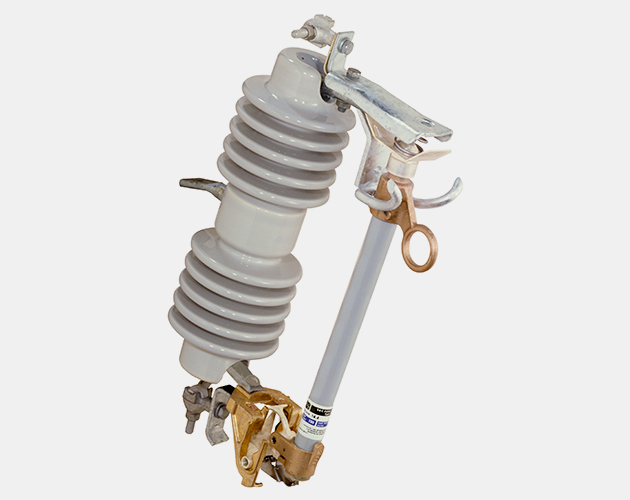
    The fuse cutout acts as a fuse disconnector, ensuring the storage systems’ protection and safety. It connects the BESS’s power conversion system to the project’s main power transformer via a medium-voltage line. Due to the BESS’s high fault current, the cutout fuse cuts the current in the event of a severe short circuit within the power conversion system. The fuse serves as the first line of defense, protecting the transformer and isolating the fault before it destabilizes the local distribution network.

    The cutout fuse can be opened manually to create a visible air gap in the circuit. It ensures that the BESS side is physically and electrically separated from the medium-voltage grid. As an electromechanical device, the fuse cutout provides a failsafe, redundant protection mechanism that does not rely on batteries, software, or communication. This protection ensures that the plant fulfills its purpose of safely disconnecting during malfunctions.

    The BESS initiative aims to decarbonize Chile’s energy system.

    Phasing out coal-fired plants in Chile

    The Tocopilla battery energy storage technology serves as a link between fossil fuel plants and a renewable-powered future. It turns a defunct coal plant into a massive energy storage facility. The project advances Chile’s clean energy goals and demonstrates how technological innovation may speed up the global transition to net-zero emissions. The project allows for increased integration of renewable energy sources such as solar and wind in the region. Engie Chile avoided further construction emissions by repurposing existing Tocopilla infrastructure. The 116 MW BESS delivers auxiliary grid services like frequency regulation, voltage management, and reserve capacity. By storing clean energy and offsetting fossil generation, the BESS helps to reduce emissions. Cutout fuses in this context protect and secure these connections, ensuring safe power transmission.

    Cutout fuse protecting equipment and preserving the Tocopilla BESS project

    Engie Chile’s BESS at the Tocopilla coal plant relies heavily on the cutout fuse. The fuse ensures the safety, dependability, and efficiency of the electrical distribution network. The cutout fuse in the BESS architecture performs the following duties.

    The cutout fuse secures the BESS equipment
    • Primary overcurrent protection—the cutout fuse provides overcurrent and short-circuit protection. It prevents damage to components such as battery modules, power conversion systems, and step-up transformers.
    • Isolation of faulted sections—once a fault occurs and the fuse operates, the affected section is disconnected from the rest of the system. It allows maintenance crews to identify, isolate, and repair damaged circuits without shutting down the entire battery system.
    • Coordination with other protection devices—the BESS integrates protective layers for protection and safety. These include relays, circuit breakers, surge arresters, and monitoring systems. The fuse cutout works with these components to prevent tripping of upstream breakers.
    • Supporting grid reliability—the cutout fuse contributes to longer equipment lifespans of batteries, converters, and transformers. It also contributes to higher system availability for grid services.

    Benefits of retiring coal-fired facilities in Chile’s energy sector

    The phase-out of coal-fired power stations in Chile forms one of the most major steps toward reshaping the country’s energy environment. It is a critical step as Chile strives for carbon neutrality and a coal-free grid by 2040. Repurposing coal-fired power stations with cleaner sources lowers carbon emissions, improves air quality, and promotes renewable energy expansion and grid flexibility. Retiring outdated coal plants offers investment opportunities in modern energy infrastructure. This includes smart grids, energy storage systems, and digital energy management platforms. These advancements necessitate the employment of power line hardware components, such as cutout fuses, to secure connections. Decarbonizing the fossil fuel industry makes the grid a dynamic and intelligent clean energy network.

  • E-Span clamps powering Chile’s BESS innovation

    Batter storage for large-scale solar farm

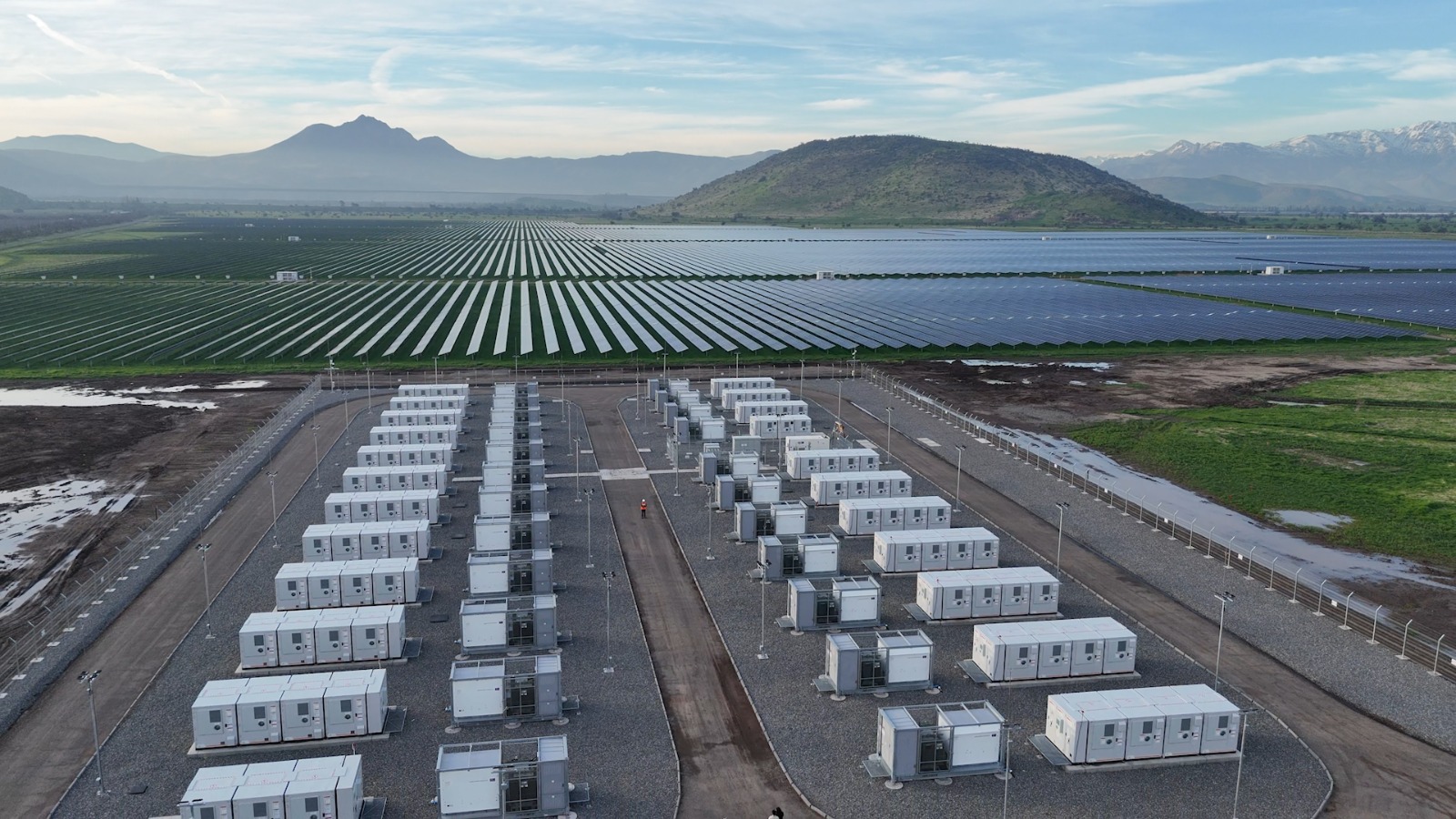
    The growth of battery energy storage systems in Chile could help the country meet its 2030 target of 2GW by next year. Currently, there is over 1GW of installed BESS, with a small market with nearly 38GW of installed capacity across all technologies. This milestone in advance is shown in the pipeline that is expected in the short term, with more than 5GW of storage forecast to be added to Chile’s grid between 2025 and 2030. Additionally, Chile has growing renewable capacity, such as solar in the Atacama Desert. Pairing storage with solar increases grid reliability, reducing power outages and interruptions. Battery energy storage systems help absorb excess energy and help meet demand. This development demands physical and transmission infrastructure supported by components such as E-span clamps.

    Span clamps are crucial for high-voltage interconnection, grid stability, and physical security of the BESS infrastructure. The clamps ensure the safety, reliability, and electrical integrity of the connection between the BESS and the grid. The connection between the BESS and the main grid is through a substation and overhead distribution lines. These connections depend on E-span clamps to ensure security and safety. The clamps have high mechanical strength and specific grip force to keep the phase conductors separated under stress.

    The BESS facility depends on a complex network of fiber optic and copper communication cables for SCADA, grid operator communications, and security systems. By holding the clamps and preventing clashing, the clamps reduce line faults in the infrastructure. This enhances the reliability and availability of the BESS’s grid connections. The clamps allow the BESS to inject and absorb power efficiently and maintain high power quality. This is essential for the stability of the local distribution grid it’s connected to.

    Potential of increased BESS capacity in Chile

    BESS containers

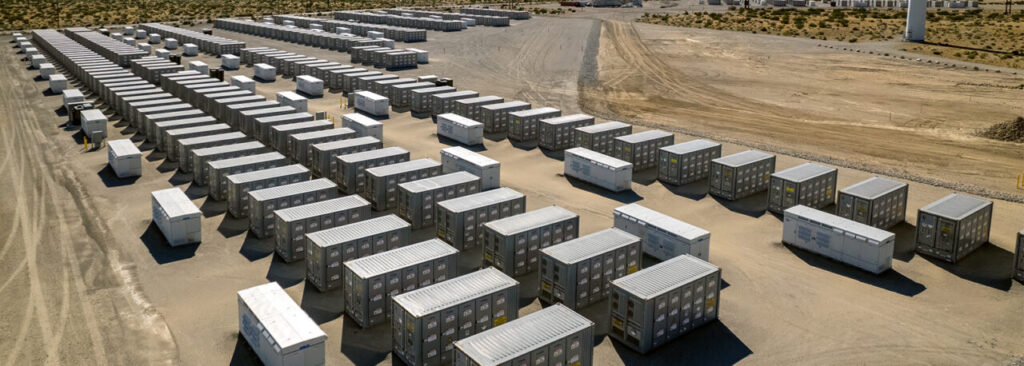
    With high levels of solar in the Atacama Desert and rapid storage growth, developers have confidence that future renewable output will not go to waste. More battery storage capacity positions Chile to capture and use a larger share of midday solar instead of curtailing it. This strengthens investment pipelines and raises the long-term value of renewable power assets. Higher BESS deployment supports deeper coal retirement without sacrificing reliability. Additionally, fast-response storage can stabilize frequency, provide reserve power, and smooth fluctuations from variable renewables. This helps the grip operate under lower fossil baseload conditions. Increased storage reduces dependency on expensive imported fuels, enables competitive industrial power pricing, and improves energy resilience for sectors operating in remote areas. Using E-span clamps protects the critical control systems that allow BESS to integrate renewables and stabilize the Chilean grid.

    Functions of the E-Span clamp in BESS infrastructure

    Battery energy storage systems are crucial for the development of Chile’s grid. The systems store excess solar and wind power for use during peak demand. They ensure a stable, round-the-clock energy supply. E-Span clamps secure overhead conductors used in power transmission to and from the BESS facilities. The clamps provide the mechanical strength, electrical continuity, and environmental resilience to connect clean energy to the grid. Here are the functions of the E-Span clamps in BESS infrastructure.

    E-Span clamps enable cables to remain stable
    • Providing mechanical support—E-span clamps secure conductors over lone transmission lines. They enable the cables to remain stable and properly tensioned.
    • Maintaining electrical continuity and stability—the clamps ensure uninterrupted electrical conductivity across the lines. This helps reduce energy loss and improve power reliability for BESS operations.
    • Damping vibration and reducing mechanical fatigue—E-span clamps help to absorb and distribute mechanical stress. They ensure the long-term stability of BESS connection lines.
    • Supporting energy transition infrastructure—E-span clamps contribute to the structural and electrical infrastructure of Chile’s renewable ecosystem. They ensure efficient power transfer between solar plants, wind farms, and energy storage facilities.

    BESS as a key driver for investments in Chile

    Chile’s battery energy storage is becoming a magnet for capital where investors follow stable frameworks and scalable markets. Chile has shown that clean energy growth is not a political cycle project. Key drivers for investment include a strong renewable foundation, clear revenue opportunities, regulatory visibility, high renewable penetration, and industrial demand growth. Other factors strengthening Chile’s investment include market structures, coal retirement, strong ESG alignment with global green-finance mandates, and active involvement of pension funds. The development, however, still requires transmission upgrades with components like E-span clamps, value storage flexibility, and environmental timelines for rapid scaling.

  • Strain clamps in Chile’s modern lithium systems

    Lithium mining and extraction technologies

    Chile has approved a joint venture between Enami and Rio Tinto to harvest up to 1.2 million tonnes of lithium from the Solares Altoandinos project. Enami describes the effort as the largest mining extraction permit ever awarded outside of the Atacama region. The program is consistent with Chile’s goal of maintaining its position as a global leader in the lithium supply chain while ensuring that development adheres to sustainable principles. Lithium minerals are essential for batteries used in electric vehicles, battery storage, and grid modernization. The effort results in the creation of major infrastructure projects to ease lithium mining. Use of components such as strain clamps helps withstand the full mechanical tensile load of the conductors.

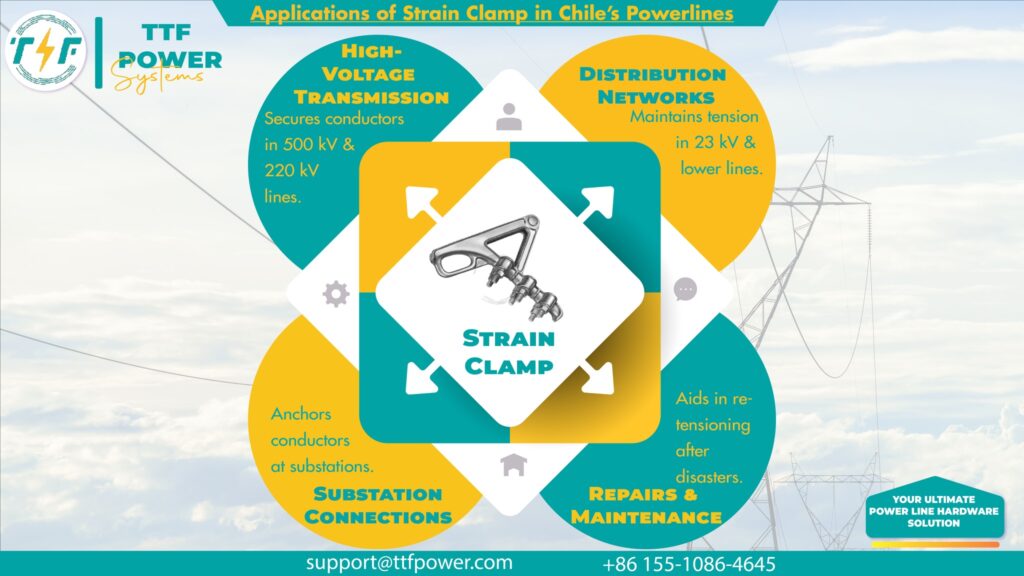
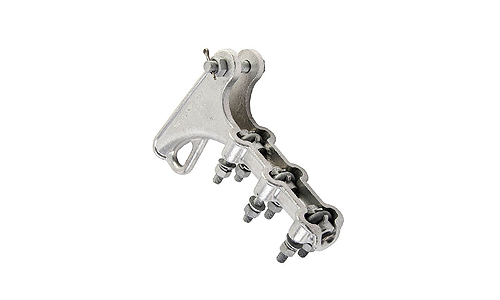
    Strain clamps are used in Chile’s power line networks to supply the lithium mine. They are effective at any point when the line ends, changes direction, or crosses a large obstacle. Overhead lines are constantly mechanically stressed by their own weight, wind, and temperature fluctuations. The clamp also makes a low-resistance electrical connection. It guarantees that the electrical current running through the conductor travels through the clamp with minimal loss.

    Poor connections in the lithium infrastructure would generate a hot spot, resulting in energy inefficiency and potential failure. Strain clamps are used to equally send mechanical stress across a segment of the conductor. They have a smooth, curved body to avoid creating concentrated points of stress, which can lead to bird caging. Most dampers include inbuilt dampers that help interrupt vibration patterns and protect the conductor from strain. The strain clamps enable the electricity grid to travel long, exposed distances between the main grid and isolated mining locations.

    Technological innovations supporting Chile’s lithium mining industry

    Key application areas of strain clamps

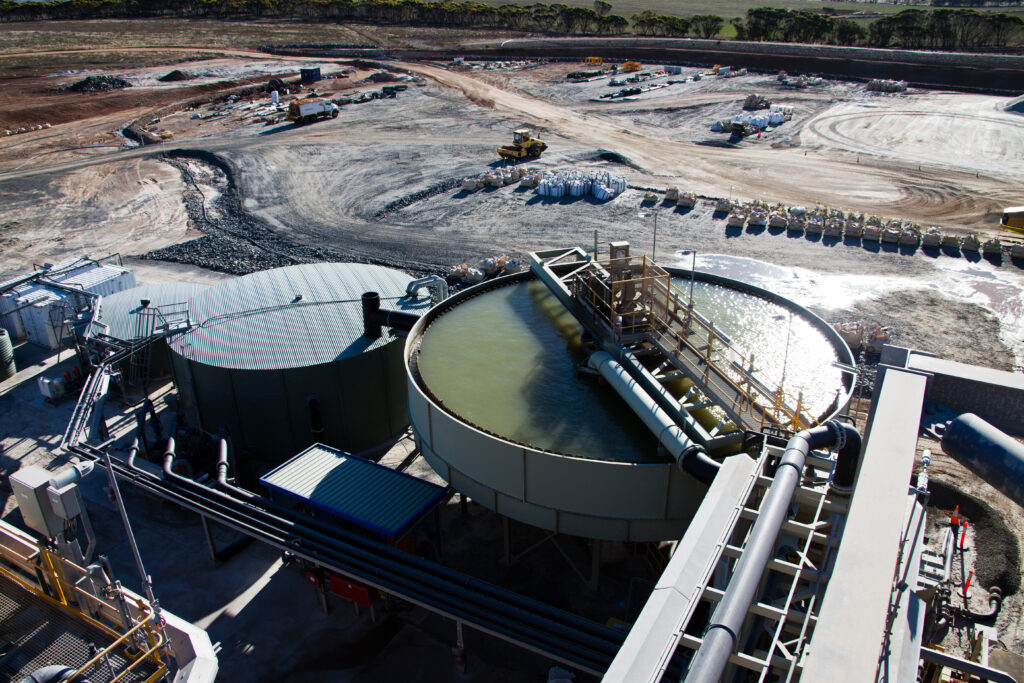
    Chile plans to transition from a simple, weather-dependent evaporation process to a more controlled, efficient, and sustainable industrial operation. Traditional evaporation ponds are water-intensive and need a huge amount of land. Alternatively, direct lithium extraction refers to processes that collect lithium directly from brine before it is transferred to evaporation ponds. Such solutions shorten manufacturing time, increase lithium recovery, reduce operational footprint, and boost robustness. Advanced reservoir modeling, precise brine pumping, and monitoring are also becoming more widely used. Chile is implementing advances like concentration control and pond lining, robotics and drones, and machine learning for process control. These improvements make the standard evaporation process smarter and more efficient. These technologies use robust hardware such as strain clamps to stop and anchor an electrical conductor to handle mechanical tensile load while maintaining electrical continuity.

    Functions of strain clamps in Chile’s lithium mining infrastructure

    Strain clamps protect the integrity, stability, and efficiency of electrical transmission and distribution systems. They contribute to the power supply of extraction, pumping, and processing systems. Strain clamps play an important role in maintaining mechanical strength and electrical continuity in Chile’s harsh environment. Here are the uses of strain clamps in mining infrastructure.

    Substation strain clamps transfer mechanical tension from the line
    • Withstanding mechanical tension—transmission lines span long distances between substations, processing plants, and pumping facilities. The clamps anchor and terminate conductors at points of high mechanical stress. The strain clamps absorb and transfer mechanical tension from the line to the support structures.
    • Maintaining electrical continuity—strain clamps provide mechanical anchoring and ensure uninterrupted electrical conductivity. They are made from high-strength aluminum alloy or galvanized steel that offers low electrical and corrosion resistance.
    • Supporting high-voltage transmission stability—strain clamps function in high-voltage transmission lines that feed lithium mining operations. They reduce vibration, fatigue, and conductor creep that reduce the risk of mechanical failure.
    • Integration with renewable power systems—the clamps are crucial in hybrid grid connections where they maintain reliable power transmission between renewable generation points and energy storage facilities.

    Potential challenges to overcome before the start of the lithium mining joint venture in Chile

    Integrating lithium mining infrastructure into Chile’s electricity industry provides both economic and technological benefits. The integration process should expect structural and environmental constraints that may impede development. Grid constraints, regulatory complexity, water scarcity, and the Atacama region’s balance of energy expansion and environmental protection all contribute to these problems. To fully achieve Chile’s lithium mining potential, the two firms must prepare for and handle these hurdles.

  • Drop wire clamps boosting Chile’s hydrogen innovation

    Green hydrogen from renewable energy incorporated into the grid

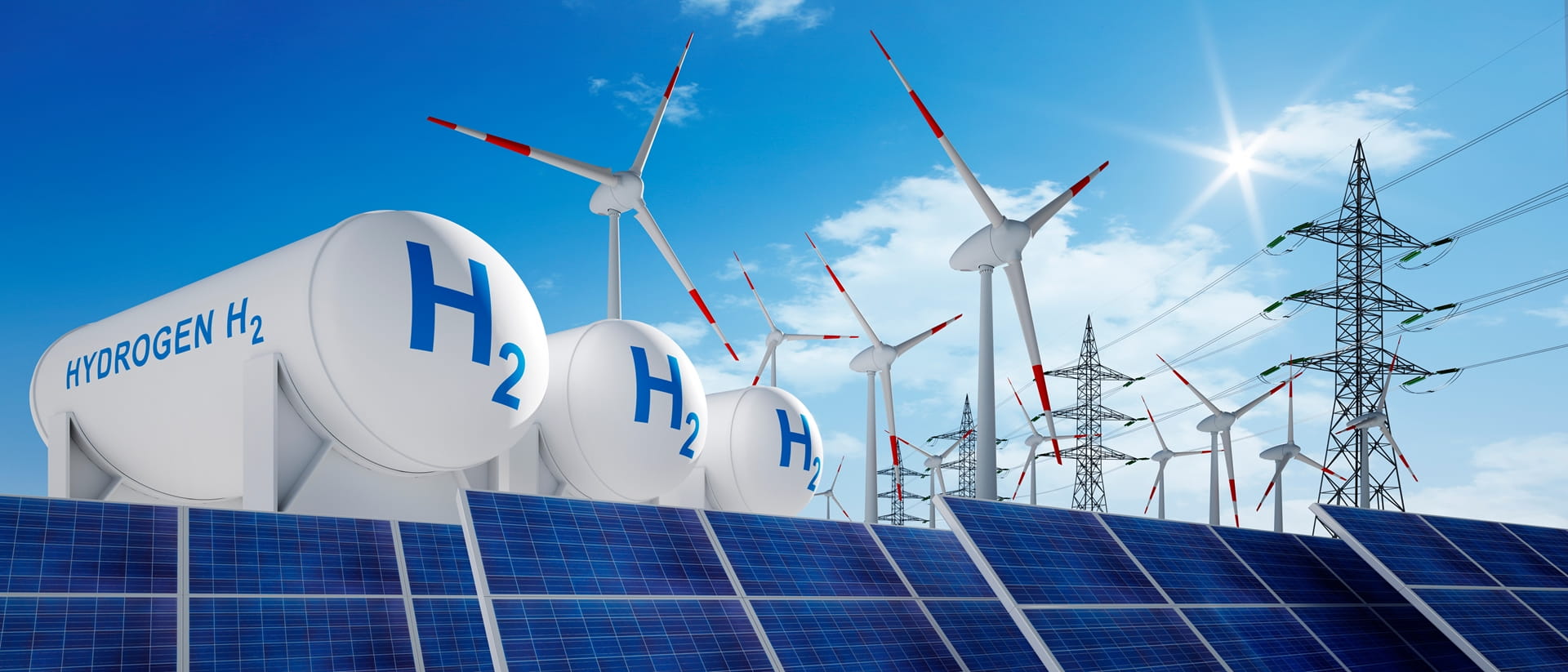
    Chile is now building its first industrial green hydrogen plant at a power generation facility in the Nehuenco thermoelectric complex. The project costs $1.6 million and runs independently of the national grid. It uses PV electricity to generate hydrogen for its generators’ cooling systems, replacing gray hydrogen supplied from fossil fuels. The project will consist of a 100 kW solar array, battery storage, electrolyzers, and hydrogen storage tanks. Such infrastructure necessitates the employment of high-quality power line hardware, such as drop wire clamps. Drop wire clamps improve the dependability and safety of the electrical distribution network that powers the green hydrogen ecosystem. They help to transport solar-generated electricity from the grid to the hydrogen production plant.

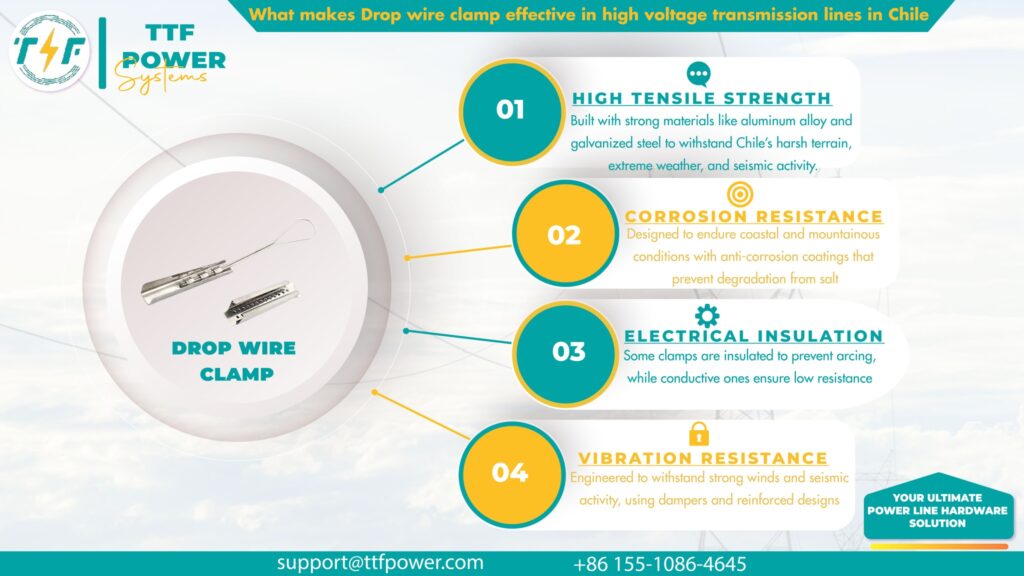
    The green hydrogen project consists of solar farms, inverters and transformers, high-voltage transmission lines, substations, battery storage, and a hydrogen production facility. Drop wire clamps play an important role in connecting the local electrical distribution grid to the electrolyzer facility. Drop wire clamps are mechanical fasteners that secure an electrical service drop cable to a supporting messenger wire. The clamps support the mechanical stress while keeping the electrical cables from sagging, straining, or breaking.

    The clamps are intended to electrically disconnect the live conductor from the supporting messenger wire. This prevents short circuits and ground faults while also ensuring the safety of personnel and the public. To guarantee that the hydrogen production process runs well, an electrolyzer requires a consistent and dependable power source. Using high-quality, properly placed wire clamps assures greatest uptime. The clamps help to achieve the aims by ensuring reliability, increasing safety, and providing durability. These components ensure the system’s efficiency.

    Application and significance of green hydrogen in Chile’s energy sector

    Key features of the drop wire clamp

    Green hydrogen is an important step in Chile’s transition to a greener, more robust energy system. Green hydrogen contributes to the decarbonization of fossil-fuel-dependent sectors such as mining, refining, and fertilizer production. It offers a clean alternative that can reduce emissions in various sectors. Green hydrogen drives the transportation industry by introducing hydrogen-powered trucks, buses, and port equipment. Chile plans to convert renewable hydrogen into ammonia, methanol, and synthetic fuels. The goods create global export prospects for the maritime and aviation industries. Green hydrogen is critical to Chile’s energy industry because it harnesses vast renewable resources, reduces reliance on fossil fuels, and strengthens energy transition infrastructure.

    The role of drop wire clamps in green hydrogen projects

    Drop wire clamps ensure the electrical infrastructure for green hydrogen production is safe and reliable. The hydrogen system is powered by solar energy and is integrated with local electrical infrastructure. This necessitates robust physical cable support, which adds to operational safety in sites with hydrogen and high-voltage systems. The following are the functions of drop wire clamps in green hydrogen projects.

    Drop wire clamps wide range of specifications
    • Secure support for overhead lines feeding PV and other systems—solar arrays and auxiliary electrical lines supply the hydrogen unit. Drop wire clamps hold conductor wires in place on poles to prevent sagging.
    • Protection of cabling under variable outdoor conditions—drop wire clamps maintain tension and protect wires from wind, vibration, and weather.
    • Maintaining electrical integrity for sensitive systems—electrolyzers and hydrogen safety demand consistent power flow. Drop wire clamps ensure secure mechanical anchoring to prevent line strain.
    • Ease of installation during phased development—drop wire clamps allow fast mounting of temporary or permanent overhead lines as projects expand.
    • Supporting communication and monitoring lines—the clamps secure telecom or sensor cables supporting digital oversight of hydrogen production and storage.

    Potential barriers to green hydrogen project development in Chile

    Colbún’s efforts to generate green hydrogen are promising, but expanding from a tiny operating unit to an industrial scale presents problems. Green hydrogen production and adoption are still in the development stages around the world. High production costs at current scale are projected, as are worries about technical maturity and dependability, large renewable power demand, water availability, infrastructural and storage gaps, market uncertainty, and regulatory and policy change. Chile’s renewable energy, strategic vision, and industrial players like Colbún offer it a competitive edge. Companies can overcome these problems to ensure the success of the hydrogen manufacturing business. Additionally, the use of power line hardware such as drop wire clamps facilitates the integration of renewable energy into Chile’s green hydrogen manufacturing sector.

  • Cable suspension bolts power AI-driven mining

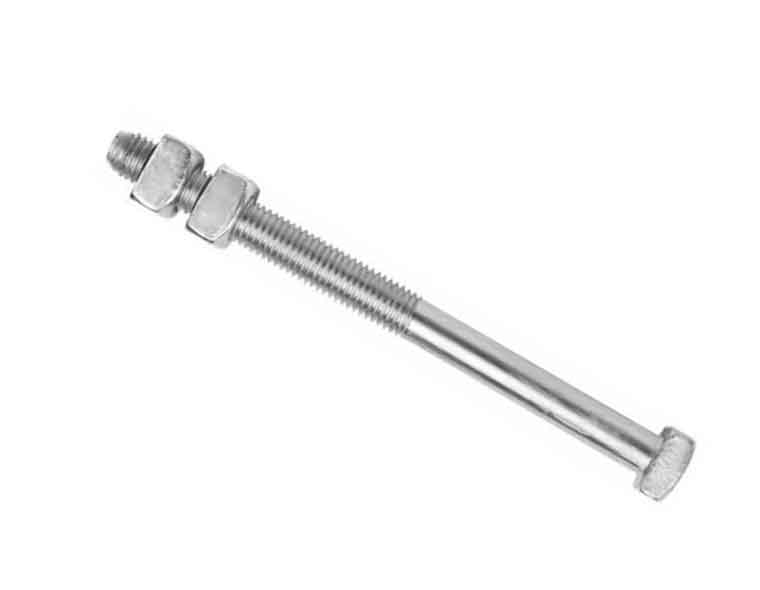
    The Cuyo area in Argentina is transforming the mining industry, moving past conventional extraction techniques. As the annual Argentina Mining Cuyo 2025 conference approaches, the nation can expect a convergence of technological advancements, government policies, and foreign investments that will transform the mining sector. The area provides access to Pacific shipping routes while keeping operational expenses lower. Argentina excels in the mining of copper, gold, and lithium across South America. The mining infrastructure encompasses operations, logistics for export, and expansion efforts. Furthermore, the incorporation of cutting-edge technologies indicates a change in the way businesses handle exploration, extraction, and operational oversight. Cable suspension bolts secure excavated rock formations in underground mines and open pit slopes

    Mining operations in Argentina are often in harsh and remote environments of mining sites. These environments demand robust and durable components like the cable suspension bolts. The bolts enable efficient, safe, and consistent power delivery for renewable energy integration into mining. For instance, in mines like the Andean Copper Belt, cable bolts are installed on the roofs and walls of stopes, drifts, and tunnels. They transfer tensile and shear stresses from the unstable rock masses to deeper and more competent soils.

    In large-scale mines, cable suspension bolts stabilize slopes and prevent wall failures. This ensures the safety of personnel and equipment. The bolt compresses the rock mass, increases the friction between rock joints, and creates a coherent arch. This is crucial to prevent key blocks from falling out, which could cause rockfalls. Additionally, cable suspension systems hang electrical cables, water and air pipelines, ventilation ducting, and fiber optic cables.

    Implementation of AI in Argentina’s mining sector

    The use of AI in Argentina’s mining industry could revolutionize the sector and enhance efficiency, safety, and sustainability. The nation can use AI technologies across various domains, including exploration, resource extraction, and environmental monitoring. AI is essential in mineral exploration, automating mining operations, improving safety through AI, monitoring, as well as managing supply chain and logistics. The incorporation of AI in Argentina’s mining sector addresses issues related to investment, data quality, and workforce training. The mining industry can use AI to dominate both traditional and new markets in sought-after minerals such as lithium and copper. Employing cable suspension bolts guarantees the stability of mining sites by averting unexpected downtime

    The functions of cable suspension bolts in Argentina’s mining sector

    Cable suspension bolts secure cables that support power lines, lifting systems, and communication networks. They keep the cables anchored and reliable in the mining facilities. Additionally, their use helps reduce carbon emissions and energy costs. Here are the functions of the cable suspension bolts in Argentina’s mining infrastructure.

    Cable suspension bolts hold conductors under mechanical stress
    1. Secure and support power transmission cables—suspension bolts keep overhead power cables anchored. They ensure a reliable electricity supply to crushers, processing plants, pumps, and ventilation systems.
    2. Maintain cable tension and stability in harsh conditions—cable suspension bolts hold firm under constant mechanical stress to prevent slack and cable swaying.
    3. Enable safe transport and lifting operations—mines use suspension cables for hoists, conveyor supports, and worker transport. Using the bolts provides secure attachment points that maintain structural integrity.
    4. Support communication and monitoring systems—modern mines depend on fiber and communication lines for automation, monitoring, and safety alerts. Cable suspension bolts ensure the lines stay elevated, protected, and stable in remote areas.
    5. Durability under corrosive and abrasive environments—high-grade suspension bolts resist corrosion and fatigue. They extend infrastructure life and lower maintenance costs. This is important to mines facing moisture, minerals, corrosive dust, and chemical residues.

    Technological innovations in Argentine mining

    Employing technological innovations in the mining industry enhances competitiveness, sustainability, and financial accessibility. The improvements enhance productivity and reduce expenses in remote regions and enable Argentina to capitalize on its abundant critical-mineral resources. These advancements encompass:

    • Sustainable mining and emphasis on critical minerals—these methods feature direct lithium extraction technologies that cut water consumption. Mines are incorporating renewable energy sources to lower their carbon footprints.
    • Sophisticated exploration technology and remote sensing—these involve drones equipped with RGB, thermal, and LiDAR sensors for detecting mineral anomalies.
    • Automation, robotics, and sensor networks—self-operating drilling rigs, transport trucks, and robots conducting inspections cut human vulnerability to hazards.
    • Traceability, software, and digital systems—these tools track ore movement, record environmental data, and meet customer demands.
  • One bolt guy clamps power Argentina’s renewable oil shift

    Oil and gas production infrastructure in Argentina

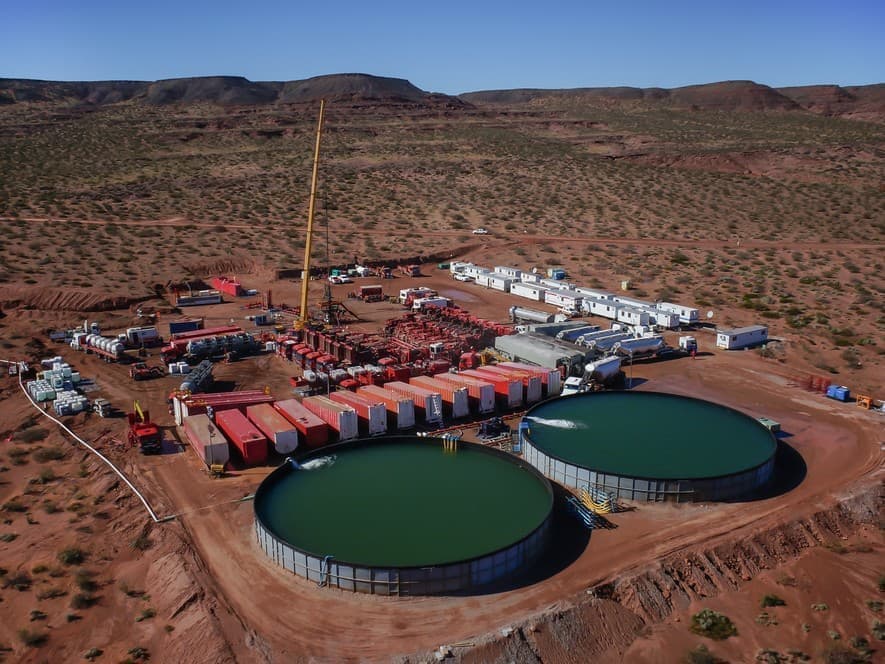
    Argentina’s government is working on several hydrocarbon-related initiatives. Argentina’s Senate and Chamber of Deputies are contemplating a new bill that would liberalize certain areas of the biofuels sector. This will enable major corporations to take part, lift certain price limits, and raise mix demands. The reform attempts to reduce biofuel price limitations, allowing market forces to set prices and larger producers to meet domestic obligations. Argentina enhances hydrocarbon output through the application of sophisticated technologies. These technologies enable the extraction of shale oil and gas from formations such as Vaca Muerta. One-bolt guy clamps support and secure guy wires used to stabilize drilling rigs, communication towers, and other vertical projects. By anchoring the guy wires, the clamps help maintain the structural integrity and prevent swaying in windy conditions.

    Increasing the use of bioethanol and biodiesel in gasoline and diesel can help to lessen dependency on imported fossil fuels. Hydrocarbon development is central to its energy strategy, which aims to transform domestic supplies, export ambitions, and investor interest in South America. The guy clamp design enables quick and easy installation and adjustment. This is critical in field circumstances where time and efficiency are essential. One-bolt guy clamps can be used in wellhead assemblies, pipelines, and equipment support structures. This allows them to accommodate various wire diameters and arrangements. This makes them appropriate for a wide range of operational requirements.

    The guy clamps are made from high-strength materials that can survive extreme environmental conditions. Their strong design assures long-term reliability, reducing the need for frequent replacements. The clamps send loads equally over the guy wires, ensuring that no single location receives excessive stress. This is critical for ensuring the stability of the buildings they support. Proper load distribution helps to avoid failures that could lead to accidents.

    The value of green hydrogen integration with renewables in Argentina

    Integrating green hydrogen with renewable energy is a strategic move toward transforming its energy economy. This demonstrates confidence in hydrocarbons coexisting with developing clean-energy systems. Green hydrogen allows Argentina to transition from a resource-rich fossil nation to a clean-energy exporter. The Patagonia region contains renewable resources such as solar, which add value to a high-value export item. Integrating clean energy into Argentina’s industrial and agricultural sectors will help to reduce fertilizer emissions. This diversification provides greater stability and bargaining leverage in Argentina’s energy markets. Integration goes hand in hand with increasing wind and solar capacity, expanding transmission infrastructure, and improving grid reliability. Renewable growth improves domestic energy affordability and reduces reliance on imported fuels during peak seasons. One-bolt guy clamps support the infrastructure used to integrate green energy with renewables in Argentina.

    One bolt guy secures renewable integration in Argentina’s hydrocarbon production.

    One-bolt guy clamps are critical in the electricity infrastructure that supports Argentina’s changing energy mix. Reliable grid and line anchoring systems are critical as Argentina integrates renewables into hydrocarbon production hubs. Clamps give mechanical stability to transmission and distribution lines in hydrocarbon production. Here are the uses of one-bolt guy clamps in hydrocarbon production.

    One bolt guy clamps prevent conductor failure
    • Anchoring support structures—the clamps fasten guy wires that balance tension on poles and prevent leaning or collapse under wind or line weight.
    • Maintaining line integrity—one-bolt guy clamps ensure conductor alignment and protect against structural stress, vibration, and shifting loads.
    • Enabling safe load transfer—the clamps allow forces from power lines to be transferred into ground anchors or support structures.
    • Reducing maintenance needs—the single-bolt design allows fast installations and inspections, which reduces downtime across long transmission lines.

    Hydrocarbon production infrastructure.

    One-bolt man clamps support the infrastructure that keeps Argentina’s electricity system moving during a change. Connecting hydrocarbons to rising renewable inputs makes power network stability and dependability non-negotiable. The clamps support transmission and distribution poles that supply oil and gas fields. The poles transport high-demand energy to drilling rigs, pumping stations, and processing facilities. New feeder lines and distribution points rely on guy-supported poles. The clamps stabilize mixed-generation transmission paths, allowing renewable power to flow alongside conventional energy infrastructure. Furthermore, one-bolt guy clamps enable speedier deployment and secure anchoring, keeping rigs powered and emissions low. Motors, compressors, and control systems need consistent power in pipeline networks and pumping facilities.

  • No Wrench Screw Anchors Boost Argentina’s Mining

    Mining extraction and exploration in Argentina

    Argentina is seeking to unleash massive lithium, copper, oil, and gas deposits, which are dependent on political stability and US cooperation. With ongoing investment, support, and technical breakthroughs, Argentina has the potential to become a key player in the global commodities market. It also relies on minerals for energy transition, as well as modernization and expansion of the agricultural sector to fulfill rising global food demand. Key projects in progress include the Cauchari-Olaroz in Jujuy province, Sal de Oro in Salta province, Los Azules, and El Pachón in San Juan province. Furthermore, the development of Vaca Muerta provides economical and consistent natural gas to fuel the energy-intensive mining operations. The projects are driving upgrades to trains, ports, pipelines, and electricity grids. These modifications necessitate components such as no wrench screw anchors for stability and security.

    The anchors offer a solid, dependable, and simply adjustable point of attachment for ground support systems. They accomplish this without the need for a torque wrench or other specialist instruments after installation. Screw anchors carry tensile and shear loads from the ground support piece to competent rock. Its design features a free-spinning barrel and wedge assembly for quick and easy installation. This lowers the requirement for tool calibration in tough settings and assures that every bolt fitted meets its intended support capacity. The design also allows for some load redistribution to preserve holding capacity.

    In mining settings such as the Andes, support systems that handle small rock creep or stress redistribution are required to ensure mine integrity. It allows for quick installation and maintains proper tension. The system mitigates the risk of rockfalls and collapses during and after installation. The anchors can endure the corrosive conditions present in some mines, including saline groundwater used in lithium brine operations.

    Argentina’s Mining and Energy Project Opportunities

    Argentina offers prospects in mining and energy due to its large resource base and changing policy landscape. Minerals such as lithium, copper, gold, and silver promote the development of electric vehicles and grid storage, which is critical for the energy shift. Its rich renewable energy resources encourage the construction of infrastructure like as transmission lines and grid interconnects to assist the mining and energy industries. These projects use no-wrench screw anchors to support and secure the interconnects. For example, the Central Puerto and IFC projects are supporting a US$600 million high-voltage connection that will connect mining projects in the Puna region to the grid. Such projects help improve the competitiveness of mining operations by enabling renewables and lowering power costs. On the other hand, the Vaca Muerta basin offers significant oil and gas export potential to boost energy security in the country.

    The role of no-wrench screw anchors in Argentina’s mining infrastructure and related projects

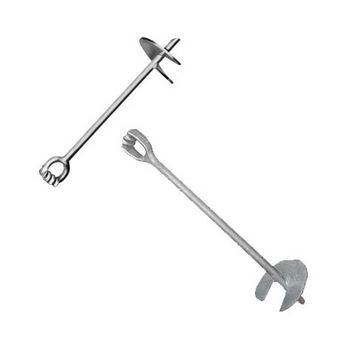
    No-wrench screw anchors are helix anchors with a forged eye or thimble on top that can be manually turned into the ground. They are constructed from materials such as hot-dip galvanized steel, which aids in corrosion resistance. Here are the uses of no-wrench screw anchors in the Argentine mining industry.

    No wrench screw anchors provide stability
    1. Guying and stabilizing utility poles—mines need reliable power and communications guyed with screw anchors. The screw anchors provide a quick, proven tie-back for guy wires that hold poles in place.
    2. Temporary anchoring for construction and camps—no-wrench screw anchors let crews secure tents, fencing, and small structures fast.
    3. Anchors for transmission and distribution systems—transmission lines feed to remote lithium, copper, or gold operations. Screw anchors function where drilling foundations could be slow.
    4. Slope and erosion control—screw anchors can secure geotextiles, small retaining systems, or mesh. They help prevent slope failures during the rainy season.

    Argentina’s market mindset encourages mining growth

    The current market psychology indicates a shift toward perceiving mining as a potential for economic salvation and prosperity. For example, Vaca Muerta demonstrates Argentina’s ability to carry out complicated, capital-intensive megaprojects. It demonstrated that multinational firms such as Shell, Chevron, and TotalEnergies are eager to invest in Argentina’s mining sector. Argentina’s market demonstrates that there is a limited opportunity to profit on its lithium resource position before new technologies arise. However, Argentina’s severe and repeating economic crises have created a practical, dollar-hungry market. Aside from agriculture, the mining sector is the country’s principal source of net export revenue.

  • Shackle insulators boost refinery energy delivery

    Renewable energy decarbonizes the industrial sector

    Axion Energy of Argentina has inked a five-year agreement to deliver wind and solar energy to Campana’s refinery. The annual production volume of renewable electricity is approximately 60 GWh. Securing 25% of their electricity from renewables lowers indirect emissions and boosts its sustainability profile. This arrangement sends a signal to Argentina’s energy market that large industrial customers should commit to PPAs with renewables. This enables renewable developers to get long-term off-take and funding. Furthermore, the agreement adds to Argentina’s broader goals of growing renewable energy and reducing carbon intensity. Shackle insulators provide a safe, insulated, and grounded anchoring point for electrical cables on distribution poles.

    Power from huge wind and solar farms is converted to extra-high voltage for efficient long-distance transmission. Shackle insulators are used in substations, medium-voltage distribution networks, and refineries. Shackle insulators provide mechanical support to keep the current-carrying conductor in place. This helps it withstand strains induced by its own weight, wind, and ice loading. It also keeps the lines from drooping or becoming loose.

    The insulator body consists of a non-conductive substance, which prevents the live conductor from making electrical contact with the grounded pole or crossarm. Shackle insulators are best suited for dead-end poles, corner poles, and section poles. Shackle insulators withstand significant mechanical tension, ensuring the structural integrity of the distribution line that delivers power to the connecting point. This makes it a key link that provides both mechanical strength to hold the wires and electrical safety against ground faults. This ensures that power from distant wind and solar farms is delivered dependably to Axion Energy’s refining activities.

    Measures to counter any challenges to the five-year pact.

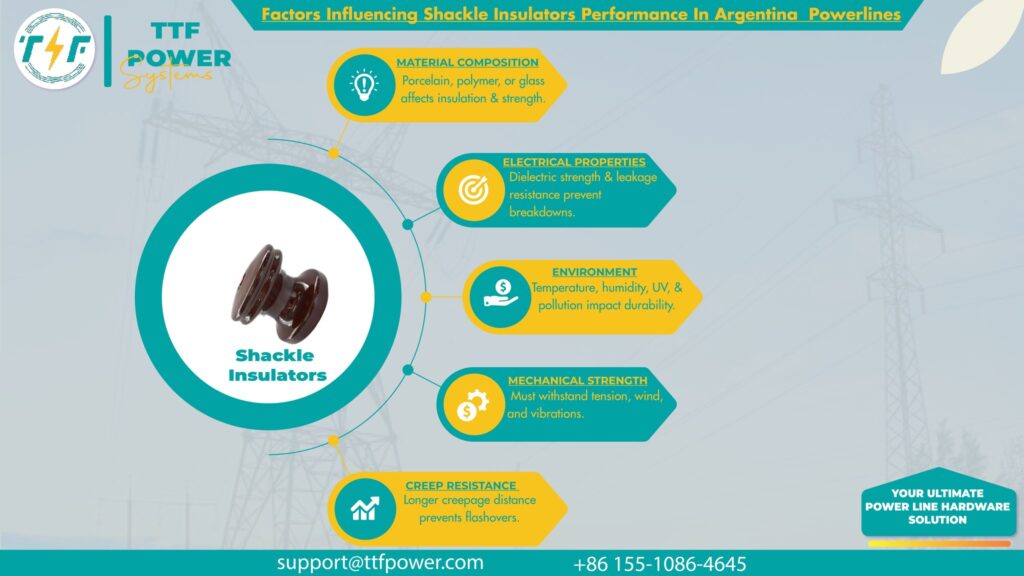
    Shackle insulators influence Argentina's power lines performance

    Argentina’s five-year renewable energy agreement between Central Puerto SA and Axion Energy is an important step toward industrial decarbonization. However, it confronts operational, financial, and infrastructure constraints. To address this issue, the government has implemented strategic strategies and policy frameworks. These approaches include employing shackle insulators to enhance transmission infrastructure, avoiding economic and monetary risks, balancing grid stability with fluctuating renewables, and improving renewables’ industrial integration. This will help to lower Axion Energy’s refinery emissions and act as a model for future industrial renewable PPAs. This will pave the road for a cleaner, more resilient energy economy in Argentina.

    The role of shackle insulators in bringing renewable energy to refineries

    The move to renewable energy in Argentina is dependent on reliable transmission infrastructure. Shackle insulators provide safe and efficient electricity supply. They also provide mechanical support, electrical insulation, and system stability for power distribution cables. The shackle insulators’ functions in powering refineries are as follows.

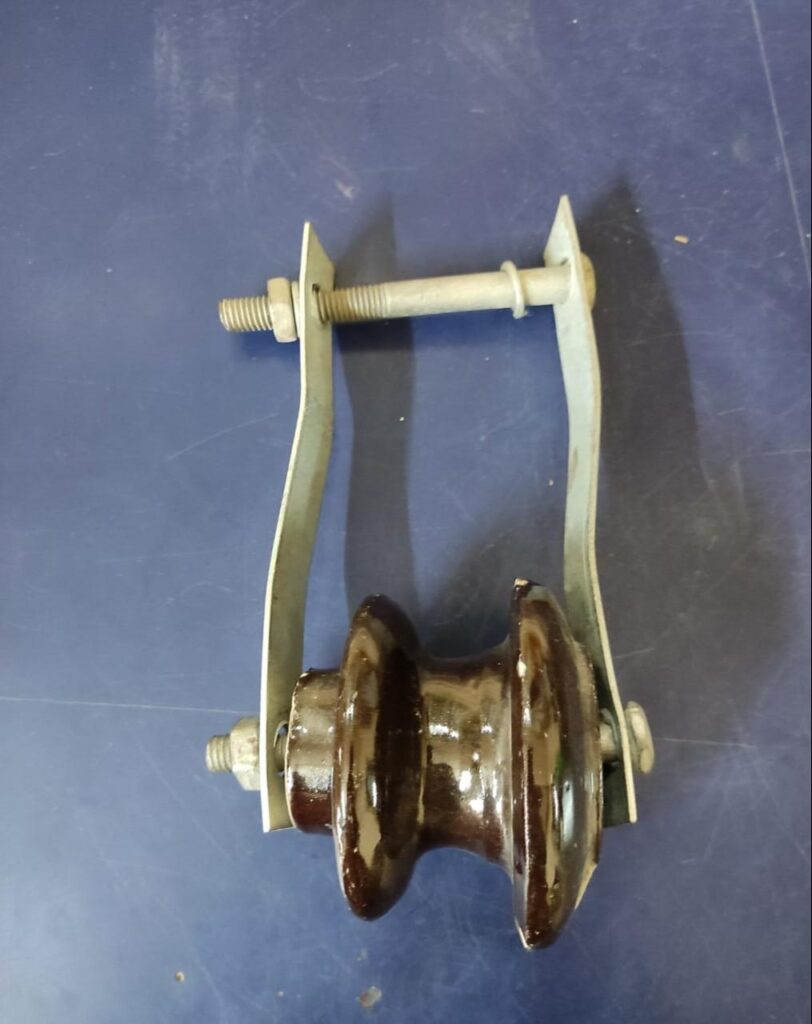
    Low-voltage shackle insulator
    1. Electrical insulation in renewable energy distribution – shackle insulators are crucial for isolating energized conductors from grounded supporting structures like poles. The insulators prevent current leakage and flashover to maintain system efficiency.
    2. Mechanical support and load bearing – renewable energy transmission lines face mechanical stresses from wind, cable tension, and pole movement. Shackle insulators provide mechanical support by withstanding vertical and horizontal loads on conductors.
    3. Securing conductors in low and medium-voltage lines – shackle insulators function at dead-end points, pole terminals, and angle locations where conductor tension changes.
    4. Enhancing grid safety and durability – the integration of renewable power into Argentina’s industrial grid needs safety against fault currents, mechanical failures, and lightning discharges. Shackle insulators isolate fault zones and reduce damage risks to nearby components.

    Technologies utilized to supply renewable electricity to Axion Energy’s refinery

    To deliver renewable electricity to Axion Energy’s refinery in Argentina, unique transmission, grid integration, and protection technologies are necessary. These innovations provide an efficient, steady, and continuous power supply from wind and solar farms to the industrial site. This includes:

    • Substation and grid interconnection technologies – the technologies ensure renewable power blends seamlessly into the national grid before reaching the refinery.
    • Power distribution components – these components include parallel groove clamps, insulation piercing connectors, shackle insulators, and lightning arresters.
    • Smart grid and energy management systems – these platforms help balance supply and demand.
    • High-voltage transmission infrastructure – high-voltage and extra high-voltage transmission lines reduce energy losses.