Tag: #EnergySolutions

  • Strain clamps in Chile’s modern lithium systems

    Lithium mining and extraction technologies

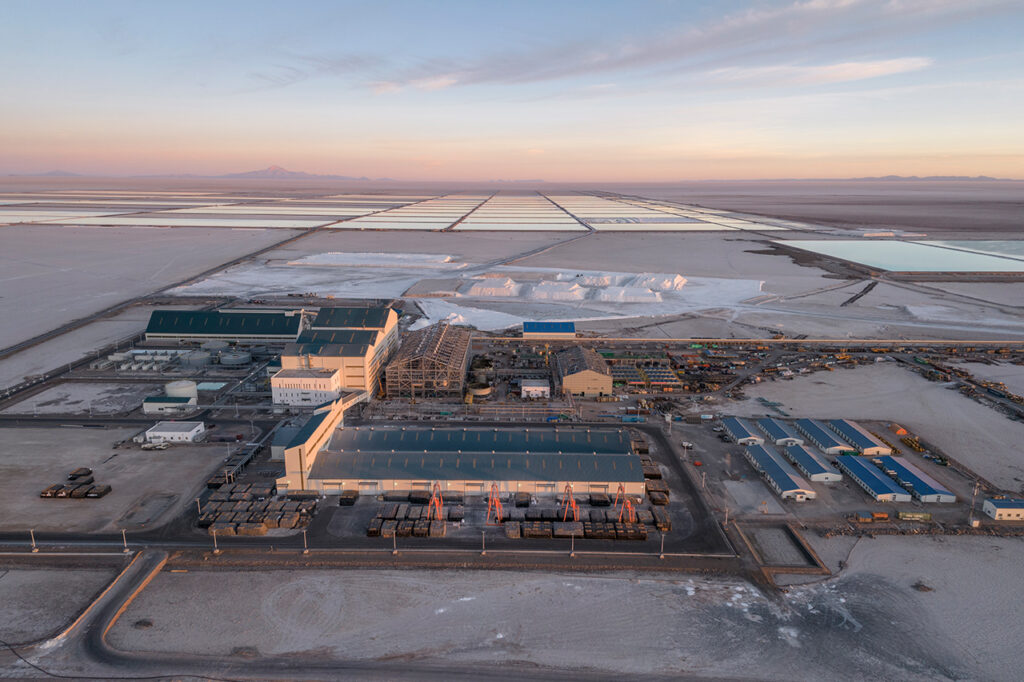
    Chile has approved a joint venture between Enami and Rio Tinto to harvest up to 1.2 million tonnes of lithium from the Solares Altoandinos project. Enami describes the effort as the largest mining extraction permit ever awarded outside of the Atacama region. The program is consistent with Chile’s goal of maintaining its position as a global leader in the lithium supply chain while ensuring that development adheres to sustainable principles. Lithium minerals are essential for batteries used in electric vehicles, battery storage, and grid modernization. The effort results in the creation of major infrastructure projects to ease lithium mining. Use of components such as strain clamps helps withstand the full mechanical tensile load of the conductors.

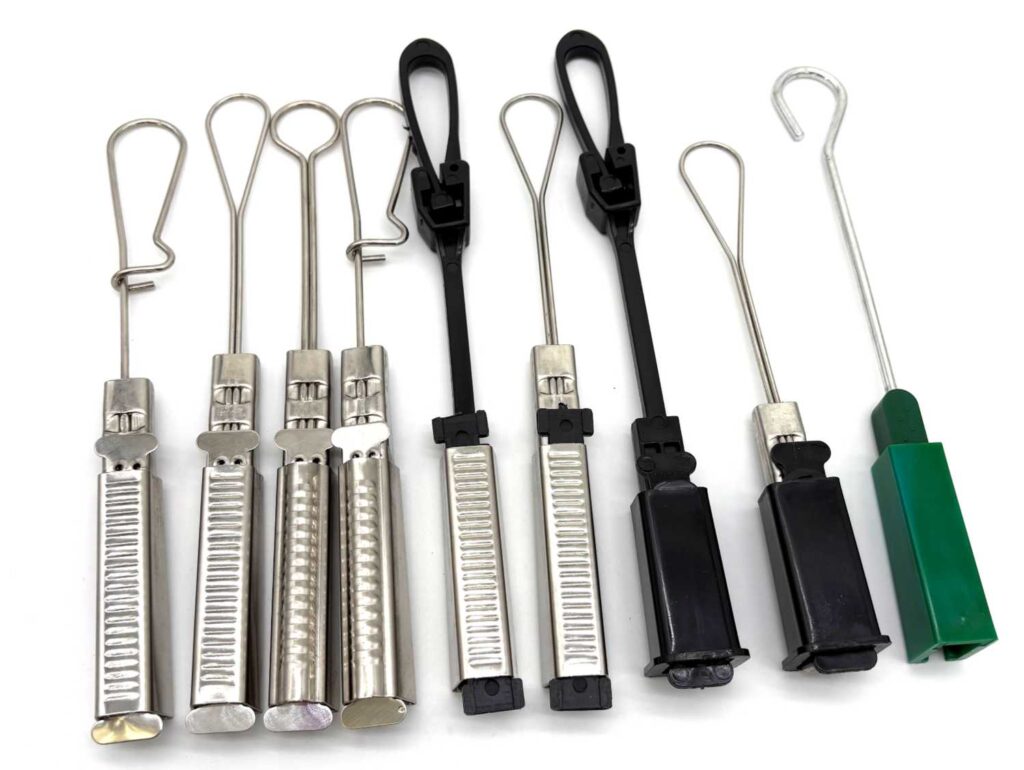
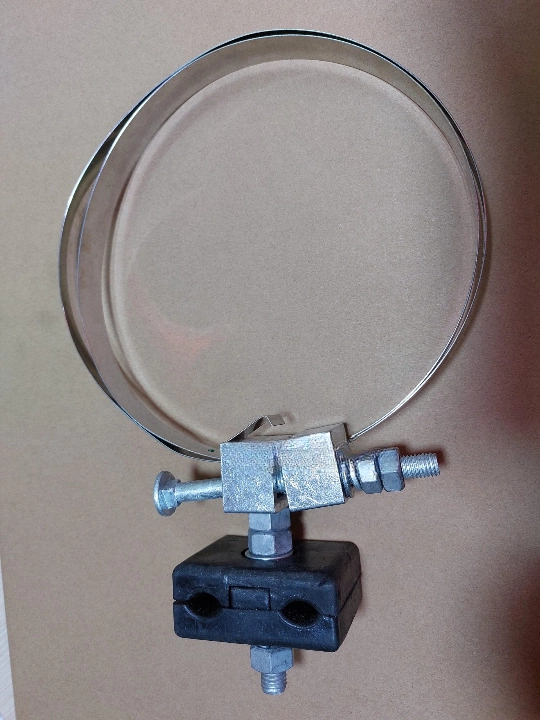
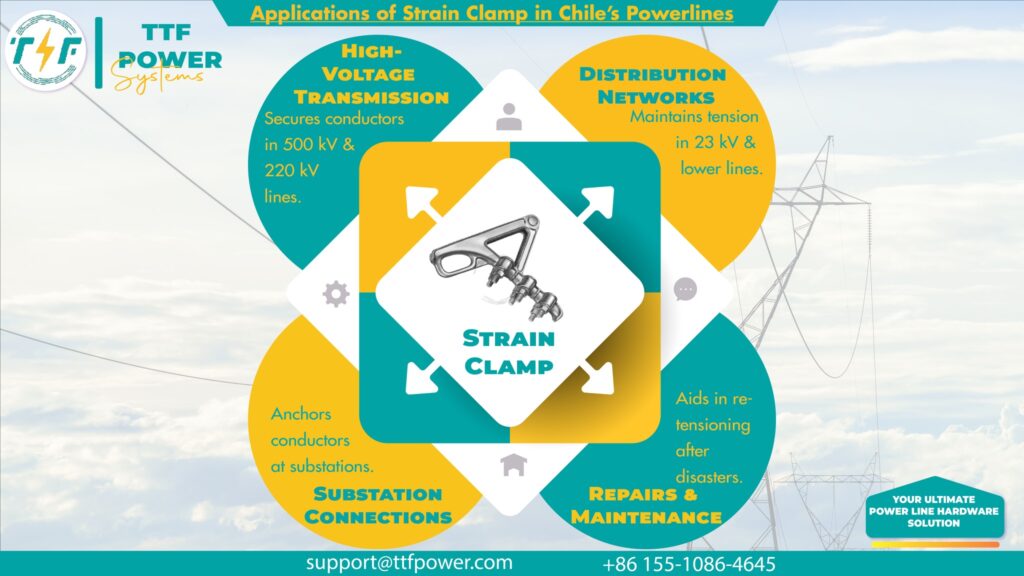
    Strain clamps are used in Chile’s power line networks to supply the lithium mine. They are effective at any point when the line ends, changes direction, or crosses a large obstacle. Overhead lines are constantly mechanically stressed by their own weight, wind, and temperature fluctuations. The clamp also makes a low-resistance electrical connection. It guarantees that the electrical current running through the conductor travels through the clamp with minimal loss.

    Poor connections in the lithium infrastructure would generate a hot spot, resulting in energy inefficiency and potential failure. Strain clamps are used to equally send mechanical stress across a segment of the conductor. They have a smooth, curved body to avoid creating concentrated points of stress, which can lead to bird caging. Most dampers include inbuilt dampers that help interrupt vibration patterns and protect the conductor from strain. The strain clamps enable the electricity grid to travel long, exposed distances between the main grid and isolated mining locations.

    Technological innovations supporting Chile’s lithium mining industry
    Key application areas of strain clamps

    Chile plans to transition from a simple, weather-dependent evaporation process to a more controlled, efficient, and sustainable industrial operation. Traditional evaporation ponds are water-intensive and need a huge amount of land. Alternatively, direct lithium extraction refers to processes that collect lithium directly from brine before it is transferred to evaporation ponds. Such solutions shorten manufacturing time, increase lithium recovery, reduce operational footprint, and boost robustness. Advanced reservoir modeling, precise brine pumping, and monitoring are also becoming more widely used. Chile is implementing advances like concentration control and pond lining, robotics and drones, and machine learning for process control. These improvements make the standard evaporation process smarter and more efficient. These technologies use robust hardware such as strain clamps to stop and anchor an electrical conductor to handle mechanical tensile load while maintaining electrical continuity.

    Functions of strain clamps in Chile’s lithium mining infrastructure

    Strain clamps protect the integrity, stability, and efficiency of electrical transmission and distribution systems. They contribute to the power supply of extraction, pumping, and processing systems. Strain clamps play an important role in maintaining mechanical strength and electrical continuity in Chile’s harsh environment. Here are the uses of strain clamps in mining infrastructure.
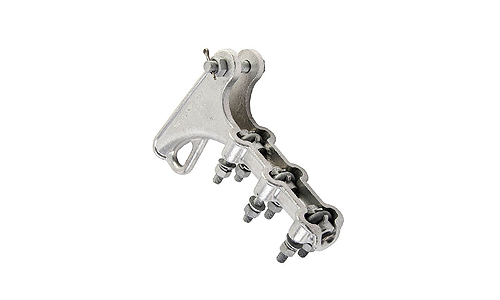
    Substation strain clamps transfer mechanical tension from the line
    • Withstanding mechanical tension—transmission lines span long distances between substations, processing plants, and pumping facilities. The clamps anchor and terminate conductors at points of high mechanical stress. The strain clamps absorb and transfer mechanical tension from the line to the support structures.
    • Maintaining electrical continuity—strain clamps provide mechanical anchoring and ensure uninterrupted electrical conductivity. They are made from high-strength aluminum alloy or galvanized steel that offers low electrical and corrosion resistance.
    • Supporting high-voltage transmission stability—strain clamps function in high-voltage transmission lines that feed lithium mining operations. They reduce vibration, fatigue, and conductor creep that reduce the risk of mechanical failure.
    • Integration with renewable power systems—the clamps are crucial in hybrid grid connections where they maintain reliable power transmission between renewable generation points and energy storage facilities.

    Potential challenges to overcome before the start of the lithium mining joint venture in Chile
    Integrating lithium mining infrastructure into Chile’s electricity industry provides both economic and technological benefits. The integration process should expect structural and environmental constraints that may impede development. Grid constraints, regulatory complexity, water scarcity, and the Atacama region’s balance of energy expansion and environmental protection all contribute to these problems. To fully achieve Chile’s lithium mining potential, the two firms must prepare for and handle these hurdles.
  • Drop wire clamps boosting Chile’s hydrogen innovation

    Green hydrogen from renewable energy incorporated into the grid

    Chile is now building its first industrial green hydrogen plant at a power generation facility in the Nehuenco thermoelectric complex. The project costs $1.6 million and runs independently of the national grid. It uses PV electricity to generate hydrogen for its generators’ cooling systems, replacing gray hydrogen supplied from fossil fuels. The project will consist of a 100 kW solar array, battery storage, electrolyzers, and hydrogen storage tanks. Such infrastructure necessitates the employment of high-quality power line hardware, such as drop wire clamps. Drop wire clamps improve the dependability and safety of the electrical distribution network that powers the green hydrogen ecosystem. They help to transport solar-generated electricity from the grid to the hydrogen production plant.

    The green hydrogen project consists of solar farms, inverters and transformers, high-voltage transmission lines, substations, battery storage, and a hydrogen production facility. Drop wire clamps play an important role in connecting the local electrical distribution grid to the electrolyzer facility. Drop wire clamps are mechanical fasteners that secure an electrical service drop cable to a supporting messenger wire. The clamps support the mechanical stress while keeping the electrical cables from sagging, straining, or breaking.

    The clamps are intended to electrically disconnect the live conductor from the supporting messenger wire. This prevents short circuits and ground faults while also ensuring the safety of personnel and the public. To guarantee that the hydrogen production process runs well, an electrolyzer requires a consistent and dependable power source. Using high-quality, properly placed wire clamps assures greatest uptime. The clamps help to achieve the aims by ensuring reliability, increasing safety, and providing durability. These components ensure the system’s efficiency.

    Application and significance of green hydrogen in Chile’s energy sector

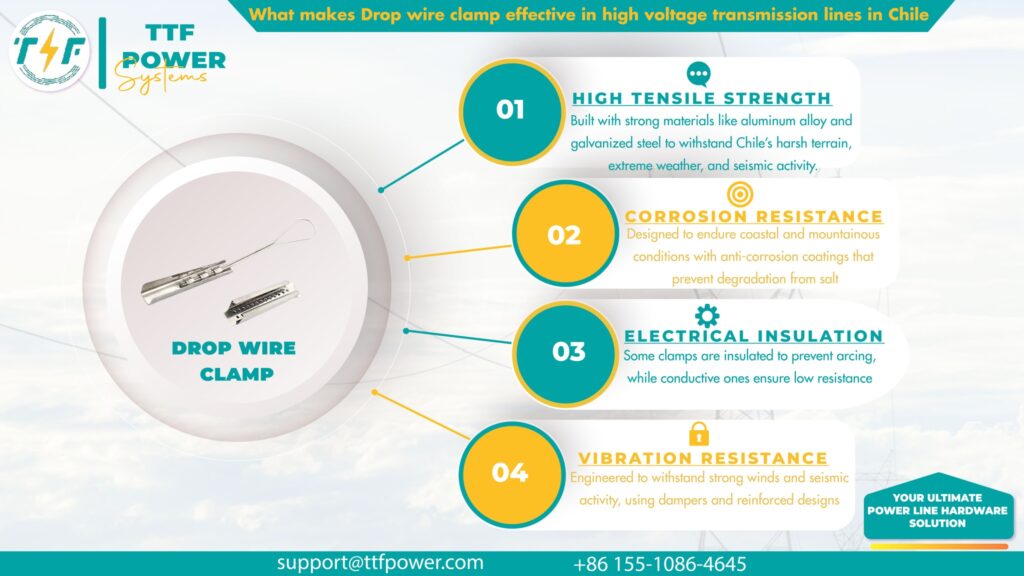
    Key features of the drop wire clamp

    Green hydrogen is an important step in Chile’s transition to a greener, more robust energy system. Green hydrogen contributes to the decarbonization of fossil-fuel-dependent sectors such as mining, refining, and fertilizer production. It offers a clean alternative that can reduce emissions in various sectors. Green hydrogen drives the transportation industry by introducing hydrogen-powered trucks, buses, and port equipment. Chile plans to convert renewable hydrogen into ammonia, methanol, and synthetic fuels. The goods create global export prospects for the maritime and aviation industries. Green hydrogen is critical to Chile’s energy industry because it harnesses vast renewable resources, reduces reliance on fossil fuels, and strengthens energy transition infrastructure.

    The role of drop wire clamps in green hydrogen projects

    Drop wire clamps ensure the electrical infrastructure for green hydrogen production is safe and reliable. The hydrogen system is powered by solar energy and is integrated with local electrical infrastructure. This necessitates robust physical cable support, which adds to operational safety in sites with hydrogen and high-voltage systems. The following are the functions of drop wire clamps in green hydrogen projects.

    Drop wire clamps wide range of specifications
    • Secure support for overhead lines feeding PV and other systems—solar arrays and auxiliary electrical lines supply the hydrogen unit. Drop wire clamps hold conductor wires in place on poles to prevent sagging.
    • Protection of cabling under variable outdoor conditions—drop wire clamps maintain tension and protect wires from wind, vibration, and weather.
    • Maintaining electrical integrity for sensitive systems—electrolyzers and hydrogen safety demand consistent power flow. Drop wire clamps ensure secure mechanical anchoring to prevent line strain.
    • Ease of installation during phased development—drop wire clamps allow fast mounting of temporary or permanent overhead lines as projects expand.
    • Supporting communication and monitoring lines—the clamps secure telecom or sensor cables supporting digital oversight of hydrogen production and storage.

    Potential barriers to green hydrogen project development in Chile

    Colbún’s efforts to generate green hydrogen are promising, but expanding from a tiny operating unit to an industrial scale presents problems. Green hydrogen production and adoption are still in the development stages around the world. High production costs at current scale are projected, as are worries about technical maturity and dependability, large renewable power demand, water availability, infrastructural and storage gaps, market uncertainty, and regulatory and policy change. Chile’s renewable energy, strategic vision, and industrial players like Colbún offer it a competitive edge. Companies can overcome these problems to ensure the success of the hydrogen manufacturing business. Additionally, the use of power line hardware such as drop wire clamps facilitates the integration of renewable energy into Chile’s green hydrogen manufacturing sector.

  • One bolt guy clamps power Argentina’s renewable oil shift

    Oil and gas production infrastructure in Argentina

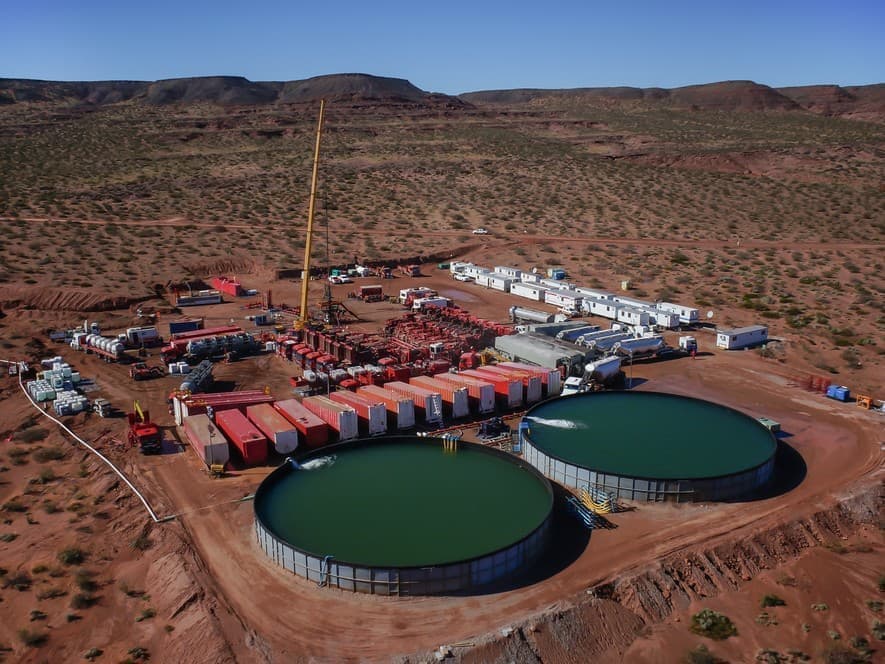
    Argentina’s government is working on several hydrocarbon-related initiatives. Argentina’s Senate and Chamber of Deputies are contemplating a new bill that would liberalize certain areas of the biofuels sector. This will enable major corporations to take part, lift certain price limits, and raise mix demands. The reform attempts to reduce biofuel price limitations, allowing market forces to set prices and larger producers to meet domestic obligations. Argentina enhances hydrocarbon output through the application of sophisticated technologies. These technologies enable the extraction of shale oil and gas from formations such as Vaca Muerta. One-bolt guy clamps support and secure guy wires used to stabilize drilling rigs, communication towers, and other vertical projects. By anchoring the guy wires, the clamps help maintain the structural integrity and prevent swaying in windy conditions.

    Increasing the use of bioethanol and biodiesel in gasoline and diesel can help to lessen dependency on imported fossil fuels. Hydrocarbon development is central to its energy strategy, which aims to transform domestic supplies, export ambitions, and investor interest in South America. The guy clamp design enables quick and easy installation and adjustment. This is critical in field circumstances where time and efficiency are essential. One-bolt guy clamps can be used in wellhead assemblies, pipelines, and equipment support structures. This allows them to accommodate various wire diameters and arrangements. This makes them appropriate for a wide range of operational requirements.

    The guy clamps are made from high-strength materials that can survive extreme environmental conditions. Their strong design assures long-term reliability, reducing the need for frequent replacements. The clamps send loads equally over the guy wires, ensuring that no single location receives excessive stress. This is critical for ensuring the stability of the buildings they support. Proper load distribution helps to avoid failures that could lead to accidents.

    The value of green hydrogen integration with renewables in Argentina

    Integrating green hydrogen with renewable energy is a strategic move toward transforming its energy economy. This demonstrates confidence in hydrocarbons coexisting with developing clean-energy systems. Green hydrogen allows Argentina to transition from a resource-rich fossil nation to a clean-energy exporter. The Patagonia region contains renewable resources such as solar, which add value to a high-value export item. Integrating clean energy into Argentina’s industrial and agricultural sectors will help to reduce fertilizer emissions. This diversification provides greater stability and bargaining leverage in Argentina’s energy markets. Integration goes hand in hand with increasing wind and solar capacity, expanding transmission infrastructure, and improving grid reliability. Renewable growth improves domestic energy affordability and reduces reliance on imported fuels during peak seasons. One-bolt guy clamps support the infrastructure used to integrate green energy with renewables in Argentina.

    One bolt guy secures renewable integration in Argentina’s hydrocarbon production.

    One-bolt guy clamps are critical in the electricity infrastructure that supports Argentina’s changing energy mix. Reliable grid and line anchoring systems are critical as Argentina integrates renewables into hydrocarbon production hubs. Clamps give mechanical stability to transmission and distribution lines in hydrocarbon production. Here are the uses of one-bolt guy clamps in hydrocarbon production.

    One bolt guy clamps prevent conductor failure
    • Anchoring support structures—the clamps fasten guy wires that balance tension on poles and prevent leaning or collapse under wind or line weight.
    • Maintaining line integrity—one-bolt guy clamps ensure conductor alignment and protect against structural stress, vibration, and shifting loads.
    • Enabling safe load transfer—the clamps allow forces from power lines to be transferred into ground anchors or support structures.
    • Reducing maintenance needs—the single-bolt design allows fast installations and inspections, which reduces downtime across long transmission lines.

    Hydrocarbon production infrastructure.

    One-bolt man clamps support the infrastructure that keeps Argentina’s electricity system moving during a change. Connecting hydrocarbons to rising renewable inputs makes power network stability and dependability non-negotiable. The clamps support transmission and distribution poles that supply oil and gas fields. The poles transport high-demand energy to drilling rigs, pumping stations, and processing facilities. New feeder lines and distribution points rely on guy-supported poles. The clamps stabilize mixed-generation transmission paths, allowing renewable power to flow alongside conventional energy infrastructure. Furthermore, one-bolt guy clamps enable speedier deployment and secure anchoring, keeping rigs powered and emissions low. Motors, compressors, and control systems need consistent power in pipeline networks and pumping facilities.

  • No Wrench Screw Anchors Boost Argentina’s Mining

    Mining extraction and exploration in Argentina

    Argentina is seeking to unleash massive lithium, copper, oil, and gas deposits, which are dependent on political stability and US cooperation. With ongoing investment, support, and technical breakthroughs, Argentina has the potential to become a key player in the global commodities market. It also relies on minerals for energy transition, as well as modernization and expansion of the agricultural sector to fulfill rising global food demand. Key projects in progress include the Cauchari-Olaroz in Jujuy province, Sal de Oro in Salta province, Los Azules, and El Pachón in San Juan province. Furthermore, the development of Vaca Muerta provides economical and consistent natural gas to fuel the energy-intensive mining operations. The projects are driving upgrades to trains, ports, pipelines, and electricity grids. These modifications necessitate components such as no wrench screw anchors for stability and security.

    The anchors offer a solid, dependable, and simply adjustable point of attachment for ground support systems. They accomplish this without the need for a torque wrench or other specialist instruments after installation. Screw anchors carry tensile and shear loads from the ground support piece to competent rock. Its design features a free-spinning barrel and wedge assembly for quick and easy installation. This lowers the requirement for tool calibration in tough settings and assures that every bolt fitted meets its intended support capacity. The design also allows for some load redistribution to preserve holding capacity.

    In mining settings such as the Andes, support systems that handle small rock creep or stress redistribution are required to ensure mine integrity. It allows for quick installation and maintains proper tension. The system mitigates the risk of rockfalls and collapses during and after installation. The anchors can endure the corrosive conditions present in some mines, including saline groundwater used in lithium brine operations.

    Argentina’s Mining and Energy Project Opportunities

    Argentina offers prospects in mining and energy due to its large resource base and changing policy landscape. Minerals such as lithium, copper, gold, and silver promote the development of electric vehicles and grid storage, which is critical for the energy shift. Its rich renewable energy resources encourage the construction of infrastructure like as transmission lines and grid interconnects to assist the mining and energy industries. These projects use no-wrench screw anchors to support and secure the interconnects. For example, the Central Puerto and IFC projects are supporting a US$600 million high-voltage connection that will connect mining projects in the Puna region to the grid. Such projects help improve the competitiveness of mining operations by enabling renewables and lowering power costs. On the other hand, the Vaca Muerta basin offers significant oil and gas export potential to boost energy security in the country.

    The role of no-wrench screw anchors in Argentina’s mining infrastructure and related projects

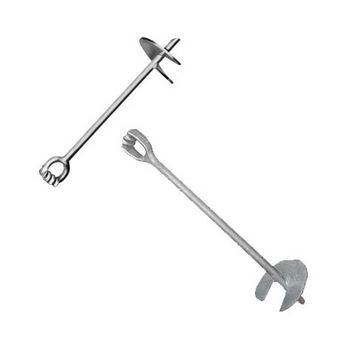
    No-wrench screw anchors are helix anchors with a forged eye or thimble on top that can be manually turned into the ground. They are constructed from materials such as hot-dip galvanized steel, which aids in corrosion resistance. Here are the uses of no-wrench screw anchors in the Argentine mining industry.

    No wrench screw anchors provide stability
    1. Guying and stabilizing utility poles—mines need reliable power and communications guyed with screw anchors. The screw anchors provide a quick, proven tie-back for guy wires that hold poles in place.
    2. Temporary anchoring for construction and camps—no-wrench screw anchors let crews secure tents, fencing, and small structures fast.
    3. Anchors for transmission and distribution systems—transmission lines feed to remote lithium, copper, or gold operations. Screw anchors function where drilling foundations could be slow.
    4. Slope and erosion control—screw anchors can secure geotextiles, small retaining systems, or mesh. They help prevent slope failures during the rainy season.

    Argentina’s market mindset encourages mining growth

    The current market psychology indicates a shift toward perceiving mining as a potential for economic salvation and prosperity. For example, Vaca Muerta demonstrates Argentina’s ability to carry out complicated, capital-intensive megaprojects. It demonstrated that multinational firms such as Shell, Chevron, and TotalEnergies are eager to invest in Argentina’s mining sector. Argentina’s market demonstrates that there is a limited opportunity to profit on its lithium resource position before new technologies arise. However, Argentina’s severe and repeating economic crises have created a practical, dollar-hungry market. Aside from agriculture, the mining sector is the country’s principal source of net export revenue.

  • Shackle insulators boost refinery energy delivery

    Renewable energy decarbonizes the industrial sector

    Axion Energy of Argentina has inked a five-year agreement to deliver wind and solar energy to Campana’s refinery. The annual production volume of renewable electricity is approximately 60 GWh. Securing 25% of their electricity from renewables lowers indirect emissions and boosts its sustainability profile. This arrangement sends a signal to Argentina’s energy market that large industrial customers should commit to PPAs with renewables. This enables renewable developers to get long-term off-take and funding. Furthermore, the agreement adds to Argentina’s broader goals of growing renewable energy and reducing carbon intensity. Shackle insulators provide a safe, insulated, and grounded anchoring point for electrical cables on distribution poles.

    Power from huge wind and solar farms is converted to extra-high voltage for efficient long-distance transmission. Shackle insulators are used in substations, medium-voltage distribution networks, and refineries. Shackle insulators provide mechanical support to keep the current-carrying conductor in place. This helps it withstand strains induced by its own weight, wind, and ice loading. It also keeps the lines from drooping or becoming loose.

    The insulator body consists of a non-conductive substance, which prevents the live conductor from making electrical contact with the grounded pole or crossarm. Shackle insulators are best suited for dead-end poles, corner poles, and section poles. Shackle insulators withstand significant mechanical tension, ensuring the structural integrity of the distribution line that delivers power to the connecting point. This makes it a key link that provides both mechanical strength to hold the wires and electrical safety against ground faults. This ensures that power from distant wind and solar farms is delivered dependably to Axion Energy’s refining activities.

    Measures to counter any challenges to the five-year pact.

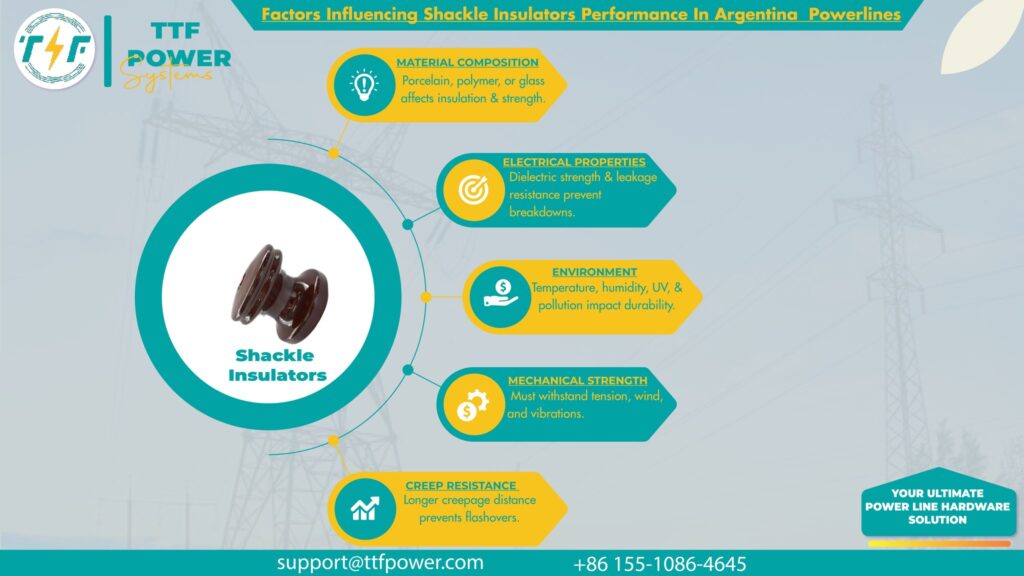
    Shackle insulators influence Argentina's power lines performance

    Argentina’s five-year renewable energy agreement between Central Puerto SA and Axion Energy is an important step toward industrial decarbonization. However, it confronts operational, financial, and infrastructure constraints. To address this issue, the government has implemented strategic strategies and policy frameworks. These approaches include employing shackle insulators to enhance transmission infrastructure, avoiding economic and monetary risks, balancing grid stability with fluctuating renewables, and improving renewables’ industrial integration. This will help to lower Axion Energy’s refinery emissions and act as a model for future industrial renewable PPAs. This will pave the road for a cleaner, more resilient energy economy in Argentina.

    The role of shackle insulators in bringing renewable energy to refineries

    The move to renewable energy in Argentina is dependent on reliable transmission infrastructure. Shackle insulators provide safe and efficient electricity supply. They also provide mechanical support, electrical insulation, and system stability for power distribution cables. The shackle insulators’ functions in powering refineries are as follows.

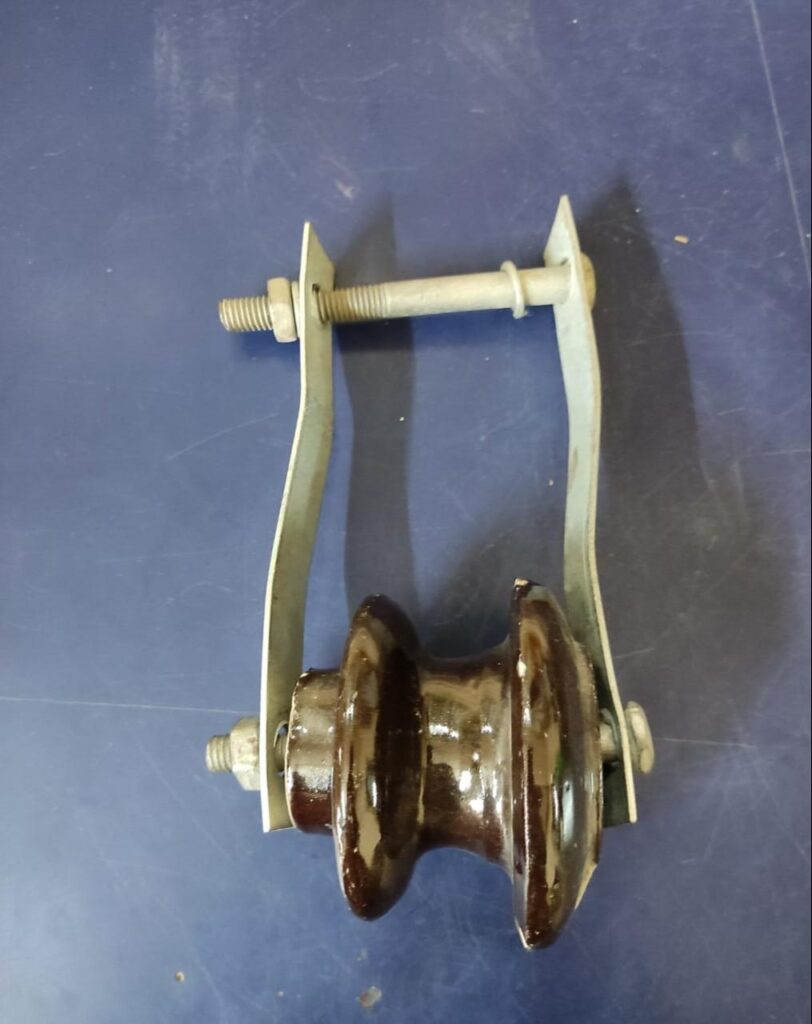
    Low-voltage shackle insulator
    1. Electrical insulation in renewable energy distribution – shackle insulators are crucial for isolating energized conductors from grounded supporting structures like poles. The insulators prevent current leakage and flashover to maintain system efficiency.
    2. Mechanical support and load bearing – renewable energy transmission lines face mechanical stresses from wind, cable tension, and pole movement. Shackle insulators provide mechanical support by withstanding vertical and horizontal loads on conductors.
    3. Securing conductors in low and medium-voltage lines – shackle insulators function at dead-end points, pole terminals, and angle locations where conductor tension changes.
    4. Enhancing grid safety and durability – the integration of renewable power into Argentina’s industrial grid needs safety against fault currents, mechanical failures, and lightning discharges. Shackle insulators isolate fault zones and reduce damage risks to nearby components.

    Technologies utilized to supply renewable electricity to Axion Energy’s refinery

    To deliver renewable electricity to Axion Energy’s refinery in Argentina, unique transmission, grid integration, and protection technologies are necessary. These innovations provide an efficient, steady, and continuous power supply from wind and solar farms to the industrial site. This includes:

    • Substation and grid interconnection technologies – the technologies ensure renewable power blends seamlessly into the national grid before reaching the refinery.
    • Power distribution components – these components include parallel groove clamps, insulation piercing connectors, shackle insulators, and lightning arresters.
    • Smart grid and energy management systems – these platforms help balance supply and demand.
    • High-voltage transmission infrastructure – high-voltage and extra high-voltage transmission lines reduce energy losses.
  • Armor rods support Bolivia-Brazil grid measures

    Electrical infrastructure for the Bolivia-Brazil grid interconnection

    The grid interconnection between Bolivia and Brazil is one of South America’s most major energy cooperation endeavors. The interconnection intends to promote power interchange, energy reliability, and regional integration. This is mainly due to the construction of high-voltage electricity infrastructure connecting the two countries. The interconnection project includes the building and upgrade of transmission lines, the establishment of cross-border substations to stabilize voltage, and the incorporation of renewable energy sources. Using armor rods minimizes sharp flexing at a single location by functioning as a flexible splint, absorbing energy and protecting the conductor from itself.

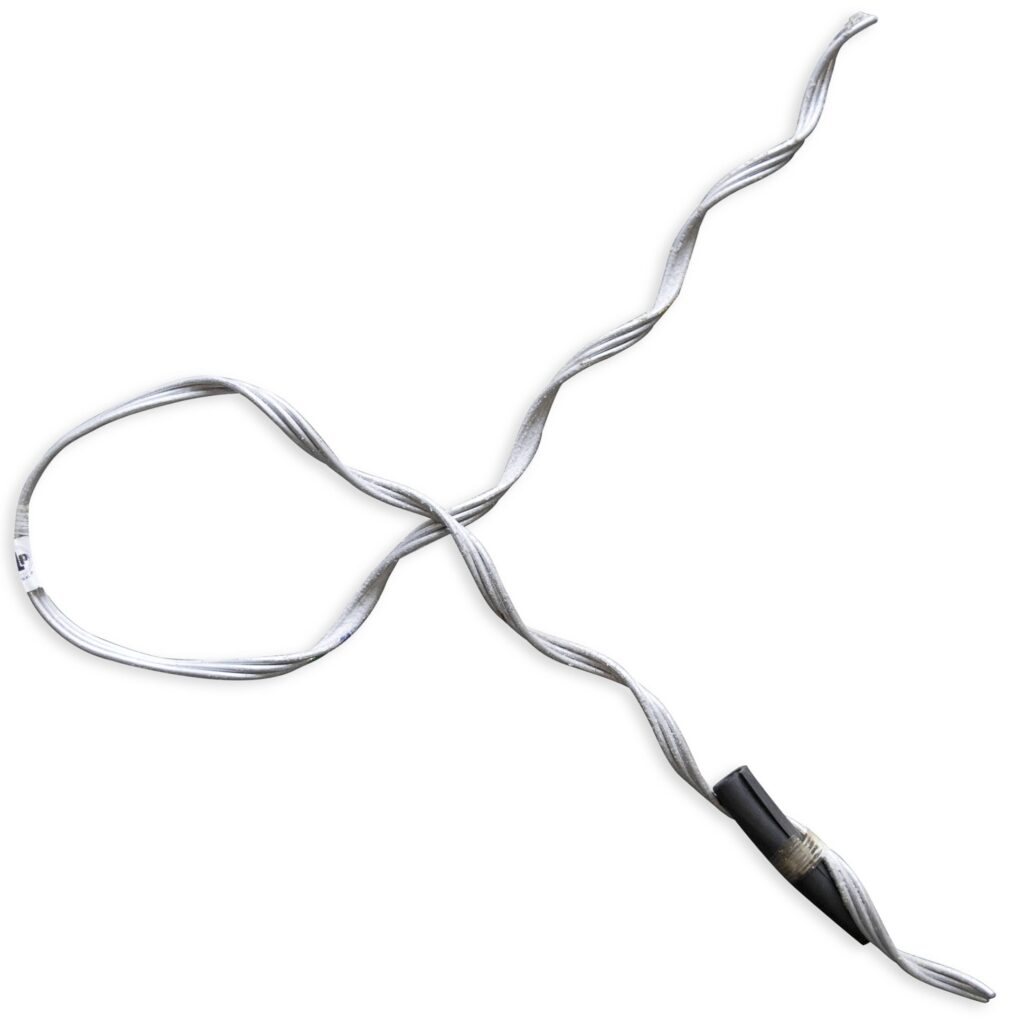
    An armor rod is a helically wound sleeve that is placed over a conductor or ground wire at certain locations of support. Aeolian vibration and subspan oscillation cause continual movement in the grid infrastructure. Constant movement causes bending stress at the suspension clamp’s edge. The armor rod resists sharp flexing at a particular location. It works as a flexible splint, absorbing energy while protecting the conductor from itself. Armor rods act at stress spots to ensure a seamless shift of stiffness away from the splice. The rods are necessary to protect the conductor from being crushed or damaged.by the immense pressure of the dead-end clamp.

    Bolivia-Brazil interconnection projects face a unique geography that necessitates the usage of armor rods for stability. The interconnection links, such as the 600 km 500 kV lines, cross extremely remote places. Conductor failure in these areas may take a long time to locate and fix. The interruption would disrupt cross-border power trading and be exceedingly costly. The use of armor rods at all support points is a low-cost and very effective form of preventive maintenance for avoiding such breakdowns. Large daily temperature fluctuations cause conductors to expand and contract. This difference in tension causes movement at the clamps.

    Efforts and measures to assist the grid connectivity between Bolivia and Brazil

    The Bolivia-Brazil grid link aims to strengthen energy cooperation, improve regional power reliability, and encourage renewable energy interchange between the two countries. The countries have invested in technical and financial safeguards to assure the interconnection’s safety, efficiency, and sustainability. The efforts include cross-border transmission infrastructure development, renewable energy project integration, technical modernization, smart grid integration, as well as financial and investment activities. These activities are intended to improve regional energy security, increase renewable energy commerce, boost technological innovation, and promote economic and environmental sustainability. Bolivia has taken an important step toward becoming a key member in South America’s integrated power network.

    The role of armor rods in the Bolivia-Brazil grid connecting infrastructure

    The armor rod is an essential component of the grid connecting infrastructure, ensuring mechanical protection, electrical dependability, and the longevity of overhead power lines. This helps to transport electricity between the two countries. Armor rods are critical to ensuring the interconnected grid’s safety, efficiency, and durability. Here are the primary functions of armor rods in grid infrastructure.

    Formed wire armor rod supporting grid interconnection
    • Mechanical protection of conductors—armor rods protect conductors from mechanical stress and wear. They support clamps, suspension fittings, and dead-end assemblies. Armor rods prevent mechanical fatigue, strand breakage, and line damage.
    • Electrical protection and corona reduction – armor rods contribute to the electrical stability of the transmission system. Armor rods help maintain power transmission efficiency and cut energy loss across the grid.
    • Vibration control and fatigue reduction—armor rods function as vibration dampers that absorb and dissipate mechanical oscillations before they cause strand fatigue. They also function as protective sleeves at suspension points, preventing metal-on-metal contact between conductors and clamps.
    • Prevention of conductor damage at hardware interfaces—the rods reinforce the conductor at the suspension points. They provide a smooth surface transition between the conductor and hardware.

    Key hurdles to grid connectivity between Bolivia and Brazil

    The grid interconnection project intends to improve regional power interchange, stimulate renewable energy consumption, and increase energy security. Despite its potential, the interconnection confronts many hurdles, including technical and infrastructure challenges, environmental and geographic limits. These challenges also include investment impediments, policy misalignment, energy balance and export dependency, technological barriers, and political challenges. To assure its success, the countries must invest in modern transmission infrastructure, conduct thorough environmental evaluations, and establish long-term funding structures.

  • Downlead Clamps Power Lithium Plant Expansion

    Lithium carbonate production facility

    Bolivia recently recorded an increase in lithium carbonate exports, reaching $19.6 million by August 2025. This represents a 1,145% growth compared with the same period last year. Bolivia maintains one of the largest lithium deposits globally in Salar de Uyuni. Lithium carbonate plays a crucial role in the production of rechargeable batteries for vehicles and electronic devices. In this context, the downlead clamp secures the power infrastructure supporting lithium carbonate production. Its reliable performance is a non-negotiable prerequisite for manufacturing the high-quality batteries powering the electric vehicle evolution.

    Most South American countries explore strategic partnerships with China to strengthen the industrialization of their lithium sector. This partnership takes into account China’s leadership in innovation and the sustainability of lithium-ion batteries. The lithium carbonate production process includes brine pumping, preconcentration, impurity removal, conversion to carbonate, filtration, and quality control. Lithium processes depend on reliable electricity from grids, gensets, or renewables. Downlead clamps connect a vertical electrical conductor like a transformer.

    Downlead clamps provide a strong, reliable mechanical connection supporting the weight of the downlead conductor. It ensures a low-resistance electrical path to alow for the efficient transfer of very high currents from overhead lines. This sends electricity down the processinng equipment without energy loss. The downlead clamp is designed to allow for some thermal expansion and contraction of the conductor. This prevents metal fatigue and breakage caused by constant heating and cooling cyles. This is crucial for components such as valves, pumps, reactors, pipe sections, and instrumentation.

    Impacts of increased lithium carbonate capacity with downlead clamps supporting the infrastructure

    Bolivia is becoming a potential lithium producer from the vast deposits in the Salar de Uyuni. Scaling up lithium carbonate production impacts the energy sector from industrial development and renewable integration to power grid expansion and policy transformation. This surge is pushing Bolivia to upgrade its power infrastructure, increase energy generation, and diversify its power mix. This demands the use of power line hardware, such as downlead clamps, to secure the connections in various infrastructure supporting production processes. Lithium carbonate integration with renewable energy could position Bolivia as a model for sustainable resource-driven energy growth.

    The role of downlead clamps in Bolivia’s lithium carbonate operations

    Downlead clamps are essential components as Bolivia scales up its direct lithium extraction (DLE) and evaporation pond processing. The clamps secure and guide the downlead clamp connecting overhead equipment to the grounding networks. Downlead clamps maintain the integrity and safety of piping networks, reactors, filtration systems, and brine handling units. Key functions include:

    Downlead clamps for ADSS cables
    1. Securing electrical downleads on transmission structures – downlead clamps hold the grounding cables that run down transmission poles. They prevent cable movement, protect insulation, and maintain cable alignment.
    2. Ensuring reliable grounding and lightning protection – downlead clamps keep ground wires tightly fixed to towers. They maintain a grounding path to safely discharge lightning surges and prevent equipment damage in processing plants.
    3. Supporting signal and control cabling – lithium operations depend on automation, SCADA systems, and IoT sensors. The clamps route fiber optic or communication cables down pylons or structural columns.
    4. Reducing mechanical stress and vibrations – downlead clamps distribute the cable’s mechanical load. This reduces wear and extends the service life of the power and communication lines.

    The uses of lithium carbonate in electric vehicle batteries

    Lithium carbonate is the starting point for most lithium-ion battery materials powering EVs. Downlead clamps play a subtle role in the resilience, safety, and efficiency o the lithium carbonate supply chain. There is research underway to use lithium carbonate in solid electrolyte production to enhance safety and energy density. Its uses include:

    • Lithium carbonate battery chemistry – Lithium carbonate is a primary lithium compound used to produce cathode materials. It is the base raw material from which other lithium compounds.
    • Cathode material production – lithium carbonate is used to manufacture key cathode chemistries for EV batteries. Lithium carbonate supplies the lithium ions essential for electrochemical reactions within the cathode.
    • Conversion to lithium hydroxide for high-nickel batteries – lithium carbonate is often converted into lithium hydroxide for high-nickel cathode formulations.
    • Battery-grade purity and performance – impurities such as sodium, calcium, and magnesium can disrupt battery chemistry, causing reduced capacity retention, lower conductivity, and shorter battery life.
    • Recycling and circular use – battery recycling is crucial for sustainability as EV adoption rises. Recovered lithium can be converted back into lithium carbonate, closing the material loop. Recycling strengthens supply and security amid rising global demand.
  • Side ties in wind power: Key roles and challenges

    The National Electricity Company (ENDE Corporacion) operated four wind power stations in Bolivia, generating 56.6 GWh. The greatest winds were recorded in September at the four wind farms, allowing the country to generate wind energy from these resources. Wind energy generation increases with successive generations. For example, Qollpana produced 17% more energy in September 2023 than in September 2022. The Warnes, San Julian, and El Dorado wind farms produced 45% more energy in 2023 than in 2022. Side ties play an important and diverse role in the overhead transmission lines that transport electricity from wind farms to Bolivia’s main grid.

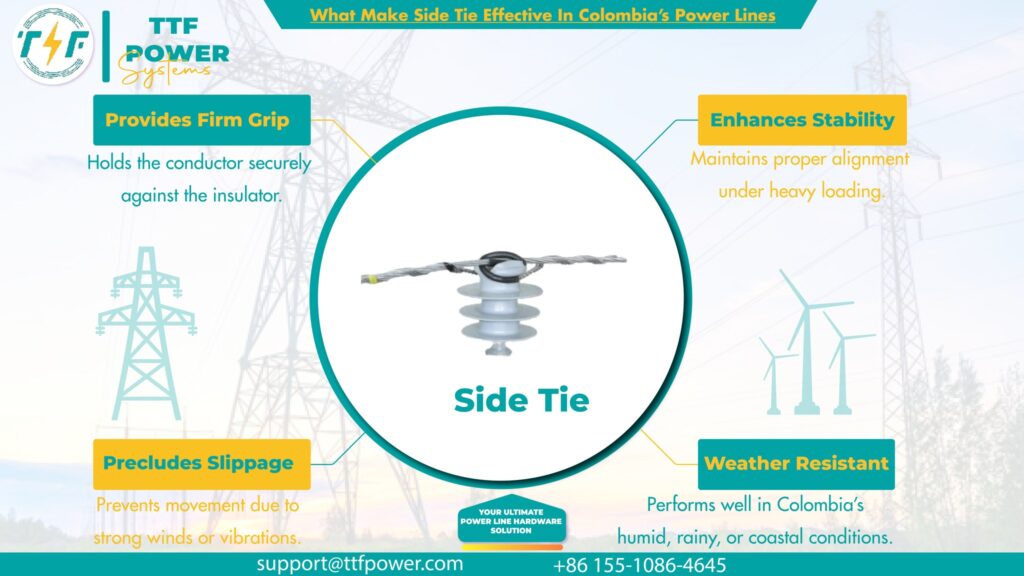
    Side tie for insulators provides a secure and dependable electrical and mechanical connection between conductors. Bolivian wind farms are located in the Andean mountains and wide plains, which have strong winds. Clashing leads to electrical problems, physical damage, and grid instability. The side tie for insulators keeps the subconductors at a set distance. They prevent the conductors from ever coming near enough to collide. Side ties provide mechanical stability, electrical safety, and long-term performance for overhead transmission and distribution lines.

    High-quality ties connect conductors to insulators on poles in overhead electrical networks. The ties help to ensure that power is safely and efficiently transmitted from turbines to substations and the national grid. A side tie offers a tight grip, securing the conductor to the insulator. This prevents displacement induced by rapid wind gusts, turbine mechanical vibrations, and temperature-related line tension variations. They stabilize the line under strong wind loads to ensure that the conductors remain properly spaced and aligned. This prevents contact between conductors, which could result in short circuits.

    Side-tie technology in wind energy networks

    Side ties combine technology that improves the safety, reliability, and efficiency of Bolivia’s wind power infrastructure. Side ties’ design and manufacturing technology have evolved to resist Bolivia’s hard climate, high altitudes, and windy circumstances. The following are the functions of the side tie in Bolivia’s wind energy infrastructure.

    • Performed side tie technology—the side ties are from pre-shaped aluminum-clad or galvanized steel wire. These ties are spiral-wrapped around the conductor and the insulator neck. The preformed shape ensures uniform grip pressure along the contact areas to reduce mechanical stress points.
    • Polymer-coated and insulated ties—Bolivia uses modern side ties that feature polymer coatings to protect against electrical damage. Technologies include side ties coated with high-dielectric-strength polymers, resistant to UV radiation, corrosion, and temperature extremes. They electrically insulating to prevent leakage currents.
    • High-tensile alloy side ties—these side ties are functional in larger transmission lines carrying electricity from Bolivia’s wind farms to urban centers. These side ties withstand mechanical strain, maintain alignment and sag control, and resist corrosion from moisture.
    • Composite and smart side-tie designs—emerging composite side-tie technologies and smart monitoring solutions are revolutionizing Bolivia’s renewable sector.

    The role of side ties in Bolivia’s wind power infrastructure

    Side ties in wind farms maintain mechanical stability and electrical efficiency throughout Bolivia’s transmission lines. Side ties attach conductors to insulators in overhead power lines. They secure the conductor against the side of the insulator neck. They stop movement induced by wind pressure, vibration, or temperature changes. Here are their roles in Bolivia’s wind energy infrastructure.

    Side ties provide mechanical stability to wind infrastructure
    1. Ensuring a secure conductor attachment—a side tie provides a firm mechanical grip, keeping conductors stable under intense wind load. This prevents line displacement with other structures to reduce the risk of short circuits.
    2. Reducing wind-induced vibration and fatigue—side ties help absorb and dampen vibrations to reduce mechanical stress on conductors, insulators, and supporting structures.
    3. Protecting conductors and insulators from mechanical damage—side ties create a buffer between the conductor and the insulator by distributing pressure and minimizing friction.
    4. Maintaining electrical stability and alignment—the ties ensure that conductors remain properly positioned along the insulator line.

    Limitations to wind power adoption in Bolivia’s energy sector

    Bolivia has made great advances in renewable energy, particularly wind production. Despite this feat, wind power accounts for a modest part of Bolivia’s entire electricity mix. It poses economic, technological, environmental, and infrastructure concerns. These factors impede large-scale wind power deployment in Bolivia. Inconsistent wind resources, high initial investment, inadequate transmission infrastructure, intermittency, and storage are all significant problems. Bolivia must solve these difficulties by strengthening grid linkages, improving wind mapping, creating investment incentives, and increasing local capacity.

  • Parallel Groove Clamps Boost Bolivia’s Fuel Fix

    Addressing fuel shortages in Bolivia

    Bolivia’s crude oil production plummeted to 8.6 million barrels, while liquid hydrocarbons have been steadily declining. Natural gas has likewise steadily declined since 2014. This reduction is due to natural depletion of established fields and underinvestment in exploration and development. Bolivia has used a variety of improvements and remedies to ease fuel shortages. Recent developments include upstream reactivation, import incentives, and the importation of fuel. Fuel shortages influence both the social and economic sectors of the country. It has an impact on electricity generation, industrial applications, and local refining. The administration is implementing a variety of measures to combat the growing gasoline crisis. This is accomplished by providing incentives for fuel imports, the use of alternative payment channels, fuel conservation, and demand reduction measures. Parallel groove clamps (PGC) ensure the electrical grid powering the entire fuel supply chain is reliable and resilient.

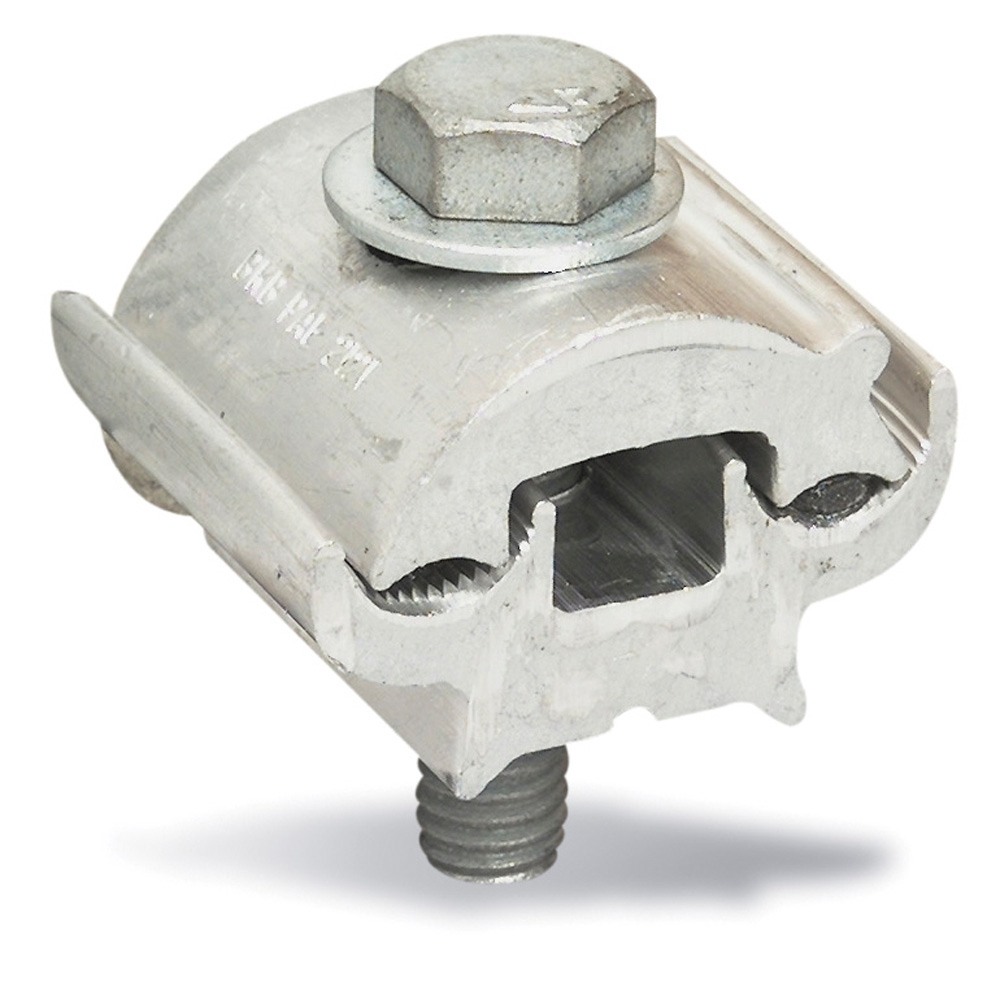
    Parallel clamps provide a dependable electrical and mechanical connection between two parallel wires. They transfer electrical power from a primary line to secondary lines without cutting the main conductor. They are critical components of Bolivia’s strategy, which includes energy infrastructure such as refineries, pump stations, and import terminals. These facilities rely on a consistent and uninterrupted electrical supply. Parallel groove clamps connect electrical substations and distribution lines for industrial enterprises in Bolivia. Using high-quality PGCs helps to prevent outages that can disrupt refineries. The clamps form strong, corrosion-resistant connections in the overhead lines that supply important stations. High-quality clamps enable efficient branching and durable connections. This guarantees that storage tanks, lighting, and loading equipment receive consistent electricity.

    Parallel groove clamps support infrastructure related to fuel constraints

    Weak and crumbling infrastructure frequently leads to fuel shortages, affecting Bolivia’s energy sector. The infrastructure requires electrical, monitoring, safety, and control systems for refining, transportation, and storage. Proper usage of PGCs helps ensure dependable connections, lowering the danger of shutdowns caused by electrical failures. Parallel groove clamps are suitable for use in gas pipeline networks, lightning-prone areas, and import, distribution, and transportation infrastructure. Here are the roles of parallel groove clamps in helping infrastructure to reduce fuel shortages.

    1. Pumping stations—these need reliable electrical grounding, bonding, and connections for instrumentation, controls, and protection against lightning. PGCs help maintain low-resistance paths and stable connections.
    2. Pipeline monitoring and safety systems—sensors and leak detection, pressure sensors, and SCADA systems—need conductor connections. Parallel groove clamps secure the connections and ensure signal integrity and reduce failure risk.
    3. Storage tanks’ electrical systems—parallel groove clamps are crucial in linking ground wires or bonding wires between tanks and piping.
    4. Power transmission and distribution to fuel infrastructure—most of the gas and oil fields, refineries, and fuel depots are in remote areas, which demand reliable electricity. PGCs in overhead lines or ground wire connections help ensure electrical reliability.
    5. Cathodic protection and corrosion prevention—PGCs may connect leads and sacrificial anodes to ensure continuous circuits. They are crucial for pipeline cathodic protection systems using the anodes.

    Major challenges for Bolivia amid fuel shortages

    Fuel shortages have an impact on Bolivia’s economy, politics, infrastructure, and society. Bolivia requires enough foreign currency to purchase fuel and pay for shipment, which cuts revenue when gas exports fall. These difficulties put more pressure on the government to provide answers to the gasoline shortages. Key barriers confronting the country include:

    • Declining domestic oil and gas production—the drop in local production of oil and gas leads to increased reliance on imports to meet demand.
    • Inadequate infrastructure and distribution issues—fuel shortages affect transport, storage, and distribution systems. It also affects agricultural zones due to a lack of harvesting equipment.
    • High dependency on fuel imports—international price fluctuations, foreign exchange constraints, and shipping costs affect supply and affordability.
    • Subsidy strains and fiscal burden—the government has been subsidizing fuel to keep domestic prices low. Maintaining subsidies during reduced state revenues puts pressure on public finances.
    • Inflation and rising costs—the fuel crisis leads to higher costs for transport, agriculture, and food. People may pay more or suffer from reduced access.
    • Socio-political pressure and unrest—fuel shortages affect farmers, transport operators, and public transit sectors, leading to protests. There may be public dissatisfaction due to long queues, lack of fuel, and disruptions to daily life.
  • One bolt guy clamps power Bolivia’s IoT grid growth

    Grid modernization using smart grid and IoT devices

    Bolivia’s energy sector is switching from manual readouts to linked meters, LPWAN sensors, ADMS (Advanced Distribution Management Systems) platforms, and mini-grid controllers. Donor financing, rural electrification trials, and the developing smart meter industry are all driving this shift toward smart grids and IoT devices. This enables Bolivia to achieve higher reliability, reduced losses, and faster rural access. Large World Bank and IDB operations fund grid extensions, mini-grids, smart meters, and institutional improvement, all of which enable large-scale IoT installations. Furthermore, utilities are merging LoRaWAN for rural, low-data applications with NB-IoT/cellular for denser or more secure feeds. Smart metering and remote disconnects help to decrease theft and billing issues on the grid. Funding for these devices shows payment models, remote monitoring, and maintenance efficiencies in isolated communities. One bolt guy clamps ensures structural integrity for Bolivia’s integration with smart grids and IoT devices.

    One bolt guy clamps secure and fasten guy wires to the pole, providing vital support against stresses. This makes them critical to the dependability of the grid’s sensitive and pricey IoT devices. The guy wire is secured to the ground from the pole to form a diagonal brace. The guy clamp transmits the enormous tension from the wire to the pole. It keeps poles from leaning or collapsing owing to stress in electricity wires. The clamp also protects the pole line from environmental factors like as high winds and soil erosion. In a smart grid, the clamp provides physical stability to delicate IoT devices, communication gateways, line sensors, and recloser controls. One-bolt guy clamps act as a low-cost insurance policy for high-value smart grid assets. These clamps allow the IoT ecosystem to thrive and deliver reliability, efficiency, and sustainability.

    Key functionalities of one-bolt guy clamps in Bolivia’s smart grid and IoT integration

    Smart grids, IoT-based monitoring, and automated control systems improve reliability in Bolivia’s energy modernization efforts. One-bolt guy clamps ensure mechanical stability, electrical continuity, and data reliability for power and communication cables. One bolt guy attaches the anchor and secures the guy wires that support the power lines and communication cables. The clamps protect conductors and communication cables that transport signals from IoT sensors, smart meters, and data transmission devices. The following are the responsibilities of one-bolt man clamps in Bolivia’s smart grid and IoT integration.

    One bolt guy clamps maintain pole alignment
    1. Structural stability for smart grid hardware—Bolivia’s grid modernization involves installing smart sensors, communication relays, and data concentrators on poles. One bolt guy clamp maintains pole alignment under load, absorbs mechanical tension, and prevents tilting. This reliability ensures that signal quality and sensor calibration remain consistent.
    2. Supporting overhead communication lines for IoT data transfer—smart grids depend on two-way communication between control centers and field devices. One bolt guy clamp helps anchor fiber optic communication drops carrying IoT data streams. They maintain line spacing and tension to reduce interference between power and data lines.
    3. Electrical grounding and surge protection support—the guy clamps ensure safe fault current dissipation during lightning or grid surges. They protect smart meters from voltage spikes, remote sensors and data concentrators from transient surges, and communication lines from electromagnetic interference.
    4. Easing hybrid infrastructure—one bolt guy clamps ensure precise mechanical separation between voltage and data lines, stable cable routing, and ease of retrofitting.

    The importance of IoT devices in smart energy development in Bolivia

    Bolivia has a diversified geography, spanning from the high Andean Altiplano to the Amazonian lowlands, which drives up demand. Adopting IoT devices can improve monitoring and control, save costs, enable remote operations, and allow for more decentralized and dispersed generation. Their applications include the following:

    • Advanced metering infrastructure (AMI)—IoT devices work in remote-reading meters with two-way communication and real-time or near real-time data on usage, faults, and voltage quality. They allow utilities to reduce non-technical losses and improve billing accuracy.
    • Remote monitoring and control of public lighting—streetlightsor public lighting systems connected through IoT devices enable dimming and monitoring of faults.
    • Predictive and condition monitoring of grid assets—placing IoT sensors on transformers, lines, and poles helps predict failures.
    • Energy efficiency and building management—IoT work in buildings for lighting, HVAC control, monitoring power quality, and optimizing energy usage. This helps cut consumption, improve comfort, and reduce waste.