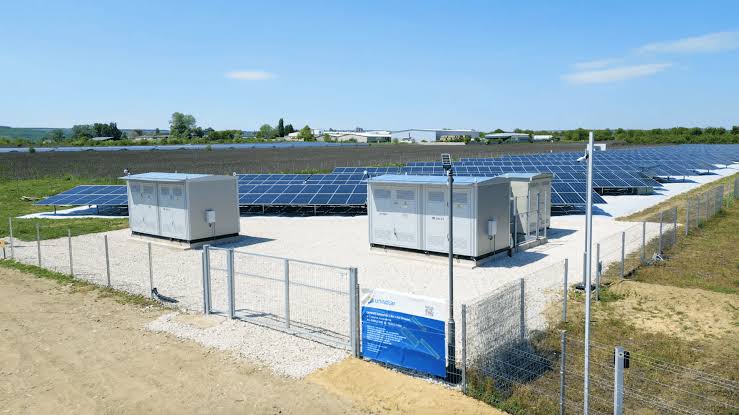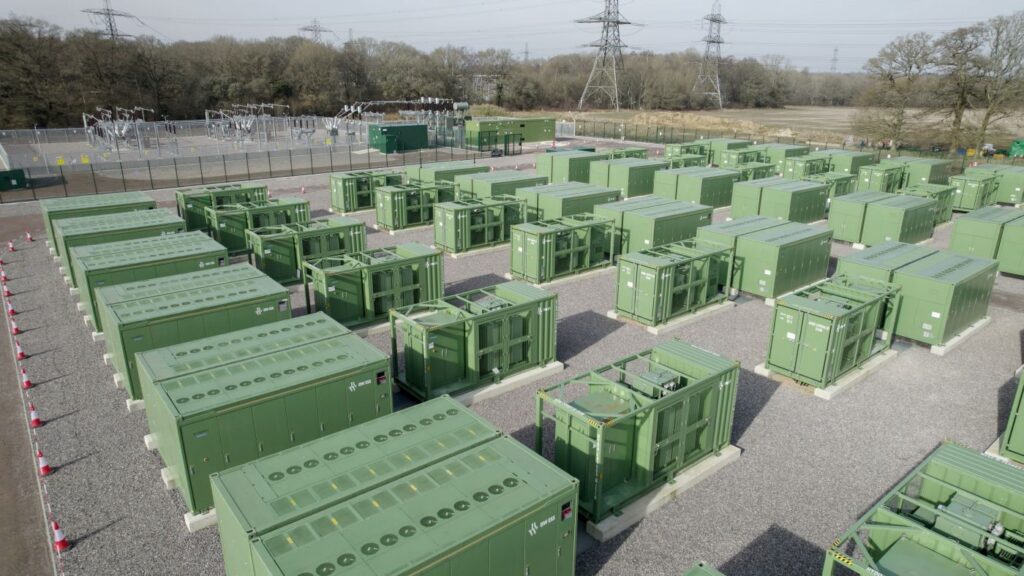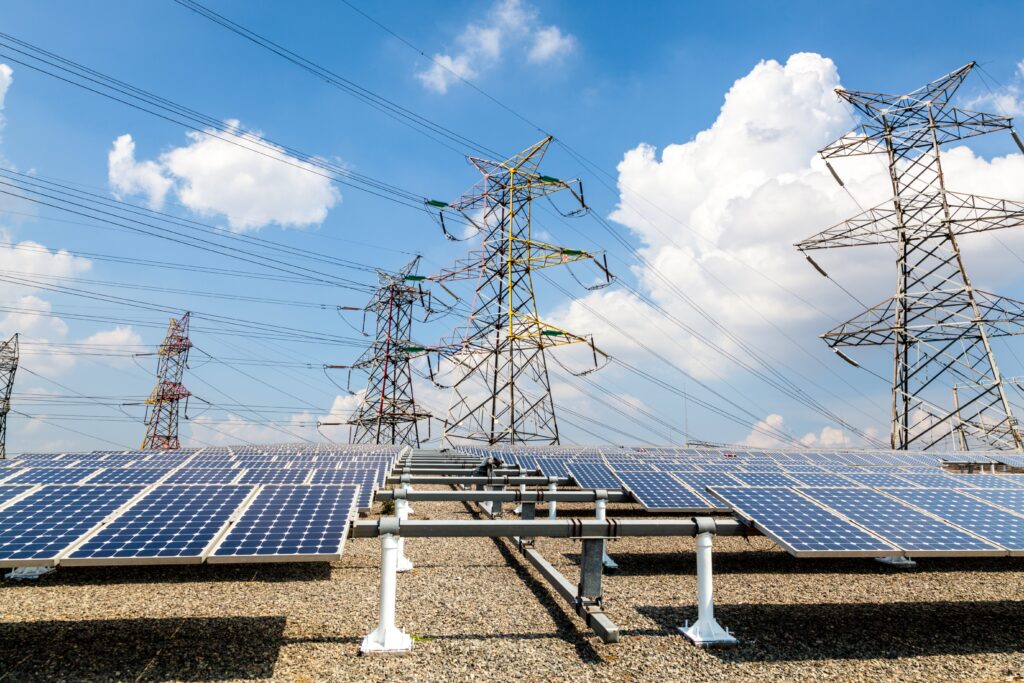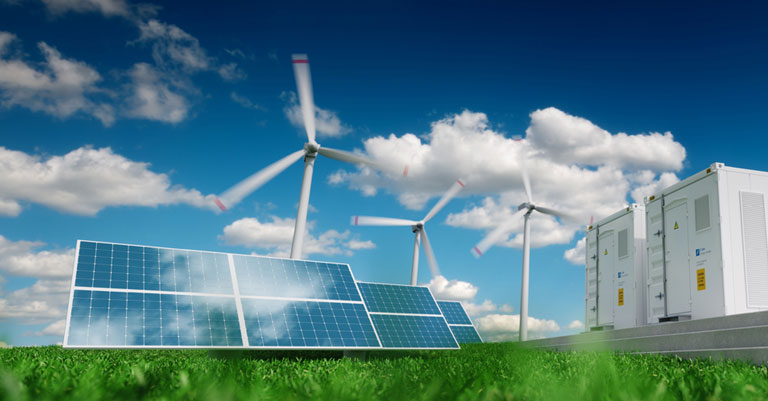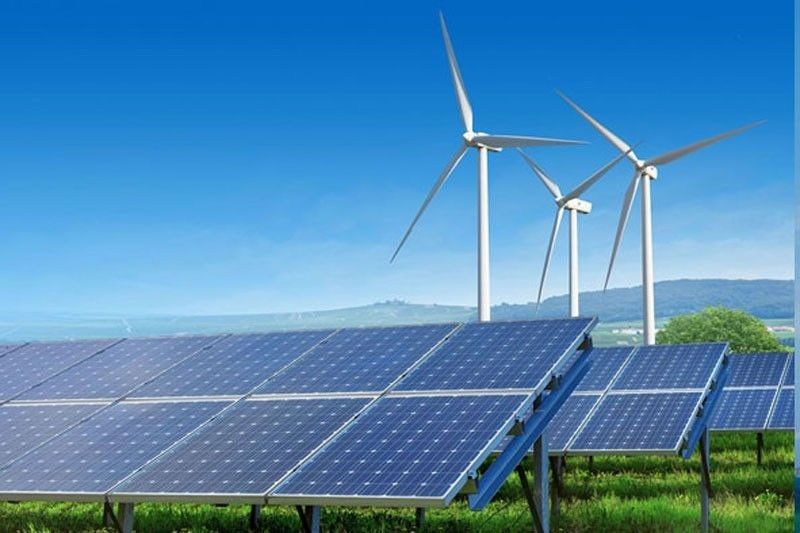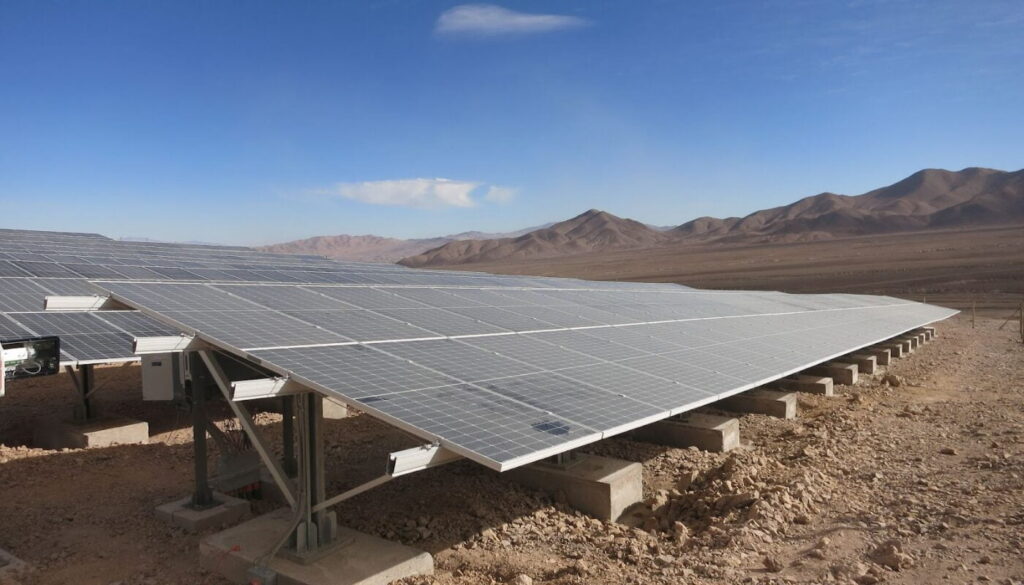
According to Aurora’s modeling, a significant El Nino event in late 2026 might result in a 25% total curtailment in Brazil, with solar PV curtailment reaching 40% and onshore wind 21%. This incident may exacerbate renewable energy curtailment and complicate grid integration problems. The growth of renewable capacity has outpaced investment in transmission infrastructure. Furthermore, connecting these resources away from consumption areas necessitates the construction of high-voltage transmission networks. This extension boosts power transfer capacity, relieves congestion, improves regional balancing, and reduces renewable curtailment. To address these difficulties, Brazil will need to combine renewables with battery energy storage to store excess solar power, move electricity to peak demand, minimize transmission congestion, and increase grid flexibility. Reducing curtailment will depend on reliable transmission and distribution components such as conductors, insulators, suspension clamps, vibration dampers, grounding systems, and connectors. These will ensure electricity generated by renewable plants is transmitted safely over long distances.
The use of vibration dampers in infrastructure will help to safeguard wind turbines and energy transmission lines against fatigue and structural failure induced by wind and wave pressures. Vibration dampers shield wind turbine structures from violent winds, offshore units, and waves. These vibrations disrupt operation, impair energy efficiency, and raise maintenance costs. The dampers reduce structural vibrations, increase structural durability, and boost energy efficiency. Vibration damper technologies offer for cost savings, resulting in more efficient and material-efficient designs. This is accomplished while maintaining and improving the structural performance of the electrical infrastructure.
Quality assurance of vibration dampers used in electrical and renewable infrastructure
Vibration dampers shield overhead transmission and distribution conductors from wind-induced vibrations, reducing fatigue and conductor failure. Vibration dampers will be crucial as Brazil grows its wind farms, solar parks, hydropower plants, and transmission lines. The damper must meet mechanical, environmental, and electrical performance standards throughout its service life. Quality assurance guarantees that the dampers reduce aeolian vibrations, maintain conductor integrity, and increase the life of transmission and distribution lines.
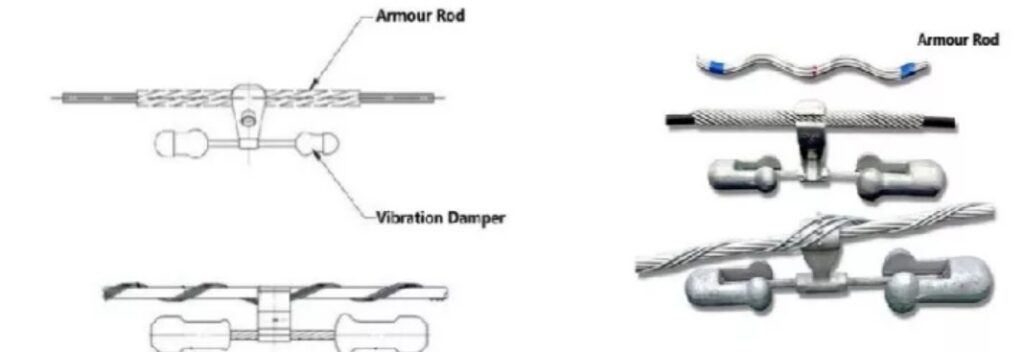
QA also aids dampers in increasing grid reliability and renewable integration. The damper quality assurance includes raw material control, dimensional inspection, mechanical testing, dynamic performance testing, and corrosion resistance testing. Properly quality-assured dampers reduce conductor fatigue caused by wind-induced vibrations, and reduce unscheduled outages, and lower maintenance costs. Vibration dampers enable the secure integration of renewable energy into Brazil’s power grid while supporting grid stability.
The significance of vibration dampers in Brazil’s renewable and grid-integrated infrastructure
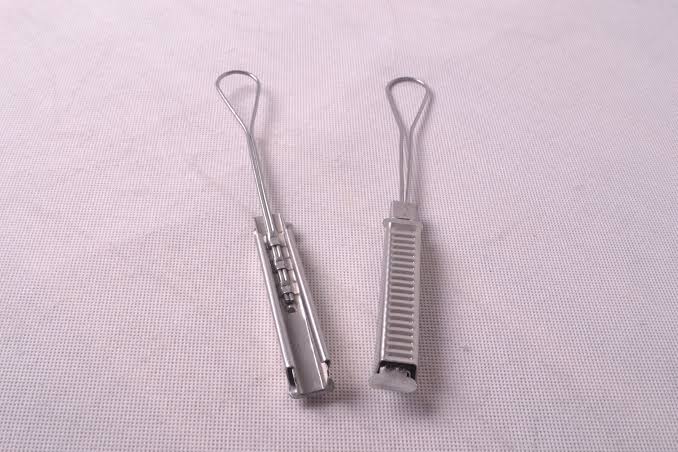
Vibration dampers shield overhead cables from wind-induced vibrations and oscillations. Vibration dampers ensure that Brazil’s increasing infrastructure is reliable, safe, and long-lasting. The dampers make it possible to integrate wind, solar, hydroelectric, and battery energy storage into the grid. Here are their primary roles in infrastructure.
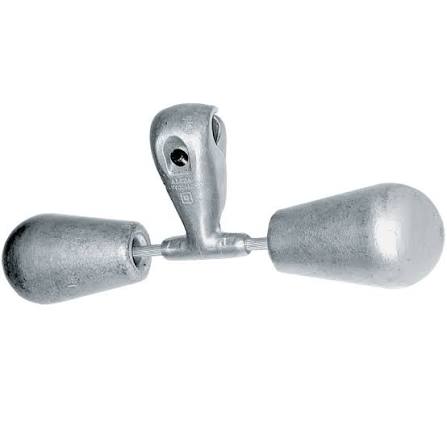
- Suppress aeolian vibrations – the vibration damper absorbs and dissipates energy generated by aeolian vibrations caused by steady and low-wind-speed winds. This helps prevent repetitive stress that can damage conductors.
- Prevent conductor fatigue – vibration dampers reduce bending stress, reduce cyclic loading, prevent strand breakage, and extend conductor fatigue life.
- Protect transmission line hardware – excessive movement causes wear on suspension clamps, deadend clamps, insulators, spacer dampers, and connector fittings.
- Improving grid reliability – the dampers reduce conductor failures, unexpected line outages, emergency maintenance, and power interruptions.
- Reduce energy transmission interruptions – mechanical failures result in transmission outages on power lines. Vibration dampers help ensure power transfer from renewable generation facilities to consumers.
How El Nino Increases Energy Curtailment in Brazil
El Niño modifies weather patterns in Brazil, impacting renewable energy generation, electricity demand, and power system operations. These adjustments may limit electricity output from renewable energy installations since the grid does not absorb available generation. As the country grows its wind and solar capacity, transmission restrictions may increase due to El Niño conditions. Here is how El Nino causes energy shortages in Brazil.
- Increased solar PV generation – this event causes drier and sunnier conditions across central, southeastern, and northeastern Brazil. This results in high solar irradiance, longer periods of clear skies, and increased PV electricity production.
- Transmission congestion – most of Brazil’s largest renewable energy projects are far from demand centres. During El Nino, higher renewable generation can overload transmission lines that create transmission bottlenecks.
- Limited grid flexibility – renewable energy fluctuations need a flexible power system to balance supply and demand. The grid in Brazil still faces limitations in flexible demand-response programmes, fast-ramping backup generation, and interregional transmission capacity.
- Increased grid stability needs – high penetration of variable renewable energy introduces operational challenges. These include voltage fluctuations, frequency deviations, and power flow imbalances.