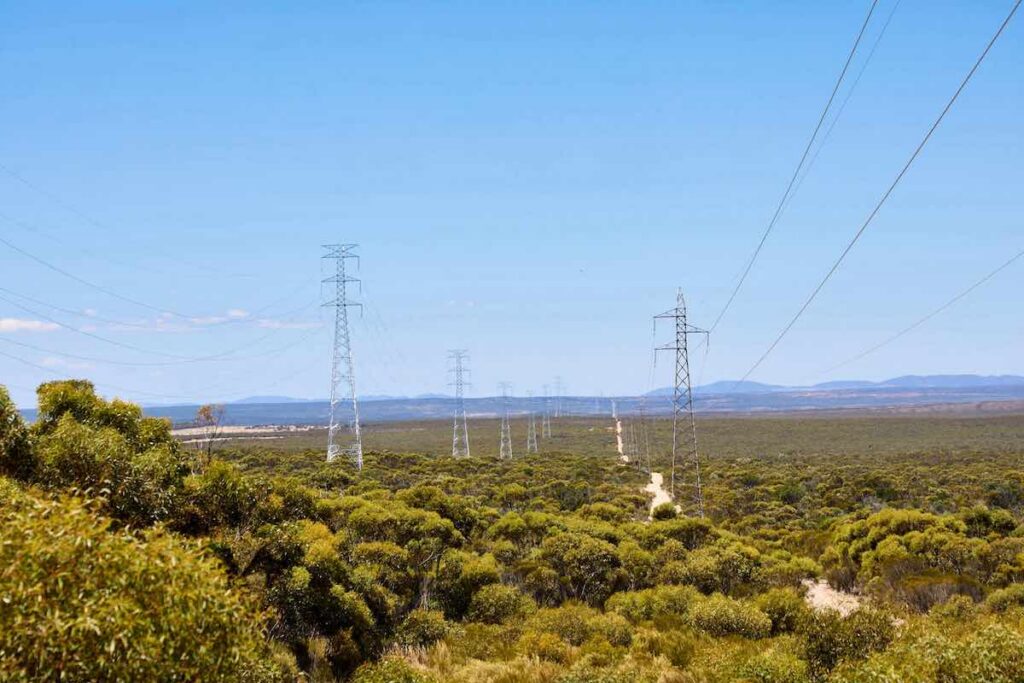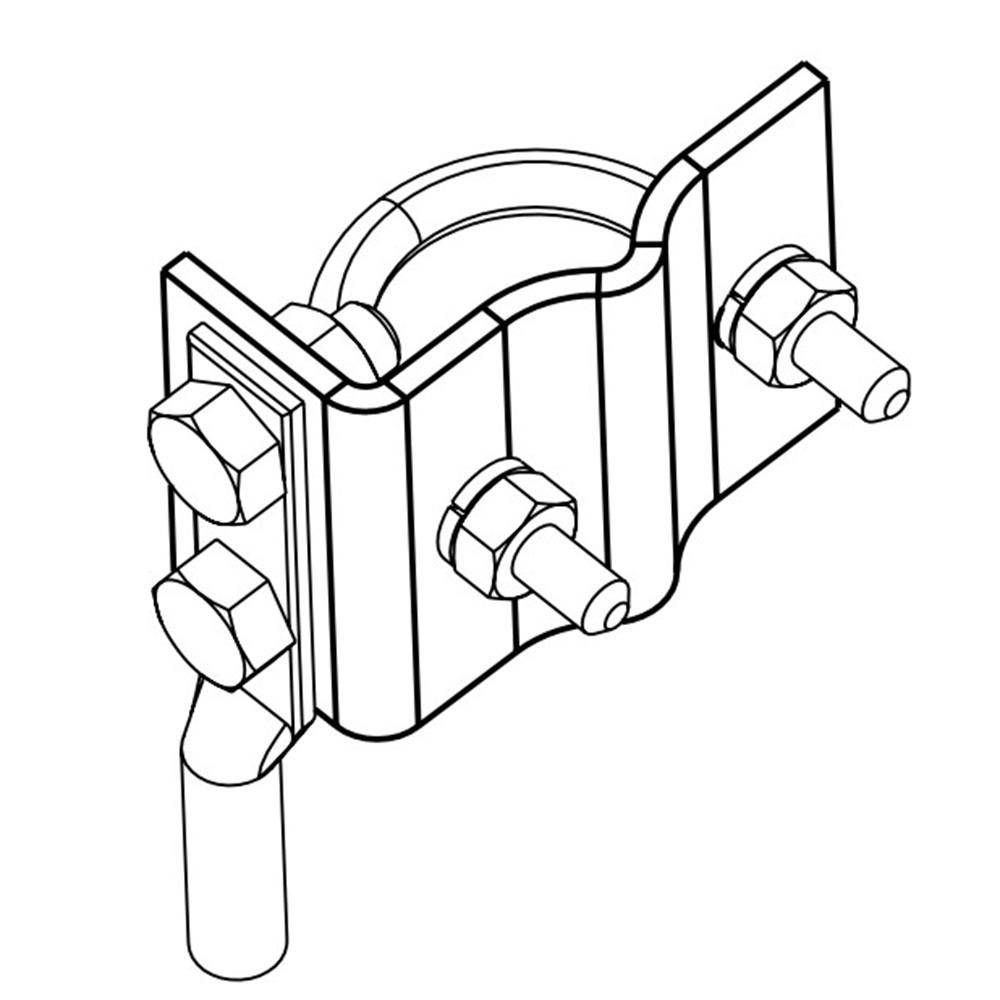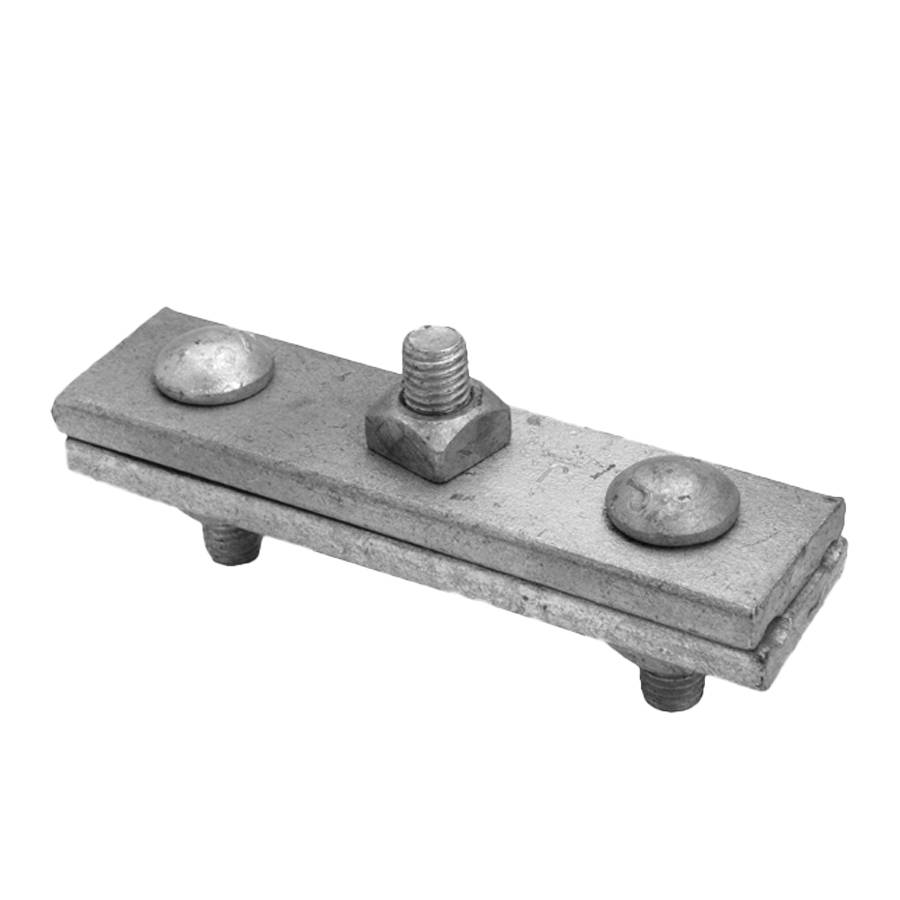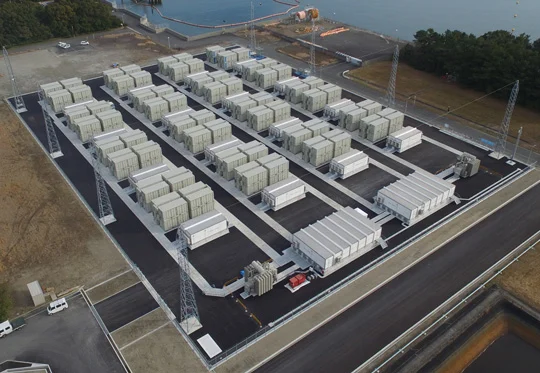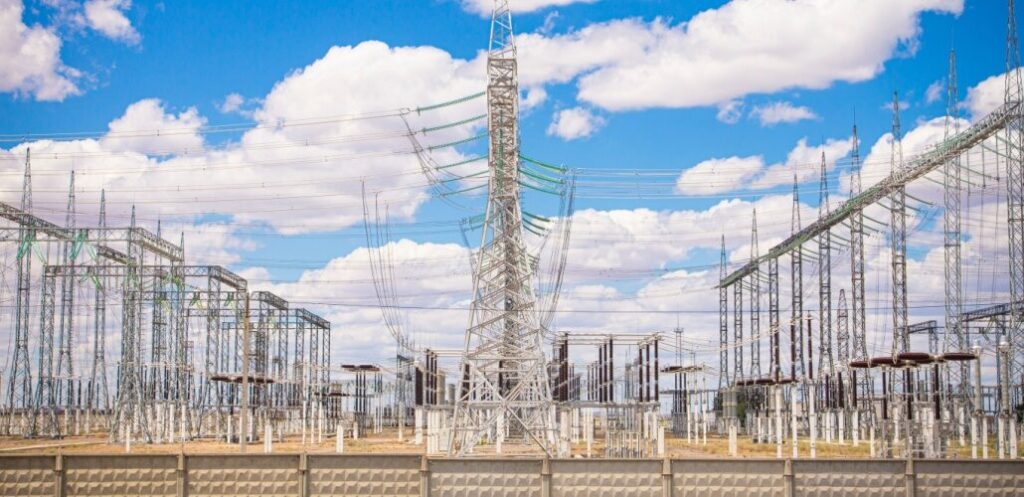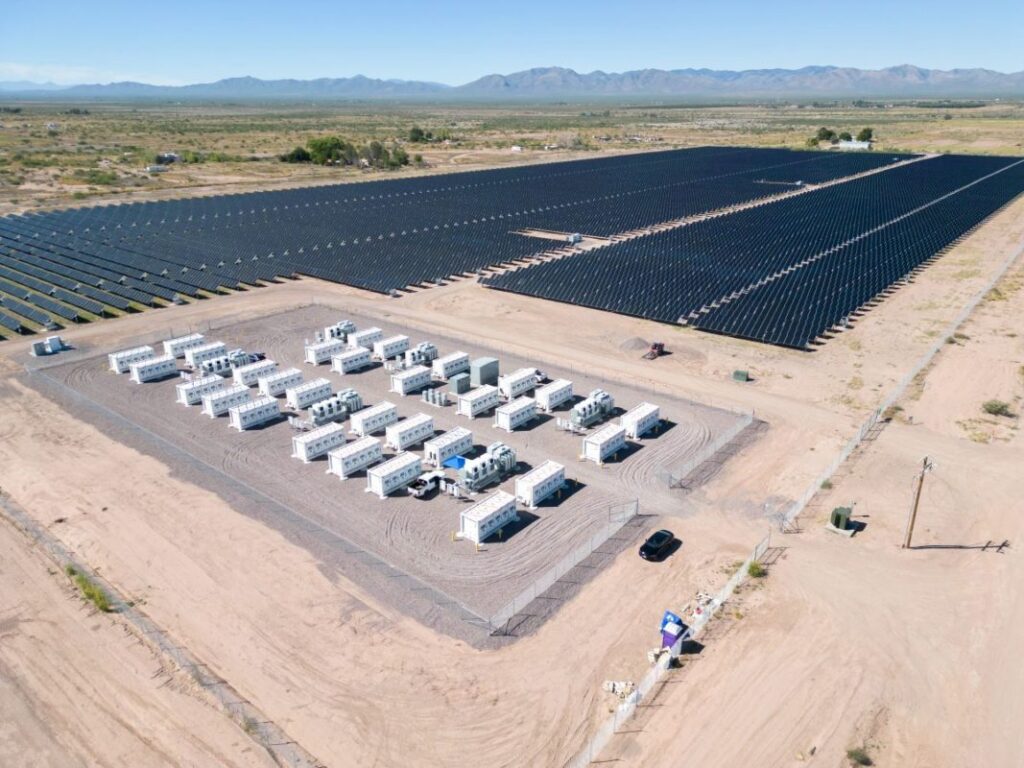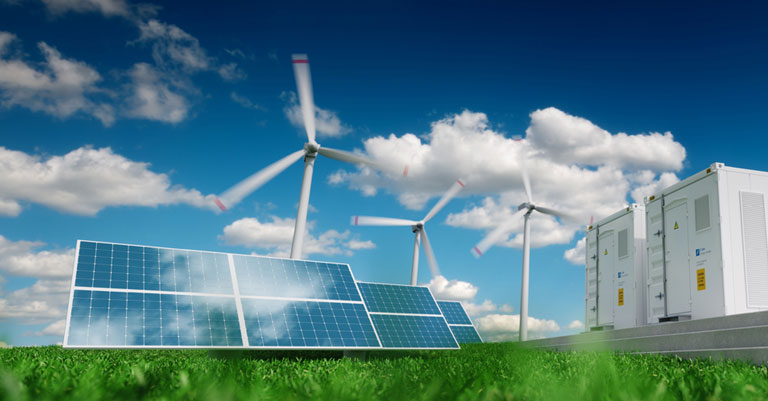
Argentina awarded 20 battery energy storage system (BESS) projects to five developers under the AlmaSADI contest. This effort will cost an estimated $700 million to expand the national grid beyond the Buenos Aires metropolitan zone. The 20 projects have a combined capacity of 700.5 MW, which is dispersed across several SADI nodes. The projects cover seven regions: Buenos Aires province (185 MW), Northwest Argentina (150 MW), Chaco-Formosa in the northeast (161.5 MW), Misiones-Corrientes in the northeast (50 MW), Entre Ríos (50 MW), Santa Fe (36 MW), and the Pampa Region (68 MW). The AlmaSADI purchase aims to improve the adaptability and robustness of Argentina’s electricity infrastructure by including significant battery storage. The initiatives will enhance transmission networks where grid congestion and the growth of renewables face difficulties. BESS offers supplementary power to reduce outages, boost voltage stability, and strengthen system reliability. This advancement will create a demand for strong power line components, such as aluminum welded terminals.
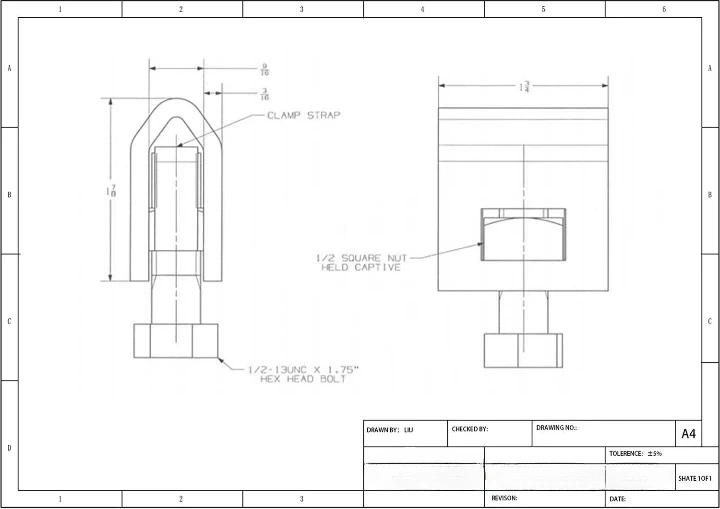
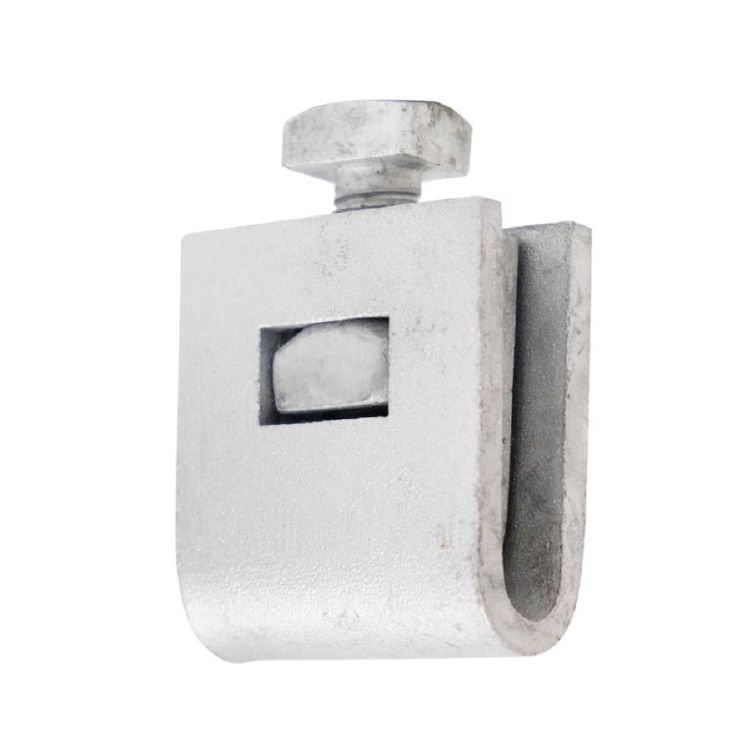
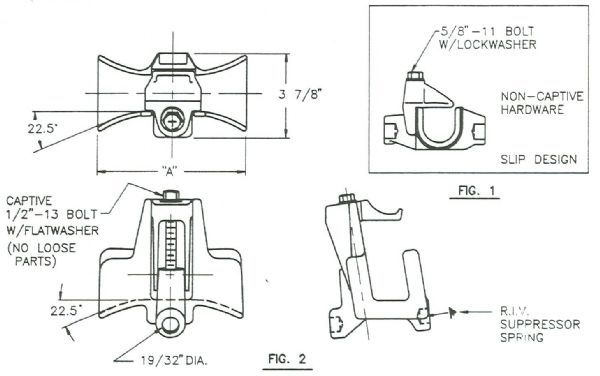
Aluminum welded terminals in BESS and grid infrastructure help to increase grid dependability. They establish efficient, dependable, and safe electrical connections between individual battery cells in a BESS. This is accomplished by welding aluminum terminals to conductive busbars. This is preferable to welding aluminum and copper, which is complex and can result in brittle joints. Aluminum-to-aluminum welding lowers the possibility of injuring sensitive internal components such as gaskets and seals. Welded terminals offer adaptable designs that help to reduce vibration and installation stress. This increases the longevity of the link within the BESS.
Quality assurance for aluminum welded terminals used in BESS infrastructure
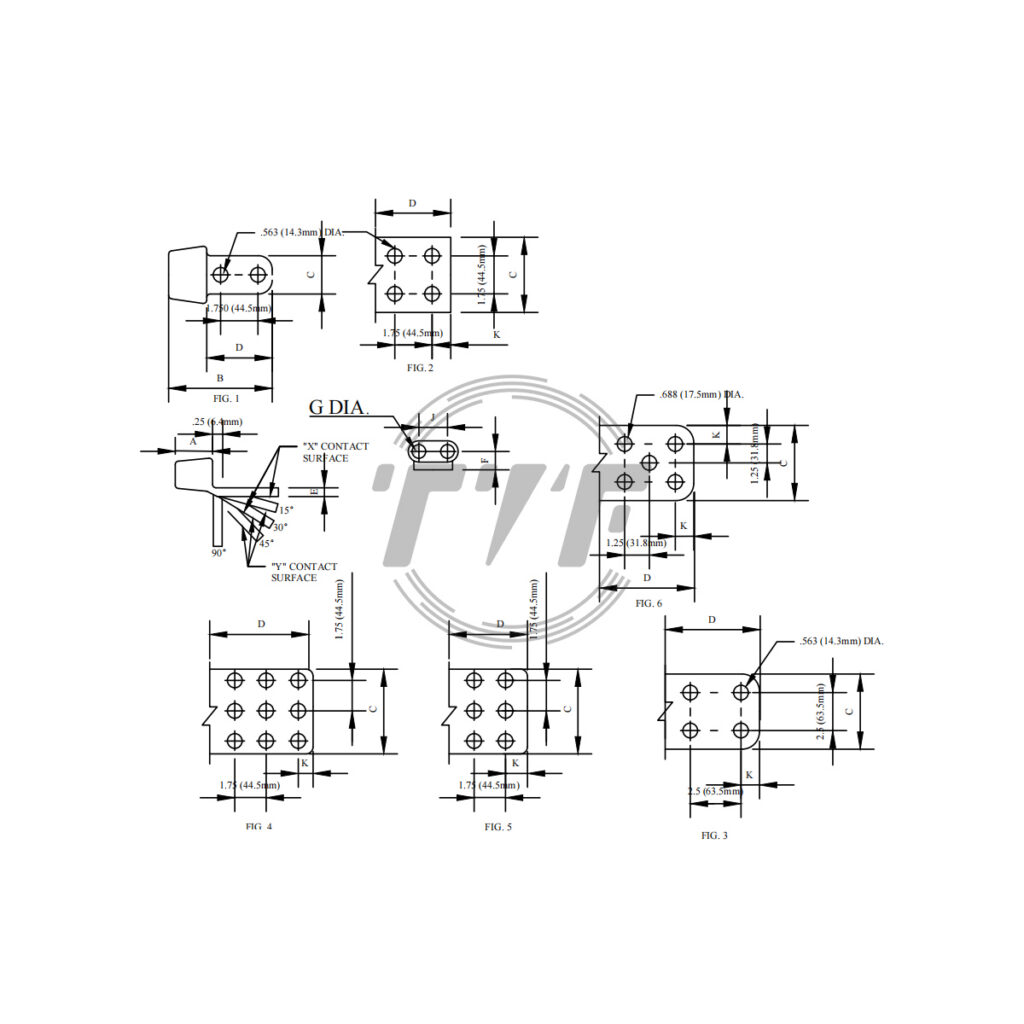
Aluminum welded terminals need excellent quality assurance because they transport large DC currents between battery modules, busbars, and power conversion devices. A faulty weld can cause increased electrical resistance, localized heating, decreased system efficiency, and thermal events. Quality assurance guarantees that the welded terminals follow design specifications, electrical performance criteria, mechanical strength standards, and safety regulations. Quality assurance (QA) includes raw material inspection, welding process qualification, dimensional verification, electrical testing, mechanical testing, and corrosion resistance evaluation. This helps to decrease manufacturing faults before terminals are deployed in high-value BESS projects. High-quality aluminum welded terminals will provide efficient power transfer, operational safety, lower maintenance costs, and the dependability of BESS installations.
Aluminum welded terminals’ responsibilities in BESS connection with grid infrastructure
Argentina is using BESS to promote renewable energy projects, transmission enhancements, and system modernization. Aluminum-welded terminals in the infrastructure ensure a stable, low-resistance connection between battery modules, busbars, power conversion devices, and transformers. They are highly conductive, lightweight, and mechanically durable. The following are their primary infrastructural functions.
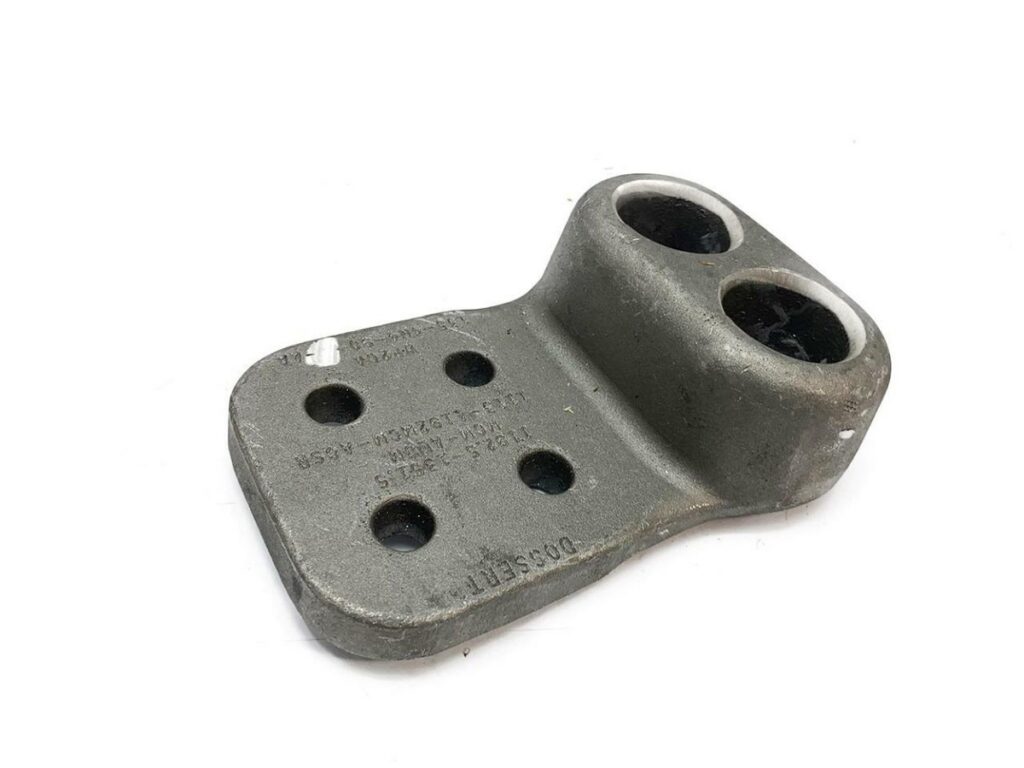
- Providing reliable electrical connections—the terminals connect battery cells and battery modules, battery racks, DC busbars, and inverters. This provides reliable connections, reduces voltage drops, and ensures efficient power transfer.
- Enabling efficient power transfer – Argentina’s BESS facilities charge from renewable energy sources and discharge electricity during peak demand. The welded terminals carry high DC currents, reduce electrical resistance, and improve charging efficiency.
- Supporting renewable energy integration—the welded terminals ease the charging of batteries during periods of surplus renewable generation. This enhances the reliability and flexibility of renewable energy integration.
- Maintaining low contact resistance—high-quality welded terminals maintain consistent electrical contact. Low contact resistance provides reduced power losses, lower heat generation, and stable voltage levels.
Importance of BESS project implementation in Argentina’s energy sector
The recent AlmaSADI tender allocated 700.5 MW of storage capacity across 20 projects. It displays a tactical endeavor to strengthen the system, incorporate more renewable energy, and improve energy security. The impacts of BESS projects on Argentina’s energy sector include:
- Enhancing grid reliability – Argentina’s electricity network encounters issues due to transmission limitations, peak demand, and regional disparities between production and usage. BESS enhances grid frequency stability, aids in voltage regulation, and boosts system resilience.
- Integration of renewable energy – BESS allows for the storage of surplus renewable production, supply of electricity, and decrease of renewable curtailment.
- Minimizing transmission congestion – many transmission lines can become overloaded. BESS takes in surplus electricity and provides it when there is available transmission capacity.
- Boosting energy security – Argentina’s power grid needs to handle seasonal demand variations, generator failures, and disruptions caused by weather. The AlmaSADI initiative aims to enhance the Argentine Interconnected System (SADI) by modernizing the national grid. This establishes a more adaptable, decentralized, and smart power system that can manage increasing renewable energy production.