Tag: clean energy

  • B strand connectors: Ensuring reliable Chilean grid expansion

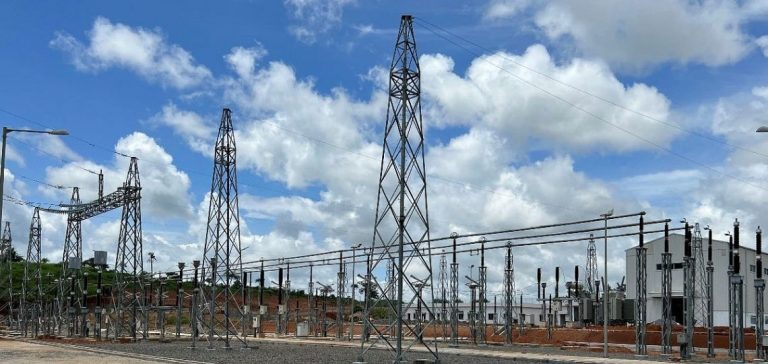
    Electrical grid infrastructure in Chile

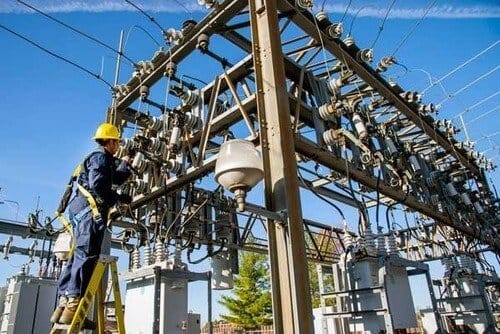
    The National Energy Commission of Chile (CNE) has begun the process of expanding the electricity grid for transmission and distribution by 2026. The procedure enhances long-term system planning and tackles structural limitations arising from swift renewable energy implementation. Chile has developed renewable energy markets featuring significant solar PV and wind power in many areas. Renewable energy production from these resources exceeds the improvements in transmission and distribution systems. The 2026 expansion initiative aims to tackle these challenges by synchronizing generation growth predictions with grid investment strategies and enhancing regulatory transparency. Moreover, the initiatives tackle intermittency and reverse power flows by introducing new high-voltage transmission lines. Creating a smart grid will enhance Chile’s clean energy goals for a safe and efficient power infrastructure. These advancements rely on greater use of power line hardware elements. This involves the use of B-strand connectors.

    B-strand connectors are compression connectors designed for joining and terminating strands. They serve as the structural messenger in overhead power distribution and communication lines. The connectors anchor the steel support strand to a pole, tower, or other structure. They also join two ends of steel strand together to create a continuous length. B strand connectors serve in every span to dead-end the strand on poles. It allows the attached insulated conductors to hang freely. B strand connectors replace or upgrade aging support hardware. They have a high-strength, corrosion-resistant design that ensures the structural integrity of the line under dynamic loads. Their use enables the smart grid infrastructure to manage a renewable-heavy grid to provide a data backbone for SCADA systems.

    Quality control for B-strand connectors utilized in power grid development initiatives
    Grid expansion infrastructure

    Quality assurance for B-strand connectors in power grid expansion initiatives guarantees that grounding components offer low-impedance electrical routes. They uphold mechanical integrity under pressure and operate safely in environmental conditions. These connectors assist in grounding overhead transmission structures to the earth, safeguarding equipment and personnel while facilitating coordinated protection systems. Material traceability for the strand connectors is maintained via certifications and documentation. It assists in confirming that raw materials conform to designated grades and treatments. Mechanical tests are performed on the connector, checking the tensile strength of the clamp and bolt, as well as torque tests, to ensure that the connectors remain securely attached to the B strands. It additionally undergoes tests for corrosion resistance and electrical continuity. The tests offer unbiased proof that hardware fulfills performance standards before installation.

    Functions of B-strand connectors in Chile’s power grid expansion projects

    B strand connectors perform grounding and bonding functions that support system safety, reliability, and regulatory compliance. The connectors ensure that expanded networks are electrically safe, mechanically secure, and resilient. They ensure stable grid operation during both normal conditions and fault events. Here are the key functions of B-strand connectors in Chile’s power grid expansion projects in Chile.
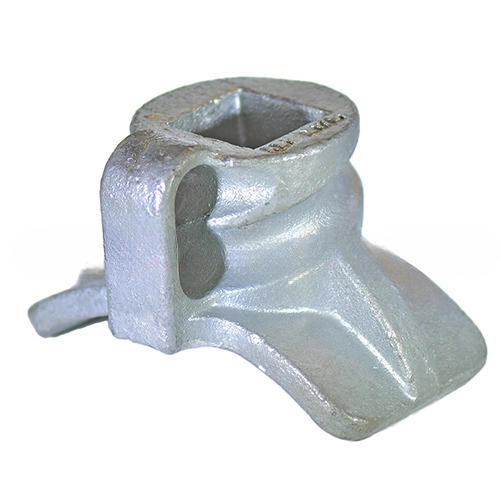
    B strand ground connectors bond strands to grounding conductors
    • Grounding of messenger and shield strands—B strand connectors bond B strands to grounding conductors, ground rods, or structure grounds.
    • Fault current dissipation—B-strand connectors enable rapid and controlled dissipation of fault currents into the grounding system. This helps reduce fault duration and magnitude to allow protection systems to operate and prevent damage to conductors.
    • Lightning and surge protection—the connectors provide a reliable bonding point that channels transient overvoltages away from the structure. They help reduce flashover risk and improve line resilience.
    • Mechanical stability of grounding connections—B-strand connectors provide mechanical attachment between strands and grounding conductors. They ensure contact integrity under wind-induced vibration, thermal cycling, and mechanical loading.
    • Support for protection and control systems – the strand connectors ensure accurate fault detection and relay operation. Stable grounding is critical for coordinated protection schemes in expanded grids with higher penetration of variable renewable generation.

    Expansion of power grid facilitating energy transition in Chile
    The expansion of the power grid influences grid planning and the energy transition as the deployment of renewable energy rises. Expanding the grid affects Chile’s ability to decarbonize its electricity sector while ensuring supply security. Grid expansion compels planners to embrace a more cohesive planning approach. This is marked by proactive investment that corresponds with renewable project pipelines and enhanced collaboration among transmission, distribution, and generation planning. The expansion allows Chile to evacuate renewable energy from areas abundant in resources, enhance system adaptability to handle intermittency, and decrease renewable energy curtailment
  • Anchor rods in Chile’s renewable-powered hydrogen systems

    Green hydrogen integrating with renewable energy

    Chile is moving its focus away from the prior 25 GW electrolysis capacity goal of 2030 and toward a production volume of around 900,000 tonnes per year by 2035. This move broadens the focus from pure production capacity to consumption and export goals. The shift reflects slower worldwide market adoption, higher capital and operating costs for electrolysis, and investor apprehension over big uncontracted supply. Green hydrogen development will also result in the deployment of infrastructure and technologies. This transition requires the design, procurement, and modular deployment of electrolyzer capacity. It also requires modular electrolysis devices that can be deployed, tested, and scaled based on grid circumstances. Integration with renewables and grid infrastructure necessitates intelligent integration layers between fluctuating renewable generation and electrolysers. It also relies on advanced forecasting and power scheduling systems that help expect renewable availability and optimize hydrogen production. These connections need robust hardware like anchor rods.

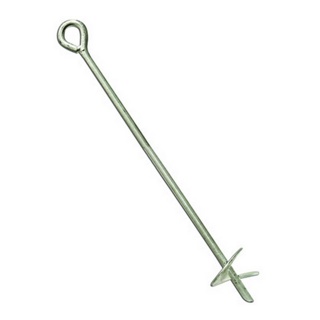
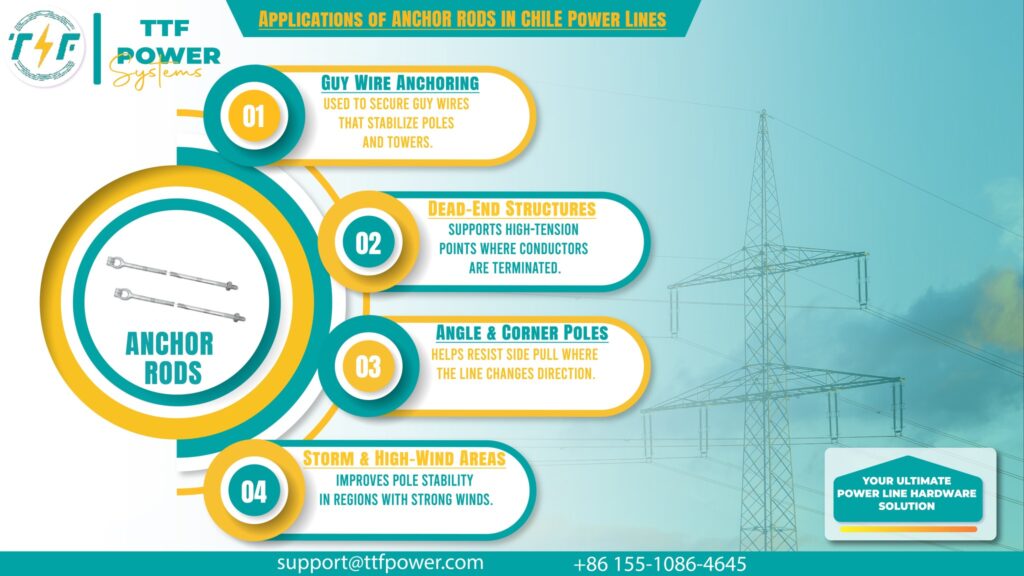
    Anchor rods in green hydrogen infrastructure improve the stability, safety, and lifetime of constructions in Chile’s settings. It secures heavy machinery, steel structures, and concrete foundations to prevent uplift or slide. They help to transfer dynamic and static loads from the superstructure to the foundation. These loads consist of dead loads, live loads, and environmental loads. Bolting electrolyzer modules with anchor rods helps to keep them aligned, avoid vibrations, and withstand seismic forces. Anchor rods are used on large-scale solar farms and wind turbines to secure mounting posts to ground screws. They ensure they can endure strong winds. High-quality rods hold pipe racks, sleepers, and supports that transport water and hydrogen pipelines over great distances.

    Technical requirements for anchor rods in green hydrogen infrastructure

    Uses and applications of anchor rods

    Anchor rods are heavy-duty fasteners used to secure electrolyzers, compressors, storage tanks, pressure vessels, and hydrogen piping supports. The rods can endure static and dynamic stresses, thermal cycling, and hydrogen-induced breakdown mechanisms. Anchor rod materials must be resistant to hydrogen embrittlement and corrosion while maintaining mechanical integrity. They must also withstand tensile and shear stresses, combined loads, dynamic loads, and thermal cycling. Hydrogen and electrolyte conditions can be corrosive. Surface coatings, cathodic protection, and passivation are all examples of corrosion control techniques. Quality control is crucial during the installation process. Anchor setting, concrete curing, torque verification, nondestructive testing, and hydrogen compatibility are all part of quality assurance. Anchor rods for green hydrogen infrastructure must be hydrogen resistant.

    Purpose of anchor rods in green hydrogen infrastructure in Chile

    Chilean green hydrogen projects include electrolysis plants, hydrogen hubs, ammonia conversion facilities, storage terminals, and export ports. Anchor rods provide load transfer, vibration control, seismic resiliency, and long-term asset reliability. Anchor rods serve several important tasks, including:

    Anchor rods provide mechanical connections
    • Structural anchorage of electrolysis and process equipment—anchor rods provide mechanical connection between heavy hydrogen equipment and reinforced concrete foundations. Anchor rods secure electrolyzer skids, hydrogen compressors, power electronics, and cooling systems.
    • Resistance to seismic loads—anchor rods resist horizontal shear forces during earthquakes, prevent overturning and sliding, and maintain load paths between equipment.
    • Control vibration and dynamic loads—earth rods clamp equipment to foundations, prevent fatigue cracking, and preserve long-term alignment of rotating machinery.
    • Securing high-pressure hydrogen systems—hydrogen infrastructure handles high internal pressures in compression units, buffer storage systems, and ammonia synthesis skids. Anchor rods counteract pressure-induced uplift forces, stabilize vessels and pipe cracks.
    • Anchoring storage tanks and conversion units—the rods resist wind loads, handle thermal expansion and contraction, and provide stability under operational loads.

    Green hydrogen integration with renewables in Chile

    Chile’s green hydrogen plan is based on the direct linkage of large-scale renewable energy and electrolysis equipment. Chile boasts vast solar and wind resources, as well as grid capacity and lengthy export distances. It is a strategic approach to transforming renewable power into a storable and transportable energy carrier. The use of direct renewable-to-electrolyzer coupling lowers reliance on congested transmission lines. It also permits lower-cost electricity supply for electrolysis, which increases project viability. The creation of hybrid renewable configurations aids in the mitigation of renewables’ intermittent nature.

    Hydrogen absorbs extra renewable generation during peak production, stabilizing use rates over time. Green hydrogen integration creates a non-grid outlet for surplus renewable energy. The development completes the loop between renewable energy generation, hydrogen production, and consumption.It creates localized energy ecosystems rather than export-only supply chains.

  • Hotline tap clamps enabling renewable energy & BESS

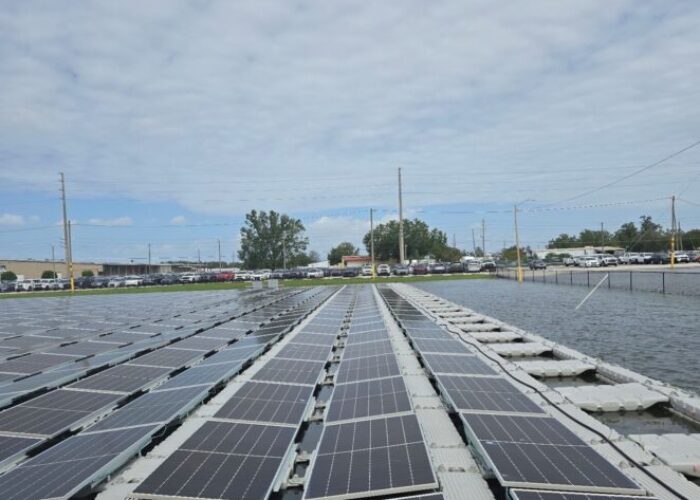
    Large-scale solar PV installation with BESS facility

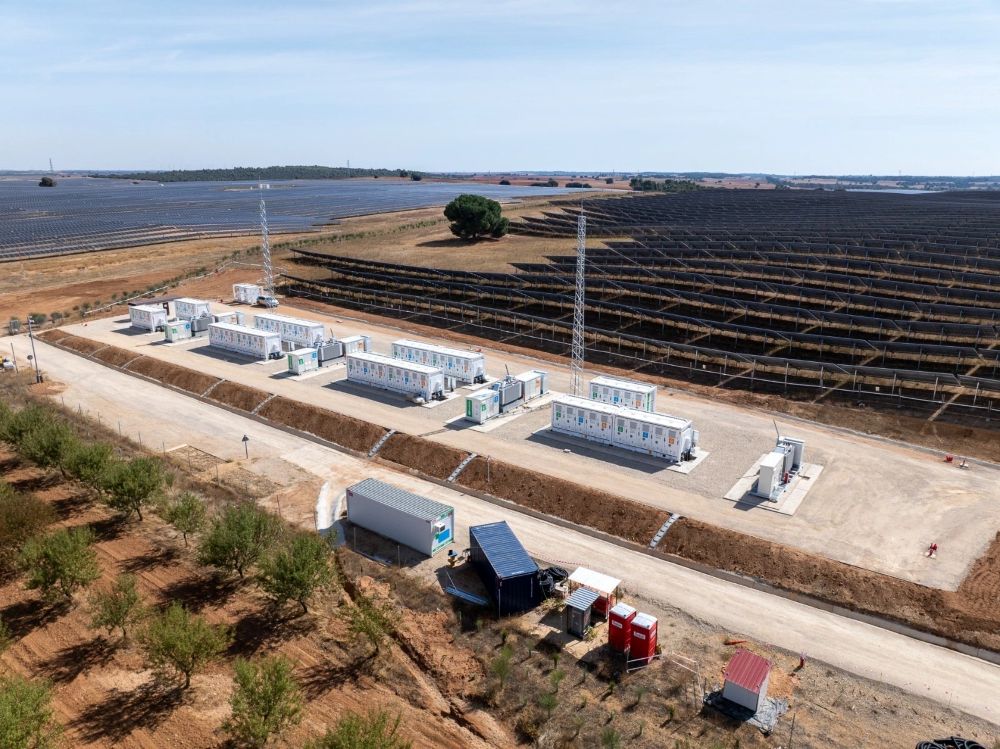
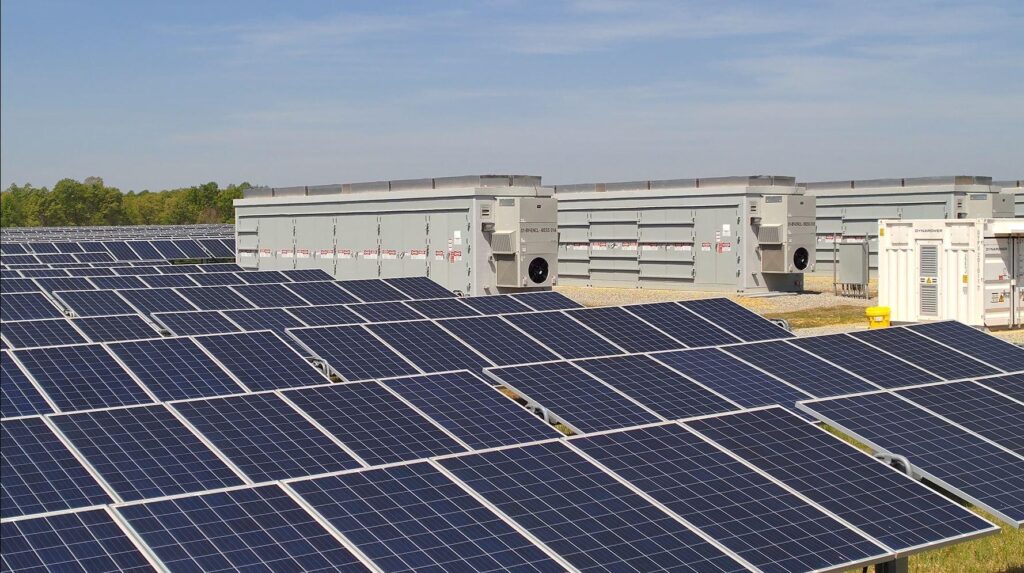
    In Chile, AES Andes Energy Company intends to put in place a transition strategy that will shift from traditional fossil generating to low-carbon assets. The company has increased its utility-scale wind and solar generation capacity, integrated BESS, and shifted money from green hydrogen projects to renewables and storage. The shift demonstrates an emphasis on bankable, grid-integrated sustainable energy assets. AES Andes in Chile focuses on a network of hybrid and stand-alone facilities that combine renewable generating and storage to provide dispatchable clean power. Antofagasta’s key projects include 128 MW wind, 229 MW solar PV, and 340 MW BESS in the Pampas region. The project also comprises 288 MW solar PV in Cristales, 300 MW BESS in Arenales, and 146 MW BESS in Bolero. These projects represent over 22,100 MW of generation and storage capacity under construction. These connections rely on robust components such as hotline tap clamps.

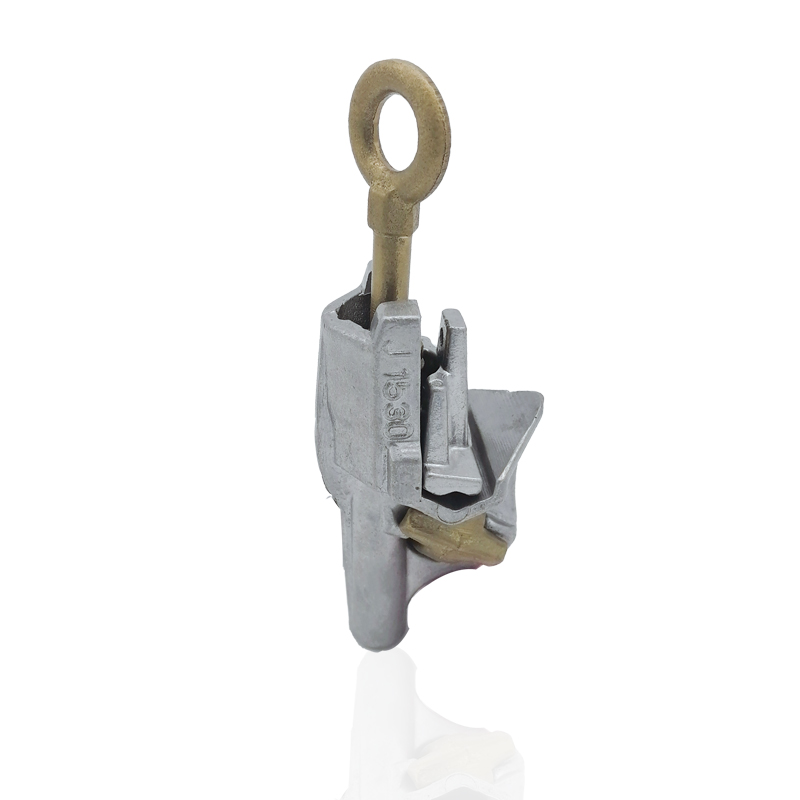
    Hotline tap clamps are used in medium- and high-voltage electrical collecting systems for renewable and BESS projects in Chile. To connect separate inverter stations, hotline tap clamps are used to disconnect the main collection cables. This enables for a modular wiring method rather than requiring each inverter to be home-run to the substation. Each turbine pad has a tap clamp that connects the transformer output to the main collector circuit. Tap clamps link the output of each PCS unit to a common DC or AC busbar in the BESS switchyard. Hotline tap clamps connect the BESS output to the current grid connection bus.

    Quality assurance for hotline tap clamps used in renewable energy installations

    BESS project development near solar PV

    Hotline tap clamps provide safe and dependable electrical hookups on live conductors without disrupting service. The clamps assure continuity, system safety, and long-term performance in dynamic environments. Their installation on live circuits need quality control to avoid failures that result in outages, accidents, and costly downtimes. It is critical to use a precise specification document that is consistent with project needs and industry standards. Material standards, electrical ratings, mechanical strength, and environmental tolerance are among the design and specification criteria. It also entails reviewing the supplier’s inspection reports and quality test results before awarding supply contracts. TTF certification ensures on-time delivery, low defect rates, and responsiveness to corrective actions.

    Applications of hotline tap clamps in renewable energy and BESS project development

    Chile’s rapid increase of solar PV, wind generation, and BESS is dependent on dependable grid connections enabled by hotline tap clamps. The clamps allow for safe electrical tapping on electrified cables, facilitating transmission and distribution-level integrations. Here are some of the most prevalent functions in renewable projects.

    Hotline tap clamps allow connections to new solar plants
    • Live-line grid interconnection without outages—hotline tap clamps enable live-line connections without de-energizing existing power lines. They allow EPC contractors to connect new solar plants, wind farms, or BESS facilities without interrupting grid operations.
    • Flexible power injection for solar and wind projects—hotline tap clamps create tap connections from main conductors to renewable feeders. They also support medium- and high-voltage power injection and enable phased project commissioning.
    • Reliable connection of BESS to distribution and transmission lines—the clamps support fast response grid services such as frequency regulation, peak shaving, and energy arbitrage. They provide low-resistance electrical paths for high-current charge and discharge cycles.
    • Support for grid reinforcement and capacity expansion—the clamps enable quick line extensions and capacity upgrades, temporary tapping during reinforcement works, and integration of new substations, BESS nodes, and renewable feeders.

    Technologies that promote renewable energy and BESS project development

    Chile has one of the most advanced renewable energy industries, thanks to its abundant solar and wind resources and innovative legislation. Electrical, digital, and grid-supported technologies help to enable large-scale deployment of solar PV, wind generation, and BESS. These technologies ensure project viability, dependability, and scalability. These technologies include:

    1. Advanced solar photovoltaic technologies—solar expansion is supported by high-efficiency PV technologies. These include monocrystalline PER and TOPCon modules, bifacial solar panels, and single-axis.
    2. High-capacity wind turbine systems—these include large-rotor, high-hub wind turbines, variable-speed generators for grid-friendly power delivery, and advanced pitch and yaw control systems.
    3. BESS technologies—BESS helps address intermittency and congestion challenges through lithium-ion battery chemistry, battery management systems, and power conversion systems.
    4. Transmission and grid interconnection technologies—Chile deploys robust grid infrastructure such as high-voltage transmission lines, live-line hardware, and flexible AC transmission systems.
  • Preformed deadends: Key infrastructure for mining projects

    Copper and gold mining infrastructure reactivation

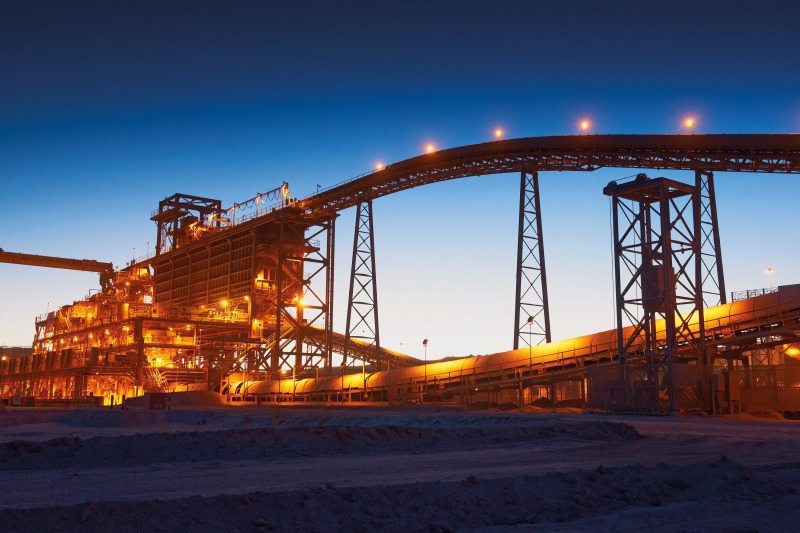
    Power Minerals is resuming exploration as higher copper and gold prices increase exploration economics and potential asset value. The company will look to put in place contemporary geophysical processing techniques to define the geometry of deeper targets. Copper and gold are in high demand for electrical and infrastructural applications. Reactivation is dependent on the establishment of strong infrastructure, cutting-edge technologies, and systematic mining processes. These elements are critical to the economic viability, regulatory compliance, and environmental performance of Argentina’s mining industry. Power and energy distribution, transportation networks, ports, and water management systems are all critical components of copper and gold mining infrastructure. There are also processing technologies that can turn Argentina’s latent copper and gold reserves into competitive producers. These methods use preformed deadends to assure reliability, safety, and efficiency

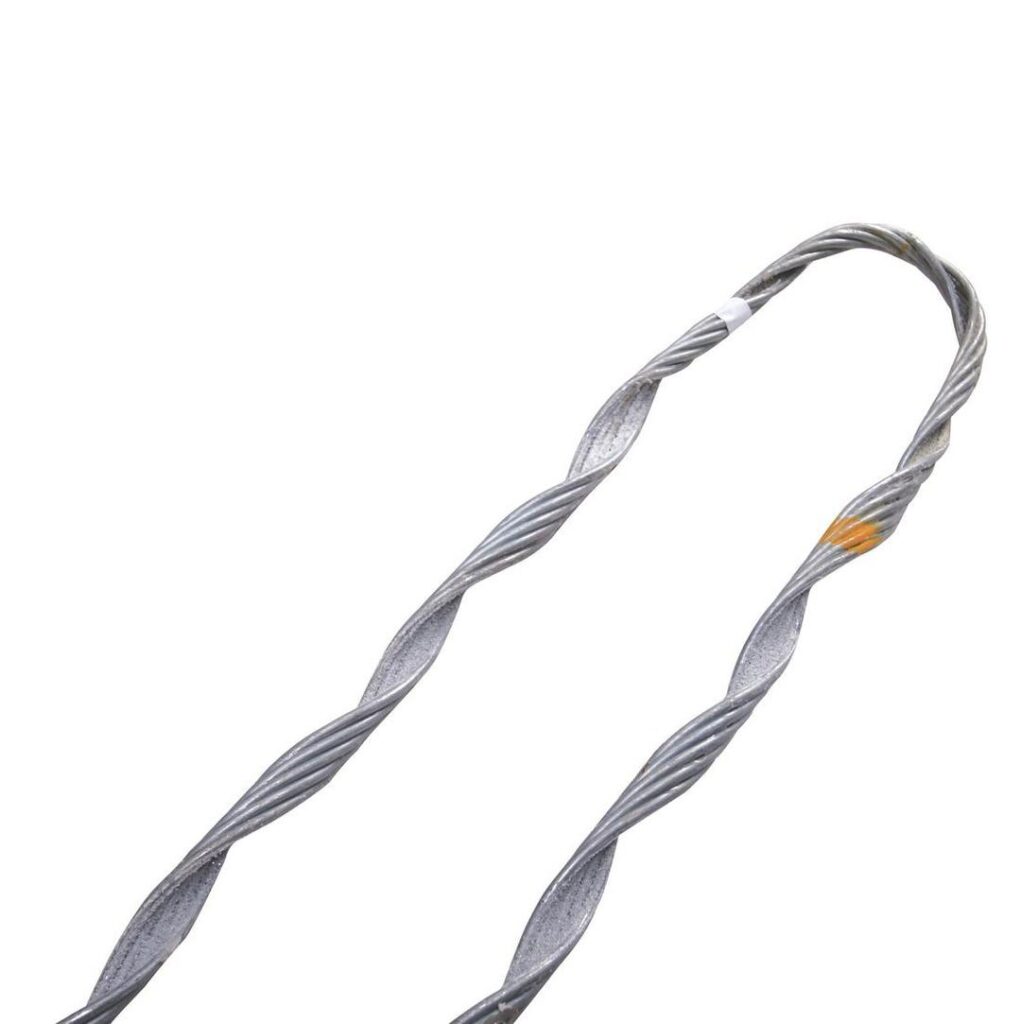
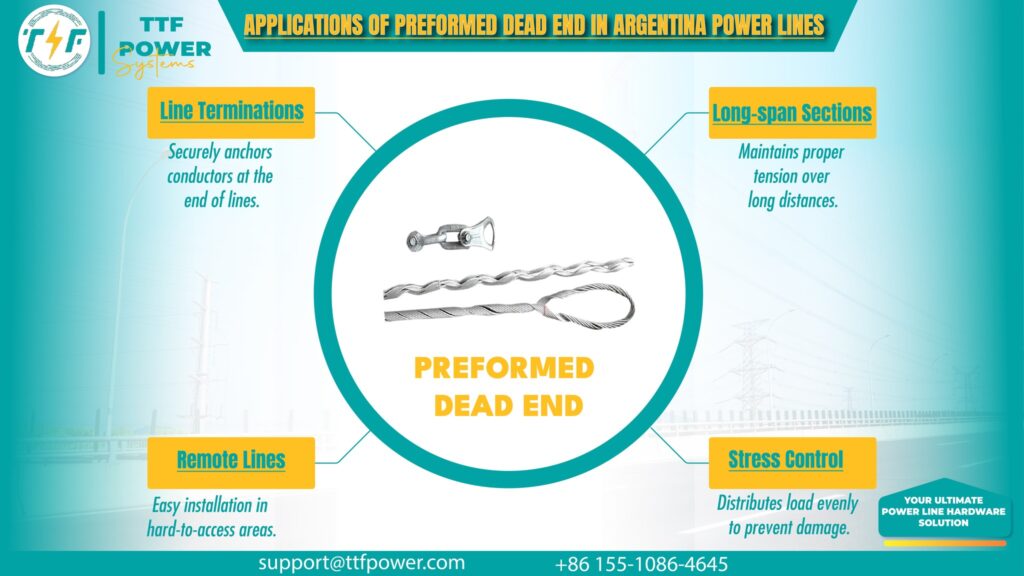
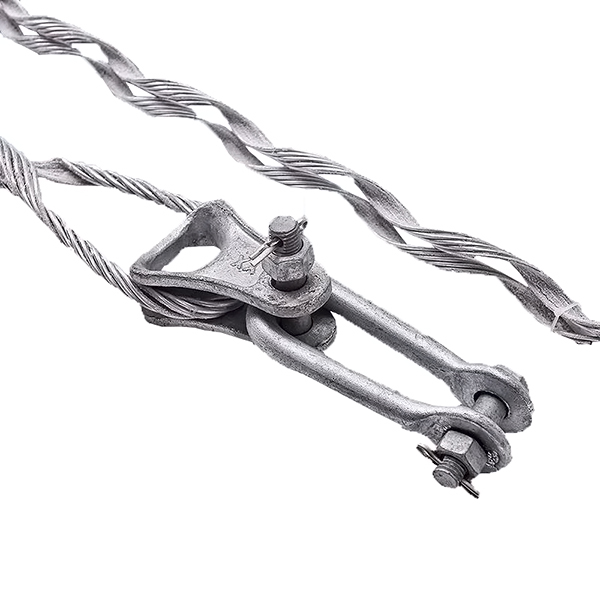
    Preformed deadends are stranded cable terminations that provide a strong, durable, and vibration-resistant grip while distributing mechanical strain uniformly. They stop strand fatigue and damage at the termination point. Preformed deadends are used to terminate and anchor power line conductors at poles, transmission towers, and substation structures in copper and mining infrastructure. Deadends hold the conductor at line ends, allow for splicing in dead-end situations, and can resist harsh circumstances. Preformed deadends protect busbars, ground wires, and jumper connections. They operate in substations and processing plants. They also secure guying and anchoring masts, towers, and structures at copper and gold mines.

    Quality assurance for preformed deadends used in copper and gold mining infrastructure

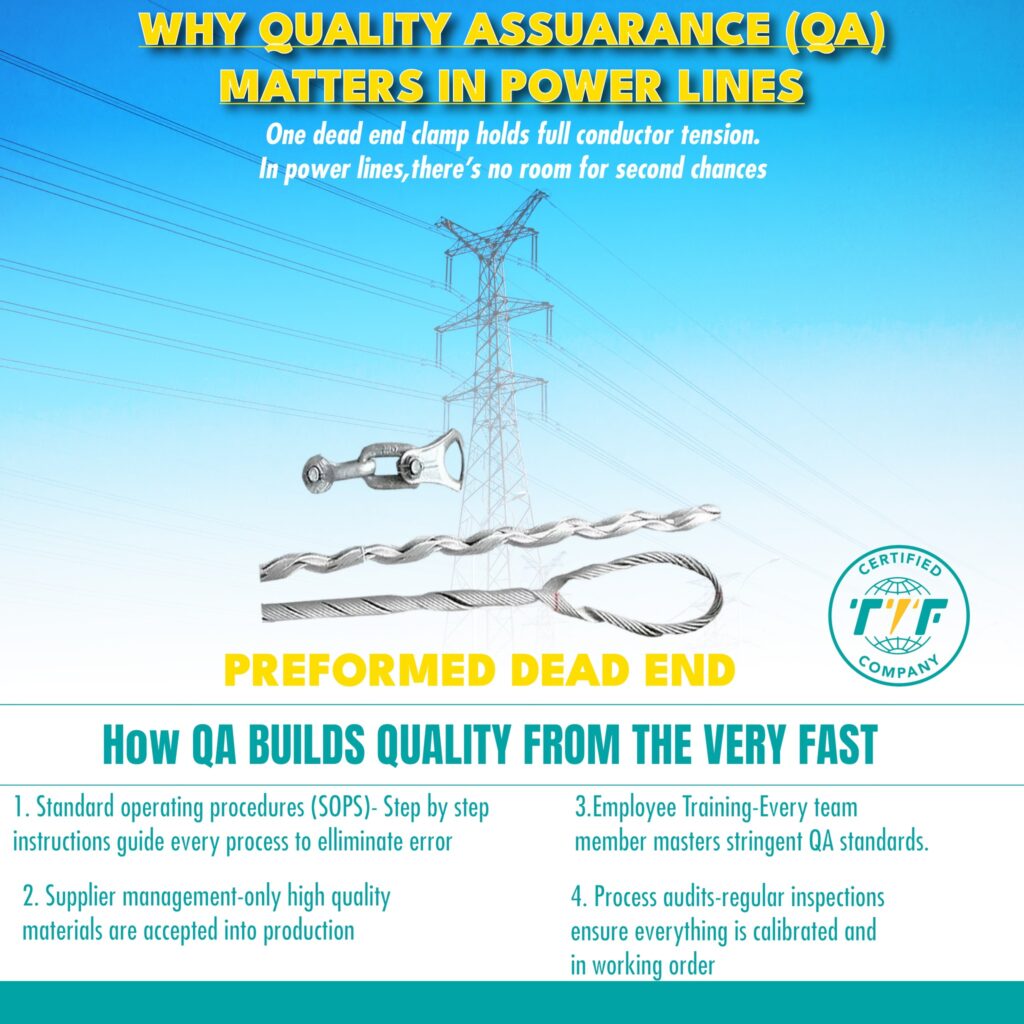
    TTF Certified preformed deadends for assurance

    Quality assurance for completed deadends focuses on technical requirements, inspection regimes, compliance drivers, and special environmental challenges. QA tackles these issues to guarantee that mining power systems are safe and reliable. Deadends connect conductors, ground wires, and optical fiber cables to buildings. Failures at dead ends can result in outages, safety problems, and equipment damage. Preformed deadend quality assurance ensures mechanical performance, electrical continuity, grounding integrity, longevity, and compliance with international standards. Preformed deadends quality assurance provides mechanical integrity under mining loads, electrical continuity, installation competence, and standard and regulatory compliance. Creating a QA framework adapted to mining circumstances and local compliance standards can aid mining operators in reducing infrastructure failures and enhance operational reliability.

    Performed deadends in Argentina’s copper and gold mining infrastructure

    Preformed deadends serve in mining infrastructure, distribution, grounding, and communication systems. They provide support for mining, processing, and logistics operations in copper and gold mining infrastructure. Preformed deadends provide for controlled load transfer, electrical continuity, and long-term durability in severe mining situations. Here are the primary uses of preformed deadends in mining infrastructure.

    Preformed deadends ensure consistent electrical contact between conductors
    • Load anchoring and tension management—preformed deadends anchor conductors and cables under sustained mechanical tension. They distribute tensile forces along the conductor, prevent slippage at termination points, and maintain table line geometry across long spans.
    • Electrical continuity and grounding integrity—preformed deadends ensure consistent electrical contact between conductor and termination. They also ensure low-resistance grounding paths for earth wires and shield conductors.
    • Structural interface between cables and infrastructure—the deadends act as the mechanical interface between conductors and supporting structures. They end overhead power lines at substations and switchyards and anchor cables to structures.
    • Support for modular construction and expansion—preformed deadends support rapid installation and removal during line extensions. They also help reduce installation time in remote locations.

    Potential issues to overcome during the restart of copper and gold mining in Argentina

    Copper and gold mining reactivation poses a significant risk that goes beyond geology. Operators must face structural, regulatory, technological, and societal difficulties. Addressing these issues can help shift the project from dormancy to continuous production. These challenges include:

    1. Environmental and water constraints – copper and gold mines in arid regions face water access and management challenges. Key risks include competition with agriculture, glacier and periglacial protection regulations.
    2. Infrastructure gaps and capital intensity – these barriers include insufficient power supply and poor road access for heavy equipment. Rebuilding infrastructure increases upfront capital requirements.
    3. Technical and geological uncertainty – dormant projects suffer from outdated geological models and incomplete data. The key challenges include legacy drilling, uncertainty over depth extensions, and increased technical risks.
    4. Regulatory and policy uncertainty – key issues include changes in export duties and tax regimes, foreign exchange controls, and permitting delays caused by overlapping federal and provincial jurisdictions.
  • Fork clevis eye role in Argentina’s solar energy boom

    Solar park development sustaining clean energy goals

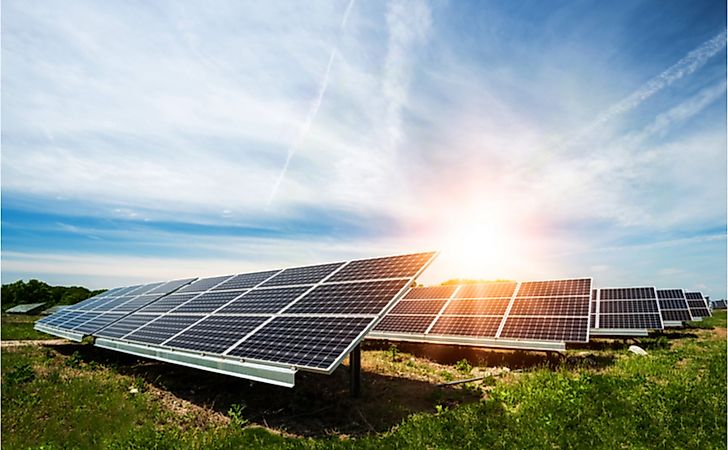
    Argentina’s Arauco solar park recently marked the completion of its first fully erected row of solar panels. It marks the formal transition from preparatory work to full-scale operational assembly in one of the most strategically important renewable energy projects. The project entails the installation of photovoltaic modules that allow for on-site inspection of the solar tracking system components. This encompasses module mounting, electrical connections, and grounding systems. The development of wind and solar hybrid systems enhances capacity optimization by utilizing generation characteristics. This lowers intermittency hazards and improves grid stability. The project has 1,600 solar trackers and 94,000 photovoltaic panels, totaling 50 MW installed capacity. The plant will generate enough electricity to help cut CO2 emissions from fossil fuels. This demands the development of other infrastructure such as transformer substations and battery energy storage systems. These connections rely on components such as the fork clevis eye.

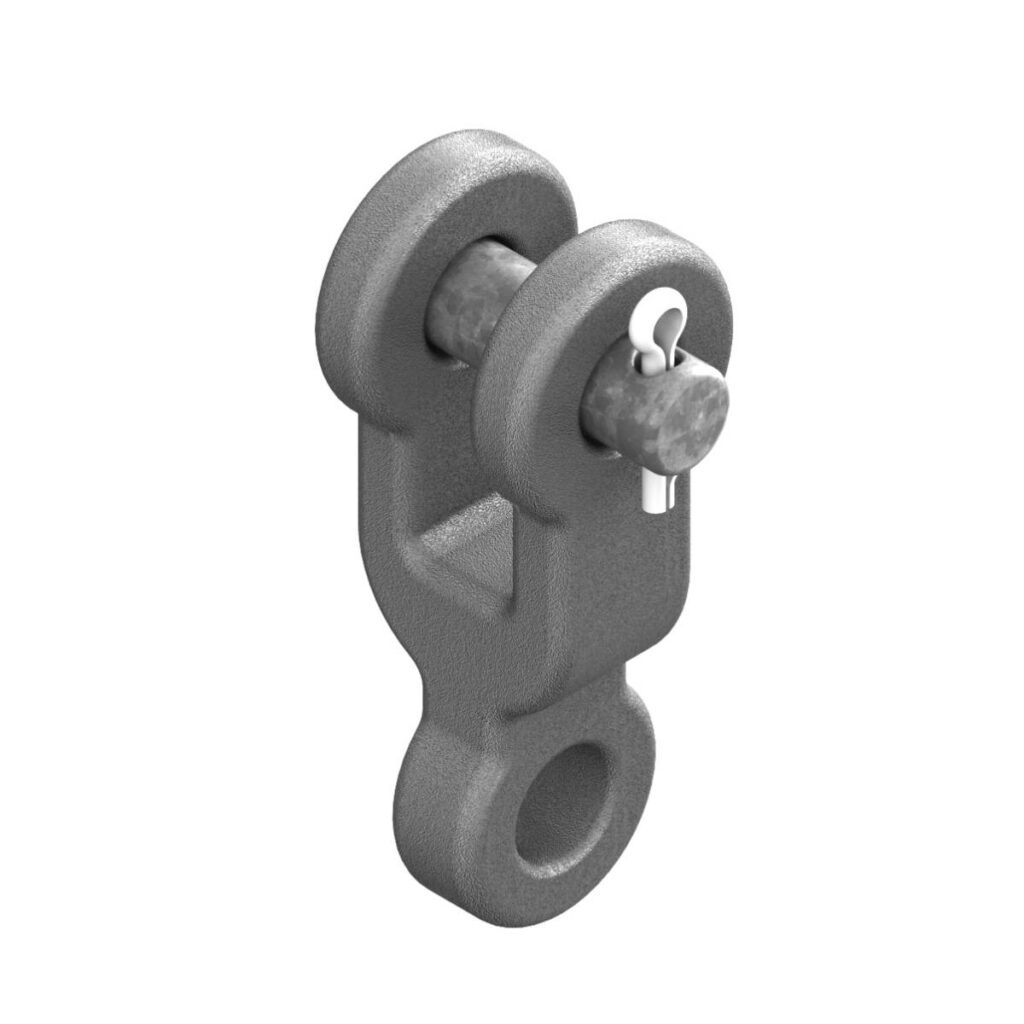
    The Y-clevis eye serves in mounting systems for large-scale solar parks like the Arauco facility. It serves as the link between the rotating torque tube and the driving system for rotation. The forked end of the clevis is designed to fit around the mounting lug or bracket welded to the torque tube. To establish a robust and solid pivot point, a pin is inserted through both arms of the clevis and the lug. This allows rotational movement while supporting massive structural loads. The fork clevis eye can withstand dynamic stresses without failure. Its design directs all rotating stresses on a single, high-strength, hardened steel pin, allowing for simple inspection and maintenance. The pinned connection allows for a degree of flexibility to accommodate thermal expansion and contraction.

    Technical parameters for the fork clevis eye used in solar park development

    Solar PV technology development

    A fork clevis eye is a mechanical connector used in the racking and structural support systems. The clevis must meet engineering, material, and corrosion protection standards to assure long-term performance under structural stresses and environmental exposure. The requirements define the fork clevis eye for solar park applications under Argentina’s renewable infrastructure constraints. For example, clevis design affects the mounting system’s structural stability and load transfer integrity. Manufacturing with high-strength materials aids in achieving the lowest tensile strength, yield strength, and elongation at break. These parameters serve to guarantee that the clevis resists plastic deformation under both static and dynamic loads. The dimensions of the fork clevis eye provide controlled fit and performance. Additionally, the Y-clevis eye is specified for corrosion protection to withstand high UV exposure and coastal saline influence. Proper specification and quality control contribute to long-term reliability and performance of utility-scale solar infrastructure.

    Fork clevis eye in the solar park infrastructure in Argentina

    The fork clevis eye improves the load management, stability, and long-term durability of photovoltaic mounting and tracking systems in solar parks. It is critical for the performance and financial viability of major renewable energy assets like hybrid wind and solar systems. It enables the safe deployment of large-scale solar assets under a variety of environmental situations. The fork clevis eye facilitates the translation of technical design into high-performance renewable energy systems throughout Argentina. Here are the primary roles of the fork clevis eye in solar park infrastructure.

    Fork clevis eye enable articulated connections on solar infrastructure
    • Load transfer and structural durability—the fork clevis eye provides a reliable load transfer interface between tension members. It ensures that tensile forces are transmitted without inducing localized stress concentrations.
    • Supporting angular movement—solar parks use single-axis tracking systems to maximize energy yield. The fork clevis eye enables articulated connections to allow limited angular rotation.
    • Wind and seismic load mitigation—the fork clevis eye stabilizes connectors within bracing and guying assemblies. This helps structures absorb and redistribute transient loads.
    • Installation tolerance and constructability—the Y-clevis eye supports installation flexibility and allows crews to achieve precise alignment. This improves constructability, reduces installation stress, and supports consistent quality.

    Opportunities for Solar Park Development in Argentina’s Energy Sector

    Argentina’s energy market provides prospects for solar park development based on structural energy needs and natural resources. Argentina’s strong solar irradiation enhances capacity factors and project economics, allowing for massive solar parks. Grid reinforcement programs aim to ease congestion in high-resource areas. They also allow utility-scale solar parks to connect to the national grid. The integration of hybrid solar and wind allows for the shared use of substations, transmission lines, and land, which improves capital efficiency. It also improves generation profiles, reduces intermittency, and increases grid stability in Argentina.

  • Secondary clevis protecting Argentina’s systems against heat

    Impacts of heatwaves on Power line infrastructure

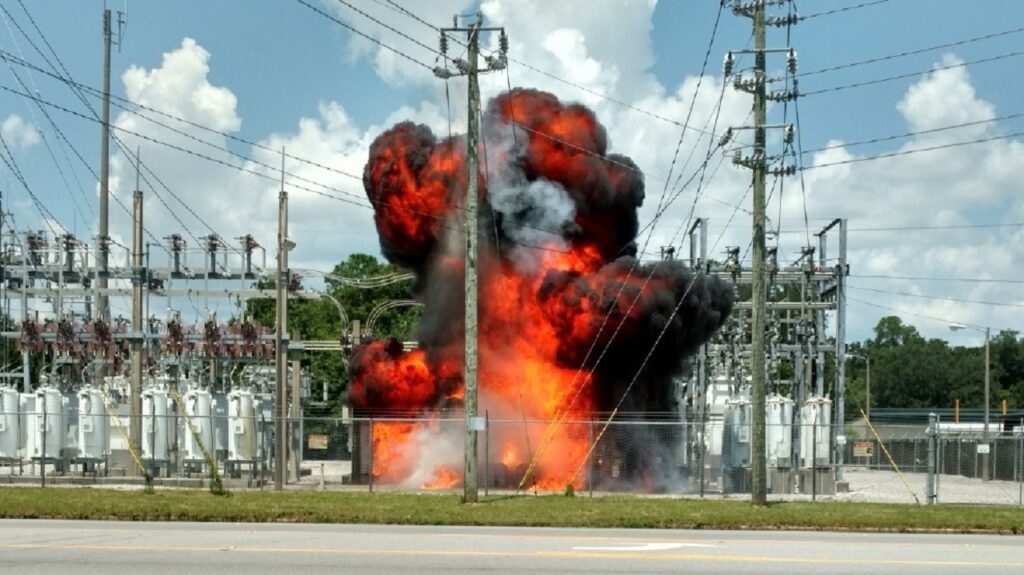
    The rising heatwaves in Argentina affect multiple energy sectors, such as electricity generation, usage, and the infrastructure. These heatwaves cause widespread disruptions that leave users without power. Lately, Buenos Aires experienced significant power outages, primarily impacting the northern neighborhoods. The surplus heat raises the speed of thermal decomposition that leads to failures. The blackouts expose weaknesses in high-voltage grid parts where failures of transmission lines cause outages. Energy firms are making extra efforts to tackle the outages and guarantee resilience moving forward. They might achieve this by implementing different strategies to convert the grid into a heat-resistant system that can endure extreme temperatures. These links depend on a strong power infrastructure that can endure these elevated temperatures. This encompasses elements like a secondary clevis

    During heatwaves, the secondary clevises allow an operator to open or close a large disconnect switch. It prevents mechanical bind or jam that occurs in prolonged heat. The secondary clevis ensures the linkage operates smoothly despite thermal expansion. This allows switching operations to proceed during emergency conditions. The clevis also connects the control mechanism to the current-interrupting contacts.

    Technical specifications for the secondary clevis used in protecting power infrastructure

    Key features of the clevis

    A secondary clevis ensures secure mechanical connections, load transfer integrity, and reliability over line assemblies. The technical specifications for secondary clevises help protect conductors, insulators, and structures under diverse operating conditions. Key specifications include mechanical load and strength requirements, dimensional compatibility, material selection, electrical considerations, and environmental durability. Properly specified and installed secondary clevises help safeguard transmission and distribution assets as the grid expands to accommodate higher renewable energy penetration. They help protect Argentina’s power infrastructure during heatwaves that lead to blackouts.

    The role of the secondary clevis in protecting power infrastructure during heatwaves

    Power infrastructure in Argentina faces thermal, mechanical, and electrical stresses that increase the risk of degradation. The secondary clevis protects transmission and distribution systems by maintaining mechanical integrity, alignment, and load control under high-temperature operating conditions. It protects insulators and conductors from heat-induced mechanical and electrical stress. This helps support the reliability of power infrastructure under high-temperature conditions. Here is how they protect the power infrastructure during heatwaves.

    Secondary clevis secures conductors and other fittings
    1. Managing thermal expansion and mechanical stress—heatwaves cause conductors to expand and increase sag. The secondary clevis helps maintain correct articulation between insulators, yoke plates, and other fittings. They allow controlled movement without inducing excessive stress concentrations.
    2. Preserving alignment and load transfer—the secondary clevis ensures consistent load transfer across the connection points. This prevents torsion, bending, or eccentric loading that could lead to mechanical failure.
    3. Supporting insulation performance—the secondary clevis protects electrical insulation. They do so by maintaining correct spacing and orientation of insulator strings. They help preserve electrical clearances and creepage distances to reduce the risk of flashovers.
    4. Enhancing system resilience—the clevises provide a robust, corrosion-resistant, and dimensionally stable connection. This contributes to power line resilience during heatwaves. It also helps maintain structural integrity under combined thermal and mechanical stress. They support continuous operations during peak demand.

    Advancements safeguarding electrical equipment from heatwaves in Argentina

    Energy firms are adopting diverse innovations and technologies to safeguard power systems from heatwaves and enhance grid resilience. Tackling these obstacles necessitates a plan that includes digital and climate-resilient grid infrastructure, decentralized energy systems, energy storage solutions, cooling technologies, and regulatory structures. These assist in converting a fragile grid into a heat-resistant power network. These advancements encompass:

    • Upgrading and making grid infrastructure resilient to climate change—this entails utilizing smart grid technologies that use cutting-edge sensors and communication to align demand with supply. It additionally encompasses digital sensors and thermal observation.
    • Boosting generation adaptability and community resilience—this encompasses distributed energy resources, virtual power plants, energy storage solutions, and renewable integration and diversification. These technologies assist in alleviating demand surges and decreasing dependence on temperature-sensitive generators.
    • Protection of equipment and cooling solutions—energy companies can incorporate passive cooling materials and active cooling systems. They assist in lowering the likelihood of shutdowns caused by thermal stress. Insulated piercing clamps provide dependable, low-resistance connections and cut heat-stress failures.
    • Operational and regulatory advancement—this encompasses integrating climate-aware grid planning, regional collaboration, investment structures, and regulatory motivations. These foster investment prospects that guarantee transmission and distribution capacity is tailored for future conditions
  • Preformed deadend clamps Argentina grid upgrades

    Argentina's power grid expansion to integrate renewables

    Argentina’s electrical system development and improvement is critical for increasing wind and solar capacity and converting renewable potential into reliable national supply. High winds are concentrated in Patagonia, and solar capacity is increasing in the central-western regions. The country is investing in new 132, 220, and 500 kV lines. The project expands evacuation capacity, lowers losses, and improves interconnectivity. Upgrades in substations include higher-capacity transformers, updated protection and control systems, and digital monitoring. The upgrades enable the infrastructure to handle varying electricity flows from wind and solar installations. They do so while keeping voltage and frequency stable. These new advancements cause the usage of durable hardware components, such as preformed deadend clamps.

    Conductors and overhead ground wires are terminated and anchored by preformed deadend clamps that spiral onto the cable. They provide a dispersed and uniform grip across the length of the conductor without crushing it. The compressive grid decreases stress concentrations in individual conductor strands. The dead-end clamps work with a variety of conductor diameters and kinds, eliminating the need for bespoke engineering for each tower attachment. The design ensures that the conductor’s integrity is not jeopardized while retaining its tensile strength.

    Technical specifications for prefabricated deadends used in grid expansion infrastructure

    Preformed deadend clamps uses in power lines

    Preformed deadend clamps help meet rigorous mechanical, electrical, and environmental specifications. Deadends are used on distribution and sub-transmission lines because they are reliable, easy to install, and provide conductor protection. Deadend clamps are prefabricated and used to stop conductors at deadend buildings, angle points, and sectioning places. Mechanical standards, conductor compatibility, material and corrosion resistance, and electrical and thermal performance are all important considerations. Adherence to these requirements facilitates the integration of expanding renewable capacity while maintaining system performance. They also value mechanical strength, conductor compatibility, corrosion resistance, and electrical continuity.

    Performed deadend clamps in Argentina’s grid expansion

    Preformed deadend clamps serve mechanical and operational purposes in Argentina’s grid expansion program. They are critical to the dependability, longevity, and speed of new transmission and sub-transmission deployments. Preformed deadend clamps can securely anchor conductors, distribute mechanical stress, and handle fluctuating loads. The following are the functions of prefabricated deadend clamps in grid expansion in Argentina.

    Preformed deadend clamps support renewable integration in new lines
    • Secure conductor termination—the preformed dead-end clamps terminate conductors at dead-end structures, section points, and line ends.  They transfer the full tensile load of the conductor to the supporting structure. Deadend clamps ensure stable line anchoring where renewable generation needs new line extensions.
    • Uniform stress distribution and conductor protection—the deadend clamps use helically wrapped rods that distribute mechanical stress along the conductor length. They help reduce localized pressure and prevent strand damage, fretting, or fatigue.
    • Performance under variable loading conditions—preformed deadend clamps accommodate thermal cycling and fluctuating power flows without loss of grip or mechanical degradation. They maintain consistent tension and reduce the risk of slippage under cyclic loading.
    • Electrical continuity and system stability—the deadend clamps maintain electrical continuity along the conductor. They provide a stable conductive interface that supports normal operating currents and withstands fault conditions.

    The technical and operational significance of Argentina’s system expansion for renewable energy integration

    Argentina’s grid upgrades alter how the power system runs, allowing for more renewable penetration. It does so while retaining dependability, efficiency, and system security. Increasing transmission capacity boosts system stability, decreases curtailment, and enhances operational flexibility. Grid expansion is the foundation of Argentina’s renewable energy integration strategy. Here is the significance of grid expansion in Argentina.

    1. Increased transmission and evacuation capacity—new high-voltage and sub-transmission lines expand the grid’s ability to evacuate power from renewable-rich regions to load centers. This addresses congestion constraints that limit the output of wind and solar plants.
    2. Voltage and frequency stability enhancements – renewable generation introduces variability and reduced system inertia. Grid expansion combines with upgraded substations and modern protection schemes to improve voltage regulation and frequency control.
    3. Compatibility with modern conductors and hardware—grid upgrades enable the use of higher-capacity and higher-temperature conductors, advanced line fittings, and improved insulation systems. These improvements allow more power to flow through each line without compromising thermal limits.
    4. Improved fault management and protection coordination—expanded networks use modern protection, automation, and monitoring technologies. The systems enhance fault detection, isolation, and recovery. This is crucial in a grid with a high share of inverter-based renewable generation.
  • Anchor shackles: protecting Argentina’s grid during heatwaves

    Power infrastructure upgrades after blackouts

    Rising temperatures in Argentina’s Buenos Aires region strained transmission infrastructure, energy generation, distribution, and consumption. Temperatures lower conductors’ current-carrying capacity while increasing electrical resistance. This increases the likelihood of heat overload and potential line sag. These situations may result in protective shutdowns or cause operators to reduce load to prevent infrastructure damage. The recent temperatures coincided with widespread transformer and line failures in transmission networks. Failures at high-voltage nodes such as transformer substations cause widespread network outages. Heatwaves have an impact on both the delivery and generation of power. Furthermore, local networks servicing consumers experience interruptions during high heat, putting aged networks under stress. To address these challenges, the energy industry should aim to improve grid reliability under heat stress. These upgrades demand the use of robust connections secured by components such as anchor shackles.

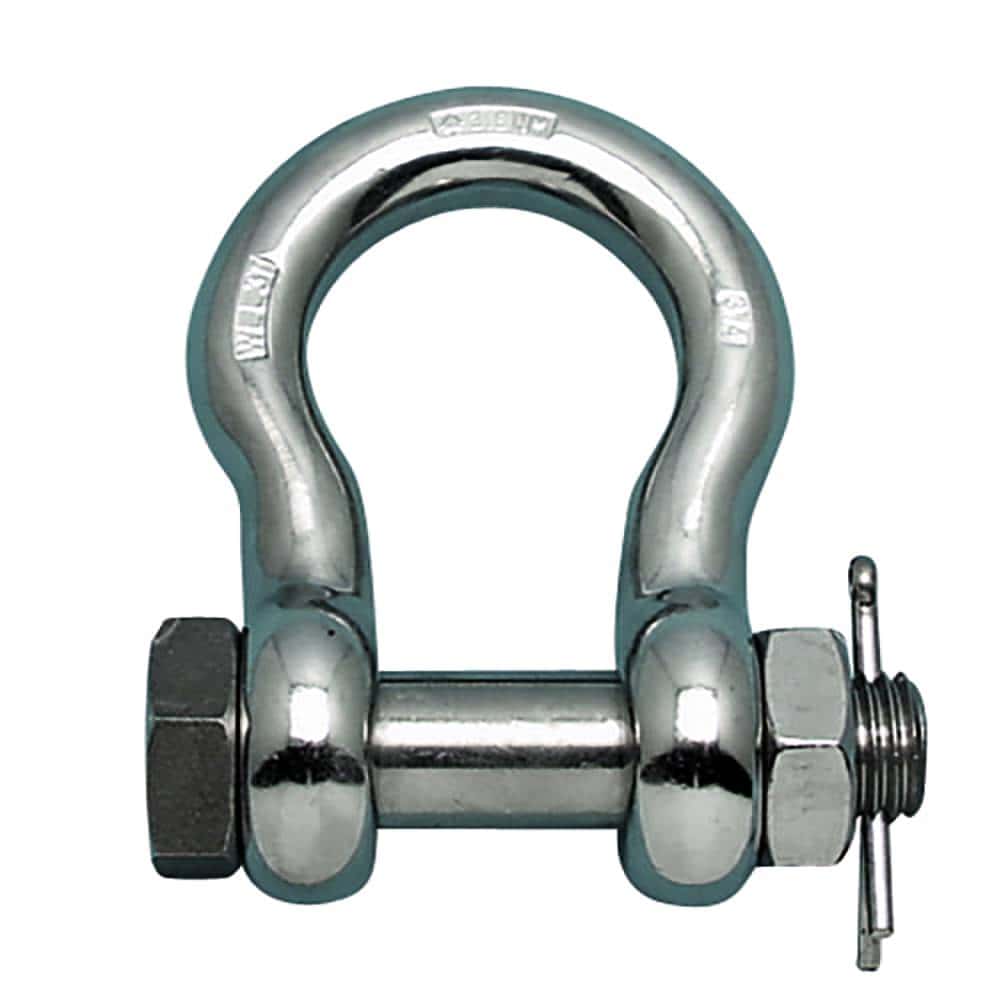
    The anchor shackle adds strength, safety, and adaptability to the structural support system. Anchor shackles connect the ground anchor to the guy wires that support transmission poles and towers. Heavy conductors exert greater force on support structures. The anchor shackle is designed to withstand tensile loads and prevent the guying system from failing. This makes them essential for installing new or improved guy wire assemblies. Hot-dip galvanized shackles let personnel to securely connect and tension guy wires while upgrading objects. This speeds up grid upgrades, resulting in a more resilient grid during heat waves.

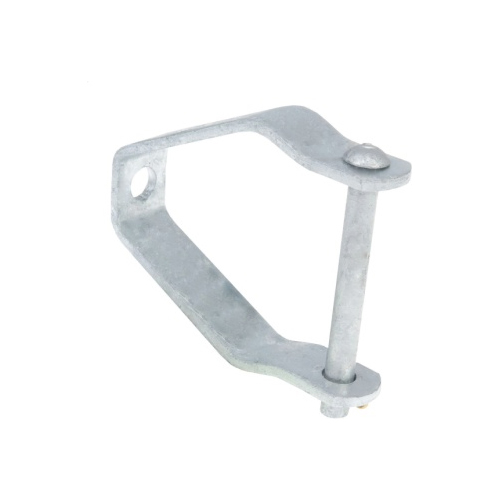
    The bow component of the shackle provides a bigger bearing surface, allowing the attached guy wire to pivot. This pivoting enables for movements due to thermal expansion and contraction, wind loads, and tension variations. This prevents concentrated bending loads on the pin. This could result in metal fatigue and failure during cyclic heatwave conditions. Anchor shackles ensure that the greater force from heat-resistant grid modifications is properly grounded in the ground.

    Anchor shackles have important roles in securing power generation and transmission systems

    Anchor shackles protect Argentina’s electricity generation, transmission, and consumption infrastructure during heatwaves. Using anchor shackles increases the mechanical, thermal, and load-rated stresses across the power system. The shackles contribute to system stability when thermal and mechanical loads are high. Its main roles include:

    Anchor shackles maintain load distribution on the infrastructure
    1. Managing thermal expansion and line sag—overhead conductors in high-voltage networks expand during heatwaves and increase sag and mechanical load transfer to support structures. Anchor shackles maintain secure load paths between conductors, insulator strings, and towers.
    2. Power infrastructure—anchor shackles join insulators, conductors, guy wires, and structural elements in power systems. They function across generation plants, transmission lines, and distribution networks. They provide high tensile and shear strength, allow angular movement, and resist fatigue under cyclic loading.
    3. Reducing risk of mechanical failure under peak load—anchor shackles sustain higher longitudinal and vertical loads without yielding. They prevent cascading mechanical failures that could lead to line drops. The shackles also support emergency load redistribution when transmission lines operate near capacity.
    4. Structural stability in thermal power and renewable plants – anchor shackles serve in guyed structures, cable support systems, and electrical and mechanical assemblies. Anchor shackles absorb mechanical forces without loosening. They also maintain alignment of suspended conductors and auxiliary systems.
    5. Protection of distribution and consumption infrastructure—anchor shackles secure service drops, guy wires, and insulator connections. They prevent mechanical loosening caused by thermal cycling. This supports supply to residential and commercial consumers during extreme heat.

    The impact of increasing heatwaves on Argentina’s electricity infrastructure

    Extended periods of severe temperatures raise power consumption while decreasing the operating margins of generating, transmission, and distribution systems. This highlights structural flaws in an outdated power grid. The key effects are as outlined below.

    • Reduced thermal power plant efficiency—during heatwaves, the cooling systems are less effective in thermal power plants. It also reduces turbine efficiency, and plants may operate at reduced output to avoid equipment damage.
    • Hydropower and climate interactions – heatwaves can reduce reservoir levels, limit hydropower output, and increase resilience on thermal generation and energy imports. This weakens system flexibility during prolonged heat events.
    • Increased demand in electricity—heatwaves lead to increased demand for air conditioning and cooling systems, refrigeration loads, and increased strain on public infrastructure.
    • Renewable generation constraints—extreme heat can reduce photovoltaic efficiency and increase thermal stress on inverters and balance-of-system equipment. Using anchor shackles secures lines and equipment to prevent mechanical failures.
  • Strain clamps key to Argentina LNG growth and funding

    Liquefied natural gas production infrastructure

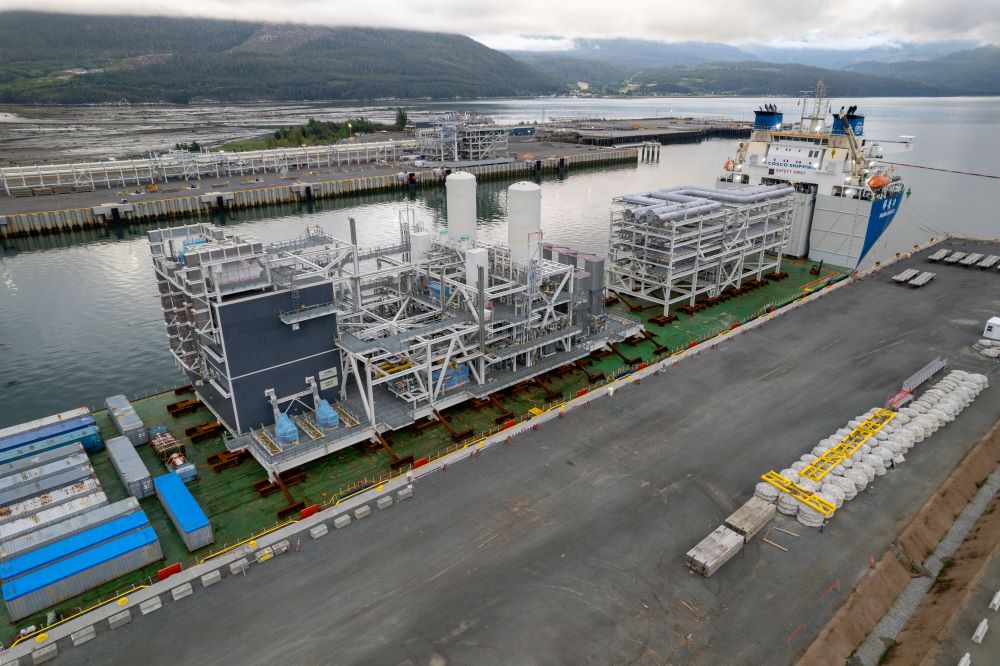
    Argentina’s energy sector is undergoing a transformation as it converts significant natural gas reserves into global LNG exports. Companies like MidOcean Energy’s involvement in the LNG sector indicates their belief in Argentina’s potential to become a major participant in the LNG market. Vaca Muerta’s shale deposit is the focus of upstream expansion, with continued drilling and technological advancements increasing gas output levels. It establishes a platform for export-oriented supply by developing midstream and export infrastructure. Argentina’s construction of floating LNG boats allows gas to be moved into export markets at a fraction of the cost. MidOcean Energy intends to contribute $20 billion to help construct infrastructure for LNG production and export. Large-scale LNG projects increase demand for auxiliary industries such as engineering, construction, and manufacturing. These industries rely on hardware components such as strain clamps.

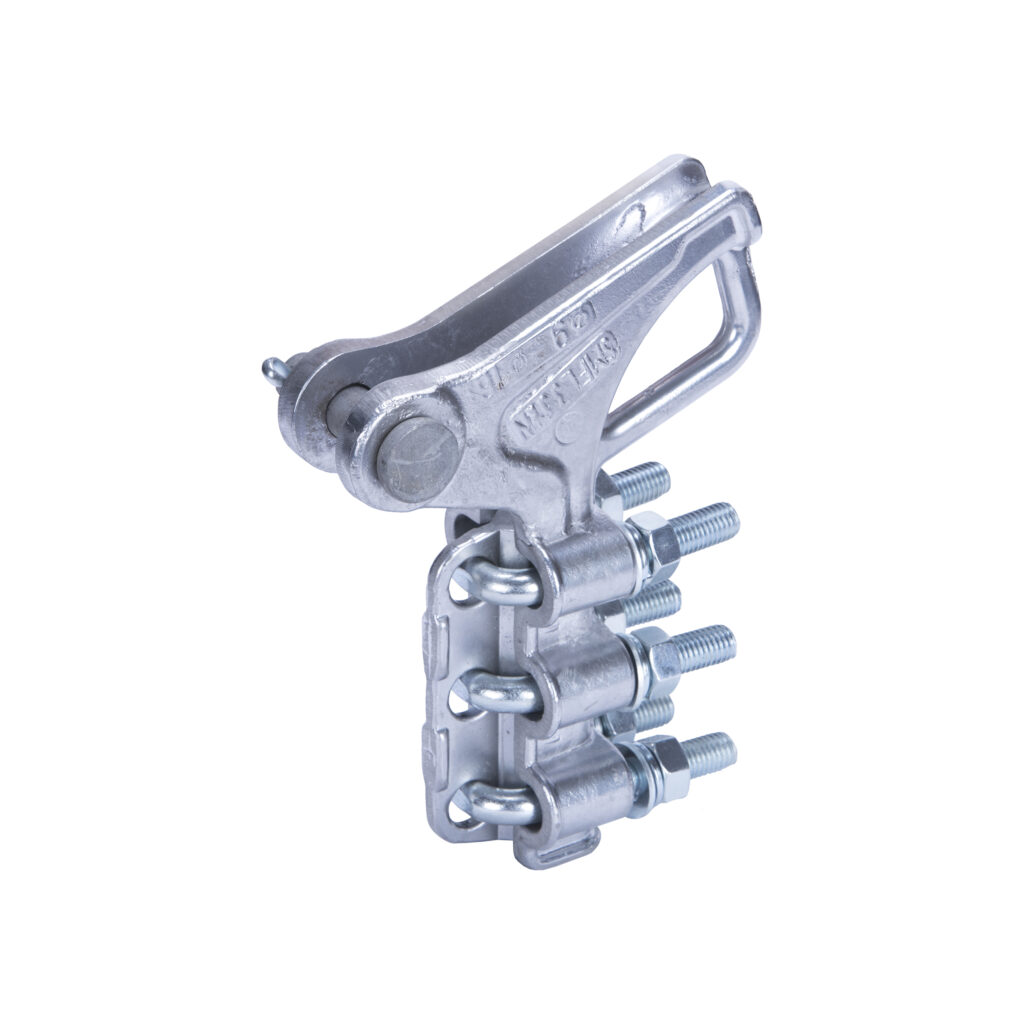
    Strain clamps support the electrical power and grounding systems for LNG plants, allowing them to run efficiently. The clamp ends, connects, and maintains cables while ensuring electrical continuity. It helps to endure the conductor’s mechanical stress as well as environmental loads like as wind and ice. Strain clamps are used where external power lines link to the plant’s substation structures.

    The clamps secure the conductors and transfer mechanical tension to the framework, ensuring a solid electrical and physical connection. They contribute to the national grid’s reliable and resilient power supply, allowing LNG plants to operate continuously. Strain clamps secure busbars and conductors between transformers, circuit breakers, and disconnect switches.

    The role of strain clamps in Argentina’s LNG infrastructure

    Strain clamps in LNG infrastructure provide mechanical stability, load management, and operational safety throughout the power, control, and support systems. Strain clamps are used in the power and electrical infrastructure to support liquefaction, storage, and export activities. They ensure mechanical stability, electrical dependability, and environmental resilience to protect LNG production and export capacity. The following are the functions of strain clamps in LNG infrastructure.

    Strain clamps secure conductors at line terminations in LNG infrastructure
    • Mechanical load management in electrical networks—LNG facilities need robust electrical distribution systems to power compressors, pumps, cryogenic equipment, and control systems. Strain clamps terminate and anchor overhead conductors at dead ends, corners, and tension points.
    • Support for transmission and substation infrastructure – strain clamps secure conductors at line termination and busbar connections. They enable safe transitions between overhead lines and substation equipment.
    • Integration with diverse environments – strain clamps provide high corrosion resistance, mechanical performance, and a secure grip without conductor damage to reduce maintenance needs. This is essential for power lines feeding port facilities, FLNG support bases, and marine service yards.
    • Fast construction and expansion—the clamps support modular expansion by allowing fast and secure conductor installation during construction. They reduce installation complexity in constrained sites to align with the rollout of FLNG units.
    • Safety and reliability in facilities – LNG plants operate under strict regimes due to the presence of cryogenic fluids and flammable gas. Using strain clamps helps prevent conductor slippage that could lead to power outages. They reduce the risk of electrical faults that interrupt critical safety systems.

    The impact of increased investment in Argentina’s LNG sector

    Increased investment in Argentina’s LNG business helps the country move from a domestically oriented gas market to a worldwide LNG exporter. Capital inflows affect productive capacity, infrastructural resilience, policy credibility, and long-term economic success. Here’s how investments impact Argentina’s LNG sector.

    1. Enabling large-scale LNG infrastructure—increased investment is essential for floating LNG units, pipeline expansions, and offshore infrastructure. Private capital participation reduces the fiscal burden on the state. This also demands the use of power line hardware such as strain clamps to secure the LNG infrastructure connections.
    2. Improving project bankability and risk allocation – participation from private investors improve access to project finance at more competitive rates. It also leads to insurance and risk-mitigation frameworks for complex offshore projects. This strengthens the bankability of Argentina’s LNG ventures.
    3. Strengthening energy security and export revenues – enough infrastructure and production capacity can reduce reliance on imported LNG and generate stable export revenues. This improves energy security and macroeconomic stability.
    4. Driving economic growth and industrial spillovers – capital deployment stimulates local manufacturing of pipes, valves, fasteners, and electrical equipment. It also leads to sharing of knowledge and skills in digital operations and offshore engineering. The spillovers enhance Argentina’s industrial base beyond the energy sector.
  • Ball hooks in Argentina’s Hydroelectric Expansion

    Hydroelectric expansion infrastructure

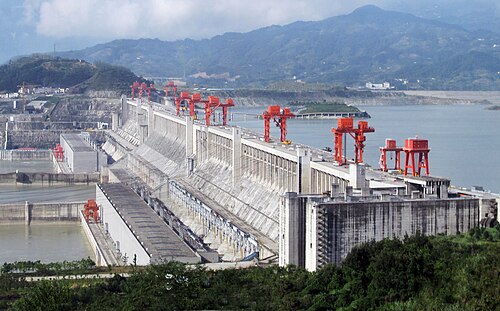
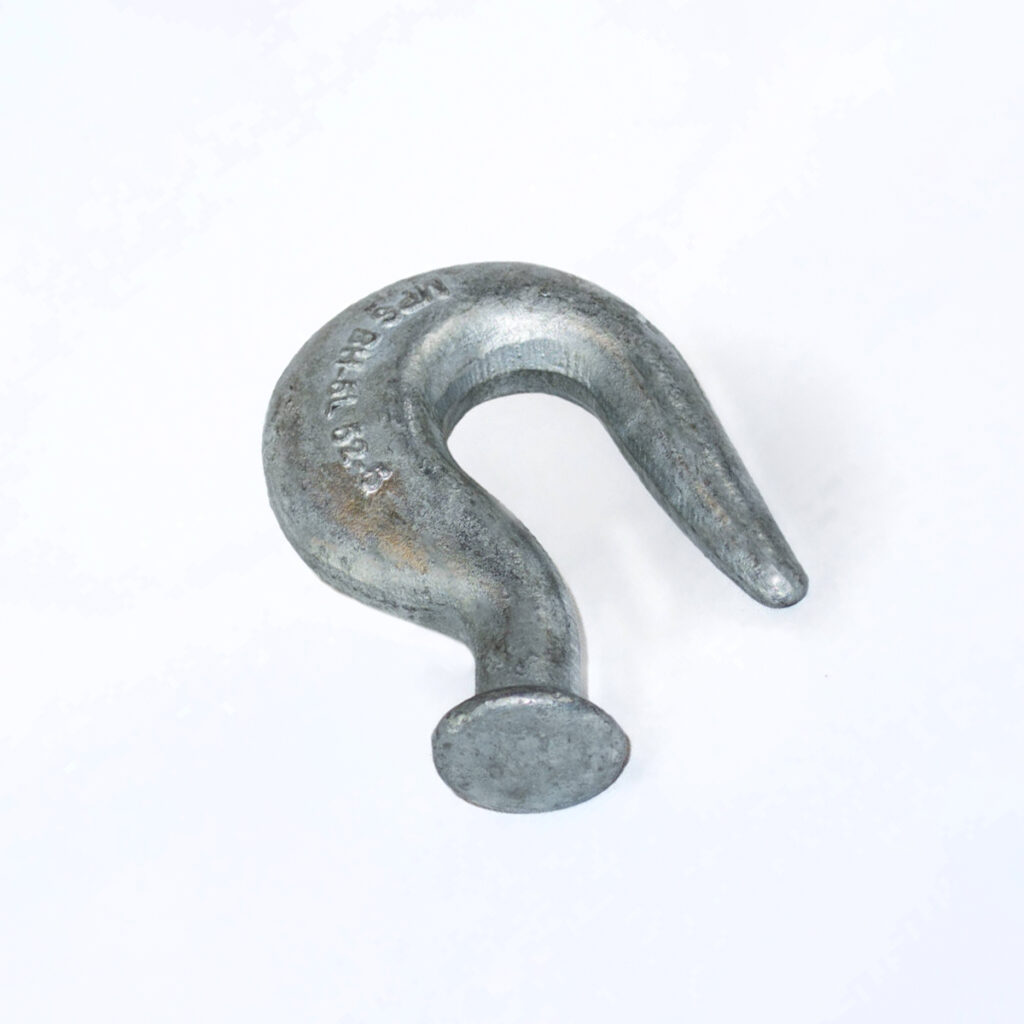
    Argentina has handed over its four major hydropower dams to new private operators. The new operators will ensure that power generation and market participation continue uninterrupted. Hydroelectric dams stabilize Argentina’s energy mix by generating dispatchable, low-cost, and low-emission electricity. The new operators’ assumption of control will result in increased efficiency and modernization. This might include turbine upgrades, digital asset management, improved dam safety standards, and better integration with renewable energy and battery storage initiatives. These optimizations boost asset life, capacity factors, and system adaptability. The expansions also need the use of high-quality hardware components, such as the ball hook. Ball hooks are attachments for large excavators used to place components on dams.

    The ball hook consists of a spherical ball placed in a casing and connected by hooks and links. It ensures that lifting forces are distributed evenly even if the lift locations are not completely level. In turbines, the ball hook lift assembly aids in extracting it from the stator without causing binding, which could harm the stator core component. The hook ensures that the large runner is lowered squarely into the turbine housing. This avoids misalignment and seal damage. The ball hooks allow for safe, precise, and cost-effective turbine generator servicing.

    Furthermore, new transmission lines will help transport hydro and wind power, necessitating the construction of heavy equipment. Ball hooks are essential for installing the electrical infrastructure required for renewable integration. The hook ensures the success of updating the hydroelectric base, expanding hydro capacity, and deploying BESS and the grid to support renewable technologies.

    Functions of ball hooks in hydroelectric expansion infrastructure in Argentina

    A ball hook is an essential component of overhead lifting, suspension, and mechanical connection systems used in construction, refurbishment, and capacity increases. It function in projects with heavy electromechanical equipment, transmission connections, and dam safety infrastructure. The hook offers controlled lifting, precise positioning, and safer handling of important items. Here are some of its important functions in Argentina’s hydroelectric infrastructure.

    Ball hooks enable movement for hydroelectric infrastructure
    1. Load transfer and secure suspension—the ball hook provides a reliable load-bearing connection between lifting devices. The hooks serve when handling turbines, generators, penstocks, gates, and structural steel elements. It allows load distribution and reduces stress concentrations at the connection point.
    2. Flexibility and alignment compensation—ball hooks enable articulation and allow suspended loads to self-align during lifting and positioning. They provide flexibility when installing precision components. These components include turbine runners or generator rotors.
    3. Fast engagement and disengagement—ball hooks support efficient assembly and disassembly for reducing downtime during expansion. Their design allows fast connection to shackles, lifting eyes, or slings to improve productivity on site.
    4. Support for auxiliary and electrical systems—ball hooks serve in the installation of auxiliary systems. These include overhead cable supports, temporary power lines, and maintenance access equipment.

    Key infrastructure and systems that underpin Argentina’s hydropower expansion

    Argentina’s hydroelectric dams rely on a complex, interdependent network of infrastructure and systems designed to operate safely. These assets ensure energy security, grid stability, and a low-carbon generation strategy. This is critical for balancing hydroelectric, wind, and solar capacity. The success is dependent on infrastructure and systems like:

    1. Structural infrastructure—hydroelectric projects rely on civil works systems that include dams, spillways, intake structures, and water conveyance systems. These elements regulate water flow, manage extreme hydrological events, and protect downstream communities.
    2. Electromechanical generation systems—hydroelectric outputs depend on high-performance turbine-generator units for site-specific head and flow conditions. These are supported by excitation systems, cooling circuits, and lubrication systems that ensure stable generation.
    3. Power transmission and grid interconnection—these include high-voltage transmission infrastructure substations, transformers, switchgear, and transmission lines. These connect dams to Argentina’s interconnected power systems. The systems ensure voltage regulation, frequency control, and reliable power evacuation from remote dam locations to demand centers. These interconnections depend on the use of ball hooks to secure infrastructure for lifting heavy equipment for hydroelectric dams.
    4. Control, protection, and automation systems—modern dams depend on advanced SCADA, protection relays, and automation platforms to manage operations. The systems coordinate turbine output, manage load changes, isolate faults, and support remote operations.